
 English
 日本語
日本語 中文简体
中文简体
Content
- 1 Between Warp and Weft: Decoding the Craft of Knitted and Woven Ponte Wool Fabrics
- 2 Balancing Comfort and Durability: Quality Standards for High-Grade Shrink-Resistant Wool Fabrics
- 3 Functional Upgrade: Innovative Applications of Wool Blend Shrink-Resistant Fabrics
- 4 The Future of Textile Technology: The Profound Impact of Ponte Roman Cloth Shrink-Resistant Technology
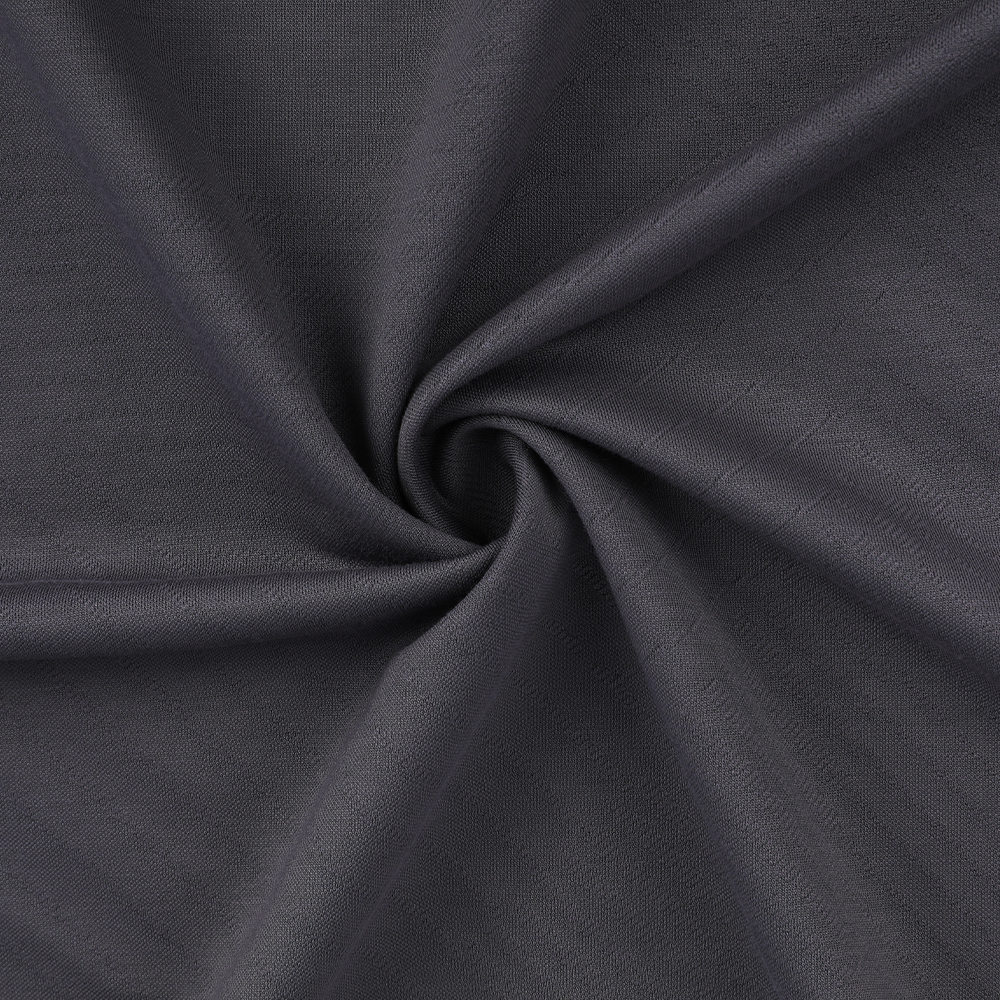
In the vast world of textiles, wool has long been regarded as a symbol of luxury and comfort, cherished for its exceptional warmth and soft touch. However, its delicate nature has deterred many—shrinking after washing, tangled fibers, and cumbersome maintenance have all diminished the user experience of wool products. Ponte fabric, a rising star in the textile industry, with its unique double-knit structure and outstanding performance, is quietly changing this situation. When Ponte technology meets wool fibers, combined with advanced shrink-resistant treatments, it gives birth to a new generation of fabric that integrates the natural advantages of wool with the practicality of Ponte. It fundamentally solves the pain points of traditional wool fabrics, bringing consumers unprecedented freedom and convenience in wearing. This innovative combination not only makes wool products more accessible but also expands the application boundaries of wool fabrics, heralding a new era of more comfortable and durable wool clothing.
Between Warp and Weft: Decoding the Craft of Knitted and Woven Ponte Wool Fabrics
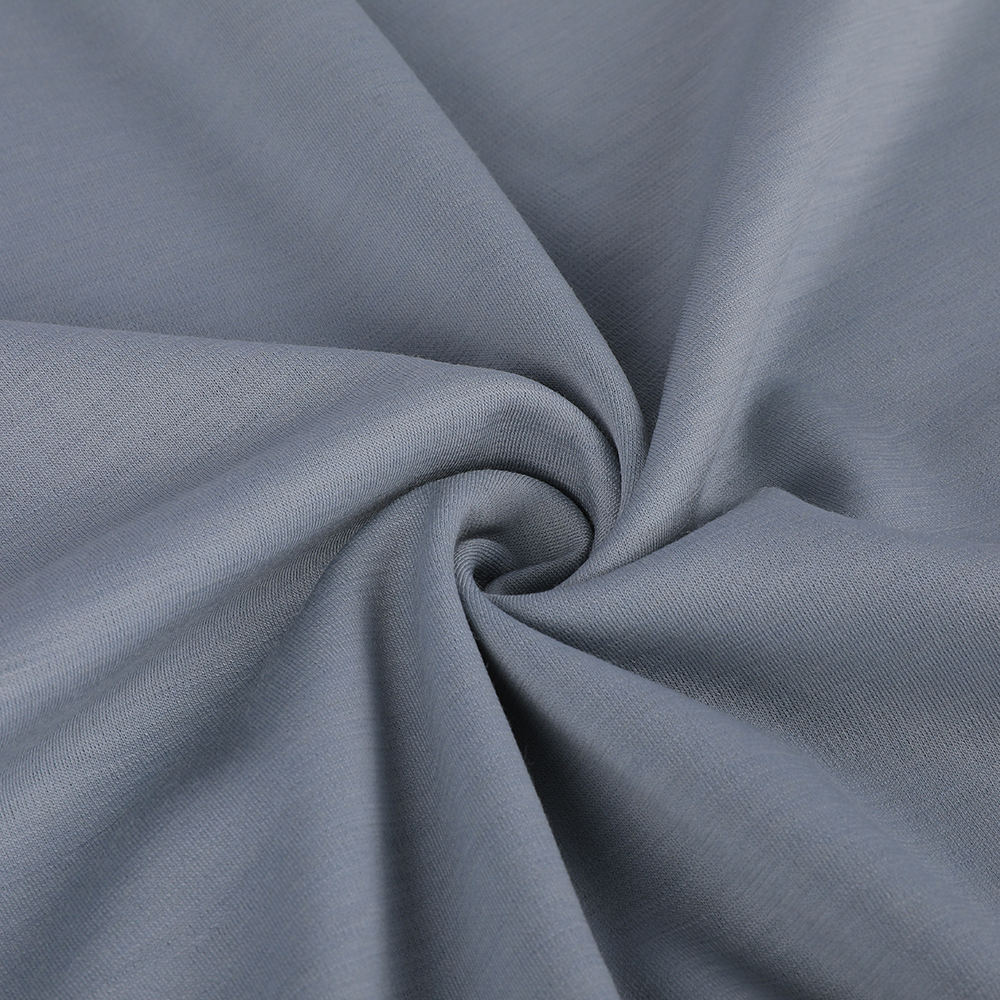
The charm of Ponte shrink-resistant wool fabric lies not only in its excellent shrink resistance but also in its flexible and diverse craftsmanship. In textile technology, knitting and weaving are two fundamental categories, and Ponte fabric exhibits different styles and characteristics under these two processes.
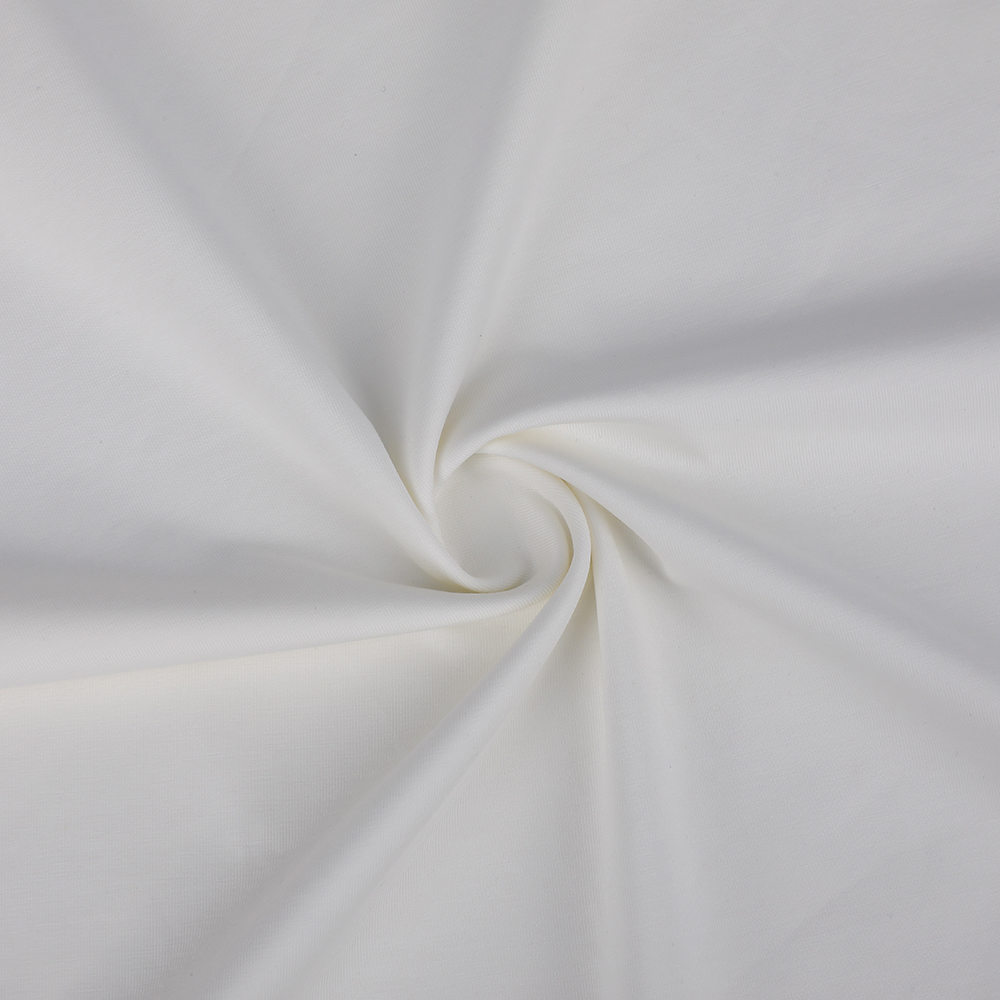
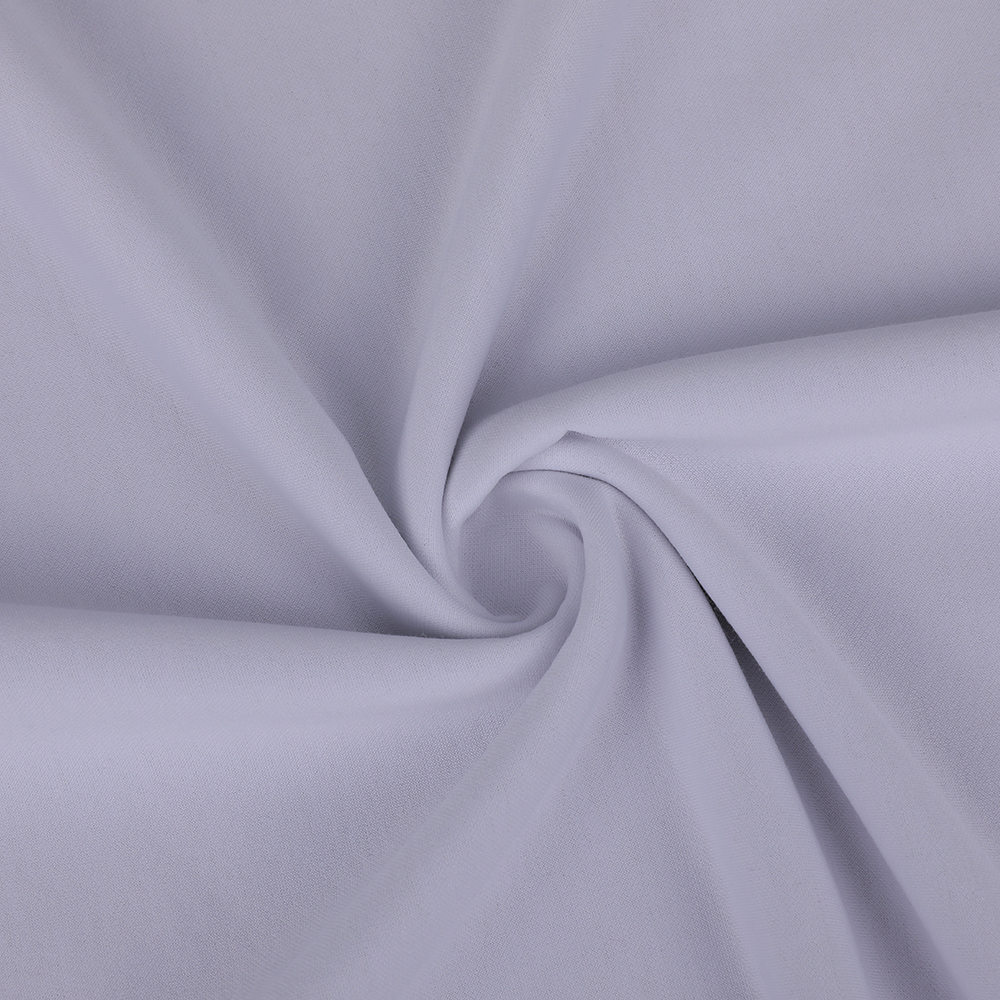
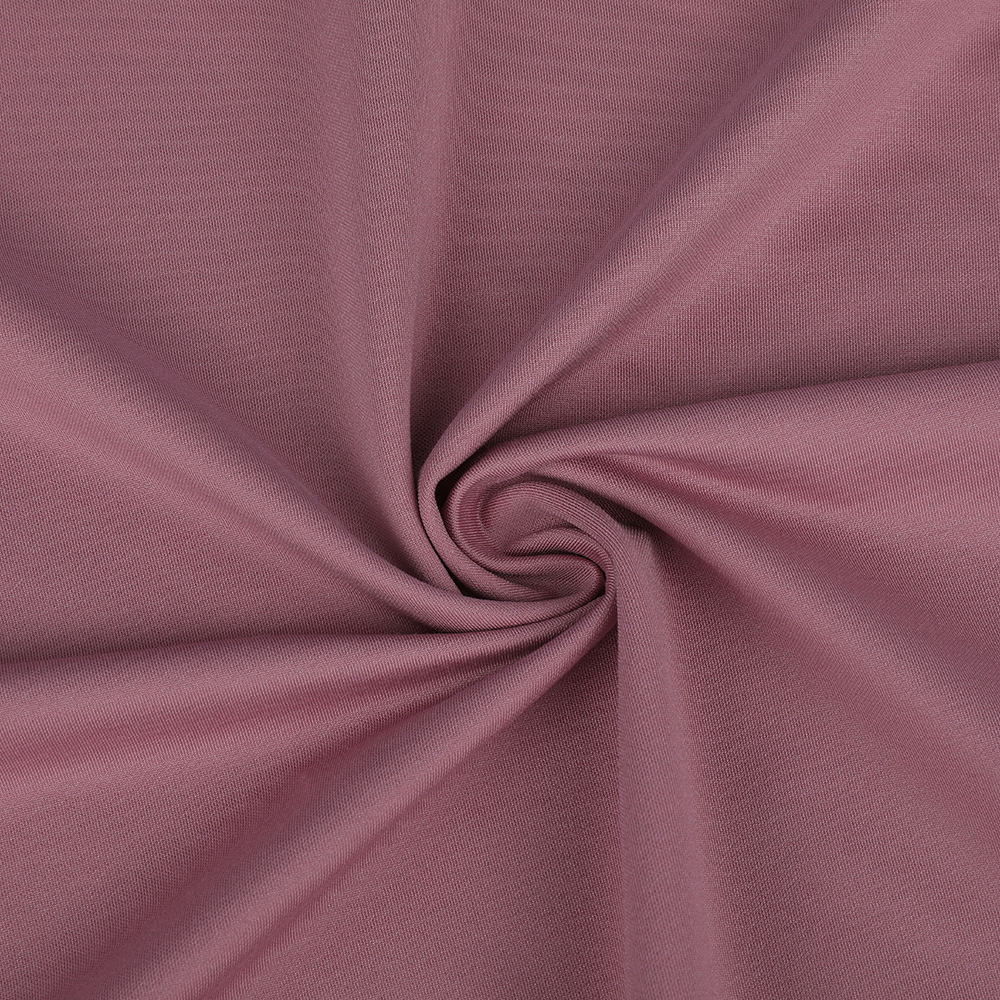
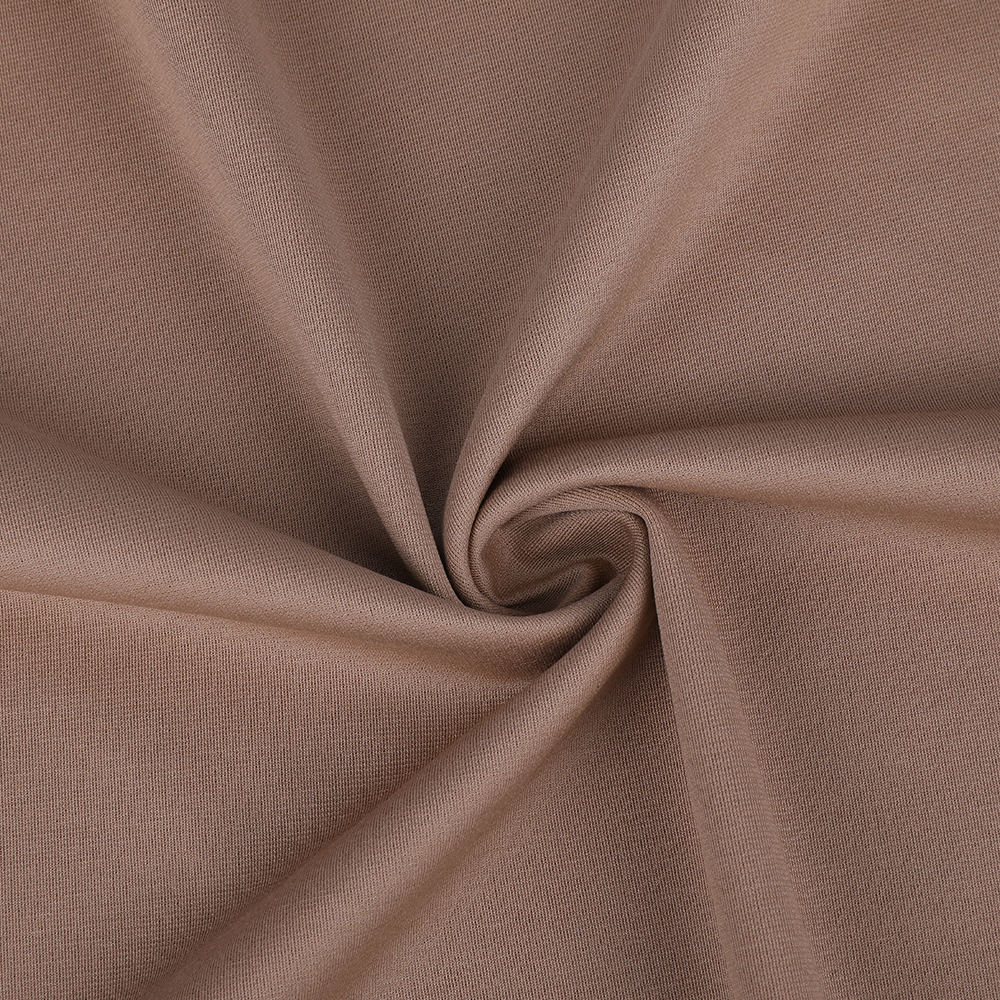
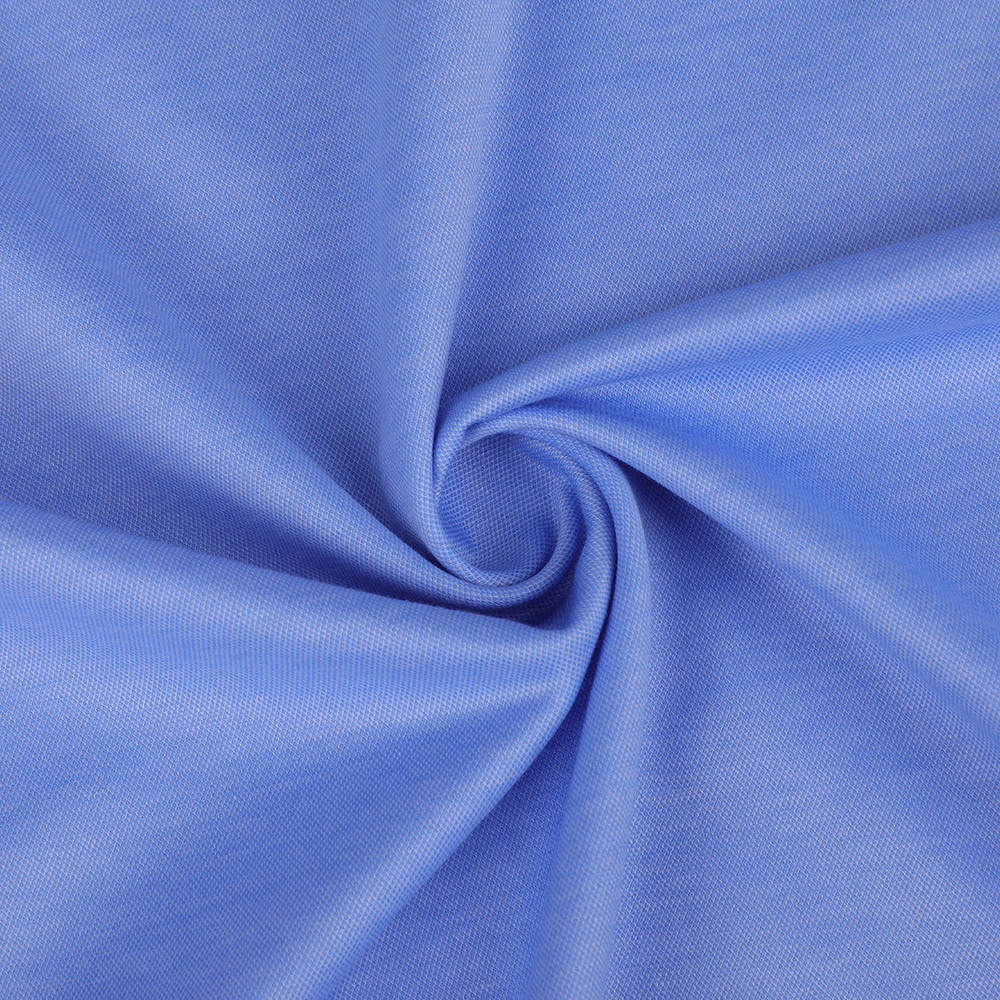
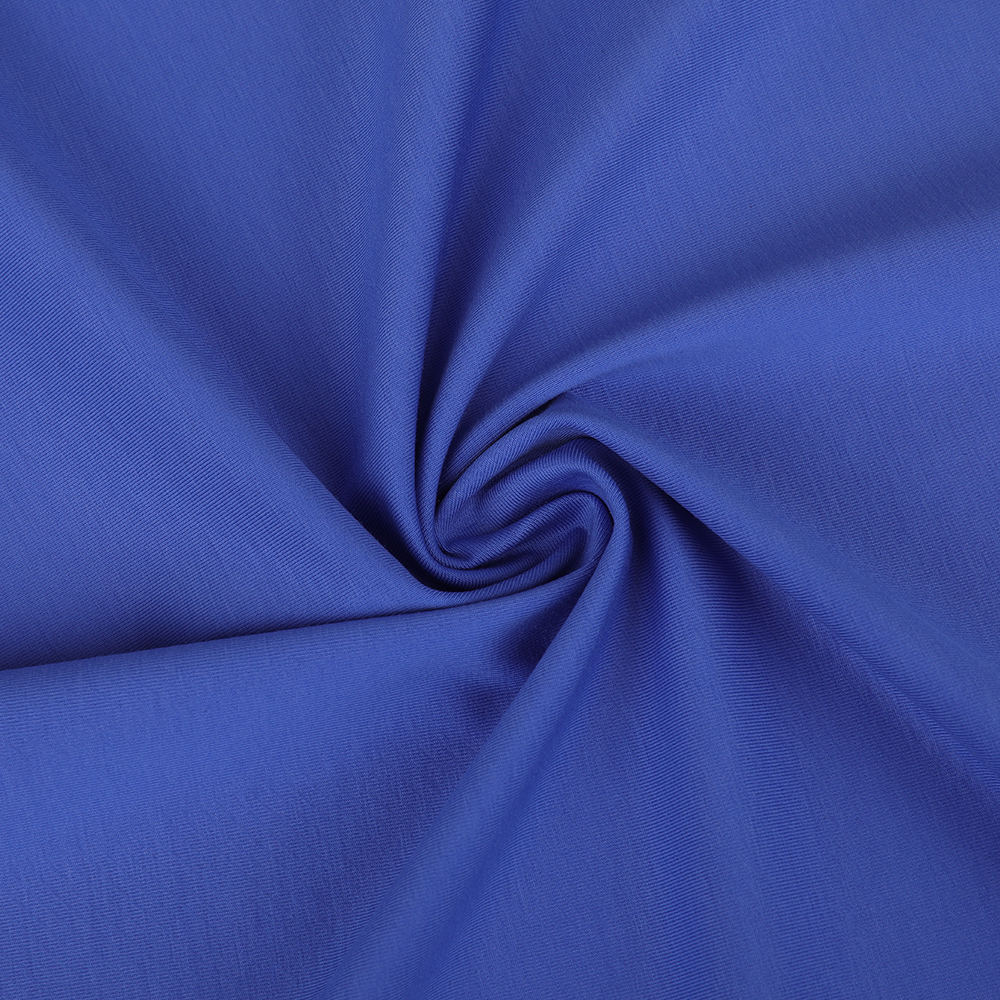
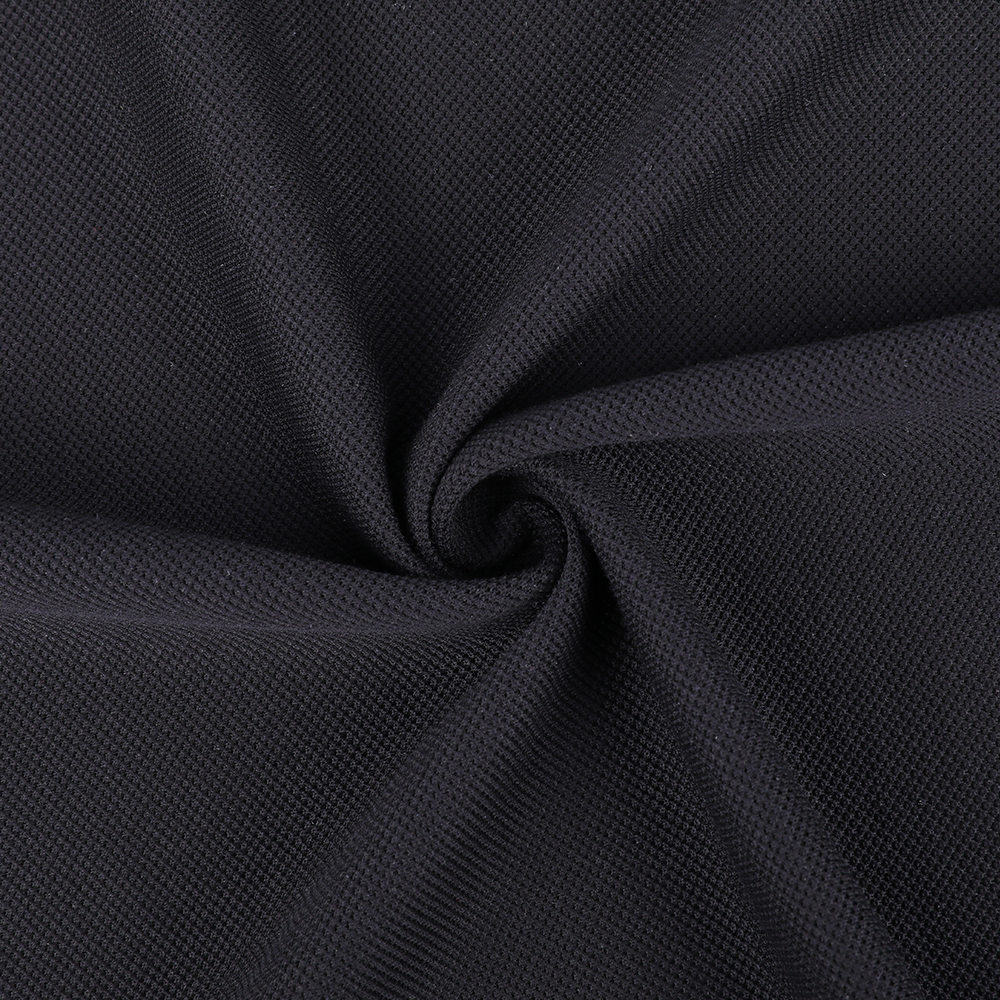
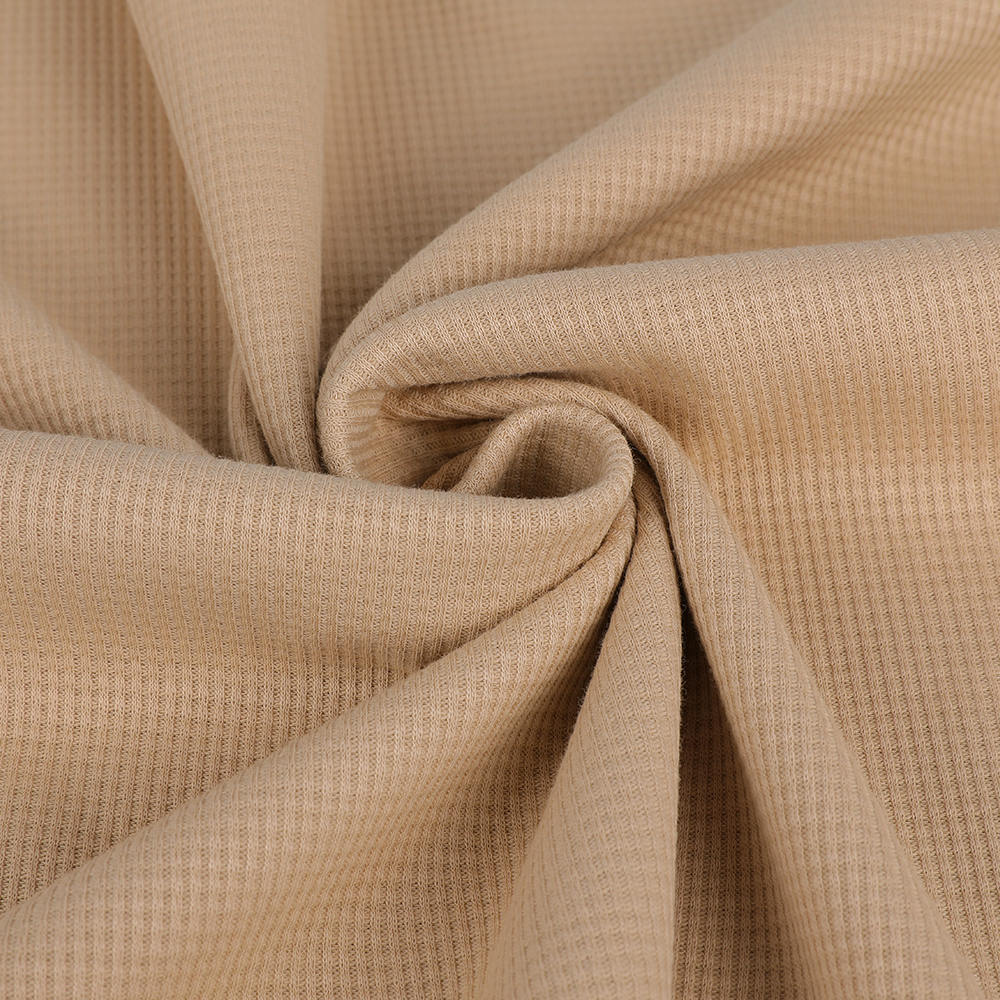
Knitted Ponte wool fabric is renowned for its unique double-sided structure, which endows the fabric with excellent elasticity, soft drape, and superior warmth retention. Its handfeel is plump and elastic, fitting the body curves well while resisting wrinkles. This fabric is often used to make close-fitting clothing, dresses, and comfortable casual wear, allowing wearers to enjoy the warmth of wool while experiencing unparalleled freedom and comfort.
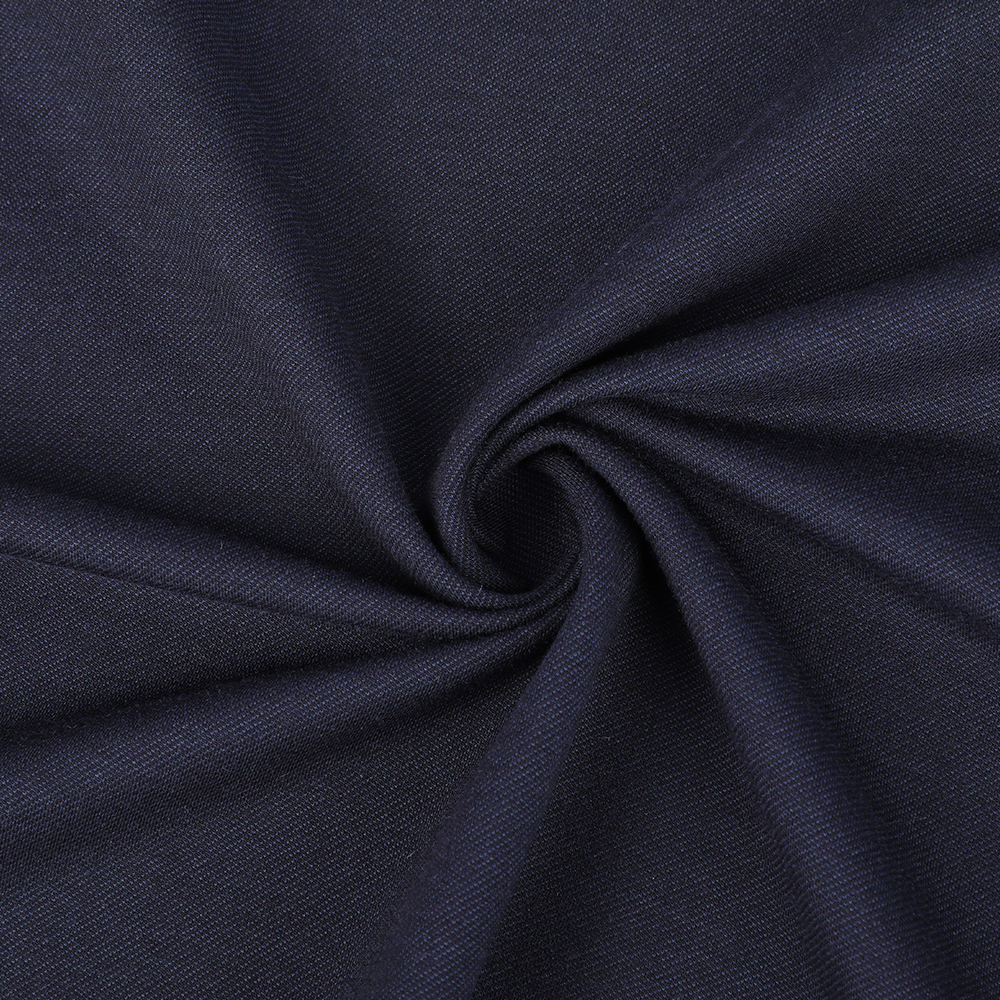
In contrast, woven Ponte wool fabric stands out for its crispness, durability, and structural stability. It forms a tight and tough fabric structure through the interlacing of warp and weft yarns. This fabric has good deformation resistance, maintaining the shape and silhouette of clothing—especially suitable for making suits, coats, and trousers that require a good three-dimensional effect. The surface of woven Ponte wool fabric is usually smoother and flatter with clear textures, giving a refined and neat feel. Whether in business occasions or daily commuting, it can perfectly reflect the professionalism and taste of the wearer. Although both derived from the core technology of Ponte shrink-resistant wool, these two fabrics with distinct processes can maximize their value in their respective application fields.
Balancing Comfort and Durability: Quality Standards for High-Grade Shrink-Resistant Wool Fabrics
Judging the quality of a high-grade Ponte shrink-resistant wool fabric is not just about its shrink resistance, but more about its comprehensive quality.
- First, the composition and quality of fibers are fundamental. High-quality Ponte shrink-resistant wool fabrics usually use high-grade wool with fine, soft, and well-crimped fibers, which directly determine the fabric’s softness and warmth retention.
- Second, yarn craftsmanship is crucial. Worsted or semi-worsted yarns ensure a smooth surface with few hairiness, thereby improving the fabric’s wear resistance and anti-pilling property.
- Finally, advanced finishing technology is the key to the fabric’s functions such as shrink resistance, wrinkle resistance, and color fastness. By subjecting fibers to specific physical or chemical treatments, the scale structure on the surface of wool fibers can be modified to prevent shrinkage or felting in humid and hot environments.
In addition to these core standards, the quality of high-grade fabrics is also reflected in the details. For example, excellent color fastness ensures that the fabric remains bright after multiple washes or long-term wear. Outstanding anti-pilling performance keeps the clothing looking as good as new. Good wrinkle resistance prevents annoying creases during daily wear and storage, eliminating the trouble of frequent ironing. The combination of all these qualities constitutes the exceptional value of high-grade Ponte shrink-resistant wool fabrics. It not only brings extreme comfort to the wearer but also, with its long-lasting durability, becomes an indispensable classic piece in the wardrobe.
Functional Upgrade: Innovative Applications of Wool Blend Shrink-Resistant Fabrics
In the pursuit of richer functionality and broader application scenarios, the technological innovation of Ponte shrink-resistant wool fabrics has not stopped at the improvement of a single fiber. By skillfully blending wool with other functional fibers, textile engineers are creating a new generation of fabrics with more comprehensive performance.
For example, blending wool with polyester can significantly improve the fabric’s strength, wear resistance, and crispness while reducing costs, making it more competitive in the fields of fast fashion and functional clothing. Blending with viscose can enhance the fabric’s softness and drape, making it more suitable for making flowing and well-draped clothing.
Furthermore, blending wool with elastic fibers (such as spandex) can endow the fabric with excellent elasticity, making it shine in sportswear, yoga clothes, and close-fitting underwear. This blending technology not only inherits the natural advantages of wool, such as warmth retention and moisture absorption and wicking but also compensates for wool’s shortcomings in certain aspects by introducing new fibers. This complementary design concept enables Ponte shrink-resistant wool blend fabrics to perfectly adapt to various scenarios from harsh outdoor environments to casual daily life, meeting modern consumers’ needs for diversified and multi-functional clothing. Its emergence is not only a progress in textile technology but also a positive response to modern lifestyles.
The Future of Textile Technology: The Profound Impact of Ponte Roman Cloth Shrink-Resistant Technology
The emergence of Ponte Roman cloth shrink-resistant technology is not just an innovation in fabric treatment processes, but also a profound reflection and reshaping of the development model of the entire textile industry.
First, it has greatly promoted the sustainable development of wool fabrics. By solving the problem of wool product shrinkage, it extends the service life of clothing, reducing waste caused by clothing damage. At the same time, it reduces consumers’ energy consumption in clothing care, such as reducing the frequency of drying and ironing, thus conforming to the current concept of environmental protection and low carbon.
Second, this technology provides a broader creative space for clothing designers. In the past, when designing wool clothing, designers often had to consider the shrinkage of the fabric, which limited their innovation in pattern and craftsmanship. Ponte shrink-resistant technology has lifted this restriction, allowing designers to use wool fabrics more boldly and create more innovative clothing that combines beauty and practicality. Looking forward to the future, with the combination of this technology and other smart fibers and wearable technologies, we can even expect the emergence of Ponte shrink-resistant wool fabrics that can automatically adjust temperature and monitor physical conditions in real-time. Undoubtedly, the impact of Ponte shrink-resistant technology will go beyond the textile industry itself. It is leading a comprehensive transformation of wearing experience and lifestyle with an unprecedented attitude, bringing high-quality wool fabrics into thousands of households and making comfort and elegance within everyone’s reach.