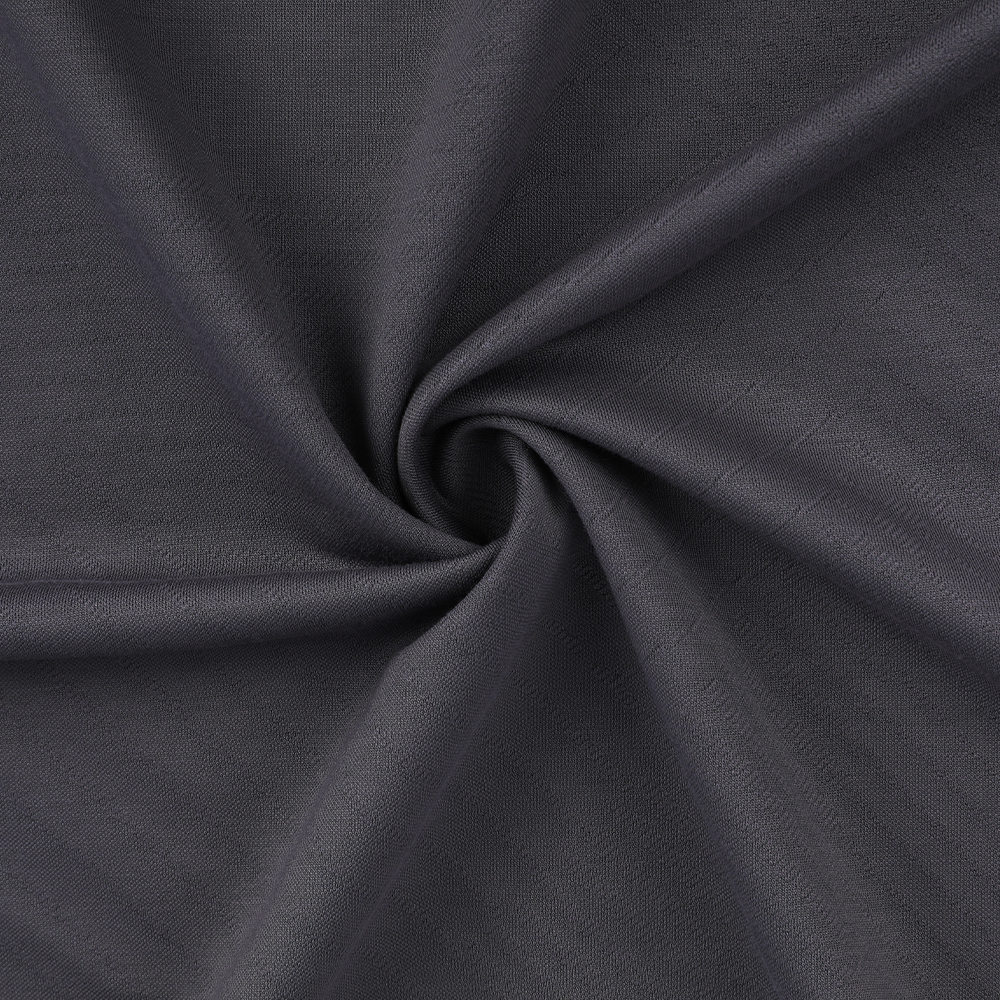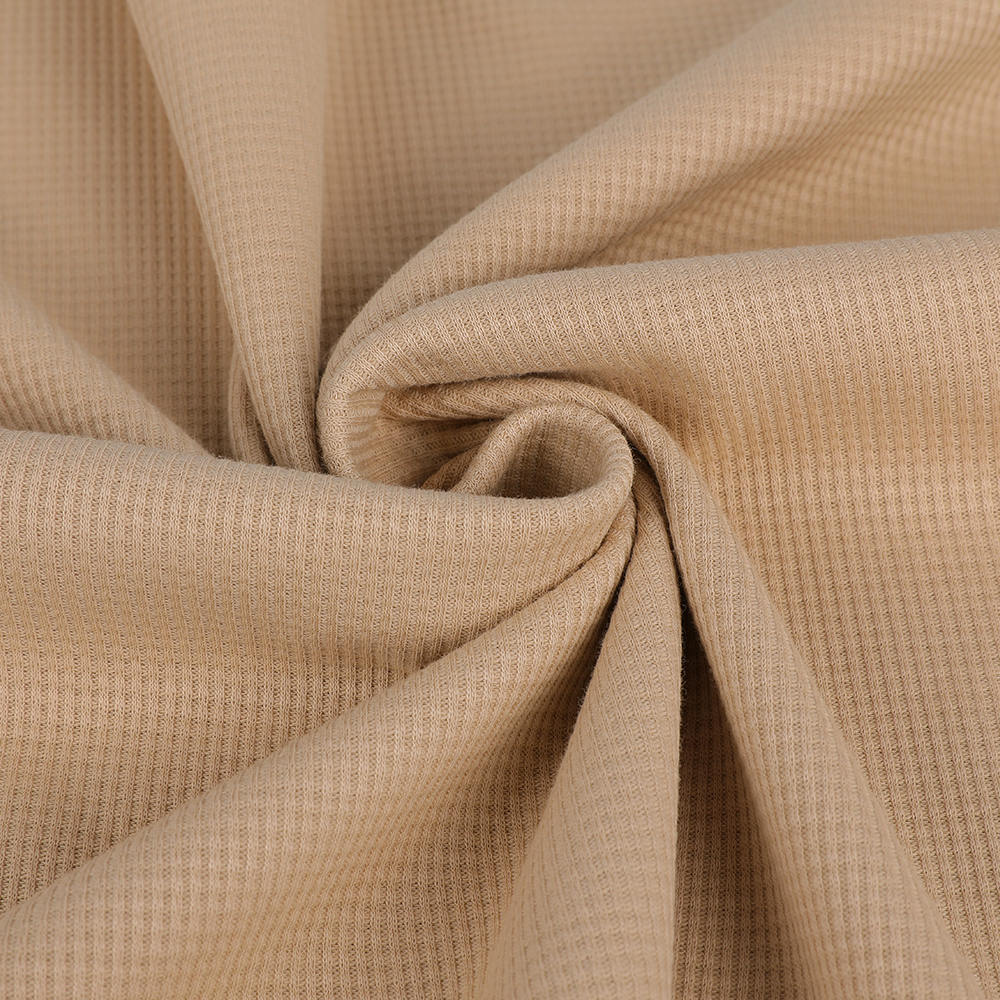

 English
 日本語
日本語 中文简体
中文简体
Content
Biopolymer Composition and Degumming Kinetics of Silk Fibers
1. Defining the Sericin Removal Rate: Raw silk consists of fibroin filaments held together by sericin, a globular glycoprotein. In the production of Knitted Mulberry Silk Fabric, the degumming process must achieve a specific sericin removal rate, typically between 20% and 25% of the total raw fiber mass. This removal is essential to expose the fibroin cores, which dictate the mechanical and aesthetic properties of the final textile. 2. Enzymatic vs. Alkaline Degumming Methods: When evaluating how degumming methods impact knitted silk strength, engineers must choose between proteolytic enzymes (like papain) and alkaline solutions (sodium carbonate). Enzymatic processes offer better control over Knitted Mulberry Silk Fabric integrity, preventing the hydrolytic degradation of fibroin chains while ensuring the impact of residual sericin on silk knit softness remains minimal. 3. Structural Porosity and Fiber Separation: A precise sericin removal rate for high-quality silk knits ensures that individual filaments are free to move within the knit loop. Insufficient removal leads to "gum spots," which increase the mechanical stiffness and reduce the Knitted Mulberry Silk Fabric's inherent 4-way stretch capabilities, negatively affecting the fabric's ergonomic performance.
Surface Ra Finish and Tribological Characteristics
1. Quantifying Surface Ra Finish in Silk Knits: The surface roughness (Ra) of Knitted Mulberry Silk Fabric is a direct function of the fibroin exposure. A lower Ra value indicates a smoother surface finish, which is achieved when sericin is uniformly removed. Measuring surface Ra finish of degummed knitted silk using digital profilometry allows engineers to correlate smoothness with skin-friction coefficients, essential for medical-grade or luxury apparel. 2. Biocompatibility and Amino Acid Exposure: Silk fibroin is composed primarily of glycine, alanine, and serine. High sericin removal maximizes the exposure of these amino acids. Analyzing why sericin removal improves silk biocompatibility is critical for applications in sensitive skin garments, as residual sericin can occasionally trigger immune responses or cause tactile irritation due to its uneven surface morphology. 3. Luster and Optical Reflectance Metrics: The triangular cross-section of fibroin acts as a prism. When the sericin removal rate is optimized, the optical reflectance and luster of knitted silk fabric are enhanced. Residual sericin scatters light, leading to a dull appearance, whereas a clean fibroin surface ensures a specular reflection that defines the premium aesthetic of Knitted Mulberry Silk Fabric.
Dye Uptake Kinetics and Color Saturation Equilibrium
1. Surface Area and Dye Site Accessibility: The removal of sericin significantly increases the available surface area for dye molecule adsorption. The dye uptake rate of knitted mulberry silk fabric is enhanced because the amorphous regions of the fibroin become accessible to acid or reactive dyes. This results in higher color yield and saturation compared to partially degummed fibers. 2. Color Fastness and Dye-Fiber Bonding: Investigating how sericin removal affects silk color fastness reveals that dyes bonded directly to fibroin exhibit superior resistance to laundering and light. Sericin-dye bonds are chemically weaker; therefore, a high degumming rate prevents "bleeding" and ensures the Knitted Mulberry Silk Fabric maintains its chromatic integrity according to ISO 105-C06 standards. 3. Leveling and Dyeing Uniformity: In knit structures, yarn intersections can trap sericin. If the degumming is uneven, it leads to "barré" or streaky dyeing. Ensuring a uniform sericin removal for consistent silk dyeing is the primary technical challenge in Knitted Mulberry Silk Fabric production, requiring precise control of bath temperature (typically 95 degrees C) and pH (8.5 to 9.5).
| Degumming Percentage | Surface Ra Finish (micrometers) | Dye Exhaustion Rate (%) | Tactile Stiffness (mN.cm) |
| < 15% (Partial) | 0.85 - 1.20 | 65% - 75% | 8.5 |
| 20% - 24% (Optimal) | 0.15 - 0.35 | 92% - 98% | 2.1 |
| > 26% (Over-degummed) | 0.10 - 0.25 | 95% + | 1.8 (High Fibrillation) |
Dimensional Stability and Mechanical Performance Standards
1. Bursting Strength and Fiber Fibrillation: Excessive degumming can lead to fibroin damage. Monitoring the bursting strength of knitted silk after degumming (ISO 13938-1) ensures that the removal of sericin hasn't compromised the structural tenacity. Over-degummed Knitted Mulberry Silk Fabric may exhibit fibrillation, where micro-filaments break and create a "fuzzy" surface that increases Ra roughness over time. 2. Shrinkage Control and Momme Weight Consistency: The dimensional stability of knitted mulberry silk fabric is sensitive to the degumming loss. Since silk is sold by weight, calculating the impact of sericin loss on silk momme weight is vital for commercial accuracy. Pre-shrinking the fabric after the sericin is removed ensures the final knit loops are set in their lowest energy state, preventing post-purchase deformation. 3. Moisture Regain and Thermal Regulation: Pure fibroin has a moisture regain of approximately 11%. Maintaining the Breathable Mulberry Silk Knit properties requires that the degumming process does not collapse the fiber's internal micropores, ensuring the fabric continues to provide high thermal resistance (Rct) and low evaporative resistance (Ret).
Hardcore FAQ
1. Does 100% sericin removal make the fabric weaker? Not necessarily. While sericin adds bulk, the tensile strength is provided by the fibroin. However, over-degumming (hydrolysis of fibroin) will significantly reduce bursting strength. 2. How is the sericin removal rate measured in a lab? It is measured gravimetrically by comparing the bone-dry weight of the fabric before and after the degumming process. 3. Why does knitted silk feel different from woven silk after degumming? The knit structure allows for more fiber movement. Once the "glue-like" sericin is gone, the loops can slide, resulting in the characteristic fluid drape of knitted silk. 4. Can sericin be recovered from the degumming wastewater? Yes, sericin is increasingly recovered for use in cosmetics and biomedical hydrogels due to its antioxidant properties. 5. Does the Ra finish affect the cooling sensation of silk? Yes, a lower Ra finish increases the contact area with the skin, which enhances the rate of conductive heat transfer, creating the "cool-to-the-touch" feeling.
Technical References
1. ISO 105-C06: Textiles — Tests for color fastness — Part C06: Color fastness to domestic and commercial laundering. 2. ASTM D3786: Standard Test Method for Bursting Strength of Textile Fabrics—Diaphragm Bursting Strength Tester Method. 3. IEST-RP-CC004.3: While used for cleanrooms, the methods for measuring extractable matter inform the gravimetric analysis of sericin removal in specialty textiles.