
 English
 日本語
日本語 中文简体
中文简体
Content
- 1 What Is Silk Wool Fabric and How Is It Cared For?
- 2 Is Silk Wool Fabric a Suitable Choice?
- 3 The Thermoregulation Properties of Silk Wool
- 4 Why Silk Wool Fabric Works Well for Summer Use
- 5 Silk Wool Fabric vs. Linen
- 6 Technical Specifications and Key Performance Factors
- 7 Application Scenarios
- 8 Selection Considerations and Purchasing Factors
- 9 How to Wash Silk Wool Fabric
- 10 Common Mistakes and Overlooked Considerations
- 11 Conclusion
- 12 Frequently Asked Questions
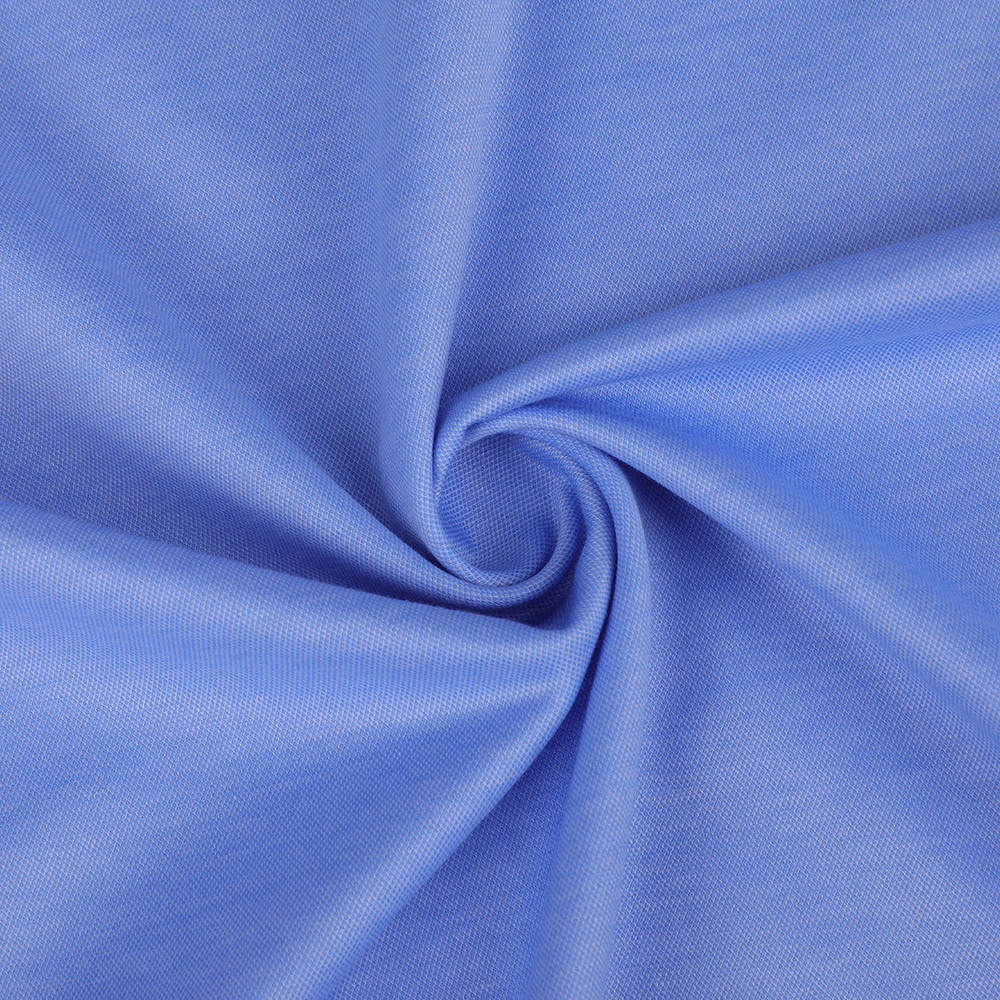
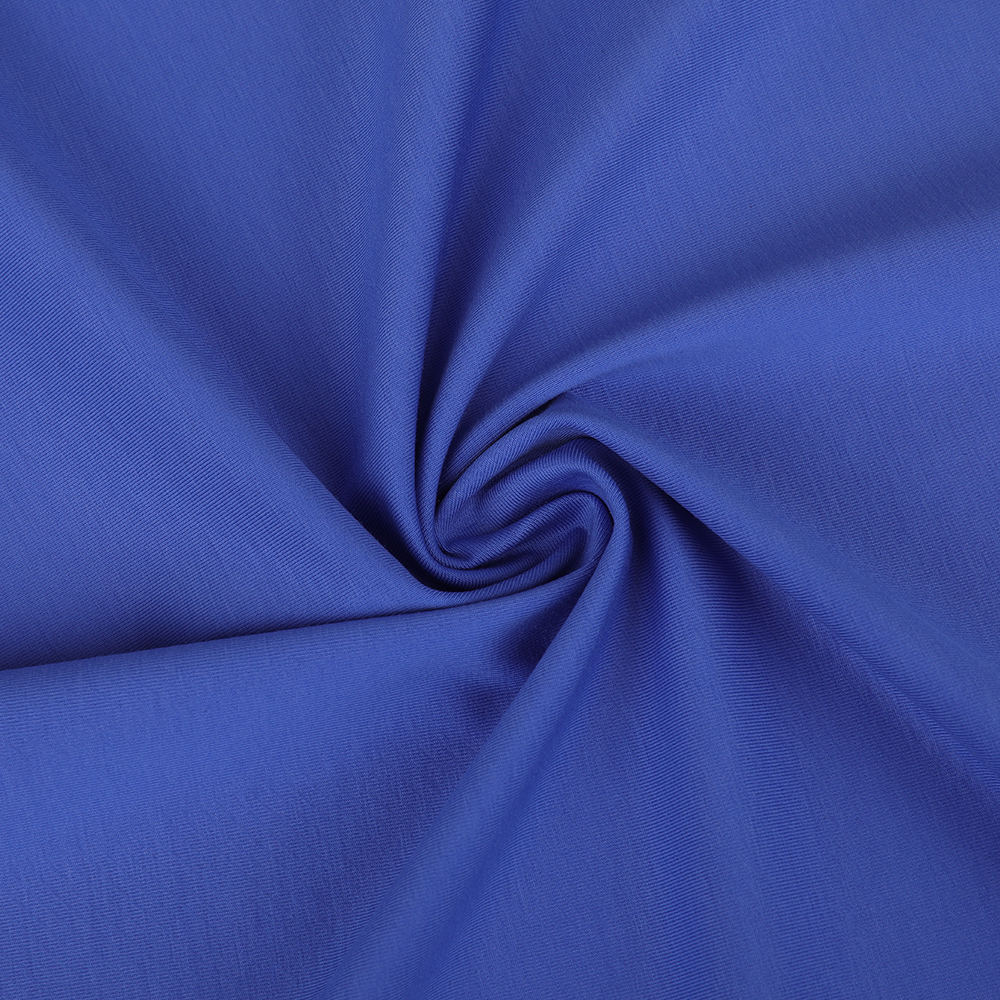
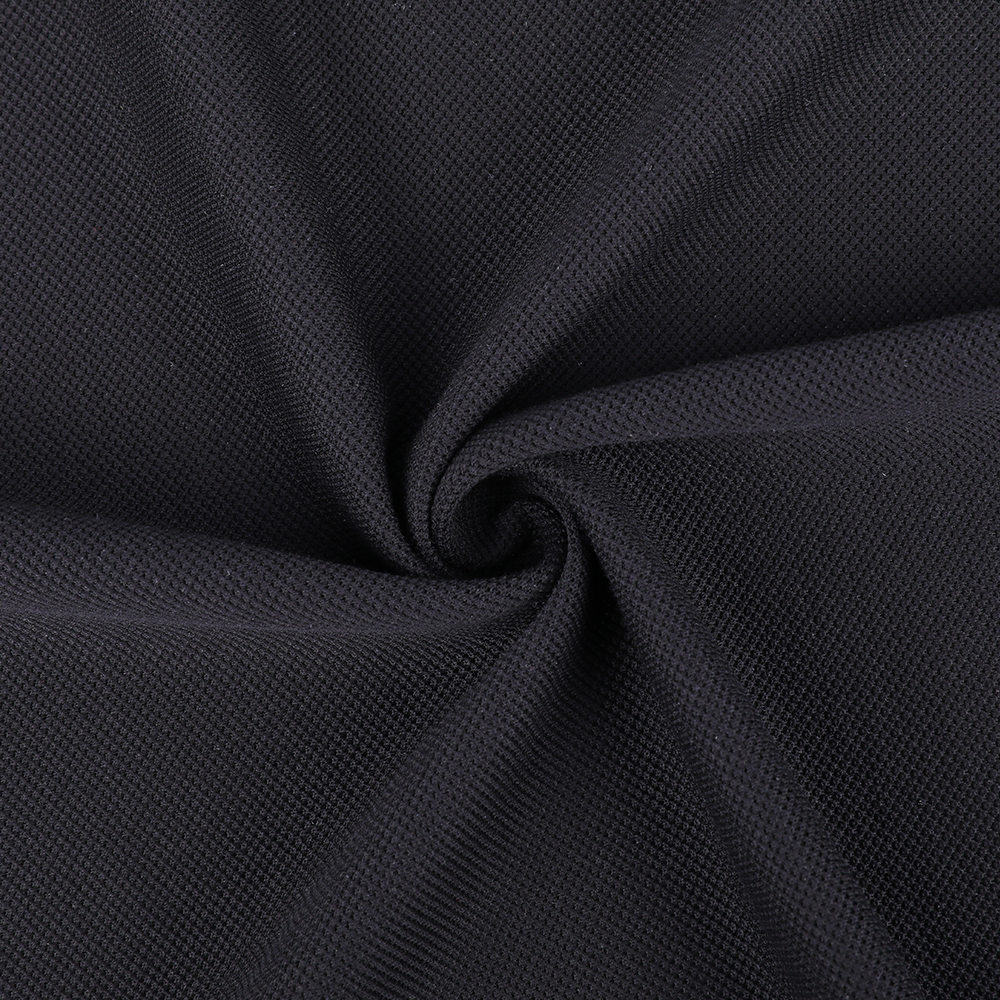
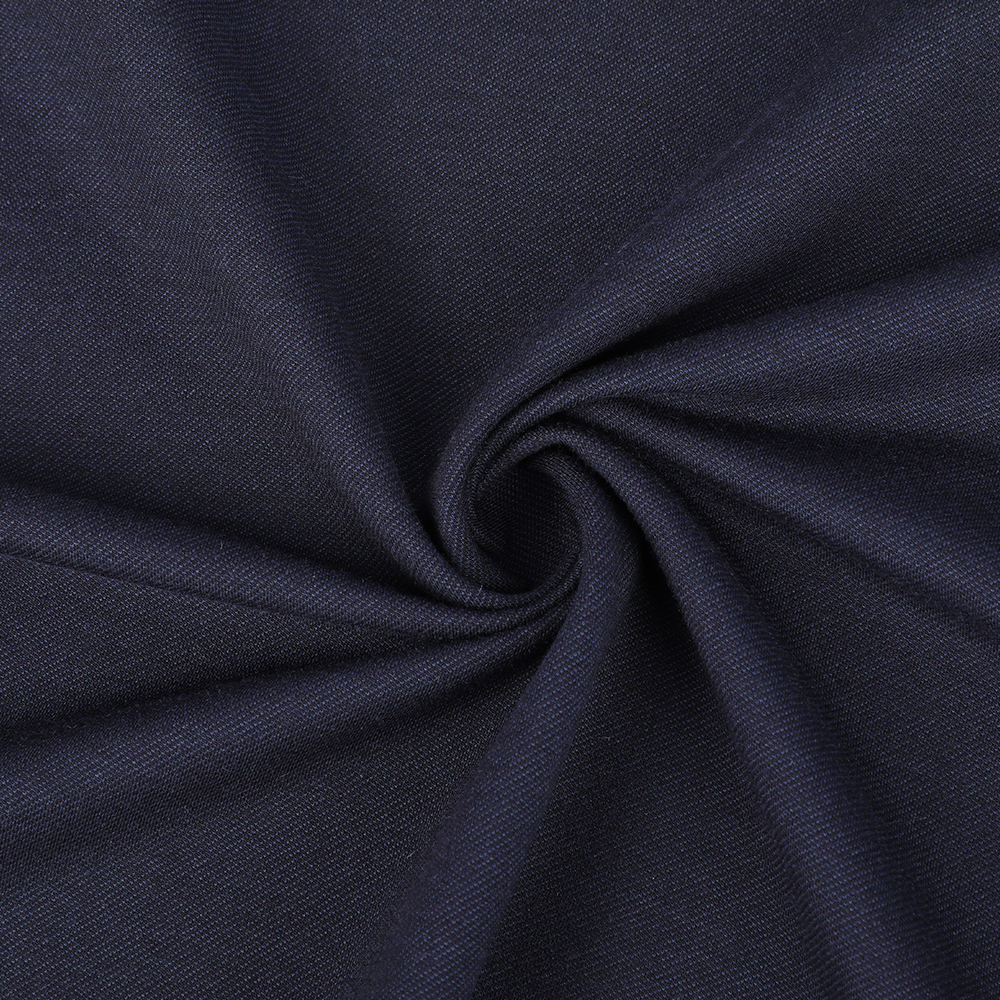
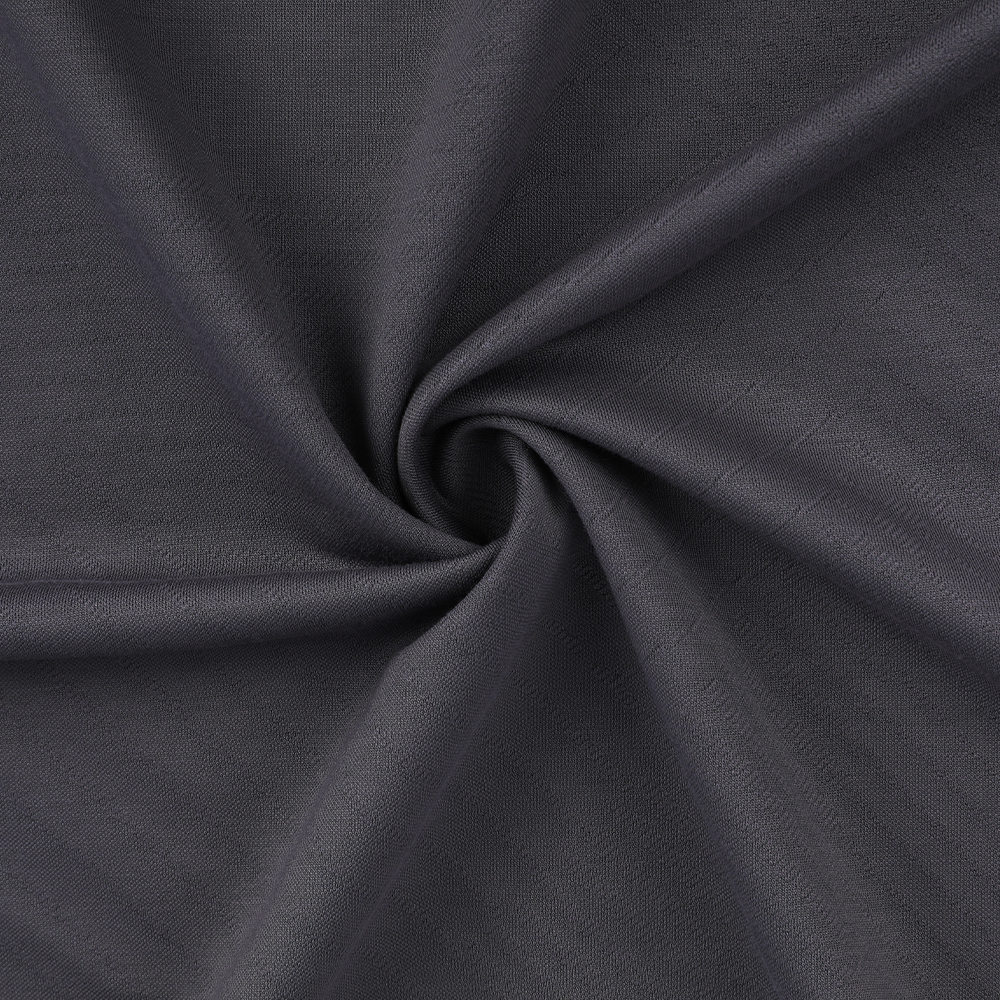
Silk wool fabrics are textiles produced by blending silk and wool fibers together, either through combined yarn spinning or through woven and knitted construction methods that bring both fibers into the same fabric structure. The result is a material that carries characteristics from each fiber rather than behaving purely as one or the other.
What Is Silk Wool Fabric and How Is It Cared For?
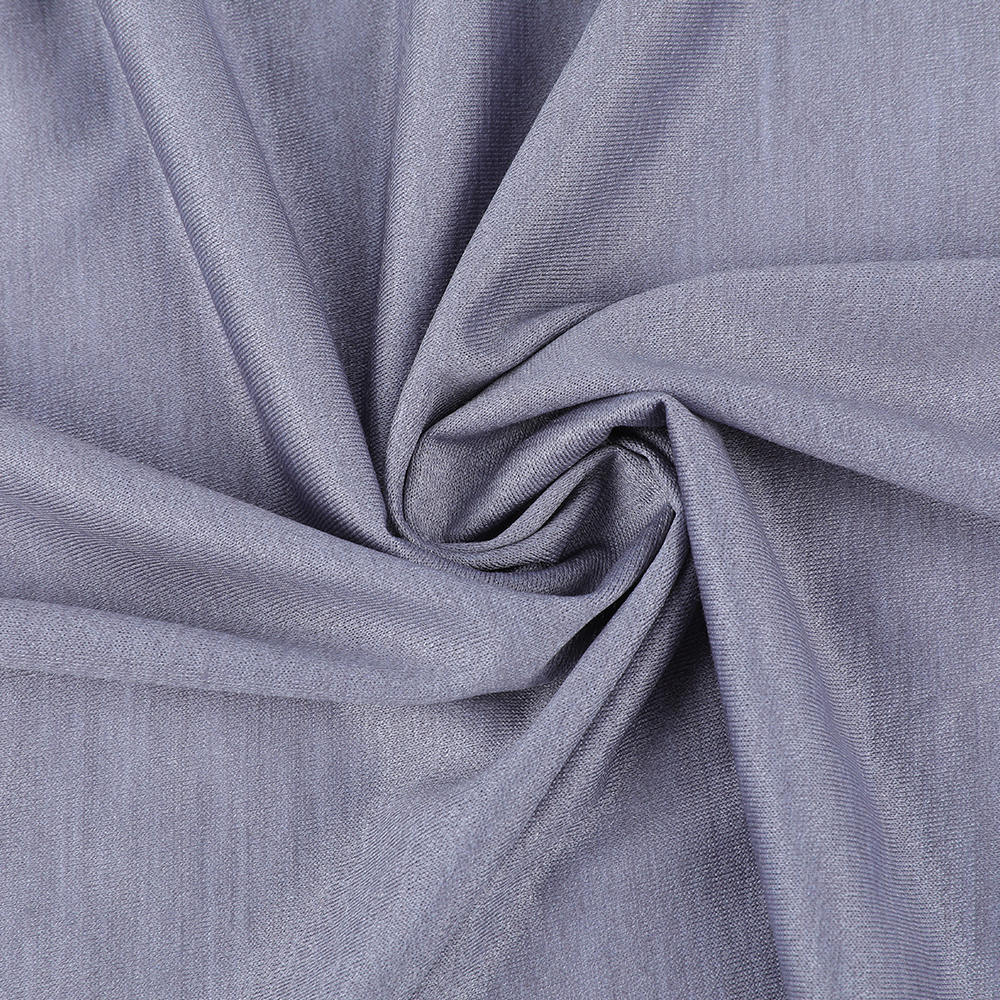
Silk contributes a smooth surface, natural sheen, and lightweight drape, while wool contributes warmth retention, elasticity, and a degree of natural moisture management. When blended, the resulting fabric typically retains a softer hand feel than pure wool and more structure and insulation than pure silk. Blend ratios vary by intended use, with higher silk content generally producing a lighter, smoother fabric, and higher wool content producing a warmer, more textured one.
Because the fabric combines two protein fibers with different care sensitivities, care routines need to account for both. Silk fibers are sensitive to friction and harsh chemicals, while wool fibers are prone to shrinking and felting under heat and agitation. Care instructions for silk wool fabric are generally built around protecting both fibers simultaneously rather than treating the fabric as either pure silk or pure wool.
Simplified structure of a silk wool blend: smooth silk filaments combine with crimped wool fibers to form a single yarn structure.
Is Silk Wool Fabric a Suitable Choice?
Whether a silk wool fabric is a suitable choice depends on the intended application. For garments requiring lightweight insulation with a smooth surface texture, such as scarves, blouses, or lightweight sweaters, the blend offers a practical middle ground between the two source fibers. For applications requiring heavy-duty durability or high-temperature washing, a fabric with less delicate fiber content may be more appropriate. The blend performs best in contexts where its specific combination of softness, drape, and moderate insulation is the priority.
The Thermoregulation Properties of Silk Wool
Both silk and wool fibers have natural moisture-wicking properties, drawing perspiration away from the skin and allowing it to evaporate gradually. Wool fibers also trap small air pockets within their crimped structure, which provides insulation without excessive weight. When combined, silk wool fabric tends to moderate temperature more evenly than either fiber alone, offering some warmth in cooler conditions while remaining breathable enough to avoid overheating during moderate activity or transitional weather.
Why Silk Wool Fabric Works Well for Summer Use
Lightweight silk wool blends, particularly those with a higher silk ratio, are often selected for warm-weather garments because the fabric's breathability and moisture-wicking behavior help regulate body temperature without the heaviness associated with heavier wool fabrics. The smooth silk component also reduces the surface friction against skin that can make some wool fabrics feel less comfortable in warm, humid conditions.
Silk Wool Fabric vs. Linen
| Property | Silk Wool Fabric | Linen |
| Fiber source | Silk and wool protein fibers | Flax plant cellulose fibers |
| Surface texture | Smooth with soft drape | Crisp with natural texture |
| Thermoregulation | Moderates temperature across cooler and warmer conditions | Highly breathable, best suited to warm conditions |
| Wrinkle behavior | Resists wrinkling moderately well | Wrinkles readily unless treated |
| Typical care requirement | Gentle hand or delicate machine wash | Machine washable, more tolerant of laundering |
| Weight range | Lightweight to mid-weight depending on blend ratio | Lightweight to mid-weight depending on weave |
Technical Specifications and Key Performance Factors
| Specification | Typical Range or Consideration |
| Blend ratio | Varies by application, with silk and wool proportions adjusted for weight and hand feel |
| Fabric weight | Generally lightweight to mid-weight, suited to apparel rather than heavy outerwear |
| Weave or knit structure | Available in both woven and knitted constructions depending on end use |
| Moisture management | Combines wicking behavior from both fiber types |
| Shrinkage sensitivity | Present due to wool content; requires controlled washing conditions |
| Color and finish | Silk content typically contributes natural sheen to the finished fabric |
Application Scenarios
- Lightweight knitwear: Sweaters and cardigans that benefit from wool's warmth without excessive bulk.
- Blouses and shirting: Garments where silk's drape and sheen are desirable alongside wool's structure.
- Scarves and shawls: Accessories where softness and moderate warmth are both valued.
- Transitional-season garments: Clothing intended for spring and autumn conditions where temperature moderation matters.
- Lightweight suiting fabric: Applications requiring structure and drape without the weight of heavier wool fabrics.
Selection Considerations and Purchasing Factors
When evaluating silk wool fabrics for a specific garment or product line, several factors influence which blend ratio and construction are appropriate.
- Blend ratio: Higher silk content favors lighter, smoother fabrics; higher wool content favors warmth and structure.
- Weave or knit type: Woven constructions typically suit structured garments, while knitted constructions suit stretch and drape-oriented pieces.
- Intended climate and season: Lighter blends suit warmer conditions, while heavier blends suit cooler transitional seasons.
- Care requirements of the end product: Garments intended for frequent laundering may require a blend ratio and finish that tolerates more regular washing.
- Colorfastness and finishing treatment: Finishing processes can affect how the fabric responds to washing and light exposure over time.
How to Wash Silk Wool Fabric
Recommended Practices
- Hand wash in cool water using a mild detergent formulated for delicate fibers.
- Lay the garment flat to dry, reshaping it gently while still damp.
- Use a gentle, low-agitation cycle only if the care label specifically permits machine washing.
- Iron on a low setting with a pressing cloth between the iron and fabric surface.
Practices to Avoid
- Avoid hot water, which can cause wool fibers to shrink or felt.
- Avoid wringing or twisting the fabric, which can damage silk fibers and distort the garment shape.
- Avoid standard laundry detergent not formulated for delicate or wool-safe washing.
- Avoid tumble drying, which combines heat and agitation in a way that accelerates shrinkage.
Can Silk Wool Fabric Be Washed in a Washing Machine?
Some silk wool fabrics can tolerate machine washing if a gentle or delicate cycle is used with cold water and a mesh garment bag for protection, but this depends on the specific blend ratio and finishing treatment. Checking the manufacturer's care label before machine washing is the most reliable way to confirm compatibility, since wool content makes the fabric more shrink-prone than pure silk.
Can Normal Detergent Be Used on Silk Wool Fabric?
Standard laundry detergents are often formulated with enzymes or brighteners that can be harsh on protein fibers like silk and wool. A detergent specifically designed for delicate fabrics or wool care is generally better suited to preserving the fabric's texture and appearance over repeated washes.
Can Silk Wool Fabric Be Ironed?
Silk wool fabric can typically be ironed on a low heat setting, ideally with a pressing cloth placed between the iron and the fabric surface to prevent direct heat contact with the fibers. Steam can help smooth wrinkles without requiring higher iron temperatures that could damage the silk component.
Common Mistakes and Overlooked Considerations
- Treating the fabric as pure wool or pure silk: Care routines suited to only one fiber type can damage the other component of the blend.
- Skipping the care label: Blend ratios vary between products, so assumptions based on a different silk wool item may not apply.
- Using high iron temperatures: Direct high heat can scorch silk fibers even when the wool component would tolerate it.
- Storing damp garments folded: Trapped moisture can encourage fiber damage or odor development over time.
Conclusion
Silk wool fabrics combine the drape and sheen of silk with the warmth and structure of wool, producing a versatile textile suited to lightweight knitwear, blouses, and transitional-season garments. Understanding blend ratio, appropriate care routines, and how the fabric compares to alternatives like linen helps ensure the material performs as expected across its intended application.
Frequently Asked Questions
Is silk wool fabric good?
It performs well for applications where a lightweight, breathable material with moderate warmth and a smooth surface texture is desired, though its suitability depends on the specific end use.
What is silk wool and how do you care for it?
It is a blended textile combining silk and wool fibers, generally cared for with cool hand washing, flat drying, and low-heat ironing to protect both fiber types.
Can I wash silk wool fabric in the washing machine?
Some blends tolerate a gentle, cold-water cycle with a garment bag, but this depends on the specific fabric, so checking the care label first is recommended.
Can I wash silk wool fabric with normal detergent?
A detergent formulated for delicate or wool-safe washing is generally better suited to the fabric than standard laundry detergent.
Can you iron silk wool fabric?
Yes, typically on a low heat setting with a pressing cloth between the iron and the fabric surface.
How does silk wool fabric compare to linen?
Silk wool fabric offers a smoother texture and more consistent temperature moderation, while linen offers higher breathability and easier laundering.