
 English
 日本語
日本語 中文简体
中文简体
1. Spandex production process
Raw material preparation stage:
The core raw material for spandex production is polyurethane prepolymer, which is mainly produced by the reaction of diisocyanate (usually MDI) and polyether diol or polyester diol. The reaction at this stage needs to be carried out under strictly controlled temperature and inert gas environment to ensure the regularity of the molecular chain and the accuracy of the reaction degree. The purity of the raw materials directly affects the quality of the final fiber, so multiple distillation and filtration processes are required during the production process.
Spinning solution preparation:
The prepolymer is reacted with a chain extender (usually a diamine compound) in a special solvent (such as DMF or DMAc) to form a spinning solution. The key to this step is to control the speed and degree of the chain extension reaction to obtain a high-quality spinning solution with an ideal molecular weight and viscosity. Modern production processes often use continuous polymerization technology to achieve precise control of reaction conditions.
Dry spinning process:
The spinning solution is delivered to the spinning head through a metering pump, passes through the spinneret to form a thin stream, and enters the high-temperature spinning tunnel. In the tunnel, the solvent evaporates rapidly and the polymer solidifies to form continuous fibers. The temperature gradient, air flow velocity and solvent recovery efficiency at this stage all have a decisive influence on the fiber performance. Advanced solvent recovery systems can achieve a recovery rate of more than 99%, greatly reducing production costs and environmental burdens.
Post-processing process:
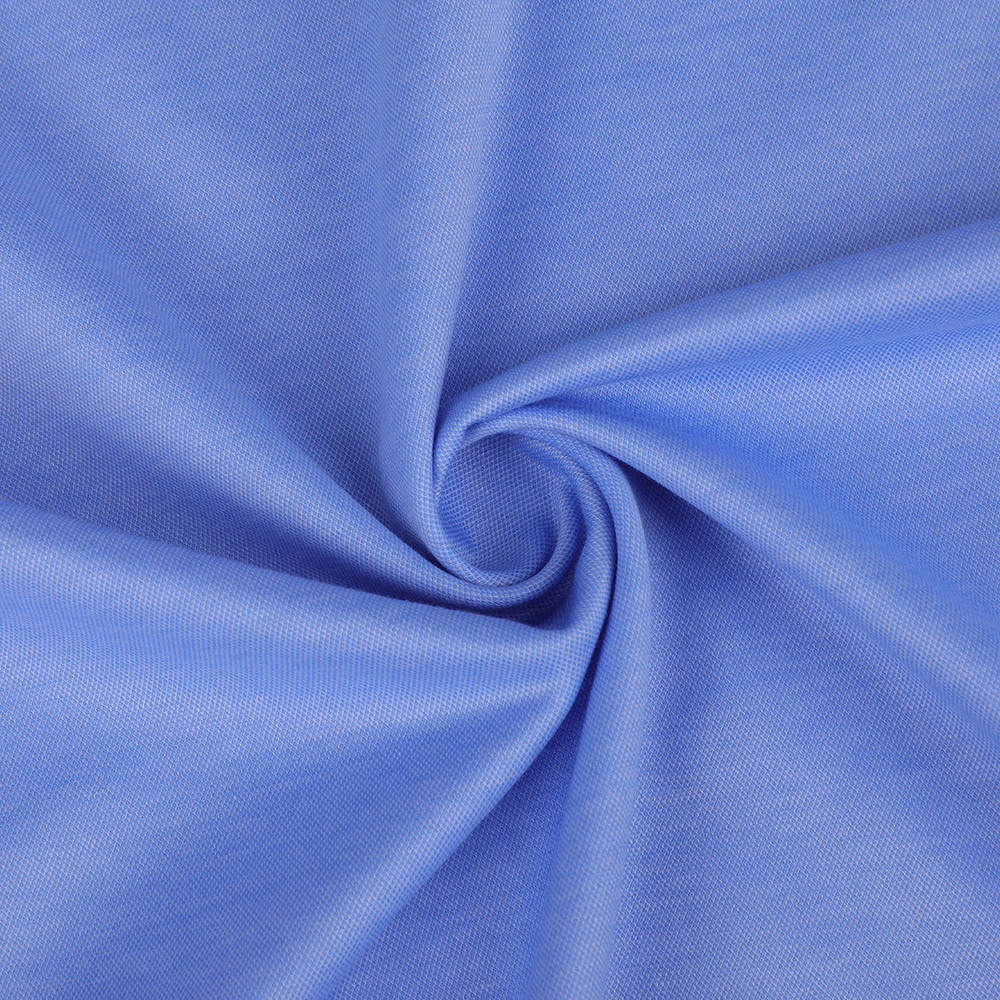
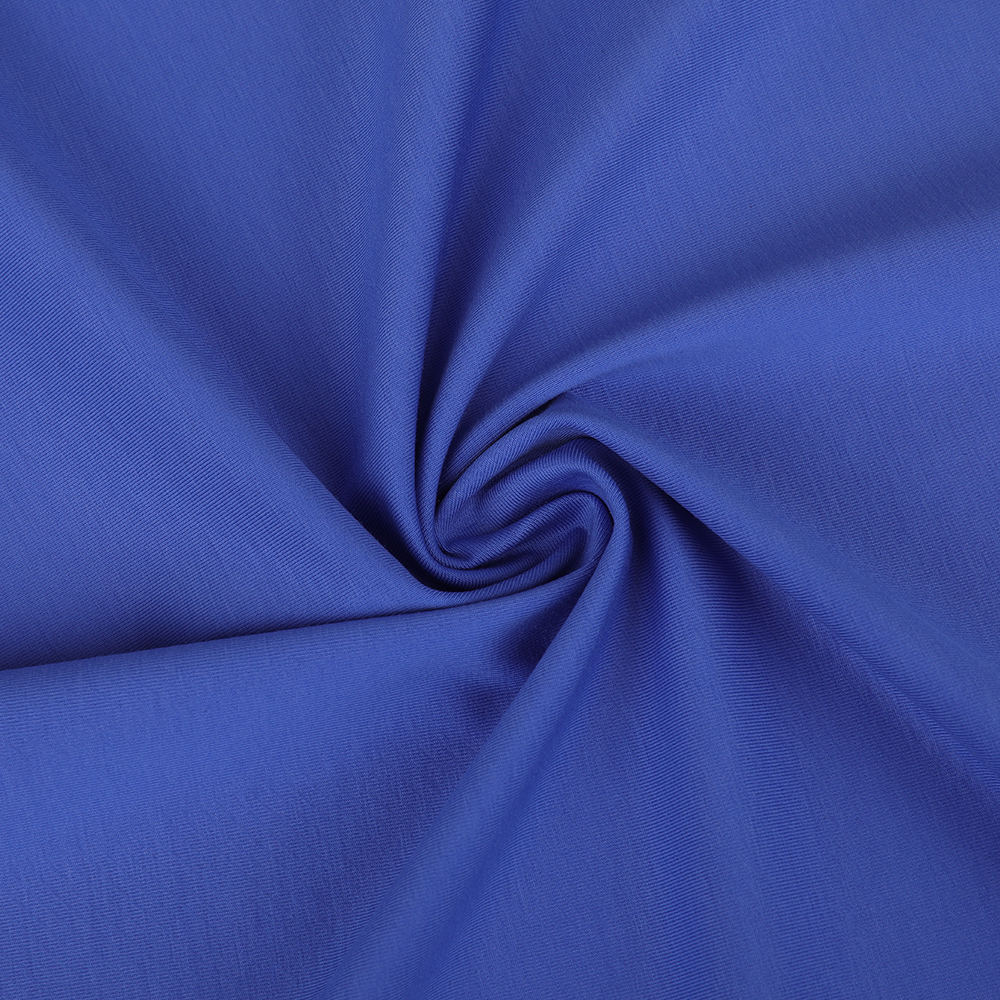
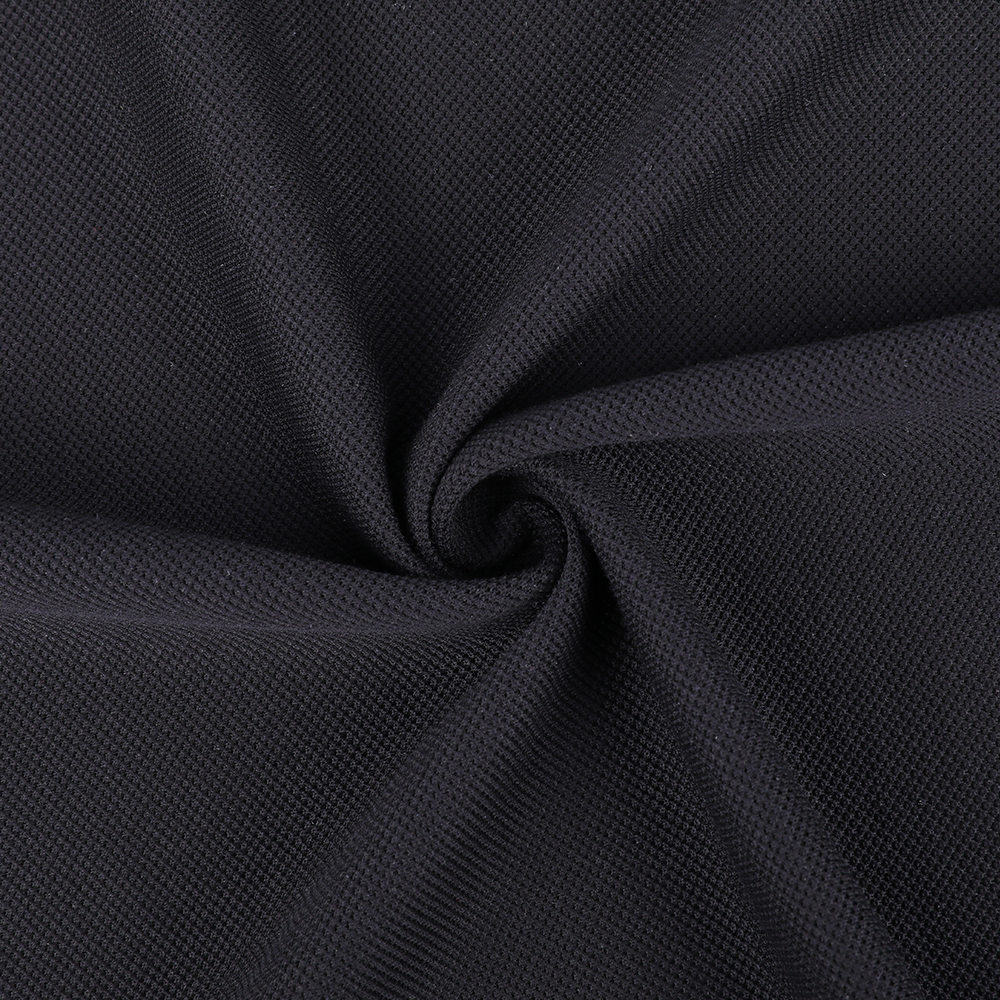
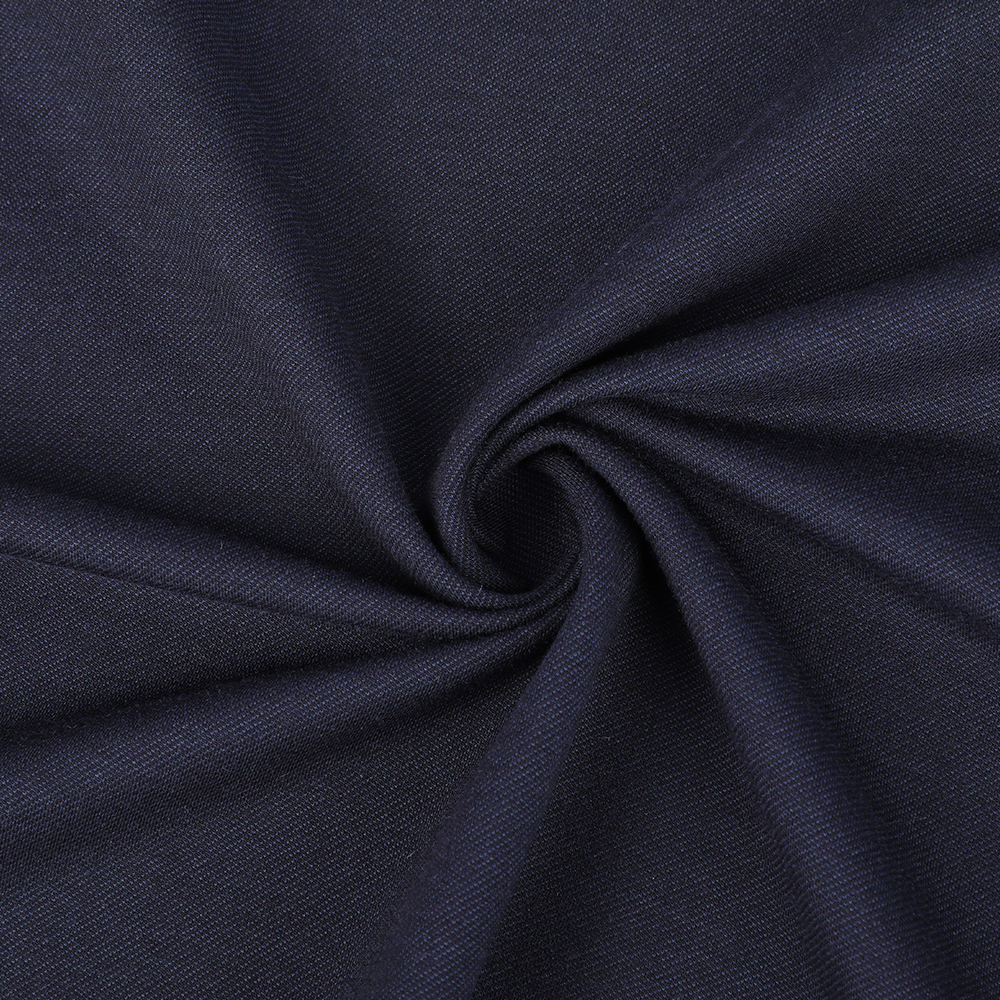
The nascent fiber needs to undergo post-processing steps such as oiling, stretching, heat setting and winding. The stretching process is particularly critical. By precisely controlling the stretching multiple and temperature, the orientation and crystallinity of the fiber can be adjusted to obtain different elastic properties. Modern spandex production lines use multi-stage stretching and relaxation heat treatment technology, so that the spandex mesh breathable and environmentally friendly fabrics obtained have elastic recovery rate and durability.
2. The core advantages of spandex fiber
Excellent elastic properties:
Thenotable feature of spandex is its extremely high elongation and superb elastic recovery rate. Compared with other elastic fibers, spandex can be stretched to 5-8 times its original length without breaking and can recover to a near-original state. This property stems from its unique block copolymer structure, where hard segments form physical crosslinks and soft segments provide stretchability. At the microscopic level, spandex's molecular chains can reversibly disentangle and rearrange under stress, thereby showing extraordinary elasticity.
Excellent processing adaptability:
Spandex fibers can be blended or interwoven with almost all types of textile fibers, including natural fibers such as cotton, wool, silk, and linen, and synthetic fibers such as polyester and nylon. This compatibility allows fabric designers to flexibly adjust the fiber ratio according to different uses to create composite fabrics that are both comfortable and functional. During the weaving process, the uniformity and stability of spandex ensure production efficiency and product consistency.
Long-lasting durability:
High-quality spandex fibers have superb fatigue resistance and chemical resistance. Specially treated spandex can withstand hundreds of stretching cycles without losing elasticity, and also shows good resistance to environmental factors such as sweat, detergents and ultraviolet rays. These properties enable spandex-containing fabrics to maintain their shape and function for a long time, extending the service life of textiles.
Comfortable ergonomic properties:
The unique properties of spandex fibers bring unparalleled comfort to the wearer. Its low modulus property means that only a small force is required to produce deformation without causing pressure on the skin; at the same time, good breathability and moisture absorption and perspiration properties enable spandex-containing fabrics to adapt to human activities and environmental changes, maintaining a comfortable microclimate.