
 English
 日本語
日本語 中文简体
中文简体
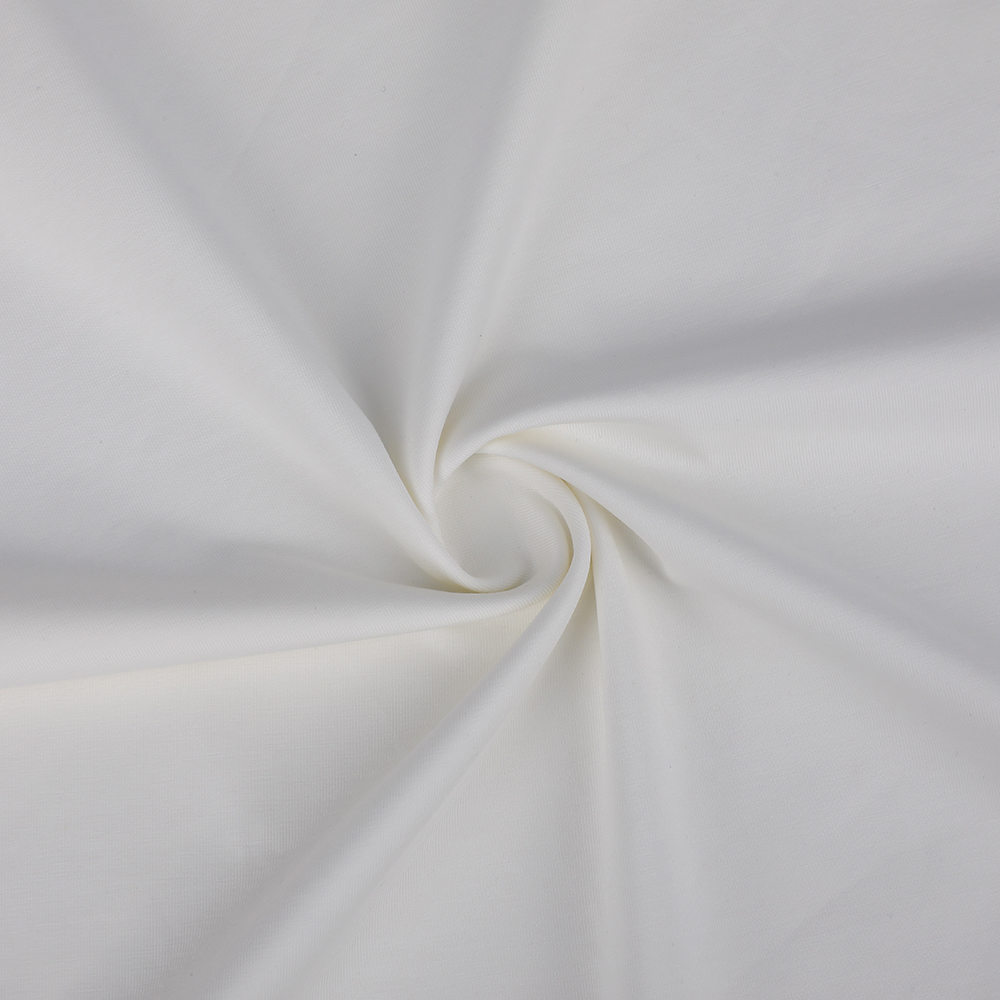
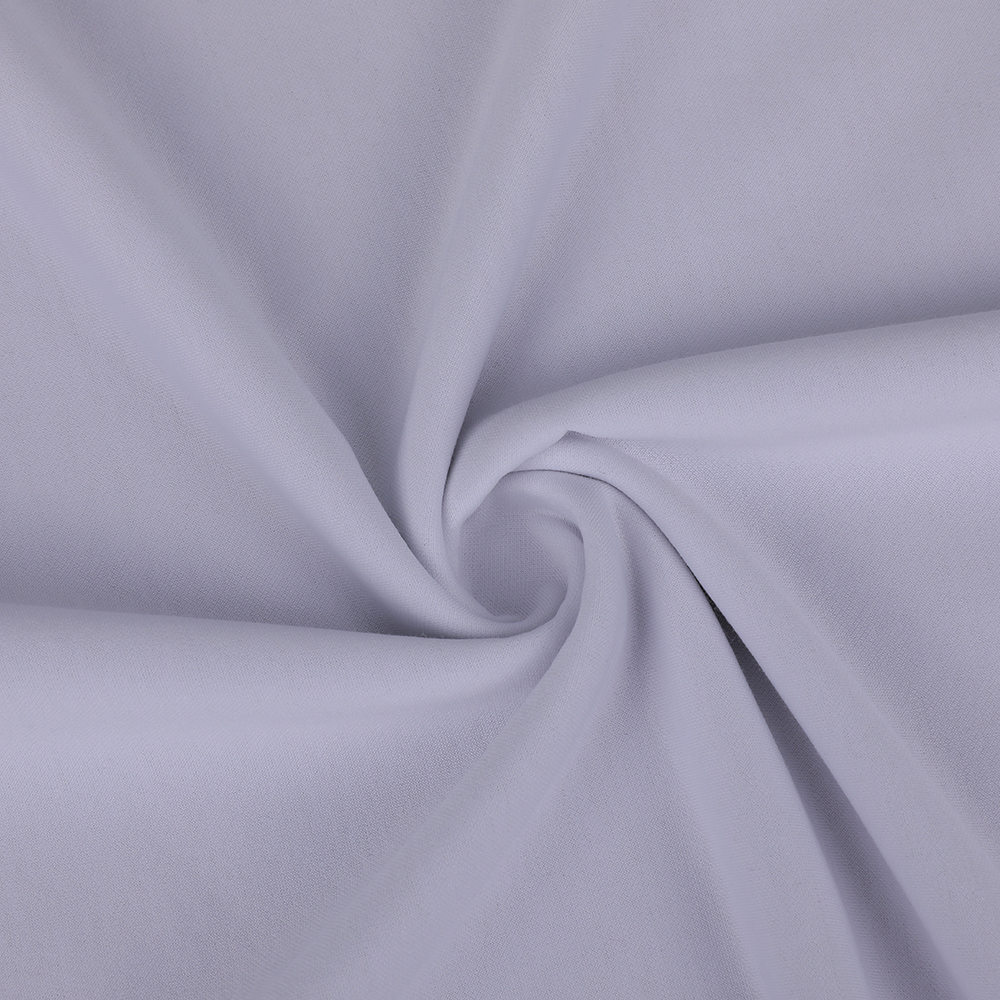
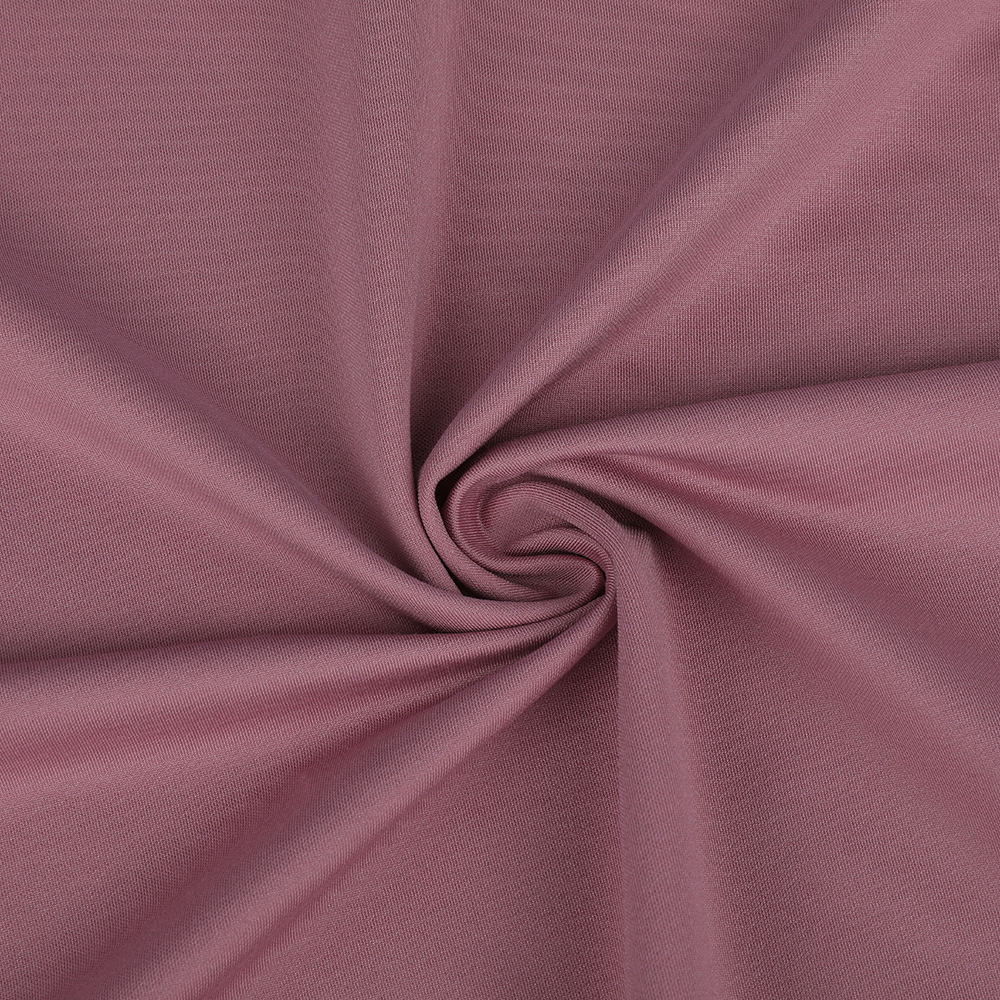
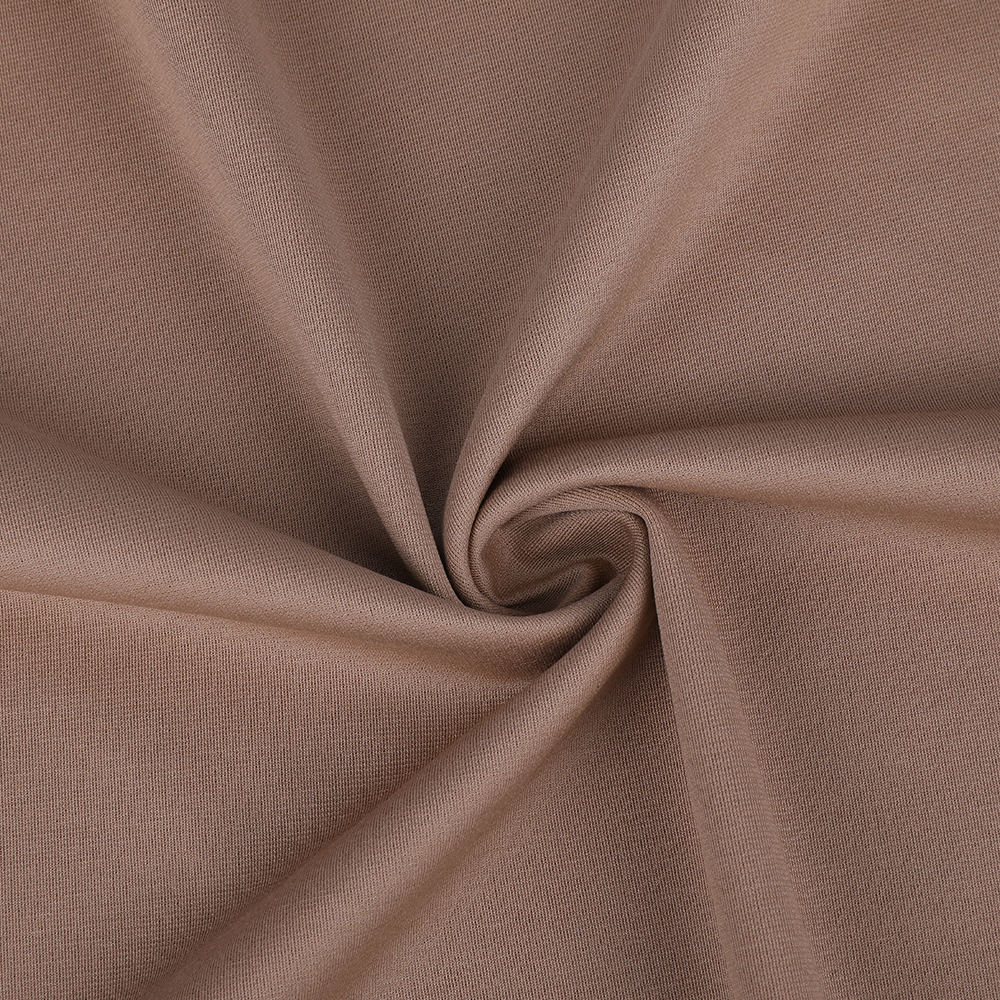
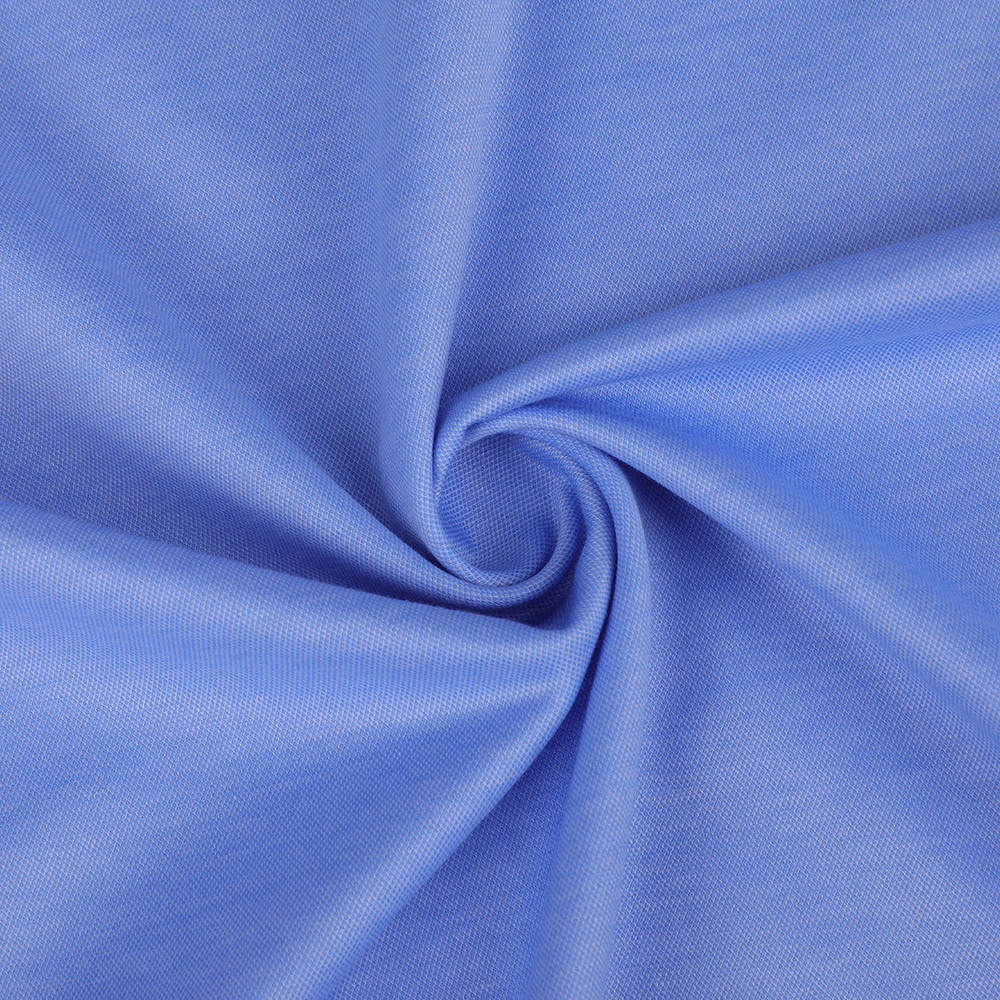
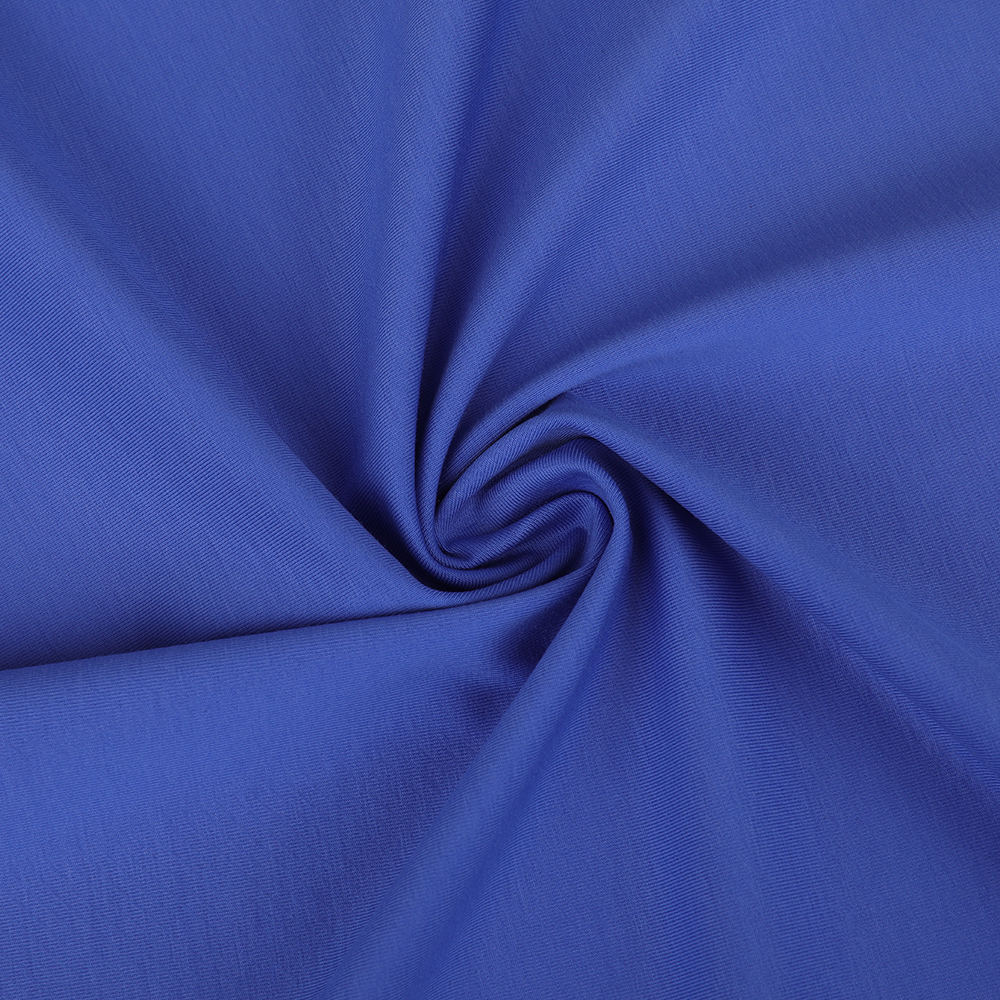
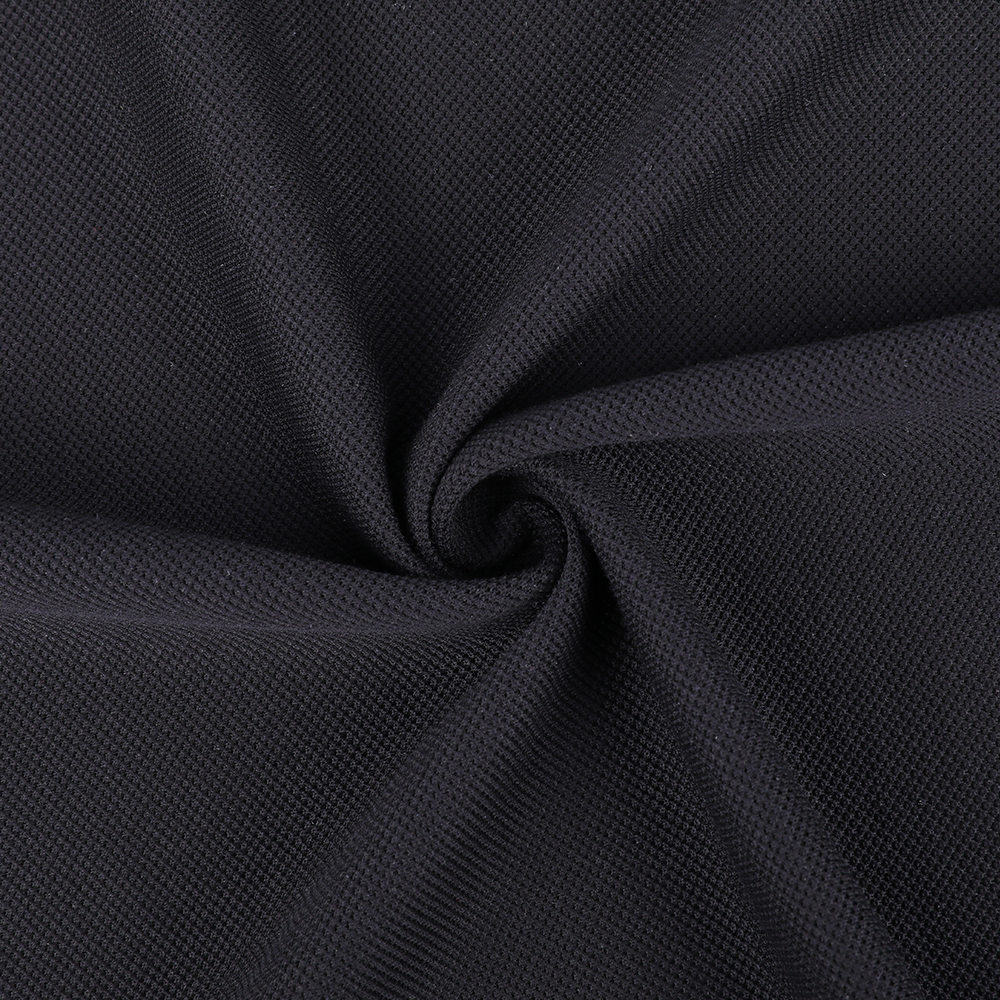
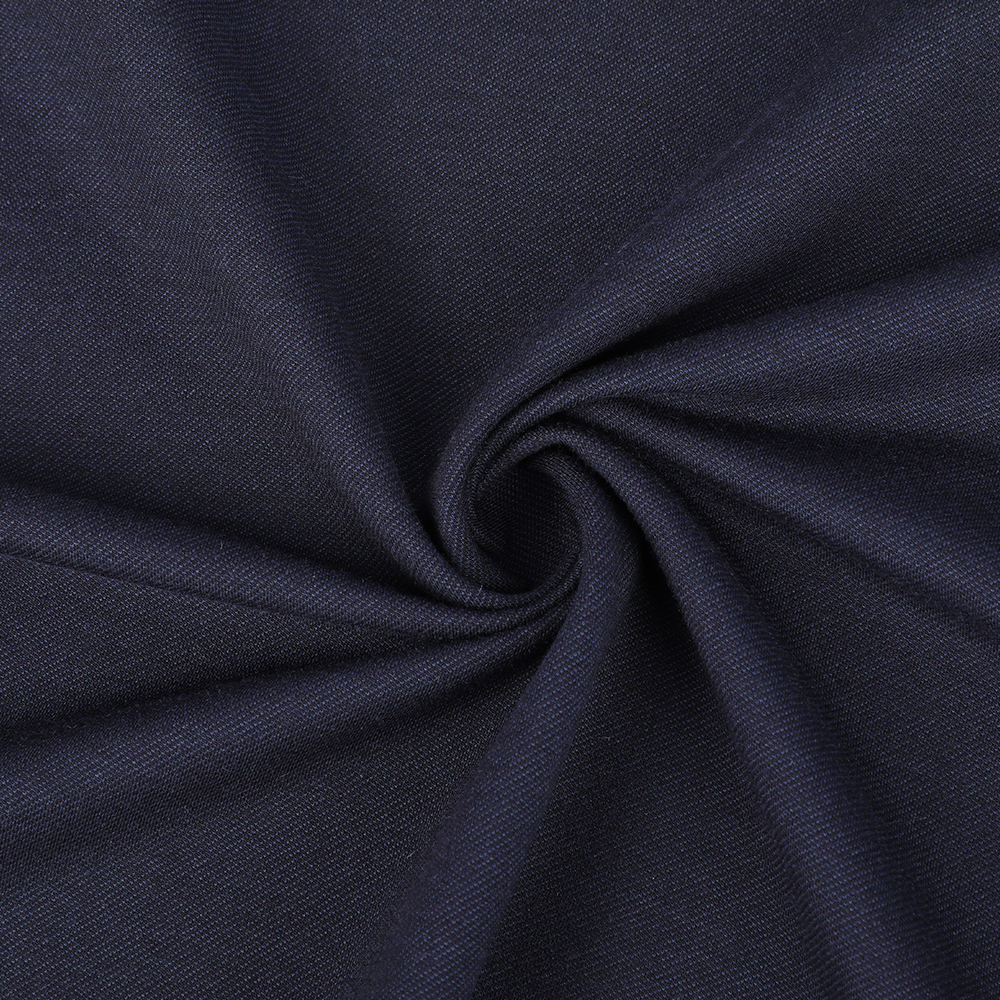
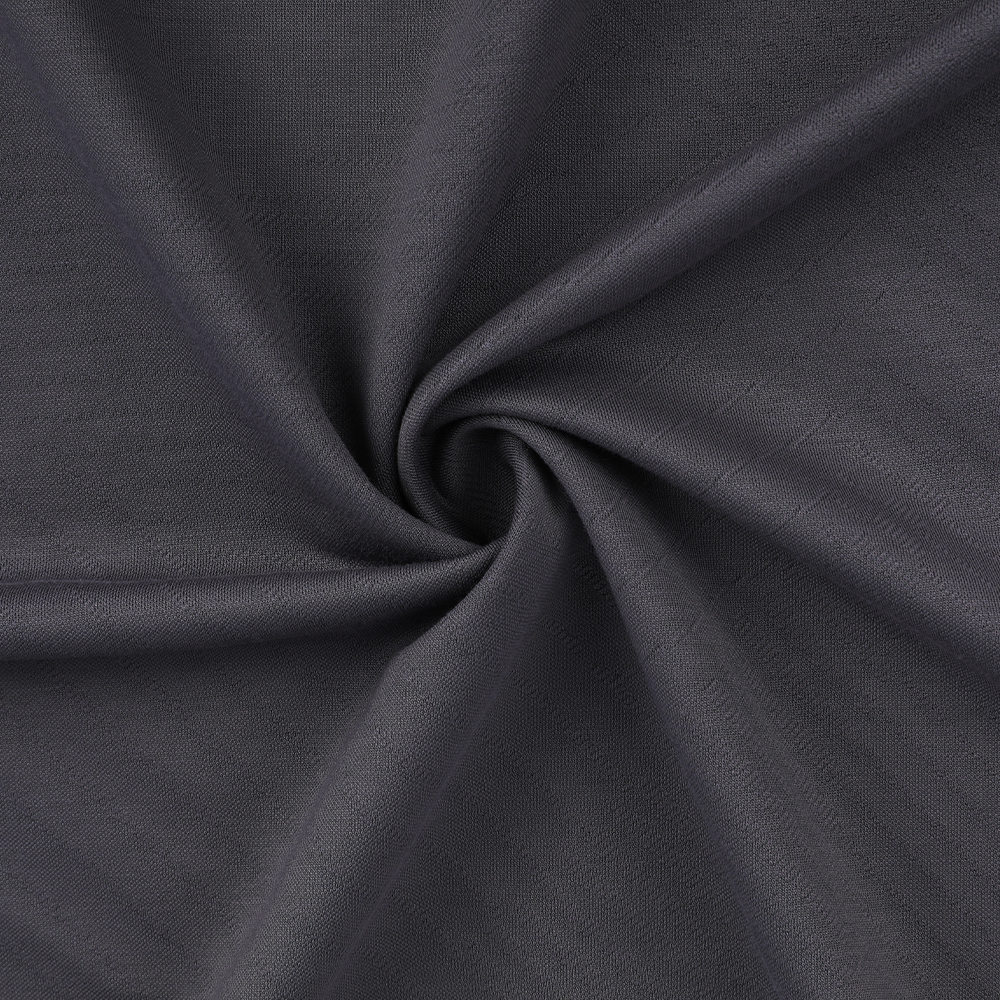
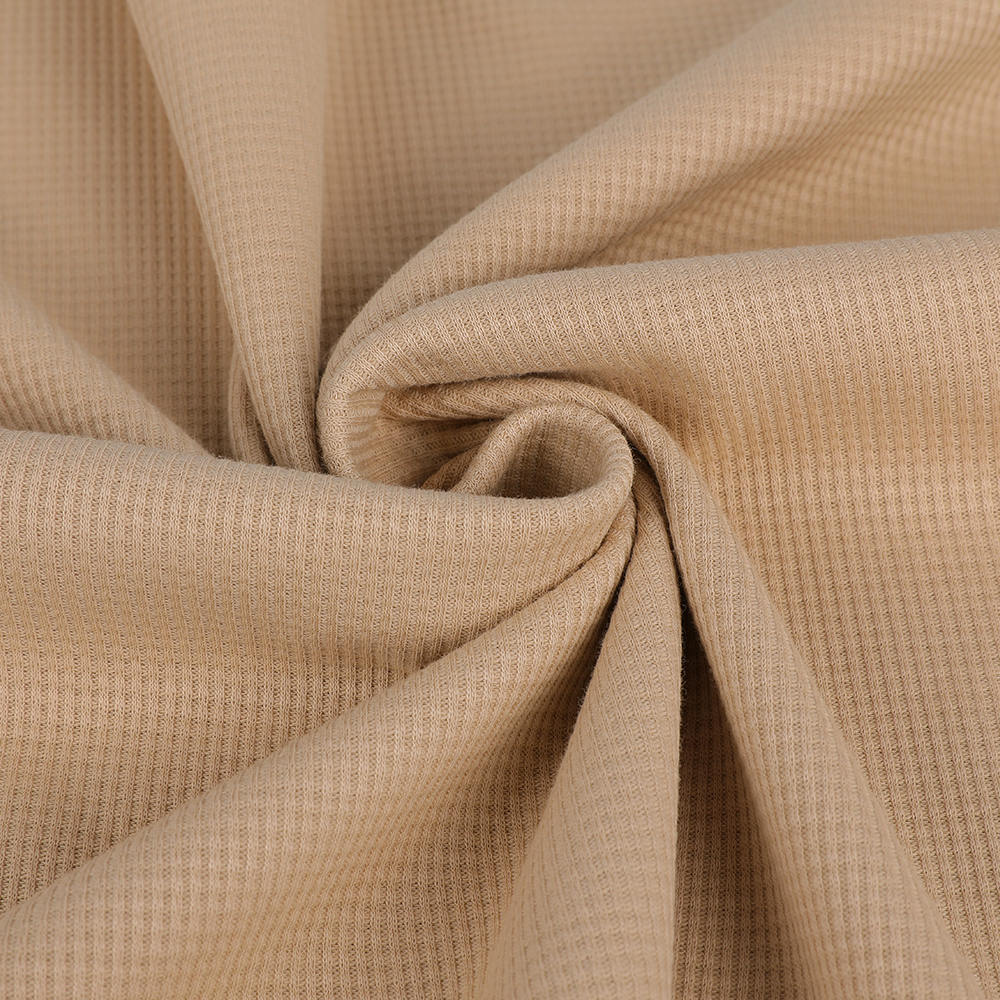
In the field of textile materials, natural fibers have always occupied an irreplaceable and important position. As a high-end material that combines functionality and comfort, wool and cashmere blended knitted fabrics have a unique fiber combination and knitting process that gives it an excellent wearing experience and a wide range of application prospects. This article will explore in depth the composition characteristics, process advantages and market value of this fabric.
From the perspective of fiber composition, the blended combination of wool and cashmere achieves perfect complementarity of performance. Wool fiber is known for its excellent warmth retention and resilience, and can provide good structural support; while cashmere fiber, with its light and soft characteristics, significantly improves the skin-friendliness and comfort of the fabric. This blending ratio is usually controlled at around 70% wool and 30% cashmere, which not only ensures the quality of the fabric, but also takes into account the control of production costs. In practical applications, the reasonably proportioned blended fabrics not only retain the durability of wool, but also incorporate the unique luxurious texture of cashmere, so that the final product has both good shape retention and a pleasant touch experience.
The use of knitting technology further magnifies the advantages of this blended fabric. Unlike traditional weaving methods, the unique coil structure of the knitted structure gives the fabric better elasticity and breathability. This feature allows wool and cashmere blended knitted fabrics to perfectly fit the curves of the human body, ensuring warmth while avoiding a heavy feeling. Especially in the application of winter clothing, this fabric can effectively lock in body temperature without restricting physical activity, providing the wearer with excellent freedom of movement. In addition, the diversity of knitting technology also provides designers with a broad creative space, from delicate flat needles to complex jacquard structures, which can show different visual effects and texture performances.
In terms of functionality, the advancement of modern textile technology has made wool and cashmere blended knitted fabrics more practical. Through a special shrink-proof treatment process, this natural fabric that originally required careful care can now withstand more frequent washing; the application of anti-static finishing technology effectively improves the problem of static electricity in traditional wool products; and the use of environmentally friendly dyeing technology not only reduces the impact on the environment, but also makes the fabric present a more natural and soft color effect. These technological innovations have greatly expanded the application scenarios and convenience of blended fabrics.
From the perspective of market positioning, wool and cashmere blended knitted fabrics are naturally positioned in the field of mid-to-high-end clothing with their high-quality raw material combination and exquisite processing technology. In the context of consumption upgrading, more and more consumers have begun to pay attention to the intrinsic quality and wearing experience of clothing. This fabric that retains the characteristics of natural fibers and has been improved by modern technology just meets this demand. Especially among people who pursue quality life, wool and cashmere blended products have become an important choice to show personal taste. At the same time, with the popularization of the concept of sustainable development, this biodegradable natural fiber fabric has also gained more favor due to its environmental protection properties.
In terms of application scenarios, this blended fabric shows amazing adaptability. In the fashion field, it is widely used to make high-end sweaters, scarves, gloves and other winter accessories, which are both warm and fashionable; in home clothing, its skin-friendly and comfortable characteristics make it an ideal choice for home wear; in the field of outdoor clothing, specially treated blended fabrics are even used to make high-performance warm mid-layer clothing, providing reliable temperature protection for outdoor activities. This wide range of applications fully demonstrates the versatility and practical value of wool and cashmere blended knitted fabrics.
Looking ahead, wool and cashmere blended knitted fabrics still have huge room for development. On the one hand, with the advancement of textile technology, more functional finishing technologies will be applied to such fabrics, such as long-lasting antibacterial treatment, intelligent temperature control and other innovative functions may become a reality; on the other hand, the deepening of the concept of sustainable development will promote the application of recycled wool and cashmere, as well as the research and development of more environmentally friendly production processes. These innovations will not only improve the performance of the fabric itself, but will also further consolidate its position in the high-end textile market.
Wool and cashmere blended knitted fabrics represent the perfect combination of traditional craftsmanship and modern technology. It not only inherits the excellent characteristics of natural fibers, but also meets the needs of contemporary consumers through continuous innovation. In the context of the pursuit of quality life and sustainable development, this fabric that combines comfort, functionality and environmental protection will continue to rejuvenate and inject lasting power into the development of the textile industry.