
 English
 日本語
日本語 中文简体
中文简体
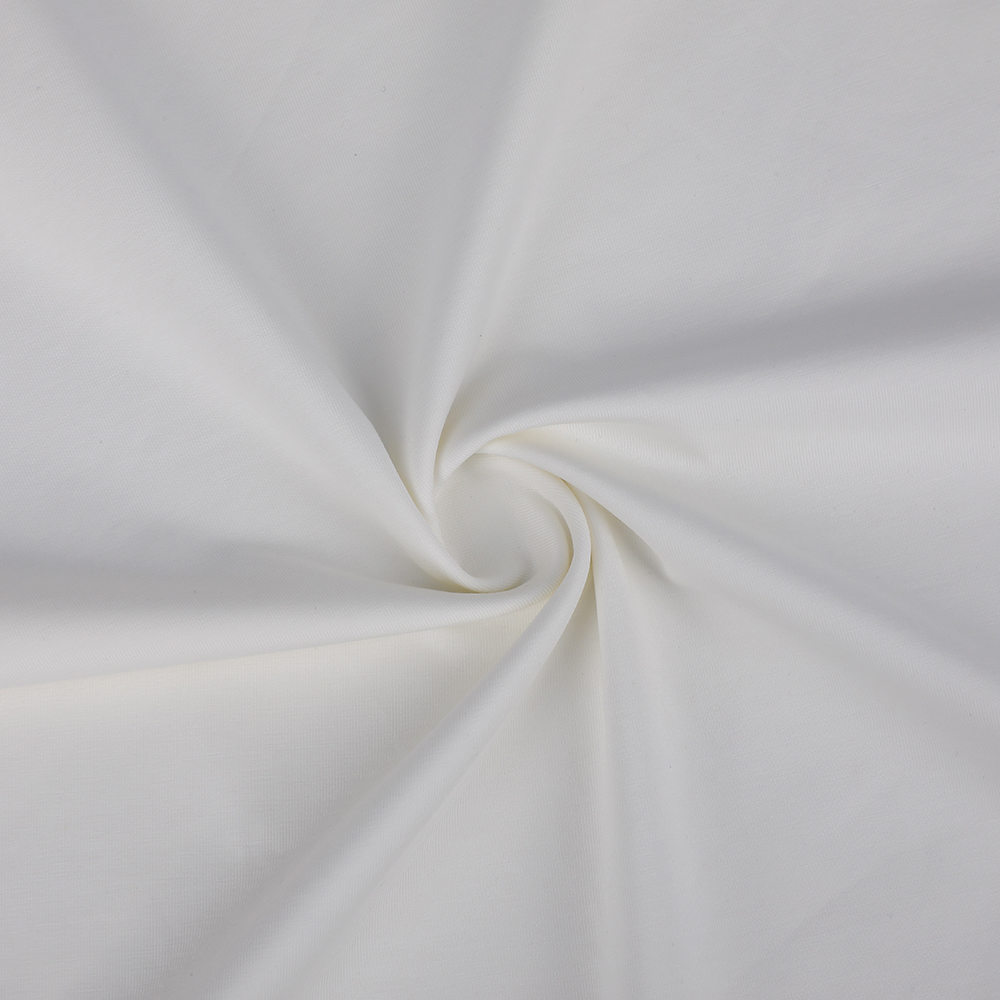
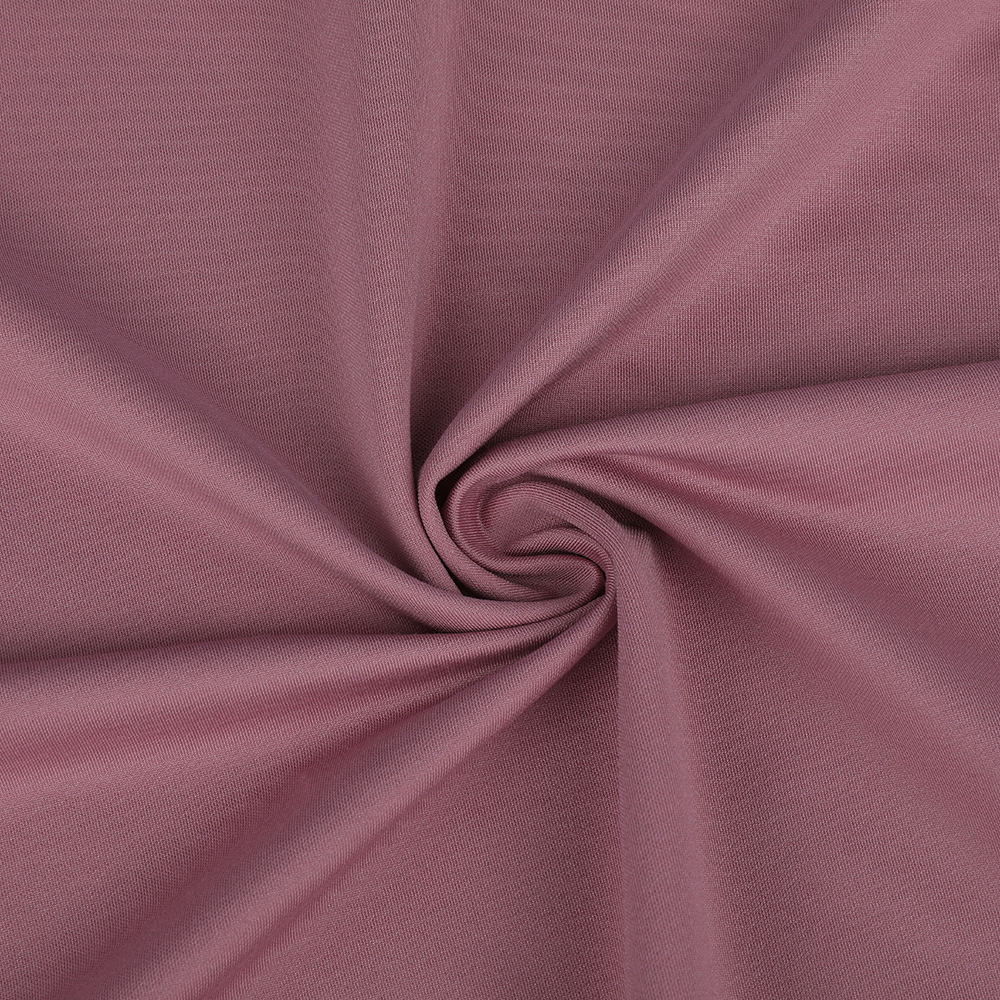
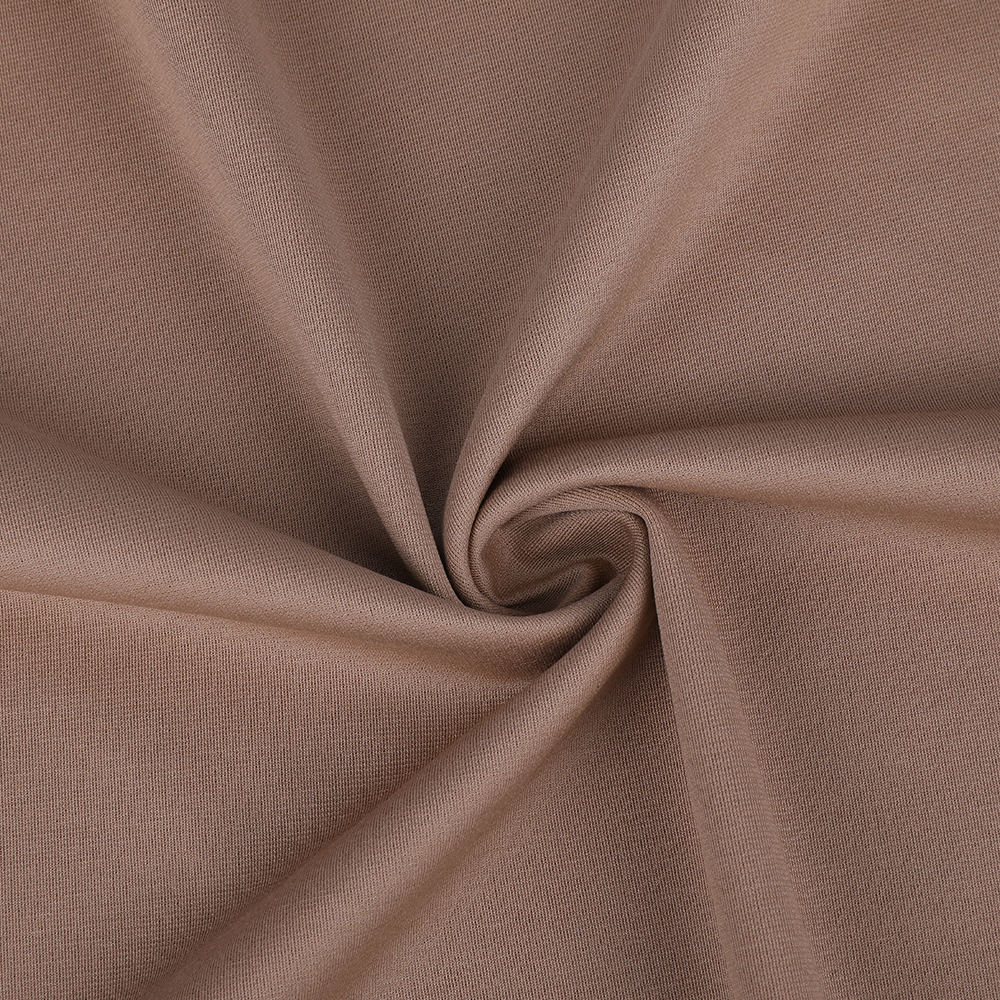
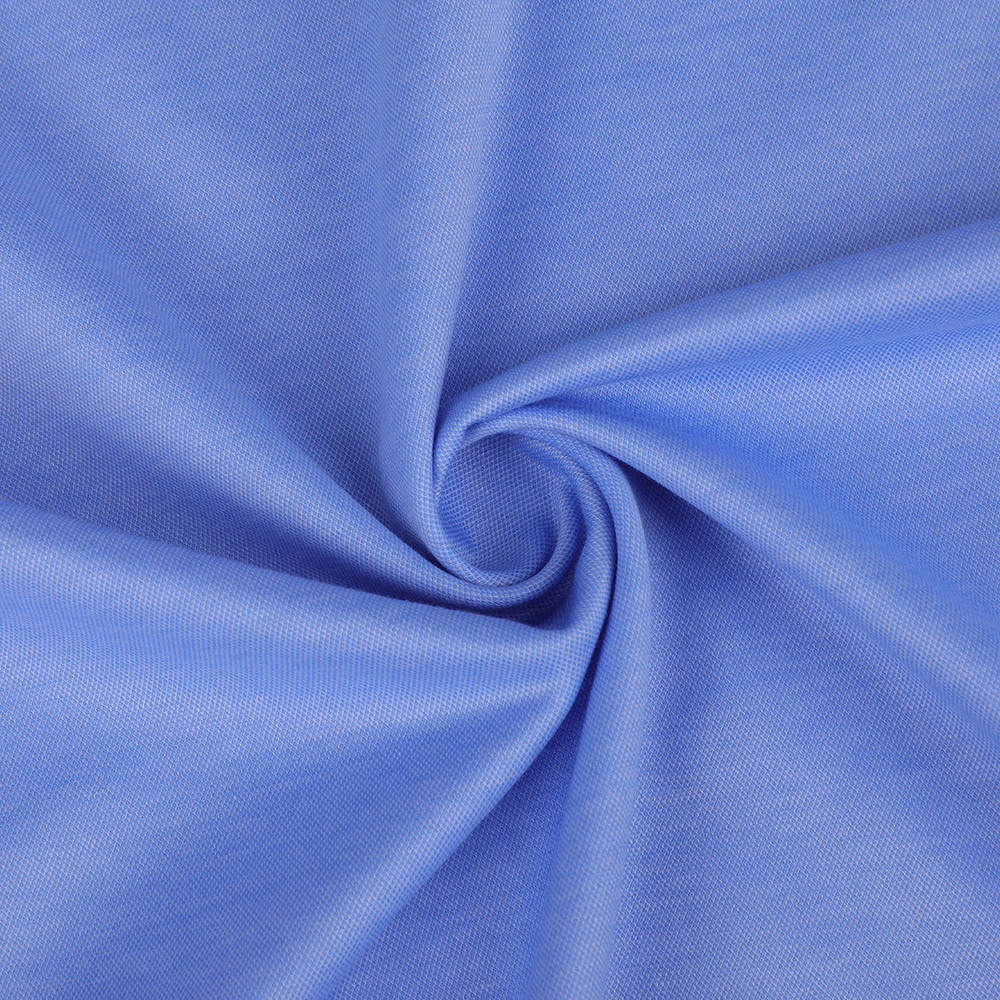
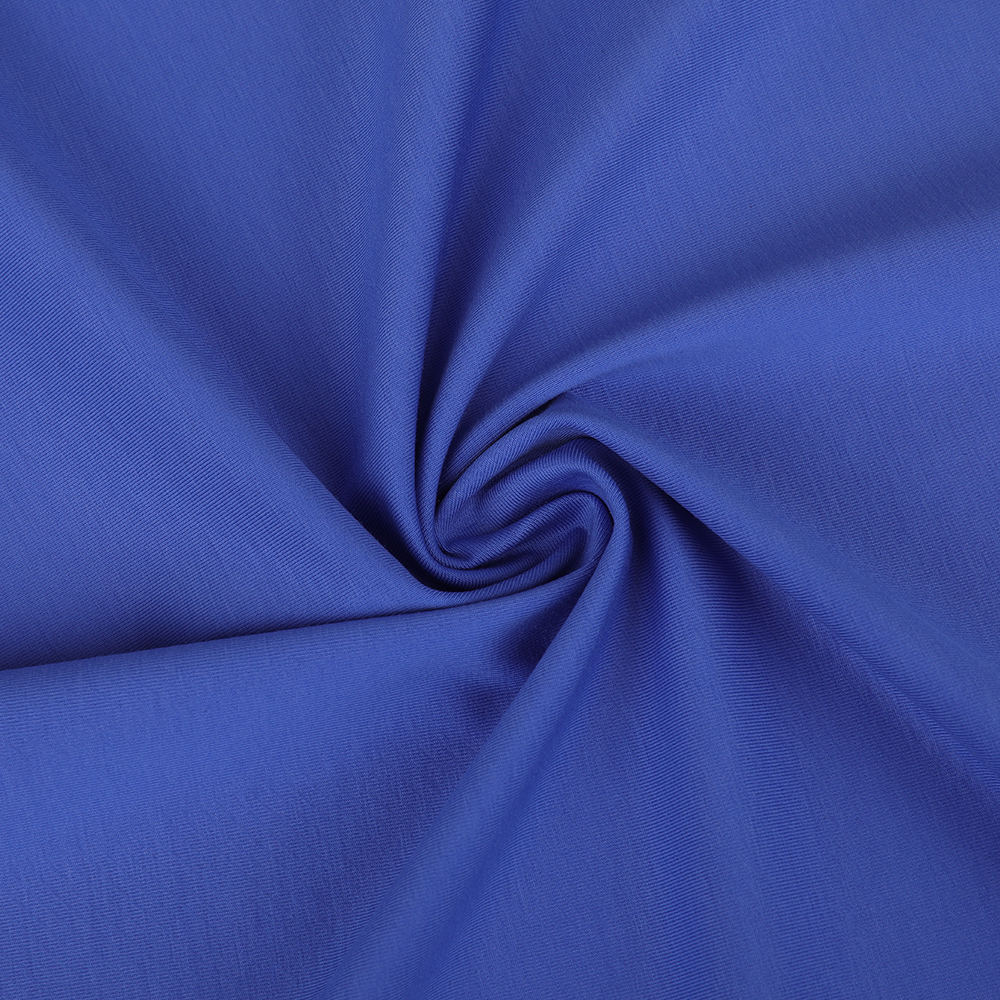
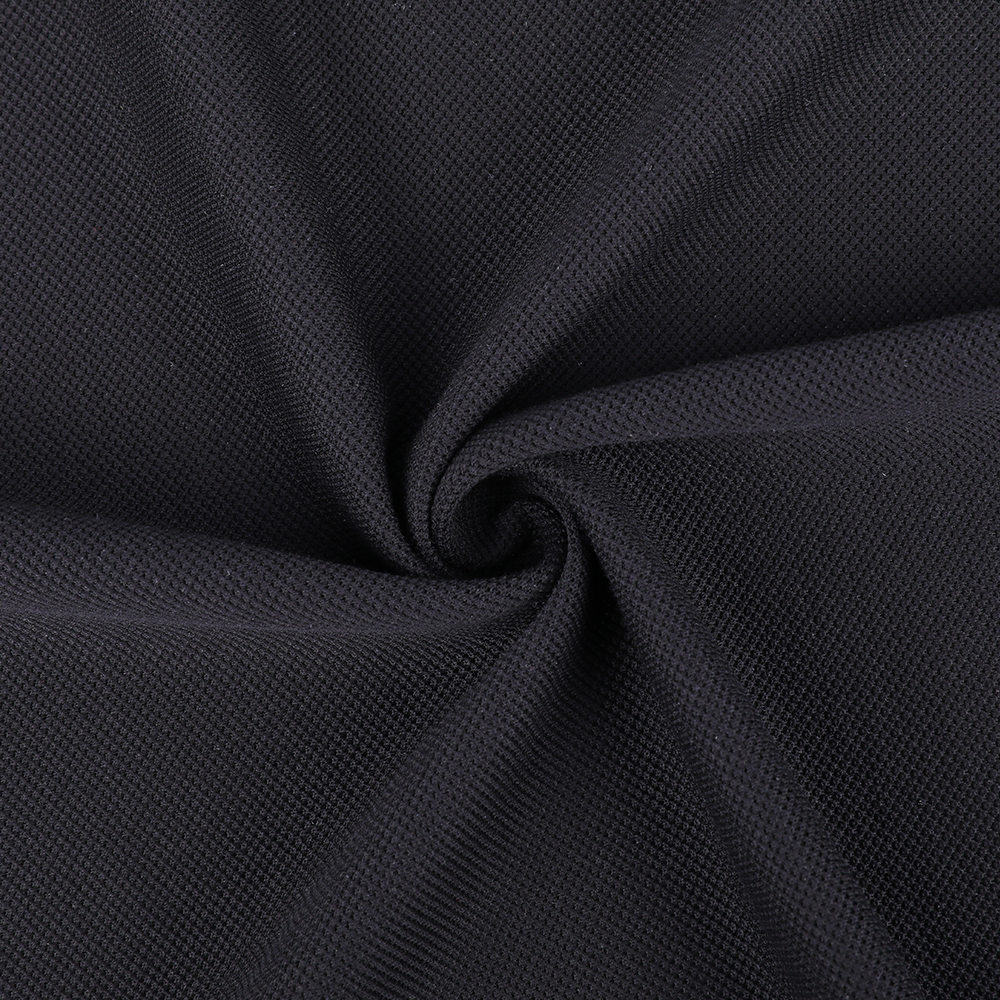
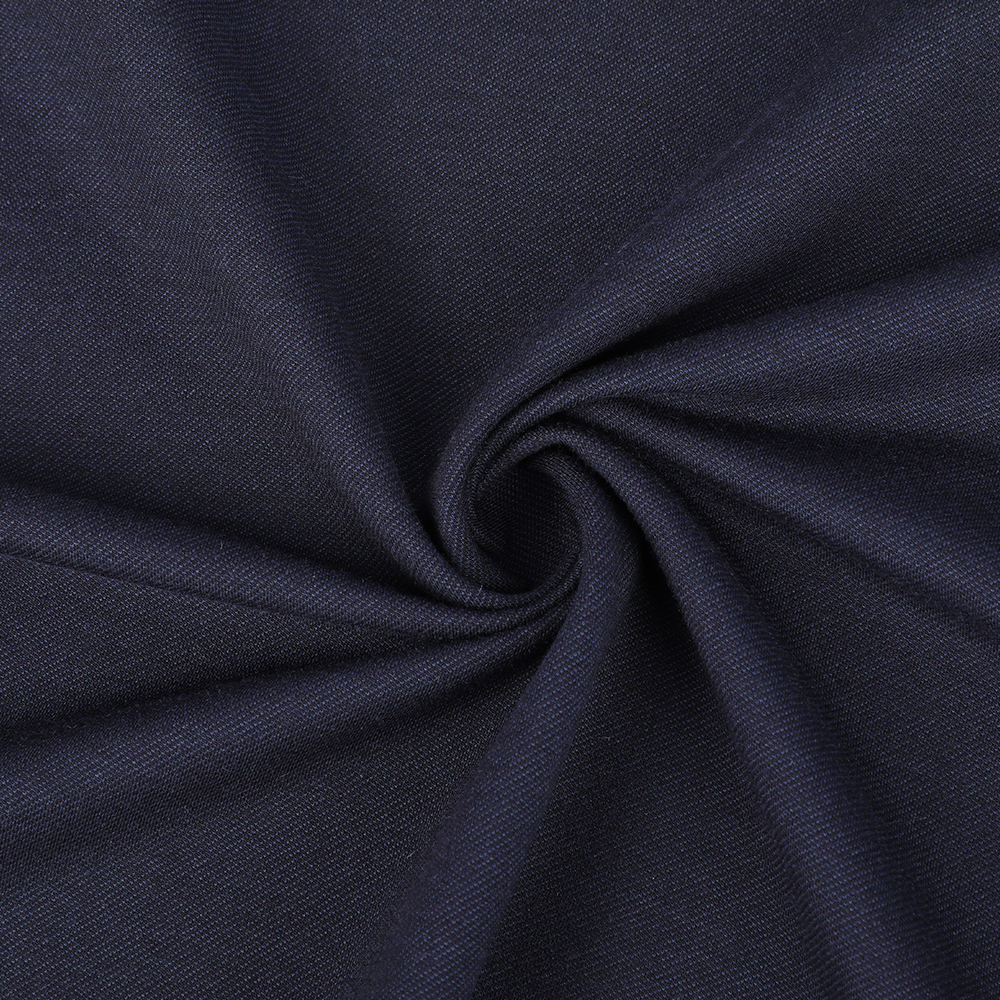
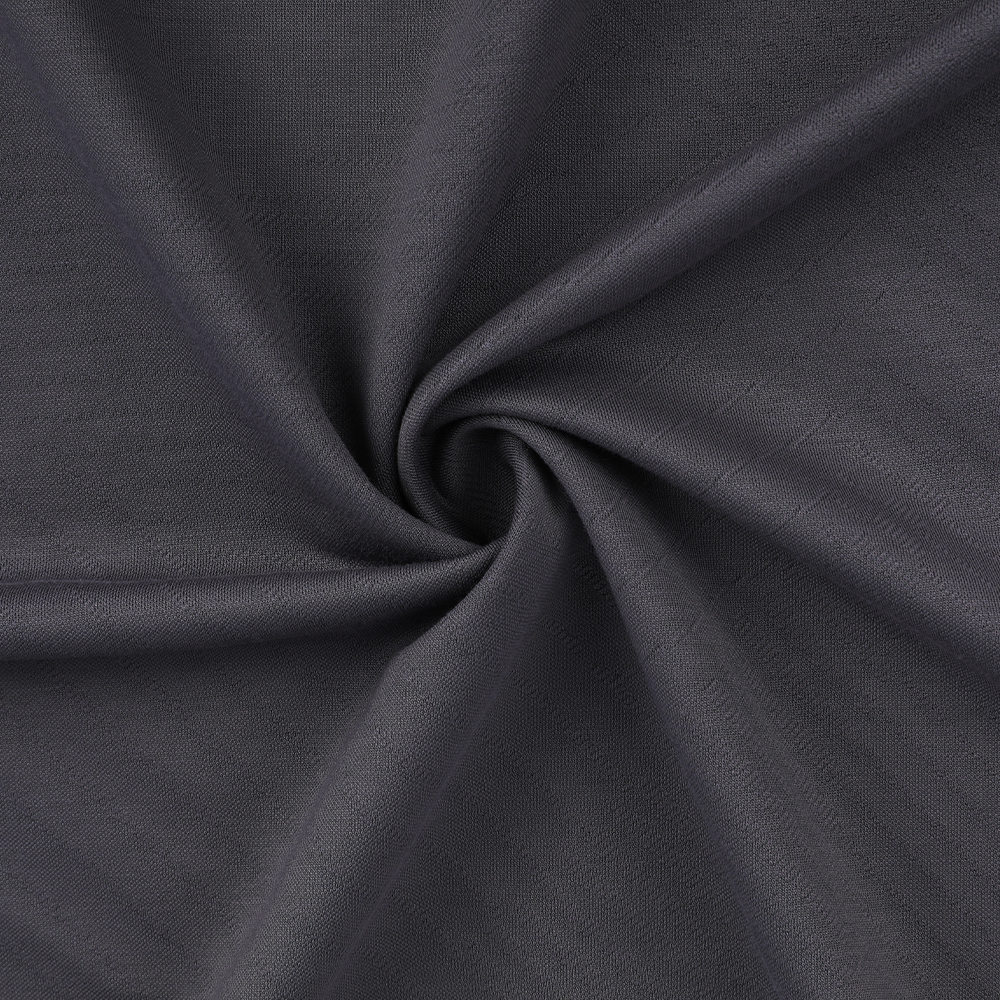
Innovation in textile materials has never stopped, and the birth of each new fabric may change the rules of the game in the industry. The name "liquid ammonia knitted fabric" combines traditional knitting technology with modern chemical processing technology, providing a new idea for the development of functional textiles.
Elasticity advantage of knitting technology
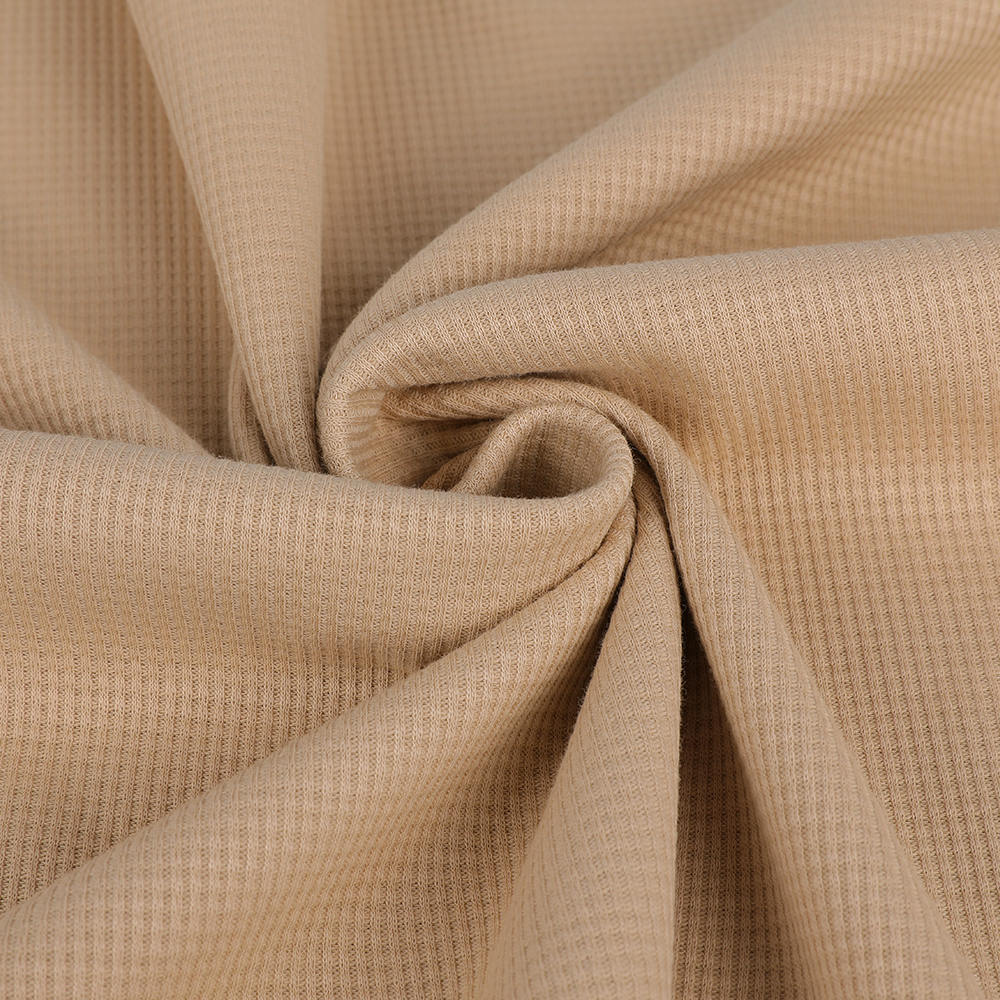
The knitted structure gives the fabric unique elasticity and breathability, allowing it to perfectly fit the curves of the human body. This feature makes knitted fabrics an ideal choice for sportswear and underwear. Compared with traditional woven fabrics, the coil structure of knitted fabrics can provide excellent dynamic support while ensuring comfort, which is particularly suitable for applications that require frequent activities.
The innovative potential of liquid ammonia treatment
Liquid ammonia treatment technology has been maturely applied in the textile field, mainly used to improve the quality of natural fibers. Liquid ammonia molecules can penetrate deep into the fiber and change its microstructure, thereby significantly improving the feel, gloss and durability of the fabric. When this technology is applied to synthetic fibers, it may bring unexpected effects:
Make the originally stiff artificial fibers have a silky soft touch
Enhance the strength of the fiber and extend the service life of the fabric
Improve the temperature regulation performance of the fabric
Give the fabric unique optical properties, such as metallic luster or flowing visual effects
Diversified application prospects
Sports and outdoor fields
Liquid ammonia treatment can optimize the moisture wicking performance of knitted fabrics, and with the original elastic advantages, it is particularly suitable for making high-performance sports equipment. In extreme environments, specially treated fibers may show excellent temperature regulation capabilities, providing better protection for outdoor activities such as mountaineering and skiing.
Smart wearable devices
The stretchability of knitted structures makes them an ideal carrier for wearable technology. Liquid ammonia treatment may further enhance the conductivity of fabrics, enabling them to seamlessly integrate functional modules such as flexible sensors and heating elements, and promote the development of smart clothing.
Medical protective equipment
The natural antibacterial properties of liquid ammonia combined with the breathability of knitted fabrics can develop more comfortable and safer medical textiles. From antibacterial dressings to reusable protective equipment, this combined technology is expected to improve the performance of medical protective equipment.
High-end fashion design
Knitted fabrics treated with liquid ammonia may present a unique luster and drape, providing designers with new creative materials. This kind of fabric with both technological and aesthetic value is likely to become an important choice for high-end fashion in the future.
Technical challenges
To achieve the commercial application of liquid ammonia knitted fabrics, several technical difficulties still need to be overcome:
The modification effect of liquid ammonia treatment on synthetic fibers needs to be systematically verified
The energy consumption and environmental performance of the production process need to be optimized
How to balance cost and performance to achieve large-scale production
Ensure the safety of the treatment process and eliminate potential health hazards
Future research directions
The development of liquid ammonia knitted fabrics is inseparable from interdisciplinary collaborative innovation. Research and development directions worth noting include:
Explore the synergistic effect of liquid ammonia and other surface treatment technologies
Develop customized treatment solutions for different fiber blends
Study more environmentally friendly liquid ammonia recycling processes
Test the performance of fabrics under various extreme conditions
The advancement of textile technology is constantly breaking through the limitations of traditional materials, and the emergence of liquid ammonia knitted fabrics has injected new vitality into the industry. With the deepening of research and the maturity of technology, this innovative fabric is expected to show its unique value in many fields and bring people a more comfortable and smarter wearing experience.