
 English
 日本語
日本語 中文简体
中文简体
Content
Start With the Fiber, Not the Surface
Stand between two rolls of knitted fabric that look equally silky, and the first question is not which one has the better price. It is which fiber is inside. Cellulose acetate and copper ammonia — often called cupro — are two regenerated cellulose fibers that both produce a graceful, luxury-oriented knitted fashion fabric, but they do not behave the same way in dyeing, cutting, sewing, or laundering. The short version: if you want fluid draping and high moisture comfort, cupro is the stronger candidate; if you want a crisp, lustrous surface with excellent wrinkle recovery, acetate has the advantage. Neither is a drop-in replacement for the other, and a knitted structure only magnifies the differences.
Cellulose Acetate and Copper Ammonia: Two Routes to a Silk Look
Cellulose acetate is made from wood pulp or cotton linters that are treated with acetic acid and acetic anhydride, converting the cellulose into a cellulose ester. This changes the fiber’s character: acetate has a smooth, shiny surface, low moisture regain, and a slightly firm, silky hand. It is a familiar material in linings and blouse fabrics, but in a knitted jersey or interlock it can also give a dress a polished, almost liquid sheen. Its main weakness is strength — particularly when wet — and a tendency to be damaged by heat or acetone. Acetate knits are best treated as special-care fabrics.
Copper Ammonia: Fluid and Breathable
Copper ammonia fiber, frequently labeled cupro, is a regenerated cellulose fiber made by dissolving cotton linters in a cuprammonium solution and then extruding the cellulose into fine filaments. The result is one of the softest, most fluid man-made fibers available. Cupro has higher moisture regain than acetate, which makes it more comfortable close to the skin, and its filament fineness produces a quiet, natural lustre rather than a glossy shine. In fashion terms, cupro behaves more like a very refined viscose or a delicate silk; in technical terms, it is more absorbent and generally stronger than acetate, though still weaker than polyester or nylon.
How They Behave in Knitted Fashion Fabrics
Knitting exposes fiber differences more clearly than weaving does. A knit fabric has open loops, curved yarn paths, and lower cover factor, so the fiber’s drape, surface friction, and elasticity become visible in the finished garment. Two similar-looking jerseys can feel completely different when the fiber inside changes.
| Property | Cellulose Acetate | Copper Ammonia (Cupro) |
|---|---|---|
| Fiber type | Cellulose ester | Regenerated cellulose |
| Moisture regain | Low, about 6% | Higher, about 11–12% |
| Wet strength | Low; weakens noticeably when wet | Moderate; more robust than acetate |
| Hand feel | Smooth, crisp, and lustrous | Soft, fluid, and silk-like |
| Drape | Good; holds shape well | Excellent; falls softly |
| Wrinkle recovery | Good | Moderate |
| Typical knit use | Dresses, blouses, linings, lingerie | Dresses, tops, lightweight knitwear, linings |
| Care risk | Heat, acetone, and rubbing | Shrinkage, snagging, and wet abrasion |
Drape, Hand, and Comfort
Cupro’s low bending stiffness makes it a favorite for bias-cut dresses, draped skirts, and any garment that needs to follow the body. Acetate has a touch more body; it suits structured A-line dresses, puff sleeves, or crisp shirt-style knits. When a design calls for both structure and fluidity, a blend of acetate with cupro or viscose can be useful, but it should always be sampled before bulk production.
Strength, Care, and Durability
Acetate’s wet strength is a real production risk. During dyeing or garment washing, an acetate-dominant knit can tear or lose its handle if the mechanical action is aggressive. Cupro is safer but still not a heavy-duty fiber. Garments with tight fit, high stretch, or frequent washing need a portion of elastane, polyamide, or polyester in the blend. A buyer should ask the mill for wet strength data, not just a hand-feel swatch.
Shrinkage, Finishing, and Color
Because acetate absorbs little water, it tends to shrink less during laundering, but it can be damaged by heat and solvents. Cupro absorbs more water, which means it can shrink or distort if the mill does not set the fabric under controlled conditions. Dark shades of either fiber can show poor crocking fastness, so a rub test is essential.
Sourcing Checklist for Acetate and Cupro Knits
Before ordering acetate or cupro knitted fabrics in volume, go through a short technical checklist. These checks prevent the two most common failures: a garment that looks beautiful in the showroom and falls apart in the wash, and a fabric that cannot survive the sewing line. The list includes:
- Exact fiber composition and blend percentage; pure 100% acetate knits are rare and risky for many end uses.
- Wet and dry tensile strength data, plus tear resistance after finishing.
- Dimensional stability to water washing and steam ironing; specify a target such as no more than 3% shrinkage.
- Color fastness to light, perspiration, rubbing, and washing, especially for deep or saturated shades.
- Pilling and snagging performance on a garment mock-up, not on a flat piece.
- A pre-production sample from the same lot as bulk production.
Blends Reduce the Risk
Instead of a single-fiber knit, many brands choose a blended construction that keeps the silk-like personality but improves durability. For example, a breathable silk-cotton knit shirt fabric preserves a natural sheen while adding the strength and dimensional stability of cotton. For buyers whose priority is a luxury feel with practical performance, this kind of blend is often a smarter starting point than a pure acetate or cupro fabric.
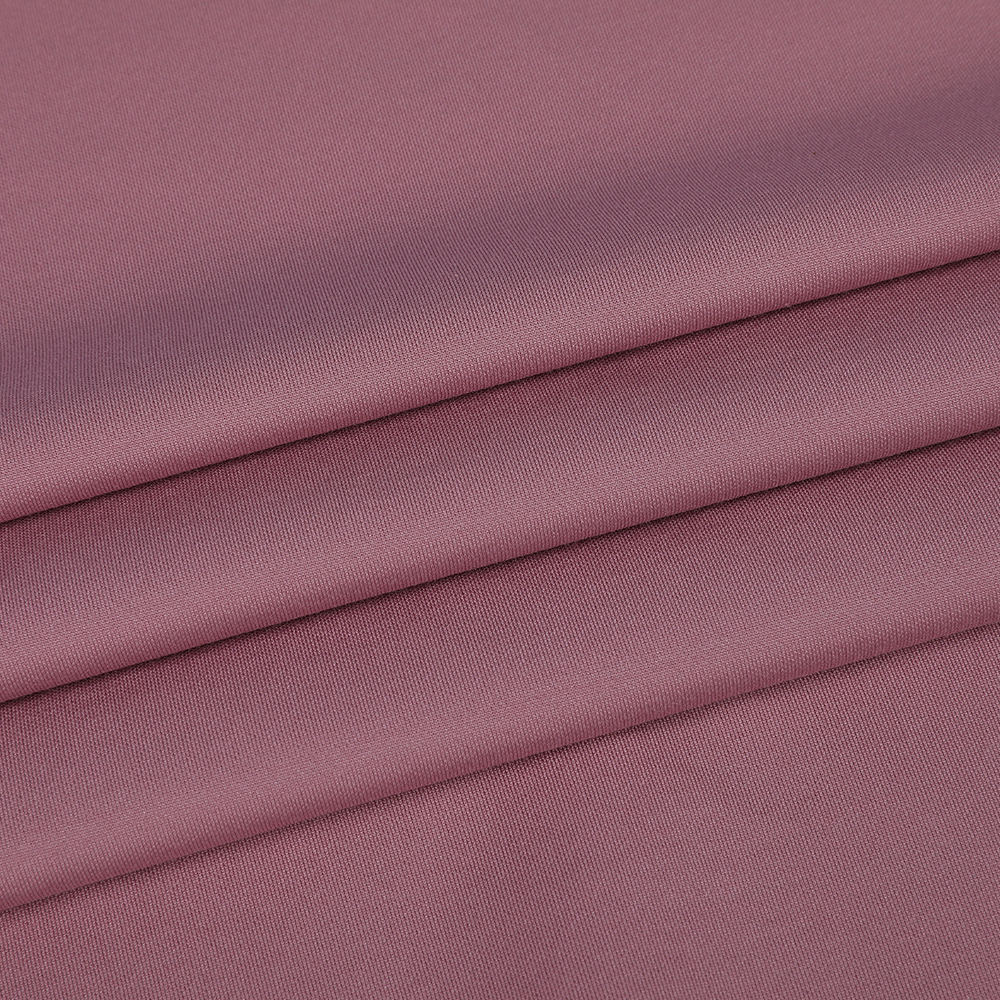 Wholesale Comfortable Breathable Luxurious Silk Cotton Shirt Fabric ManufacturerJiaxing Jinkaiyue Knitted Fabric Co., Ltd is China Wholesale Comfortable Breathable Luxurious Silk Cotton Shirt Fabric Manufacturers and ...View Product →
Use Structure to Balance Fiber Limits
A plain single jersey will show every weakness of a delicate fiber, while a jacquard or interlock structure gives the surface more body and reduces the perception of flimsiness. If the design brief calls for texture, a breathable single jacquard knit for women’s wear can provide depth without exposing the fiber to too much strain. This is especially useful when the fabric must work for dresses, skirts, or blouses with a structured silhouette.
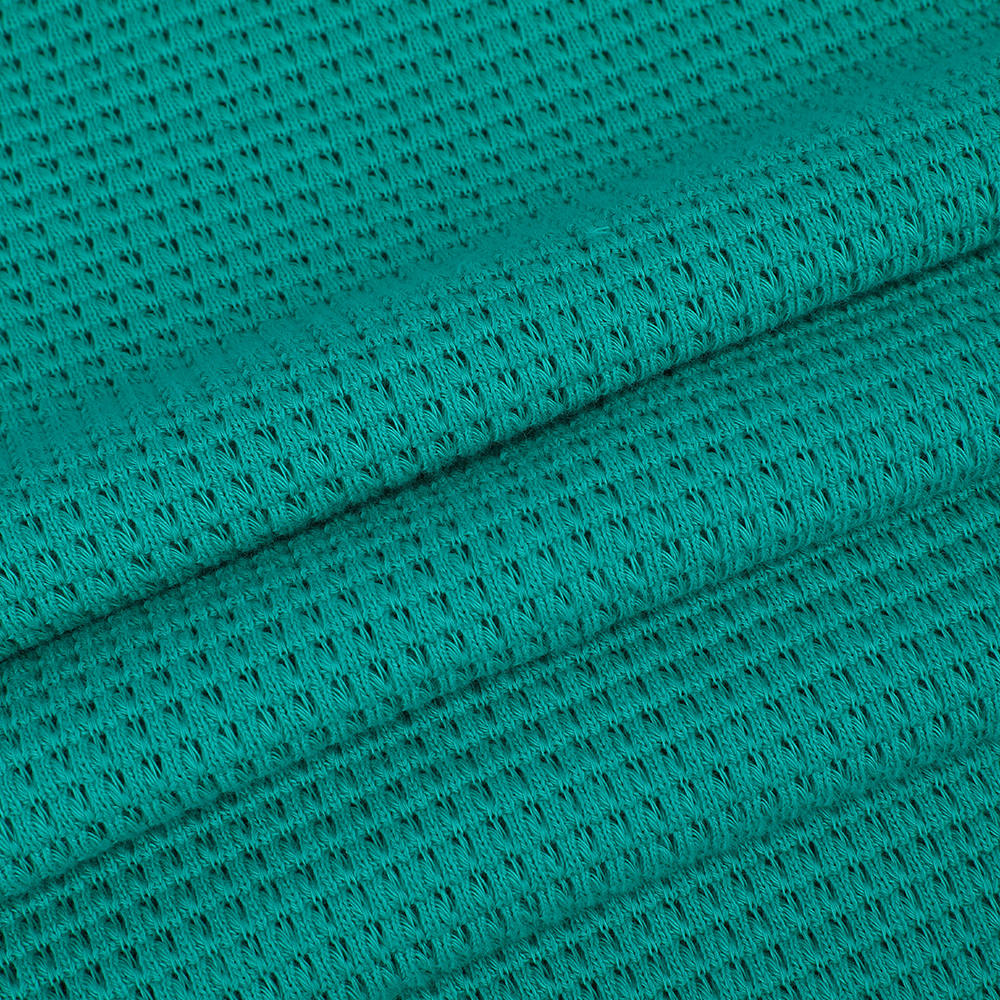 Wholesale Comfortable and Breathable Knitted Single-sided Jacquard Fabric for WoJiaxing Jinkaiyue Knitted Fabric Co., Ltd is China Wholesale Comfortable and Breathable Knitted Single-sided Jacquard Fabric for Women Ma...View Product →
Care and Honesty at the Point of Sale
The care label is part of the product. Acetate-heavy knits should not be labeled machine-washable unless special finishing proves otherwise. Cupro can tolerate gentle hand washing, but heat, bleach, and strong mechanical action remain threats. For a real silk alternative, some brands prefer our machine-washable mulberry silk knit fabric, which gives the garment a genuine silk hand with a care story consumers can trust. Our technical analysis of acetate and copper ammonia knitted fashion fabric explains how these yarns behave in production.
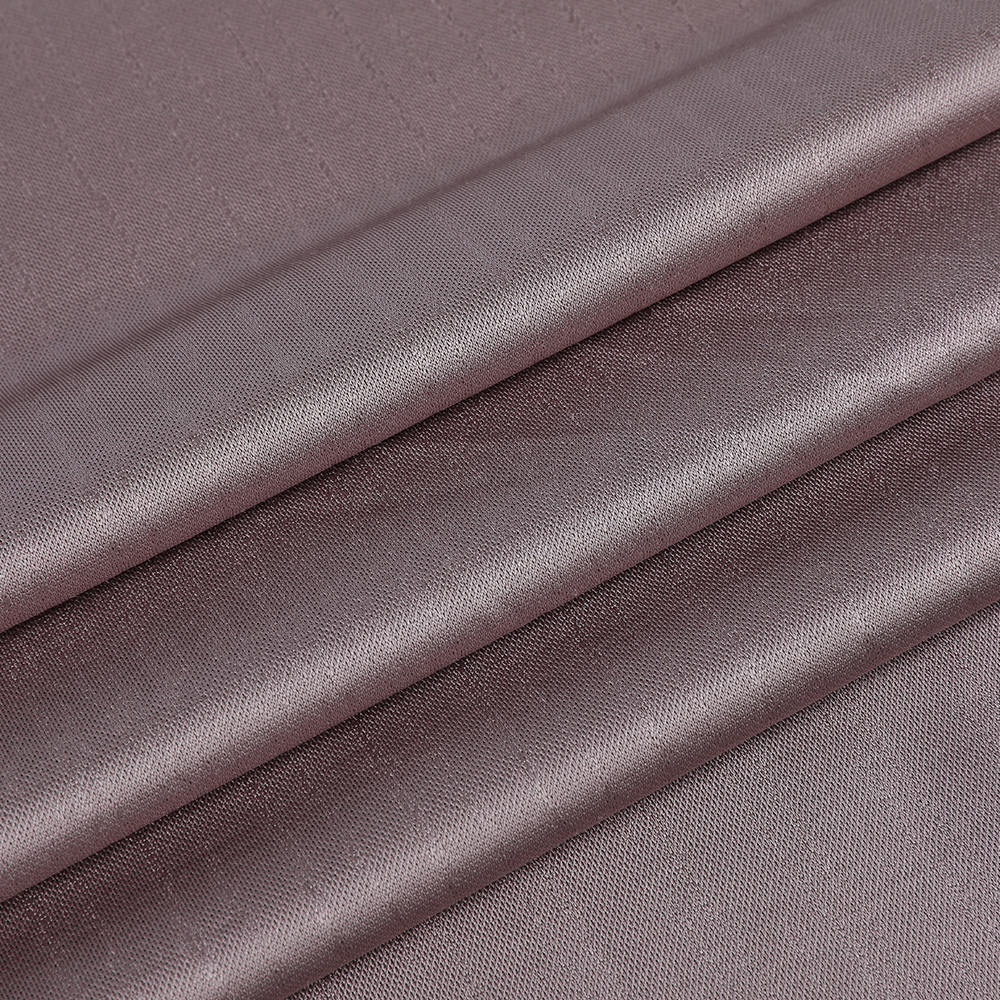 Wholesale Machine Washable Luxury Eco-friendly Knitted Mulberry Silk Fabric ManuJiaxing Jinkaiyue Knitted Fabric Co., Ltd is China Wholesale Machine Washable Luxury Eco-friendly Knitted Mulberry Silk Fabric Manufactur...View Product →
Work With a Mill That Understands Delicate Fibers
Fiber chemistry is only part of the equation. The mill’s knitting settings, dyeing profile, and finishing route decide whether a delicate fiber becomes an elegant fabric or a manufacturing headache. This is why brands and garment factories should work with a knitted fabric manufacturer that understands moisture management, tension control, and shrinkage prevention. Our R&D team at Jiaxing Jinkaiyue has experience across silk, silk-cotton, wool, and regenerated fiber knits, and we treat acetate and cupro programs with the same discipline as liquid ammonia or machine-washable silk. If you need help defining the right fiber and structure for your next collection, start with our women’s knitted fabric selection and weight guide or contact us to discuss sample development.