
 English
 日本語
日本語 中文简体
中文简体
Content
A knitwear brand recently traced its highest return reason to a single problem: a soft wool-and-cashmere sweater that carried a dry-clean-only label. Customers loved the first wear, then lost confidence after the first wash. When the brand switched to a machine washable knitted wool and cashmere fabric with documented dimensional stability, care-related returns dropped sharply and the garment stayed wearable for years.
The lesson for sourcing teams is straightforward: machine washability is no longer a marketing extra. It is a measurable engineering property of knitted wool and cashmere fabrics, and it can be verified with standard washing tests before a single bulk roll is committed.
What "Machine Washable" Really Means for Wool and Cashmere Knitted Fabric
A machine washable claim should mean that after repeated domestic washing cycles, the fabric retains its dimensions, surface appearance, softness and shape. In practice, most programmes are validated with ISO 6330 or AATCC 135 procedures, which simulate the conditions of a home washing machine and dryer. The usual acceptance threshold for knitwear is dimensional change of no more than 5 percent after three washes, with premium programmes targeting 3 percent or less.
| Property | Typical acceptance level | Common test method |
|---|---|---|
| Dimensional change | Up to 5% after 3 washes; 3% for premium | ISO 6330 / AATCC 135 |
| Pilling resistance | Grade 3–4 or better | ISO 12945-2 (Martindale) |
| Surface felting | No visible matting or fuzz | Visual assessment after wash |
| Softness after washing | No significant hardening | Hand feel panel evaluation |
| Colour fastness to washing | Grade 3–4 or better | ISO 105-C06 |
Shrink resistance alone is not enough. A fabric can pass a shrinkage test yet still felt on the surface, pill after two washes, or feel stiff because of aggressive finishing. Look at the full set of properties, not a single report.
Why Machine Washability Is Becoming a Sourcing Requirement
The demand is coming from consumers. Dry cleaning is expensive, inconvenient, and no longer assumed to be the only way to care for knitwear. Many consumers wash wool sweaters in the machine regardless of the label, then judge the brand by what happens afterwards.
The commercial impact is direct: fewer returns, fewer chargebacks and more repeat purchases. An easy-care garment also sells better online, where no salesperson is available to explain care instructions. There is a sustainability dimension too. A fabric that survives repeated cold washes reduces the need for dry-cleaning chemicals and extends useful garment life, which matters more and more in corporate reporting.
Blend behaviour is central to wash performance. Our analysis of the characteristics and application value of wool and cashmere blended knitted fabrics explains how different fibre combinations respond to washing and everyday wear.
How Machine Washable Wool and Cashmere Knitted Fabrics Are Engineered
Shrinkproof and anti-felting finishing
The usual route is an oxidative treatment that modifies the wool fibre surface, often combined with a polymer resin that reduces the fibres' ability to interlock and felt. The classic chlorination process works well but carries an environmental cost. Newer enzymatic and resin-based systems can achieve comparable results with a lighter chemical load. What matters is durability: the finish must survive repeated washes, not just the first rinse. For cotton-wool blends, liquid ammonia treatment can also improve softness and dimensional stability, which is why some product ranges combine wool comfort with the crispness of treated cotton.
Fibre and blend formulation
Wool and cashmere are protein fibres whose surface scales catch and tangle under agitation. Blending is one way to control the result. Small percentages of nylon, typically 5 to 10 percent, add strength and reduce fibre loss. Polyester improves dimensional stability and shape recovery, while spandex brings stretch and recovery, provided it is protected from chlorine and heat during processing.
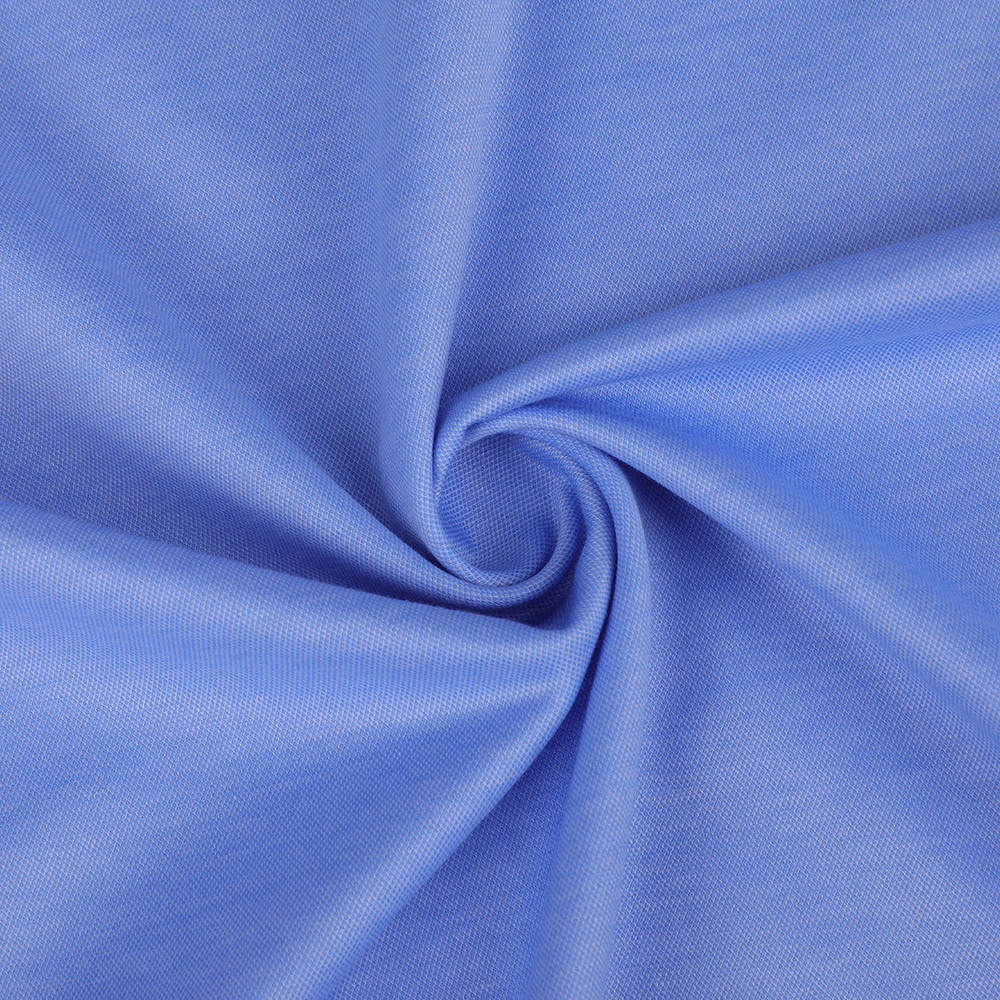
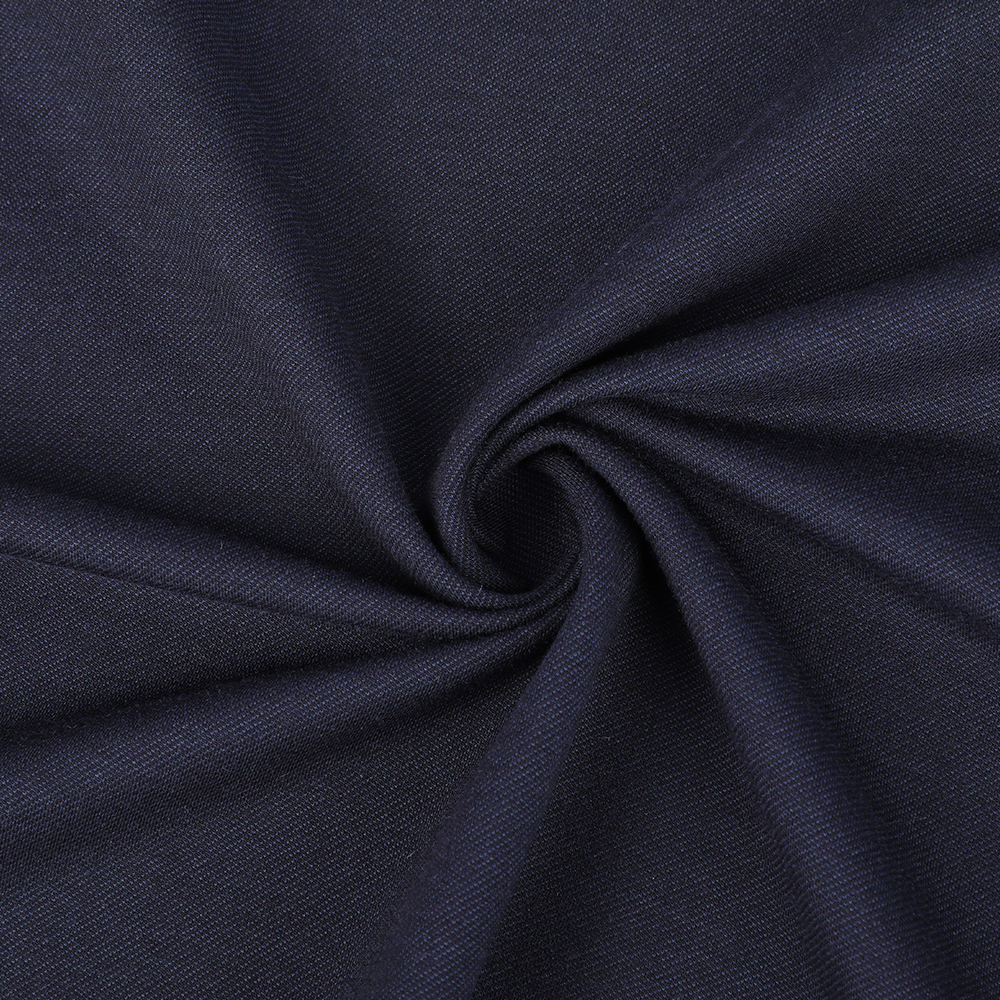
For structured garments, a stable double-knit construction holds its shape through repeated care cycles. Our machine-washable wool ponte for women's clothing is a typical example: the ponte structure keeps the body of a dress or blazer intact while the finish takes care of wash performance.
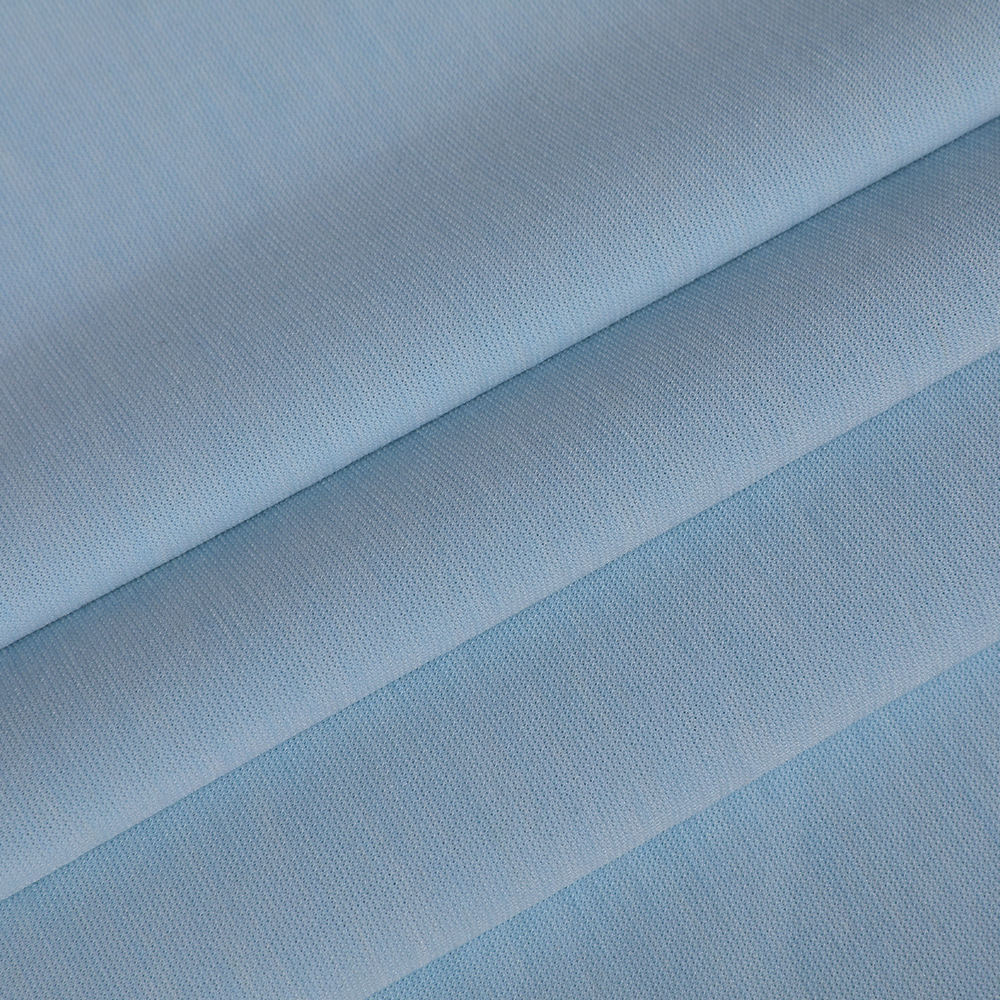 Wholesale PONTE Machine Washable Wool Skin-friendly Knitted Roman Women's ClothJiaxing Jinkaiyue Knitted Fabric Co., Ltd is China Wholesale PONTE Machine Washable Wool Skin-friendly Knitted Roman Women's Clothing Fa...View Product →
Yarn quality and knit structure
Yarn twist, evenness and fibre micron affect both softness and durability. Higher-twist yarns resist pilling, and compact spinning reduces protruding fibres. On the machine side, dense structures such as interlock, ponte roma and compact single jersey hold their dimensions better than loose, open constructions. Loop length and stitch density must be set with washing shrinkage in mind, not just for a pleasing hand feel.
If cashmere is part of your project, the cashmere blended knitting guide covers fibre ratios and care selection in practical detail.
What to Verify Before You Source
The first rule is to ask for wash test data instead of a marketing claim. A reliable supplier should share measurements from a recognised laboratory or from an in-house wash room that follows a fixed protocol. The second rule is to specify the washing and drying conditions: 30°C delicate versus 40°C, tumble dry versus flat dry, and results at the third, tenth and thirtieth wash.
| What to check | Why it matters |
|---|---|
| Washing standard and cycle | The claim is only meaningful if the test protocol matches your planned care label. |
| Dimensional change after 3–10 washes | A single-wash test hides progressive shrinkage. |
| Pilling after washing | Pilling is the most common consumer complaint after the first wash. |
| Softness and surface handle | Over-treated fabrics feel stiff and lose the wool and cashmere character. |
| Colour fastness in the wash | Dyed and printed fabrics can fade or migrate during repeated cycles. |
| Care label compatibility | Real performance must match the label you intend to print. |
Watch for these red flags:
- Claims based on a single gentle wash rather than repeated cycles.
- Test reports that do not state the washing and drying programme.
- Softness that changes noticeably after the first wash.
The most common sourcing mistake is comparing fabrics on fibre content alone. Two fabrics with identical wool and cashmere ratios can perform very differently after washing: one may use a durable anti-felting finish, while the other relies on a cheap resin that washes away in the first season. When polyester is part of the blend, the wool-polyester fabrics guide explains how these fibres behave together and which constructions suit which end uses.
Applications and Specification Advice by Garment Type
Sweaters and cardigans
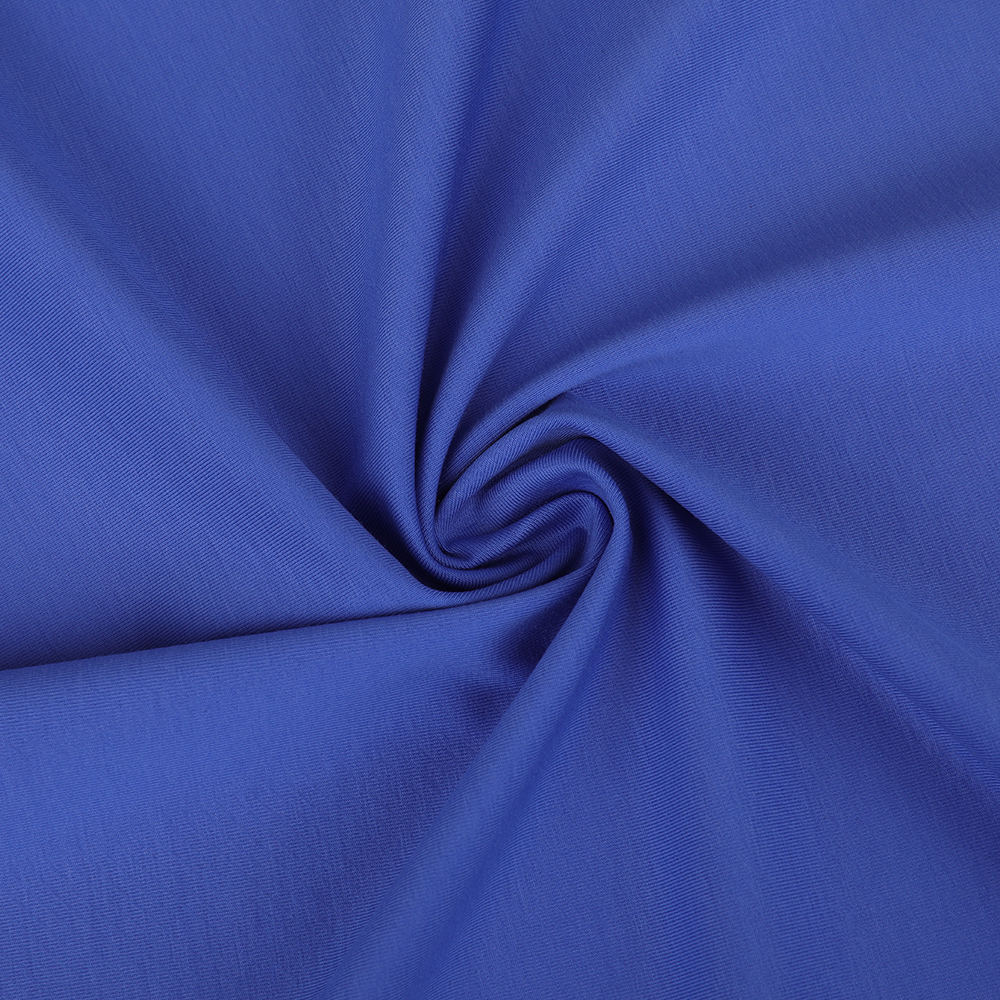
For pullovers and cardigans, softness dominates. A cashmere jersey knit with a light, durable shrinkproof finish delivers the premium feel consumers expect along with the washing performance they now demand. Check that the finish does not dull the natural handle; our soft warm cashmere jersey knit is a good reference for that balance.
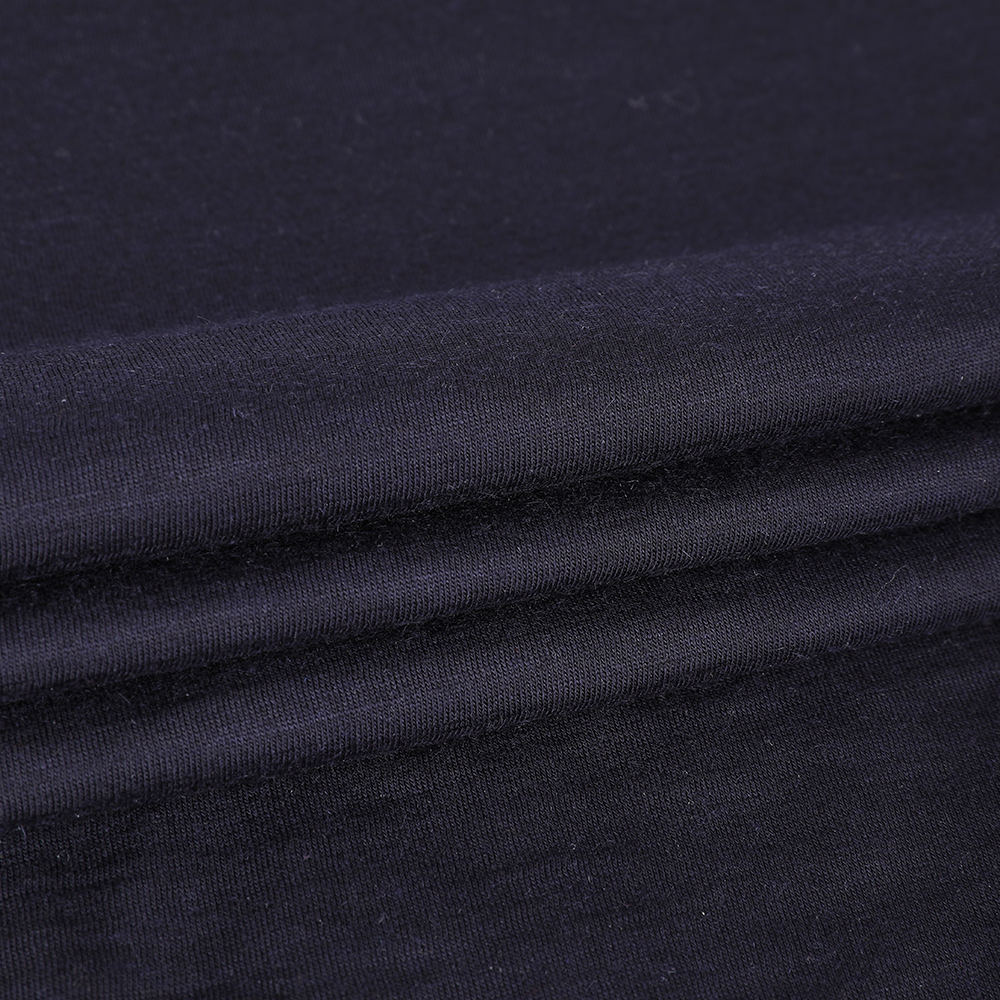 Wholesale Skin-friendly Jersey Warm Comfortable Soft Cashmere Fabric ManufactureJiaxing Jinkaiyue Knitted Fabric Co., Ltd is China Wholesale Skin-friendly Jersey Warm Comfortable Soft Cashmere Fabric Manufacturers and...View Product →
Dresses, skirts and office wear
Ponte roma and double-knitted structures are the workhorses for dresses, skirts and tailored separates. Their stability makes them more forgiving in the wash, and their recovery keeps the garment shaped. Specify dimensional change after several washes, because ponte garments that grow in length after the first cycle are a classic defect.
Base layers and light knitwear
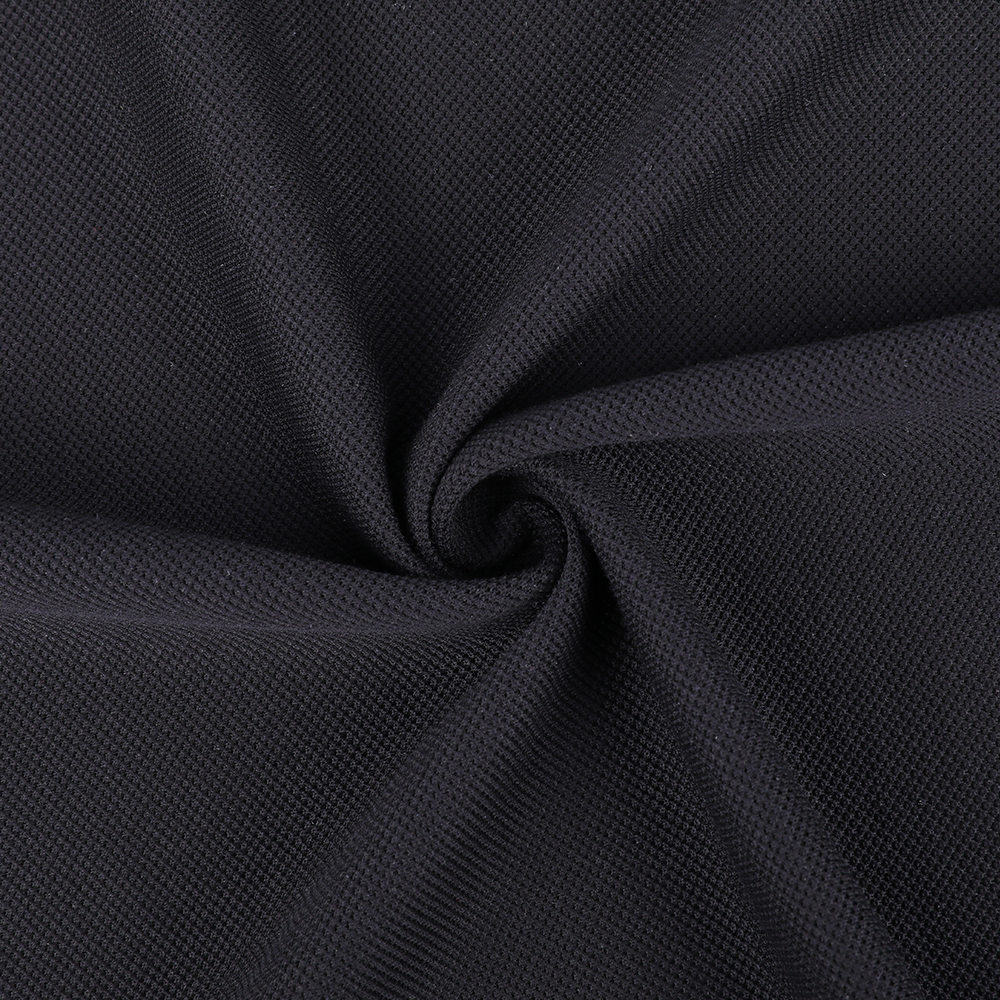
For base layers that sit close to the skin and are washed frequently, a light single jersey in a wool-nylon or wool-polyester combination keeps weight down while handling repeated cycles. Moisture management and anti-pilling performance matter more here than bulk or loft. A shrinkproof wool-polyester composite jersey gives that combination for daytime and active-wear pieces.
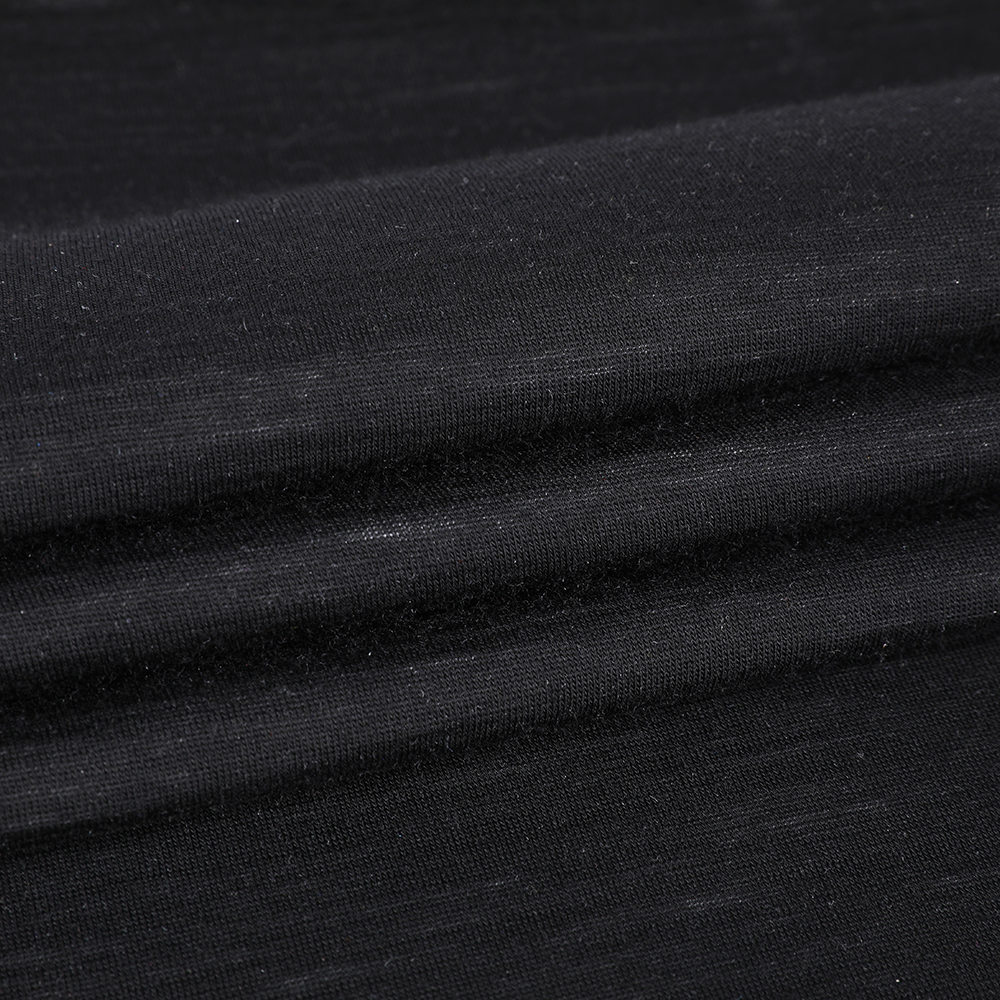 Wholesale Jersey Skin-friendly Shrink-proof Wool Composite Fabric Manufacturers,Jiaxing Jinkaiyue Knitted Fabric Co., Ltd is China Wholesale Jersey Skin-friendly Shrink-proof Wool Composite Fabric Manufacturers and Fa...View Product →
Machine washability changes the economics of wool and cashmere knitwear. It cuts returns, simplifies care communication and strengthens the sustainability story, provided the performance is real. Work with a supplier who can show wash data for the exact blend, structure and finish you plan to use, and who can adjust the formulation when your target garment changes. In knitted wool and cashmere fabrics, the difference between surviving one wash and surviving thirty is engineering, not luck.