
 English
 日本語
日本語 中文简体
中文简体
Content
- 1 I. Introduction: What Is Cotton Spandex Shirt Fabric?
- 2 II. The Composition and Structure of Cotton Spandex Blends
- 3 III. Variants of Cotton Spandex Shirt Fabric and Their Uses
- 4 IV. Benefits of Cotton Spandex Shirt Fabric
- 5 V. How to Choose the Right Cotton Spandex Fabric for Shirts
- 6 VI. Sustainability and Care Tips
- 7 VII. Conclusion: Why Cotton Spandex Shirt Fabric Is the Perfect Balance
- 8 FAQ: Cotton Spandex Shirt Fabric
I. Introduction: What Is Cotton Spandex Shirt Fabric?
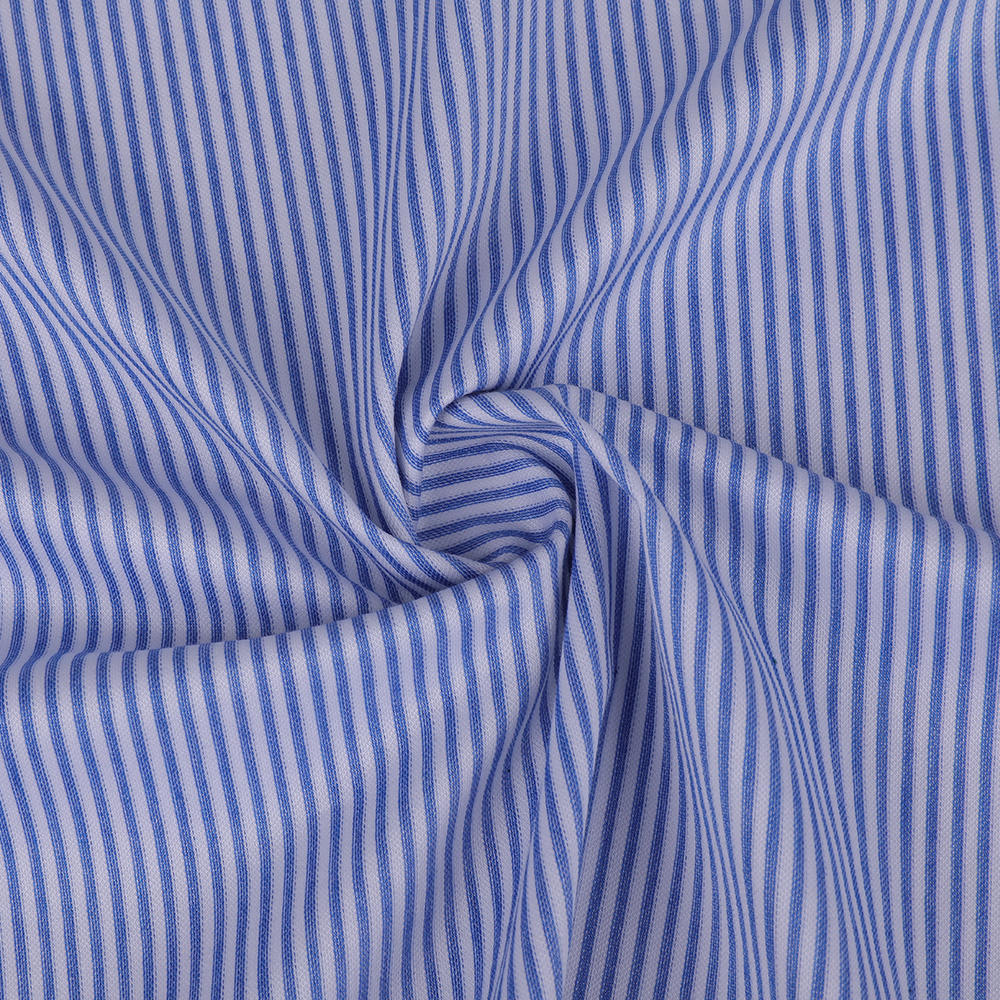
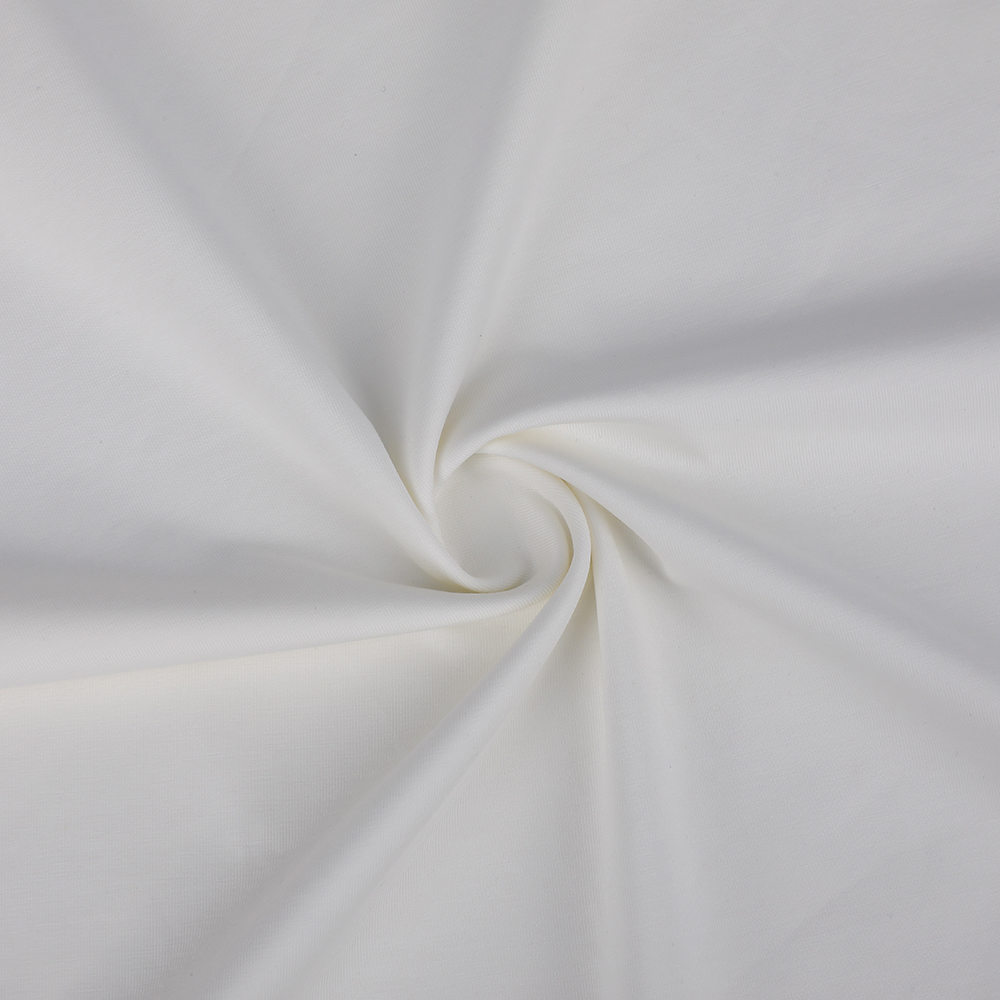
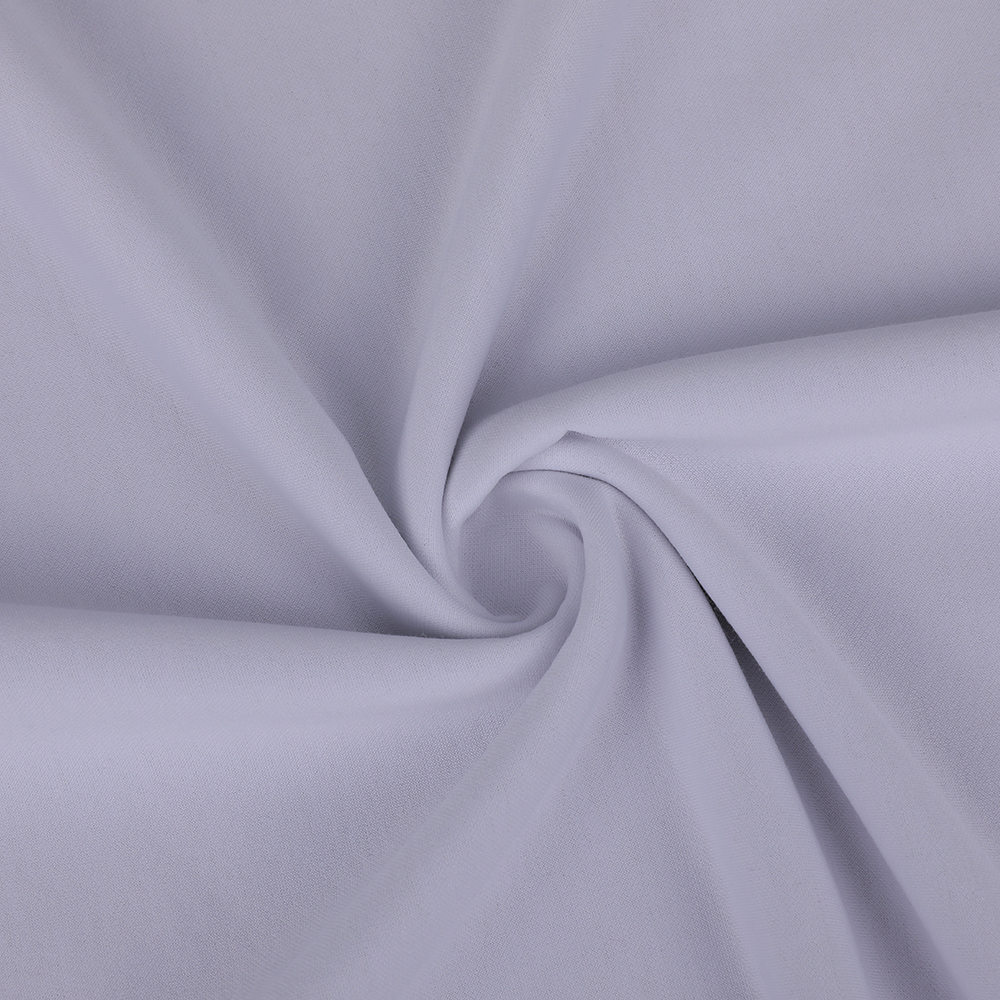
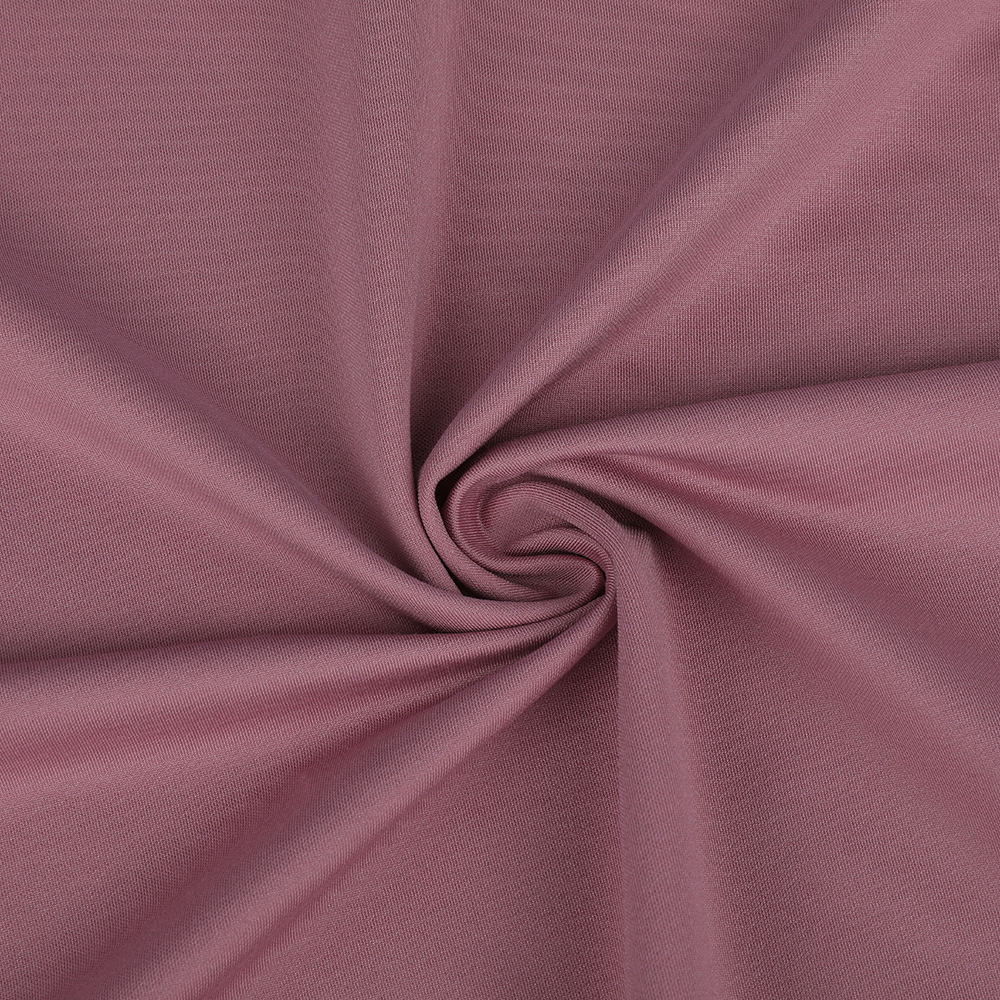
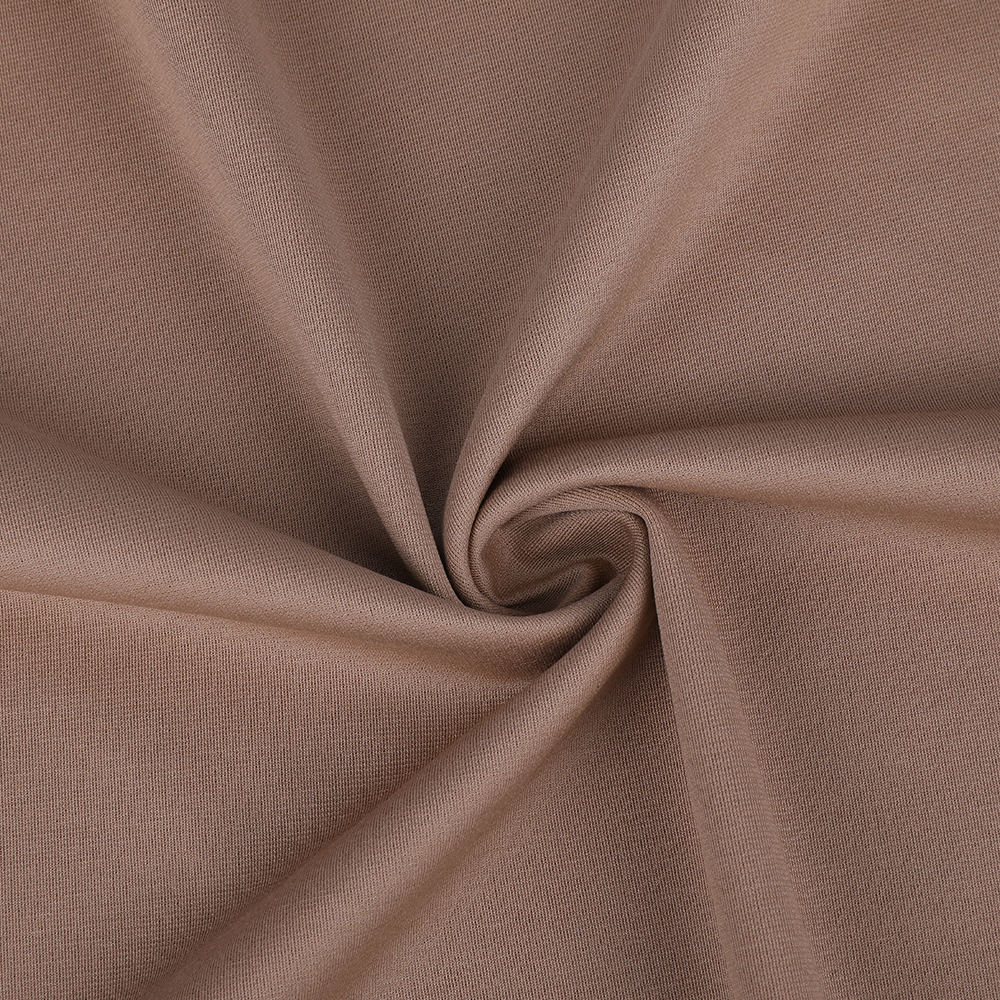
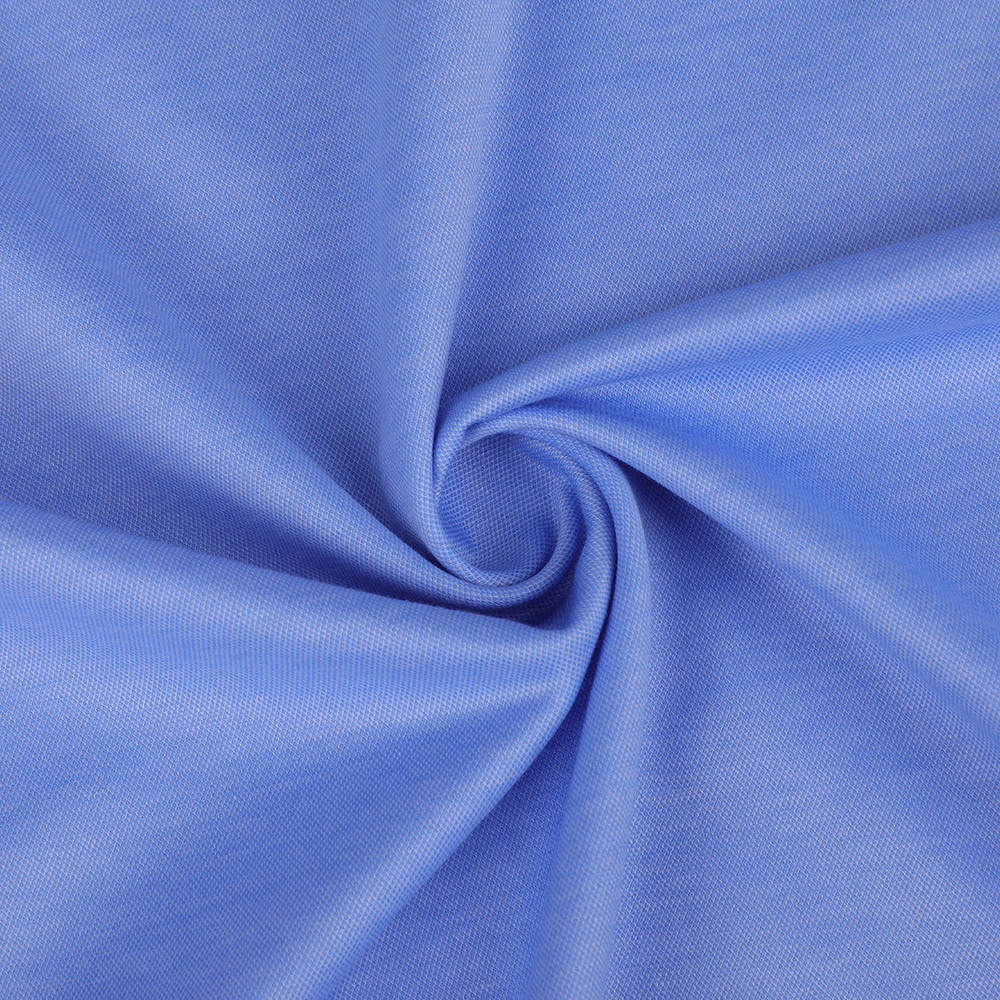
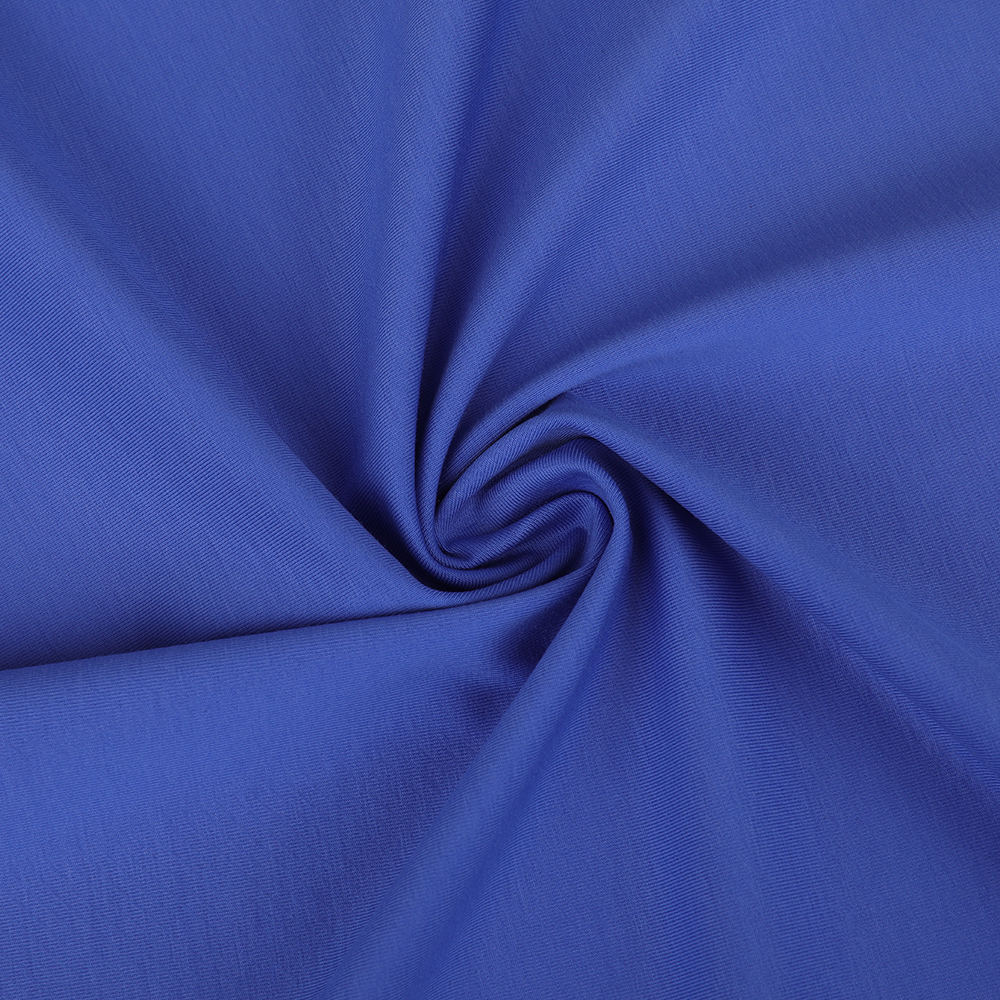
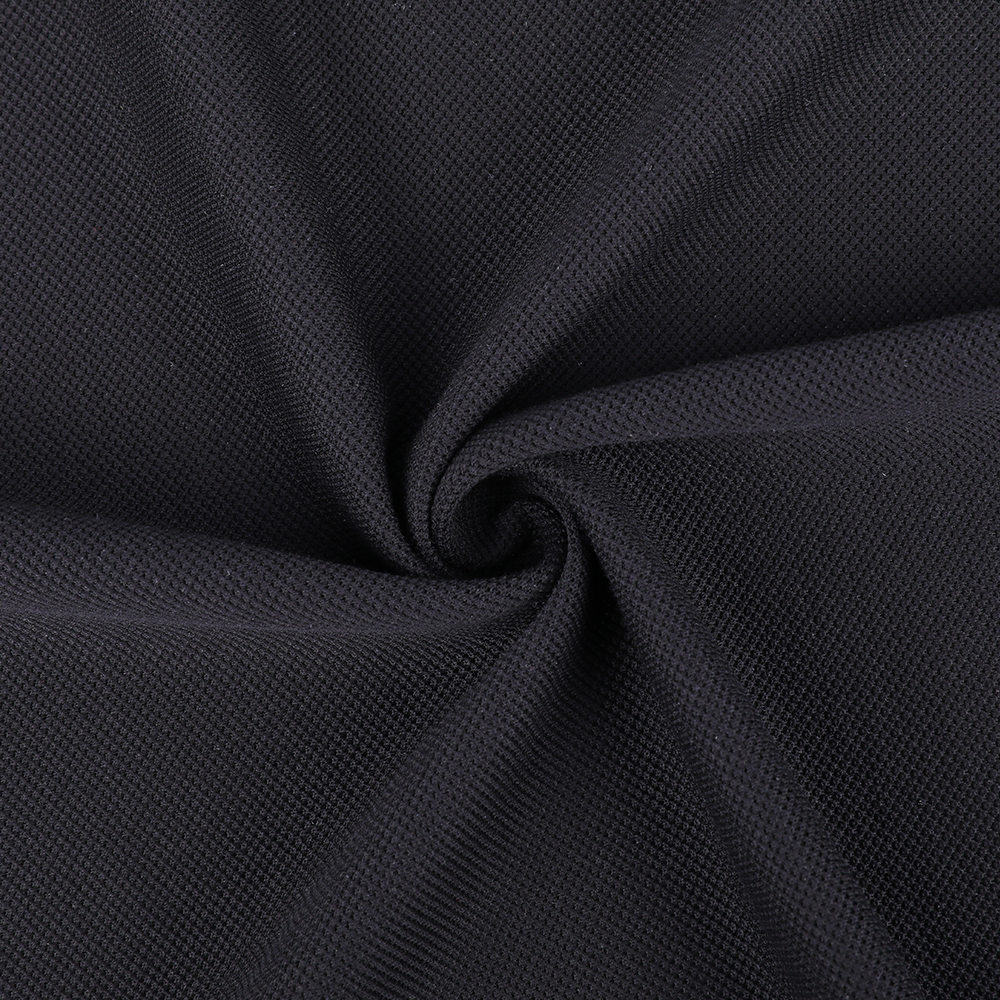
Cotton Spandex Shirt Fabric is a modern textile innovation that combines the natural comfort of cotton with the flexibility of spandex. This blend creates a fabric that stretches with movement while maintaining its shape, making it an ideal choice for shirts that need both comfort and durability. The result is a soft, breathable, and adaptable material that supports an active lifestyle without compromising on style or wearability.
Cotton, known for its softness and moisture-absorbing qualities, forms the foundation of this fabric. Spandex, on the other hand, introduces elasticity allowing garments made from Cotton Spandex Shirt Fabric to fit closely without feeling restrictive. The combination ensures that shirts remain comfortable throughout the day, whether worn in casual, professional, or athletic settings.
One of the key features that sets this fabric apart is its ability to recover its shape after stretching. Unlike pure cotton fabrics, which can lose structure over time, the spandex fibers allow the fabric to return to its original form after wear or washing. This makes it particularly suitable for fitted shirts, polos, or casual tops where a clean silhouette is important.
Additionally, Cotton Spandex Shirt Fabric comes in various constructions such as jersey knit, rib knit, and French terry each designed to serve specific needs. From lightweight and breathable options for summer shirts to thicker, more structured fabrics for cool-weather wear, the versatility of this blend is unmatched.
In today’s textile landscape, the combination of natural and synthetic fibers reflects a growing trend toward functional comfort. Consumers increasingly look for materials that perform well under daily wear while maintaining a premium feel. Cotton Spandex Shirt Fabric fulfills this demand perfectly, offering a smooth, resilient, and flexible texture that enhances both the comfort and longevity of the shirt.
In short, this fabric represents the perfect harmony between nature and innovation a textile that breathes, stretches, and adapts to every movement while maintaining a polished and refined appearance.
II. The Composition and Structure of Cotton Spandex Blends
The performance of Cotton Spandex Shirt Fabric is largely determined by how cotton and spandex fibers are combined during the manufacturing process. Each component contributes distinct characteristics: cotton provides breathability, moisture absorption, and softness, while spandex offers elasticity, shape recovery, and flexibility. The resulting fabric achieves a unique balance comfortable to wear yet resilient enough to endure daily movement and washing cycles without losing form.
The most widely used ratio for this type of shirt material is the 95/5 Cotton Spandex Blend meaning that 95% of the fabric’s weight comes from cotton and 5% from spandex. This proportion offers an ideal combination of comfort and stretch maintaining the natural feel of cotton while adding just enough elasticity to prevent sagging or wrinkling. However other ratios such as 98/2 or 90/10 may be used depending on the required stretch level and garment design.
| Blend Ratio (Cotton/Spandex) | Elasticity | Softness | Shape Recovery | Durability | Recommended Application |
|---|---|---|---|---|---|
| 98/2 | Light stretch (2–4%) | Very soft | Moderate | High | Dress shirts, formal wear |
| 95/5 | Medium stretch (5–8%) | Soft and breathable | Excellent | High | Casual shirts, polos, T-shirts |
| 90/10 | High stretch (10–15%) | Slightly firmer | Superior | Very high | Activewear, fitted tops |
1. The Weaving and Knitting Techniques
Cotton Spandex Shirt Fabric can be produced using various textile constructions, each of which alters its stretch direction, weight, and texture. The three primary structures include Jersey Knit, Rib Knit, and French Terry.
- Jersey Knit: This is the most common construction for T-shirts and lightweight tops. It is smooth on the outside and slightly textured on the inside, allowing for natural drape and softness. Jersey knit fabrics are generally single-direction stretch making them ideal for comfort-focused apparel.
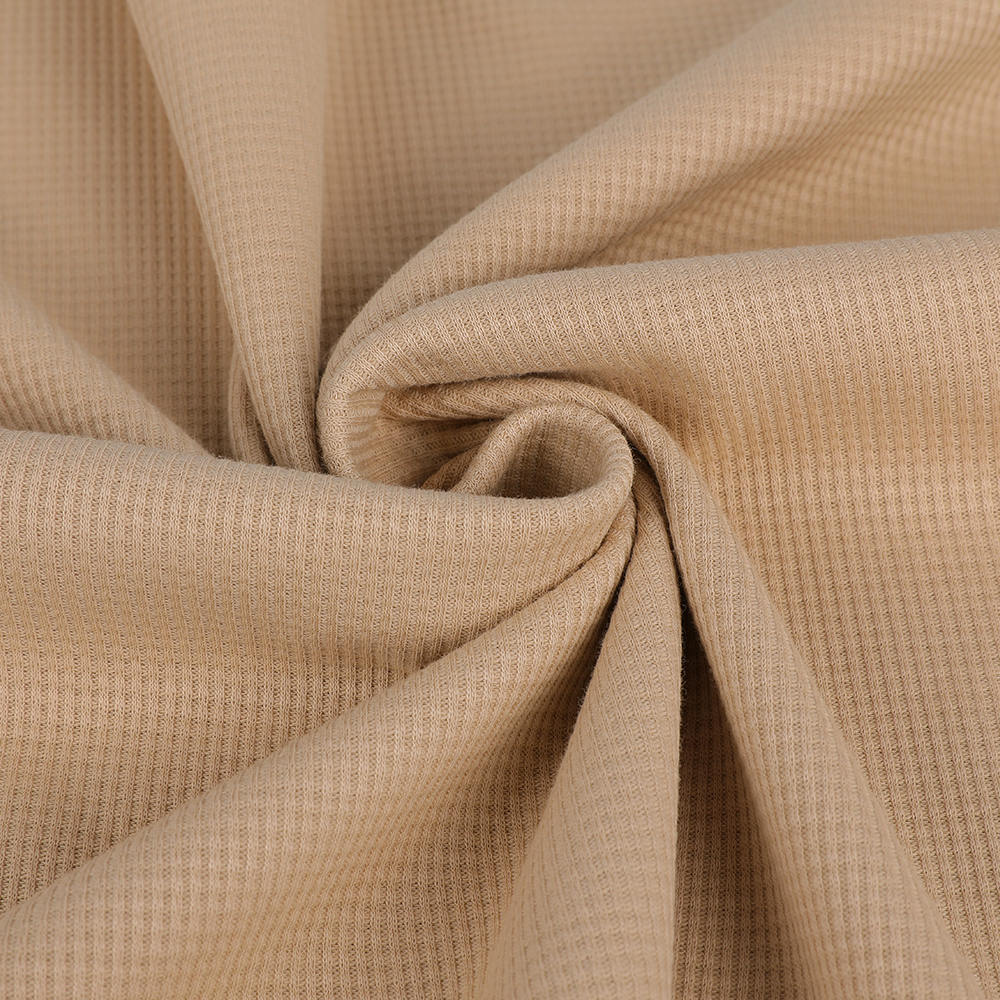
- Rib Knit: Rib knit fabric is characterized by its vertical ridges or ribs providing multi-directional stretch and excellent recovery. This structure is particularly popular for fitted shirts, collars, cuffs, and waistbands, as it adapts to the body’s movement without losing shape.
- French Terry: This weave has a looped interior surface, which makes it slightly heavier and more structured. French Terry Cotton Spandex blends are ideal for cooler climates or relaxed-fit shirts providing extra insulation and durability while maintaining elasticity.
| Fabric Type | Stretch Direction | Weight (g/m²) | Surface Texture | Comfort Level | Best Used For |
|---|---|---|---|---|---|
| Cotton Spandex Jersey Knit | One-way stretch | 160–200 | Smooth, flat surface | Very high | T-shirts, undershirts, casual tops |
| Cotton Spandex Rib Knit | Two-way stretch | 180–220 | Ribbed, elastic structure | High | Fitted shirts, collars, cuffs |
| Cotton Spandex French Terry | One-way stretch | 220–300 | Soft loops on inner side | Moderate | Long-sleeve shirts, loungewear |
2. Mechanical and Comfort Properties
- Elastic Recovery: The ability to stretch and return to its original shape without sagging.
- Breathability: Cotton fibers allow air circulation, maintaining comfort even in warm weather.
- Dimensional Stability: Spandex prevents excessive shrinkage and distortion after washing.
- Soft Hand Feel: Maintains a pleasant touch due to natural cotton fibers.
- Wrinkle Resistance: Blended fibers minimize creasing compared to 100% cotton fabrics.
3. Visual and Structural Integrity
The visual appearance of Cotton Spandex Shirt Fabric remains smooth and clean over time. The elasticity of spandex helps maintain sharp seams, prevents puckering, and enhances the drape of the fabric. Moreover, it allows manufacturers to produce slim-fit or stretch-fit shirts that conform elegantly to the body while maintaining comfort. Beyond its physical properties, the fabric’s structure also supports diverse finishes such as mercerizing, enzyme washing, or brushing to achieve specific surface textures or sheens. These finishing processes enhance the overall aesthetic without compromising the core durability of the cotton-spandex blend.
III. Variants of Cotton Spandex Shirt Fabric and Their Uses
1. Cotton Spandex Jersey Knit
Cotton Spandex Jersey Knit is the most common form of shirt fabric made from this blend. It features a smooth outer surface and a slightly textured inner layer, giving it a lightweight, breathable feel. The fabric is produced using a single-knit technique, which provides one-way stretch usually across the width of the fabric.
This type of fabric is favored for T-shirts, undershirts, and lightweight tops due to its soft drape and excellent skin comfort. It maintains a clean appearance and offers enough flexibility for active movement without clinging excessively to the body. Because of its fine texture and air permeability, jersey knit is ideal for warm climates or as a base layer in multi-season wardrobes.
- Softness: Smooth against the skin, suitable for sensitive users.
- Lightweight structure: Keeps the wearer cool and comfortable.
- Easy to handle: Simple to cut and sew for both industrial and home garment production.
2. Cotton Spandex Rib Knit
The Cotton Spandex Rib Knit variant stands out for its distinctive vertical ridges or ribs, created by alternating knit and purl stitches. This pattern provides exceptional elasticity and recovery, allowing the fabric to stretch in multiple directions and return to its original shape.
Rib knits are ideal for fitted shirts, cuffs, collars, waistbands, and tank tops anywhere a close fit and superior recovery are required. Because of their structure, these fabrics naturally conform to body contours, creating a flattering silhouette without restricting movement.
- Two-way stretch: Offers greater flexibility than single-knit fabrics.
- Enhanced durability: Maintains structural integrity through frequent wear.
- Defined texture: Adds visual depth and tactile appeal to garments.
3. Cotton Spandex French Terry
Cotton Spandex French Terry is a midweight fabric that features small, soft loops on the inner surface and a smooth, flat outer side. The addition of spandex enhances the stretch and recovery of traditional French terry, making it an excellent material for relaxed-fit shirts, sweatshirts, and lightweight pullovers.
- Comfortable warmth: The looped texture traps heat while staying breathable.
- Soft elasticity: Spandex allows for easy movement and flexibility.
- Structural stability: Thicker fabric resists distortion and maintains shape.
4. Lightweight Stretch Cotton Spandex
Lightweight Stretch Cotton Spandex fabrics are specifically engineered for hot or humid environments, where breathability and quick drying are key. These fabrics use a finer cotton yarn and a lower fabric density, resulting in an airy texture with a smooth finish. Despite the reduced weight, the inclusion of spandex ensures that the fabric maintains adequate elasticity and durability.
- Excellent ventilation: Allows efficient airflow, keeping the wearer cool.
- Soft hand feel: Even at lighter weights, it remains gentle on the skin.
- Quick drying: Absorbs moisture efficiently and releases it rapidly.
| Variant Type | Weight (g/m²) | Stretch Type | Breathability | Warmth | Recommended Use |
|---|---|---|---|---|---|
| Cotton Spandex Jersey Knit | 160–200 | One-way | High | Low | T-shirts, base layers |
| Cotton Spandex Rib Knit | 180–220 | Two-way | Moderate | Low | Fitted shirts, cuffs, collars |
| Cotton Spandex French Terry | 220–300 | One-way | Moderate | High | Sweatshirts, casual wear |
| Lightweight Stretch Cotton Spandex | 130–160 | Two-way | Very high | Low | Summer shirts, travel apparel |
IV. Benefits of Cotton Spandex Shirt Fabric
1. Exceptional Comfort and Softness
- Soft hand feel: Derived from natural cotton fibers that are gentle on skin.
- Adaptive stretch: Spandex ensures ease of motion during bending or stretching.
- Non-constrictive fit: Perfect for fitted shirts that still feel relaxed and breathable.
2. Durability and Shape Retention
- High tensile strength: Cotton offers durability, while spandex provides flexibility.
- Excellent recovery: Returns to original shape after stretching.
- Reduced pilling and distortion: Maintains a smooth, consistent appearance.
3. Breathability and Moisture Control
- Air permeability: Cotton’s open fiber network promotes airflow.
- Moisture absorption: Keeps the skin dry and cool throughout the day.
- Balanced insulation: Suitable for year-round comfort.
4. Easy Care and Maintenance
- Machine washable: Retains color and elasticity after multiple washes.
- Wrinkle-resistant: Reduces the need for frequent ironing.
- Low shrinkage rate: Retains its dimensions over time.
5. Superior Fit and Aesthetic Versatility
- Enhanced fit: Adapts to body contours for a sleek appearance.
- Drape control: Supports clean lines and modern styling.
- Design flexibility: Compatible with both casual and formal shirt constructions.
6. Long-Term Value and Wearability
- Durable investment: Outlasts many synthetic alternatives.
- Retained quality: Maintains smooth texture and color vibrancy.
- Comfort longevity: Fabric continues to feel pleasant even after extensive wear.
V. How to Choose the Right Cotton Spandex Fabric for Shirts
1. Understanding Fabric Weight and Density
- Lightweight fabrics 130–160 g/m² are breathable and suitable for summer or layering pieces.
- Medium-weight fabrics 180–220 g/m² offer more structure while remaining flexible, making them perfect for polos or fitted shirts.
- Heavyweight fabrics 230–300 g/m² provide durability and warmth, ideal for long-sleeve shirts or casual outerwear.
2. Evaluating Stretch and Recovery
- Low stretch 2–4% Best for structured shirts with minimal deformation.
- Medium stretch 5–8% Ideal for everyday wear, offering both comfort and control.
- High stretch 10–15% Recommended for active or performance wear.
3. Selecting the Right Knit or Weave Type
| Fabric Type | Stretch Direction | Weight Range (g/m²) | Surface Appearance | Recommended Use |
|---|---|---|---|---|
| Cotton Spandex Jersey Knit | One-way | 160–200 | Smooth, lightweight | T-shirts, casual shirts |
| Cotton Spandex Rib Knit | Two-way | 180–220 | Textured, ribbed pattern | Fitted shirts, cuffs, collars |
| Cotton Spandex French Terry | One-way | 220–300 | Soft loops inside, flat outside | Relaxed-fit shirts, sweatshirts |
| Lightweight Stretch Cotton Spandex | Two-way | 130–160 | Fine weave, smooth touch | Summer wear, layering pieces |
4. Color, Finish, and Feel
- Mercerized Finish: Adds sheen and increases strength.
- Enzyme Wash: Softens fabric and reduces surface fuzz.
- Brushed Finish: Enhances warmth and gives a velvety texture.
5. Practical Tips for Designers and Sewers
- Use stretch-compatible needles and polyester thread to prevent seam breakage.
- Allow slight negative ease in pattern design to utilize the fabric’s elasticity effectively.
- Pre-wash fabric before cutting to account for minor shrinkage.
- Test different stitch types zigzag or stretch stitch to maintain flexibility in seams.
6. Comparison Guide for Fabric Selection
| Purpose | Preferred Fabric Type | Weight (g/m²) | Stretch Level | Comfort Rating | Notes |
|---|---|---|---|---|---|
| Everyday Casual Shirt | Cotton Spandex Jersey Knit | 160–200 | Medium | 5 | Soft, breathable, easy care |
| Fitted or Dress Shirt | Cotton Spandex Rib Knit | 180–220 | High | 4 | Excellent shape retention |
| Activewear or Travel Shirt | Lightweight Stretch Cotton Spandex | 130–160 | High | 5 | Flexible and quick drying |
| Cool Weather Wear | Cotton Spandex French Terry | 220–300 | Medium | 4 | Warm and durable |
7. Sustainability and Longevity Considerations
- Use of organic cotton or eco-certified spandex reduces environmental impact.
- Durable fabrics require less frequent replacement, reducing waste.
- Proper care including cool water washing and air drying extends garment life.
VI. Sustainability and Care Tips
1. Eco-Friendly Attributes of Cotton Spandex Fabric
- Reduced waste: Durable stretch properties mean shirts last longer, lowering textile waste.
- Eco-conscious sourcing: Organic cotton and recycled spandex blends minimize chemical and water usage.
- Lower carbon footprint: Long-lasting garments reduce the need for frequent production cycles.
2. Proper Washing Techniques
- Wash shirts in cool or lukewarm water to preserve fiber integrity.
- Use gentle detergents free of harsh chemicals that may degrade spandex fibers.
- Turn garments inside out to protect the fabric surface during machine washing.
- Avoid excessive agitation which can cause pilling or fiber breakage.
3. Drying and Temperature Guidelines
- Air drying preferred for preserving elasticity and preventing shrinkage.
- Low-heat tumble drying if machine drying is necessary.
- Flat drying for heavier fabrics to retain shape and prevent stretching.
4. Ironing and Finishing Tips
- Use a low to medium heat setting to avoid damaging the spandex component.
- Iron inside out to maintain the smooth appearance of the shirt’s outer surface.
- Steam ironing can remove wrinkles gently without overexerting the fibers.
5. Storage Recommendations
- Fold shirts rather than hanging heavy knits to prevent stretching of shoulders and collars.
- Keep shirts in a cool, dry environment to prevent moisture damage.
- Separate light and dark colors to avoid dye transfer.
6. Extending Garment Longevity
- Rotate garments to prevent overuse of any single piece.
- Minimize frequent washing when garments are not visibly soiled.
- Repair minor damages such as loose threads or small holes promptly.
VII. Conclusion: Why Cotton Spandex Shirt Fabric Is the Perfect Balance
In conclusion, Cotton Spandex Shirt Fabric represents a perfect harmony of comfort, performance, and versatility. By combining the natural softness and breathability of cotton with the elasticity and shape retention of spandex, this fabric addresses many of the challenges faced by modern clothing designers and consumers.
Whether it’s a lightweight jersey for summer wear, a rib knit for fitted shirts, a French terry for cozy casual tops, or a lightweight stretch blend for travel and activewear, this fabric adapts seamlessly to different styles and purposes. Its durability, wrinkle resistance, and ease of care ensure that garments maintain their appearance and comfort over time, making them a practical choice for everyday wear.
Furthermore, when sourced responsibly and cared for properly, Cotton Spandex Shirt Fabric can also support sustainable fashion practices, reducing waste and extending the lifespan of garments. Ultimately, this blend embodies the synergy of function, style, and sustainability, making it a top choice for anyone seeking long-lasting, comfortable, and adaptable shirt fabrics.
FAQ: Cotton Spandex Shirt Fabric
- Q1: How much spandex is typically in Cotton Spandex Shirt Fabric? Most Cotton Spandex blends for shirts contain between 2% to 10% spandex, with 5% being the most common ratio. This balance provides enough stretch for comfort while maintaining the natural feel of cotton.
- Q2: Can Cotton Spandex Shirt Fabric be machine washed and dried? Yes. It is generally machine washable, but washing in cool or lukewarm water is recommended to preserve elasticity. Low-heat tumble drying or air drying helps prevent shrinkage and maintains the fabric’s shape.
- Q3: Which type of Cotton Spandex fabric is best for fitted shirts? Rib knit or medium-weight jersey knit are ideal for fitted designs. They offer two-way stretch and excellent shape recovery, ensuring the shirt adapts to the body while maintaining a clean silhouette.