
 English
 日本語
日本語 中文简体
中文简体
Content
- 1 Introduction: The Ubiquitous Wardrobe Hero
- 2 I. Foundational Knowledge: What is Cotton Polyester Shirt Fabric?
- 3 II. Decoding the Advantages: Why is it an "All-Rounder"?
- 4 III. A Comparative View: The Position of Cotton Polyester in "Shirt Fabric Types"
- 5 IV. Trend Exploration: The Connection Between Cotton Polyester Fabric and "Sustainable Shirt Fabric"
- 6 V. A Buying Guide: How to Choose the Right Cotton Polyester Fabric for Your Needs
- 7 Conclusion
- 8 Frequently Asked Questions (FAQ)
Introduction: The Ubiquitous Wardrobe Hero
Look in your closet. Chances are, you'll find several shirts—the reliable button-downs for work, the comfortable polos for weekends, the sturdy uniforms for various tasks. They are the unsung heroes of our daily attire, versatile and essential.
But have you ever paused to check the label on your favorite, most dependable shirt? More often than not, you'll find a familiar phrase: a blend of cotton and polyester. This specific combination has quietly become a cornerstone of modern apparel.
So, what is it about Cotton Polyester Shirt Fabric that has secured its place as a top choice for manufacturers and wearers alike? This article delves into the world of this ubiquitous material, exploring its unique properties, undeniable benefits, and how to identify the perfect blend for your needs. Understanding this fabric is key to making informed decisions about the clothes you wear every day.
I. Foundational Knowledge: What is Cotton Polyester Shirt Fabric?
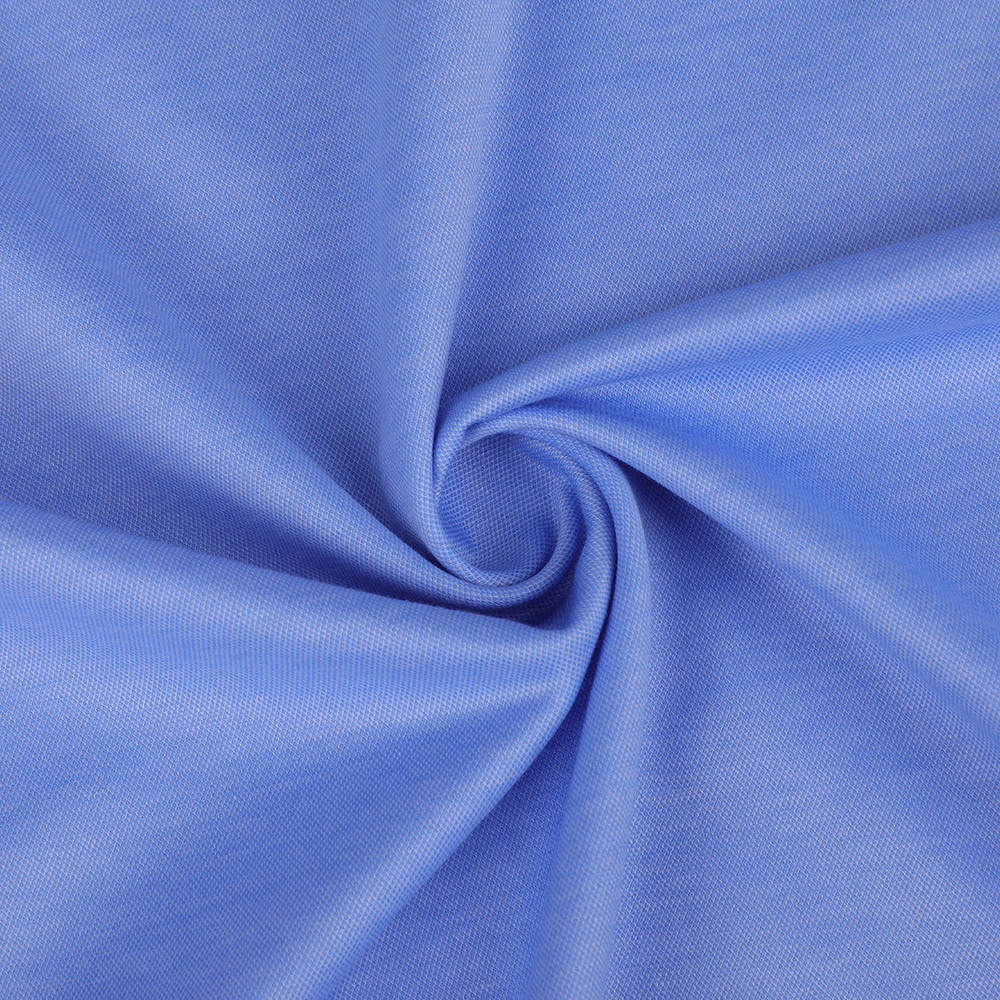
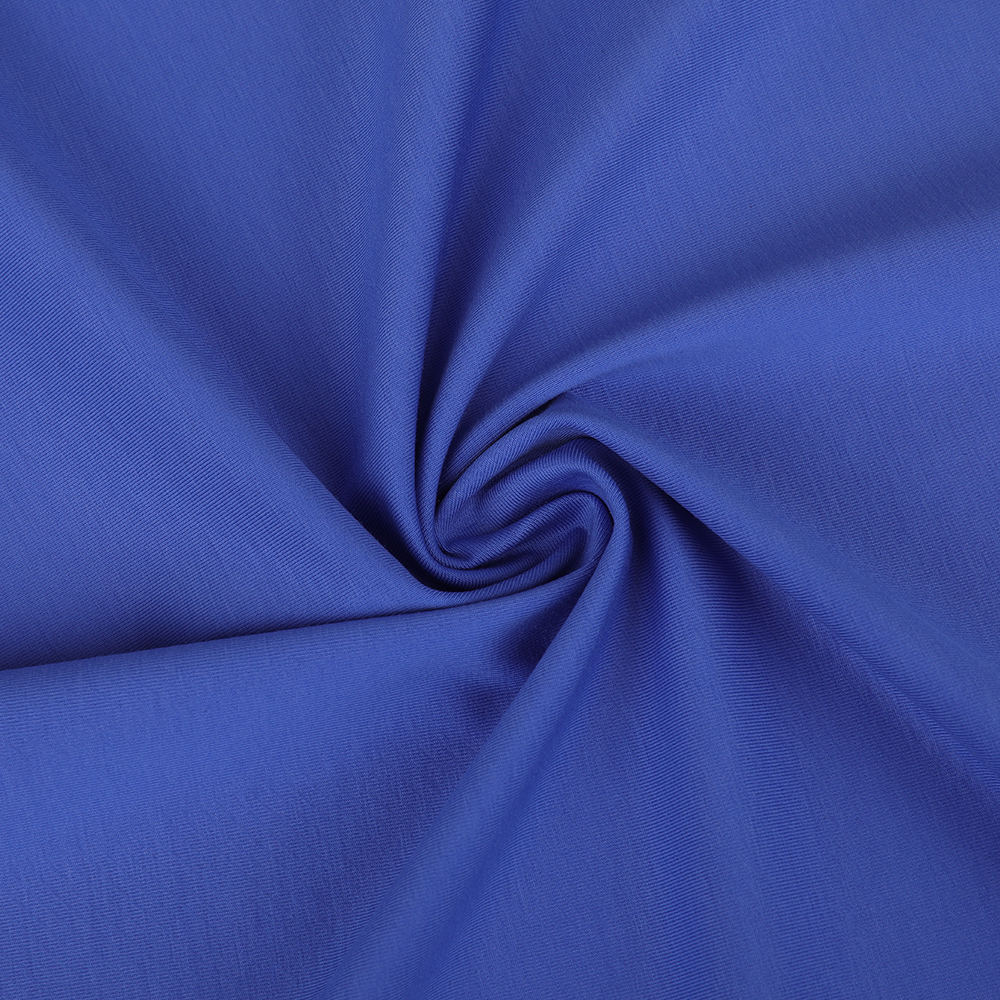
At its core, Cotton Polyester Shirt Fabric is a textile engineered through the process of blending. It combines natural cotton fibers with synthetic polyester fibers into a single, unified yarn before it is woven into fabric. This marriage of two distinct materials is deliberate, designed to harness the most desirable qualities of each while mitigating their individual shortcomings. The result is not merely a mixture, but a synergistic material that creates a more versatile and practical fabric for everyday shirts.
Understanding the inherent properties of the parent fibers is key to appreciating the blend. Cotton, a natural staple fiber, is celebrated for its exceptional softness, breathability, and ability to absorb moisture, making it very comfortable against the skin. However, it is prone to wrinkling, can shrink when washed, and may lose its shape over time, becoming baggy or stretched out. Polyester, a man-made polymer, is incredibly strong, resistant to wrinkles and shrinkage, and dries very quickly. Its main drawback is its low breathability and potential to feel clammy or synthetic, as it does not absorb moisture well but rather repels it. A Cotton Polyester Shirt Fabric aims to strike a balance, offering the comfort of cotton with the durability and easy care of polyester.
The characteristics of the final fabric are significantly influenced by the specific ratio of cotton to polyester. This is not a one-size-fits-all product, and the ratio dictates the fabric's hand-feel, performance, and overall character.
Cotton Polyester Blend Ratio Characteristics
| Blend Ratio (Cotton/Polyester) | Primary Fabric Characteristics | Ideal Use Cases & Considerations |
|---|---|---|
| 65%/35% | This ratio prioritizes comfort. It feels very much like cotton, offering high breathability and softness, while the polyester content significantly improves wrinkle resistance and shape retention compared to pure cotton. | Excellent for everyday dress shirts and business-casual wear where a soft, cottony feel is desired, but with reduced ironing needs. |
| 50%/50% | The quintessential balanced blend. It offers a nearly equal trade-off between the natural comfort of cotton and the functional resilience of polyester. It provides good moisture absorption and decent breathability alongside strong wrinkle resistance and durability. | The most versatile and common blend. Ideal for uniform shirts, work polos, and daily casual wear where a balance of comfort and low maintenance is key. |
| 35%/65% | This blend leans towards performance and durability. The fabric will feel smoother and more synthetic, with exceptional wrinkle resistance and strength. Breathability is reduced but remains present due to the cotton content. | Perfect for situations requiring maximum durability and easy care, such as specific work uniforms or performance-oriented shirts. It may feel less "natural" than higher-cotton blends. |
In conclusion, the term Cotton Polyester Shirt Fabric does not describe a single, monolithic material. Instead, it represents a category of fabrics defined by this strategic fiber partnership. The specific blend ratio acts as a recipe, allowing manufacturers to fine-tune the fabric to achieve a desired balance of comfort, functionality, and cost. This foundational understanding of what the fabric is and how its composition varies is the first step in making an informed choice for your wardrobe.
II. Decoding the Advantages: Why is it an "All-Rounder"?
The widespread adoption of Cotton Polyester Shirt Fabric is no accident. It is a direct result of its ability to solve many of the practical problems associated with other shirt materials, positioning it as a true "all-rounder" in the world of textiles. This section delves into the specific advantages that make this blend a dominant choice, focusing on the tangible benefits it offers to the wearer.
The most lauded benefit of this fabric is its exceptional ease of care. Shirts made from Cotton Polyester Shirt Fabric are renowned for their ability to emerge from a washing machine with minimal wrinkles, often making ironing optional for casual wear and significantly reducing it for formal occasions. This resilience against creasing is a direct contribution of the robust polyester fibers, which have a natural "memory" that helps the fabric return to its original shape. Furthermore, the blend is highly resistant to shrinkage when washed and dried properly, ensuring that a well-fitting shirt remains so after numerous launderings. This durability also translates to a longer garment life; the polyester component dramatically increases the fabric's resistance to abrasion, tearing, and the general wear and tear that can cause pure cotton shirts to thin or develop holes at stress points over time.
Another critical advantage is the balanced comfort the fabric provides. While not as exceptionally breathable as high-quality, pure cotton, a well-constructed Cotton Polyester Shirt Fabric offers more than sufficient airflow for daily activities, thanks to its cotton content. The key improvement over pure polyester is its enhanced moisture management. Cotton fibers absorb perspiration, while the polyester components help wick it away and facilitate faster drying. This prevents the fabric from feeling as clingy or stifling as a 100% polyester shirt can in warm conditions. The result is a shirt that maintains a more comfortable microclimate against the skin.
Shirt Fabric Performance Comparison
| Key Attribute | Pure Cotton Shirt Fabric | Pure Polyester Shirt Fabric | Cotton Polyester Shirt Fabric (All-Rounder) |
|---|---|---|---|
| Wrinkle Resistance | Low; wrinkles easily and often requires ironing. | Very High; highly resistant to wrinkles. | High; offers excellent wrinkle resistance, drastically reducing ironing needs. |
| Durability & Shape Retention | Good, but can shrink and may lose shape (become baggy) over time. | Excellent; very strong, resistant to abrasion, and retains its shape impeccably. | Very Good; combines good strength with strong shape retention and minimal shrinkage. |
| Breathability & Comfort | Excellent; highly breathable, soft, and absorbent. | Low; can feel clammy and trap heat; less absorbent. | Good to Very Good; offers a balanced, comfortable feel with adequate breathability for most situations. |
| Moisture Management | High absorption, but slow to dry, which can feel damp. | Low absorption, but dries very quickly; may feel clammy. | Balanced; absorbs moisture and dries faster than pure cotton, preventing a damp feel. |
| Ease of Care | Low; requires careful washing and often ironing. | Very High; machine wash and dry with minimal effort. | High; very easy to care for, machine washable, and quick-drying. |
In summary, the "all-rounder" status of Cotton Polyester Shirt Fabric is earned through its remarkable compromise. It successfully bridges the gap between the natural comfort of cotton and the rugged, low-maintenance practicality of polyester. No single attribute may be at its absolute peak performance—as seen in the table—but the collective performance across all attributes is what makes it so exceptionally useful for everyday life. It provides a reliable, smart-looking, and comfortable option for individuals who value both style and convenience, ensuring they look polished with minimal effort.
III. A Comparative View: The Position of Cotton Polyester in "Shirt Fabric Types"
To truly appreciate the value proposition of Cotton Polyester Shirt Fabric, it is essential to view it within the broader landscape of shirt materials. No single fabric is perfect for every situation; each has its own strengths, weaknesses, and ideal use cases. By comparing the cotton-polyester blend against other common Shirt Fabric Types, we can clearly delineate its unique position as the champion of balance and practicality in everyday wear.
The most logical comparisons are to its parent materials: pure cotton and pure polyester. Pure cotton fabrics, such as poplin or twill, are often celebrated for their superior breathability, soft hand-feel, and natural aesthetics. However, as discussed, they wrinkle easily and can require high maintenance. Pure polyester fabrics, on the other hand, excel in durability, wrinkle resistance, and cost-effectiveness, but often fall short in comfort due to their limited breathability and sometimes synthetic feel. Cotton Polyester Shirt Fabric sits squarely between these two extremes, offering a compelling compromise that mitigates the primary drawbacks of each.
Beyond these, other natural fibers present different trade-offs. Linen, for instance, is the undisputed king of breathability and heat dissipation, making it ideal for hot and humid climates. Yet, it is notoriously prone to wrinkling and has a more casual, textured drape. While linen is unmatched for summer comfort, Cotton Polyester Shirt Fabric provides a much more structured, low-maintenance, and versatile option for year-round business-casual or uniform use. Another premium comparison is with pure cotton satin or dense poplin, which offer a luxurious sheen and feel for formal dress shirts. The blend cannot replicate this high-end aesthetic, but it far surpasses these delicate fabrics in terms of everyday durability and ease of care.
Shirt Fabric Types Comparison
| Shirt Fabric Type | Key Advantages | Key Disadvantages | Ideal Use Context |
|---|---|---|---|
| Pure Cotton | Exceptional breathability and softness; natural, high-quality feel; highly absorbent. | Wrinkles very easily; prone to shrinkage; can lose its shape over time; slower drying. | Formal wear where ironing is expected, hot climates prioritizing airflow, and for those with skin sensitivities to synthetics. |
| Pure Polyester | Extremely wrinkle-resistant; very durable and strong; low cost; dries very quickly; retains shape well. | Low breathability; can feel clammy or synthetic; prone to static cling; less comfortable for extended wear. | Budget-conscious uniforms, performance-oriented athletic shirts, and situations where maximum durability and minimal care are the top priorities. |
| Linen | The most breathable fabric; excellent moisture-wicking; unique, premium textured aesthetic; very strong. | Wrinkles immediately and excessively; can feel rough; often requires dry cleaning; has a casual appearance. | Hot weather, resort wear, and casual summer events where a relaxed, wrinkled look is acceptable or even stylish. |
| Cotton Polyester Blend | Good wrinkle resistance; balanced breathability and comfort; durable and shape-retentive; easy care and quick-drying. | Does not offer the peak breathability of pure cotton or linen; lacks the luxurious hand-feel of high-end pure cotton. | The ultimate choice for daily wear, business-casual environments, work uniforms, and travel shirts where a balance of comfort, appearance, and practicality is required. |
In conclusion, within the diverse world of Shirt Fabric Types, Cotton Polyester Shirt Fabric carves out its essential niche not by being the best at any one thing, but by being remarkably good at nearly everything. It is the pragmatic solution for modern life. It forgoes the highest levels of luxury, breathability, or ultra-performance to deliver a consistently reliable, comfortable, and low-fuss experience. Understanding this comparative landscape empowers you to choose the right fabric for the right occasion, and for the vast majority of daily scenarios, the balanced nature of the cotton-polyester blend makes it an exceptionally smart and versatile choice.
IV. Trend Exploration: The Connection Between Cotton Polyester Fabric and "Sustainable Shirt Fabric"
The conversation around apparel is increasingly dominated by the imperative of sustainability, and rightly so. Within this context, the position of Cotton Polyester Shirt Fabric is complex and multifaceted, presenting both significant challenges and promising avenues for innovation. Examining its relationship with the concept of sustainable shirt fabric requires a honest look at its entire lifecycle, from raw material sourcing to its end-of-life, and understanding how the industry is evolving to address its environmental footprint.
The most considerable environmental challenge associated with conventional Cotton Polyester Shirt Fabric lies in its end-of-life phase and the sourcing of its virgin materials. Traditional cotton farming is notoriously water-intensive and often relies heavily on pesticides and fertilizers, while the production of virgin polyester is an energy-consuming process derived from non-renewable petroleum. Furthermore, because the blend combines natural and synthetic fibers, it is notoriously difficult to recycle through conventional mechanical means. Unlike pure cotton, which can be downcycled, or pure polyester, which can be melted and re-spun, the inseparable nature of the fibers in a blend often leads to it being destined for landfill, where the polyester component can take centuries to decompose.
However, the narrative is not solely negative. The industry is actively responding by innovating at the raw material level, creating pathways for a more responsible Cotton Polyester Shirt Fabric. The most significant development is the use of recycled fibers. By utilizing post-consumer recycled polyester (rPET)—often derived from plastic bottles—manufacturers can drastically reduce the reliance on virgin petroleum and divert plastic waste from oceans and landfills. On the cotton side, the integration of organically grown cotton (which eliminates synthetic pesticides and fertilizers) or recycled cotton (made from post-industrial textile waste) further reduces the environmental impact of the blend's natural component. When a Cotton Polyester Shirt Fabric is constructed from these improved inputs, it makes a substantial claim towards being a more sustainable shirt fabric option.
Sustainability Comparison of Cotton Polyester Fabric Types
| Aspect / Fabric Type | Conventional Cotton-Polyester Blend | Recycled Cotton-Polyester Blend | Organic Cotton & Recycled Polyester Blend |
|---|---|---|---|
| Raw Material Sourcing | Virgin polyester from petroleum; conventional cotton with high water and pesticide use. | Virgin or recycled polyester; cotton component is recycled from textile waste, reducing water and land use. | Recycled polyester (rPET) from plastic waste; organic cotton grown without synthetic chemicals. |
| Water & Energy Footprint | High water footprint from cotton; high energy footprint from polyester production. | Significantly reduced water footprint from recycled cotton; energy footprint depends on polyester source. | Lower water footprint from organic practices; energy footprint reduced by using recycled polyester. |
| Chemical Usage | Pesticides and fertilizers used in cotton cultivation; chemicals used in dyeing and finishing. | Reduced pesticide impact due to recycled cotton; chemical usage in processing remains. | Drastically reduced pesticide and fertilizer use; potentially greener dyeing processes can be applied. |
| End-of-Life & Recyclability | Very low recyclability; typically destined for landfill. | Low recyclability, but gives a second life to cotton waste. | Low recyclability, but uses waste streams as raw materials, promoting circularity. |
| Overall Sustainability Profile | Low; carries a significant environmental burden across its lifecycle. | Improved; addresses resource depletion and waste by utilizing recycled materials. | High; represents the most responsible version, minimizing virgin resource extraction and pollution. |
In conclusion, the relationship between Cotton Polyester Shirt Fabric and sustainability is being redefined. The conventional blend poses clear environmental challenges. However, the emergence of blends made from recycled and organic materials demonstrates a powerful shift towards circularity. For the conscious consumer, this means that the key question is evolving. It is no longer just "Is it a cotton-polyester blend?" but rather, "What kind of cotton-polyester blend is it?" By seeking out fabrics that explicitly incorporate recycled polyester and responsibly sourced cotton, one can leverage the functional benefits of this popular fabric while actively supporting a more sustainable and circular fashion economy, making it a more viable sustainable shirt fabric choice.
V. A Buying Guide: How to Choose the Right Cotton Polyester Fabric for Your Needs
Understanding the properties and trade-offs of Cotton Polyester Shirt Fabric is the first step; knowing how to apply that knowledge to select the perfect shirt for your specific needs is the next. With a variety of blend ratios, weaves, and finishes available, making an informed choice ensures that your shirt will not only look good but also perform exactly as you require in your daily life. This guide will walk you through the key decision points, empowering you to become a savvy shopper.
The single most important factor to consider is the blend ratio, as it fundamentally dictates the shirt's character. Your choice should be guided by your priority: comfort or performance. If your primary need is a soft, breathable shirt that feels as natural as possible for all-day wear in an office or casual setting, and you don't mind a bit of ironing, then a blend with a higher cotton percentage, such as 65/35, is an excellent choice. Conversely, if your lifestyle demands maximum wrinkle resistance, durability, and easy care—for example, for a uniform, a job with physical activity, or frequent travel—then a blend with a higher polyester content, like 50/50 or even 35/65, will serve you better. This ratio prioritizes function and maintenance-free wear over a pure-cotton feel.
Beyond the fiber content, the weave of the fabric plays a significant role in the shirt's appearance, texture, and weight. Common weaves for Cotton Polyester Shirt Fabric include:
- Poplin: A fine, plain weave that is smooth and lightweight, ideal for a crisp, professional look.
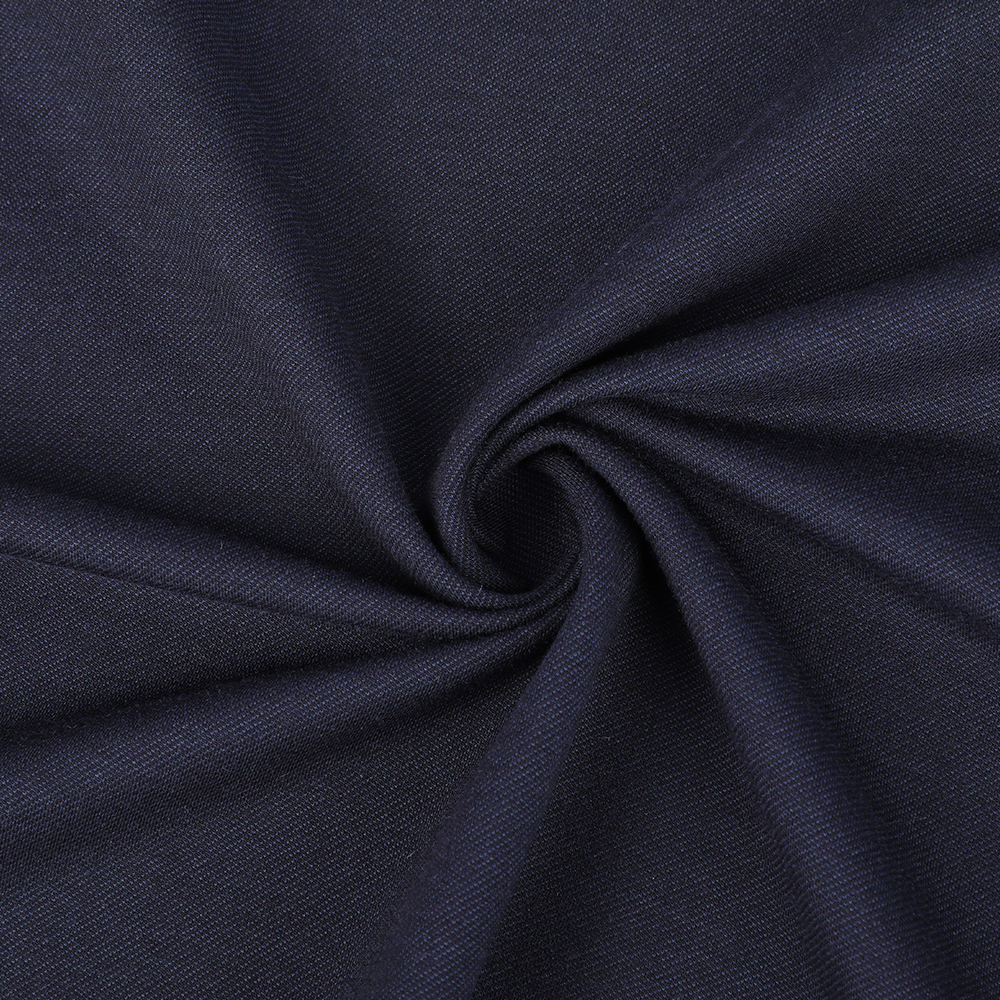
- Twill: Characterized by its diagonal rib pattern, it is slightly heavier, more durable, and has a softer drape.
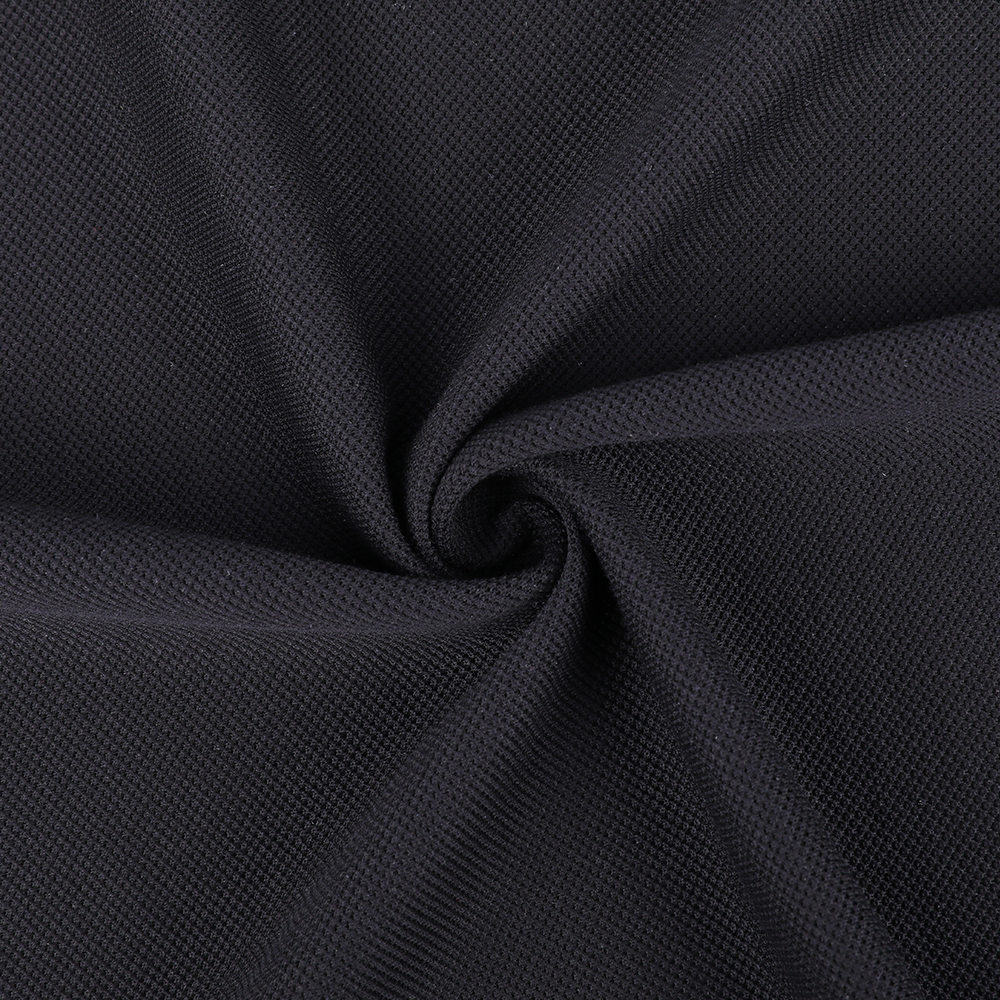
- Oxford: A basket weave that is more textured, rugged, and casual in appearance.
Finally, consider the context in which you'll wear the shirt. A fine poplin or twill in a 65/35 blend is perfect for business-casual environments. For daily casual wear or a school uniform, a durable 50/50 twill or oxford is ideal. For active work environments or shirts meant for travel that must look fresh out of a suitcase, a 35/65 blend offers the most resilience.
Cotton Polyester Fabric Selection Guide
| Priority / Use Case | Recommended Blend Ratio | Recommended Weave(s) | Key Reasoning & Additional Notes |
|---|---|---|---|
| Maximum Comfort & Breathability | 65% Cotton / 35% Polyester | Poplin, Twill | This ratio leans towards the feel of pure cotton. Poplin offers a crisp feel, while twill is softer. Provides a good balance of comfort and reduced wrinkling compared to 100% cotton. |
| Balanced All-Rounder Performance | 50% Cotton / 50% Polyester | Twill, Oxford | The classic workhorse blend. Twill enhances durability and offers a sophisticated drape, while Oxford is great for a more casual, textured look. Ideal for daily versatility. |
| Superior Wrinkle Resistance & Easy Care | 35% Cotton / 65% Polyester | Poplin, Twill | The high polyester content ensures the shirt emerges from the wash with minimal wrinkles and dries quickly. The weave choice then dictates the final hand-feel and formality. |
| Business-Casual Office Wear | 65/35 or 50/50 | Poplin, Twill | A smoother weave like Poplin or a soft Twill in these blends maintains a professional appearance while offering all-day comfort and manageable upkeep. |
| Durable Casual Wear & Uniforms | 50/50 or 35/65 | Oxford, Twill | These combinations prioritize longevity and low maintenance. Oxford cloth is inherently rugged, while a sturdy twill in a 50/50 blend is a common choice for corporate uniforms. |
| Travel & Active Use | 35% Cotton / 65% Polyester | Poplin, Twill | This is the top choice for scenarios where ironing is not an option. It provides the best wrinkle recovery, pack-and-wear convenience, and moisture-wicking properties. |
In conclusion, selecting the right Cotton Polyester Shirt Fabric is an exercise in understanding your personal priorities and daily demands. There is no single "best" option, only the best option for you. By first deciding what matters most—whether it's the softness against your skin, the ability to withstand a busy day without wrinkling, or the need for extreme durability—you can use the blend ratio as your primary filter. Then, refine your choice further by selecting a weave that matches the formality and texture you desire. Armed with this knowledge, you can confidently assess any shirt, knowing that you are choosing a Cotton Polyester Shirt Fabric that is perfectly tailored to your lifestyle.
Conclusion
Our comprehensive exploration of Cotton Polyester Shirt Fabric reveals a material whose enduring popularity is firmly rooted in its practical philosophy of balance. From its foundational construction as a blended fiber to its performance across key metrics of comfort, durability, and care, this fabric consistently demonstrates that it is an intelligent compromise rather than a perfect solution. It forgoes the peak performance of specialized materials in any single category to deliver reliable, all-around performance that meets the diverse demands of everyday life. The journey through its characteristics, its place among other shirt fabric types, its evolving sustainability narrative, and the guidelines for its selection, all point to one central theme: the Cotton Polyester Shirt Fabric is the definitive choice for the pragmatic consumer.
The true value of this fabric is crystallized when we summarize its holistic value proposition against the other primary shirt fabric types.
Comprehensive Shirt Fabric Comparison
| Evaluation Factor | Pure Cotton | Pure Polyester | Linen | Cotton Polyester Blend |
|---|---|---|---|---|
| Overall Comfort & Feel | Excellent (Soft, natural) | Fair (Can feel synthetic) | Good (Breathable but can be rough) | Very Good (Balanced, comfortable) |
| Durability & Longevity | Good | Excellent | Good | Very Good |
| Wrinkle Resistance | Poor | Excellent | Poor | Very Good |
| Ease of Care & Maintenance | Low (Often requires ironing) | High (Machine wash & wear) | Very Low (Wrinkles easily) | High (Low ironing needs) |
| Moisture Management | Good absorption, slow drying | Poor absorption, quick drying | Excellent absorption & drying | Good absorption, reasonably quick drying |
| Cost-Effectiveness | Moderate to High | Low | High | Low to Moderate |
| Versatility for Daily Wear | Good | Fair | Fair (Seasonal) | Excellent |
| Environmental Impact (Conventional) | High water/chemical use | Petroleum-based, low recyclability | Lower chemical use, high durability | Mixed, challenges in recycling |
| Sustainability Potential | Organic, recycled options | Recycled (rPET) options | Naturally sustainable | Recycled polyester & sustainable cotton blends |
| Overall Value Proposition | Natural luxury and comfort | Maximum performance & low cost | Specialized climate comfort | Optimal balance of comfort, performance, care, and cost |
In summary, the Cotton Polyester Shirt Fabric has earned its ubiquitous status not by accident, but by design. It is a textile engineered for real-world use, where a slight trade-off in peak breathability is willingly made for a significant gain in practicality and resilience. Its evolution towards more sustainable material sources further secures its relevance in a future where environmental responsibility is paramount. As you move forward, let this understanding empower your choices. When you seek a shirt that requires minimal fuss, offers dependable comfort, stands up to daily wear, and provides exceptional value, you can be confident that a well-chosen Cotton Polyester Shirt Fabric is not just a simple compromise—it is, for most occasions, the most intelligent and versatile choice available. It is the fabric that works as hard as you do, seamlessly integrating into the rhythm of modern life.
Frequently Asked Questions (FAQ)
1. Is cotton polyester shirt fabric breathable enough for hot summer weather?
Yes, it is generally breathable enough for most summer activities, though it operates on a spectrum. The breathability depends on the specific blend ratio. A 65/35 cotton-polyester blend offers very good breathability, closely mimicking the comfort of pure cotton while providing better wrinkle resistance. Even a 50/50 blend provides adequate airflow for everyday use. While it may not be as exceptionally cool as pure linen or high-quality pure cotton, its balanced performance makes it a versatile choice. For extreme heat, a higher cotton percentage or pure linen would be preferable, but for typical summer conditions, a cotton-polyester shirt is a comfortable and practical option.
2. How does the durability of a cotton polyester shirt compare to a pure cotton one?
A cotton polyester shirt is significantly more durable than a pure cotton shirt. The inclusion of synthetic polyester fibers, which are inherently strong and resistant to abrasion, greatly enhances the fabric's toughness. This means shirts made from Cotton Polyester Shirt Fabric are less likely to tear, develop thin areas from wear, or lose their shape (become baggy) at the elbows and cuffs over time. While a high-thread-count pure cotton can feel luxurious, it is more delicate. For daily wear, uniforms, or situations requiring long-term resilience, the cotton-polyester blend is the clear winner in terms of durability and shape retention.
3. Can I find eco-friendly or sustainable options in cotton polyester fabric?
Absolutely. The industry has made significant strides in creating more sustainable versions of this popular fabric. The key is to look for specific material descriptions. The most effective eco-friendly option is a blend that uses organic cotton (grown without synthetic pesticides) and recycled polyester (rPET) derived from post-consumer plastic bottles. This approach drastically reduces the environmental footprint by conserving water, avoiding harmful chemicals, and diverting plastic waste from landfills and oceans. When shopping, be sure to check product descriptions for these specific terms to ensure you are selecting a Cotton Polyester Shirt Fabric that aligns with sustainable values.