
 English
 日本語
日本語 中文简体
中文简体
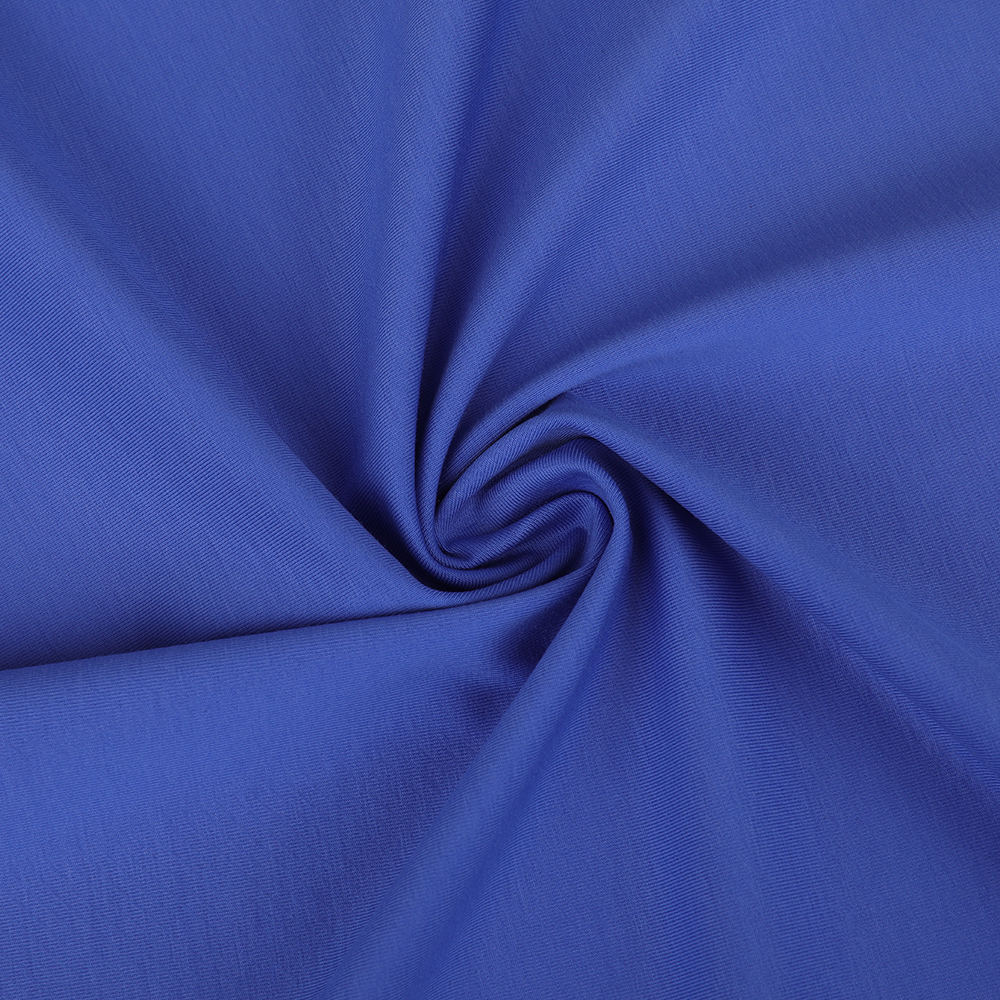
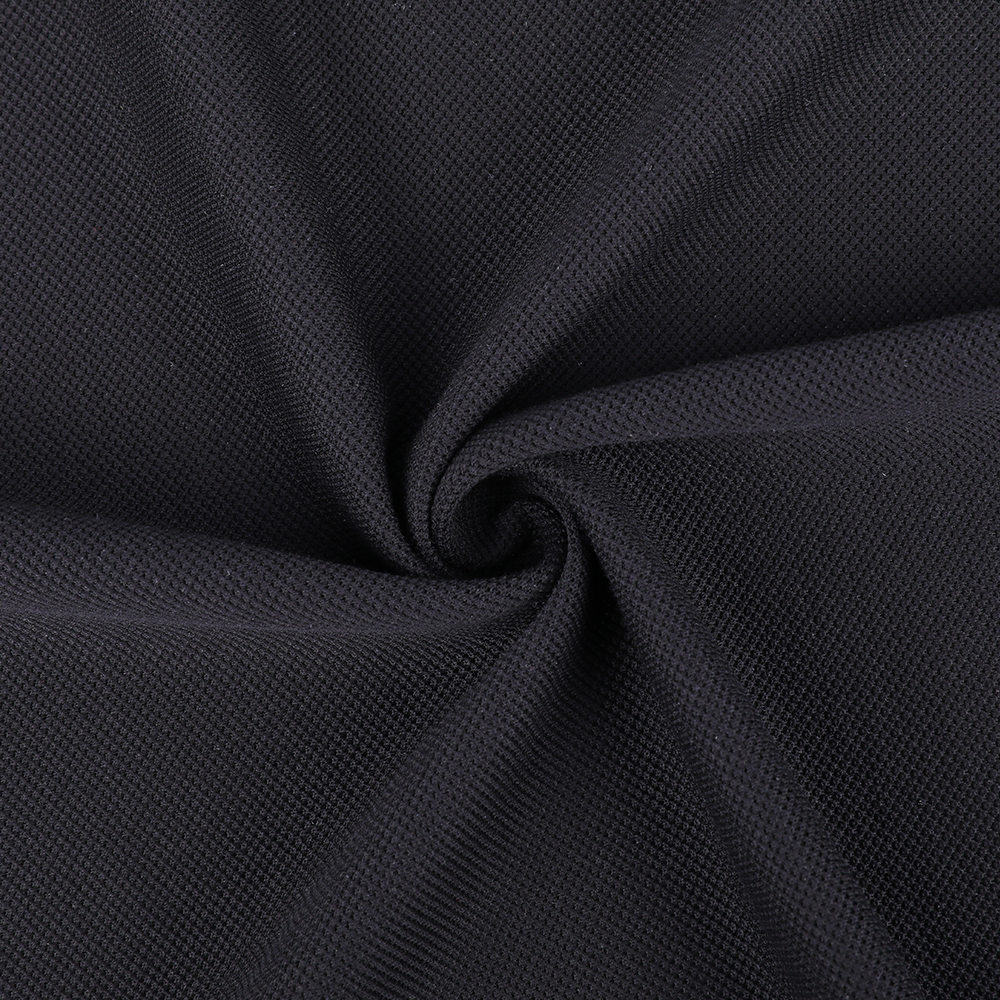
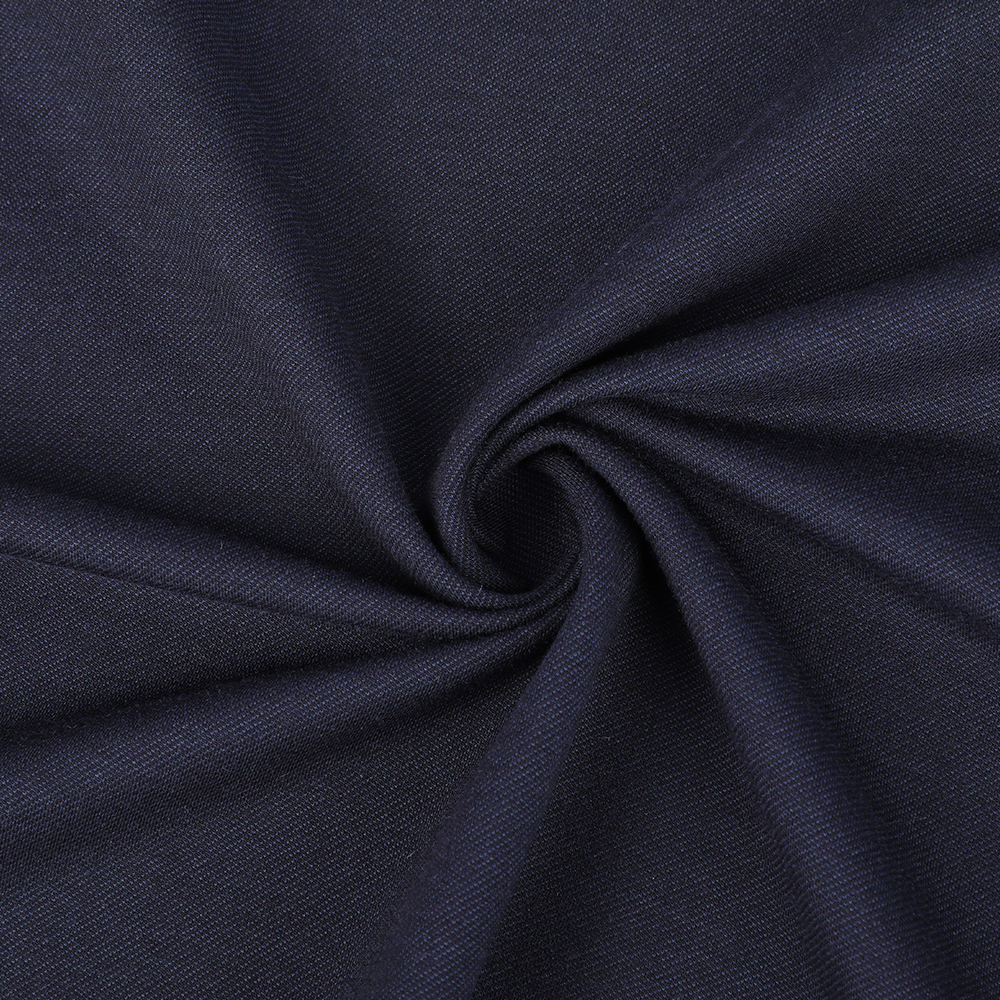
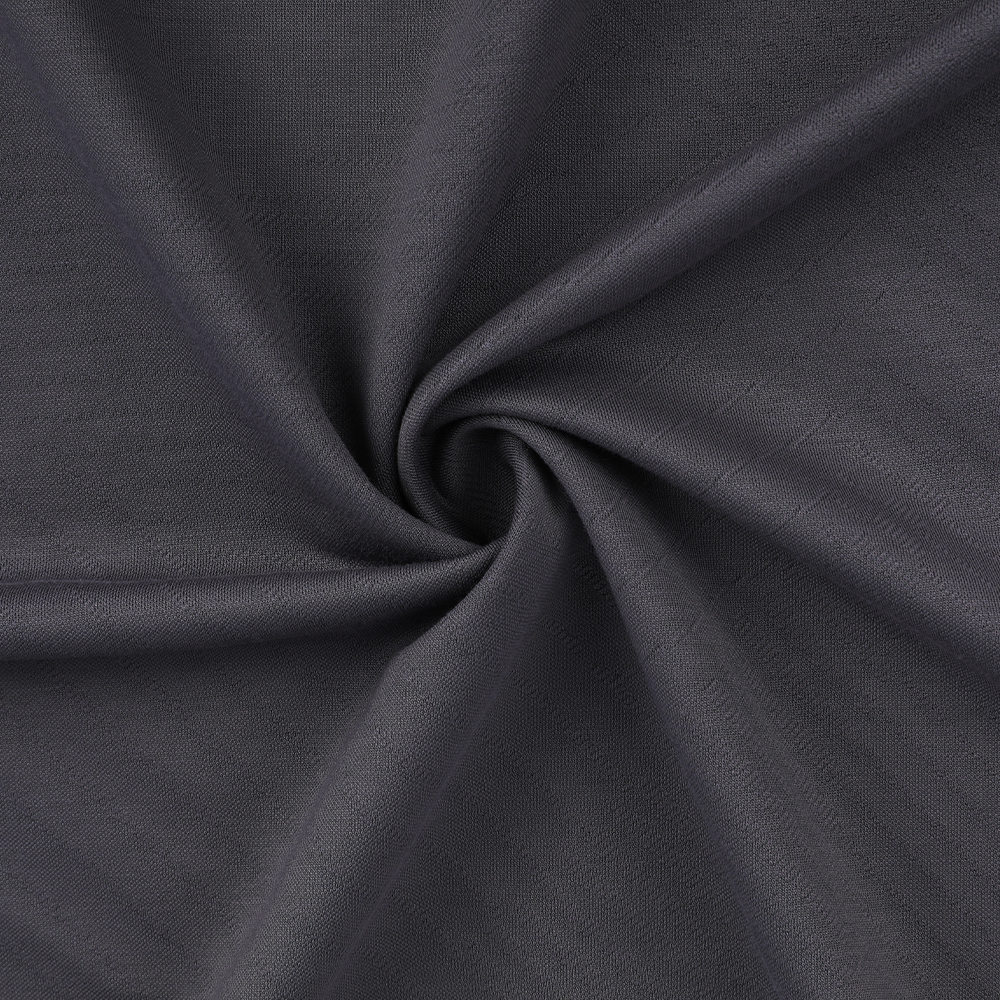
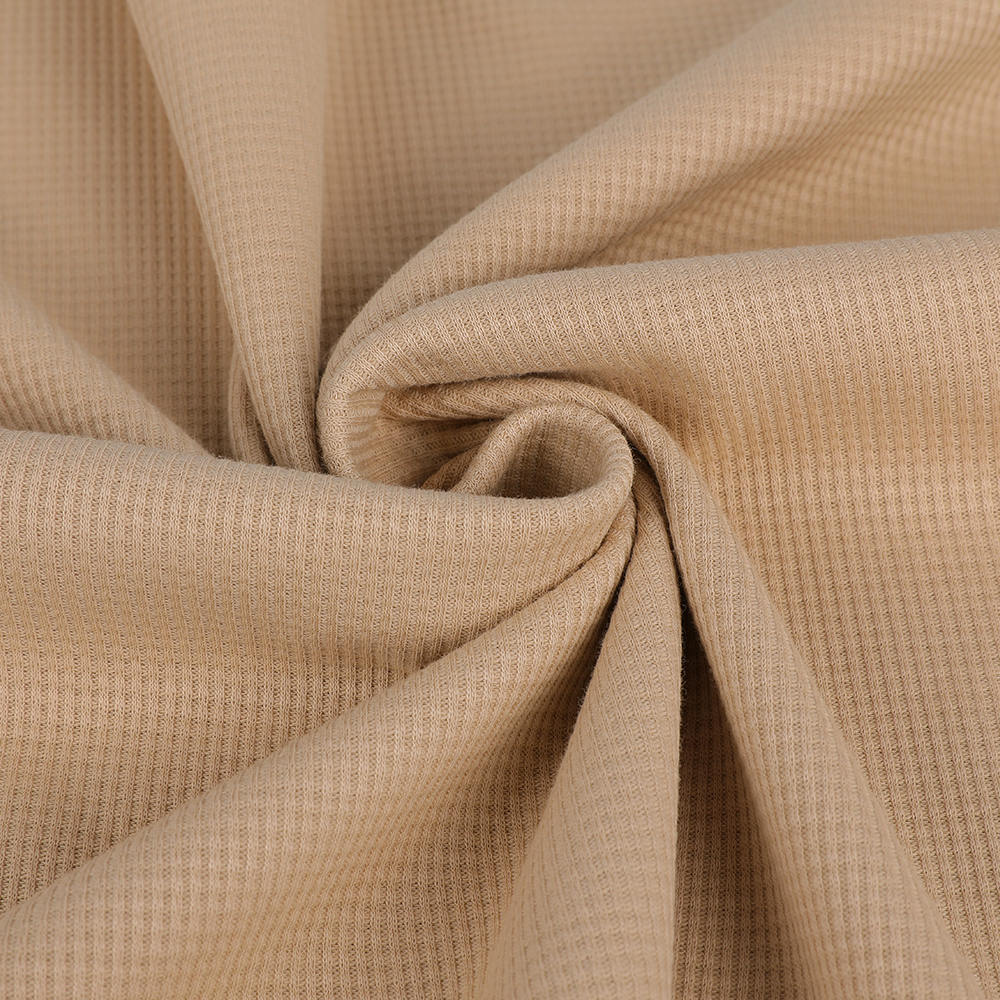
In the field of modern outdoor sports equipment, fabric technology has developed from a simple protective function to a comprehensive system that integrates intelligent response, environmental adaptation and ergonomics. Functional knitted outdoor sports fabrics build a second-skin-like wearing experience for athletes through innovative fiber combinations, precise structural design and advanced finishing processes. This breakthrough in textile technology that combines material science and biomechanics is redefining the performance standards of outdoor sports equipment.
Synergistic realization of multi-dimensional functionality
The balance between windproof and waterproof and breathability is the core challenge of outdoor fabrics. The gradient density structure constructed by four-needle bed fully molded knitting technology forms a pore distribution of 20-80 microns in different areas of the clothing, which not only meets the hydrostatic pressure protection standard of more than 20kPa, but also maintains a moisture permeability of 8000g/m²/24h. Phase change material microcapsules are implanted in the fiber at a ratio of 5-8%, and phase transition occurs when the body temperature changes. The actual measurement can automatically adjust the thermal resistance value by ±15% in the range of -5℃ to 25℃. The three-dimensional air layer structure simulates the three-dimensional shape of feathers through bionic design. It is only 3.2mm thick but provides twice the warmth efficiency of traditional filling materials.
The dynamic support system reflects the exquisite application of ergonomics. The 3D three-dimensional weaving technology developed based on the sports biomechanics database forms a support grid with differential elasticity in the knee joints, elbows and other parts. Electromyographic testing has proven that it can reduce muscle vibration loss by 15%. Carbon conductive fibers are embedded in specific muscle groups in a warp knitting manner, which not only maintains the overall elasticity of the fabric, but also provides directional muscle compression. Shape memory alloy fibers automatically adjust tension under temperature sensing, and the hem of mountaineering clothing can shrink by 8% in low temperature environments to enhance wind resistance. This innovation won the 2023 International Outdoor Equipment Technology Innovation Award.
Material innovation and green manufacturing
The fiber combination solution demonstrates a breakthrough in material science. 40D nylon 66 high elastic yarn is used as the base material, and its elongation at break reaches 180% through plasma surface modification, while maintaining a strength of 8.5cN/dtex. Recycled polyester fiber adopts chemical depolymerization and purification process, and its molecular weight difference with the original material is controlled within 5%, ensuring safe application in core parts. The nano-scale hydrophobic coating constructs a micro-nano dual structure through the sol-gel method, with a contact angle of 158°, far exceeding the 130° level of traditional coatings, and still maintains excellent water repellency after 50 washes.
Sustainable production process sets a new benchmark in the industry. The low-temperature dyeing process reduces energy consumption by 40%, and with the new bio-enzyme softener, the carbon emissions of the entire pre-treatment process are reduced by 62%. The waterless printing technology uses supercritical CO₂ as a medium to achieve 100% utilization of pigments, completely solving the problem of traditional printing wastewater. The solar-driven weaving system is regulated by the smart grid to control the power consumption per kilogram of fabric produced to less than 3 kWh, and the factory roof photovoltaic system can meet 70% of the production energy demand. The wastewater treatment center adopts a combination of membrane bioreactor and reverse osmosis process, and the reuse rate of reclaimed water is stable at more than 92%, and it has been rated as a national green factory demonstration project.
Performance verification in harsh environments
The physical and mechanical performance test simulates extreme use conditions. After the accelerated wear tester was run at 5Hz for 5,000 times, the pilling level of the fabric surface remained above level 4, far exceeding the level 3 requirement of the industry standard. The low-temperature tear test was carried out in a -30℃ environment, and the data measured by the trapezoidal method only dropped by 12% compared with the normal temperature environment, which was significantly better than the 30% drop of similar products. After 30 standard washes, the attenuation rate of the three-proof performance was controlled within 15%, thanks to the covalent bonding technology of the nano-coating and the fiber.
The functional durability evaluation established complete life cycle data. The UV protection test showed that after 300 hours of QUV accelerated aging, the UPF value remained at 45+. The temperature cycle test simulates the climate span from the equator to the poles, and the dimensional change rate of the fabric in the range of -30℃ to 60℃ does not exceed 2.8%. The specially developed sweat composite test system, through immersion in artificial sweat with different pH values (4-8), confirmed that the antibacterial performance was still greater than 95% after 30 washes, which was attributed to the chelation fixation technology of silver ions and fibers.
Diversified application scenario expansion
In the field of professional skiing equipment, this type of fabric shows unique advantages. By weaving aerogel fibers into the core thermal insulation layer and combining them with a graphene thermal conductive network, the clothing can still maintain a microclimate temperature of 28°C in a -40°C environment. The heart rate monitoring area uses a flexible conductive circuit and fabric to form an integral whole, and the signal transmission stability is 40% higher than that of traditional embedded electrodes. Alpine climbing pants integrate strain sensors at the knee joint to provide real-time feedback on exercise posture and prevent sports injuries.
The outdoor leisure market pays more attention to multi-functional integration. The travel jacket adopts a modular design and can be quickly converted into a sleeping bag through a magnetic connection system. The storage volume is only two-thirds of that of conventional products. Anti-mosquito treatment uses microcapsule sustained-release technology to make the mosquito repellent effect last for more than 30 washes and is absolutely safe for the human body. The buoyancy module of the fishing vest is woven with hollow fibers, providing more than 5kg of additional buoyancy while maintaining the breathability and freedom of movement of the clothing. The camping blanket innovatively combines photovoltaic fibers with energy storage systems, absorbing solar energy during the day and releasing heat at night to maintain warmth for 8 hours.
Intelligent evolution for the future
The next generation of products will deeply integrate digital technology. The flexible pressure sensor matrix monitors the pressure distribution of the whole body through textile structure circuits with medical-grade accuracy. The motion posture recognition system uses inertial measurement units and machine learning algorithms to correct incorrect movement patterns in real time. The energy collection system based on friction nanogenerators can convert daily movement mechanical energy into electrical energy to power embedded electronic devices.
Material innovation continues to break through performance boundaries. The self-healing polymer coating can automatically repair tiny scratches at room temperature by encapsulating the repair agent in microcapsules, with a repair efficiency of more than 85%. Bionic structural color technology replaces traditional dyes and produces a never-fading iridescent effect through photonic crystal arrangement. The intelligent temperature control system combines thermoelectric materials and fluid channels to achieve precise temperature regulation of ±5℃. This technology has been included in the national 13th Five-Year Key R&D Plan.
Functional knitted outdoor sports fabrics represent the highest level of textile technology. They blur the boundaries between clothing and equipment, integrating biomechanics, material science and information technology. With the deepening of the concept of sustainable development and the advancement of intelligent technology, this type of fabric will continue to expand its application boundaries, providing unprecedented protection and experience for outdoor sports enthusiasts, while also setting an example for the green transformation of the textile industry. In this era of pursuing both performance and environmental protection, it is becoming a new interface connecting humans and nature.