
 English
 日本語
日本語 中文简体
中文简体
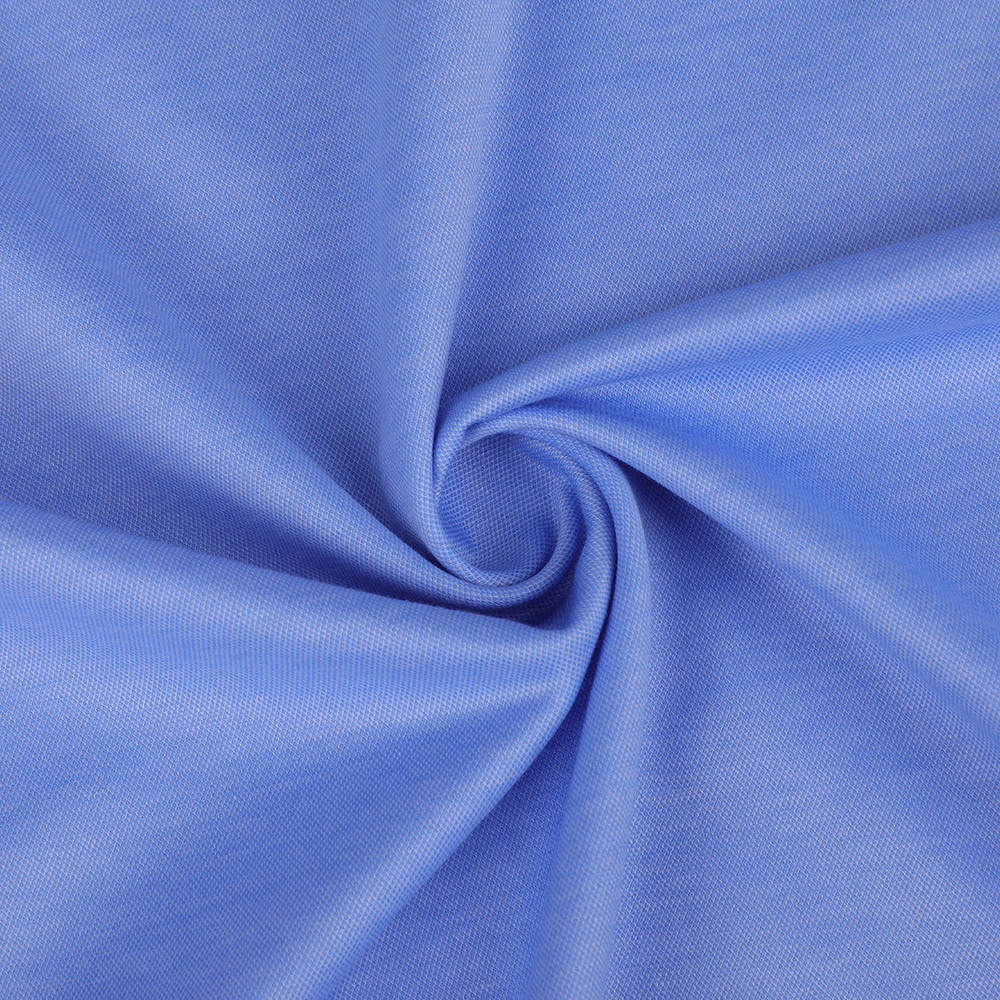
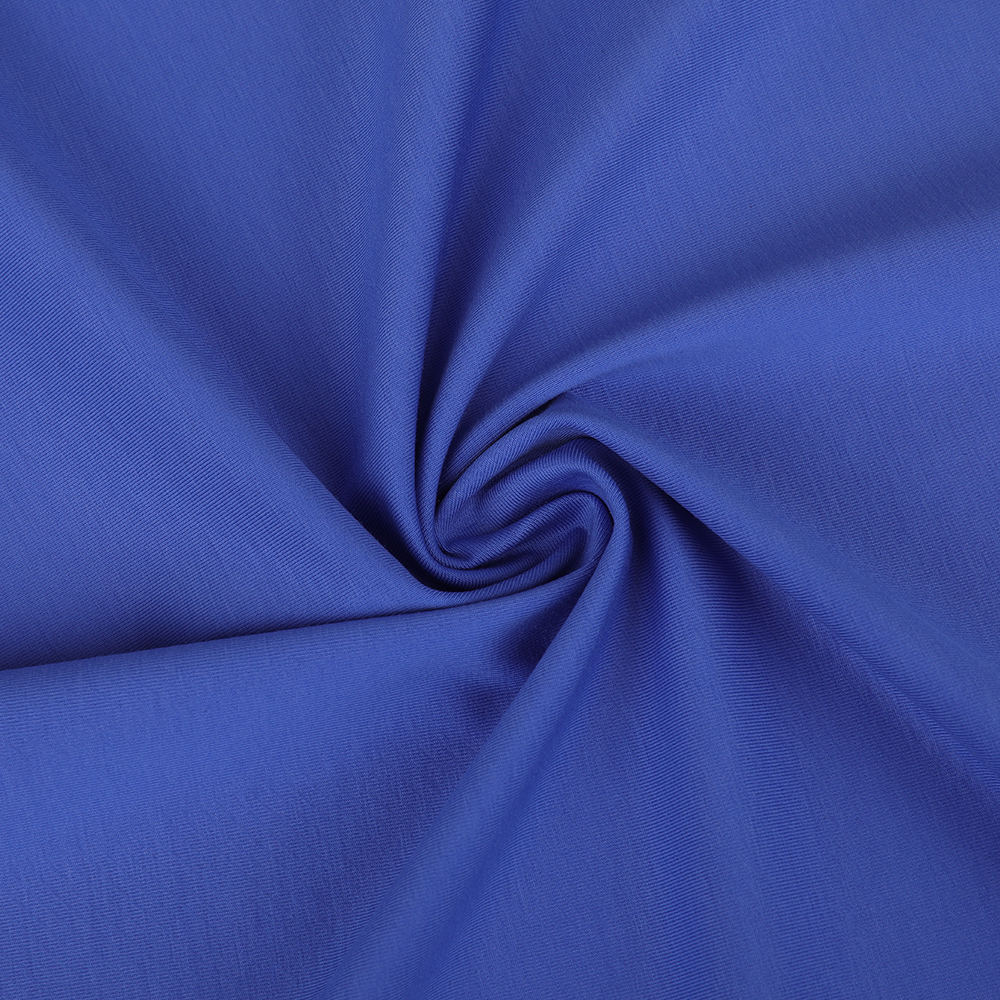
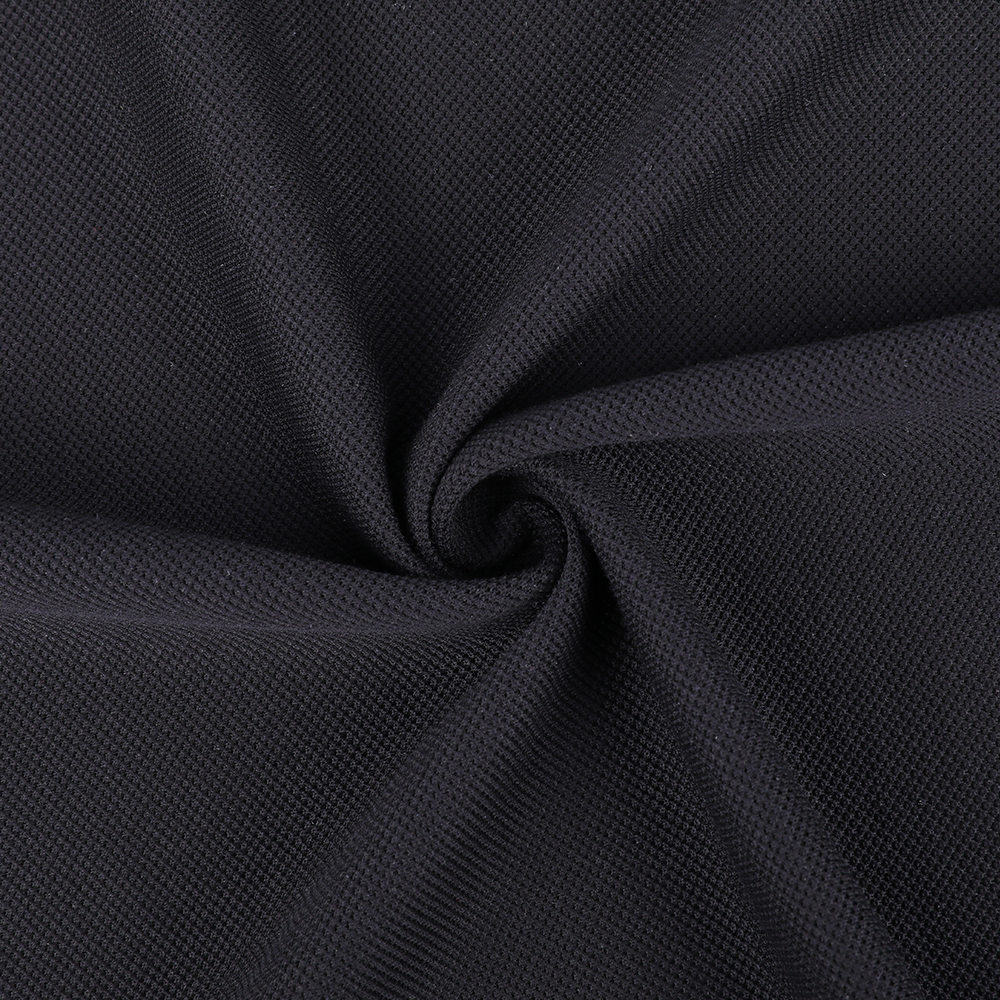
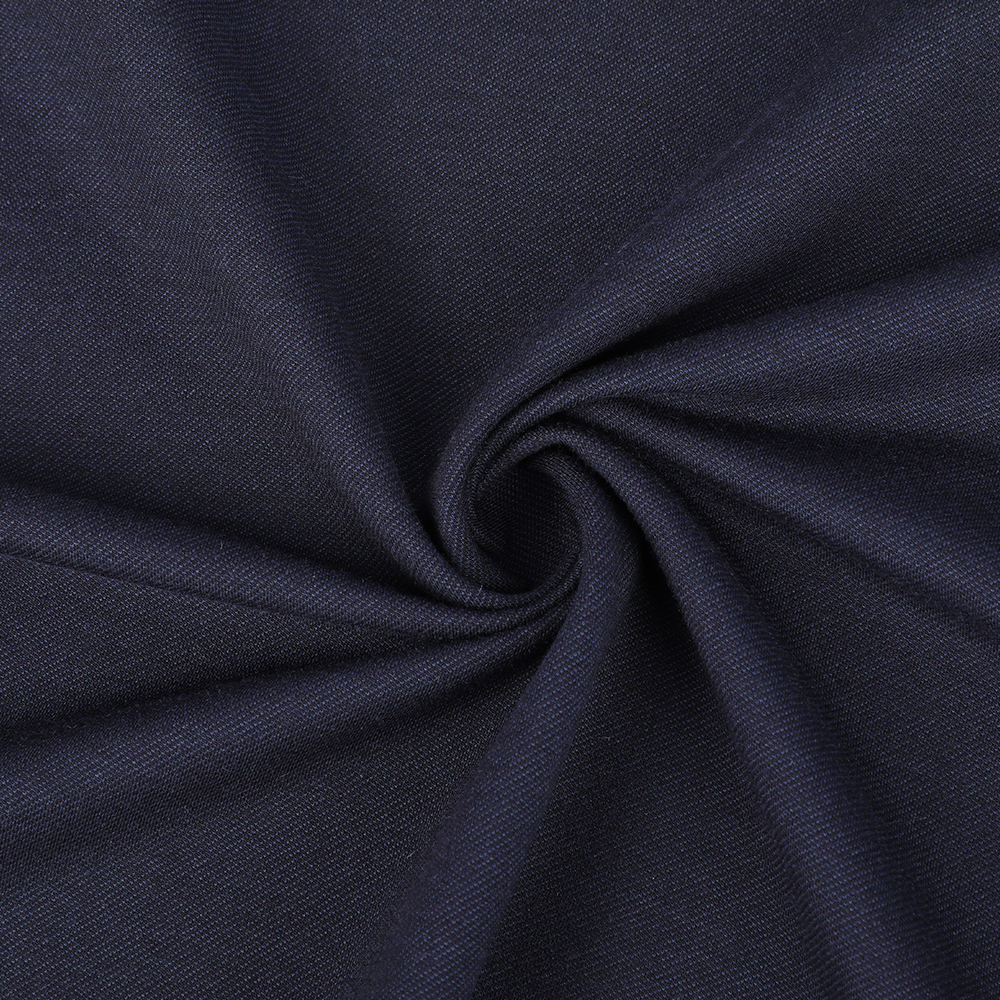
In the contemporary textile industry, jacquard shirt fabric represents the highest artistic achievement and technological peak in the field of fabric development. This kind of textile, which weaves patterns directly into the fabric texture through precision weaving technology, not only inherits the essence of European textile technology for hundreds of years, but also integrates the innovative achievements of modern material science and digital technology. From high-end business formal wear to fashionable casual wear, jacquard fabric continues to lead the development trend of shirt fabrics with its unique three-dimensional texture and light and shadow changes.
Raw material selection and yarn innovation
The core value of jacquard fabric is first reflected in its excellent raw material selection. Using Egyptian Giza 45 extra long-staple cotton as raw material, combined with 200 superfine spinning technology, the basic yarn maintains 8.5cN/dtex strength while controlling the diameter within 7.2 microns, providing a perfect canvas for subsequent jacquard weaving. The mulberry silk blending solution retains the unique pearl luster of silk and improves the wrinkle resistance of pure silk fabrics by precisely controlling the silk content of 30%-50%. The innovative elastic core-spun yarn structure completely wraps the 5.5% spandex core in the cotton fiber, ensuring that the fabric has an elastic recovery rate of more than 25% in the warp direction while maintaining the apparent natural texture.
The application of special yarns provides a richer expression language for jacquard design. The metallic luster composite yarn creates a delicate metallic reflective effect by vacuum-plating aluminum on the polyester substrate, and its washing resistance has been tested to be more than 50 times. The segment-dyed gradient yarn uses a special yarn tube dyeing technology to make a single yarn present a natural transition of color changes, adding a three-dimensional layer to the floral pattern. The bamboo-style art yarn forms a natural distribution of coarse and fine details in the yarn through a precise drafting control system, imitating the rustic texture of handmade textiles. Traceable organic cotton yarn is equipped with a blockchain traceability system, and consumers can query the entire industry chain information from cotton fields to ready-made clothes through QR codes.
Weaving technology and structural innovation
Modern jacquard weaving technology has achieved a leapfrog development from traditional craftsmanship to digital manufacturing. The 13440-needle needle selection system equipped with the electronic jacquard machine can accurately control the lifting and lowering of each warp yarn to achieve micro-pattern weaving with a precision of 0.3 mm. The double-sided large jacquard circular machine uses a unique needle arrangement to make the front and back sides of the fabric present completely different pattern effects, and the binding yarn is completely hidden inside the tissue. The 3D three-dimensional weaving system uses variable density weaving technology to form a 0.2-1.2 mm relief effect on the surface of the fabric, enhancing the design expression through the dual stimulation of touch and vision.
The tissue structure design shows the infinite creativity of textile engineering. The shadow gradient tissue creates a delicate light and dark transition effect under the condition of monochrome yarn through the gradual change of the floating length of the warp and weft yarns. This technology is particularly suitable for the expression of portrait patterns. The front and back double-sided structure uses yarns with different properties on both sides of the fabric. In business occasions, it can show a calm dark pattern surface, and in leisure time, it can be flipped to show bright patterns. The local three-dimensional embossed pattern is made to protrude from the fabric surface by increasing the weft density in a specific area. This three-dimensional effect without the need for additional materials makes the clothing light and thin while obtaining a rich visual level.
Pattern design and color management
Jacquard pattern design has developed into a comprehensive art that combines tradition and innovation. The European classical pattern database contains more than 3,000 classic patterns from the Renaissance to the Art Nouveau movement. Through digital restoration and parametric adjustment, these historical patterns can be perfectly adapted to modern weaving equipment. The natural ecological texture extraction technology uses a high-precision 3D scanner to convert natural elements such as leaf veins and stone textures into weavable digital patterns, maintaining a 1:1 real texture reproduction. The digital art generation algorithm automatically generates original patterns that conform to aesthetic principles by machine learning tens of thousands of works of art, greatly expanding the design possibilities.
The color management system ensures the accurate restoration of the design draft to the finished product. The Pantone spot color yarn dyeing system can achieve color difference control within 0.5%, which is particularly suitable for the accurate expression of brand logo colors. The two-color blending technology mixes two different colors of short fibers in a precise proportion to spin yarns with unique color mixing effects. This technology creates a sense of color layering that cannot be achieved by traditional dyeing. The warp beam segmented dyeing process creates a watercolor-like smudge effect by creating precise color gradients on the warp yarn. The computer simulation color development system can predict the final color development effect of different tissue structures before weaving, shortening the proofing cycle from the traditional 2 weeks to 48 hours.
Finishing and functional enhancement
The finishing process is a key stage in the sublimation of the quality of jacquard fabrics. The bio-enzyme polishing treatment uses a specific cellulase preparation to selectively remove the hairiness on the yarn surface, which increases the clarity of the pattern outline by more than 30%. Nano-level soft finishing uses silicon particles with a diameter of 80 nanometers to form a molecular-level lubricating layer on the fiber surface, while maintaining the stiffness of the fabric, to obtain a silky touch experience. Liquid ammonia finishing technology causes permanent changes in the crystalline structure of cotton fibers, which not only eliminates the shrinkage problem caused by internal stress, but also gives the fabric a unique luster and drape.
Functional treatment makes traditional jacquard fabrics have the practical properties required for modern life. The three-proof finishing uses environmentally friendly fluorocarbon compounds to build a nano-level protective layer on the fiber surface, so that the fabric has a waterproof, oil-proof and anti-fouling score of more than 70 points. Anti-wrinkle memory setting uses a cross-linking agent to establish an elastic network between fiber molecules, so that the fabric can be restored to a flat state by simply hanging after washing, reducing the need for ironing. Natural plant antibacterial finishing extracts effective ingredients from plants such as eucalyptus and mint, and fixes them inside the fiber in the form of microcapsules. After 50 washes, the antibacterial rate of Staphylococcus aureus remains above 99%. UPF30+ sun protection function uses special ultraviolet absorbers to provide reliable sun protection for outdoor wear without affecting the breathability of the fabric.
Sustainable development and technological innovation
The jacquard fabric manufacturing industry is actively practicing the concept of green production. Zero-emission dyeing technology uses supercritical carbon dioxide as a medium, completely replacing the water resource consumption in traditional processes and achieving 100% utilization of dyes. The solar weaving factory meets 75% of its production energy needs through the rooftop photovoltaic system, and cooperates with the intelligent energy management system to reduce the carbon footprint of each meter of fabric to 40% of the traditional process. The wastewater heat recovery device converts the waste heat in the dyeing wastewater into clean energy, which can reduce the consumption of 300 tons of standard coal per year. The series of biodegradable additives can be completely decomposed in the natural environment within 6 months, completely solving the pollution problem of traditional textile additives.
The circular economy model provides new ideas for the sustainable development of the industry. The post-consumer recycling system uses near-infrared spectroscopy sorting technology to accurately separate the cotton, polyester and other components in old clothes, with a purity of more than 98%. Chemically regenerated cotton uses ionic liquid dissolution technology to restore waste cotton fibers to spinning solution, and the regenerated fiber strength reaches 92% of the original fiber level. The defective product upgrade workshop redesigns the defective fabrics in the production process into small leather accessories or decorations to maximize the use of material value. The carbon footprint traceability system is based on blockchain technology, recording the environmental data of the entire life cycle of fabrics from raw material planting to finished product delivery, providing a transparent reference for environmentally friendly consumption.
Future development trends
Intelligent interactive fabrics will redefine the boundaries of jacquard technology. Temperature-sensitive color-changing jacquard implants thermochromic microcapsules in the yarn, so that the pattern can present dynamic color effects as the body temperature changes, and the response temperature range is accurate to ±2°C. The touch-responsive pattern weaves conductive fibers into the fabric in an artistic way to form an invisible touch-sensitive area, which can control smart devices through gestures. The flexible display unit uses OLED fiber technology to enable the jacquard pattern to have dynamic display capabilities with a resolution of 60 pixels per inch. Biosensor integration seamlessly integrates monitoring functions such as pH value and heart rate into the pattern structure to achieve non-sensitive health monitoring.
The application of advanced materials continues to expand the possibilities of jacquard fabrics. Seaweed fiber blends combine mineral-rich seaweed extracts with cotton fibers to give the fabric natural antibacterial and negative ion release functions. Graphene thermal conductive yarn uses a special coating process to achieve a thermal conductivity of 15W/mK in the plane direction of the fabric while maintaining textile performance, greatly improving wearing comfort. The self-healing coating technology uses microcapsules to encapsulate the repair agent. When a tiny scratch appears on the fabric, the capsule breaks and releases the repair substance, completing the automatic repair within 24 hours at room temperature. The nanostructured color-producing technology produces a structural color effect through the arrangement of photonic crystals, creating an iridescent pattern that never fades and changes with the viewing angle. This environmentally friendly technology with zero dyeing has been listed as a national key research and development project.
The development history of jacquard shirt fabrics is a history of mutual achievement between textile technology and art design. From traditional hand looms to digital intelligent production, from a single decorative function to integrated intelligent interaction, jacquard technology has always maintained its innovative ability to keep pace with the times. Today, when the concept of sustainable development is deeply rooted in people's hearts, the jacquard fabric industry is developing in a more environmentally friendly, intelligent and personalized direction through material innovation, process innovation and model change, and continues to inject new vitality and value into the global textile fashion industry.