
 English
 日本語
日本語 中文简体
中文简体
Content
The first knit project usually ends the same way: a jersey t-shirt hem that ripples like a ribbon, and a shoulder seam that pops the first time it is pulled over a head. The fabric is rarely at fault. Knit fabric is sewn under different rules than woven cotton, and those rules are mostly about needle choice, stitch type, and how much tension you put on the cloth while it feeds under the presser foot.
The short version: a ballpoint or jersey needle in size 70/10 to 80/12, polyester thread instead of cotton, a narrow zigzag roughly 2.5 to 3.0 mm long and 0.5 to 1.0 mm wide (or a serger), light presser foot pressure, and no pulling or holding back the fabric. Steam the seams rather than pressing them flat. The rest of this guide explains why each point matters, and what changes when the knit is heavy, ribbed, or very stretchy.
Why Knit Fabric Behaves Differently Under the Needle
Woven fabric is built from two yarn sets crossing at right angles, so it holds its shape and stretches only on the bias. Knit fabric is a chain of interlocking loops, and a loop can shift sideways whenever a needle enters it. Three behaviours follow from that structure, and each has a direct consequence at the machine.
- Stretch. Single jersey typically measures 30 to 40 percent crosswise stretch, cotton interlock sits nearer 15 to 25 percent, and a 1x1 rib can reach 50 percent or more. A straight stitch has almost no give, so it cracks or pops when the garment is pulled over a shoulder or a hip.
- Curl. Single jersey rolls toward its face at the cut edge and toward its back along the side edge. Interlock, rib, ponte, and jacquard knits curl far less, which is one reason they suit a first project.
- Growth. Knit fabric relaxes after it leaves the roll and again after washing. A t-shirt cut on the day the yardage arrives can shorten by several millimetres after one laundry cycle. Pre-wash and dry the fabric the way the finished garment will be washed, then lay it flat for 24 hours before cutting.
Needles, Thread, and Settings That Prevent Skipped Stitches
Skipped stitches on a knit are almost never a machine fault. A sharp needle punches between the loops instead of slipping through them, pushing the yarn aside so the hook has nothing to catch.
Needle
Use a ballpoint or jersey needle. Size follows weight: 70/10 for lightweight jersey around 130 to 170 gsm, 80/12 for most interlock and rib, and 90/14 for ponte, French terry, and jacquard knits above 250 gsm. Replace the needle every six to eight hours of sewing, and immediately after any project that used fusible interfacing, because adhesive residue dulls the tip.
Thread
Polyester or polyester-core thread stretches with the knit. All-cotton thread does not, and it is the most common reason a seam that looked fine on the machine fails after a few wears. In a serger, polyester in the loopers is standard; woolly nylon adds coverage and stretch on rolled hems.
Stitch and machine setup
- A narrow zigzag, 0.5 to 1.0 mm wide and 2.5 to 3.0 mm long, reads almost like a straight stitch once pressed but moves with the seam.
- A triple straight stitch suits stable knits such as ponte and French terry.
- A four-thread overlock trims and finishes the allowance in one pass.
- Lower presser foot pressure to the minimum that still feeds the fabric evenly, and set differential feed near 1.3 to 1.5 when serging jersey.
- Fit a walking foot or knit foot where several layers meet, and use a 4.0/75 stretch twin needle with slightly loosened bobbin tension for hems.
Sewing Order and Technique at the Machine
- Prewash, dry, and rest the fabric for a day before cutting.
- Sew a test seam on a 10 cm scrap, stretch it to 30 percent, release it, and check that the stitches recover without waving.
- Cut with a rotary cutter and weights instead of pins, keeping the fabric flat on the table rather than hanging over the edge.
- Clip the seams and let the feed dogs move the cloth. Support it lightly in front of the needle; never pull it forward or hold it back.
- Press each seam with steam, lifting the iron instead of sliding it, because sliding stretches the stitch line.
- Stabilize shoulder seams and necklines with knit stay tape or clear elastic before sewing, then hem with a twin needle, a coverstitch, or a folded band.
A scrap test that stretches and recovers cleanly means the setup is right. One that waves or snaps tells you to shorten the stitch, reduce pressure, or narrow the zigzag.
Match the Knit Type to the Project
Fabric choice changes the sewing plan more than any machine setting does. A jersey t-shirt and a ponte trouser are both knits, but they need different needles, different seam finishes, and different amounts of stabilization.
| Knit type | Typical weight | Crosswise stretch | Edge curl | Needle | Best suited to |
|---|---|---|---|---|---|
| Single jersey | 130-180 gsm | 30-40 percent | Strong | 70/10 ballpoint | T-shirts, leggings, simple dresses |
| Cotton interlock | 180-240 gsm | 15-25 percent | Minimal | 80/12 ballpoint | T-shirts, dresses, children's wear |
| 1x1 or 2x2 rib | 180-260 gsm | 50 percent and up | Moderate | 80/12 ballpoint | Neckbands, cuffs, tank tops |
| Ponte or roman double knit | 250-320 gsm | 15-20 percent | Very low | 90/14 jersey | Trousers, jackets, structured dresses |
| French terry or sweat | 240-320 gsm | 10-25 percent | Low | 90/14 jersey | Hoodies, sweatshirts |
| Jacquard knit | 200-280 gsm | 15-30 percent | Low | 80/12 or 90/14 | Statement tops, panels, trims |
Rib is the one knit worth keeping on the shelf: a 1x1 rib cut to about 75 to 80 percent of the neckline length produces a collar that stretches over the head and springs back into shape.
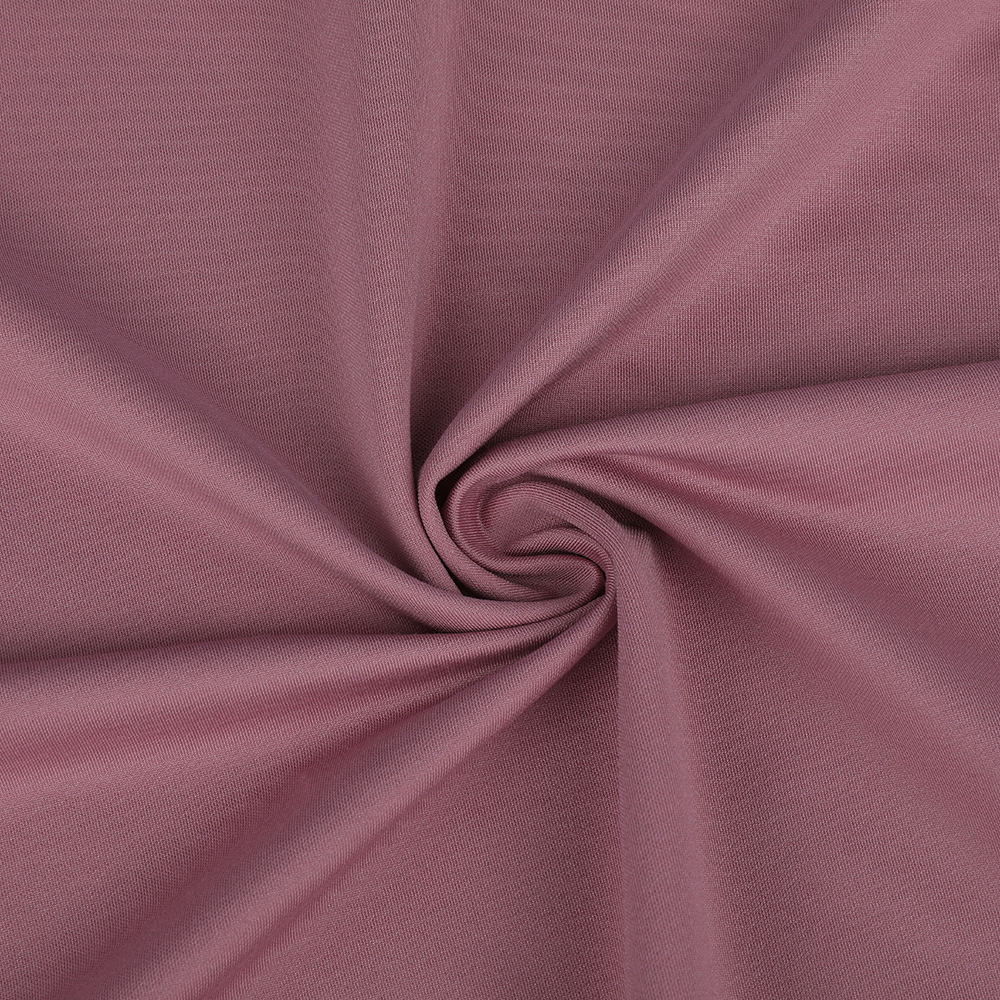
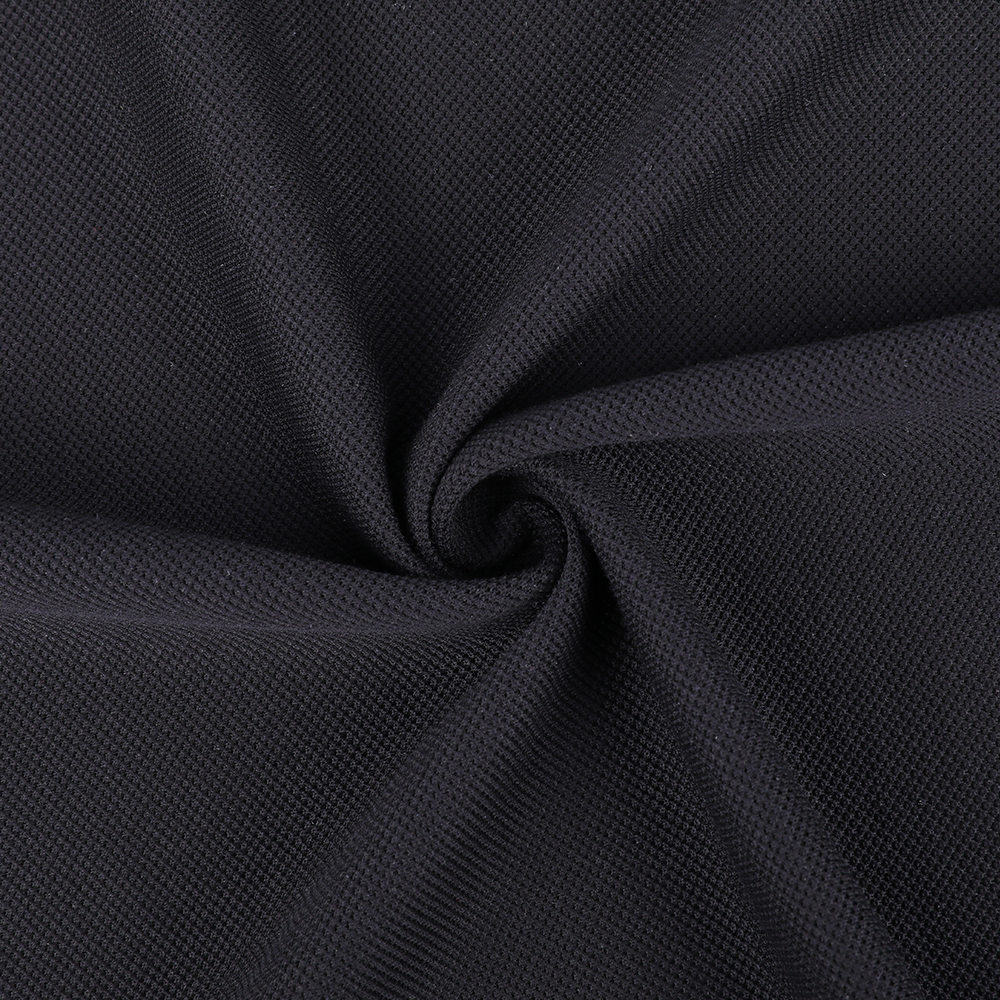
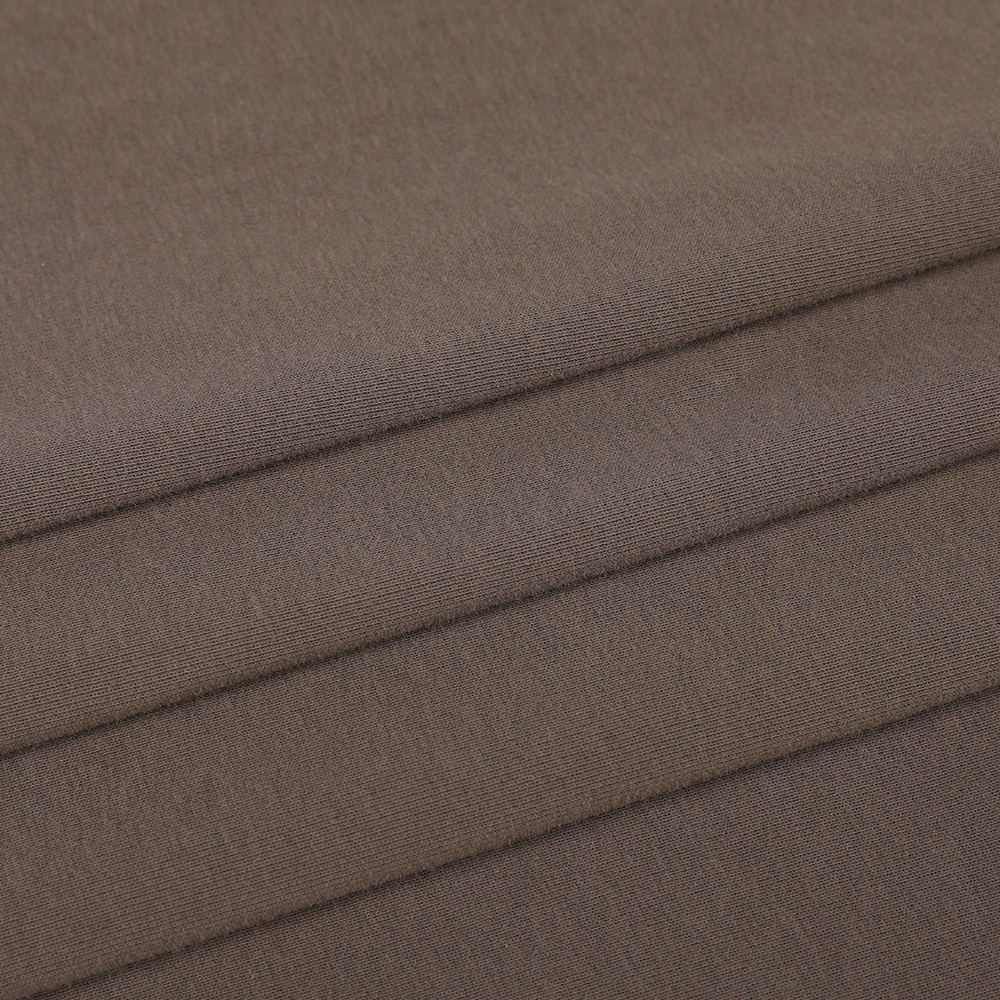 Cotton Spandex Rib Knit for Women's Innerwear and ClothingCotton-rich rib knit with spandex for women's innerwear, offering breathable stretch; when buying by the roll, verify weight, stretch direction, recovery, and shrinkage.View Product →
When Something Goes Wrong: Five Common Faults
| Fault | Likely cause | Fix |
|---|---|---|
| Skipped stitches | Sharp or blunt needle punching through the loops | Fit a new ballpoint or jersey needle in the correct size |
| Wavy seam | Fabric stretched during sewing, or stitch length too long | Shorten the stitch, cut presser foot pressure, add stay tape or a walking foot |
| Curling raw edges | Normal behaviour of single jersey | Steam lightly, stabilize with fusible tricot, or choose interlock for the same project |
| Seam pops when worn | Straight stitch used on a stretchy knit | Rip out and resew with a narrow zigzag, triple straight stitch, or serger |
| Puckered twin-needle hem | Hem stretched, tension too tight, or no stabilizer | Loosen tensions, add tear-away stabilizer, and sew more slowly |
What to Look For in a Knit That Sews Easily
When buying by the roll rather than the piece, four specifications predict how the cloth will behave at the machine: weight, stretch direction, recovery, and shrinkage after laundering.
Weight comes first. Under 160 gsm, jersey wears well but is hard to control on a domestic machine. Interlock between 180 and 240 gsm is the sweet spot for t-shirts because it holds a seam, curls little, and still stretches over the shoulders. Above 250 gsm, ponte and French terry behave almost like a woven fabric and take a longer stitch with a 90/14 needle.
Recovery comes second. A knit that stretches 40 percent but returns to only 45 cm from an original 50 cm will bag at the knees and elbows. Ask for recovery after three stretch cycles, not the stretch percentage alone. A quick shop test: stretch a 10 cm width to 15 cm, hold for ten seconds, release, then measure. The closer it comes back to 10 cm, the better the elastic yarn and the tighter the knitting structure.
Shrinkage comes third. Most cotton and cotton-blend knits settle between 3 and 5 percent in the first wash, which is why garment makers wash-test production lots before cutting. A supplier who can show a wash report for the actual lot removes most of that guesswork.
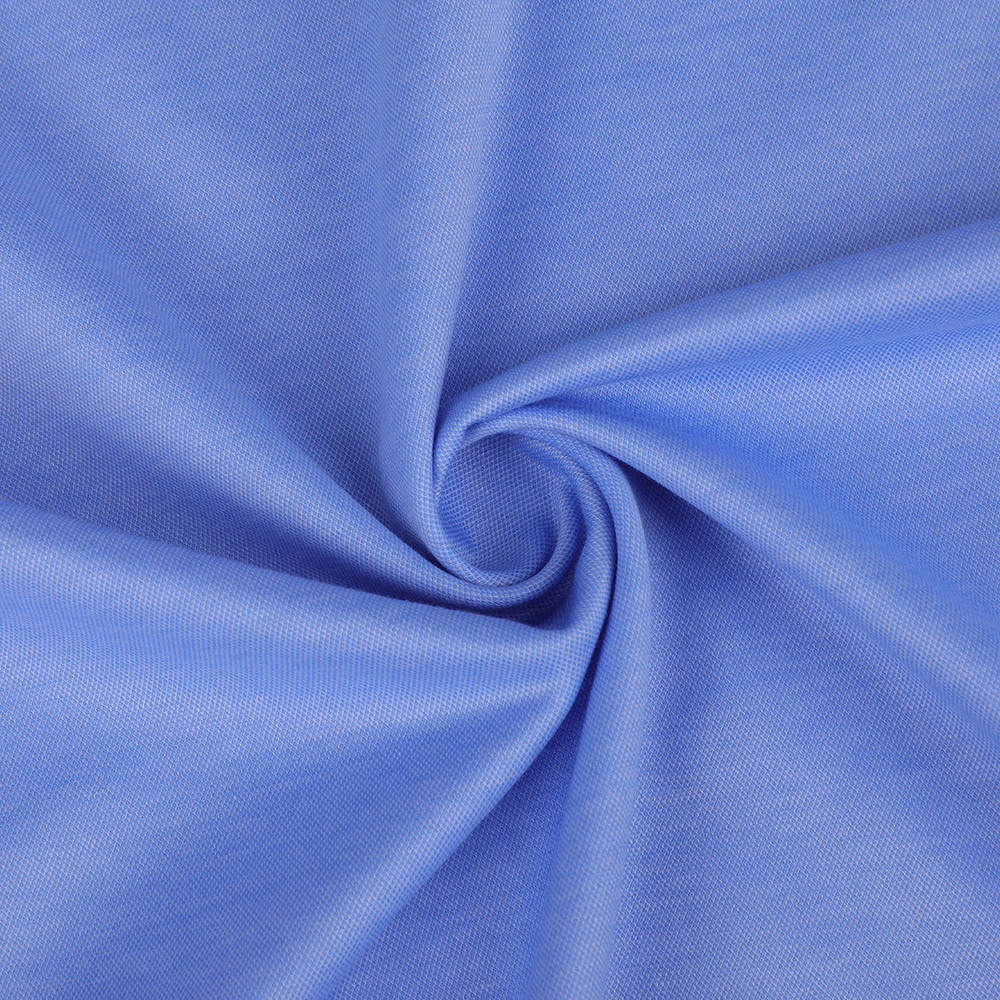
Construction comes last, and it is where the mill side shows. Two fabrics with the same fibre blend can sew very differently depending on knitting gauge, yarn tension, and finishing. A liquid-ammonia finished cotton interlock, for example, leaves the stenter with a smoother surface, less edge curl, and a more stable hand than the same cotton without the treatment, so the seam line stays straight and the needle deflects less on fine-gauge machines.
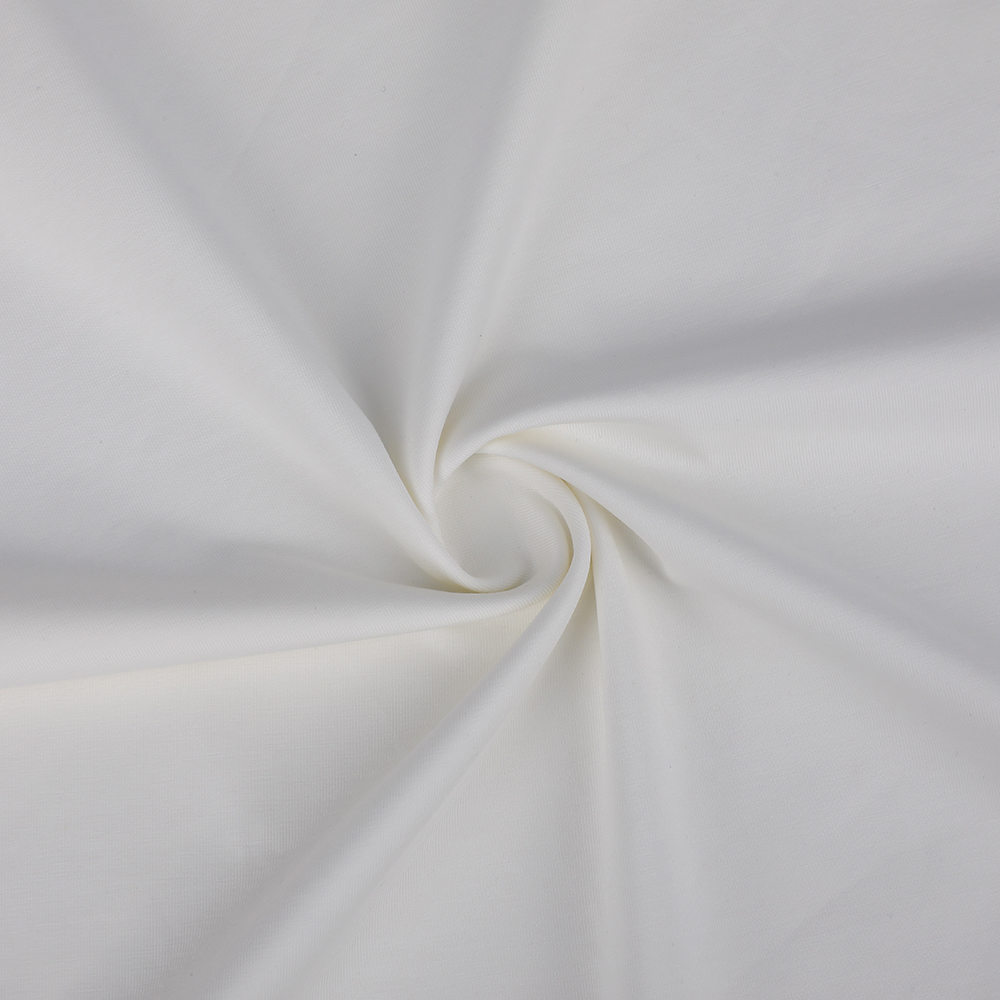
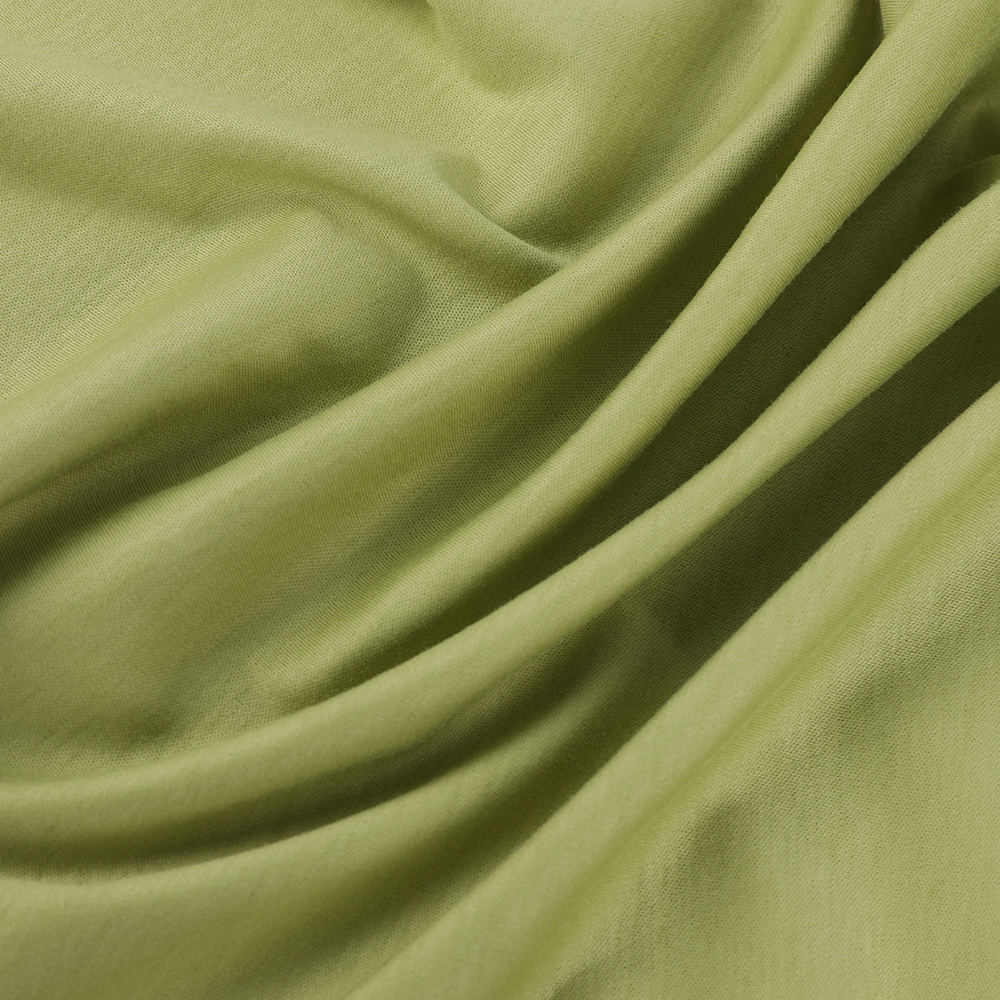 Liquid Ammonia Finished Cotton Interlock T-Shirt FabricLiquid-ammonia finished cotton interlock for T-shirts, offering breathable comfort and a smoother, stable hand for cleaner seams.View Product →
Structured garments such as trousers and jackets lean on ponte and roman double knits. They carry a seam without stay tape, hold a pressed crease, and forgive a slightly uneven topstitch. A ponte with a little spandex and a machine-washable wool blend stretches enough to sit comfortably and returns to shape after wearing.
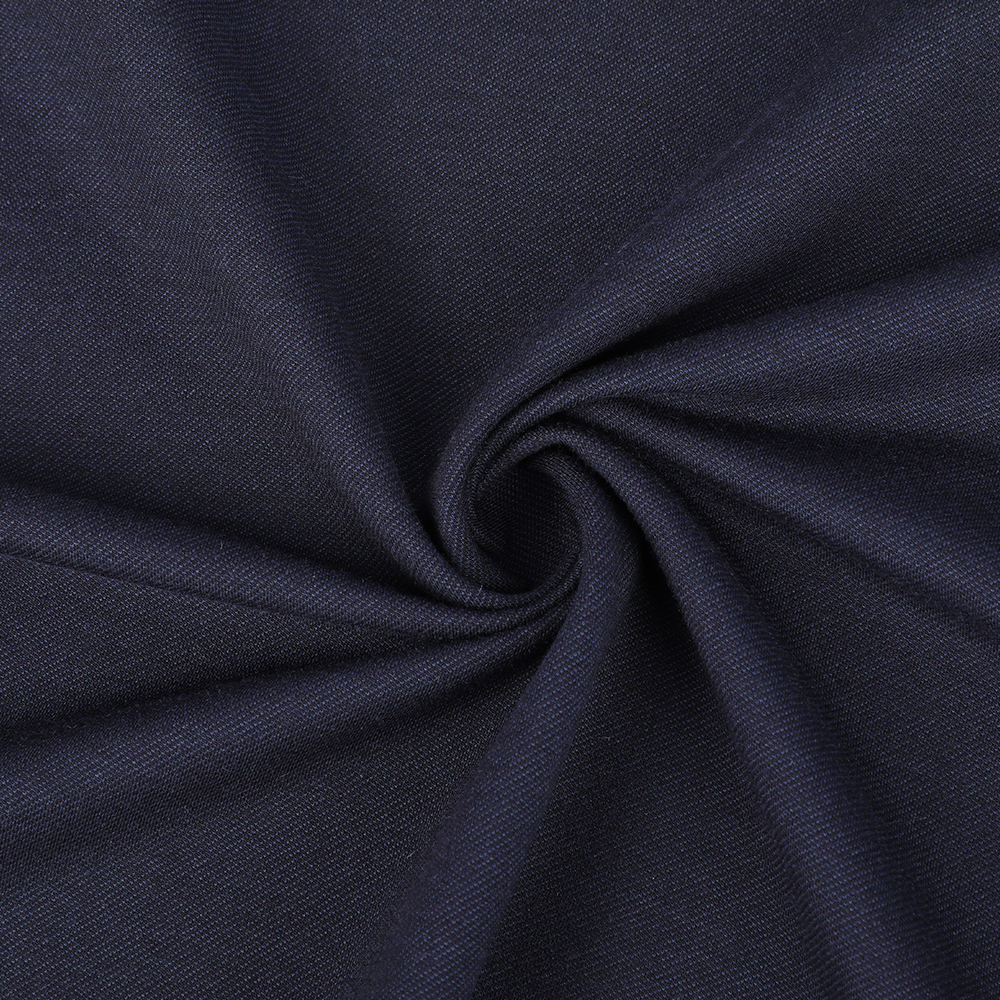
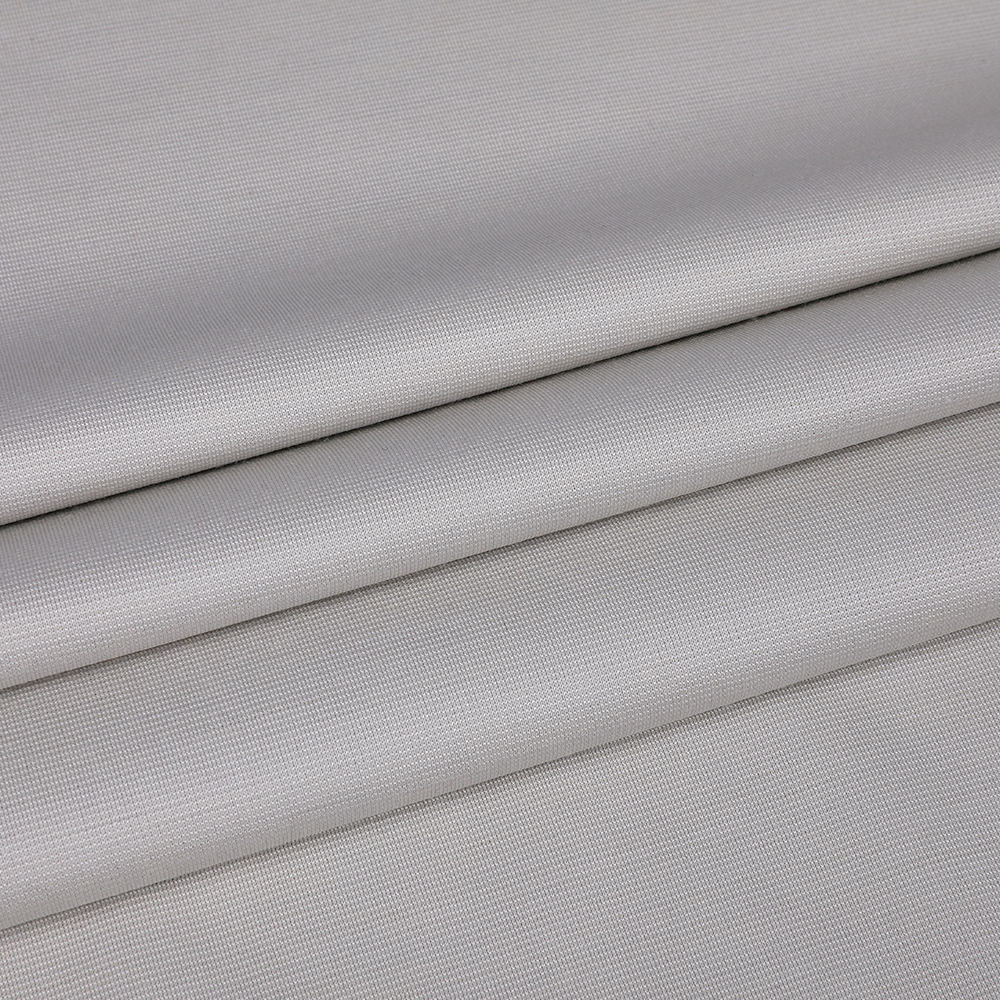 Silk Wool Ponte Roman Knit for Women's ClothingSilk-wool Ponte Roman knit for dresses, jumpers and trousers, combining softness and shape recovery; test a swatch wash before bulk sourcing.View Product →
When you source, ask for a swatch from the lot you would actually receive rather than a showroom sample. Sew a 10 cm seam on it, wash it at the temperature the care label specifies, and check both stitch integrity and finished dimensions. That single test answers more than a specification sheet, and it is worth reviewing a weight and selection guide before narrowing a season's range down to two or three candidates. A mill that documents weight, stretch, recovery, and wash shrinkage per article, as Jinkaiyue does across its knitted fabric ranges, takes a good deal of the guesswork out of sample selection.
Sewing knit fabric becomes routine quickly: ballpoint needle, polyester thread, a stitch that stretches, light hands on the fabric, and steam instead of an iron. Test on a scrap, stabilize the two places that carry load, and the second garment will look noticeably better than the first, whatever the fabric costs per metre.