
 English
 日本語
日本語 中文简体
中文简体
Content
- 1 Material Selection and Blend Optimization
- 2 Structural Engineering and Density Control
- 3 Quality Assurance: Combatting Wear and Tear
- 4 Sustainable Integration in Mass Production
- 5 Strategic Sourcing and Procurement Efficiency
- 6 Frequently Asked Questions (FAQ)
- 6.1 1. How do you ensure low-cost fabrics don't pill easily?
- 6.2 2. What is the ideal weight for a durable promotional t-shirt?
- 6.3 3. Are there affordable options for eco-conscious brands?
- 6.4 4. How does spandex improve the life of the fabric?
- 6.5 5. Why is bulk procurement better for quality control?
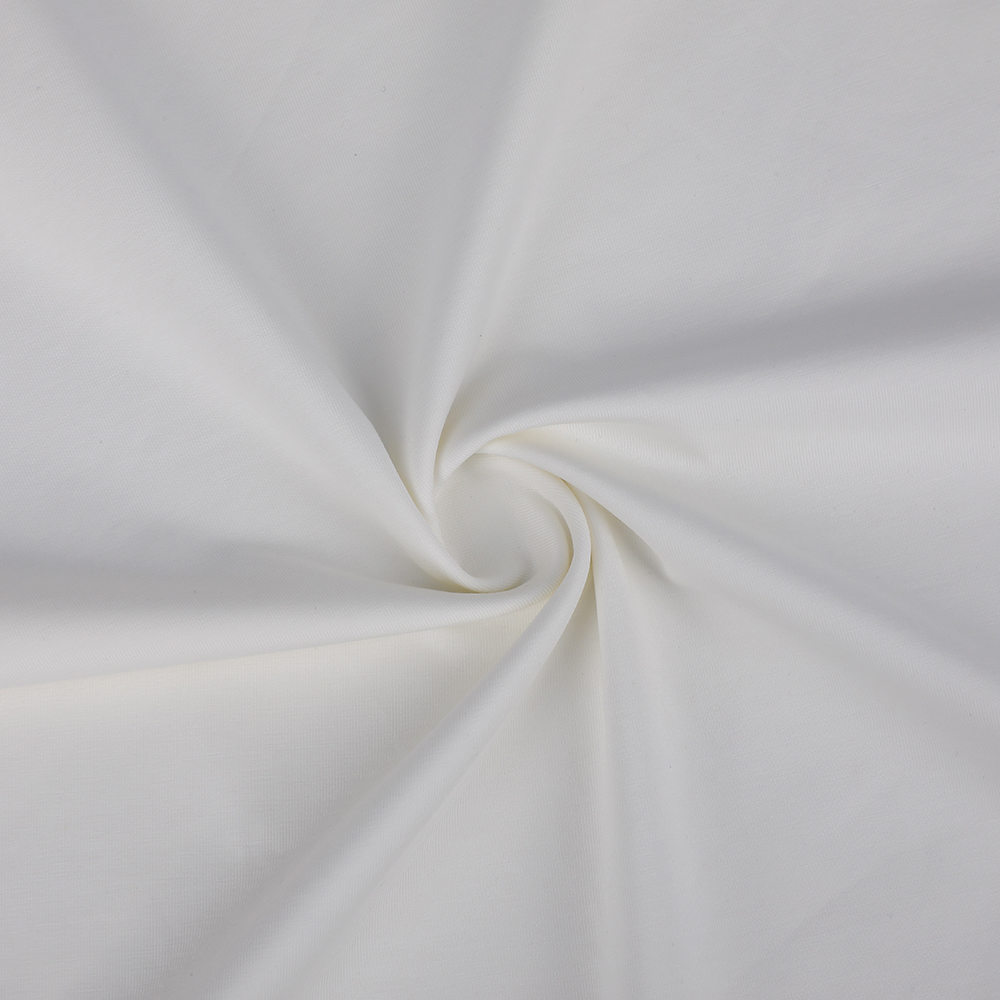
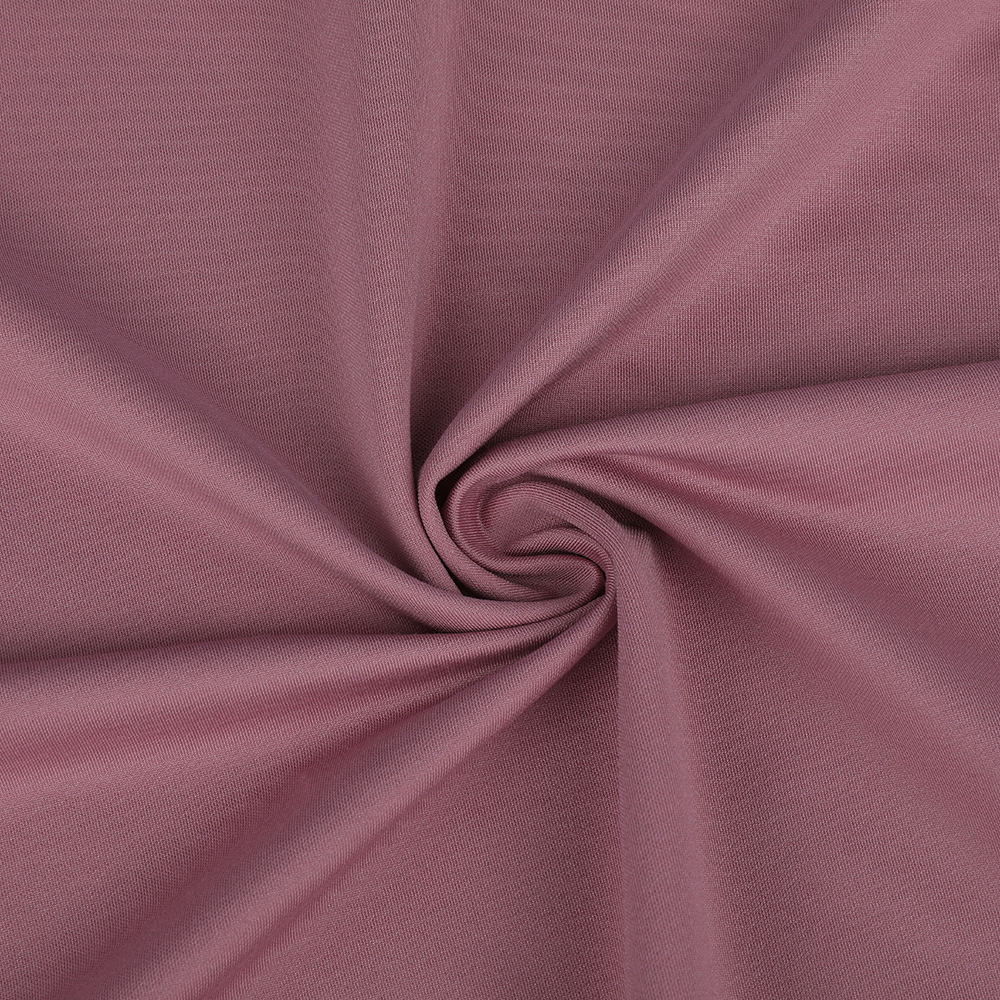
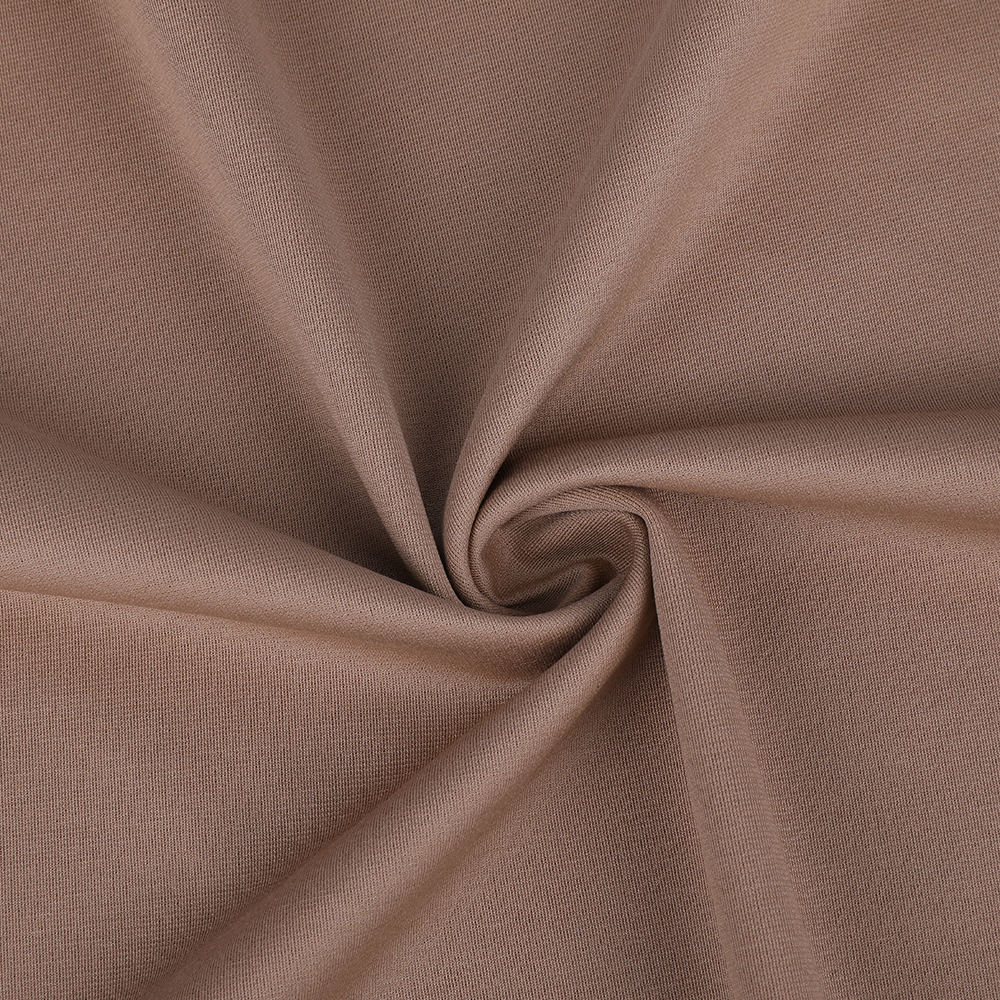
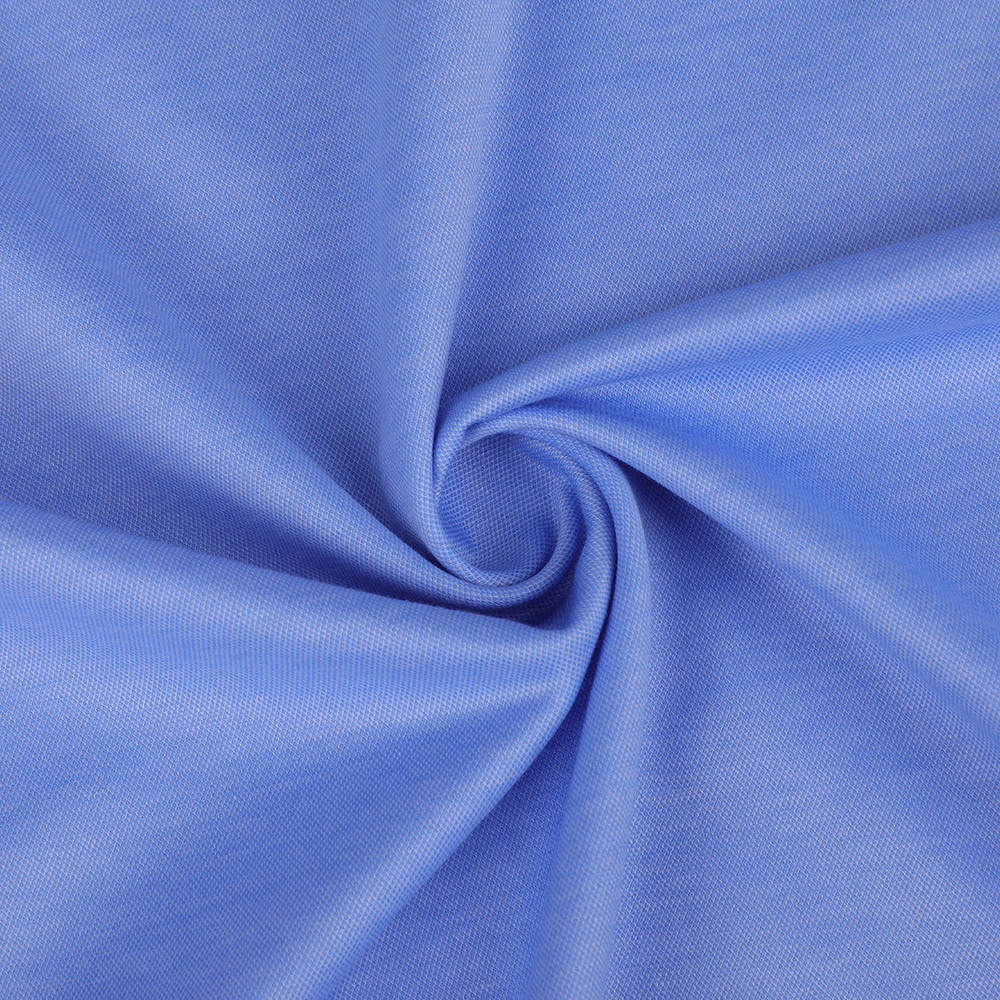
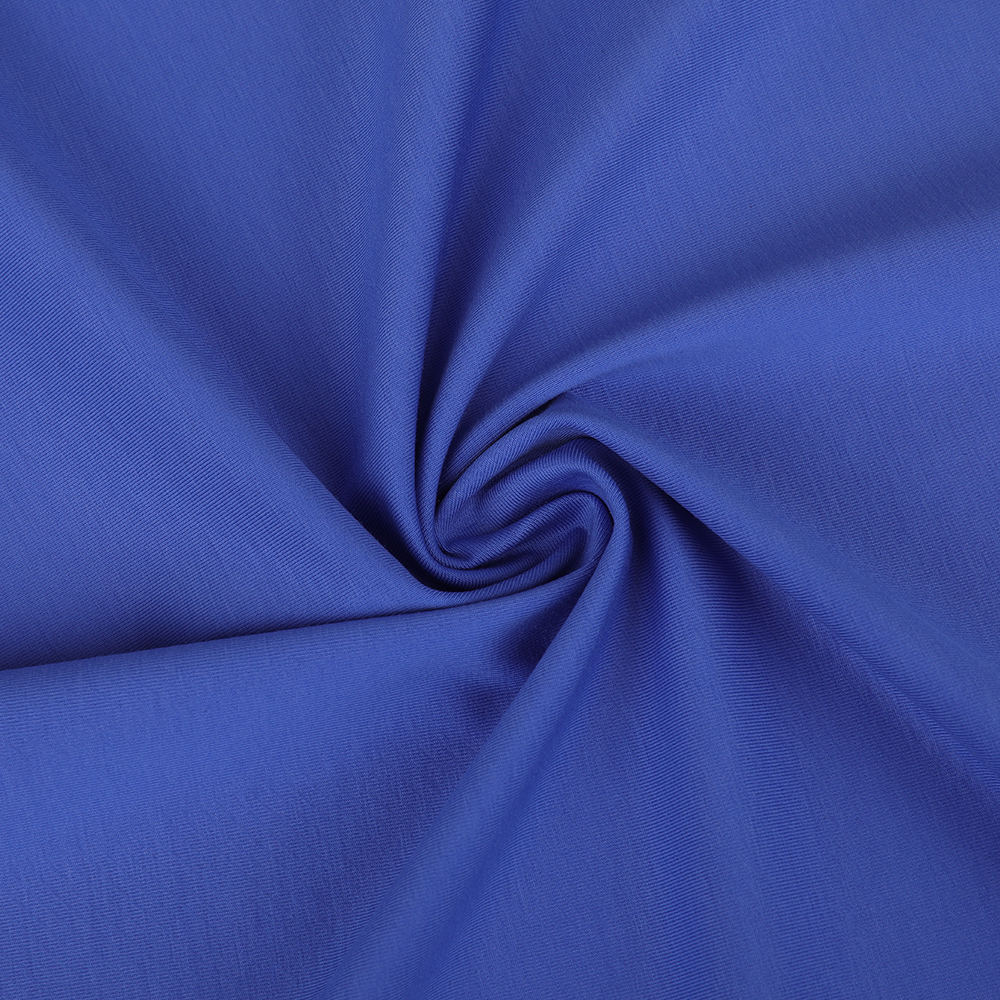
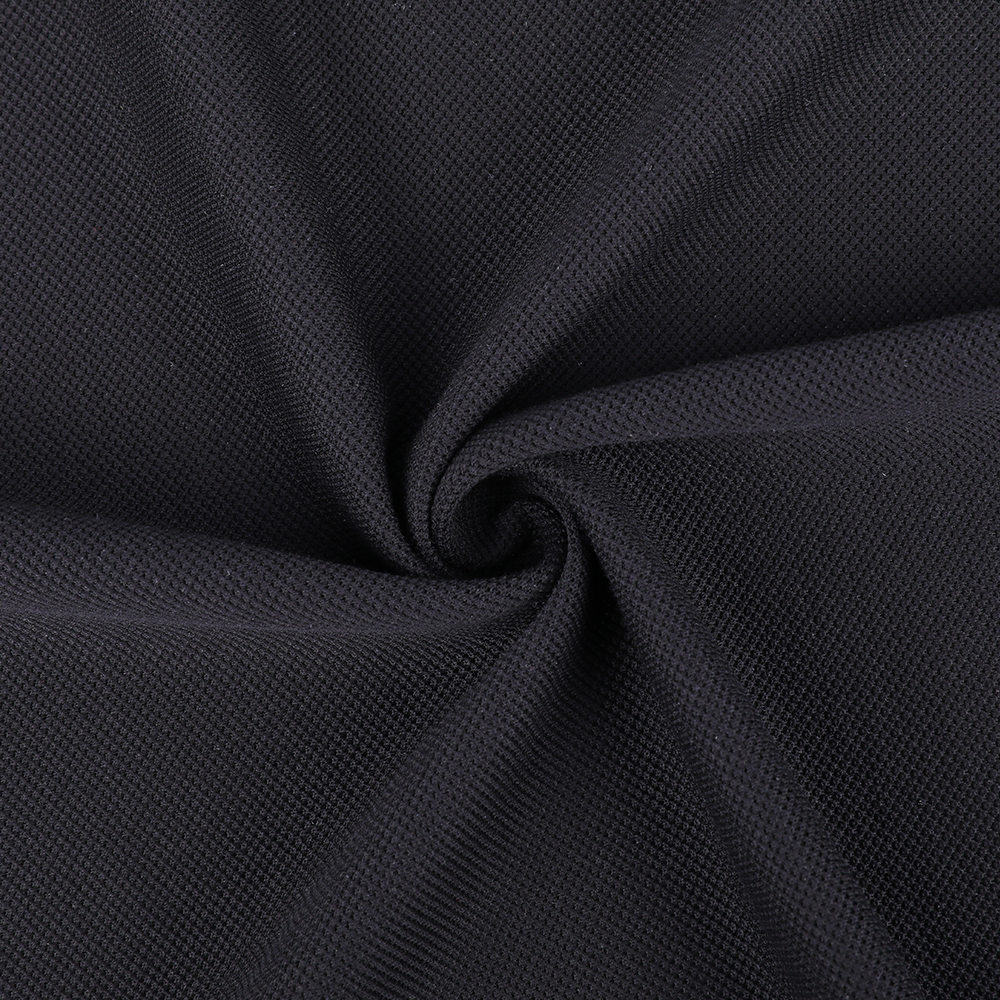
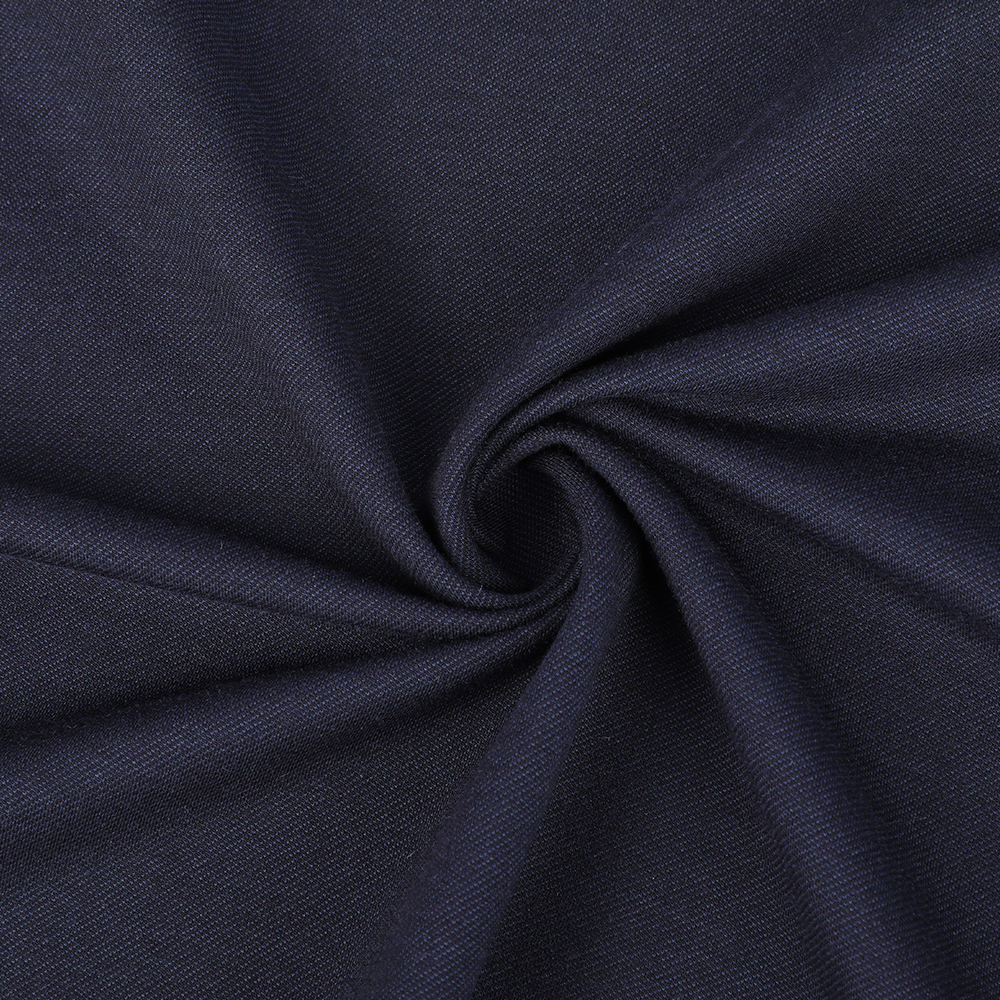
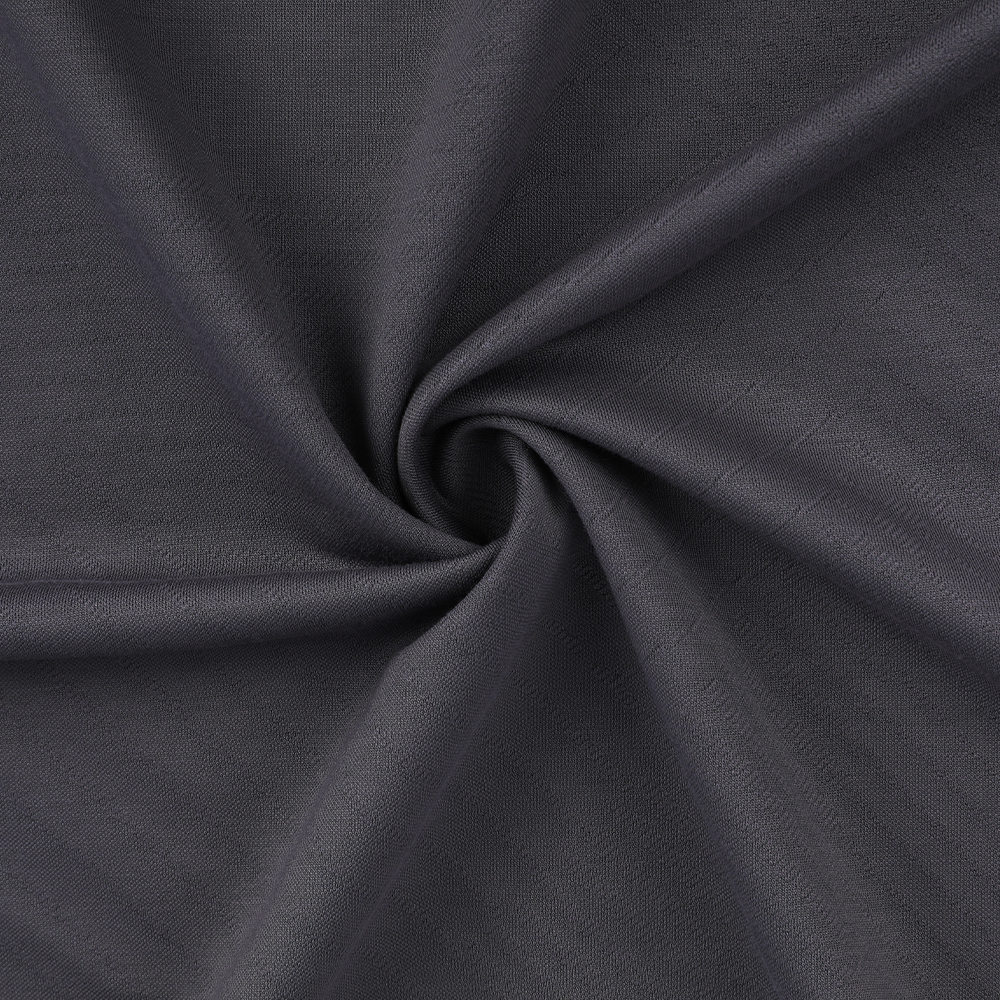
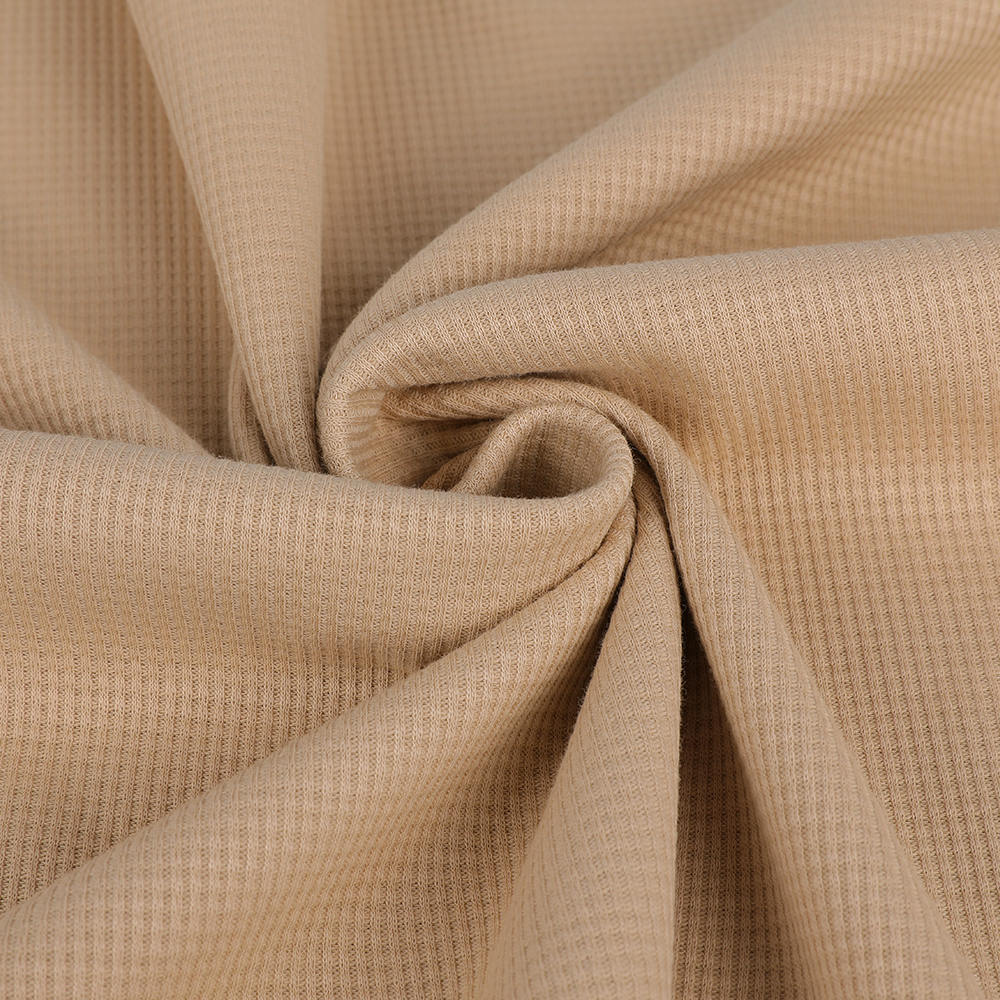
In the global garment industry, the challenge for engineers lies in balancing aggressive cost targets with the mechanical durability required for consumer satisfaction. The production of cheap knit fabric often carries a misconception of low quality; however, in a modern industrial context, "cheap" refers to the optimization of supply chain efficiency and high-speed circular knitting technology. For B2B procurement managers, the goal is to source substrates that offer high dimensional stability and surface integrity while maintaining a competitive price point for mass-market distribution.
Material Selection and Blend Optimization
The foundational step in maintaining durability is the strategic selection of fiber blends. While pure natural fibers are susceptible to price volatility and mechanical wear, synthetic-natural hybrids provide superior resilience. For instance, producing cheap knit fabric with high spandex content for activewear allows manufacturers to achieve excellent elastic recovery and tensile strength. By blending polyester with spandex, the fabric gains resistance to permanent deformation and wrinkling, which are common failure points in 100% cotton alternatives.
In terms of performance, polyester-spandex blends provide nearly double the elastic recovery rate of pure cotton while significantly reducing the raw material cost per kilogram.
| Fiber Composition | Elastic Recovery (After 30 mins) | Tensile Strength (N) | Relative Material Cost |
| 100% Natural Cotton | 85% - 88% | ~200 N | High |
| Cheap Knit Fabric (Poly-Spandex) | 96% - 98% | ~450 N | Low to Moderate |
Structural Engineering and Density Control
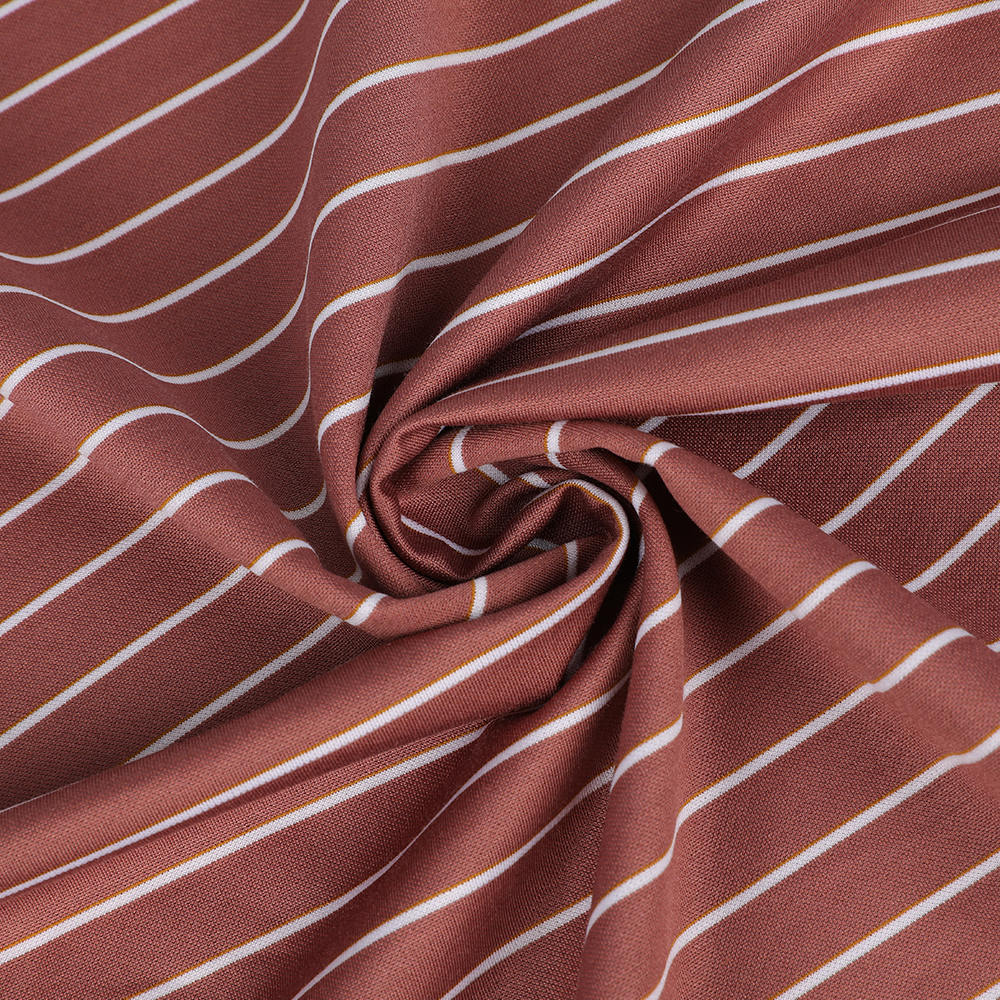
Durability in knitwear is heavily influenced by the Grams per Square Meter (GSM) and the tightness of the knit loop. Establishing durable cheap knit fabric gsm standards for t-shirts is essential for ensuring that the garment survives repeated industrial laundering. According to a 2024 technical report by the International Textile and Clothing Bureau (ITCB), the adoption of high-speed, 28-gauge or 32-gauge circular knitting machines has enabled manufacturers to produce denser fabrics with finer yarns, improving burst strength without increasing the weight of the material.
Source: ITCB - Global Textile Manufacturing Technology Trends 2024
Quality Assurance: Combatting Wear and Tear
Surface degradation, particularly pilling, is a primary concern for high-volume textiles. Manufacturers utilize advanced finishing techniques, such as singeing or cellulase enzyme treatments, to remove protruding fibers that cause friction-induced knots. Modern cheap knit fabric pilling resistance test results show that even value-engineered fabrics can achieve a Grade 4 rating (on a scale of 1-5) when treated with specialized anti-pilling agents during the dyeing process.
Surface Finishing Technologies
While traditional low-cost fabrics often bypass secondary finishing, modern high-volume facilities integrate bio-polishing to ensure long-term aesthetic retention. This process enzymatically removes micro-fibrils, resulting in a smoother hand-feel and significantly reduced fuzzing after domestic washing.
| Finishing Process | Pilling Grade (ISO 12945-2) | Surface Appearance After 20 Washes |
| Standard Unfinished Knit | Grade 2.0 (Heavy Pilling) | Significant Fuzzing |
| Bio-Polished Cheap Knit Fabric | Grade 4.0 (Minimal Pilling) | Smooth / Clean |
Sustainable Integration in Mass Production
The market is increasingly demanding sustainable cheap knit fabric options for eco-friendly brands. By utilizing recycled polyester (rPET) and pre-consumer recycled cotton, manufacturers can meet environmental compliance standards without a substantial increase in wholesale pricing. These recycled fibers are often engineered to have longer staple lengths than virgin waste, providing the mechanical strength necessary for durable apparel.
Strategic Sourcing and Procurement Efficiency
Efficiency in the B2B sector is found through wholesale cheap knit fabric for bulk clothing production. By optimizing the "greige" fabric inventory and utilizing automated color-matching systems, factories reduce dye-lot variance and waste. Procurement models that focus on planned bulk production orders rather than spot-buying allow for tighter control over the physical properties of the knit, ensuring that every batch meets the required technical specifications.
| Procurement Model | Cost Advantage | Batch Consistency | Lead Time |
| Spot Market Buying | None (Market Price) | Variable | Short (Immediate) |
| Bulk Planned Production | 15% - 20% Reduction | High (Monitored) | Moderate (4-6 Weeks) |
About Our Manufacturing Standards
Our company specializes in the high-volume production of cheap knit fabric, focusing on the intersection of cost-efficiency and industrial-grade durability. We operate advanced circular knitting facilities equipped with real-time tension monitoring and bio-polishing units. By maintaining a robust supply of high-tenacity yarns and sustainable fibers, we provide B2B clients with reliable textile solutions that meet stringent pilling and shrinkage standards, ensuring a high ROI for mass-market apparel brands.
Frequently Asked Questions (FAQ)
1. How do you ensure low-cost fabrics don't pill easily?
We rely on cheap knit fabric pilling resistance test results to guide our finishing. By applying bio-polishing enzymes during the wet processing stage, we remove the surface fuzz that leads to pilling, achieving high grades even at lower price points.
2. What is the ideal weight for a durable promotional t-shirt?
According to durable cheap knit fabric gsm standards for t-shirts, a weight of 180 to 200 GSM provides the best balance of opacity, durability, and cost-effectiveness for bulk production.
3. Are there affordable options for eco-conscious brands?
Yes, we offer sustainable cheap knit fabric options for eco-friendly brands using recycled polyester and organic cotton blends. These materials allow brands to meet green mandates while staying within budget.
4. How does spandex improve the life of the fabric?
Choosing cheap knit fabric with high spandex content for activewear ensures the garment maintains its shape. Spandex prevents the "bagging" effect at elbows and knees, extending the wearable life of the clothing.
5. Why is bulk procurement better for quality control?
Ordering wholesale cheap knit fabric for bulk clothing production allows for consistent yarn sourcing and standardized dyeing cycles. This reduces batch-to-batch variation in color fastness and shrinkage compared to buying small lots.