
 English
 日本語
日本語 中文简体
中文简体
Content
- 1 1. Why is a Silk Cotton Blend the Smart Choice for High-End Custom Shirts?
- 2 2. A Buyer's Map: Locking Down the Ideal Silk Cotton Fabric for Your Needs
- 3 3. From Design to Doorstep: The Complete Workflow for Ordering Custom Fabric Online
- 4 4. For the Professional: A Commercial Guide to Bulk Silk Cotton Fabric Sourcing
- 5 FAQ
1. Why is a Silk Cotton Blend the Smart Choice for High-End Custom Shirts?
The pursuit of the perfect shirt fabric often leads to a classic dilemma: the luxurious feel of silk versus the practical comfort of cotton. However, the most discerning designers and shirt aficionados know that the true sweet spot lies in the synergy of a silk cotton blend fabric for custom shirts. This material is not merely a compromise; it is an engineered upgrade, designed to deliver the best of both worlds. By weaving these two distinct fibers together, you get a textile that possesses a subtle, sophisticated sheen from the silk, while retaining the breathability, moisture-wicking, and structural integrity that makes cotton the perennial king of shirting. This unique combination results in a garment that feels exceptionally soft against the skin, drapes elegantly across the body without clinging, and maintains a crisp, professional appearance throughout the day. It is the definitive choice for those who refuse to sacrifice comfort for style.
- Luxurious Aesthetic: The silk component imparts a subtle luster and a fluid drape, elevating the shirt's visual appeal beyond that of standard cotton.
- Enhanced Comfort: Cotton provides a breathable, soft base, while silk adds a smooth, cool-to-the-touch sensation, preventing the sticky feel often associated with synthetic blends.
- Superior Durability: The tensile strength of cotton fibers reinforces the more delicate silk, creating a fabric that is both beautiful and resilient enough for regular wear.
2. A Buyer's Map: Locking Down the Ideal Silk Cotton Fabric for Your Needs
Navigating the world of Custom Silk Cotton Shirt Fabric requires more than just an appreciation for its feel; it demands an understanding of how specific characteristics align with your intended use. The perfect fabric for a breathable summer shirt is vastly different from one intended for a formal, year-round garment. To make an informed choice, you must look beyond the blend itself and consider key metrics like weave, weight, and the origin of the fibers. For instance, the best silk cotton shirt fabric for summer will prioritize lightness and air permeability, often featuring a looser weave and a higher cotton content. Conversely, for a luxurious, statement piece, you might explore fabrics with a higher silk ratio or those made from premium long-staple cotton. Understanding these nuances is the key to moving from a generic purchase to a truly custom selection that perfectly matches your lifestyle and aesthetic goals.
2.1 Scenario 1: For Cool Summer Dressing, What to Choose?
When the temperature rises, your shirt's performance becomes paramount. The ideal summer silk cotton blend fabric for custom shirts should feel like a second skin—light, airy, and moisture-wicking. Look for fabrics with a weight between 120-140 gsm (grams per square meter). Heavier fabrics will trap heat. In terms of weave, a plain weave is the most breathable option, while variations like a fine pique or seersucker can introduce texture and further enhance airflow by lifting the fabric off the skin. A blend ratio favoring cotton, such as 70% cotton and 30% silk, often provides the best balance of coolness and a touch of luxury sheen.
2.2 Scenario 2: For Ultimate Luxury, What to Choose?
For those seeking the pinnacle of shirting opulence, the conversation inevitably turns to the quality of the raw materials. This is where the giza silk cotton shirt fabric properties come into play. Giza cotton, cultivated in the Nile Delta, is an extra-long-staple cotton renowned for its incredible softness, strength, and luster. When this elite fiber is blended with high-quality mulberry silk, the result is unparalleled. The fabric exhibits a deep, rich luster, a silky hand-feel, and a drape that is simply sublime. It's a choice that speaks to a deep appreciation for craftsmanship and a desire for the very best nature can offer.
2.3 Decoding Key Metrics: Yarn Count, Density, and Hand-Feel
To truly shop like an expert, you must understand the language of textiles. Yarn count (e.g., 100s, 120s) refers to the fineness of the yarn; higher numbers mean finer, smoother, and more lustrous yarns. Fabric density or thread count is the number of threads per square inch. A high-density fabric will be more durable and less transparent, but if too high, it can compromise breathability. Finally, the hand-feel is the subjective, tactile experience of the fabric—its softness, smoothness, and weight. The best way to judge this is to always order a swatch before committing to a full purchase.
| Attribute | Summer Performance Fabric | Luxury All-Season Fabric |
| Typical Weight (gsm) | 120 - 140 | 150 - 180 |
| Recommended Weave | Plain Weave, Pique, Seersucker | Twill, Fine Plain Weave, Dobby |
| Silk/Cotton Ratio | 30/70 or 40/60 | 45/55 or 50/50 |
| Key Property | Maximum Breathability | Lustrous Drape & Rich Feel |
3. From Design to Doorstep: The Complete Workflow for Ordering Custom Fabric Online
The digital age has made sourcing unique materials easier than ever, but how to order custom fabric for shirts online still requires a structured approach to ensure success. The process transforms a virtual idea into a tangible product, and attention to detail at each step is crucial. It begins with a crystal-clear vision of your design and ends with the final inspection of the delivered fabric. This workflow bridges the gap between your creative concept and the physical material, empowering you to take full control of your custom shirt project. By following a clear sequence, you can mitigate common pitfalls like color misinterpretation, incorrect specifications, or unsatisfactory quality, ensuring the final fabric is exactly what you envisioned.
3.1 Step 1: Define Your Design Specifications Clearly
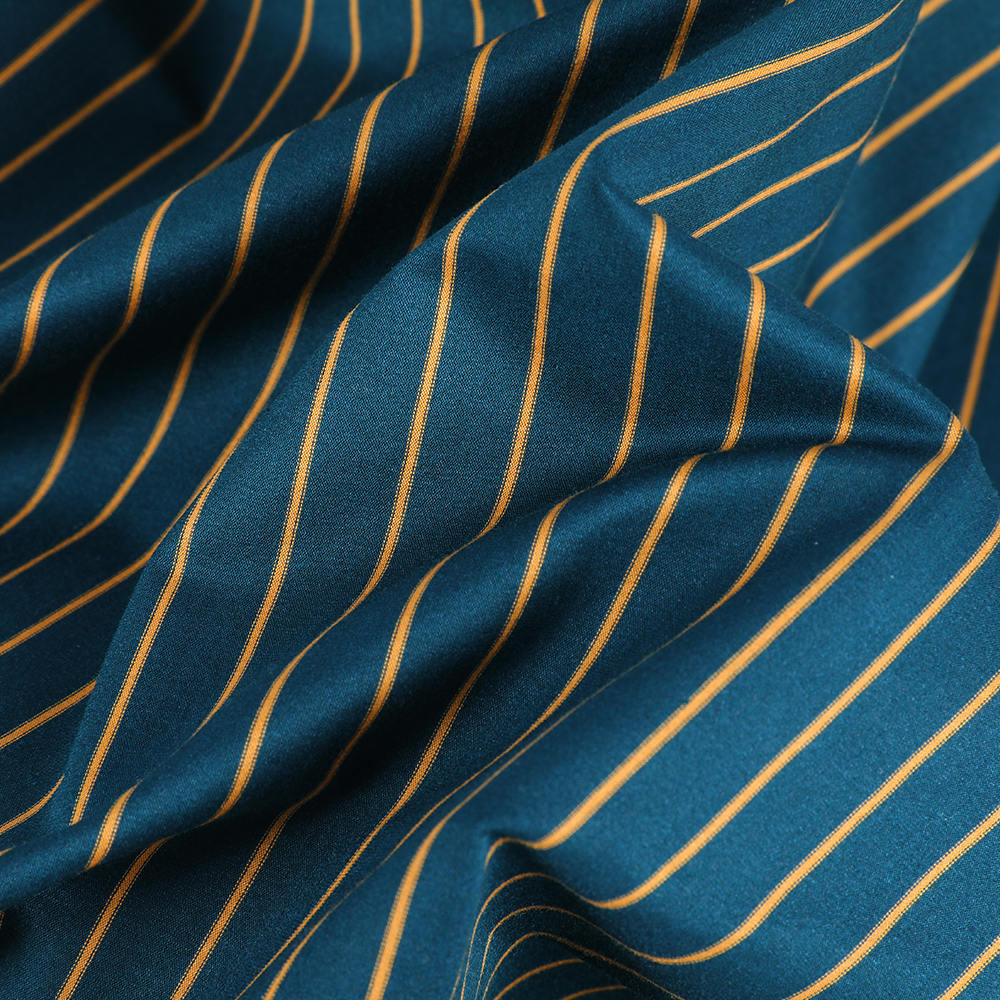
Before you even begin browsing suppliers, you must have a detailed brief. This includes not just the color and pattern, but also the technical specifications. Are you looking for a solid color, a stripe, a check, or a custom print? What is the desired silk cotton blend fabric for custom shirts ratio? Do you need any special finishes, such as anti-wrinkle or a soft-wash treatment? Providing a Pantone color code is the industry standard for ensuring color accuracy. The more precise your specifications, the less room there is for error.
3.2 Step 2: Request Samples and Evaluate Them Rigorously
Never rely on a screen image alone. A digital photo cannot convey the true hand-feel, weight, drape, or subtle color undertones of a fabric. Always request physical samples (swatches). When you receive them, evaluate them under natural light. Feel the texture against your skin. Crumple a small corner in your hand to see how it wrinkles. If possible, wash a small piece to test for shrinkage and colorfastness. This step is non-negotiable for ensuring the final product meets your quality standards.
3.3 Step 3: Placing the Order and Key Communication Points
Once you've approved the sample, it's time to place your order. This is where clear communication is vital. Confirm all details in writing with the supplier: the exact quantity, total price including shipping, estimated production lead time, and shipping method. Clarify the acceptable tolerance for color variation and any other quality metrics. Establish a clear point of contact for any questions that may arise during production. A written confirmation protects both you and the supplier and ensures a smooth transaction.
4. For the Professional: A Commercial Guide to Bulk Silk Cotton Fabric Sourcing
For shirt makers, fashion brands, and independent designers, sourcing wholesale silk cotton fabric for shirt makers is a commercial endeavor that goes beyond simple aesthetics. It's about finding a reliable supply chain partner who can deliver consistent quality, on-time delivery, and competitive pricing. This process requires a shift in mindset from a single purchase to a long-term business relationship. Due diligence is paramount, as your supplier's performance directly impacts your production schedules, product quality, and brand reputation. A thorough vetting process, clear commercial agreements, and a focus on partnership are the cornerstones of successful wholesale fabric sourcing, ensuring your creative vision can be scaled reliably and profitably.
4.1 How to Vet a Fabric Supplier's Reliability?
Begin your evaluation by checking for industry-recognized certifications like OEKO-TEX or GOTS, which indicate a commitment to environmental and social standards. Ask for their company profile, information about their manufacturing facilities, and a list of past or current clients you could potentially contact. Request bulk samples of the Custom Silk Cotton Shirt Fabric you are interested in and test them for consistency across different batches. A reliable supplier will be transparent, responsive, and willing to provide all necessary documentation to build trust.
4.2 Understanding MOQ and Price Tiers
Minimum Order Quantity (MOQ) is a fundamental concept in wholesale. It's the smallest amount of fabric a supplier is willing to produce in a single run. MOQs can vary dramatically based on the complexity of the fabric and the supplier's setup. Similarly, pricing is often tiered; the more you buy, the lower the price per meter or yard. When budgeting, be sure to factor in not just the base fabric cost but also shipping, customs duties, and any potential agent fees. Understanding these commercial levers is essential for accurate cost calculation and pricing your final garments.
4.3 The Secret to Building a Long-Term Partnership
The most successful brands don't just buy from suppliers; they build partnerships. This starts with clear communication, fair payment terms, and mutual respect. Share your production forecasts with your supplier to help them plan their capacity. Provide constructive feedback on their products. By treating them as a strategic partner rather than a mere vendor, you gain a collaborator who is invested in your success. This can lead to preferential treatment during shortages, collaborative development of new fabrics, and a more stable and resilient supply chain for your business.
FAQ
Is silk cotton blend good for shirts?
Absolutely. A silk cotton blend fabric for custom shirts is an excellent choice because it masterfully combines the best attributes of both fibers. It offers the breathable comfort and durability of cotton with the luxurious sheen, softness, and drape of silk. This results in a shirt that is not only comfortable for all-day wear but also has a refined, elegant appearance that elevates any outfit.
How do you care for a silk cotton shirt?
Caring for a silk cotton blend requires a gentle approach to preserve its unique properties. We recommend hand washing in cold water with a mild detergent or using a machine's delicate cycle with a mesh laundry bag. Avoid harsh chemicals and bleach. To dry, gently roll the shirt in a towel to remove excess water and then lay it flat or hang it away from direct sunlight. Iron on a low to medium heat setting, preferably while the shirt is still slightly damp.
What is a good thread count for silk cotton fabric?
While thread count is a metric, for quality blends like Custom Silk Cotton Shirt Fabric, the yarn count and the quality of the fibers are more important indicators. A high-quality shirt fabric will typically have a single-ply yarn count of 100s to 140s. A thread count in the range of 120-180 threads per square inch is generally considered very good, offering a balance of durability, softness, and breathability without feeling heavy or stiff.
Is silk cotton fabric expensive?
Yes, Custom Silk Cotton Shirt Fabric is generally more expensive than 100% cotton or synthetic fabrics. The cost is driven by the price of raw silk, which is a luxury commodity, and the more complex weaving process required to blend two different fibers effectively. However, the superior comfort, durability, and aesthetic appeal often justify the higher investment for those seeking a premium, long-lasting garment.
Which is better: silk cotton or linen for summer?
Both are excellent choices for summer, but they offer different experiences. Linen is arguably the most breathable fabric, known for its excellent moisture-wicking and relaxed, casual look. However, it wrinkles very easily. The best silk cotton shirt fabric for summer offers a more refined, elegant alternative. It is highly breathable and comfortable, drapes more smoothly, and resists wrinkling better than linen, making it a more versatile choice for both business and casual summer settings.