
 English
 日本語
日本語 中文简体
中文简体
Content
- 1 Exploring the Benefits of Jacquard Mercerized Knit Fabric for Sensitive Skin
- 2 Understanding the Unique Properties of High-Quality Transfer Printing Knitted Fabric
- 3 Distinguishing Between Jacquard and Plain Knit Fabric Constructions
- 4 The Reasons for Choosing Mercerized Cotton in Activewear Knitting
- 5 A Practical Guide to Caring for Your Transfer Knitted Garments
Exploring the Benefits of Jacquard Mercerized Knit Fabric for Sensitive Skin
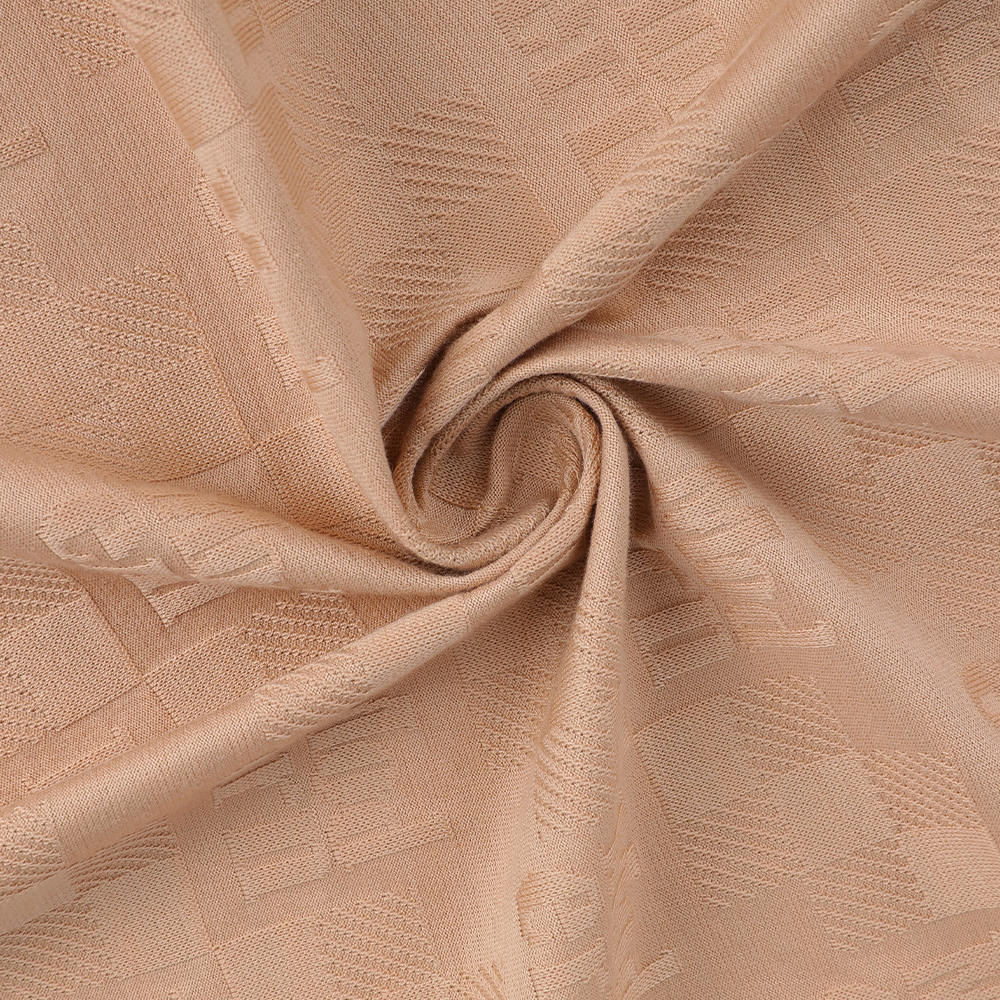
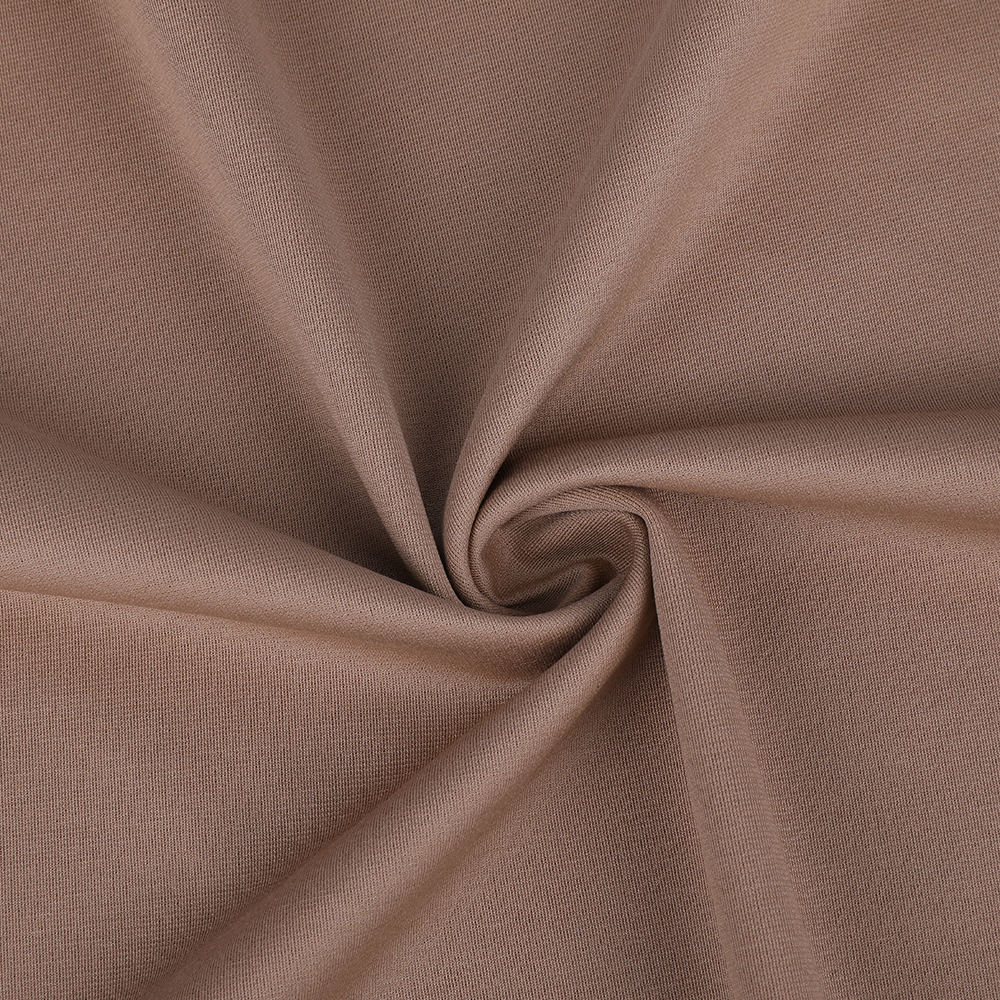
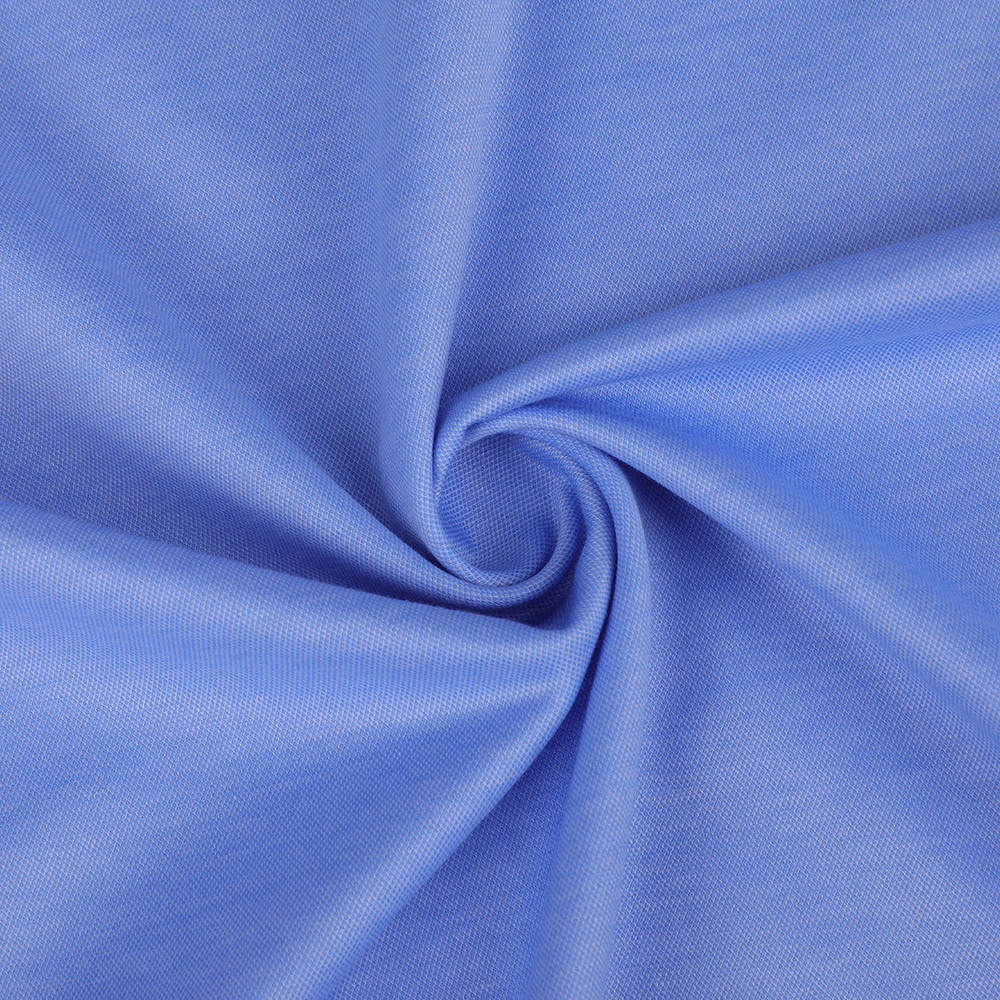
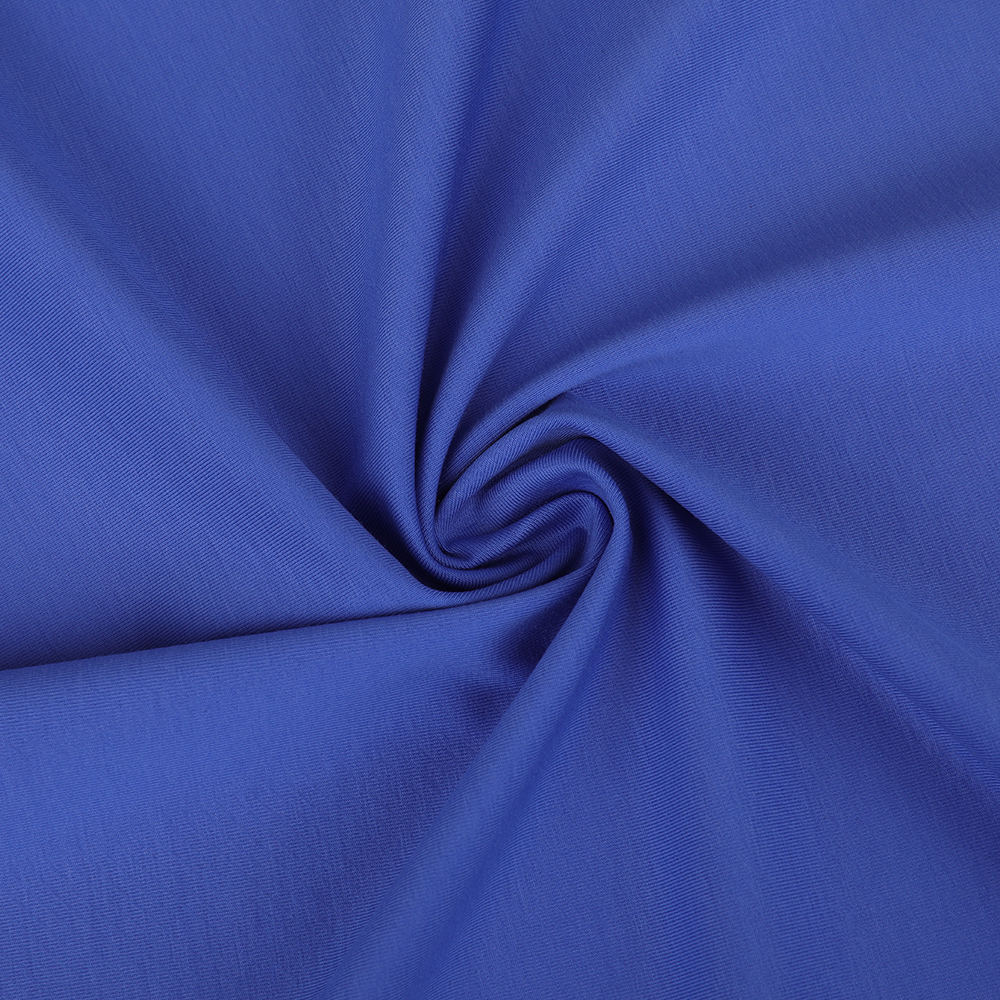
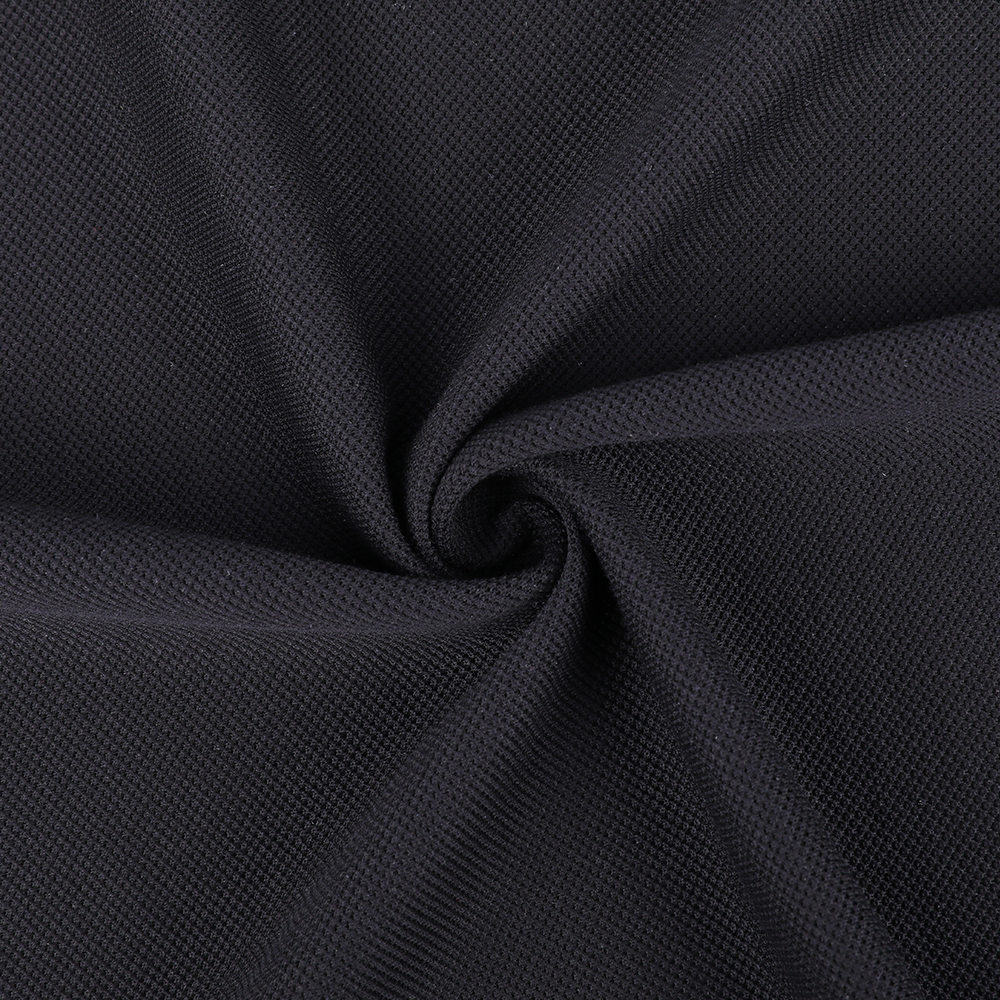
Individuals with sensitive skin often struggle to find textiles that provide comfort without causing irritation, which is where the specific construction of jacquard mercerized knit fabric becomes highly advantageous. The mercerization process is a crucial element here, as it treats the cotton yarns with a sodium hydroxide solution that fundamentally enhances the fiber's structure. This treatment not only increases the fabric's strength and lustrous sheen but also significantly improves its smoothness by removing the tiny protruding fibers that can cause friction and discomfort against delicate skin. Furthermore, the jacquard knitting technique allows for the creation of intricate, textured patterns directly into the fabric without the use of additional, potentially irritating appliqués or chemical prints. The result is a material that is inherently soft, highly breathable, and physically smoother than standard cottons, making it a superior choice for those who require gentle contact with their clothing throughout the day.
Understanding the Unique Properties of High-Quality Transfer Printing Knitted Fabric
Transfer printing is a specialized method for applying designs to fabric, and its success is heavily dependent on the base material's characteristics, with mercerized knitted fabrics serving as an excellent canvas. This printing technique involves transferring a design from a paper carrier to the fabric using heat and pressure, which allows for exceptionally detailed and vibrant patterns to be embedded into the fibers. The pre-smoothing achieved through mercerization ensures that the fabric surface is uniform, enabling a crisp and consistent image transfer without any blurring or patchiness that can occur on textured or uneven surfaces. Moreover, because the dye sublimates and penetrates the fiber rather than sitting on top as a thick layer, the printed design becomes an integral part of the fabric. This process preserves the natural stretch, breathability, and soft hand-feel of the underlying knit, preventing the stiffness or cracking that is common with other printing methods, thereby maintaining the comfort and durability of the garment.
Distinguishing Between Jacquard and Plain Knit Fabric Constructions
The fundamental difference between jacquard and plain knit fabrics lies in the complexity of their knitting patterns and the machinery required to produce them. A plain knit, often referred to as a single jersey, is the most basic form of knitting, creating a uniform texture on the front with a distinctive purl stitch appearance on the back; it is simple to produce, highly elastic, and commonly used for T-shirts and basic leggings. In contrast, jacquard knitting utilizes advanced machinery with multiple yarn feeders to create intricate, pre-programmed patterns like florals, geometric shapes, or even complex images directly into the fabric structure. This technique produces a textile that is often thicker, more structured, and less elastic than a plain knit, but it offers unparalleled design possibilities without compromising the integrity of the yarn. The patterns in jacquard fabric are not printed on but are knit in, meaning they are reversible and will not fade or peel away, offering both aesthetic depth and long-lasting quality.
The Reasons for Choosing Mercerized Cotton in Activewear Knitting
The selection of mercerized cotton for activewear represents a significant upgrade from conventional cotton, addressing some of the latter's key limitations while enhancing its natural benefits. Traditional cotton is praised for its softness and breathability but is notorious for absorbing moisture and retaining it, leading to a heavy, cold, and clingy feeling during physical activity. The mercerization process alters the cotton fiber at a molecular level, making it more receptive to dyes and resulting in brighter, more colorfast garments, but more importantly for activewear, it creates a smoother, stronger yarn with a slight increase in moisture-wicking potential. While not matching synthetic performance fibers in wicking, mercerized cotton moves moisture more effectively than its untreated counterpart and dries faster. Combined with its exceptional softness and reduced propensity for pilling, mercerized cotton in knit activewear provides a comfortable, odor-resistant, and durable option for low to medium-impact activities where comfort and skin-feel are paramount.
A Practical Guide to Caring for Your Transfer Knitted Garments
Maintaining the appearance and comfort of garments made from transfer knitted fabric requires a specific care regimen to protect the printed design and the fabric's integrity over time. It is always recommended to first consult the care label on the garment for manufacturer-specific instructions, as these will provide the most accurate guidance. Generally, washing inside out in cold water on a gentle cycle with mild detergents helps to minimize abrasion and protect the vibrant transferred print from premature fading. Avoiding bleach and fabric softeners is crucial, as harsh chemicals can break down the dyes and the fibers, while softeners can deposit a residue that diminishes the fabric's breathability and soft hand-feel. For drying, the safest method is to air dry the garment flat away from direct sunlight; if machine drying is necessary, using the lowest heat setting and removing the item while it is still slightly damp can prevent excessive shrinkage and damage from high heat, which can cause the print to crack or the fabric to become stiff.