
 English
 日本語
日本語 中文简体
中文简体
Content
- 1 The Engineering Marvel of Knitted Constructions
- 2 A Detailed Taxonomy of Knitted Shirt Fabrics
- 3 Critical Factors for Selecting the Ideal Knitted Shirt Fabric
- 4 The Art and Science of Caring for Knitted Shirts
- 5 The Unmatched Benefits of Choosing Knitted Fabrics
- 6 Exploring Premium Varieties of Knitted Shirt Fabrics
- 7 The Future of Knitted Shirt Fabrics
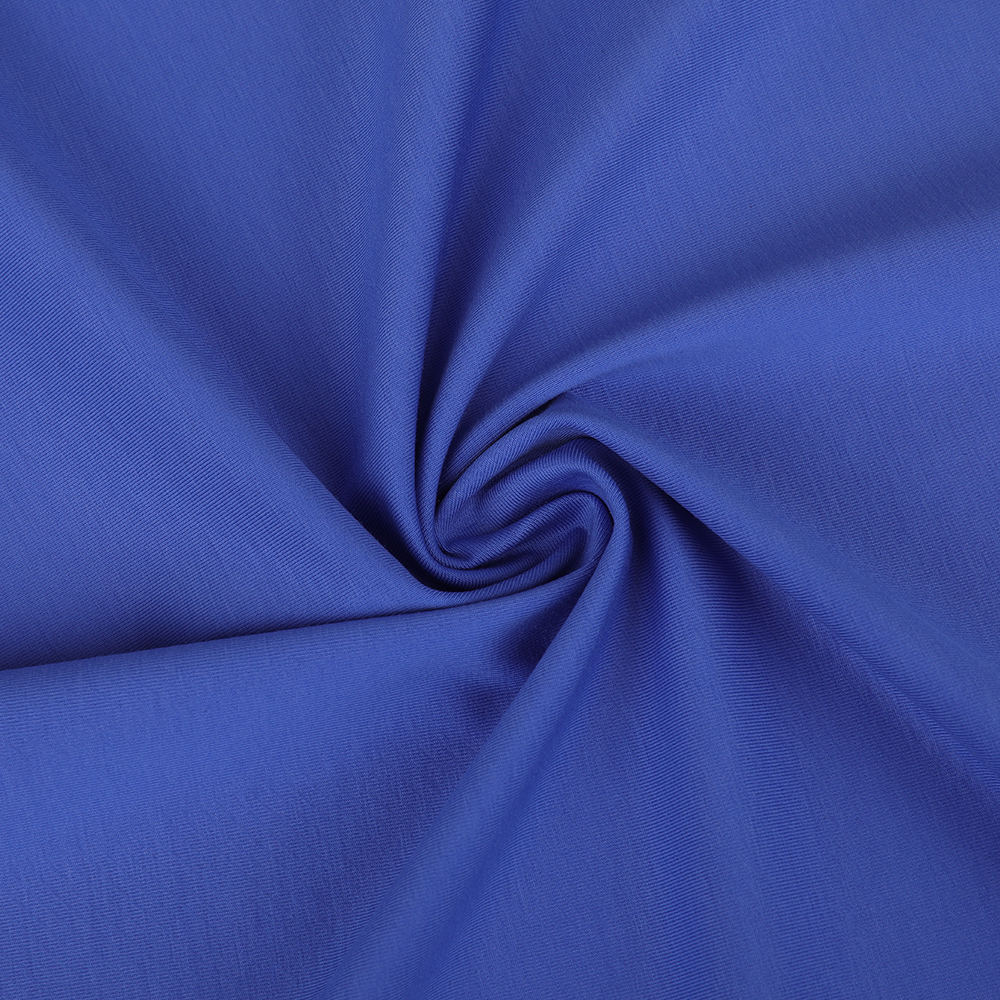
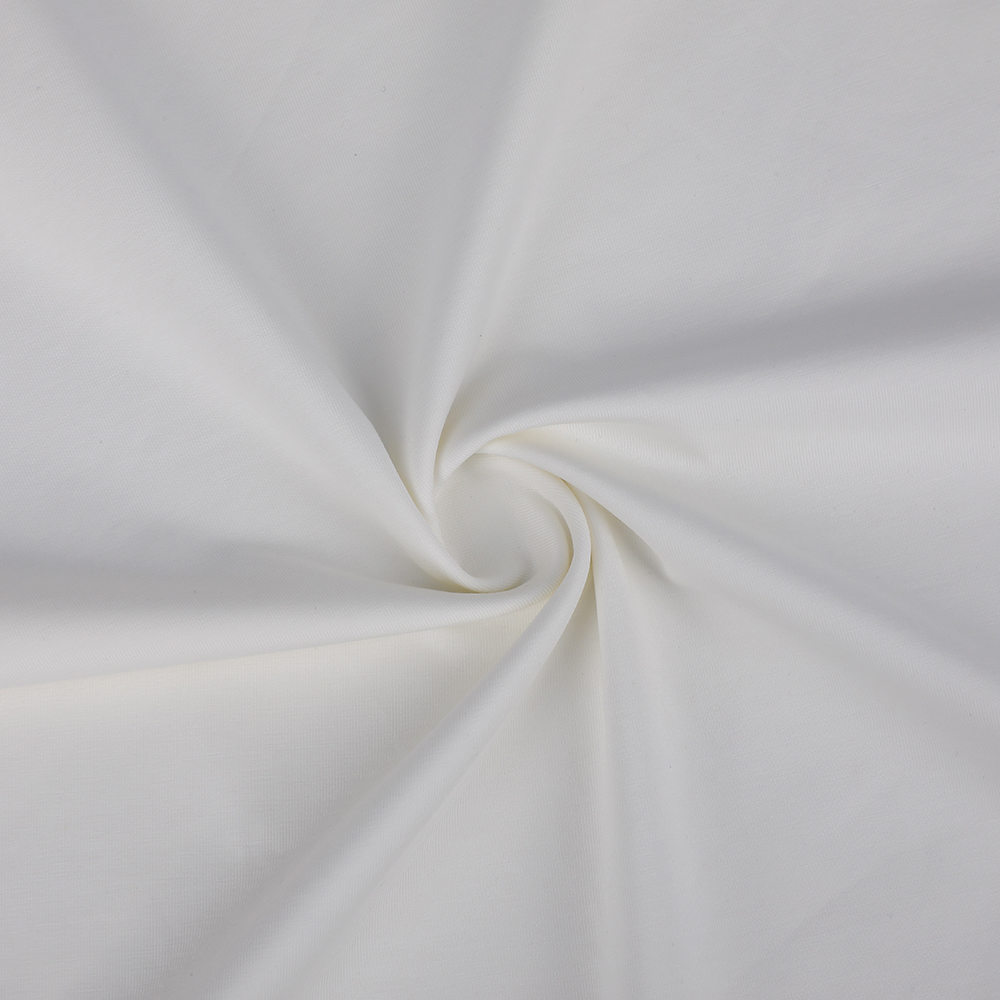
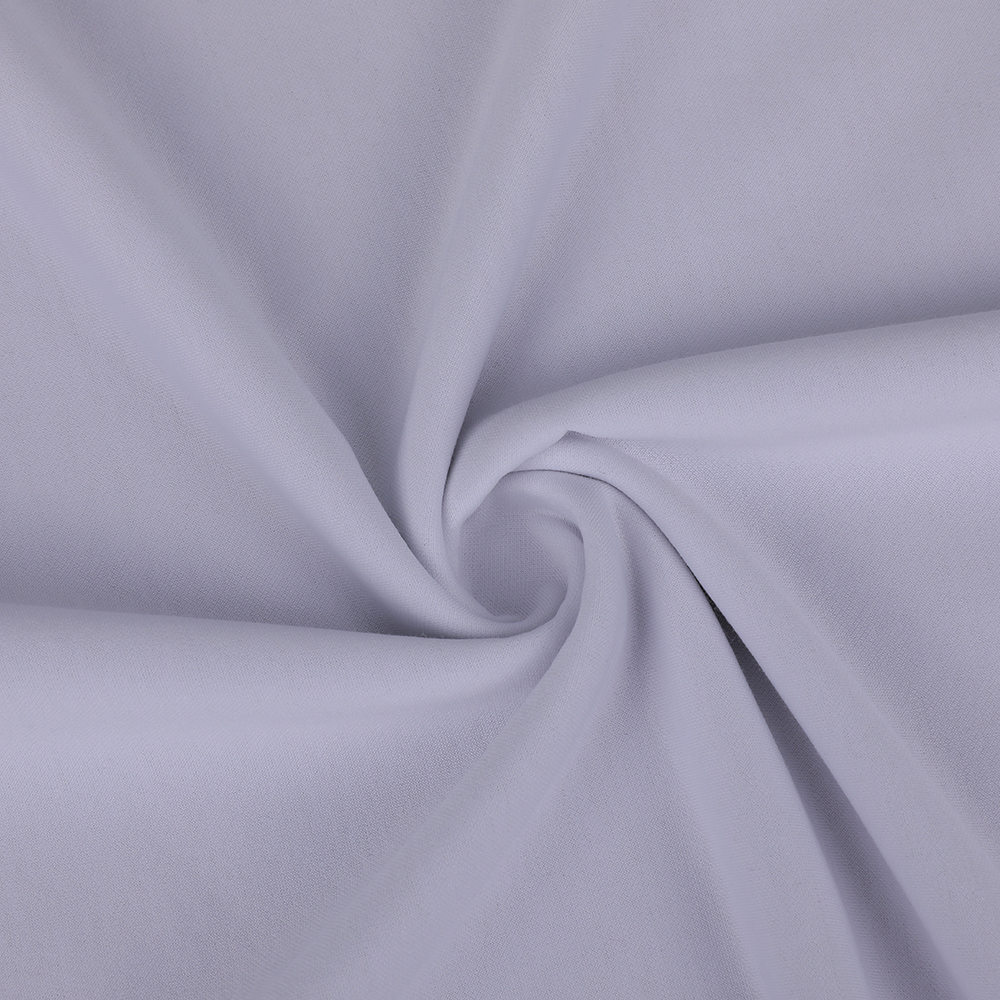
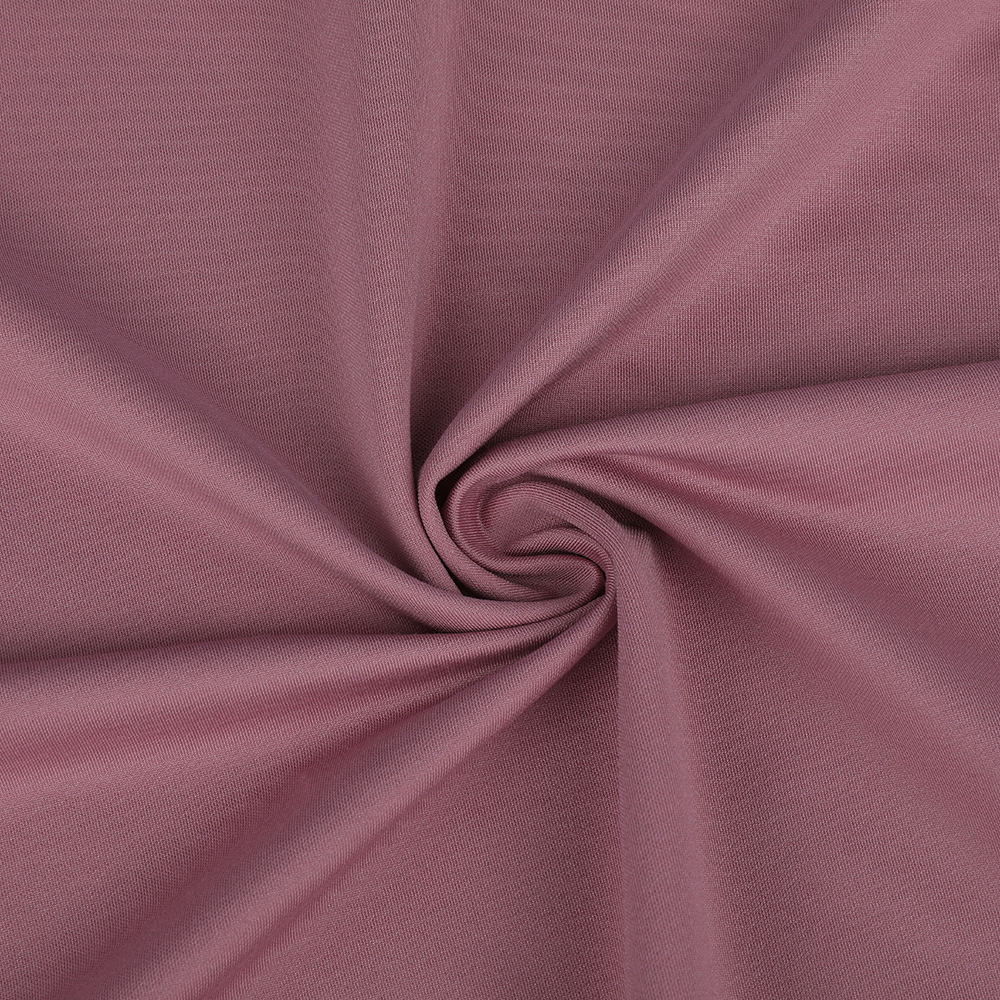
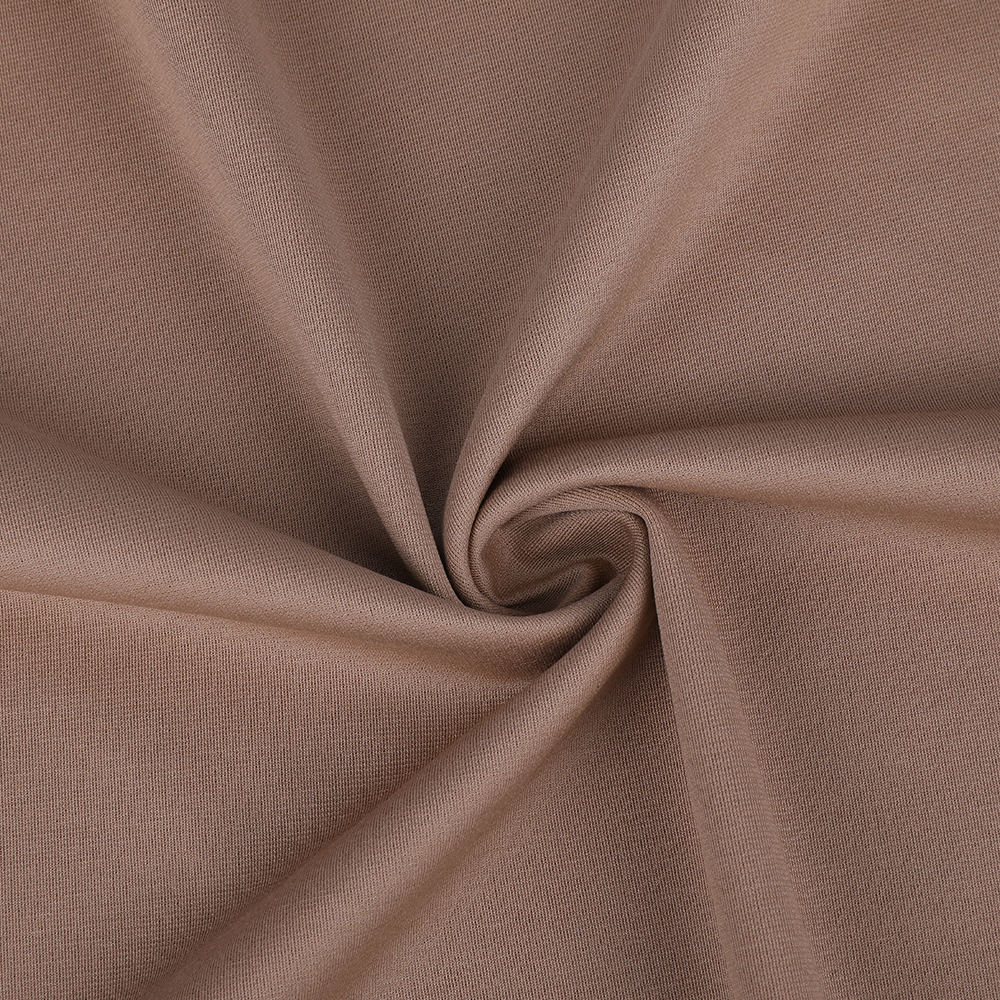
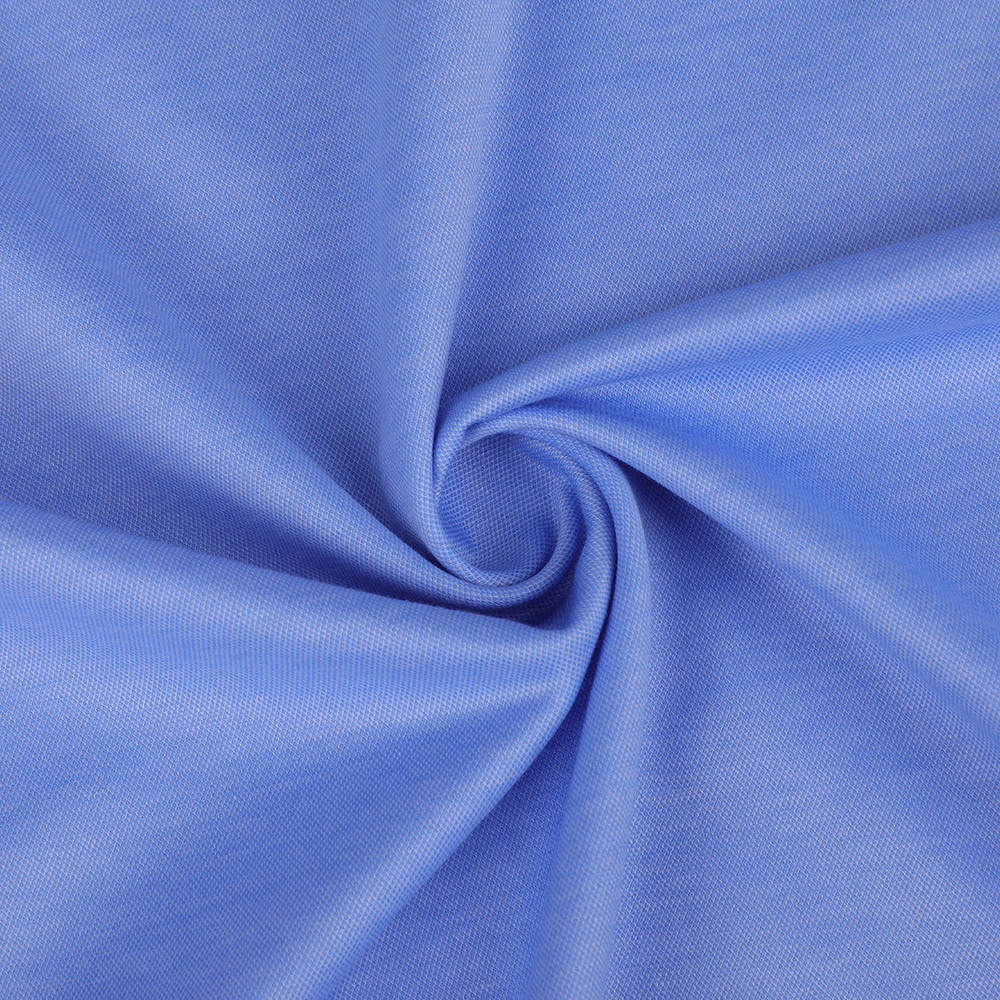
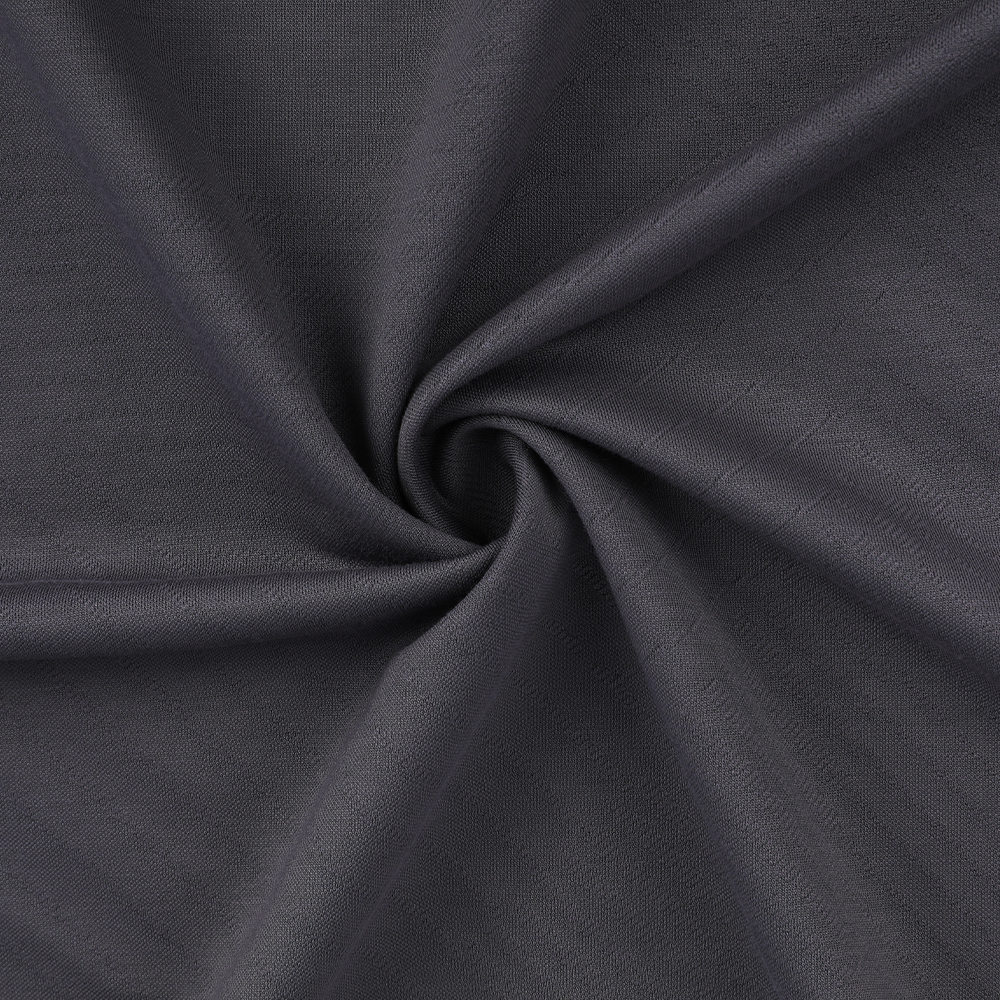
In the vast and intricate world of textiles, one category stands out for its unparalleled ability to merge comfort with versatility: knitted fabrics. These materials, formed through the ingenious process of interloping a single continuous yarn into a series of interconnected loops, have revolutionized what we expect from our clothing. Unlike their woven counterparts, which are constructed by weaving two sets of yarns at right angles, knitted fabrics are born from a single thread, granting them an inherent elasticity and a unique, fluid drape. This fundamental structural difference is what makes Knitted Shirt Fabric the cornerstone of modern, comfortable apparel. The looping construction creates tiny air pockets, enhancing breathability and allowing the fabric to move in harmony with the body. From the simplest solid-colored tee to an exquisitely detailed jacquard or printed blouse, the dimensional quality of knitwear provides a rich sense of layering and texture that woven fabrics often cannot replicate. This comprehensive guide will delve into the scientific principles behind these fabrics, explore the vast array of types available, and provide the knowledge needed to select, care for, and appreciate the perfect Knitted Shirt Fabric for any occasion, ensuring your wardrobe is both stylish and supremely comfortable.
The Engineering Marvel of Knitted Constructions
Weft vs. Warp: The Two Pillars of Knitting
To truly appreciate Knitted Shirt Fabric, one must first understand the two primary methods of knitting: weft and warp. Weft knitting, the more common of the two, involves a single yarn moving horizontally across the fabric, forming loops that interlock with the loops in the row above and below. This method is highly versatile and can be performed on both flat and circular knitting machines. Fabrics like jersey, rib, and interlock are all products of weft knitting. The nature of weft knitting allows for a high degree of stretch in all directions, making it ideal for garments that require significant flexibility and comfort. Conversely, warp knitting involves each loop being made from its own separate yarn, with these yarns running vertically along the length of the fabric. This technique, which produces fabrics like tricot and raschel knit, results in a material that is more stable and less prone to runs than weft knits. Warp knits often have a slight stretch in the lengthwise direction but are generally more resistant to stretching widthwise. This makes them excellent for applications where structure and durability are key, such as in certain athletic shirts or lingerie. The choice between weft and warp knitting fundamentally alters the hand feel, stretch, and final application of the Knitted Shirt Fabric.The Science of Stretch and Recovery
The defining characteristic of any Knitted Shirt Fabric** is its elasticity. This property is not an additive feature but is intrinsically engineered into the fabric's DNA through its looped structure. When force is applied, the loops can elongate and distort, allowing the fabric to stretch. High-quality knits are defined not just by how much they can stretch, but by their recovery—their ability to return to their original shape once the tension is released. This recovery is crucial for maintaining the garment's fit and appearance over time. Recovery is influenced by several factors, including the fiber content; the addition of a small percentage of elastane or spandex can dramatically improve a fabric's memory. The knit structure itself also plays a role; a tightly knitted interlock will recover better than a loose, open knit. Furthermore, finishing processes applied to the fabric after knitting can set the fibers and enhance their natural resilience. This scientific interplay between construction, fiber, and finishing is what separates a mediocre knit that bags out after a few wears from a premium Knitted Shirt Fabric** that retains its shape and elegance wash after wash.A Detailed Taxonomy of Knitted Shirt Fabrics
The universe of Knitted Shirt Fabric is diverse, with each type offering a distinct set of tactile and functional properties tailored for different styles and uses.
Jersey knit is arguably the most ubiquitous and foundational Knitted Shirt Fabric. It is a single knit fabric, meaning it is produced on a machine with one set of needles, resulting in a distinct face side with a smooth, slight vertical grain and a back side with a more textured, horizontal appearance. This structure gives jersey its excellent drape, making it feel soft and fluid against the skin. Its lightweight and breathable nature makes it the default choice for everyday t-shirts and casual tops. However, lower-quality jersey can be prone to curling at the edges and may lose its shape if not cared for properly.
Rib knit is instantly recognizable by its pronounced vertical ridges. This texture is achieved by alternating knit and purl stitches in the same row, creating columns that form a strong, vertical stretch. This fabric boasts incredible crosswise stretch and recovery, often snapping back to its original form more effectively than jersey. This makes it the ideal choice for form-fitting tank tops, turtlenecks, and the trim on garments like cuffs and neckbands, where elasticity is paramount. The textured surface can add visual interest but may also accentuate the body’s contours in very tight fits.
Interlock knit is a sophisticated derivative of rib knit. It is a double knit fabric, created on a machine with two sets of needles that produce two layers of jersey knit that are interlocked. This results in a fabric that is smooth on both sides, thicker and more stable than standard jersey, and highly resistant to curling at the edges. While it has less stretch than rib or single jersey, its excellent shape retention and smooth surface make it a premium choice for high-quality t-shirts, polo shirts, and garments that require a more polished, structured look.
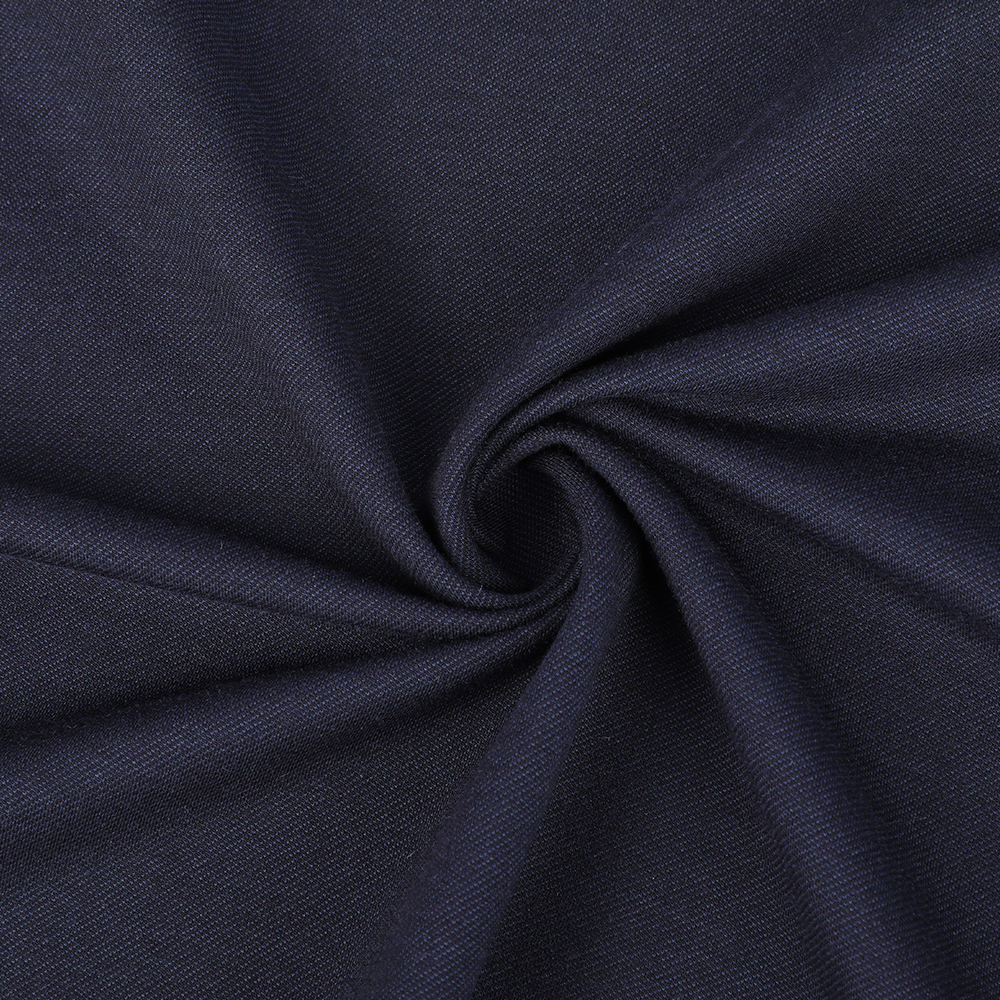
Ponte knit, or Ponte di Roma, is another double knit known for its firmness and stability. It has a subtle, almost imperceptible ribbed effect and a denser, heavier hand feel compared to other knits. Its minimal stretch is more for comfort than for contouring, and it possesses a remarkable resistance to wrinkles. This combination of structure and ease of care makes Knitted Shirt Fabric like Ponte an outstanding material for tailored tops, dressier shirt styles, and even lightweight blazers that require a neat, dignified silhouette without sacrificing comfort.
French terry is a unique medium-weight knit characterized by loops on one side and a smooth surface on the other. These loops, which are formed on the back of the fabric, increase its absorbency and create a incredibly soft, cozy hand feel. French terry is not as stretchy as jersey but offers superior comfort and warmth, making it a favorite for casual shirts, stylish sweatshirts, and lightweight hoodies designed for layering. Its casual yet refined aesthetic has made it a staple in modern relaxed wear.
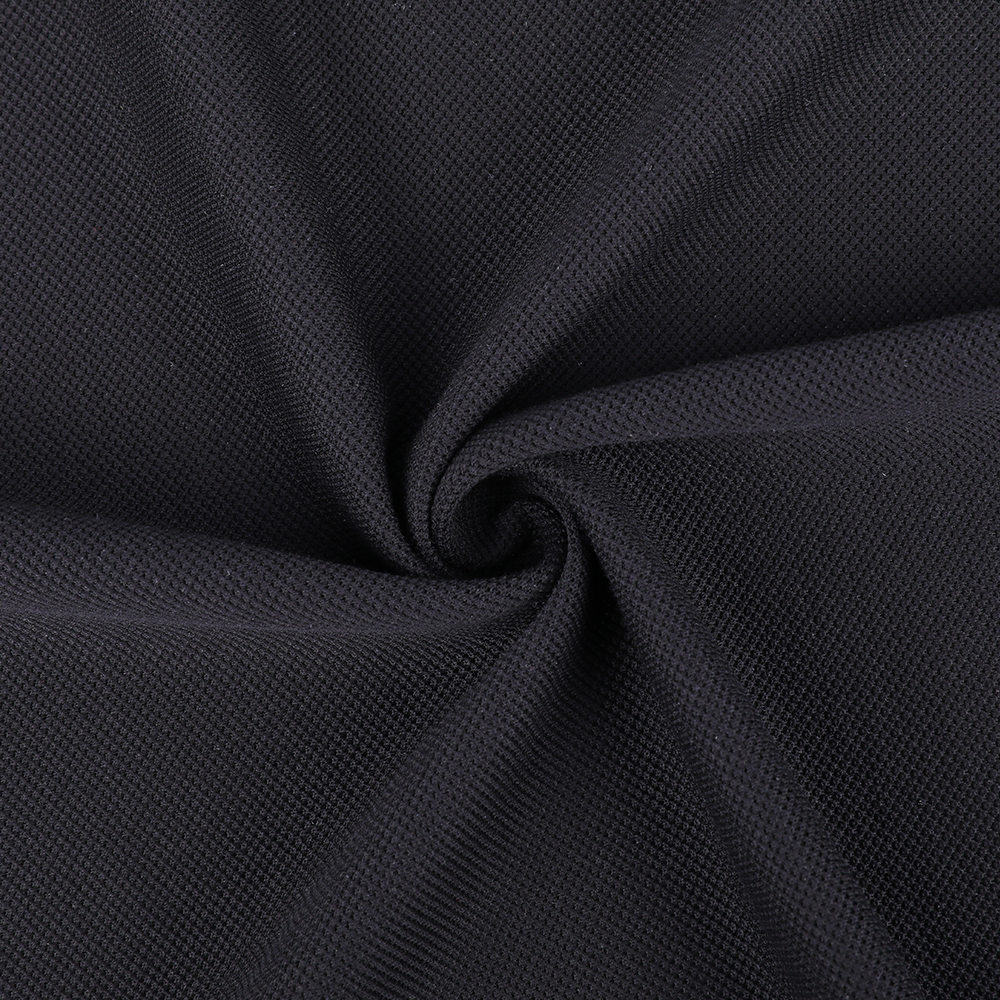
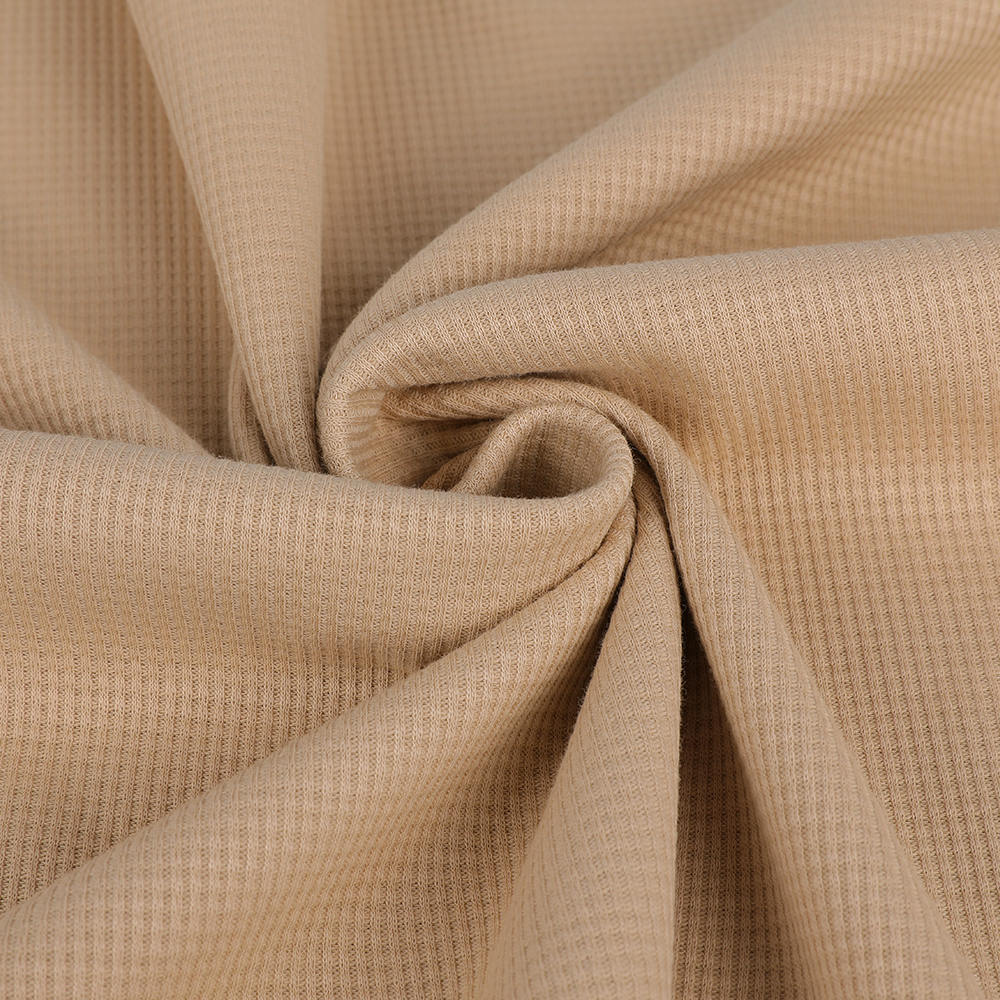
Beyond these common types, the world of knits includes specialized varieties like waffle knit, with its honeycomb structure designed for thermal insulation; tricot, a warp knit used for its smoothness and durability in athletic wear; and raschel knit, which can produce intricate open-work and lacy patterns for decorative details on shirts.
Critical Factors for Selecting the Ideal Knitted Shirt Fabric
Choosing the right Knitted Shirt Fabric is a nuanced decision that extends far beyond color and pattern. A informed choice requires careful consideration of several technical properties that directly impact the garment’s performance, comfort, and longevity.
Fiber content is the most significant determinant of a fabric’s behavior. Natural fibers like cotton are prized for their softness, breathability, and absorbency, with variants like organic and Pima cotton offering a more luxurious, durable feel. Synthetic fibers like polyester contribute durability, wrinkle resistance, and can be engineered from recycled materials, though they may be less breathable. Cellulosic fibers like rayon and modal, derived from wood pulp, are celebrated for their silky drape and exceptional softness but can require more delicate care. The magic often happens in blends. A sophisticated blend of high-quality natural fibers and high-tech synthetic fibers synergizes the best properties of each: retaining the soft, breathable comfort of natural materials while gaining the toughness, durability, and shape retention of synthetics. This creates a superior Knitted Shirt Fabric that performs exceptionally well.
The weight of the fabric, typically measured in grams per square meter (GSM), directly influences its seasonality and drape. Lightweight knits are airy and perfect for warm-weather shirts, while medium-weight knits offer versatile year-round utility. Heavyweight knits provide structure and warmth for colder climates. The relationship between stretch and recovery is also critical. For a shirt that offers comfort without bagging, prioritizing a knit with strong recovery is essential. Finally, the drape of the fabric—how it falls and flows—defines the garment’s silhouette. A fluid drape, common in rayons and light jerseys, creates a soft, elegant look, while a stiffer drape, as found in Ponte, creates a more architectural, defined shape.
| Knitted Shirt Fabric Selection Guide | |||
|---|---|---|---|
| Fabric Type | Ideal Use | Key Properties | Care Considerations |
| Jersey Knit | Everyday T-shirts, casual tops | Lightweight, excellent drape, breathable | Can curl at edges; may shrink if dried with high heat |
| Rib Knit | Fitted shirts, cuffs, neckbands | High stretch and recovery, textured surface | Resilient; generally maintains shape well |
| Interlock Knit | Premium t-shirts, polo shirts | Stable, smooth on both sides, resistant to curling | Holds shape well; less prone to shrinkage |
| Ponte Knit | Structured tops, dress shirts | Firm, wrinkle-resistant, minimal stretch | Easy care; durable and holds its structure |
| French Terry | Casual shirts, sweatshirts | Soft, absorbent, medium weight, cozy | May shrink; best to air dry or tumble dry low |
The Art and Science of Caring for Knitted Shirts
Proper maintenance is paramount to preserving the integrity, appearance, and lifespan of garments made from Knitted Shirt Fabric. The looped structure, while providing comfort, can be susceptible to damage if treated harshly.
The washing process demands gentleness. Always opt for a cold water wash on the gentle or delicate cycle to minimize agitation that can cause pilling, stretching, or tearing. Turning the garment inside out before placing it in the washing machine protects the outer surface from friction and fading. The use of harsh detergents, bleach, or fabric softeners should be strictly avoided. Bleach weakens fibers, while fabric softener can coat them, reducing breathability and compromising the fabric’s ability to wick moisture. The drying stage is even more critical. High heat is the enemy of knitwear, causing fibers to become brittle and shrink. The safest method is to air dry garments flat on a clean towel, preserving their shape. If using a dryer, only the lowest heat setting should be used, and items should be removed while slightly damp to finish drying flat. Ironing should be done on a low heat setting and preferably on the reverse side of the fabric to avoid scorching or creating a shiny surface. For storage, folding is universally recommended over hanging. Hanging can cause shoulder pulls and overall stretching, distorting the garment’s silhouette over time. By adhering to these care principles, your Knitted Shirt Fabric garments will remain vibrant, soft, and perfectly shaped for years.
The Unmatched Benefits of Choosing Knitted Fabrics
The decision to select a Knitted Shirt Fabric over a woven material brings a host of advantages that directly enhance wearability and style.
The primary benefit is supreme comfort and softness. The looped construction creates a fabric that is naturally yielding and soft against the skin, eliminating the stiffness often associated with new woven shirts. Furthermore, the tiny air pockets within the knit structure facilitate exceptional breathability and moisture management, keeping the wearer cool and dry. This is amplified in advanced blends that pair natural fibers for comfort with synthetics for performance. The inherent flexibility of knits provides unparalleled freedom of movement. A knitted shirt moves with the body, stretching and recovering through a range of motions without feeling restrictive or tight. This makes it ideal for everything from a day at the office to casual activities. The drape and flow of a quality knit create a flattering silhouette that gracefully skims the body, offering a polished look that feels effortless. Finally, the versatility of Knitted Shirt Fabric is astounding. Through advanced dyeing processes that yield bright, long-lasting colors and techniques like jacquard and printing that allow for intricate patterns, knits can be transformed to suit any aesthetic, from minimalist to bold, making them a truly foundational element for a modern wardrobe.
| Knitted vs. Woven Shirt Fabrics: A Functional Comparison | ||
|---|---|---|
| Characteristic | Knitted Fabric | Woven Fabric |
| Construction | Single yarn looped together | Two yarns interlaced at right angles |
| Inherent Stretch | High (especially crosswise) | Low (unless blended with elastane) |
| Drape & Flow | Fluid, soft silhouette | Structured, crisp silhouette |
| Breathability | Generally high due to porous structure | Varies widely based on fiber and weave |
| Wrinkle Resistance | Generally good, especially in blends | Varies; often requires ironing |
| Ease of Care | Often easy-care, but can be delicate | Often requires more precise care |
| Primary Use | Comfort-focused, casual, athletic wear | Formal, structured, tailored garments |
Exploring Premium Varieties of Knitted Shirt Fabrics
The market offers an extensive range of high-quality Knitted Shirt Fabric options, each with specialized attributes. Organic Cotton Jersey remains a top choice for its eco-friendly credentials and classic softness. Bamboo Knit has gained popularity as a sustainable option, offering a silky texture and natural temperature-regulating properties. Tencel Lyocell Knit, derived from sustainably sourced wood pulp, is renowned for its breathtakingly fluid drape and lustrous, luxurious hand feel. For ultimate softness, a Cotton Modal Blend Jersey is exceptional, combining durability with a touch of silk-like smoothness. Performance-oriented shirts often utilize a Polyester Spandex Blend for its unbeatable stretch, recovery, and wrinkle resistance. For all-season comfort, Merino Wool Knit provides natural warmth without bulk, outstanding breathability, and inherent odor resistance. Double Brushed Poly Knit is sought after for its ultra-cozy, plush feel against the skin, perfect for loungewear-inspired shirts. Rayon Spandex Knit continues to be a favorite for stylish blouses due to its magnificent drape and vibrant color retention. For the pinnacle of cotton luxury, Pima Cotton Knit, with its extra-long staples, results in a fabric that is incredibly soft, strong, and resistant to pilling. Finally, Recycled Polyester Knit represents the forward direction of the industry, offering durable performance while actively reducing plastic waste and promoting a circular economy.
The Future of Knitted Shirt Fabrics
Knitted Shirt Fabric is not a static category; it is one of the most dynamic fields in textile innovation. Advances in knitting technology, such as whole-garment knitting, allow for seamless construction, reducing waste and enhancing comfort. Sustainable practices are becoming deeply integrated, with a growing emphasis on recycled fibers, water-saving dyeing processes, and closed-loop production systems. The development of smart textiles is also emerging, with knits being engineered to incorporate conductive yarns for health monitoring or phase-change materials for adaptive temperature control. Furthermore, the exploration of novel natural fibers and advanced biodegradable synthetics promises a future where comfort, style, and environmental responsibility are seamlessly intertwined. This constant evolution ensures that Knitted Shirt Fabric will continue to be at the forefront of apparel, offering ever-improving solutions for consumers who refuse to compromise on comfort, performance, or aesthetic appeal. By understanding the depth and breadth of options available, you can make empowered choices that curate a wardrobe that is not only stylish but also intelligently designed for the demands of modern life.