
 English
 日本語
日本語 中文简体
中文简体
Content
- 1 Why Knitted High-end Women’s Clothing Fabrics Become a Core Element in High-end Women’s Clothing Design
- 2 Balanced Design of Warmth and Drapability for Wool-blended Knitted High-end Women’s Clothing Fabrics
- 3 Process Requirements and Testing Standards for Anti-pilling and Anti-snagging of Knitted High-end Women’s Clothing Fabrics
- 4 Characteristics and Selection Methods of Lightweight Spring and Summer Knitted High-end Women’s Clothing Fabrics
- 5 Key Points of Adaptation Design Between Printing and Elasticity for Knitted High-end Women’s Clothing Fabrics
- 6 Daily Care and Version Maintenance Tips for Knitted High-end Women’s Clothing Fabrics
Why Knitted High-end Women’s Clothing Fabrics Become a Core Element in High-end Women’s Clothing Design
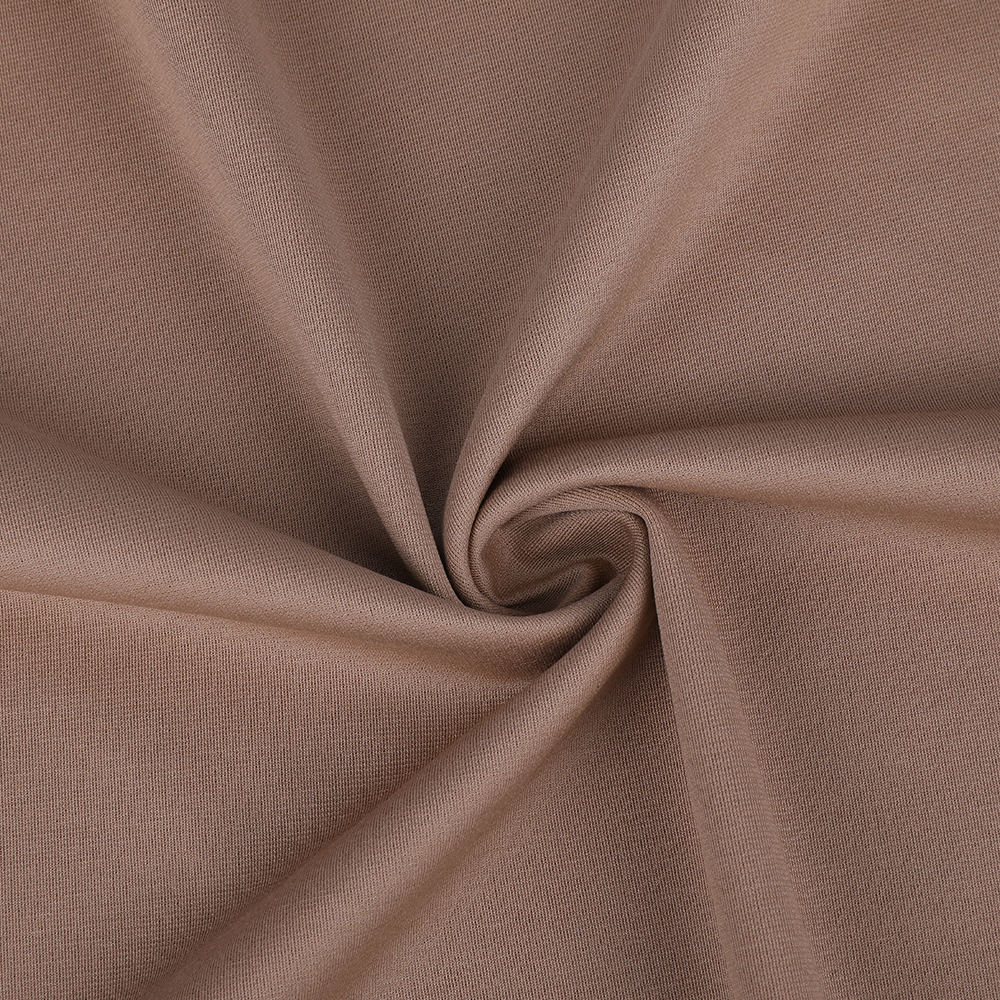
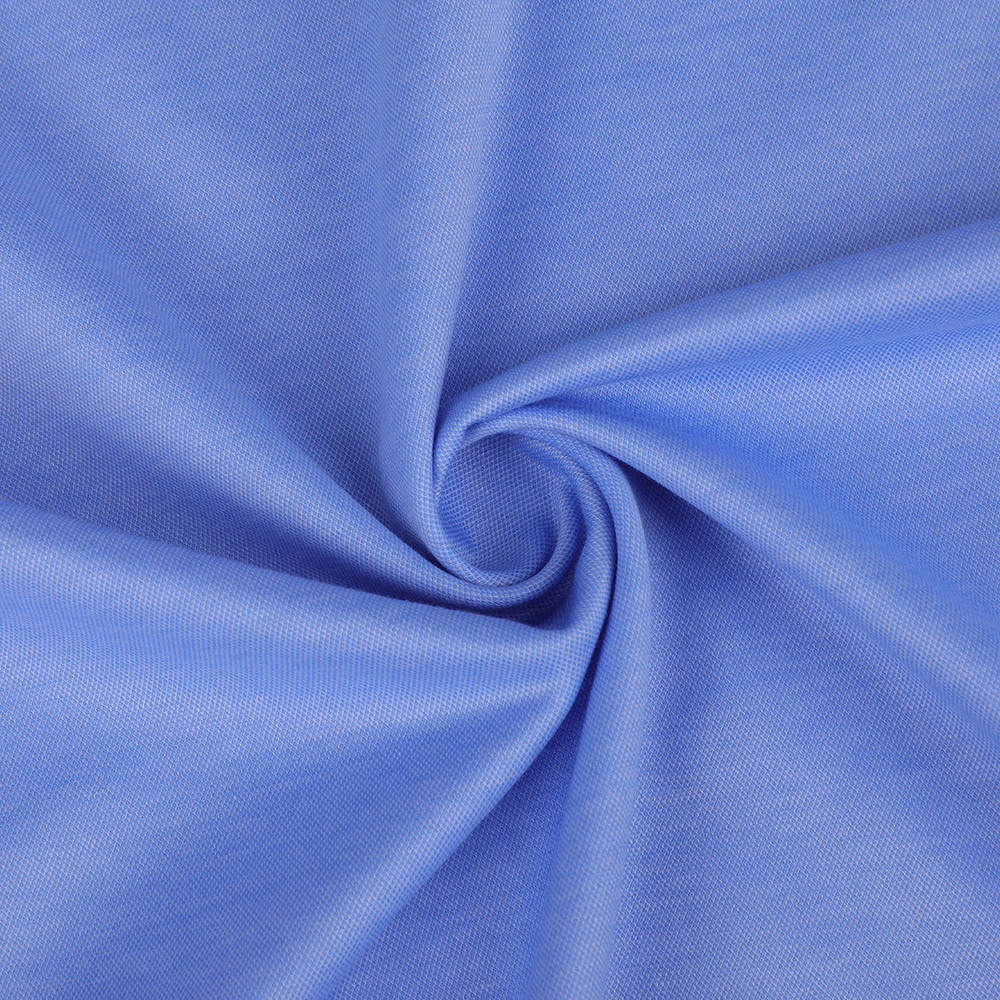
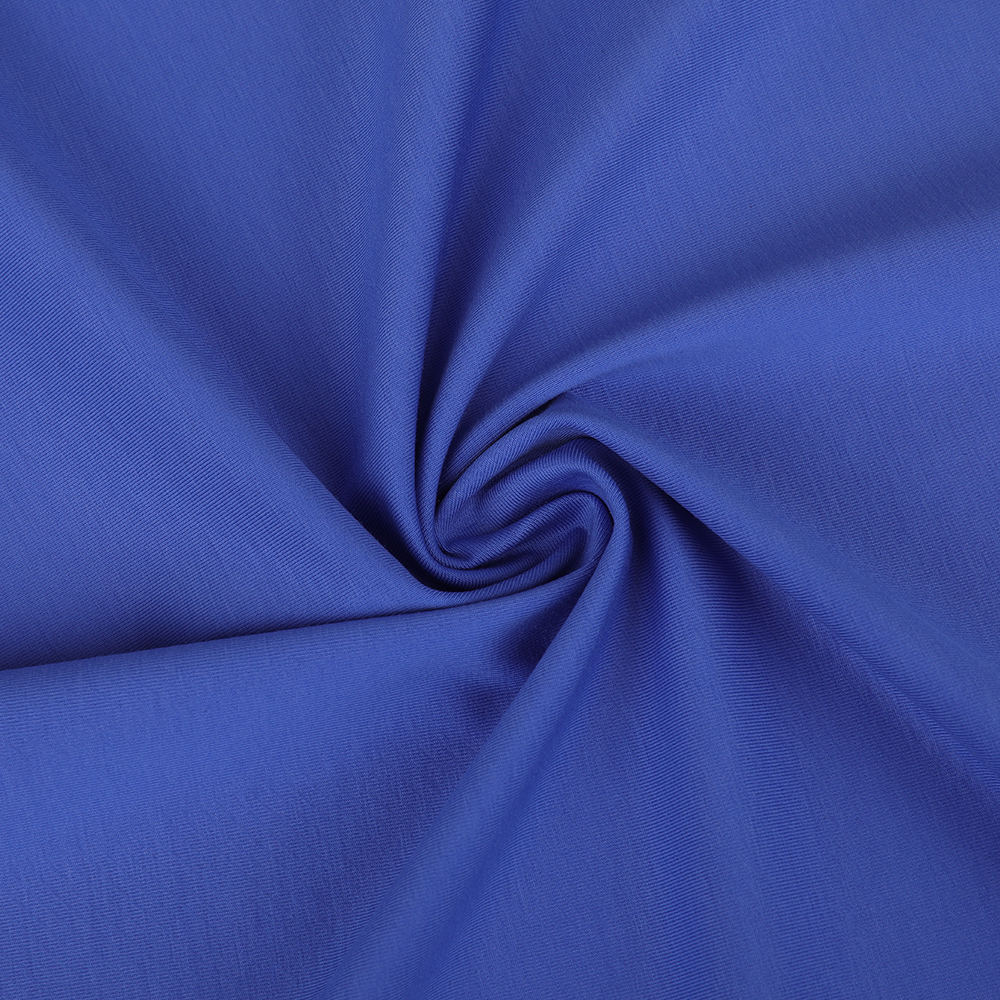
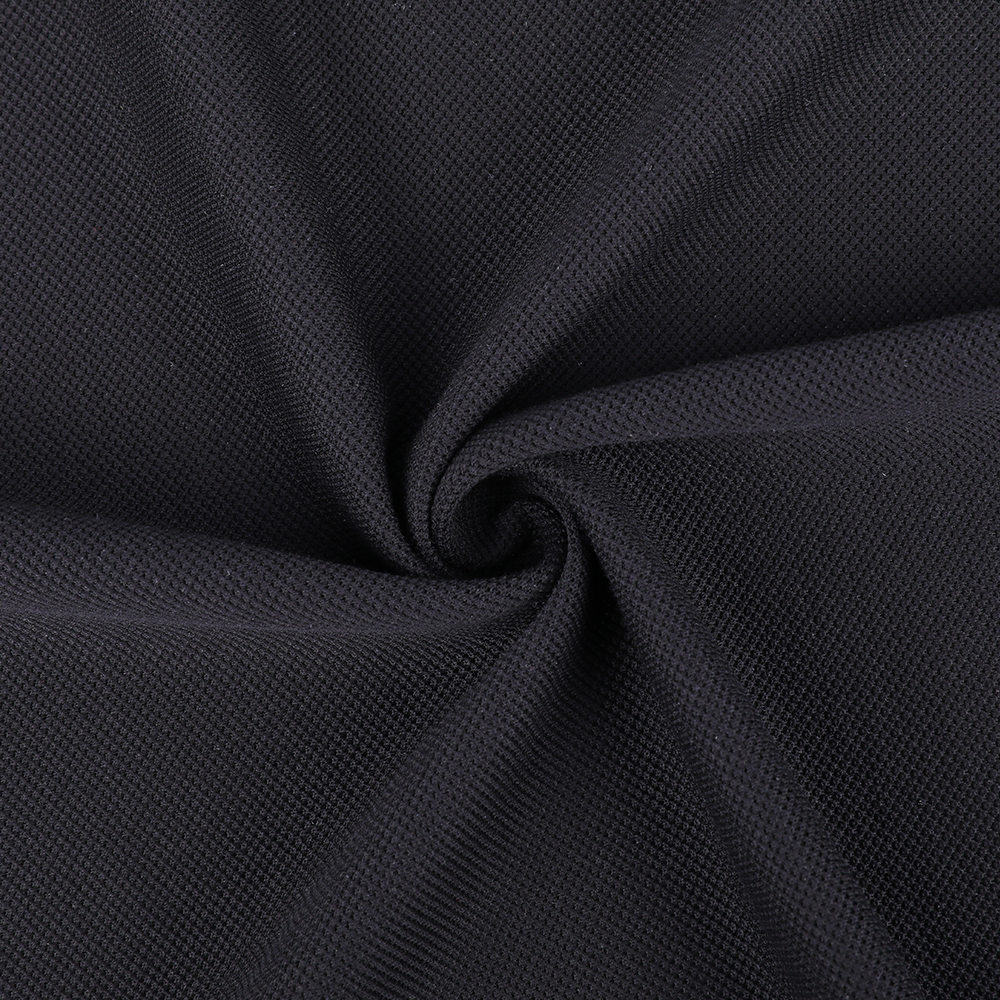
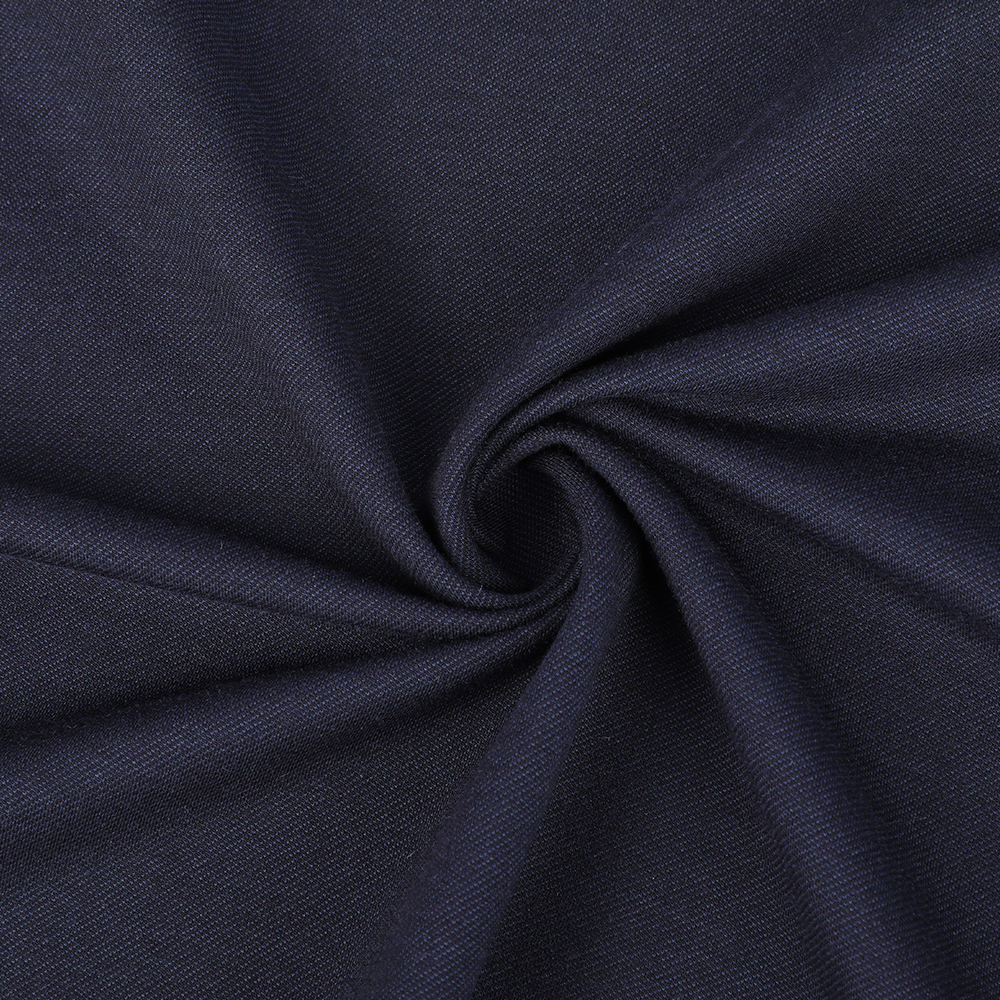
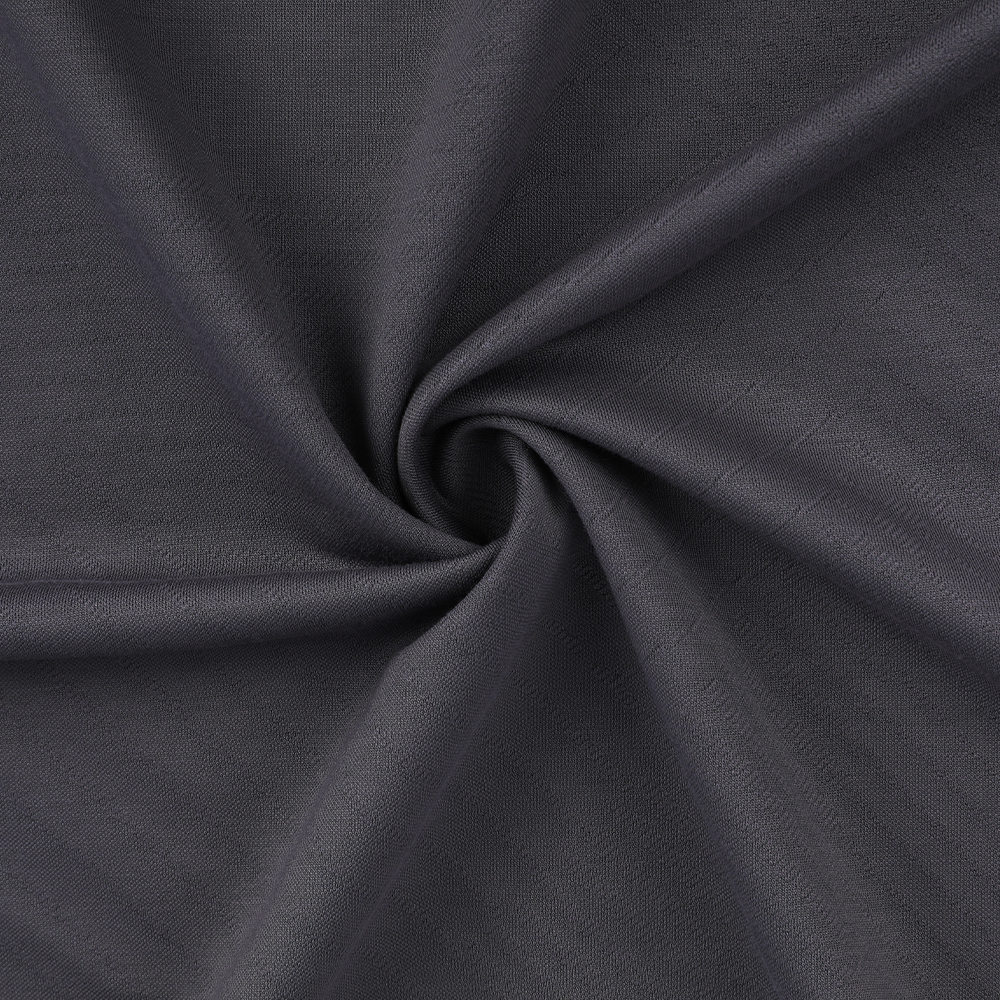
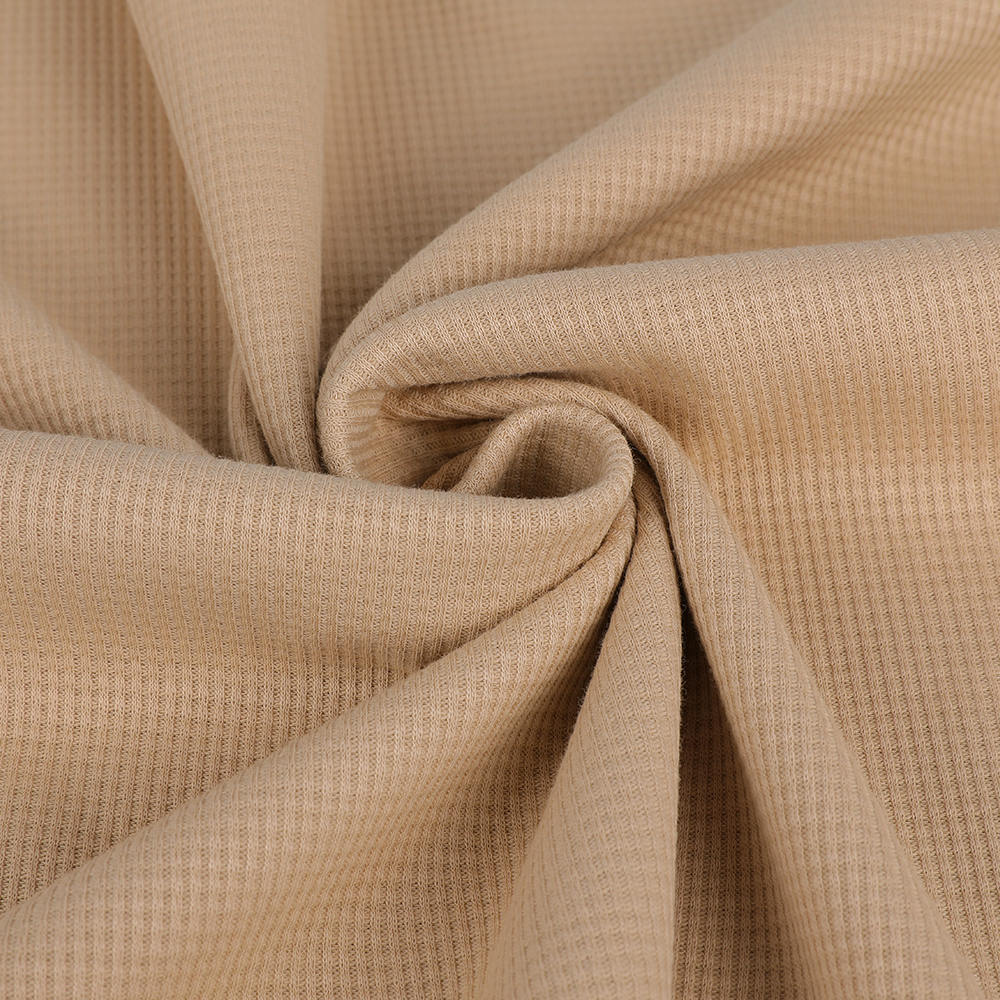
In high-end women’s clothing design, knitted high-end women’s clothing fabrics have gradually become a core element determining the quality and style of clothing, thanks to their unique texture and diverse functionality. Compared with ordinary knitted fabrics, such fabrics are more rigorous in raw material selection and knitting technology—raw materials mostly use high-quality natural fibers (such as superfine wool and long-staple cotton) or high-end recycled fibers (such as degradable Tencel). Through precision knitting processes (such as fine gauge knitting with more than 12 stitches per inch), a delicate and smooth fabric surface is formed, which not only retains the soft and skin-friendly characteristics of knitted fabrics but also possesses the stiffness and high-end touch required for high-end clothing. From a design perspective, knitted high-end women’s clothing fabrics have strong controllable elasticity, which can adapt to different cutting needs: for example, slim-fit dresses need to choose fabrics with moderate lateral elasticity (25%-30% elongation), which fit the body curve without leaving tight marks; loose-fitting coats can use low-elasticity fabrics, and present a lazy and high-end style through the fabric’s drape. In addition, such fabrics can also be compatible with various finishing processes (such as flocking, jacquard, and digital printing), providing designers with a rich creative space to balance the texture, version, and visual effect of high-end women’s clothing. Therefore, they have become an indispensable core element in high-end women’s clothing design.
Balanced Design of Warmth and Drapability for Wool-blended Knitted High-end Women’s Clothing Fabrics
Wool blend is a common material combination in knitted high-end women’s clothing fabrics. The core design difficulty lies in balancing warmth retention and drapability to meet the needs of high-end women’s clothing in different seasons and styles. In terms of raw material ratio, if focusing on winter warmth needs, a blend ratio of “70% superfine wool + 30% polyester fiber” can be adopted—the crimped structure of superfine wool fibers can store a large amount of air to improve warmth retention, while polyester fiber can enhance the fabric’s stiffness and avoid the problems of easy deformation and poor drapability of pure wool fabrics; for spring and autumn, the ratio can be adjusted to “50% wool + 40% Tencel + 10% spandex”—the addition of Tencel fibers can improve the fabric’s drapability, making the clothing more elegant, and spandex endows the fabric with moderate elasticity to adapt to daily activities. The knitting process also has a significant impact on the balance effect: wool-blended fabrics made by double-sided knitting process have a smoother surface and stronger drapability, suitable for making dresses and trench coats; fabrics made by rib knitting process have better elasticity and warmth retention, but slightly weaker drapability, more suitable for making sweaters and knitted cardigans. In addition, the pre-shrinking treatment and calendering process in the finishing stage can further stabilize the fabric size, reduce deformation after wearing, and ensure that warmth retention and drapability remain stable during long-term wearing.
Process Requirements and Testing Standards for Anti-pilling and Anti-snagging of Knitted High-end Women’s Clothing Fabrics
Anti-pilling and anti-snagging properties are key indicators to measure the quality of knitted high-end women’s clothing fabrics, which need to meet the standards through strict process control and testing. In terms of process requirements, raw material selection is the foundation: priority is given to long-fiber raw materials (such as long-staple cotton and superfine wool)—the longer the fiber length, the less likely the fiber ends will fall off to form pills after knitting; in the spinning stage, compact spinning technology is used to make the yarn structure tighter, reducing the probability of loose fiber falling off; in the knitting stage, the gauge density is controlled—fabrics with fine gauge knitting (such as 14 stitches per inch) have a smoother surface and tighter fiber bonding, resulting in better anti-snagging performance. In the finishing process, “singeing treatment” can be used to remove the floating wool on the fabric surface, followed by “anti-pilling coating” (such as polysiloxane coating) treatment to form a protective film on the fabric surface, reducing the formation of pills caused by friction. Testing standards must comply with industry specifications: the anti-pilling test uses a Martindale abrasion tester to rub the fabric with standard abrasives for 1000 revolutions, then grade according to the number and size of pills—high-end fabrics need to reach grade 4 or above (almost no obvious pills); the anti-snagging test uses a snag tester to simulate the snagging of the fabric after contact with sharp objects—high-end fabrics need to reach grade 3 or above (only slight snagging, no obvious fiber pulling out). Only by meeting these two standards can the fabric maintain a neat and high-end appearance in daily wearing.
Characteristics and Selection Methods of Lightweight Spring and Summer Knitted High-end Women’s Clothing Fabrics
Knitted high-end women’s clothing fabrics for spring and summer are characterized by “lightweight, breathable, and cool”. When selecting, it is necessary to combine the fabric material and process to adapt to different wearing scenarios. In terms of material characteristics, ice silk knitted fabrics are a popular choice—their main components are viscose fiber or polyester, with a smooth and cool surface, strong breathability, and a certain degree of drapability, suitable for making summer dresses and camisoles; Tencel knitted fabrics combine coolness and natural texture, with better moisture absorption and breathability than ice silk, and are not easy to wrinkle, suitable for making high-end shirts and wide-leg pants; in addition, linen and cotton blended knitted fabrics (such as 60% linen + 40% cotton) combine the cool breathability of linen and the soft skin-friendliness of cotton, and the fine texture on the fabric surface can also enhance the high-end sense of clothing, suitable for making casual-style high-end women’s clothing for spring and summer. In terms of selection methods, first, judge the lightness and softness of the fabric by hand—high-quality spring and summer knitted fabrics feel delicate and smooth without roughness; second, observe the fabric’s breathability—place the fabric close to the light source, products with slight light transmission and uniform fabric texture usually have better breathability; finally, check the elasticity—spring and summer fabrics do not need high elasticity (15%-20% elongation is sufficient) to avoid excessive elasticity causing the fabric to be tight and affecting the cool wearing experience.
Key Points of Adaptation Design Between Printing and Elasticity for Knitted High-end Women’s Clothing Fabrics
The printing process of knitted high-end women’s clothing fabrics needs to be accurately adapted to the fabric’s elasticity to avoid printing cracking and deformation, and ensure the visual effect and durability of the clothing. The adaptation design is first reflected in the selection of printing processes: for high-elastic fabrics (such as knitted fabrics containing spandex), elastic printing pastes (such as polyurethane pastes) should be used—this type of paste has stretchability matching the fabric, so the printing will not crack when the fabric is stretched; for low-elastic fabrics (such as pure wool knitted fabrics), conventional pigment printing or digital printing can be used, and there is no need to overconsider the paste elasticity, but it is necessary to ensure that the printing color blends naturally with the fabric base color. The design of printing patterns also needs to adapt to elasticity: fabrics with obvious lateral stretching (such as rib knitted fabrics) should avoid designing fine patterns arranged horizontally (such as thin stripes and small flowers) to prevent pattern deformation after stretching; vertical patterns or abstract geometric patterns can be chosen—even if the fabric is stretched, the overall visual effect of the pattern can remain intact. In addition, the printing position also needs to be reasonably planned: in areas where the clothing is easily stretched (such as cuffs and necklines), large-area printing should be reduced to avoid concentrated deformation of the printing due to stretching; in areas with small stretching (such as the middle of the garment), large-area printing can be designed to enhance the visual impact. Through these adaptation designs, the harmonious unity of printing aesthetics and fabric elasticity is achieved.
Daily Care and Version Maintenance Tips for Knitted High-end Women’s Clothing Fabrics
Proper daily care can extend the service life of knitted high-end women’s clothing fabrics while maintaining the clothing’s version and texture. In terms of washing, the method should be selected according to the fabric material: natural fiber fabrics such as wool blends and Tencel are recommended to be hand-washed, using neutral detergents (such as wool-specific detergents), controlling the water temperature below 25℃, gently pressing for cleaning, avoiding rubbing and twisting to prevent fabric pilling and deformation; chemical fiber fabrics such as ice silk and polyester can be machine-washed, but the gentle mode should be selected, and washed separately to avoid snagging caused by mixing with rough clothing (such as denim). When drying, direct sunlight should be avoided—lay the clothing flat on a clothes hanger to air dry naturally, or hang it with a wide-shouldered hanger (only suitable for low-elasticity fabrics) to prevent fabric deformation due to gravity stretching; wool-blended fabrics can be gently patted after drying to help restore the fabric’s fluffiness. During daily storage, the clothing should be folded flat and placed in the wardrobe to avoid shoulder deformation caused by long-term hanging; before storage, ensure the clothing is completely dry, and insect repellents (such as natural camphor balls) can be placed in the wardrobe to prevent wool fabrics from being damaged by moths. When wearing, avoid frequent friction on the same part (such as the shoulder in contact with the backpack strap).