
 English
 日本語
 中文简体

Content
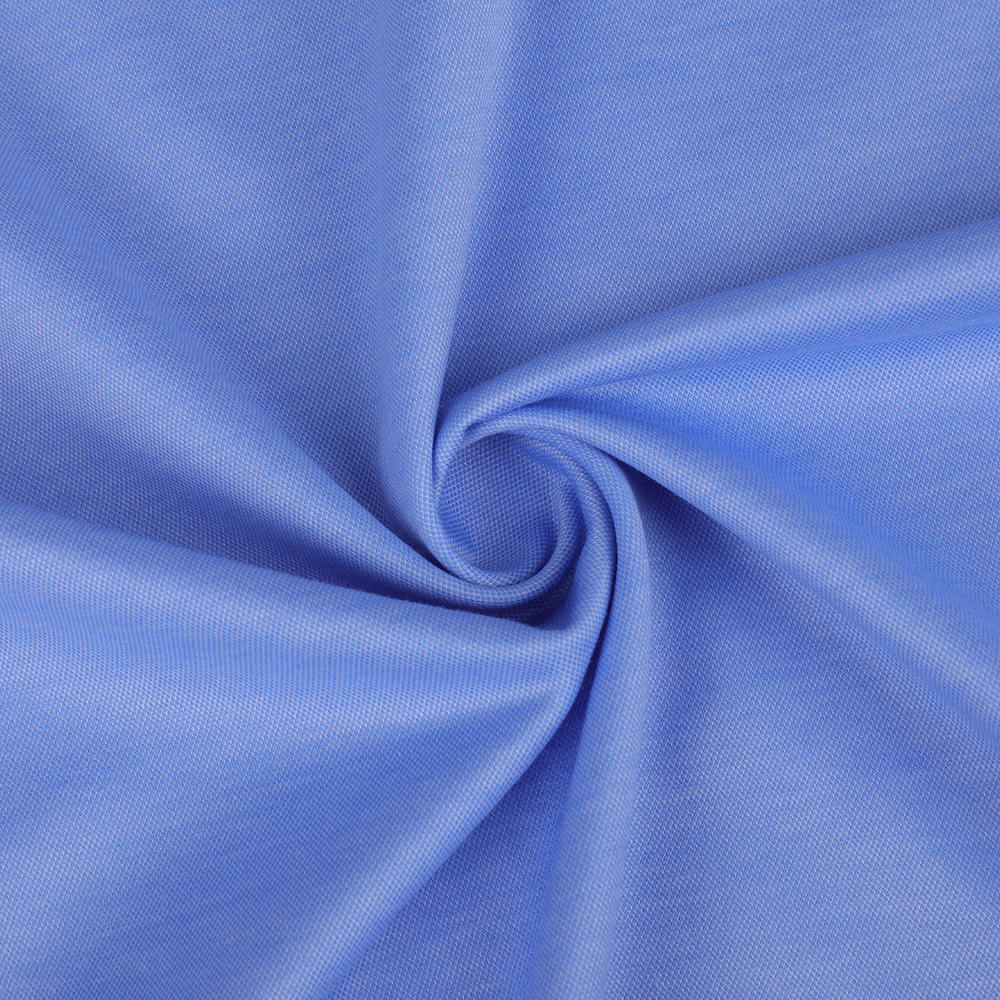
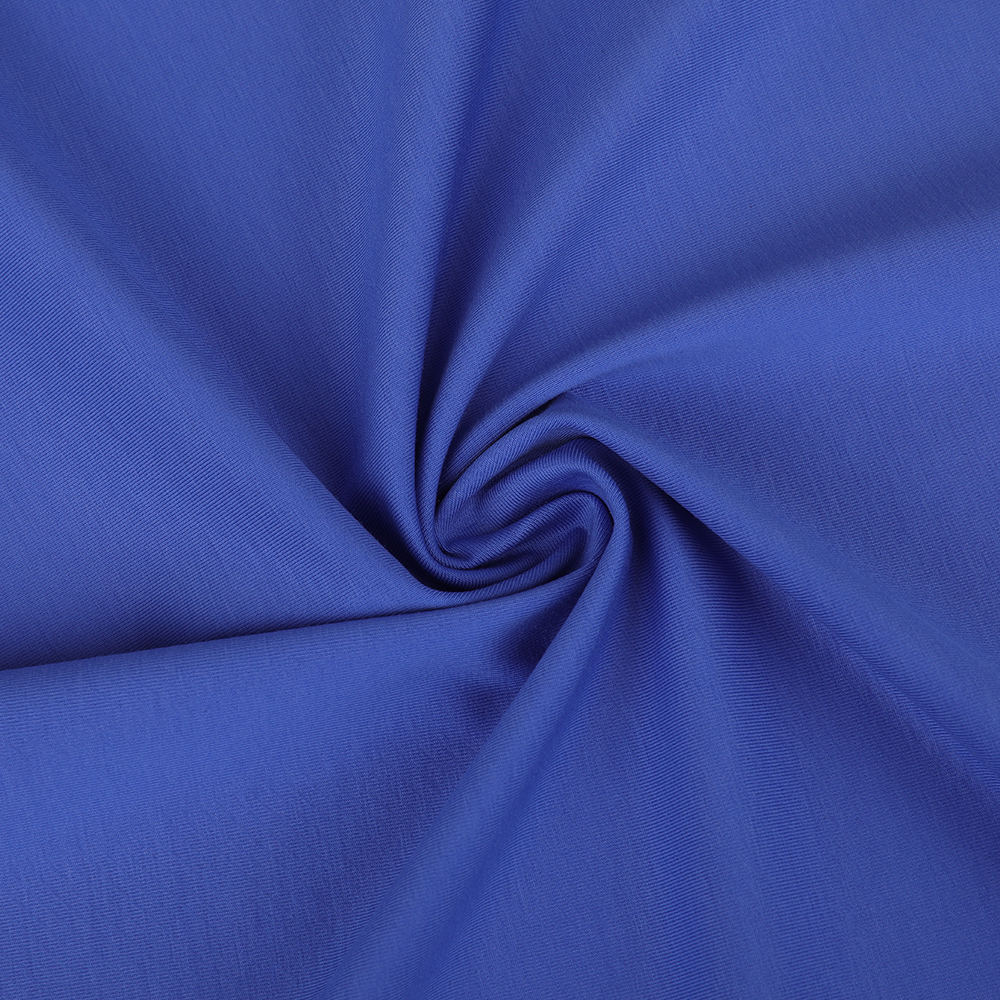
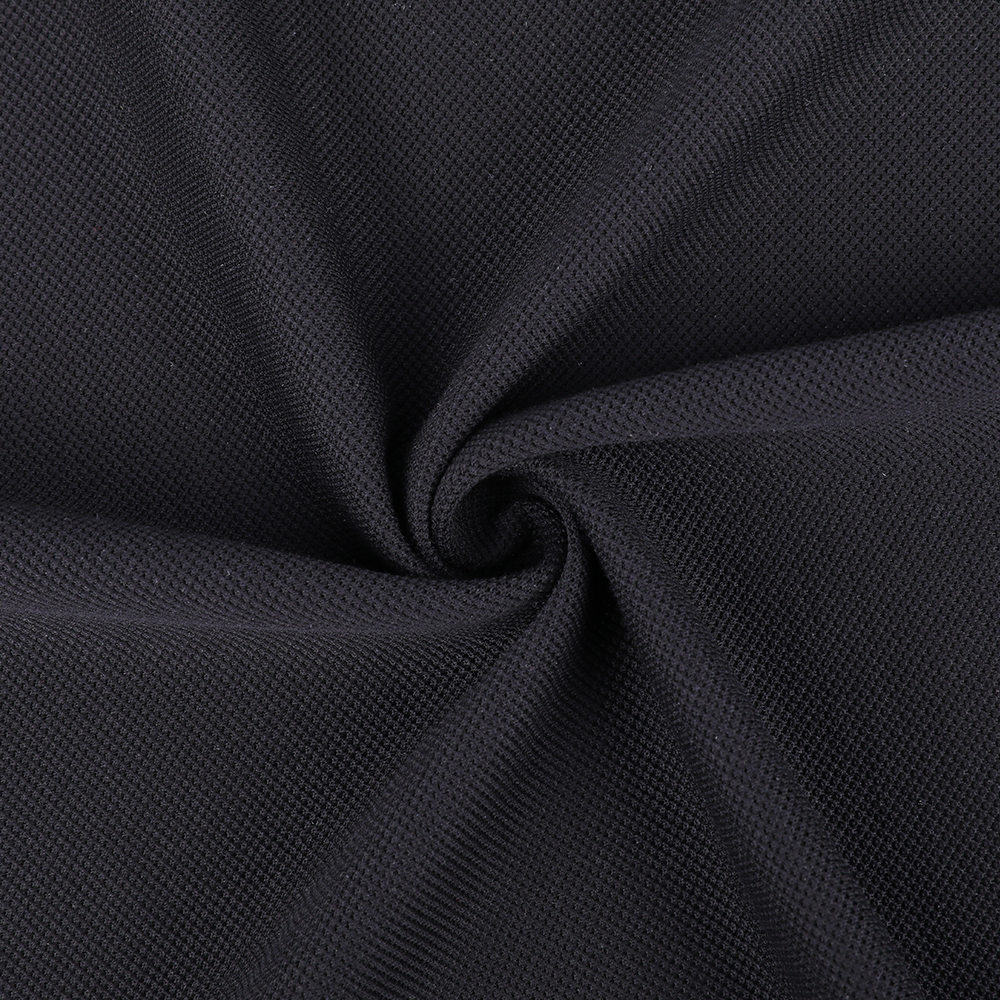
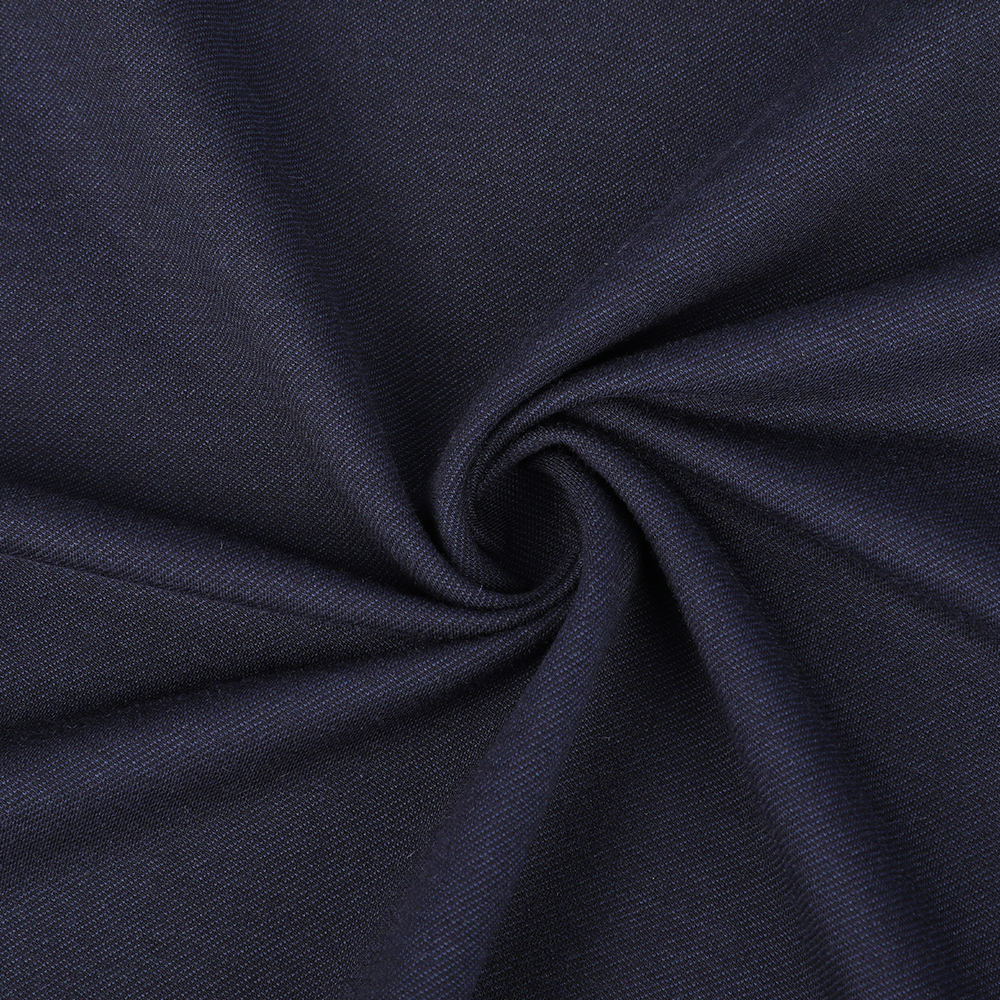
A buyer sends two swatches for the same summer running top. Both are labelled moisture wicking knit fabric. Both look identical on the hanger and cost within three percent of each other. One dries in under 20 minutes after a wash-and-wear test; the other still shows a damp patch after 40.
The difference is not the label, the price or the country of origin. It is the yarn, the knit structure and the finishing route behind the claim. So here is the short answer before the detail: wicking in a knit is a capillary effect engineered into the fabric, not a coating sprayed on at the end. The decisions locked in at sampling stage, meaning fibre type, filament denier, loop shape, fabric weight and finishing, become the performance the wearer lives with for the life of the garment.
Wicking Is a Structure Problem, Not a Coating
Moisture management in a knit has two jobs, and they pull in different directions. The inner face must be hydrophilic enough to pull liquid sweat off the skin within seconds. The outer face must then spread that liquid across the widest possible area so it evaporates between wearings instead of sitting in the fabric.
Vapour is the easy part: any open knit lets water vapour pass. Liquid is harder, because it has to travel through a capillary network formed by the gaps between filaments and between loops. Capillary pressure rises as the pore radius shrinks, which is why fine denier filament yarn, roughly 0.8 to 1.2 dpf, and cross-section fibres with channels or a four-lobe profile move water faster than a standard round filament of the same yarn count.
Two failure modes show up again and again. A fabric that only absorbs, with heavy cotton fleece as the classic case, becomes a wet sponge: it holds water, clings to the body and dries slowly. A fabric that only repels, such as untreated polyester with no hydrophilic pathway, leaves sweat beaded on the skin and feels clammy even though it is technically breathable. Wicking needs a gradient between the two faces, not a single property.
Three Levers You Control: Yarn, Structure, Finish
Nearly every wicking specification comes down to the same three decisions, and each one carries a trade-off worth stating out loud before the lab dips are approved.
Yarn selection
Textured filament polyester, commonly 50D to 150D, is the workhorse of quick-dry knits: filament yarns have no protruding fibre ends to trap water, so they release moisture quickly. Spun polyester and cotton give a softer, more natural hand but hold more water. A 65/35 polyester-cotton blend can still perform well if the polyester forms a continuous transport path through the yarn rather than being scattered through it.
Knit structure
Single jersey is the fastest and lightest option, though it snags easily. Double pique places raised loops against the skin and a flat face outside, which is why it dominates polo and golf programmes. Interlock gives two smooth, stable faces and is the usual choice for leggings and training tops. Mesh opens the structure for ventilation at the cost of coverage and opacity, while terry loop picks up sweat well but dries more slowly because the pile holds liquid.
Finishing
Polyester is naturally hydrophobic, so most wicking polyester relies on a durable hydrophilic finish applied by pad-dry-cure. That finish is the first thing to fail in the field. Cationic softeners and heavy silicone handle modifiers feel lovely in the hand but can block the water pathway, and a binder-heavy print paste can seal the surface exactly where the fabric needs to breathe. For cotton-containing qualities, mercerising and liquid ammonia treatment add lustre and strength and, more importantly, lock in dimensional stability so the structure does not densify after the first wash.
A sound reference point for a pure synthetic programme is a breathable, moisture-wicking interlock polyester with a light, dry hand and predictable stretch recovery.
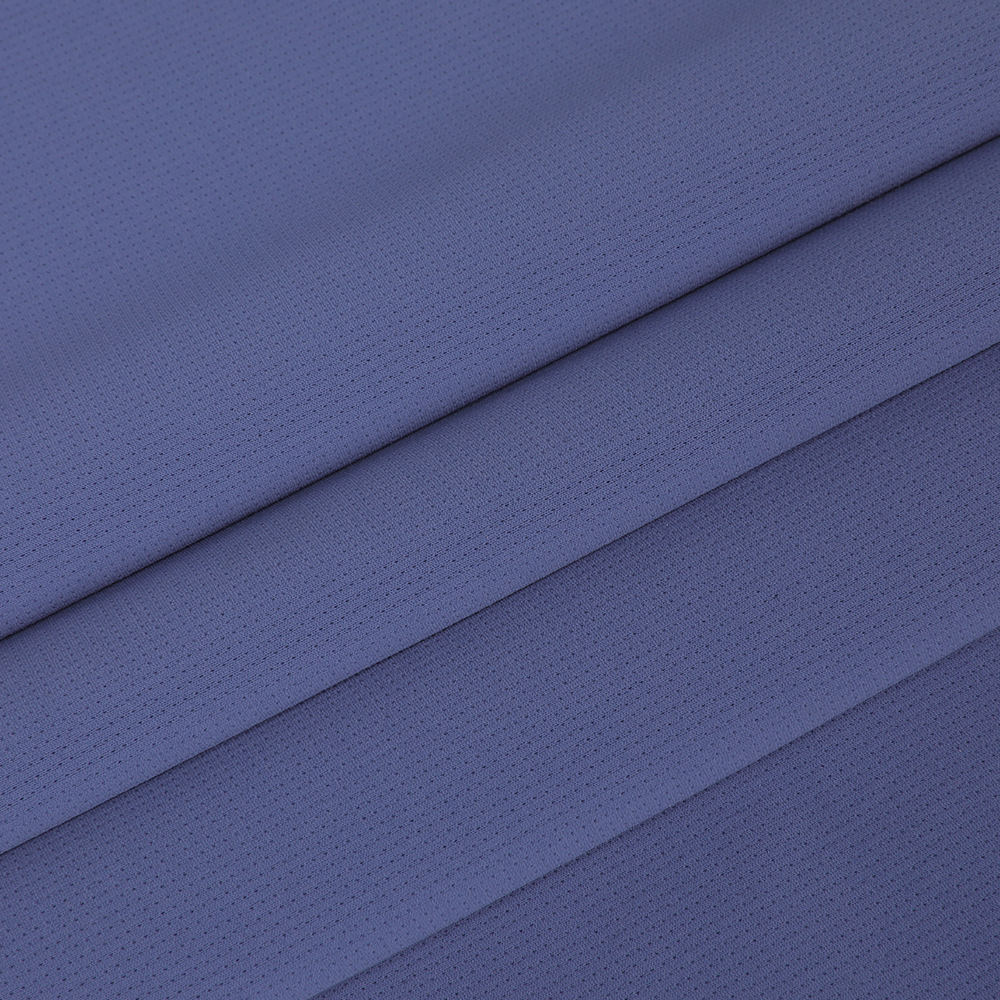 Breathable Moisture-Wicking Quick-Drying Interlock Polyester Sports Leisure FabricFunctional polyester interlock with double-sided structure and hydrophilic fibers, 145 cm wide and 178 gsm, suited to sports and leisure apparel.View Product →
Reading a Spec Sheet: Numbers That Predict Performance
Ask for test data on the finished, dyed fabric rather than on greige. Four values tell most of the story: vertical wicking height after five minutes, drop absorbency time, drying time, and air permeability. A fast absorbency time with a poor spreading rate is only half the story, because water that enters the fabric and stays there still feels wet against the skin.
| Construction | Typical weight (gsm) | Wicking character | Where it earns its place | Main risk |
|---|---|---|---|---|
| Fine denier polyester single jersey | 110 to 150 | Very fast pickup and transport | Running tees, liners, lightweight tops | Snags easily without an anti-snag finish |
| Polyester double pique | 160 to 200 | Fast pickup, excellent spreading | Golf and polo shirts | Dries slightly slower than plain jersey |
| Polyester and elastane mesh | 140 to 180 | Fast, with four-way stretch | Training, cycling, close-fit jerseys | Lower opacity and lower UV coverage |
| Interlock polyester | 180 to 240 | Steady transport, stable hand | Training tops, leggings, heavier tees | Warmer feel in hot climates |
| Cotton and polyester blend | 160 to 200 | Moderate, dependent on finish | Everyday tees and casual wear | Cotton holds water; drying slows after repeated washing |
| Silk, cotton and polyester blend | 140 to 180 | Moderate, dry and cool hand | Travel and business leisure | Higher cost; printing needs careful control |
| Wool or wool blend jersey | 180 to 260 | Slow pickup, strong odour control | Cool-weather base layers | Not a fast-dry fabric |
Matching Construction to the End Use
The fastest-wicking fabric is rarely the one a customer wants to wear, so match the construction to the garment rather than to the test report.
- Golf and polo shirts: double pique at 160 to 200 gsm, with raised loops inside and a flat face outside, holds a collar shape and keeps the placket from curling.
- Running and trail tees: single jersey or mesh at 110 to 150 gsm. Lighter fabric dries faster, but verify opacity when wet and add anti-snag protection if the fabric will rub against a pack strap.
- Training tops and leggings: interlock at 190 to 240 gsm with 5 to 10 percent elastane and recovery above 90 percent, which keeps the garment from bagging at the knee.
- Outdoor and sun exposure: UPF 30 to 50 plus a wicking finish that survives salt, sunscreen and repeated laundering.
- Travel and business leisure: silk, cotton and polyester blends where the silk protein gives a dry, cool hand and the polyester carries the moisture. A double pique built on that blend is a practical example for warm-weather leisure programmes.
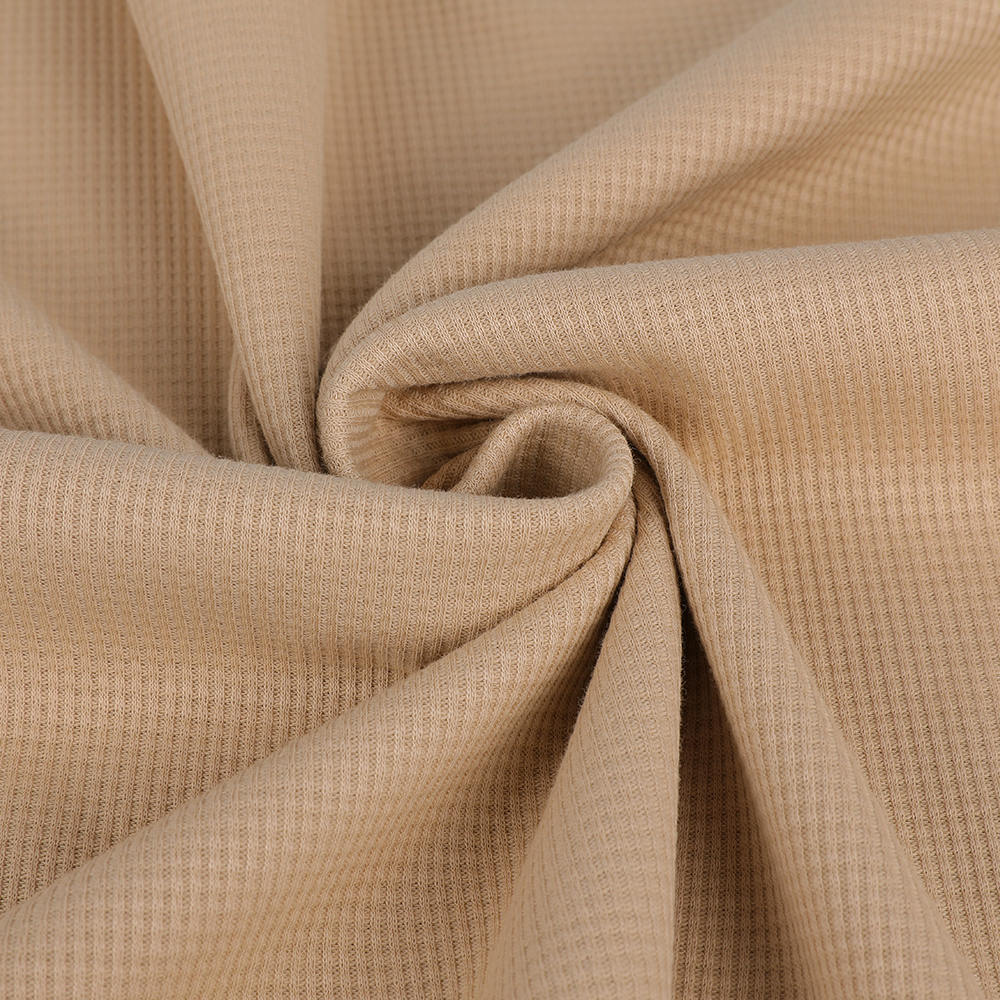
 Double Pique Moisture Wicking and Quick Drying Silk Cotton and Polyester Outdoor Leisure SSilk 36 Polyester 34 Cotton 30View Product →
Where Wicking Claims Break Down in Production
Most disappointing wicking performance is not a fibre problem; it is a finishing and process-control problem that appears after the second or third wash.
The first risk is finish durability. A standard hydrophilic top finish can fade measurably after 10 to 15 home launderings, so ask for wicking data measured after 20 washes, not only on the initial sample. The second is chemistry conflict: softeners, silicone handle modifiers and excess binder in a print paste can all reduce the water pathway, and this shows up most often on printed styles, where the printed zones wick more slowly than the ground. The third is shrinkage. A cotton blend that shrinks six percent compresses the structure, cutting air permeability and slowing drying, which is exactly why liquid ammonia and mercerised routes are used on cotton-rich qualities.
Snagging and pilling on the outer face are the fourth risk, and they matter more than most buyers expect, because a snagged yarn pulls and the surface no longer spreads moisture evenly. Colourfastness to perspiration and to light belongs on the same test list. A lightweight anti-snag cotton-polyester elastane mesh with liquid ammonia cotton, for instance, combines open ventilation with the dimensional stability that keeps fit and drying behaviour intact after washing.
 Lightweight Anti-Snag Cotton Polyester Spandex Mesh Outdoor Leisure FabricMesh fabric combining Cool Polyester, Sea Island Cotton and Spandex, 176 cm wide and 249 gsm, with anti-snagging construction for outdoor leisure sports.View Product →
For a closer look at how dry comfort is engineered into a knit rather than added on top of it, the technical notes behind these finishing routes are worth reading before the next development round.
What to Verify Before You Commit to Bulk
A short, disciplined checklist prevents most of the disputes that follow a bulk order.
- Request wicking, absorbency and drying test reports on the finished, dyed and printed fabric, not on greige or on an untreated sample.
- Run the fabric through 5, 10 and 20 home launderings, then re-test wicking height and drying time to confirm the finish is durable.
- Check shrinkage and stretch recovery after washing at 40 degrees Celsius, especially on cotton-rich and elastane-containing qualities.
- Confirm air permeability alongside wicking; a fabric that holds water at the surface may also trap heat.
- Agree acceptance thresholds in writing, with the test method named, so a borderline result can be judged against a number rather than an opinion.
- Run a wear trial with real users in the real climate before committing to a full programme.
Test reports for the qualities in our knitted fabric range can be shared at the sampling stage, which is the cheapest moment to change a specification.
Moisture wicking knit fabric rewards buyers who treat it as an engineering specification rather than a marketing phrase. Choose the filament, fix the structure, protect the finish, then verify it after washing. Get those four steps right and the difference between two identical-looking swatches stops being a gamble.