
 English
 日本語
日本語 中文简体
中文简体
Content
- 1 Introduction
- 2 1. High‑Quality Knitted Shirt Fabric for Casual Wear
- 3 2. Knitted Shirt Fabric vs Woven Shirt Fabric Comparison
- 4 3. Breathable Knitted Shirt Fabric for Summer
- 5 4. Knitted Shirt Fabric Manufacturing Process Steps
- 6 5. Stretchable Knitted Shirt Fabric for Activewear
- 7 Conclusion
- 8 Frequently Asked Questions (FAQ)
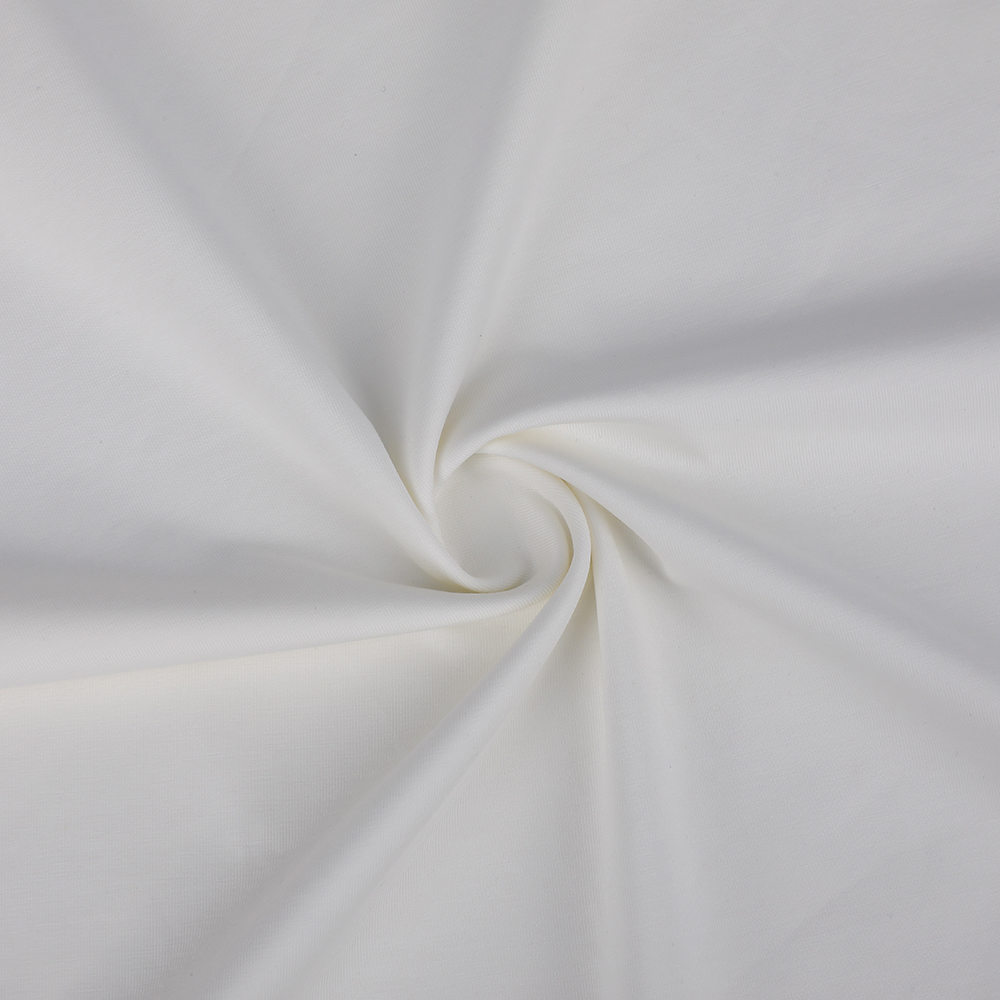
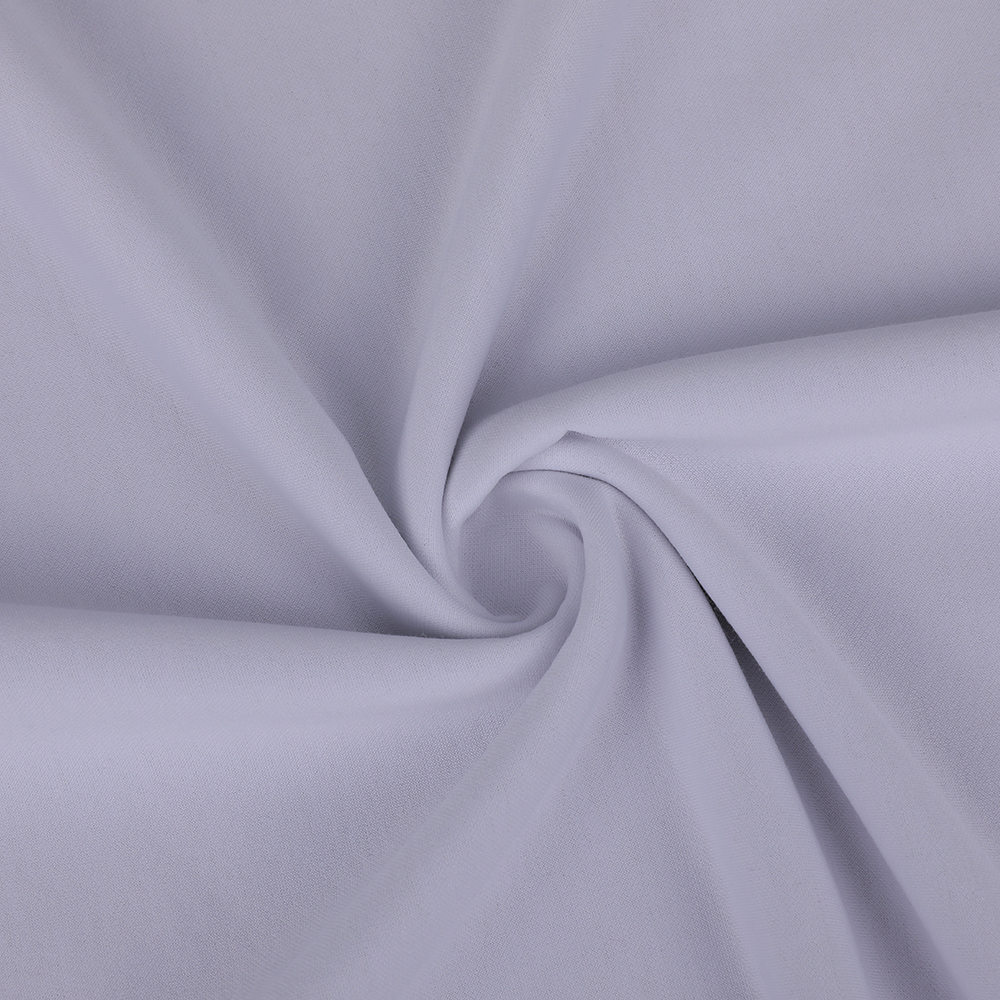
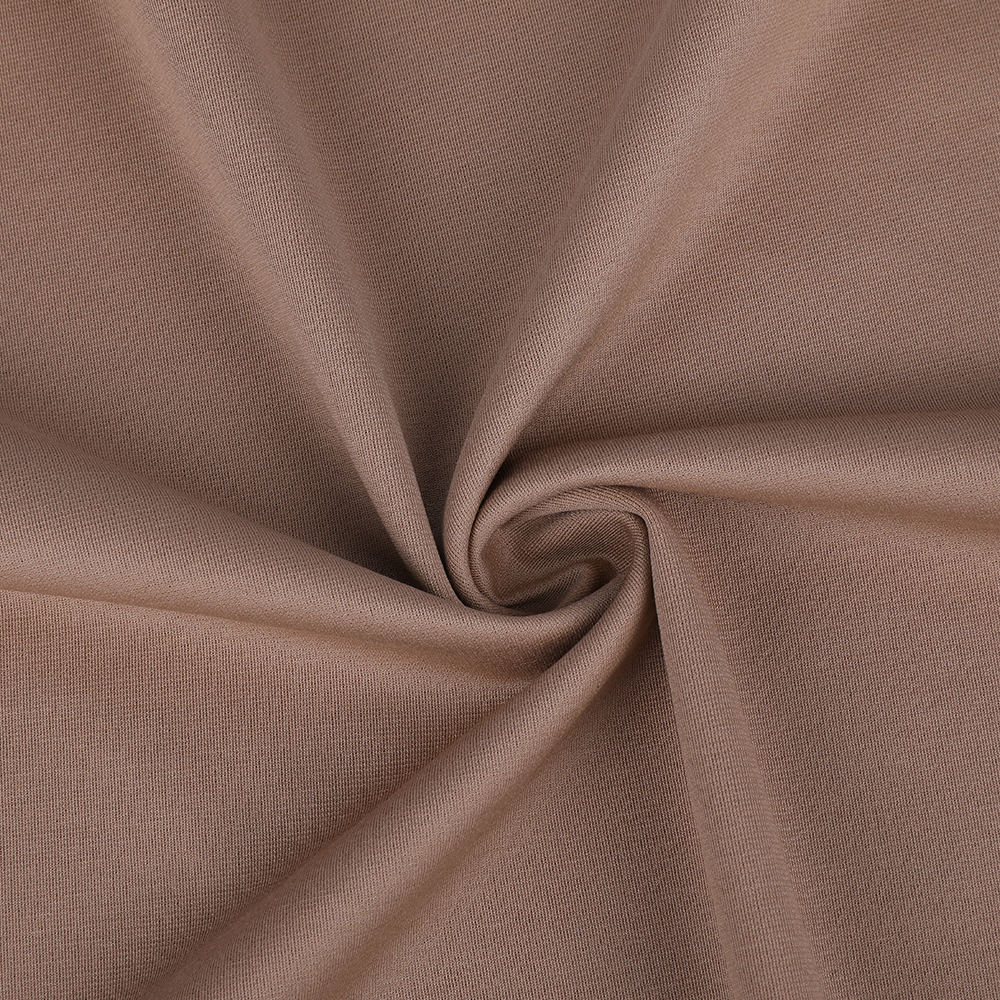
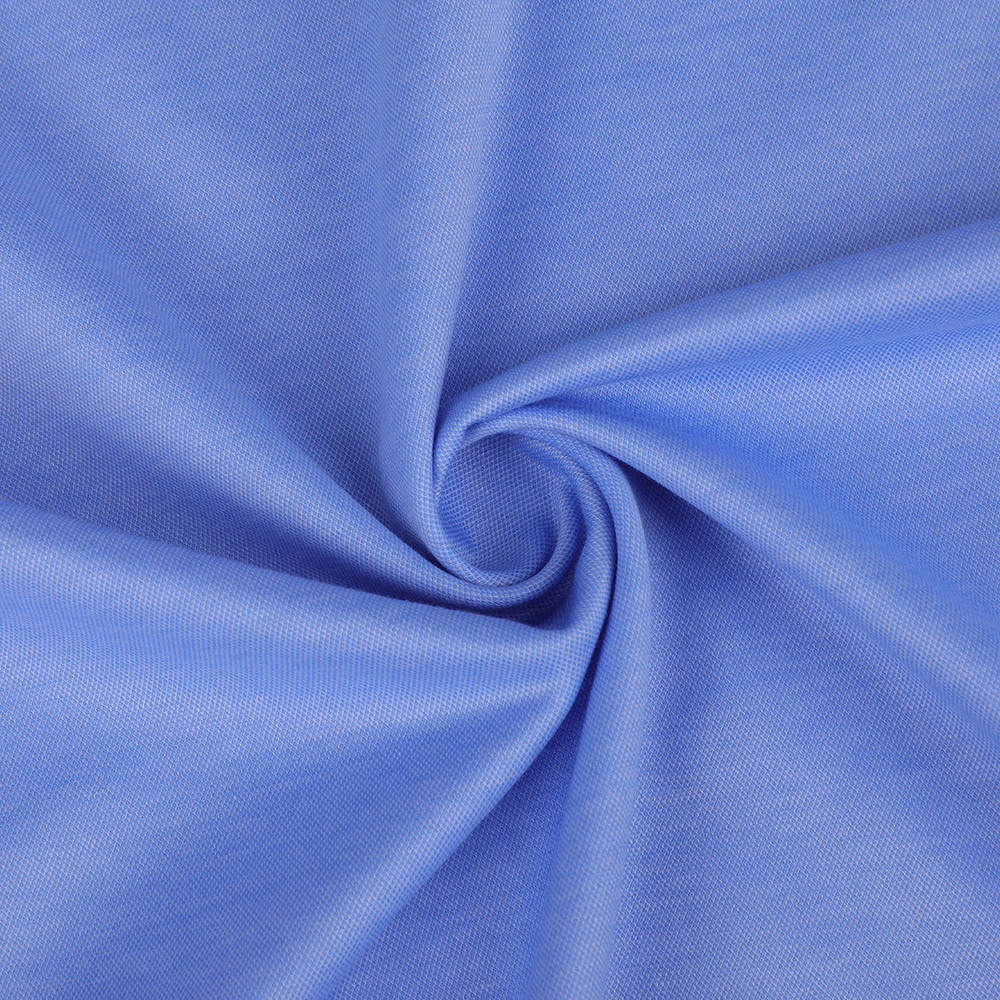
As a textile engineering and apparel solutions provider, our company specializes in sourcing, evaluating, and supplying advanced fabric materials to garment manufacturers, brands, and B2B procurement teams worldwide. One category that has seen rapid growth in demand is Knitted Shirt Fabric due to its versatility, comfort, and performance qualities. This article explores the key advantages of knitted shirt fabrics, their functional differences compared to woven shirts, manufacturing insights, and practical applications in casual and activewear markets.
Introduction
The global knitted fabric market is growing rapidly in response to consumer demand for comfortable, breathable apparel and performance textiles. According to the latest report by IMARC Group, the global knitted fabric market reached a valuation of approximately USD 33.8 billion in 2025, with projected steady growth through 2034, driven by demand in fashion, sportswear, and technical apparel markets.
Source: Global Knitted Fabric Market Report by IMARC Group
Within this broader market, high-quality knitted shirt fabric for casual wear captures a significant portion due to its suitability for T‑shirts, polo shirts, and other everyday garments. Knitted constructions offer a unique combination of flexibility and comfort not typically achieved with traditional woven materials.
1. High‑Quality Knitted Shirt Fabric for Casual Wear
High‑quality knitted shirt fabric for casual wear delivers a balance of softness, durability, and wearer comfort which is critical in everyday apparel. Manufacturers prioritize knit fabrics with optimized yarn compositions and loop structures that enhance flexibility and handle without sacrificing performance under repeated use.
- Soft Hand Feel: The looped structure of knit fabrics results in a softer hand feel compared to many woven shirt fabrics.
- Conformity to Body Shape: Knit fabrics naturally contour to body movements, improving wearer comfort during prolonged use.
- Stretch and Recovery: Most knitted structures return to their original shape after stretching, reducing distortion after wear.
These properties make knitted fabrics a preferred choice for casual shirt manufacturing where comfort and everyday wearability are primary design objectives.
2. Knitted Shirt Fabric vs Woven Shirt Fabric Comparison
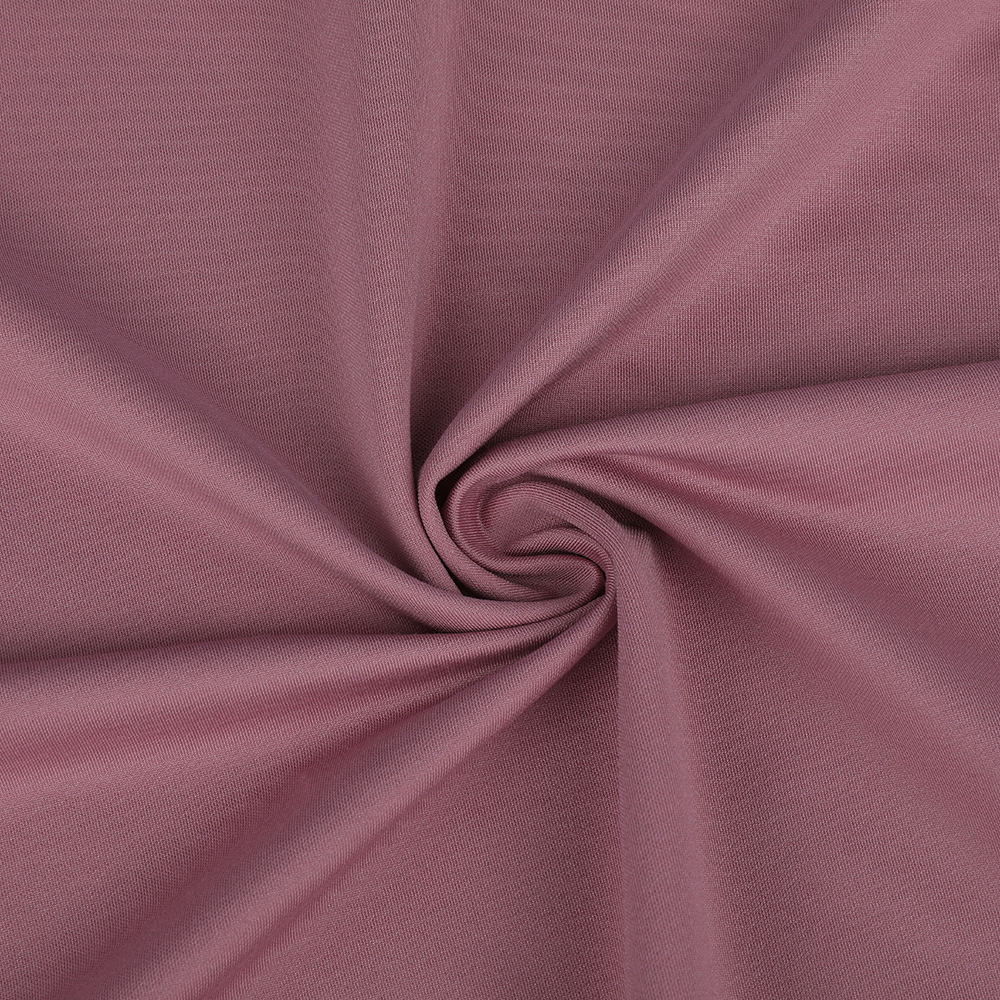
To understand fundamental differences between fabric constructions, a knitted shirt fabric vs woven shirt fabric comparison is essential for engineers and technical buyers. Knitted fabrics, made by interlooping yarns, inherently exhibit greater elasticity, while woven constructions interlace yarns at right angles to provide dimensional stability and higher tensile strength.
| Property | Knitted Shirt Fabric | Woven Shirt Fabric |
| Elasticity and Stretch | High — loops allow multi‑directional stretch | Low — minimal stretch without added elastane |
| Comfort and Drape | Soft, conforms to body | Structured, stable |
| Breathability | Superior airflow due to porous structure | Moderate depending on weave and fiber |
| Durability | Good but prone to snagging | High abrasion resistance |
This comparison shows that while knit fabrics excel in comfort and flexibility, woven shirt fabrics remain advantageous when rigidity and tensile strength are primary concerns.
3. Breathable Knitted Shirt Fabric for Summer
One of the most valued attributes of knitted fabrics is breathability, particularly in warm weather applications. Breathable knitted shirt fabric for summer enhances wearer comfort by facilitating air movement and moisture management. The loop‑based knit structure allows more open spaces between yarns compared with traditional woven constructions, which promotes airflow and evaporation of sweat. :contentReference[oaicite:1]{index=1}
- Air Circulation: Knits with open structures help regulate body temperature in hot conditions.
- Moisture Wicking: Loop topology increases capillary action, dispersing moisture for quick evaporation.
- Lightweight Comfort: Suitable yarn selections can further reduce fabric weight without compromising performance.
These factors make breathable knit fabrics a preferred choice for summer shirts and activewear where thermal comfort significantly impacts user experience.
4. Knitted Shirt Fabric Manufacturing Process Steps
Understanding knitted shirt fabric manufacturing process steps provides insight into how material performance is engineered. The key stages include:
- Yarn Selection: Choosing fiber blends (e.g., cotton, polyester, elastane) tailored to specific performance goals.
- Knitting Formation: Weft or warp knitting machines interloop yarns to create the desired fabric structure.
- Loop Density Control: Adjusting stitch density to balance stretch, strength, and hand feel.
- Post‑Processing: Washing, heat setting, and finishing treatments enhance dimensional stability and hand feel.
These manufacturing steps allow engineers to precisely tailor knitted shirt fabrics for targeted end‑use performance, aligning mechanical properties with design specifications.
5. Stretchable Knitted Shirt Fabric for Activewear
Stretchable knitted shirt fabric for activewear is engineered to support a wide range of motion while maintaining recovery and mechanical resilience. Such fabrics often incorporate elastane or advanced yarn constructions to deliver both elasticity and durability.
- Enhanced Mobility: High stretch supports dynamic movements without fabric resistance.
- Rapid Recovery: Knits rebound quickly to original dimensions after extension.
- Moisture Management: Engineered knits can improve sweat dispersion for active use.
Activewear manufacturers often leverage these properties to produce performance shirts that support athletic and lifestyle applications while maintaining comfort and fit integrity.
Conclusion
In summary, Knitted Shirt Fabric provides advantages in comfort, breathability, and stretch that make it well‑suited for casual wear and active apparel manufacturing. Compared with traditional woven materials, knit fabrics offer unique performance benefits that address modern consumer expectations for comfort and functional apparel. By understanding manufacturing processes and specific material trade‑offs, engineers and procurement professionals can make informed decisions that optimize both garment performance and end‑user satisfaction.
Frequently Asked Questions (FAQ)
- What makes knitted shirt fabric more comfortable? – Its loop‑based structure provides stretch and flexibility, enhancing conformity to the body.
- How does knit fabric differ from woven in terms of breathability? – Knitted fabrics generally allow better airflow due to their porous structure.
- Is knitted fabric suitable for summer shirts? – Yes, breathable knit structures help regulate temperature and manage moisture.
- What are key steps in knitting shirt fabric? – Yarn selection, knitting formation, stitch density control, and finishing are core stages.
- Can knitted shirt fabrics be used for activewear? – Yes, stretchable knit fabrics with added elastane support mobility and performance.