
 English
 日本語
日本語 中文简体
中文简体
Content
- 1 Understanding Key Performance Features in Sports Fabrics
- 2 Sustainable Options: The Rise of Eco-Friendly Sports Fabrics
- 3 Customization Solutions for Brand Differentiation
- 4 Sourcing and Quality Control Best Practices
- 5 FAQ
- 5.1 What is the minimum order quantity for custom printed performance fabrics?
- 5.2 How do recycled polyester fabrics compare to virgin polyester in performance?
- 5.3 What certifications should I require for sustainable sports fabrics?
- 5.4 How can I verify the quality of bulk stretch knit fabric before ordering?
- 5.5 What are the latest trends in sports fabric technology?
Understanding Key Performance Features in Sports Fabrics
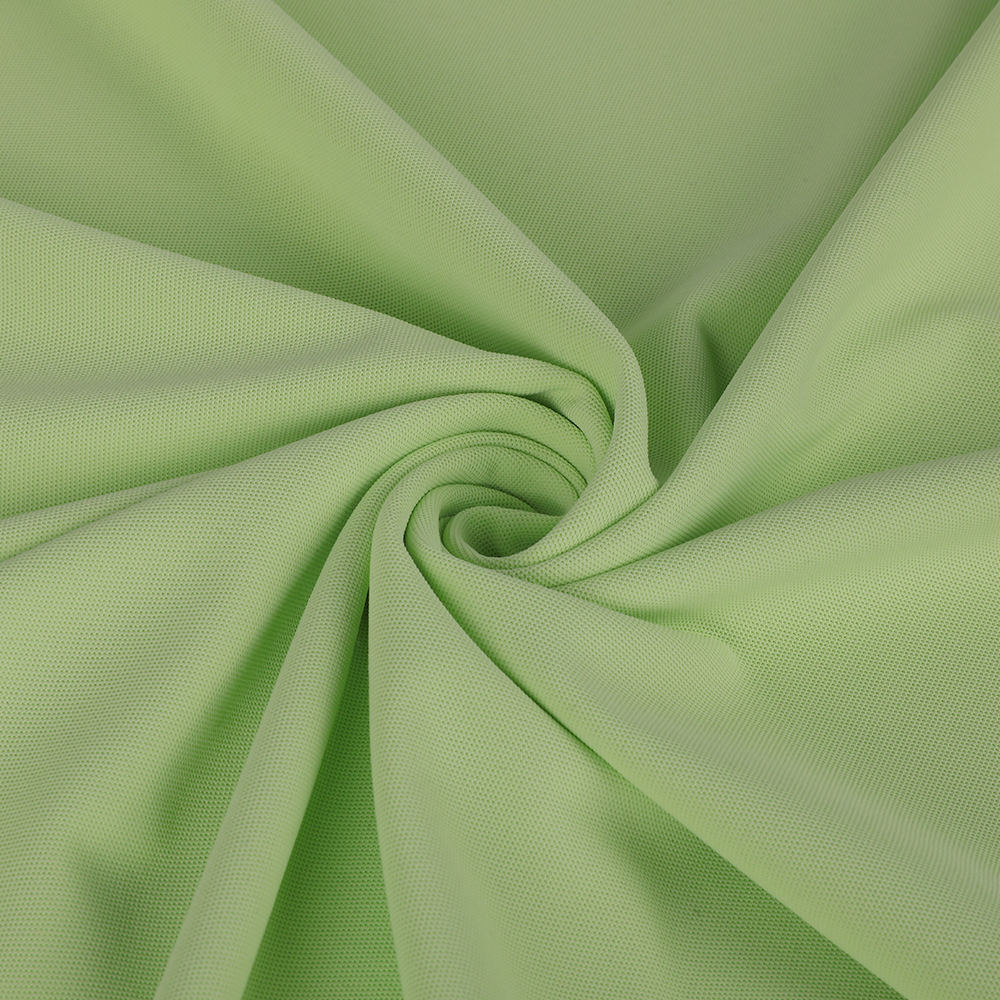
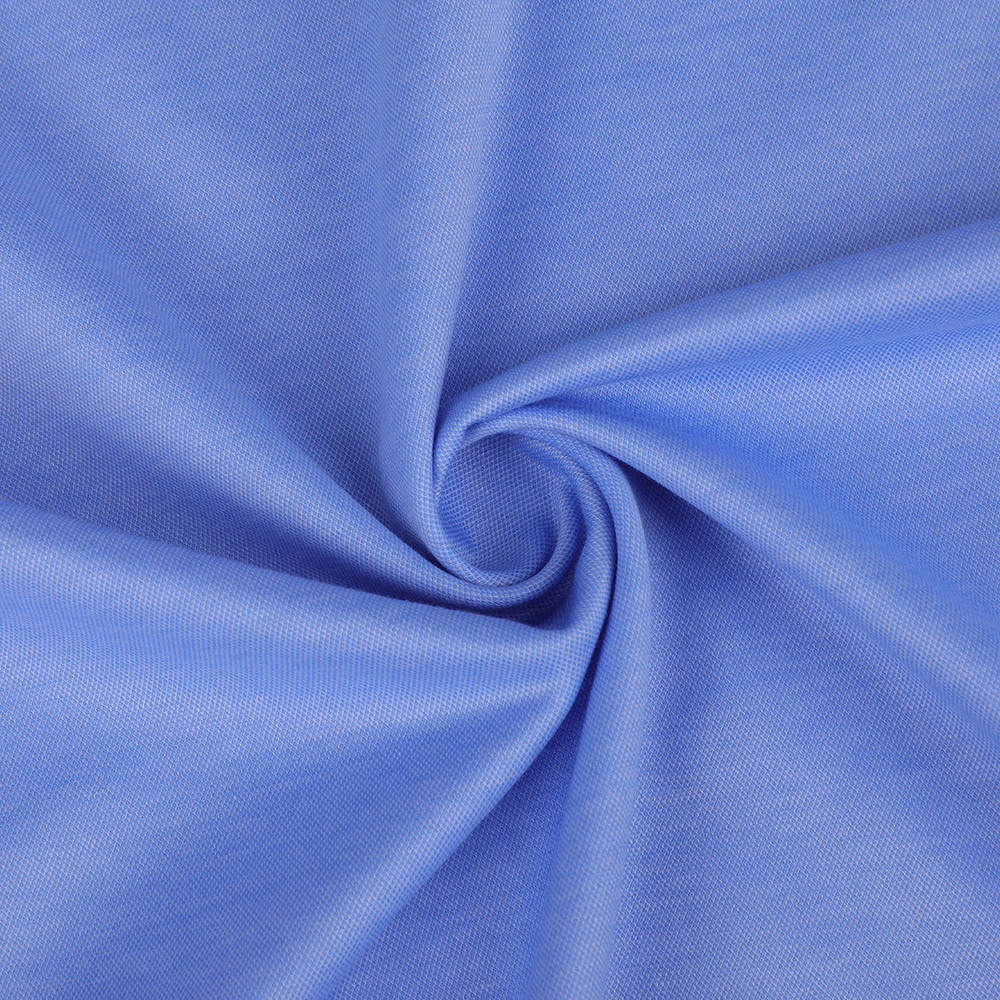
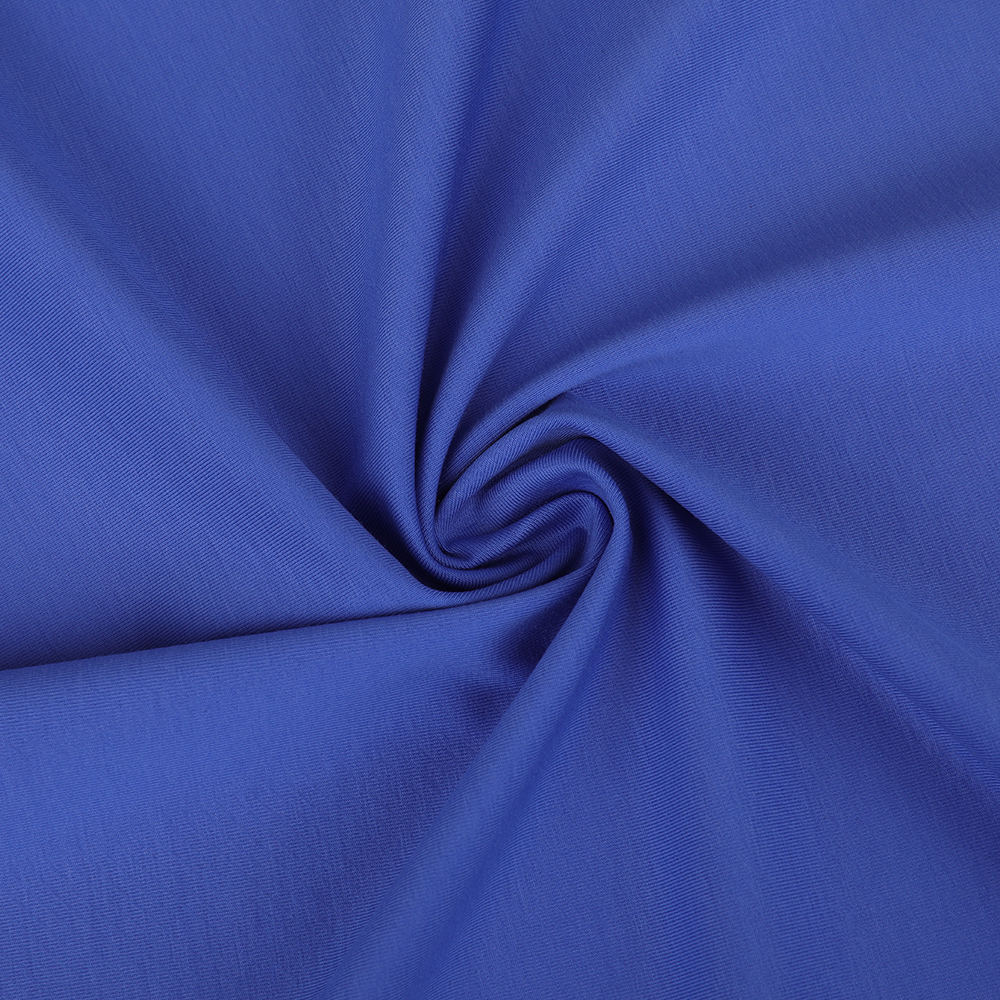
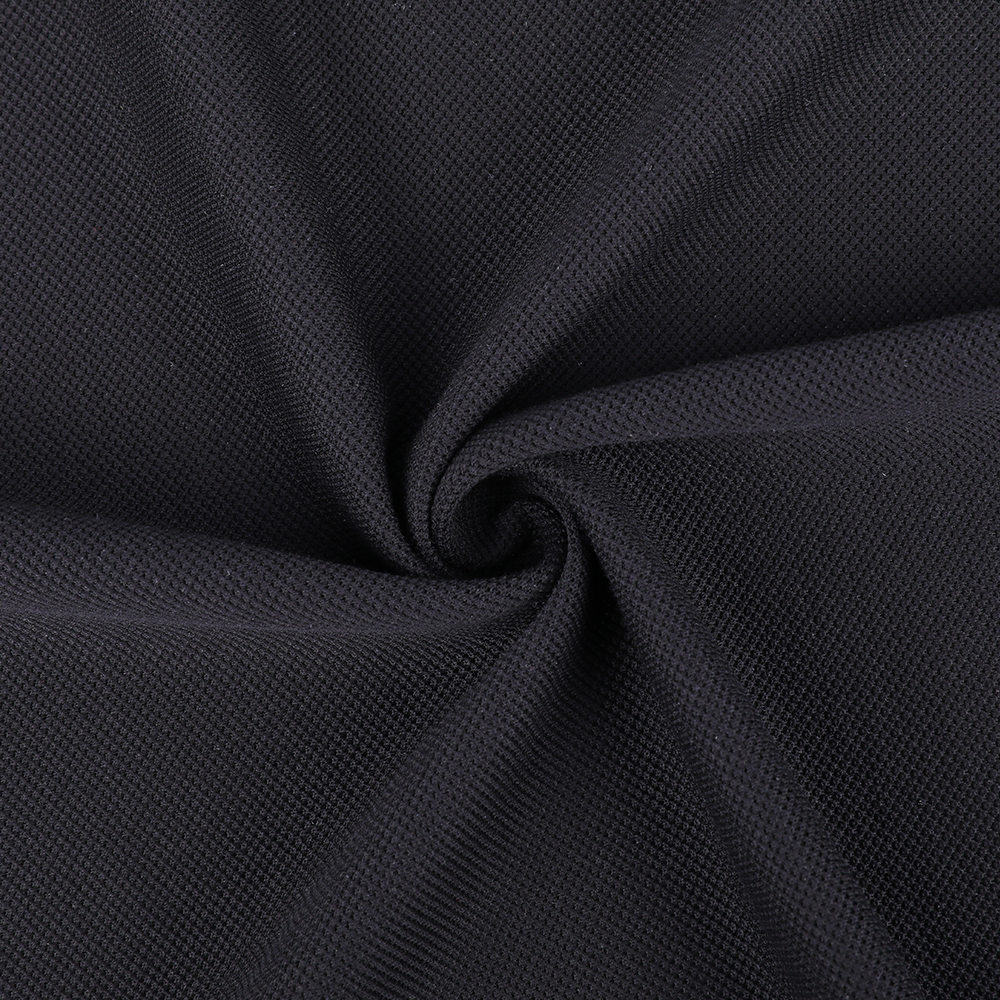
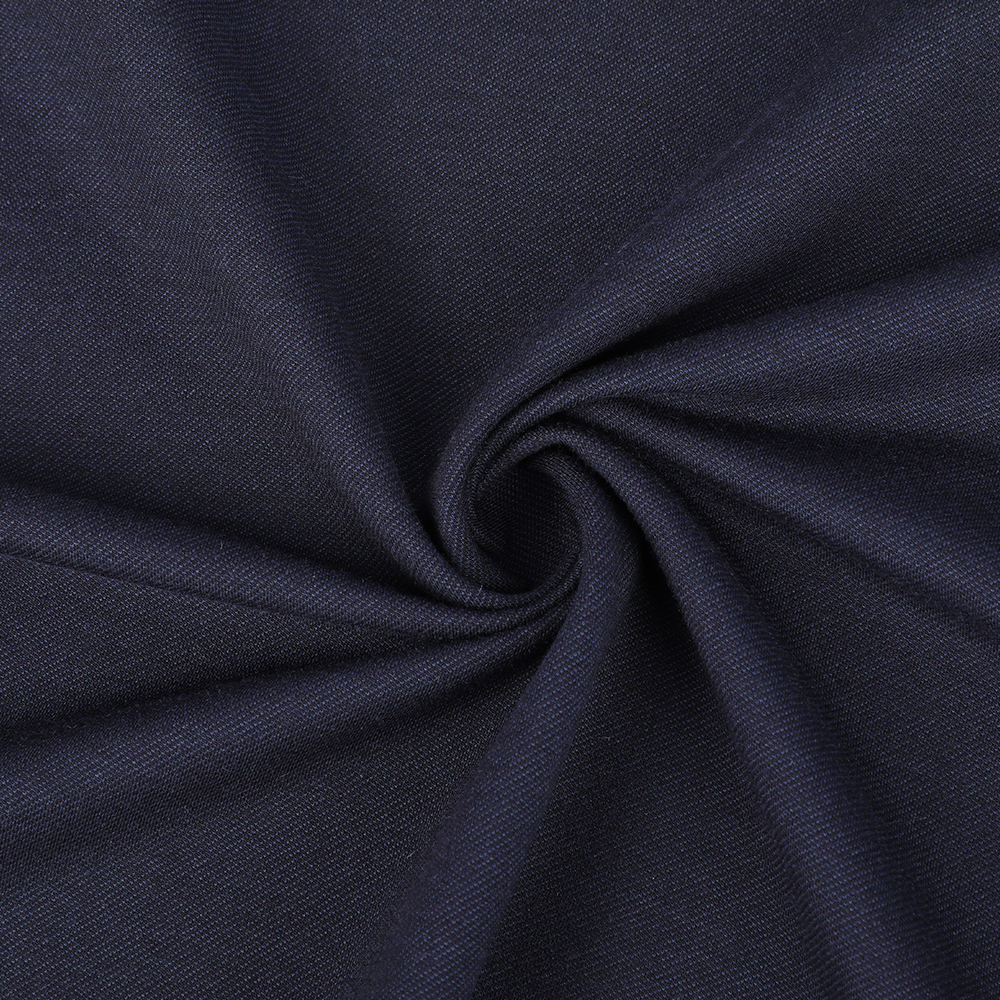
Knitted Sports Leisure Fabrics
Selecting the right wholesale knitted sports leisure fabrics begins with understanding critical performance characteristics that define athletic wear success. Modern sportswear demands more than basic comfort—it requires engineered textiles that enhance performance while maintaining durability through repeated use and washing cycles. The interplay between fiber composition, knit structure, and chemical finishes determines how well a fabric manages moisture, regulates temperature, and withstands mechanical stress during physical activity.
Why moisture wicking knit fabric wholesale Matters for Athletic Wear
Moisture management stands as the cornerstone of performance textiles. When athletes engage in physical activity, their bodies produce perspiration that must be rapidly transported away from the skin to prevent discomfort and chafing. High-quality moisture wicking knit fabric wholesale utilizes specialized fiber constructions that create capillary action, drawing moisture along the fabric surface where it can evaporate efficiently. This process relies on hydrophobic synthetic fibers like polyester and nylon, which form channels for moisture transport while the fabric's outer surface facilitates quick evaporation.
- Hydrophobic synthetic fibers form the moisture transport channel
- Capillary action moves sweat from inner to outer fabric layers
- Evaporation rate increases by 40-60% compared to cotton
- Reduces skin temperature by 2-3°C during intense activity
The Science Behind quick dry knit fabric for athletic wear
Quick-dry technology represents an evolution beyond basic moisture wicking. These fabrics incorporate both chemical and physical modifications to accelerate evaporation. The science involves creating larger surface areas through fiber cross-section variations and applying hydrophilic finishes that spread moisture thinly for rapid drying. Advanced quick dry knit fabric for athletic wear often features engineered yarns with irregular cross-sections that increase surface area by up to 30% compared to round fibers, significantly enhancing moisture dispersion and evaporation rates.
Comparing Quick Dry Technologies: Microfiber vs. Structured Weaves
Two dominant approaches govern quick-dry fabric construction. Microfiber technology utilizes ultra-fine filaments (less than 1 denier) that create enormous surface area for moisture dispersion. Structured weaves employ geometric patterns that create air channels for enhanced ventilation. Each method offers distinct advantages depending on the intended application, with microfibers excelling in lightweight applications and structured weaves providing superior ventilation in heavier garments.
| Technology | Drying Time (min) | Breathability Rating | Best Use Case |
| Microfiber | 15-20 | High | Running shirts, cycling jerseys |
| Structured Weave | 20-25 | Very High | Training pants, warm-up gear |
Stretch and Recovery: Evaluating bulk stretch knit fabric for sportswear
Elastic performance determines how well athletic garments maintain shape during dynamic movements. Quality bulk stretch knit fabric for sportswear must balance immediate stretch with complete recovery to prevent bagging. This is achieved through elastane integration (typically 5-15% content) and specialized knitting patterns that create four-way stretch capabilities. The key metric is recovery rate, which should exceed 95% after 1000 stretch cycles to ensure long-term performance and appearance retention.
- Spandex/Elasthanne content: 5% for light stretch, 15% for compression
- Recovery rate should exceed 95% after 1000 stretch cycles
- Power mesh zones provide targeted ventilation without sacrificing stretch
- Flatlock seams prevent chafing during extended wear
Sustainable Options: The Rise of Eco-Friendly Sports Fabrics
The sports textile industry is undergoing a significant transformation toward sustainability. Environmental consciousness now drives material innovation, with recycled materials and eco-friendly production processes becoming standard expectations rather than premium options. This shift reflects both consumer demand and regulatory pressures across global markets, making sustainable wholesale knitted sports leisure fabrics increasingly important for brand positioning and compliance.
Working with recycled polyester sports fabric suppliers
Partnering with recycled polyester sports fabric suppliers requires understanding both the benefits and limitations of recycled materials. Modern recycled polyester performs nearly identically to virgin polyester while reducing environmental impact by 30-50% depending on the recycling process. The key is verifying the recycling chain and ensuring consistent quality control, as recycled materials can sometimes exhibit slight variations in color or texture compared to virgin alternatives.
Certifications to Look For: GRS, OEKO-TEX, and Bluesign
Third-party certifications provide assurance of environmental and safety standards. The Global Recycled Standard (GRS) verifies recycled content and chain of custody, while OEKO-TEX ensures harmful chemical absence. Bluesign certification covers the entire production process for resource efficiency. These certifications have become essential requirements for major sportswear brands seeking to validate their sustainability claims.
| Certification | Focus Area | Verification Process | Renewal Required |
| GRS | Recycled content tracking | Annual audit | Yes |
| OEKO-TEX | Chemical safety | Product testing | Yes |
| Bluesign | Production sustainability | System audit | Yes |
Performance vs. Sustainability: Finding the Right Balance
The challenge lies in maintaining performance characteristics while incorporating sustainable practices. Recent innovations have largely closed this gap, with recycled materials now matching wicking rates, durability, and stretch recovery of virgin alternatives. The remaining considerations often involve color consistency and hand feel, which continue to improve with advancing technology in fiber processing and finishing treatments.
Customization Solutions for Brand Differentiation
In today's crowded sportswear market, brand differentiation through fabric customization has become a critical competitive advantage. Custom solutions allow brands to create unique product identities while optimizing performance for specific activities and consumer preferences. The ability to offer distinctive fabric options can significantly impact brand recognition and customer loyalty.
Exploring custom printed activewear fabric wholesale Options
Custom printing on performance fabrics presents unique challenges due to the hydrophobic nature of synthetic fibers. Custom printed activewear fabric wholesale requires specialized techniques that maintain fabric properties while achieving vibrant, durable designs. The choice between digital printing and sublimation depends on order quantity, design complexity, and performance requirements, with each method offering distinct advantages for different applications.
Digital vs. Sublimation Printing: What Works Best for Knits
Direct-to-fabric digital printing offers excellent color reproduction for small batches, while sublimation provides superior durability and penetration into the fiber structure. For stretch knits, sublimation generally maintains elasticity better, though modern digital inks have significantly improved flexibility. The decision ultimately balances cost, quantity, and performance priorities based on the specific product requirements.
| Method | Min Order (yards) | Color Accuracy | Fabric Feel Impact |
| Digital Printing | 50 | 95% | Minimal |
| Sublimation | 500 | 85% | Slightly increased stiffness |
Color Fastness and Durability Testing for Custom Prints
Custom printed sportswear must withstand rigorous use conditions including repeated washing, UV exposure, and mechanical stress. Comprehensive testing protocols should include: 20+ wash cycles at 40°C, 100+ hours of UV exposure testing, and 5000+ rub cycles for color transfer resistance. Performance fabrics should maintain at least 80% color intensity after these tests to ensure customer satisfaction and brand reputation.
Sourcing and Quality Control Best Practices
Effective sourcing strategies for performance textiles require systematic evaluation of suppliers, rigorous testing protocols, and clear quality standards. The global nature of textile manufacturing adds complexity to supply chain management, making due diligence essential for consistent quality and reliable delivery schedules.
Evaluating wholesale knitted sports leisure fabrics Suppliers
Supplier assessment must extend beyond basic capability verification to include production consistency, innovation capacity, and compliance adherence. Key evaluation criteria include: ISO certification status, minimum order quantities, lead time reliability, and technical support availability. Site visits provide valuable insights into actual production conditions versus presented capabilities.
Red Flags to Watch For in Fabric Sourcing
Certain warning signs indicate potential supplier risks that could impact product quality and delivery schedules. These include: inconsistent sample quality, reluctance to provide certification documentation, unusually low pricing (suggesting corner cutting), and communication barriers. Additionally, suppliers unable to provide detailed technical specifications often lack deep product knowledge.
- Vague performance claims without supporting test data
- Resistance to third-party inspection requirements
- Inconsistent lead times across orders
- Limited understanding of sportswear performance requirements
Sample Testing Protocols Before Bulk Orders
Comprehensive sample testing prevents costly quality issues in bulk production. Essential tests include: dimensional stability after washing, color fastness to light and rubbing, pilling resistance, and burst strength testing. Performance-specific tests should verify moisture management rates, stretch recovery, and air permeability. Minimum sample quantities should allow for complete testing plus garment prototype production.
FAQ
What is the minimum order quantity for custom printed performance fabrics?
Minimum orders vary significantly between printing methods. Digital printing typically starts at 50-100 yards, making it accessible for small brands and designers. Sublimation printing generally requires 500+ yards due to setup costs. Some suppliers offer hybrid solutions with lower minimums for standard colorways combined with custom print elements. Always confirm MOQ requirements early in the design process to avoid production delays.
How do recycled polyester fabrics compare to virgin polyester in performance?
Modern recycled polyester achieves 95-98% performance parity with virgin alternatives. Key metrics like moisture wicking rate, drying time, and durability show negligible differences. The primary distinctions involve color consistency (recycled fibers may show slight variation) and initial hand feel (some recycled fabrics feel slightly stiffer until broken in). These differences continue to diminish as recycling technologies advance.
What certifications should I require for sustainable sports fabrics?
Essential certifications include GRS (Global Recycled Standard) for recycled content verification, OEKO-TEX Standard 100 for chemical safety, and Bluesign for comprehensive sustainable production. Additional valuable certifications include FSC (for wood-based viscose), GOTS (for organic cotton blends), and Cradle to Cradle for overall sustainability assessment. Requirements vary by market and brand positioning.
How can I verify the quality of bulk stretch knit fabric before ordering?
Request comprehensive test reports including: stretch recovery percentage (should exceed 95%), dimensional stability after washing (less than 3% shrinkage), and burst strength (minimum 300kPa). Conduct physical tests on samples including repeated stretch cycles and wash tests. Verify elastane content and knitting structure specifications match your requirements. Third-party laboratory verification provides additional assurance.
What are the latest trends in sports fabric technology?
Current trends include bio-based synthetic fibers (made from corn or sugarcane), integrated smart textiles (with temperature regulation or biometric monitoring), and waterless dyeing processes. Additionally, there's growing demand for fabrics with antimicrobial properties, enhanced UV protection, and adaptive insulation that changes based on temperature. Sustainable innovations continue to drive most new developments in the sector.