
 English
 日本語
日本語 中文简体
中文简体
Content
- 1 Understanding the Core Composition of Single-Sided Jacquard Fabric
- 2 Application Advantages of Single-Sided Jacquard in Various Garment Fields
- 3 Scientific Maintenance for Optimal Fabric Performance
- 4 Key Factors in Choosing Between Single-Sided and Double-Sided Jacquard
- 5 Why Single-Sided Jacquard is the Perfect Fabric Choice for Summer Shirts
Understanding the Core Composition of Single-Sided Jacquard Fabric
The Uniqueness of the Single-Sided Jacquard Weaving Technique
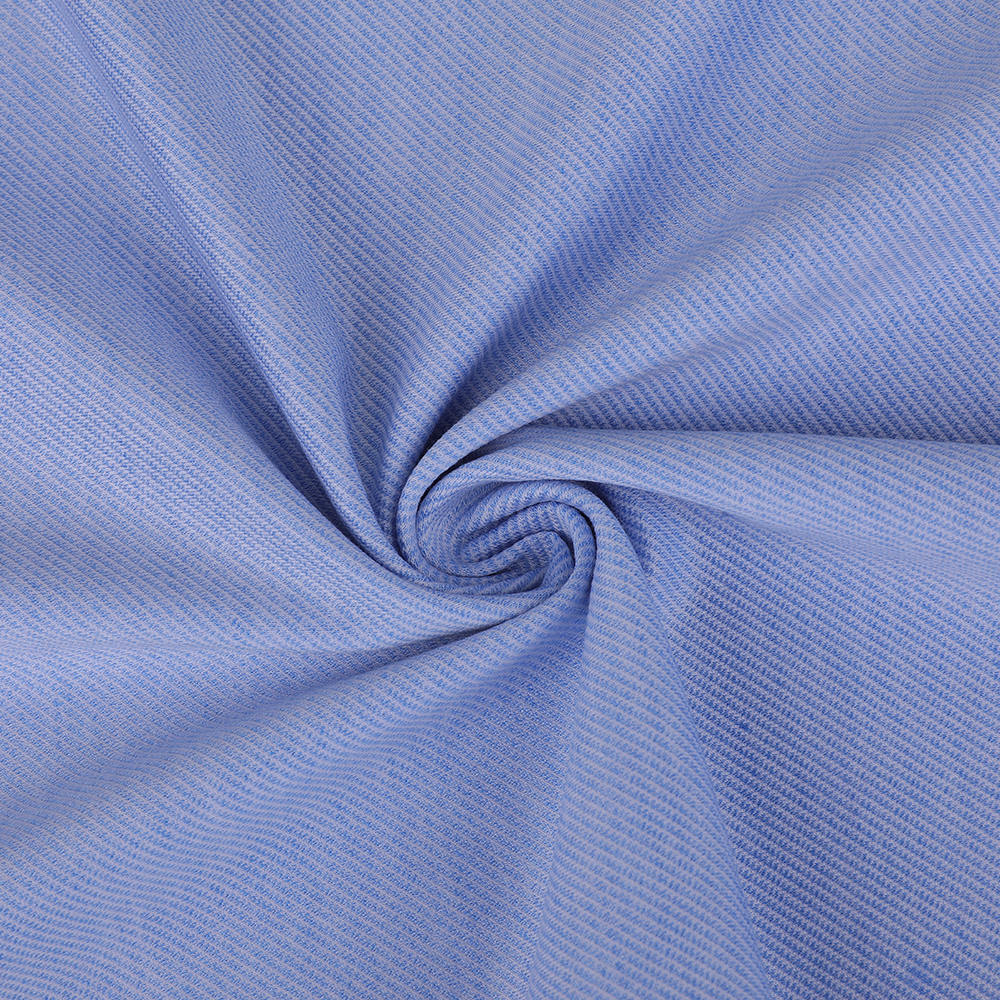
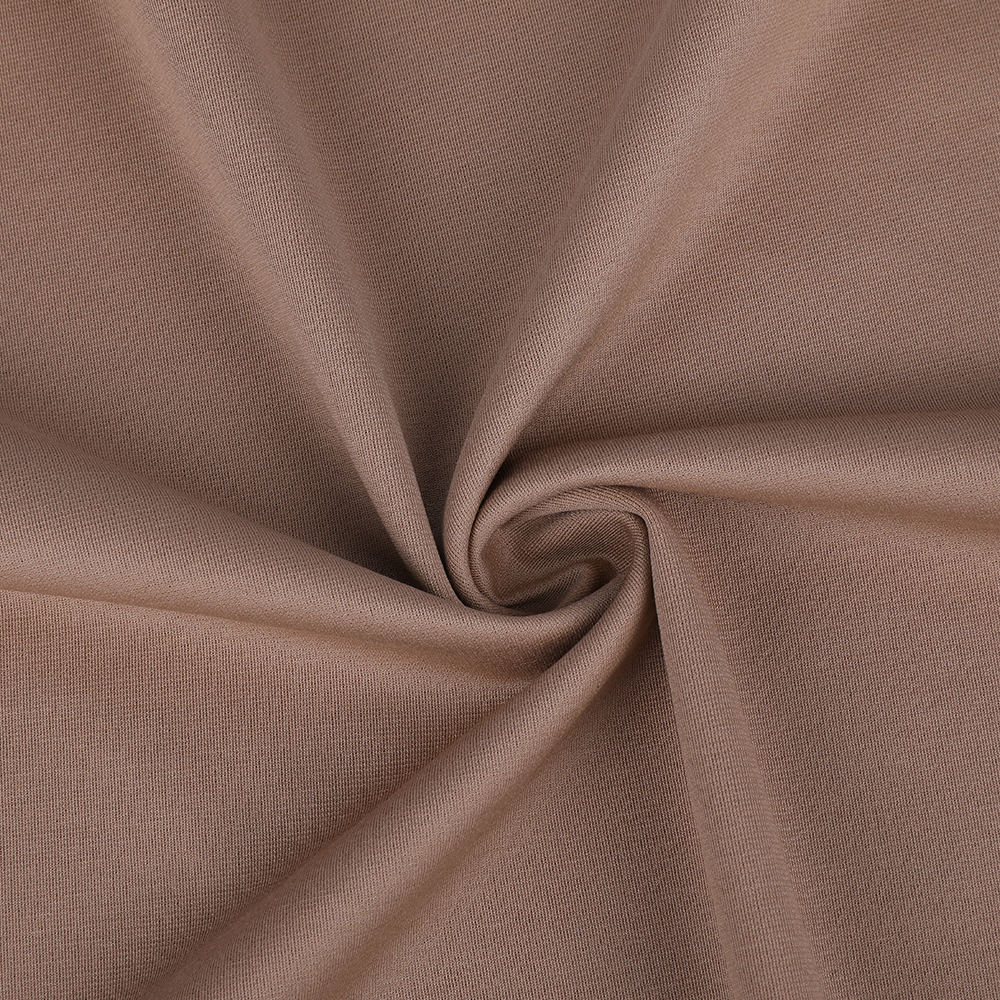
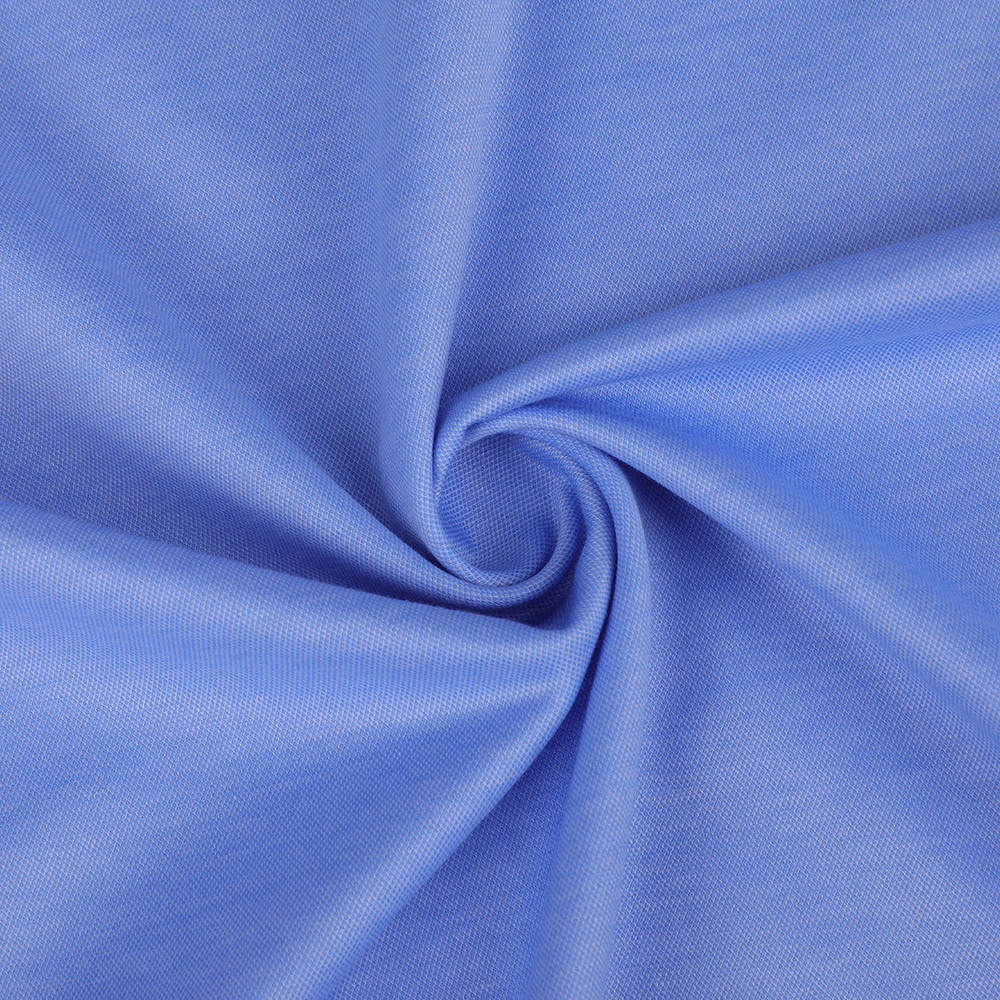
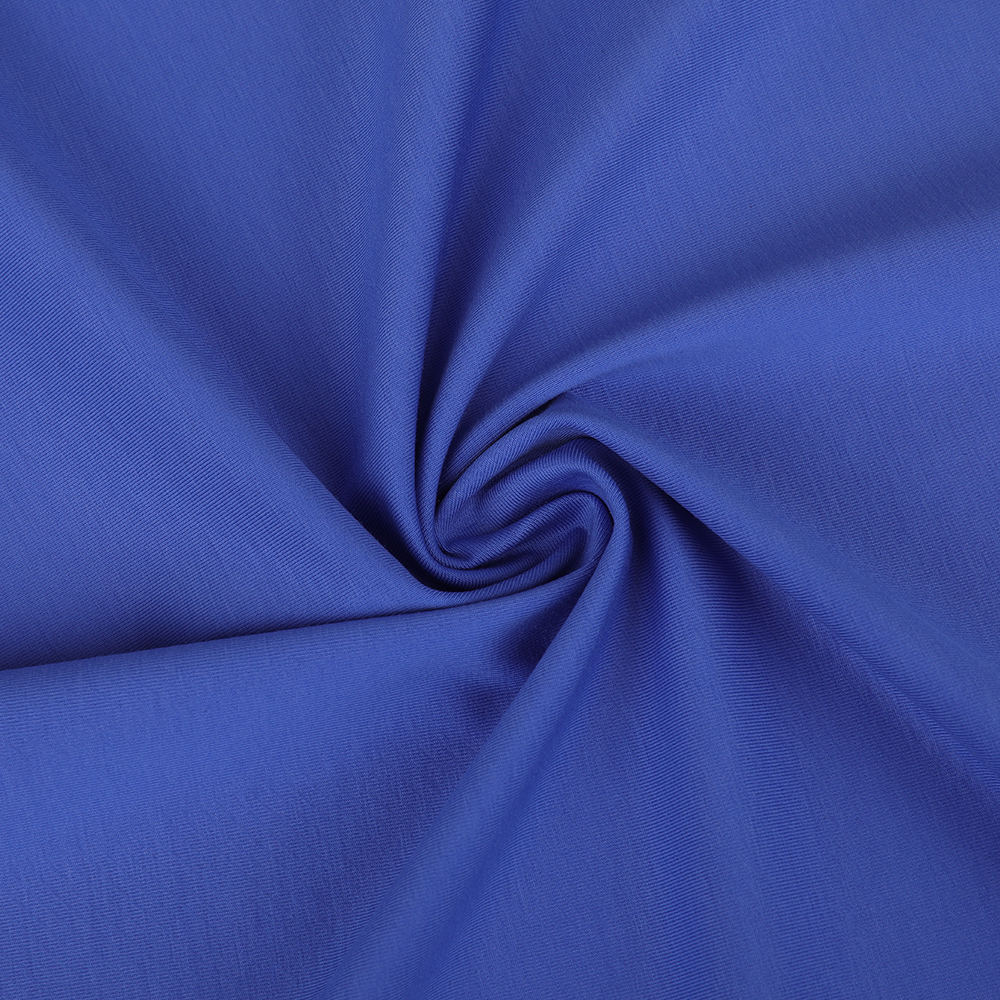
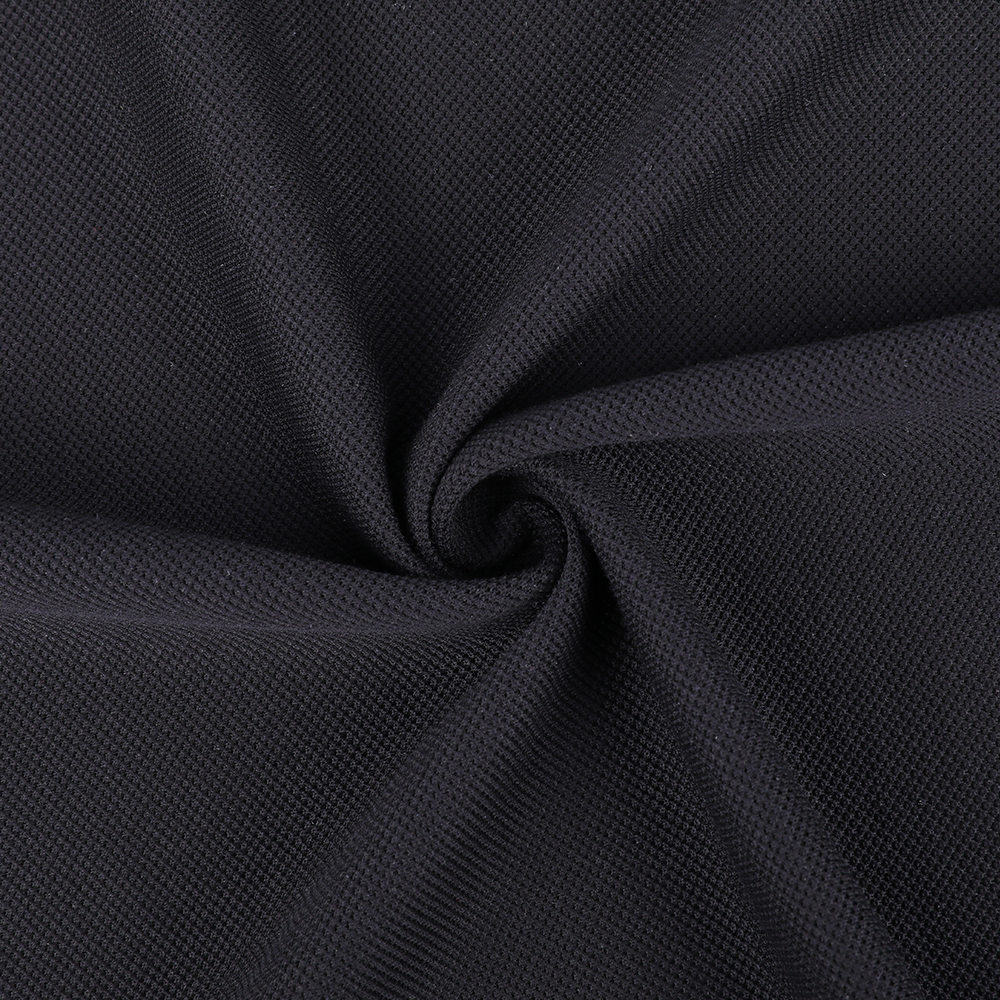
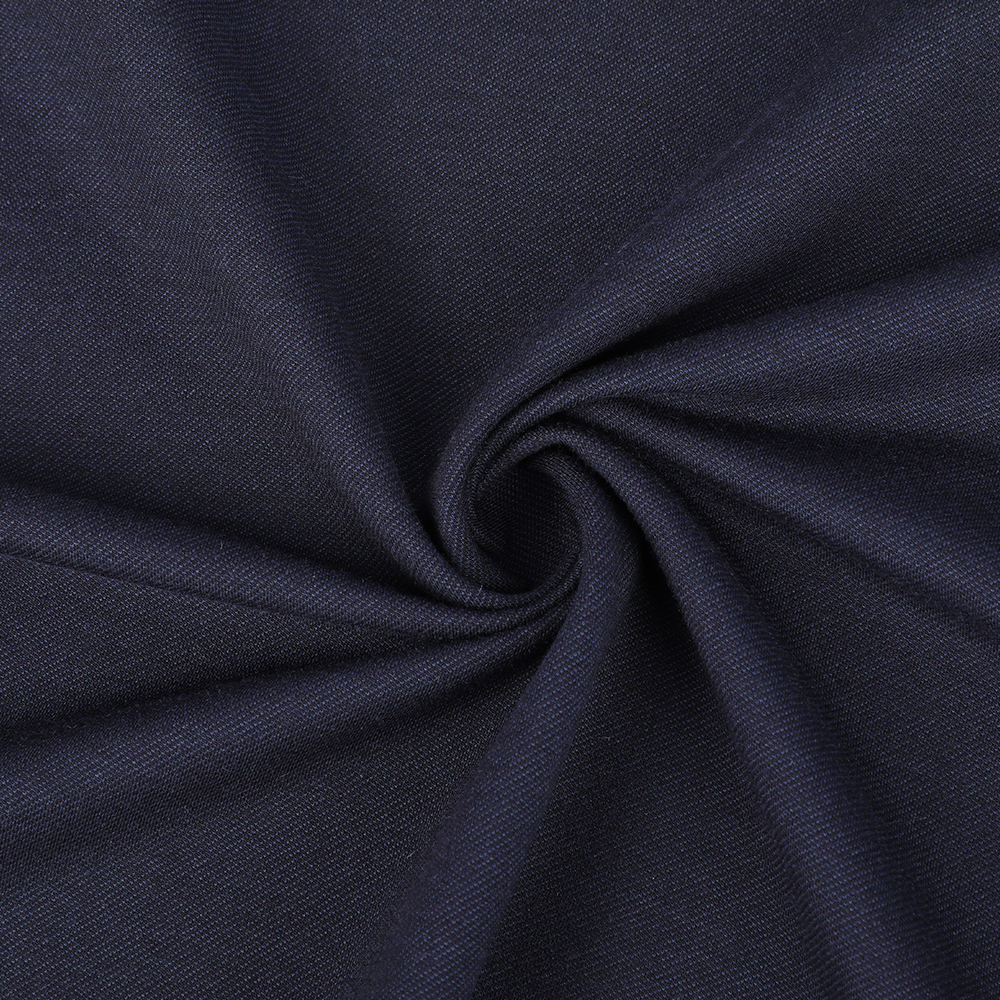
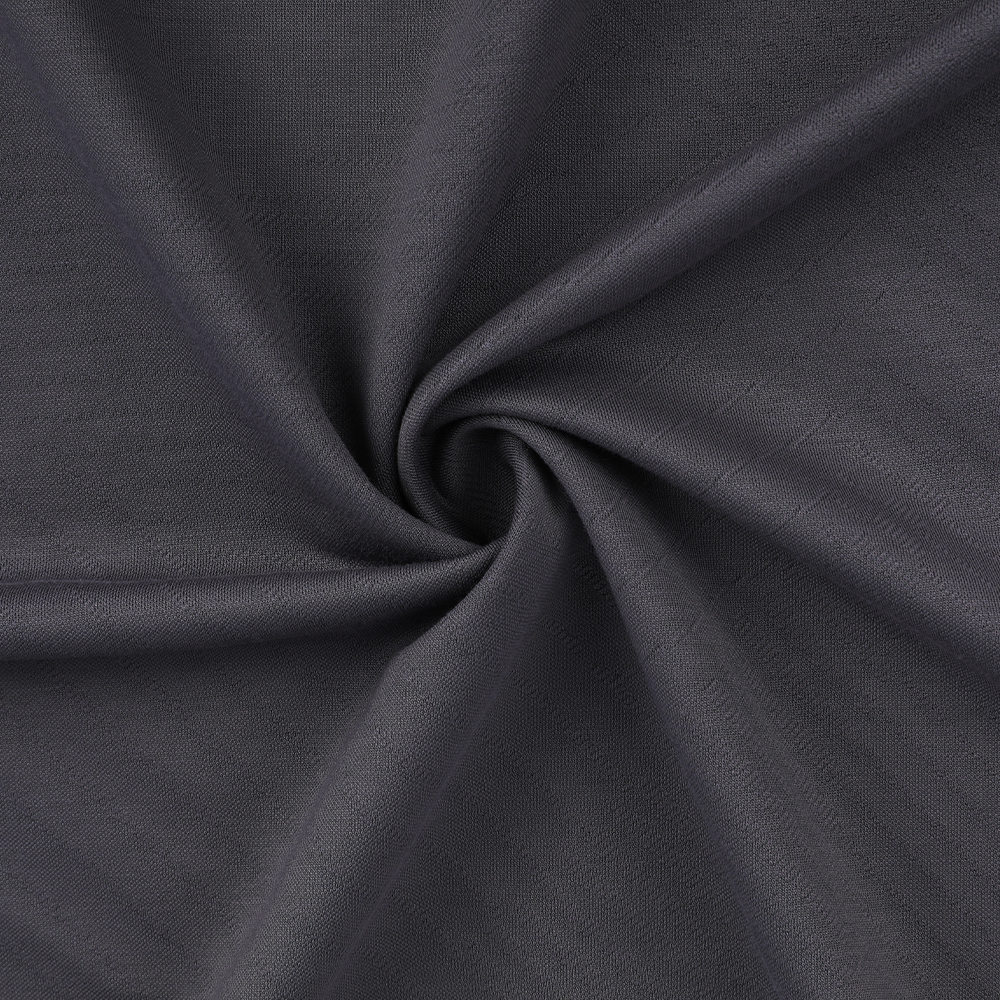
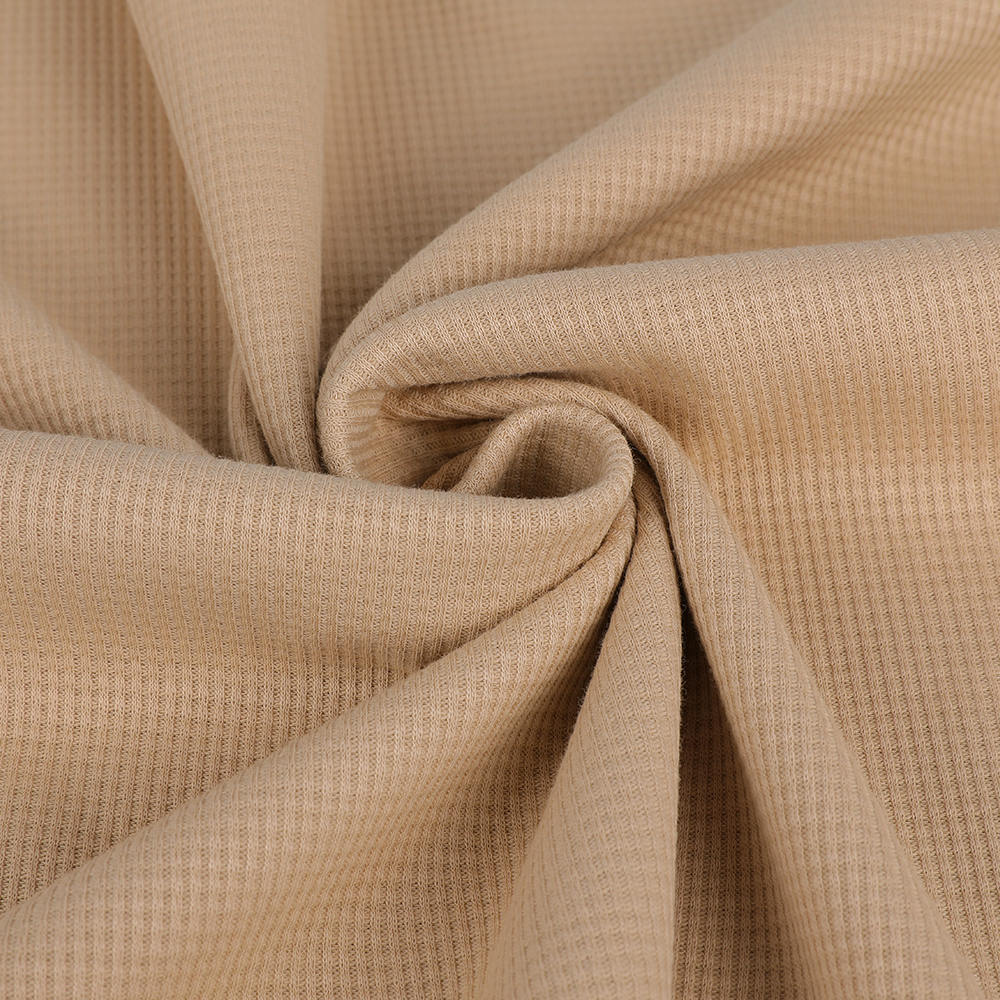
Single-sided jacquard fabric represents a significant advancement in textile manufacturing, characterized by its intricate patterns that are woven directly into the material on one side, leaving the reverse side typically plain or with a subtle texture. This weaving process utilizes a specialized loom that independently controls each warp thread, allowing for the creation of complex, detailed designs, from subtle geometric patterns to elaborate floral motifs. The complexity of the pattern is permanently embedded into the fabric's structure, ensuring that the design does not fade, peel, or wear off over time. This method provides a distinct aesthetic advantage because the design possesses a pronounced texture and a visual depth that printed fabrics cannot replicate, offering a sophisticated and luxurious feel that is immediately apparent.
How High-Elastic Fibers Enhance Comfort and Freedom of Movement
The integration of high-elastic fibers, such as spandex or elastane, into the single-sided jacquard weave is what transforms this fabric from merely decorative to exceptionally functional. These elastic components are blended with core yarns like cotton or polyester, granting the fabric the ability to stretch and recover its original shape consistently. This inherent elasticity accommodates body movements effortlessly, making garments feel less restrictive and more adaptable to the wearer's form. It significantly reduces the feeling of constriction, which is a common issue with non-stretch formal shirts, and ensures that the shirt maintains a sleek, wrinkle-resistant appearance throughout the day, even during extended periods of wear and activity.
The Manifestation of Breathability in the Fabric Structure
Breathability in single-sided jacquard fabric is an intrinsic property derived from its specific construction. The raised patterns and the intricate interplay of warp and weft threads create microscopic air pockets within the fabric matrix. These pockets facilitate continuous air circulation, allowing body heat and moisture vapor to escape from the skin to the external environment. This process of moisture-wicking and ventilation is crucial for maintaining thermoregulation and ensuring all-day comfort. Furthermore, the plain back of the fabric often rests against the skin, providing a smooth contact point while the jacquard-patterned face handles the bulk of the air exchange, making it an exceptionally practical design for maintaining coolness and dryness.
Application Advantages of Single-Sided Jacquard in Various Garment Fields
Crafting Modern Business Shirts with Aesthetics and Comfort
In the realm of business and formal attire, single-sided jacquard fabric offers a perfect synthesis of professional elegance and modern comfort. The fabric's ability to hold intricate, tasteful patterns allows for the creation of shirts that stand out through texture rather than loud colors or prints, adhering to formal dress codes while expressing individual style. The high-elastic nature ensures that the shirt collar, cuffs, and torso retain their shape without gaping or pulling, presenting a sharp silhouette. Simultaneously, the breathable qualities prevent the discomfort associated with long hours in climate-controlled offices or during commutes, making it a superior choice for the discerning professional.
Infusing Fashion and Function into Casual and Sportswear
The utility of single-sided jacquard fabric extends well beyond formal wear into the dynamic world of casual and performance-oriented apparel. Designers leverage its aesthetic versatility to produce polo shirts, casual button-downs, and even lightweight jackets that possess a distinctive textured look. For sportswear or athleisure items, the combination of elasticity and breathability supports a active range of motion and manages perspiration effectively. This fusion ensures that garments are not only stylish and visually interesting but also fundamentally functional, providing the wearer with unparalleled comfort and durability during physical activities or everyday casual wear.
Scientific Maintenance for Optimal Fabric Performance
Proper Washing and Drying Methods for Elasticity Preservation
Maintaining the integrity of high-elastic single-sided jacquard fabric requires adherence to specific care guidelines to preserve its stretch and pattern definition. It is highly recommended to machine wash these garments in cold water on a gentle cycle using a mild detergent. Harsh chemicals and bleach should be avoided as they can degrade the elastic fibers and cause colors to fade. When drying, tumble drying on a low heat setting or, ideally, air-drying the garment flat is the preferred method. High heat is a primary enemy of elastane, as it can permanently damage the molecular structure of the fibers, leading to a loss of elasticity and potential shrinkage of the fabric.
Best Practices for Ironing and Storage to Prevent Fabric Damage
To maintain the crisp, textured appearance of the jacquard pattern without causing damage, ironing should be approached with care. Use a steam iron on a low to medium heat setting and always iron the garment inside out. This technique flattens the plain reverse side for a smooth finish while protecting the raised jacquard design on the front from being crushed or flattened by direct heat and pressure. For storage, garments should be hung on padded hangers to support their shape rather than being folded tightly, which could create deep creases in the complex woven structure. Allowing the fabric to breathe in a cool, dry closet will help it retain its pristine condition.
Key Factors in Choosing Between Single-Sided and Double-Sided Jacquard
A Comparative Analysis from Structure, Weight, and Applicability Perspectives
The choice between single-sided and double-sided jacquard is primarily determined by the intended application of the garment. Single-sided jacquard, with its pattern on one face and a plain back, is generally lighter in weight and more pliable, making it an excellent candidate for shirts, blouses, and lightweight tops where comfort and breathability are priorities. In contrast, double-sided jacquard features intricate patterns on both sides, resulting in a thicker, heavier, and often more rigid fabric. This structure is typically reserved for heavier applications like upholstery, drapes, or winter garments such as thick jackets and coats, where weight and substantial warmth are desired characteristics rather than lightweight comfort.
Why Single-Sided Jacquard is the Perfect Fabric Choice for Summer Shirts
How Its Breathability and Lightweight Nature Adapt to Hot Climates
Single-sided jacquard fabric emerges as an exceptionally suitable material for summer shirts due to its inherent physiological comforts. The lightweight construction prevents the garment from feeling heavy or oppressive in high temperatures. More importantly, the breathable nature of the weave, facilitated by the air channels within the jacquard structure, promotes excellent ventilation. This allows for efficient evaporation of sweat and continuous airflow against the skin, which is critical for cooling the body and preventing the clammy, sticky feeling associated with non-breathable synthetic fabrics. Consequently, a shirt made from this material offers a stylish yet practical solution for staying cool and comfortable in warm weather conditions.