
 English
 日本語
日本語 中文简体
中文简体
Content
- 1 Understanding the structure of double-sided jacquard breathable eco shirt fabric
- 2 How do breathability and eco-friendliness coexist in jacquard textiles?
- 3 Real-world application in shirt apparel
- 4 Key factors when selecting and using breathable double-sided jacquard fabric
- 5 Emerging trends and future potential
Understanding the structure of double-sided jacquard breathable eco shirt fabric
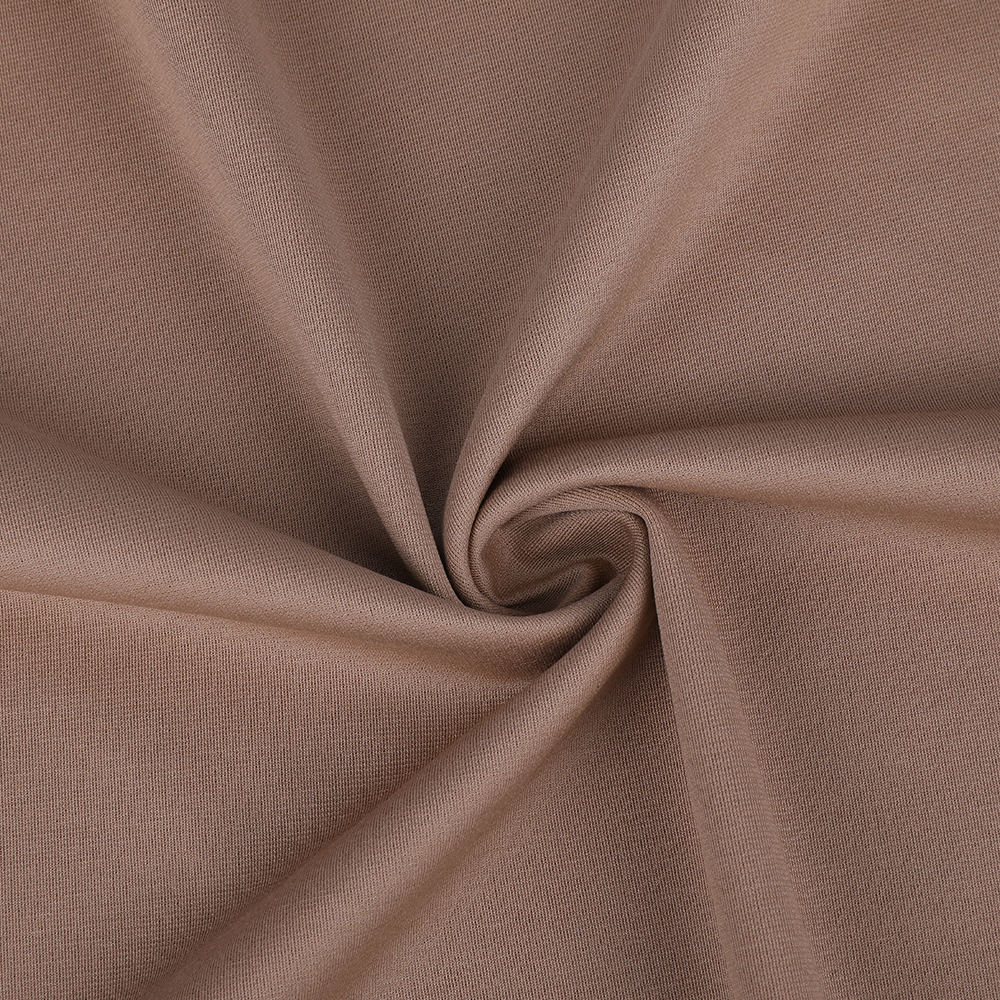
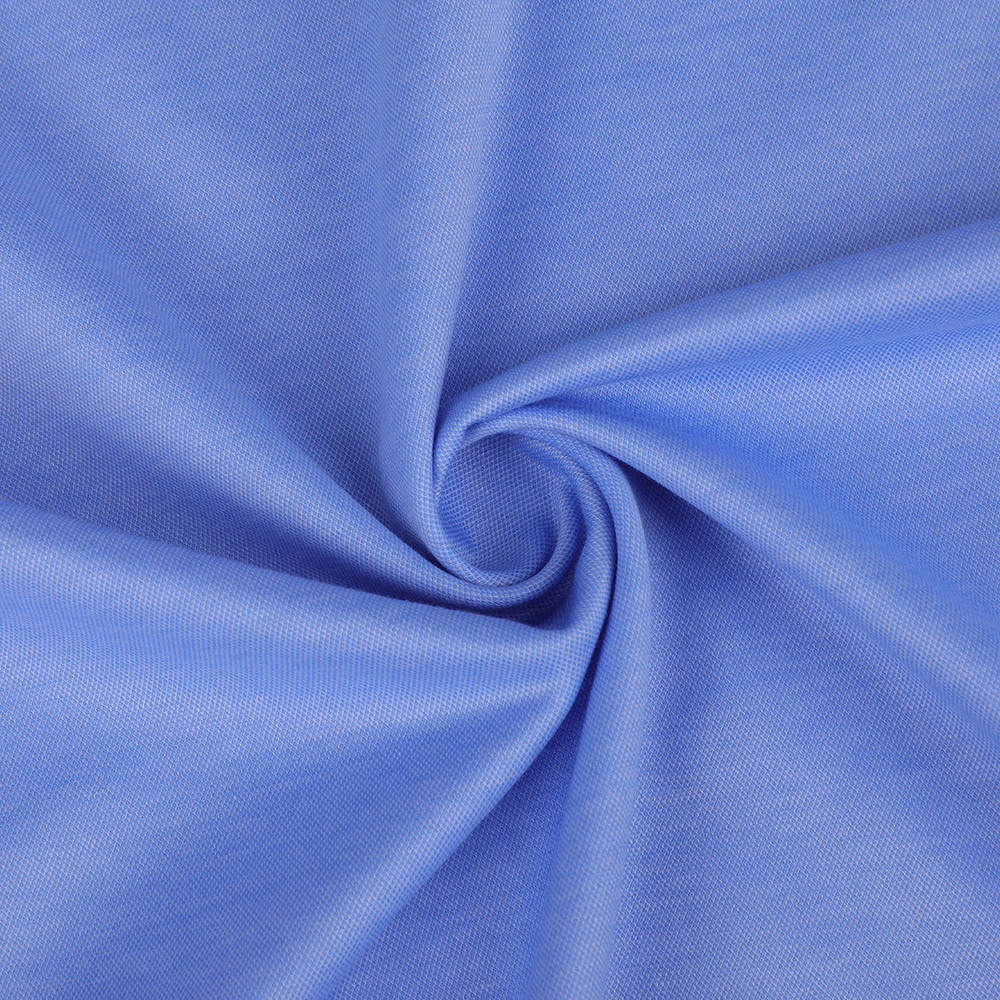
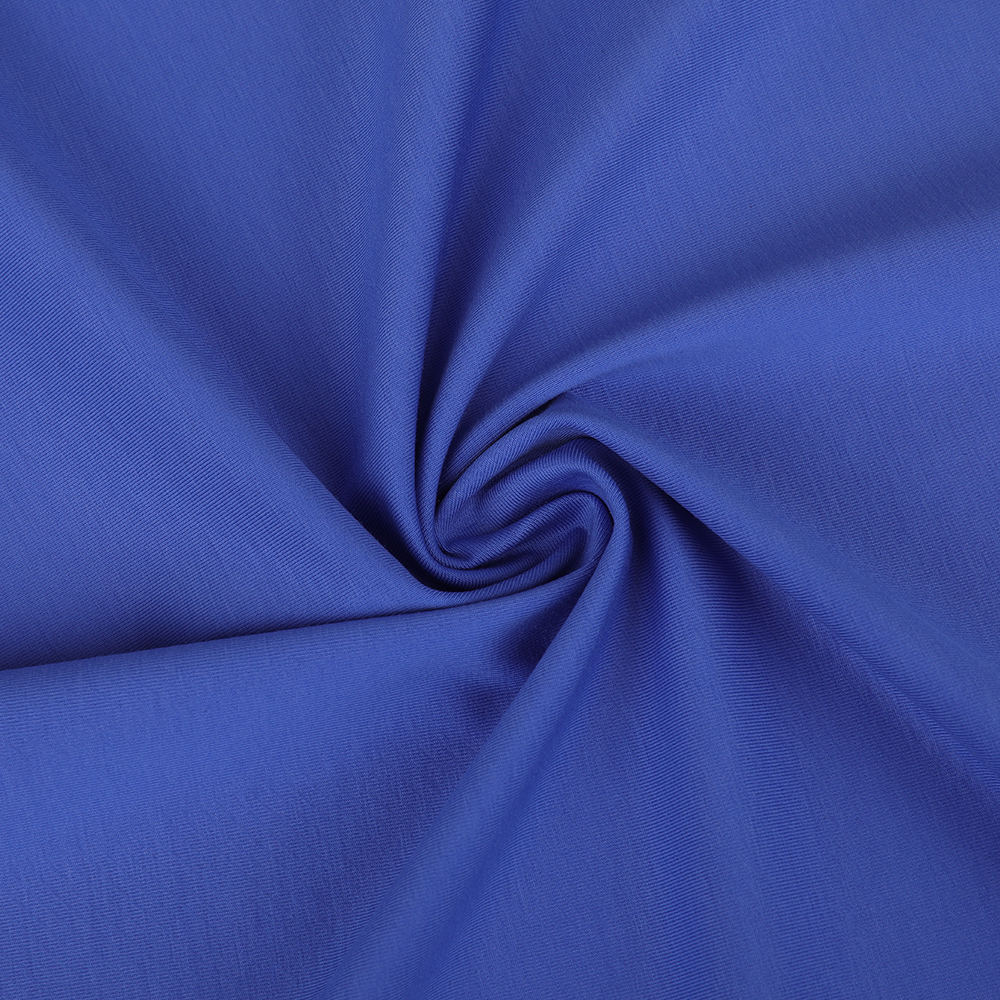
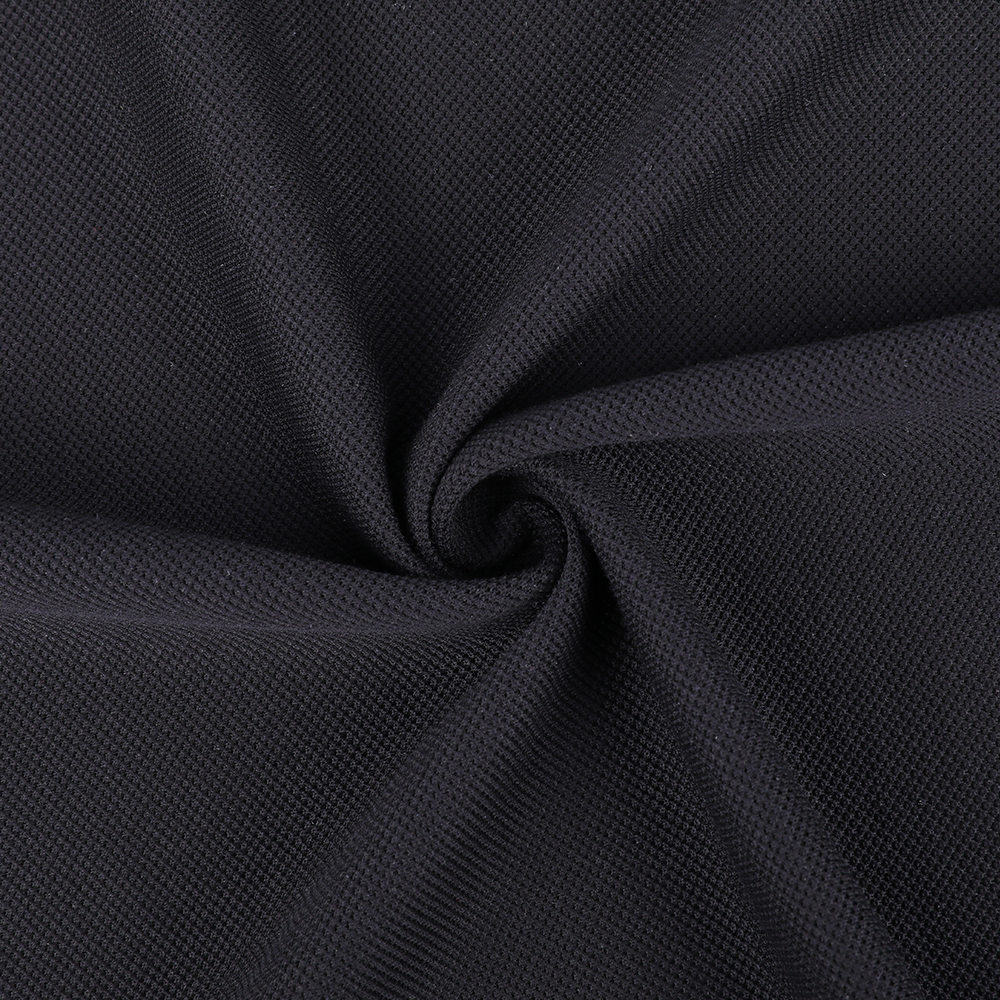
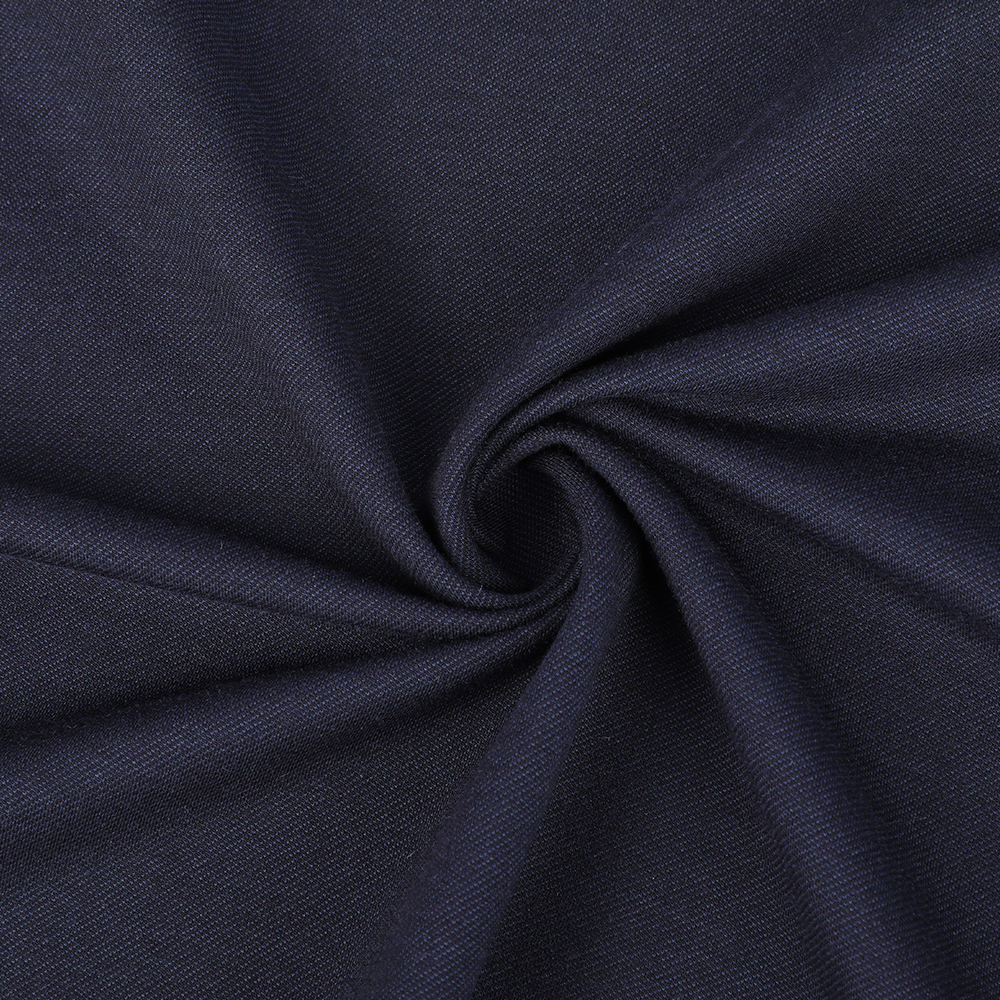
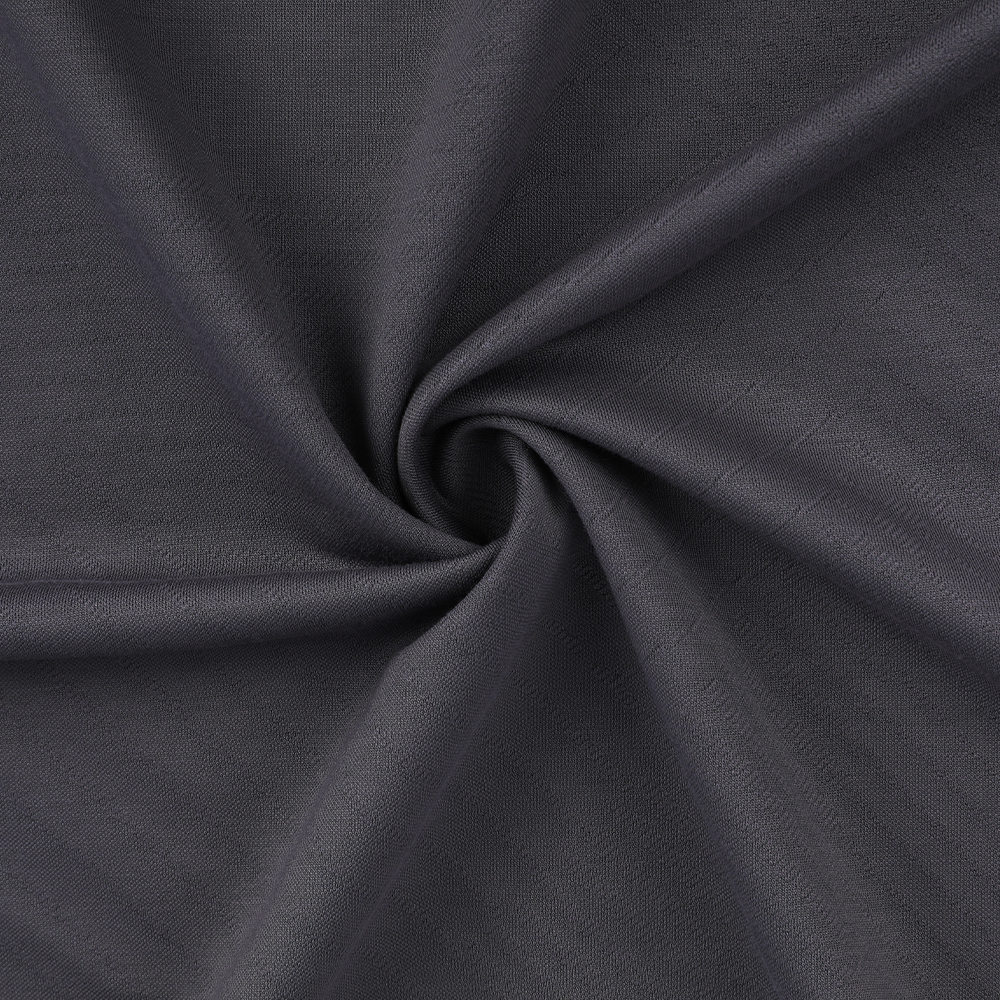
When one hears the term “double-sided jacquard breathable eco shirt fabric,” the mind often leaps to images of garments that present a different face on either side, yet still manage to allow airflow and maintain environmental credentials. The weaving technique behind this fabric is what grants it such versatility: two distinct layers are interlaced via the jacquard loom technique so that opposite faces can carry inverted or complementary patterns, while remaining a unified textile. Unlike a simple coating or bonded fabric, a true double-sided jacquard is integrally woven, which means both sides are structurally integral and not merely printed or backed. That weaving complexity allows strategic placement of open or looser weave zones, enabling enhanced breathability in targeted areas. In contrast to single-face fabrics or heavy coated textiles, the double-sided jacquard offers a balanced combination of visual richness, structural integrity, and functional porosity, making it especially intriguing for shirt fabrics that must balance aesthetics with comfort.
How do breathability and eco-friendliness coexist in jacquard textiles?
If one imagines “LA breathable jacquard eco-friendly textile for apparel,” the question arises: can a richly patterned, double-faced fabric still breathe and remain kind to the environment? The answer lies in deliberate fiber choice, yarn engineering, and finishing processes. To achieve breathability, designers often select natural or regenerated fibers—such as organic cotton, Tencel (lyocell), bamboo-derived cellulosics, or recycled threads—that inherently allow moisture vapor transmission. These fibers, when processed with minimal chemical treatments and low-impact dyes, preserve their porosity and reduce environmental burden. The weaving pattern itself also contributes: by alternating tighter and more open weave zones, airflow channels can be built in without sacrificing pattern definition. Meanwhile, eco-conscious practices—such as water-reuse systems, closed-loop dyeing, and low-energy drying—help ensure that the fabrication of the jacquard cloth does not negate its “friendly” claim. In effect, breathability and eco-friendliness are not contradictory but synergistic when engineered thoughtfully.
Real-world application in shirt apparel
Translating “double face jacquard sustainable shirt fabric LA” from concept to wearable shirt involves collaboration across textile designers, pattern makers, seamstresses, and garment technologists. In a shirt context, such fabric offers the potential for reversible designs, contrasting collars or cuffs, or subtle pattern flips between inside and outside surfaces. Designers can exploit these dual faces for visual interest—perhaps a muted tone inside, a bold design outside—while retaining a uniform hand feel and drape. Because the fabric is integrally woven, the garment maintains structural continuity at seams without requiring linings or facings to hide inner textures. However, the demands are high: the fabric must lie flat, maintain stable dimensions, resist distortion during cutting, and handle seam stresses without delamination. Shirt construction techniques such as flat-felled seams or French seams may suit such material best. In the climate of Los Angeles or similarly warm regions, the built-in breathability becomes a functional advantage, improving wearer comfort even under direct sunlight.
Key factors when selecting and using breathable double-sided jacquard fabric
When choosing “breathable double-sided jacquard fabric for clothing,” several technical and practical parameters must guide the decision. First, fabric weight (grams per square meter) must strike balance: heavy enough to carry elaborate motifs, yet light enough for mobility and air transmission. Second, yarn density and twist will affect how much open space remains between threads—lower density or higher twist can allow more breath channels but may compromise pattern clarity or strength. Third, air permeability testing should be conducted (e.g. ASTM or ISO standard tests) to ensure the fabric meets minimum airflow thresholds. Fourth, dye and finishing behavior must be stable and low-impact; uneven dye uptake or harsh finishing can clog pores or stiffen fabric, defeating breathability. Fifth, durability and laundering are critical: repeated washing should not erode structural integrity or interlayer cohesion. Lastly, compatibility with standard shirt-making equipment (cutting, sewing, pressing) must be confirmed; some jacquard fabrics require special handling or softer pressing to avoid crushing the weave.
Emerging trends and future potential
Looking ahead, the concept of “eco friendly jacquard double faced shirt textile” points toward exciting innovations in both fiber science and weaving technology. One promising direction is the blending of biobased conductive fibers or phase-change materials within jacquard structures to deliver thermoregulation or active cooling. Another direction is embedding biodegradable or compostable yarns so that at end of life, the fabric leaves minimal environmental footprint. Advances in narrow-body jacquard weaving, 3D jacquard layers, and digital jacquard control will allow more complex dual-face patterns with built-in functional zones (vent panels, stretch zones) without needing separate inserts. In the sustainable fashion landscape, this kind of fabric can appeal particularly to high-end shirtmakers seeking unique aesthetics, tech-savvy outdoor apparel designers, or custom couture labels that wish to reduce layering (linings or facings) and material waste. As consumer consciousness about textile impact grows, such richly engineered fabrics may become emblematic of the next generation of responsible luxury shirts.