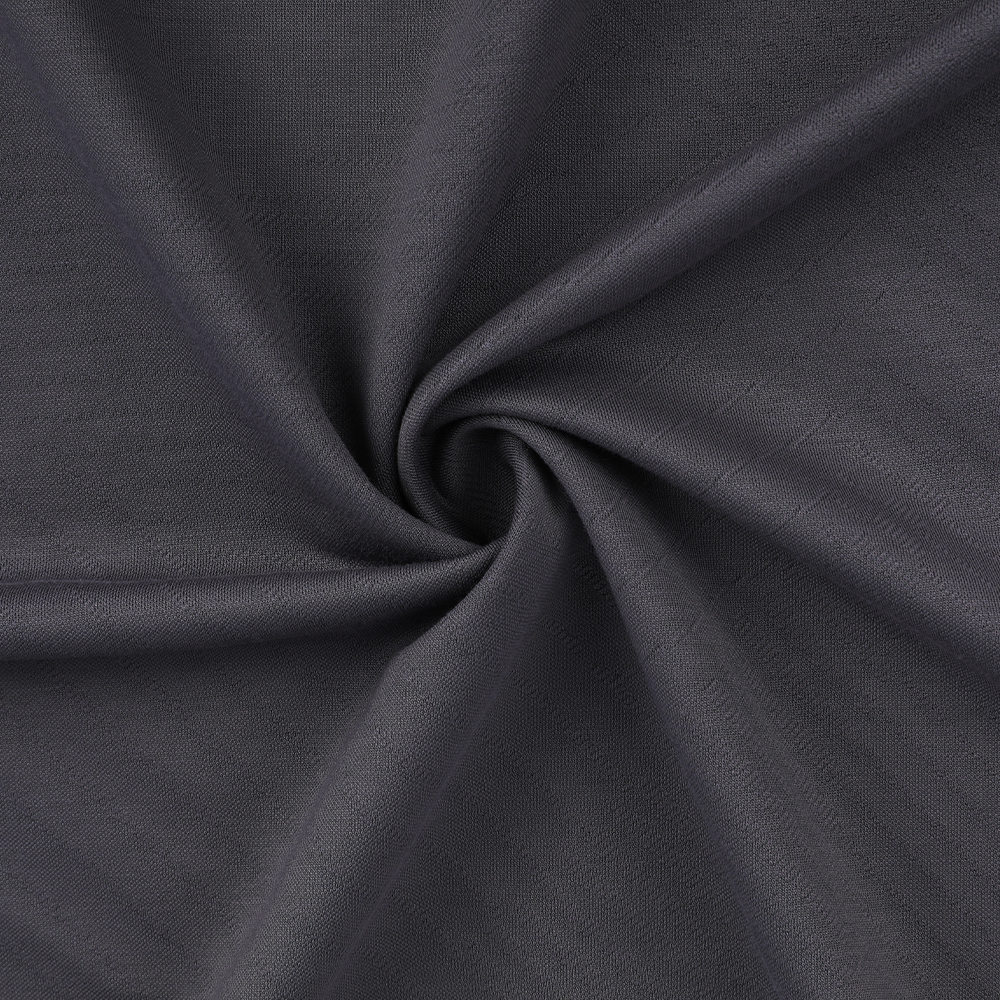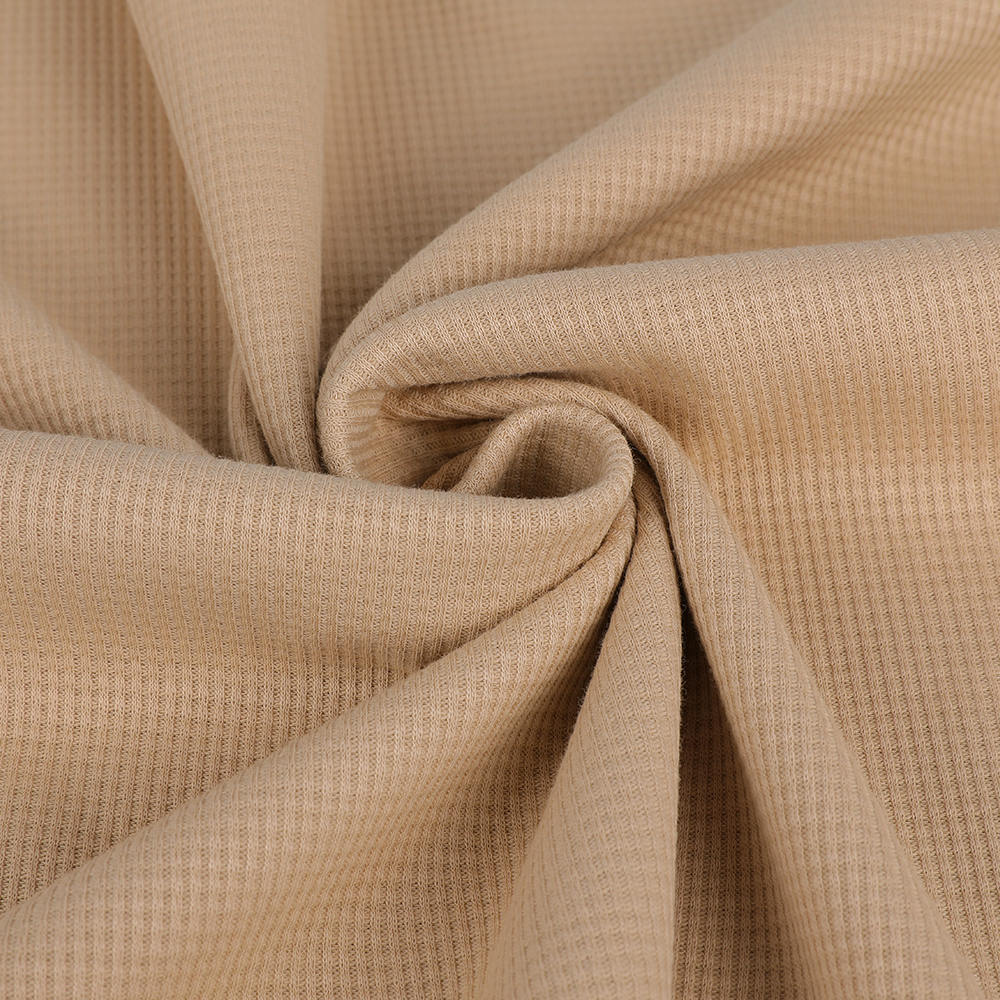

 English
 日本語
日本語 中文简体
中文简体
Fiber properties: laying the foundation for softness
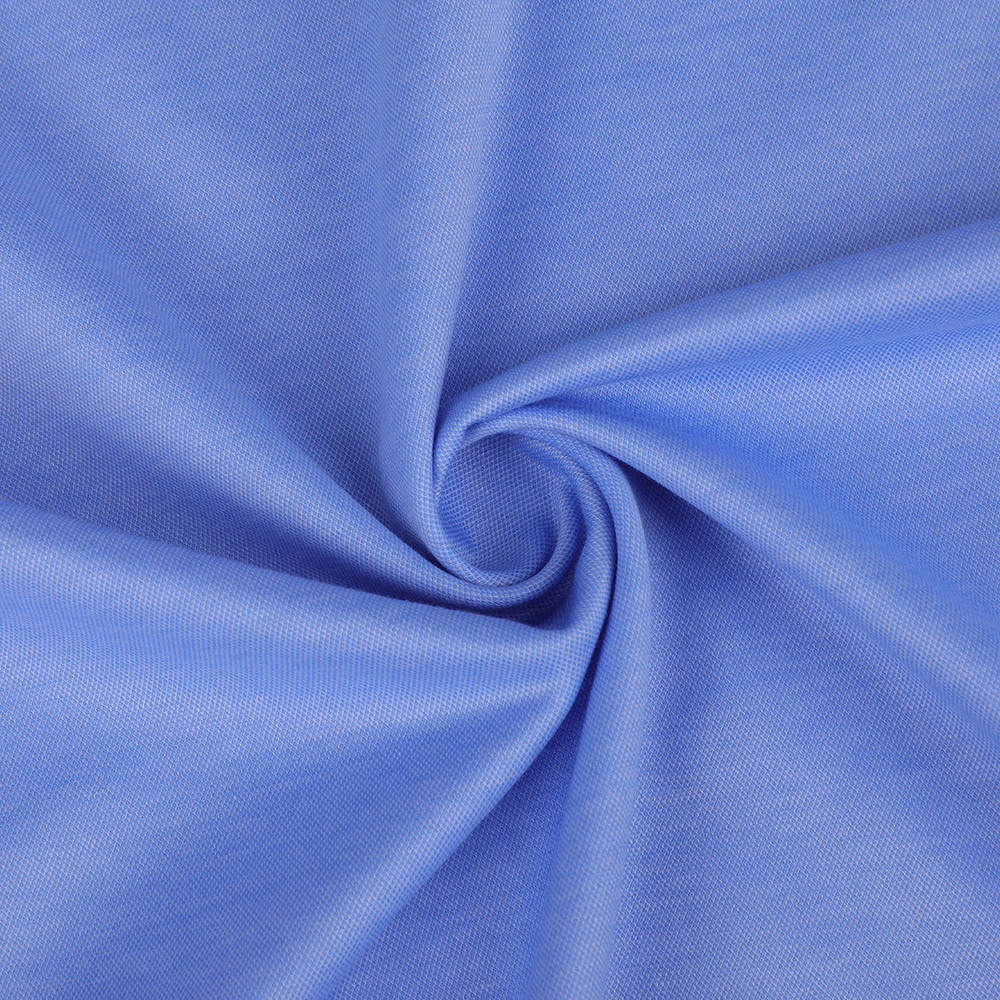
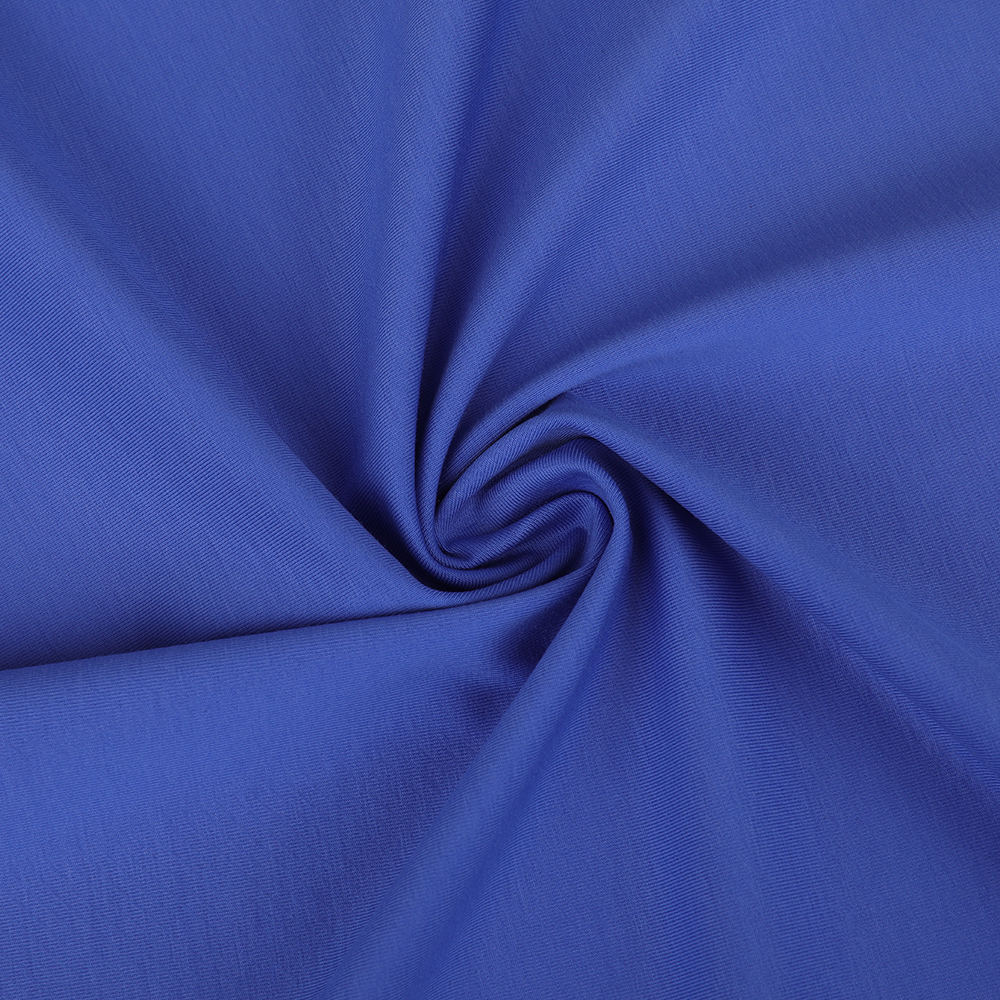
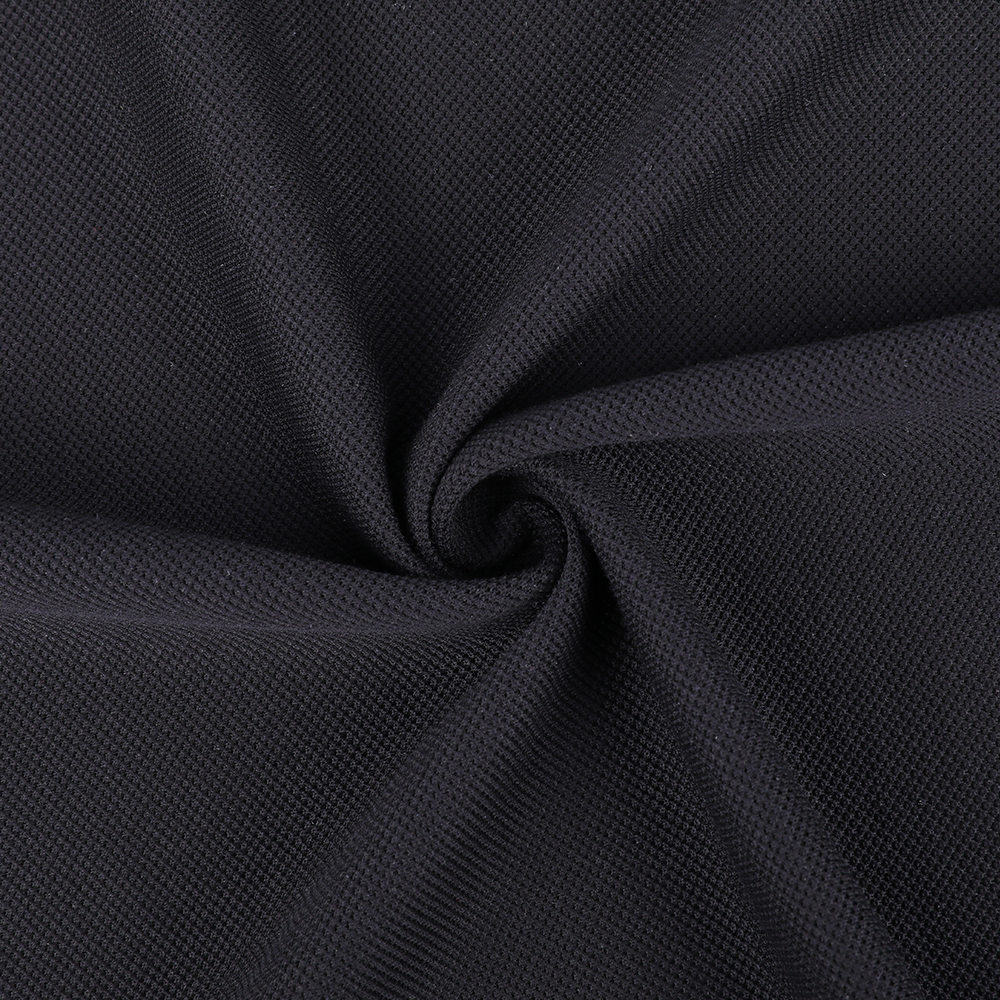
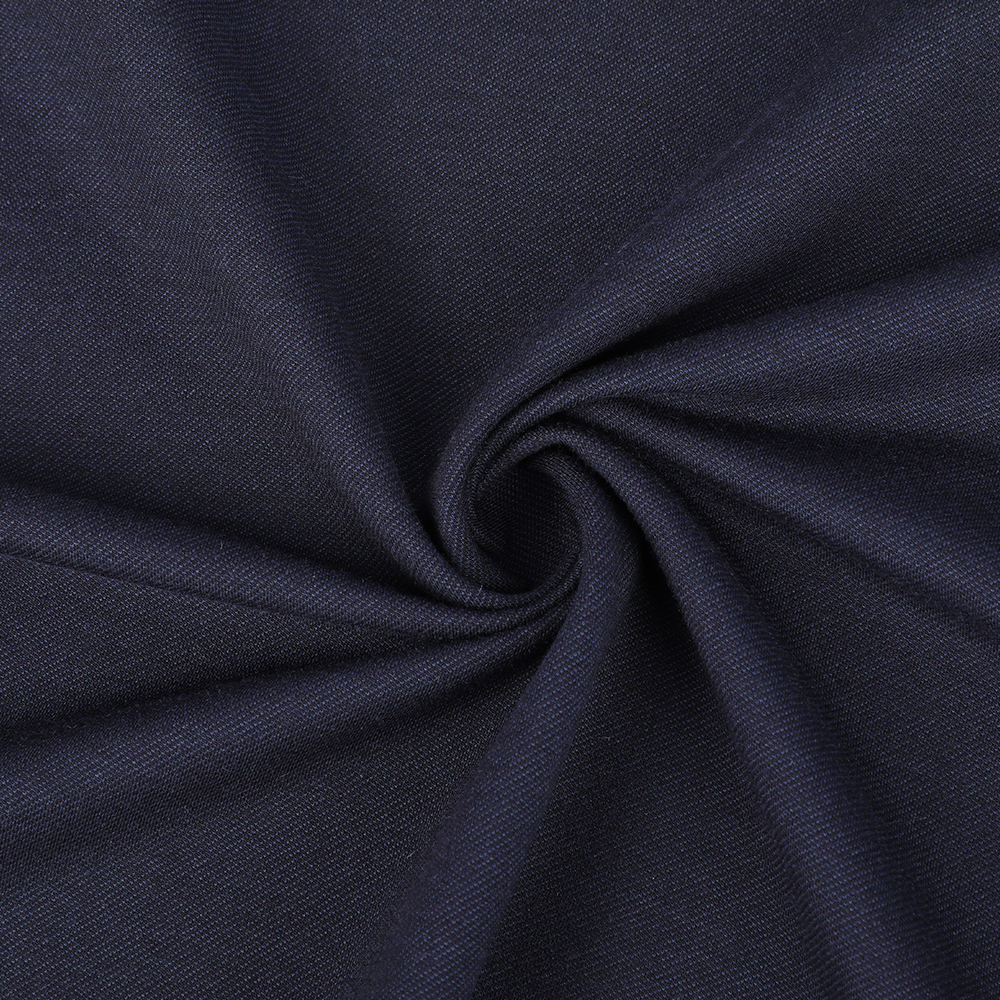
Wool, as the core raw material of Wool Soft Skin-friendly Striped Shirt Fabric, has fiber properties that are like the cornerstone of a building, and play a decisive role in the quality of the final fabric. The length and fineness of the fiber are key factors affecting the strength and softness of the yarn.
Longer wool fibers have a larger surface area, and during the spinning process, the entanglement and combination between the fibers are tighter and more uniform. This tightly interwoven structure gives the yarn better integrity and flexibility, making the final woven fabric softer and smoother. Imagine that countless slender fibers are like smart silk threads, intertwining and entangled with each other to form a delicate and elastic network, which lays a soft physical foundation for the fabric.
The fineness of the fiber should not be ignored either. Finer wool fibers can be arranged more closely together, reducing the gaps between fibers, making the surface of the fabric flatter and smoother. This delicate texture is not only comfortable to the touch, but also allows light to reflect softly on the surface of the fabric, giving the wool striped shirt an elegant luster.
In order to ensure that the wool fibers have the ideal length and fineness, a series of fine pretreatments are carried out before spinning. The first is the combing process. Professional combing equipment is like a skilled craftsman, combing the messy wool fibers into neat and smooth fiber bundles. In this process, impurities and short fibers are effectively removed, leaving only long fibers of good quality. The grading process further screens the combed fibers and classifies them according to indicators such as fiber length and fineness, so that the quality of the yarn can be accurately controlled in the subsequent spinning process.
Spinning process: shaping the soul of the yarn
The wool fibers that have been carefully combed and graded are about to usher in a gorgeous transformation-spinning. Spinning is the process of converting fibers into yarns. This step is like giving the yarns a soul, giving them unique properties and quality.
Twisting is the core link in the spinning process. Through twisting, the fibers are twisted into yarns with a certain strength and structure. The control of twist is an art that requires extremely high skills and rich experience. If the twist is too high, the excessive twisting between the fibers will make the yarn stiff and lose its due softness. Imagine an over-twisted yarn, like a tightly bound spring, which loses its elasticity and flexibility, and the woven fabric will naturally appear stiff and rough.
On the contrary, too low a twist will result in insufficient yarn strength and easy breakage during subsequent weaving and use. This is like a frame without support that cannot withstand external pressure and tension. Therefore, spinners need to rely on their keen sense of touch and rich experience to accurately control the strength and speed of twisting so that the yarn reaches the right twist.
In addition to the traditional ring spinning method, modern spinning technology is constantly innovating and many advanced processes have emerged. For example, compact spinning technology reduces the hairiness on the yarn surface by compressing the fiber bundles before twisting, making the yarn smoother and tighter, and further improving the softness and anti-pilling performance of the fabric. This technology is like putting a layer of invisible armor on the yarn, which not only protects the structural integrity of the yarn, but also gives the fabric more excellent quality.
Weaving process: weaving texture and softness
The spun yarn, like a flexible silk thread, is interwoven into a beautiful picture under the traction of the loom - the fabric of the wool striped shirt. The weaving process is the magical process of transforming yarn into fabric, and it is also an important link to achieve the wool stripe pattern and ensure the softness of the fabric.
In the weaving process, it is necessary to select the appropriate weaving method according to the design requirements. Common weaving methods include plain weave, twill and satin. The plain weave is simple and tight, and the fabric texture is relatively light and soft, which is suitable for making light wool striped shirts for summer wear. The twill weave will give the fabric a certain three-dimensional sense and glossiness, while maintaining good softness, adding a touch of elegance and texture to the shirt. The satin weave is famous for its delicate and smooth surface, which can make the fabric present a gorgeous luster, and is suitable for the production of high-end wool striped shirts.
In order to achieve a clear striped pattern, weavers need to accurately control the interweaving order and density of yarns of different colors. The interweaving and interweaving of each yarn are carefully calculated to ensure that the lines of the stripes are smooth and regular. Through this ingenious weaving process, wool yarns of different colors are interwoven together to form a unique striped effect, which is both fashionable and shows the delicacy and softness of wool fabrics.
At the same time, density control during the weaving process is also crucial. The appropriate weaving density can make the fabric have good warmth retention and wear resistance without being too thick or sparse. Too dense weaving will make the fabric stiff, affecting softness and breathability; while too sparse weaving will cause the fabric to be too loose and easy to deform. Advanced weaving equipment and technology can accurately control weaving parameters to ensure that the fabric of each wool striped shirt meets high quality standards.
Finishing process: Carving perfect texture
After woven fabrics, they need to be carved through a series of finishing processes to become a perfect wool striped shirt. The finishing process includes shrinking, raising, shearing, dyeing, shaping and other steps, each of which has an important impact on the quality and touch of the final fabric.
The shrinking process is an important means to make the wool fibers more closely interwoven and enhance the warmth retention and wear resistance of the fabric. Through the shrinking process, the gaps between wool fibers are reduced, the fabric is more compact, and the thermal insulation performance is improved. In this process, a layer of fine fluff will form on the surface of the fabric, which increases the softness and fluffiness of the fabric, as if the shirt is covered with a warm fluffy coat.
The raising process further enriches the texture of the fabric. A layer of fine fluff is formed on the surface of the fabric, which can increase the air layer between the fabric and the skin, making it more comfortable to wear. At the same time, the presence of fluff also makes the fabric look softer and warmer, giving people a warm feeling.
The shearing process is used to remove long hair and impurities on the surface of the fabric, making the fabric smoother and more delicate. After the shearing process, the surface of the fabric is as smooth as a mirror and the touch is smoother, just like a baby's skin.
The dyeing process not only gives the wool striped shirt rich colors, but also needs to consider the effect of dyes on the softness of the fabric. High-quality dyes can minimize damage to the texture of the fabric while ensuring the vividness of the color. The dyed fabric has uniform and full colors, which not only meets the needs of fashion, but also retains the soft characteristics of wool fabrics.
The shaping process uses heat treatment and other methods to make the fabric's dimensional stability, softness and other properties reach the best state. The fabric that has been shaped can better maintain its shape, fit the body more closely and further improve comfort.