
 English
 日本語
日本語 中文简体
中文简体
Content
Core Overview of cotton shirt fabric wholesale
Definition & Industrial Value
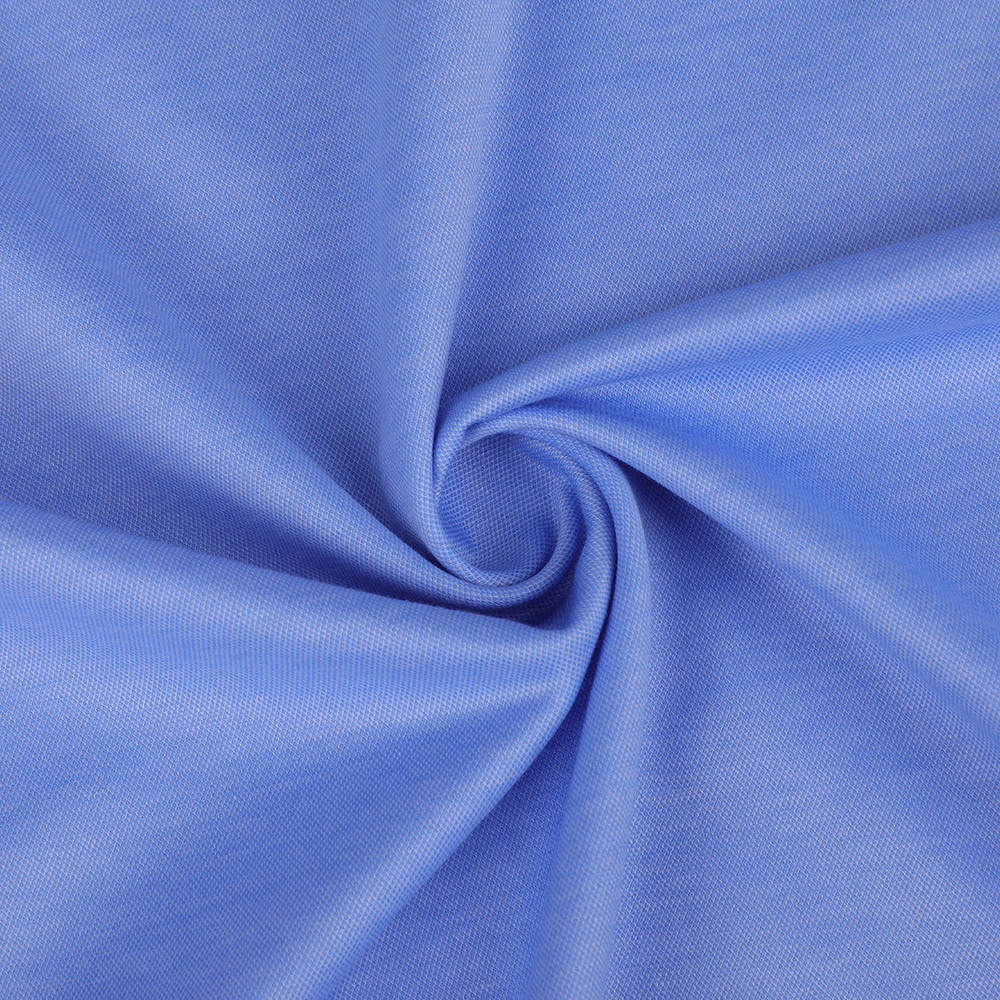
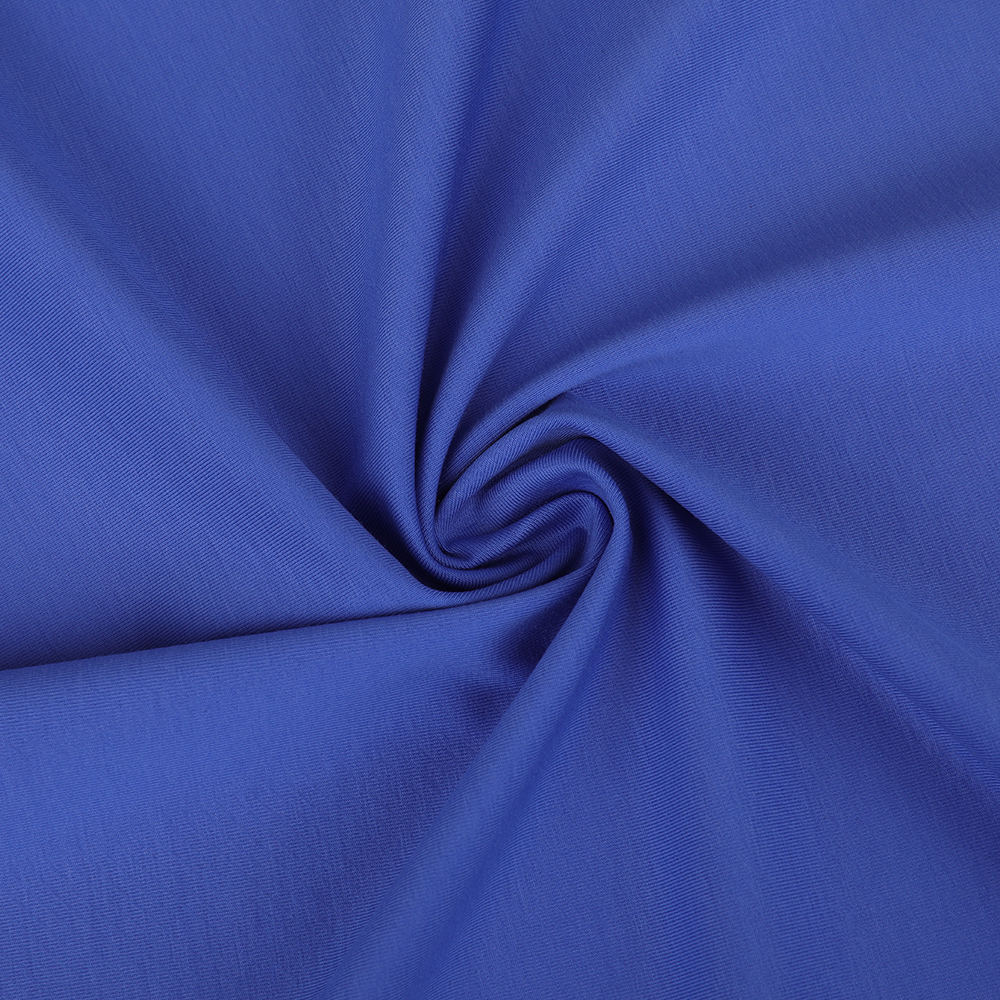
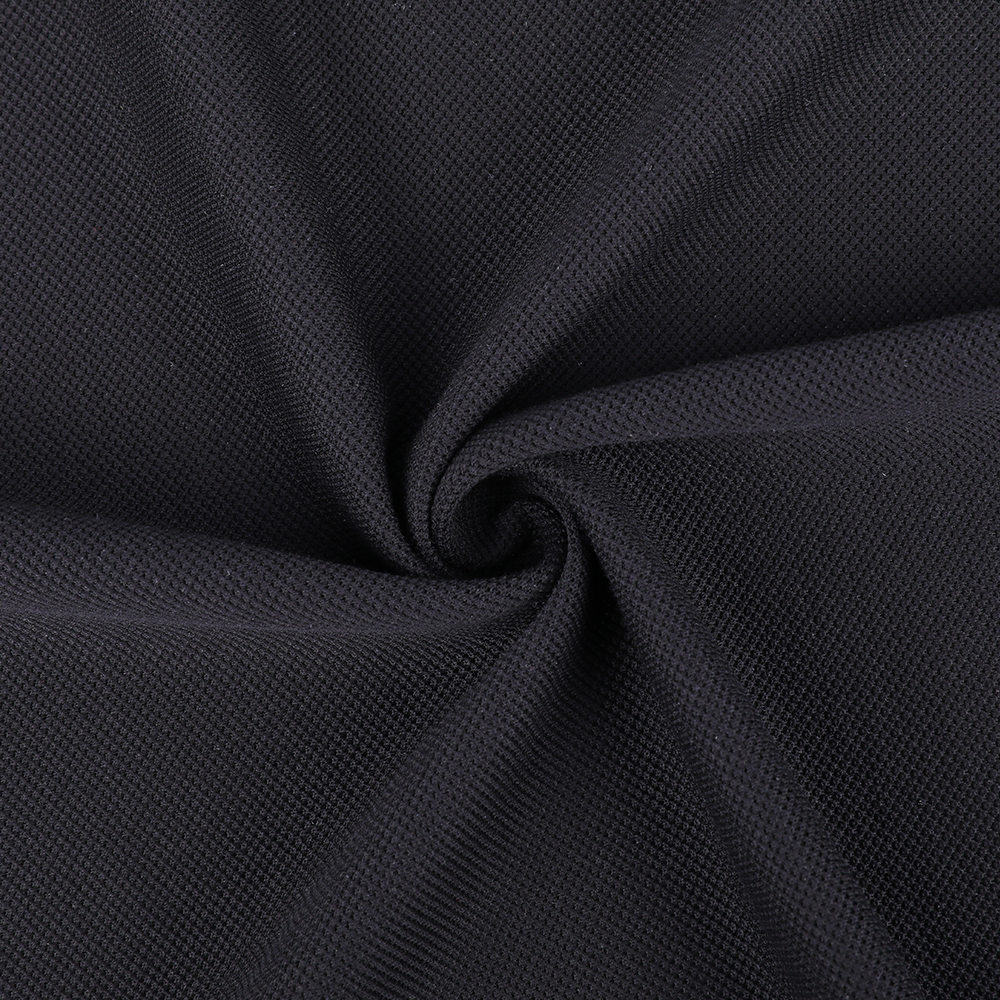
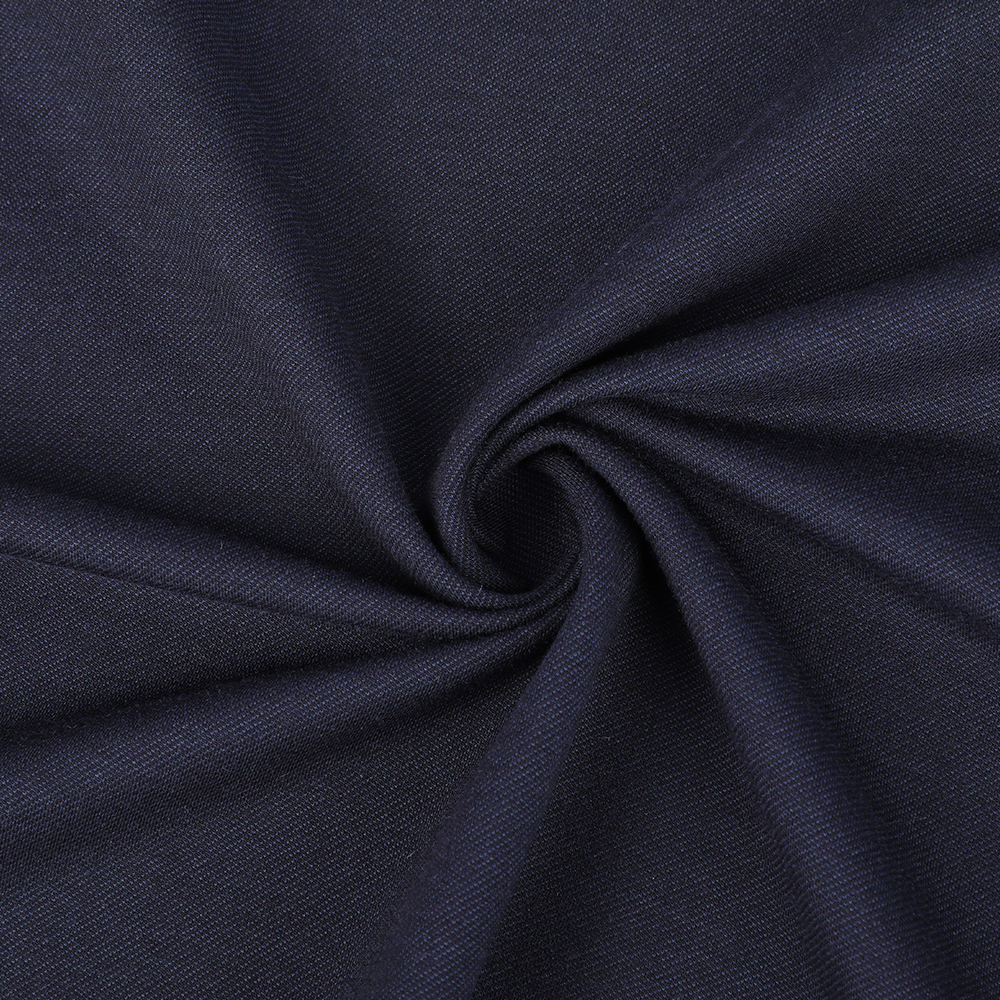
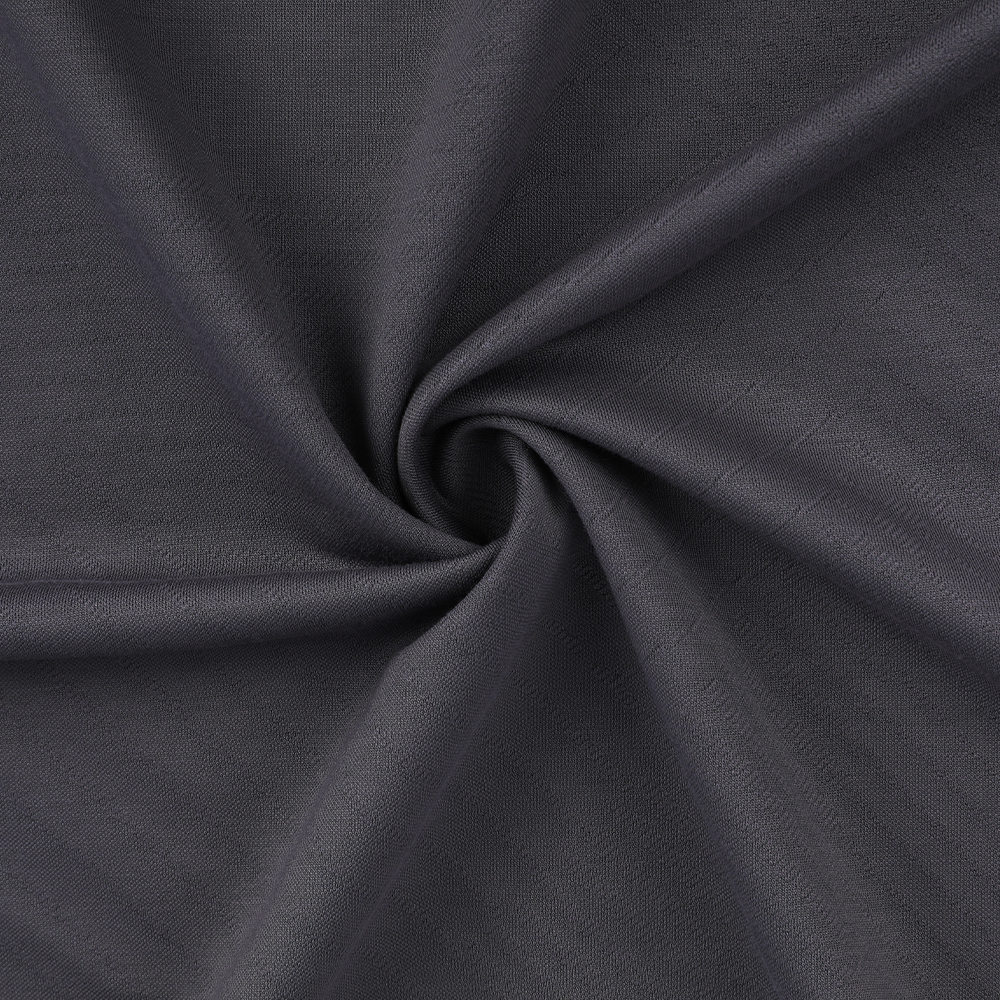
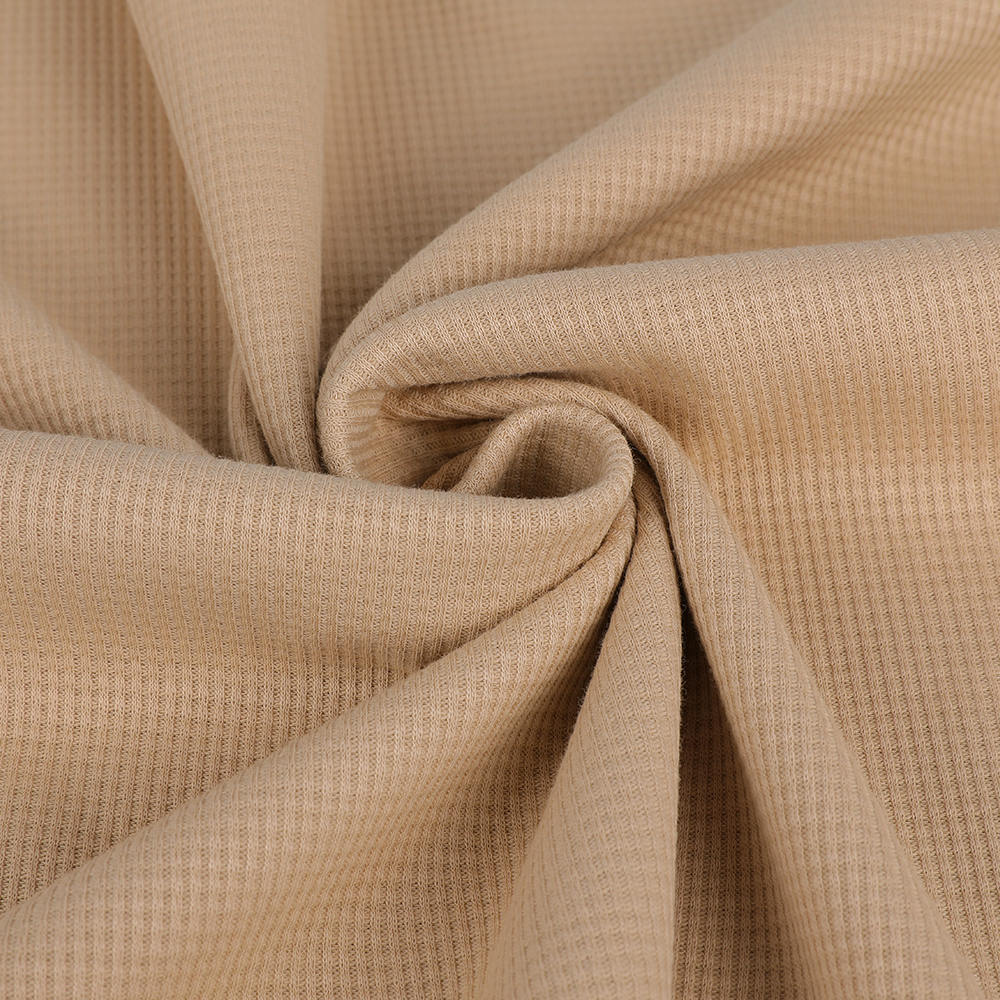
Cotton shirt fabric wholesale refers to bulk trading of woven cotton materials designed for shirt production, serving garment factories, brand manufacturers, and textile distributors. This sector supports global apparel supply chains with stable, standardized, and customizable fabric solutions. Cotton remains the most widely used fiber for shirts because it delivers balanced breathability, moisture absorption, softness, and durability.
Key Technical Indicators for B2B Procurement
- Yarn count: 20S to 120S, determines fineness and hand feel
- GSM (grams per square meter): 110 to 220, defines weight and thickness
- Shrinkage rate: ≤3% for qualified products after washing
- Color fastness: ≥4 grade for dry/wet rubbing and washing
- Weave type: plain, twill, oxford, poplin, sateen
Top 5 Long-tail Categories in cotton shirt fabric wholesale
100% cotton shirt fabric wholesale
This category uses pure natural cotton fiber without blending. It offers optimal comfort and skin affinity, making it ideal for high-grade formal and casual shirts. Most products have a shrinkage rate controlled within 2–3% and meet international ecological textile standards.
Combed cotton shirt fabric wholesale
Combed cotton removes short fibers and impurities during spinning, resulting in smoother yarn and higher tensile strength. Fabrics are less prone to pilling and fading, widely used in premium dress shirts and business wear.
poplin cotton shirt fabric wholesale
Poplin features a tight plain weave with fine crosswise ribs. It is lightweight, crisp, and wrinkle-resistant, suitable for summer shirts and uniform fabrics. It is one of the most in-demand items in cotton shirt fabric wholesale markets.
organic cotton shirt fabric wholesale
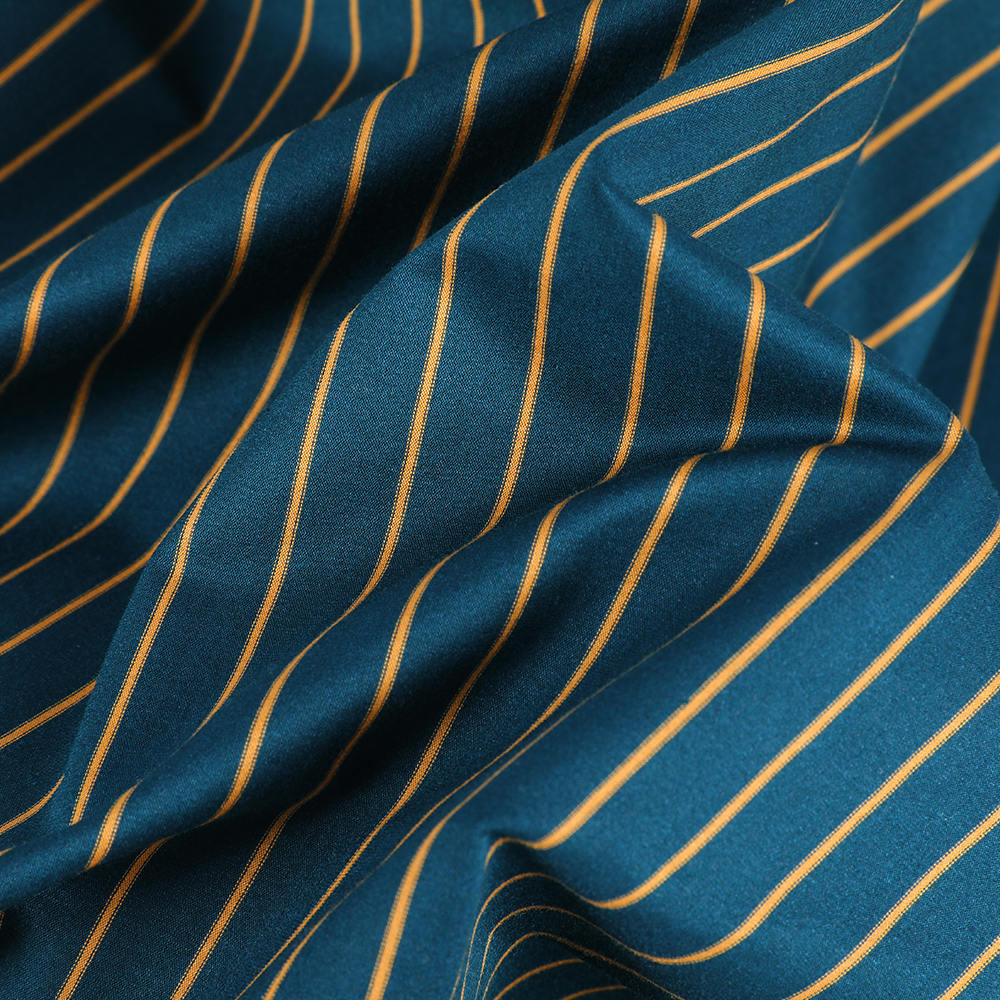
Organic cotton is grown without synthetic pesticides or fertilizers. It has GOTS, OEKO-TEX 100 Class I certifications, catering to eco-friendly brands and sustainable apparel lines. It has similar physical properties to conventional cotton but with a lower environmental impact.
heavyweight cotton shirt fabric wholesale
Heavyweight cotton (180–220 GSM) offers enhanced durability and heat retention. It is used for autumn/winter shirts, workwear, and heavy-duty casual tops. The dense structure improves shape retention and service life.
Performance Comparison of Common Cotton Shirt Fabrics
Different cotton shirt fabrics vary in weave, weight, comfort, and application. The table below compares typical types for bulk buyers.
| Fabric Type | Yarn Count | GSM | Breathability | Wrinkle Resistance | Main Application |
| 100% Cotton Plain | 30S–40S | 120–150 | High | Medium | Casual Shirts |
| Combed Cotton Poplin | 40S–60S | 130–160 | High | Good | Formal Shirts |
| Organic Cotton | 32S–40S | 140–170 | High | Medium | Eco-Friendly Brands |
| Heavyweight Cotton Twill | 20S–30S | 180–220 | Medium | Excellent | Winter & Work Shirts |
Procurement Guidelines for cotton shirt fabric wholesale
MOQ & Pricing Logic
Most wholesale suppliers set the MOQ from 500 to 3000 meters per color. Price depends on yarn count, GSM, certification, and order volume. Higher yarn count and certified organic fabrics usually cost 20–50% more than standard options.
Quality Inspection Standards
- Check fabric width tolerance (±1cm for 145cm/150cm width)
- Verify color consistency across rolls
- Test shrinkage and color fastness per AATCC or ISO standards
- Inspect weaving defects: holes, stains, uneven density
Logistics & Storage Tips
Fabrics should be stored in dry, ventilated warehouses with controlled humidity (40–60%) to avoid mildew and distortion. Sea freight uses moisture-proof packaging; air freight is recommended for urgent small-batch orders.
FAQ About Cotton Shirt Fabric Wholesale
Q1: What is the standard MOQ for cotton shirt fabric wholesale?
A1: Most suppliers offer an MOQ of 500–1000 meters per color for stock items; custom orders usually require 1500–3000 meters per color to cover production costs.
Q2: How to control shrinkage in 100% cotton shirt fabric wholesale?
A2: Choose fabrics with pre-shrunk treatment and ensure the factory uses standardized heat-setting processes. Qualified products have a shrinkage rate ≤3% after home washing.
Q3: Is organic cotton shirt fabric wholesale more expensive than regular cotton?
A3: Yes, organic cotton costs 20–50% more due to certified farming, stricter processing, and lower yield. It is justified for sustainable and premium apparel lines.
Q4: Which weave is best for bulk shirt production in poplin cotton shirt fabric wholesale?
A4: Poplin’s tight plain weave balances cost, comfort, and production efficiency. It is the top choice for mass-produced business and casual shirts.
References
- Textile Institute. (2024). Cotton Fabric Performance Standards for Apparel.
- AATCC. (2023). Test Methods for Color Fastness and Shrinkage of Woven Cotton.
- Global Textile Market Report. (2024). Cotton shirt fabric wholesale Supply & Demand Analysis.
- OEKO-TEX Association. (2024). Ecological Standards for Cotton Textiles.
- International Cotton Advisory Committee. (2023). Cotton Fiber Quality Specifications for Shirting.
- Apparel Manufacturing Handbook. (2024). Fabric Procurement & Quality Control Guidelines.