
 English
 日本語
日本語 中文简体
中文简体
Content
Introduction
Buttercloth, icy cotton, is a high-performance textile material increasingly popular among manufacturers and wholesalers. Its unique texture and technical properties make it ideal for both fashion and functional garments. B2B buyers value its combination of softness, durability, and moisture management capabilities.
Material Composition and Technical Properties
Fiber Structure and Weaving Technique
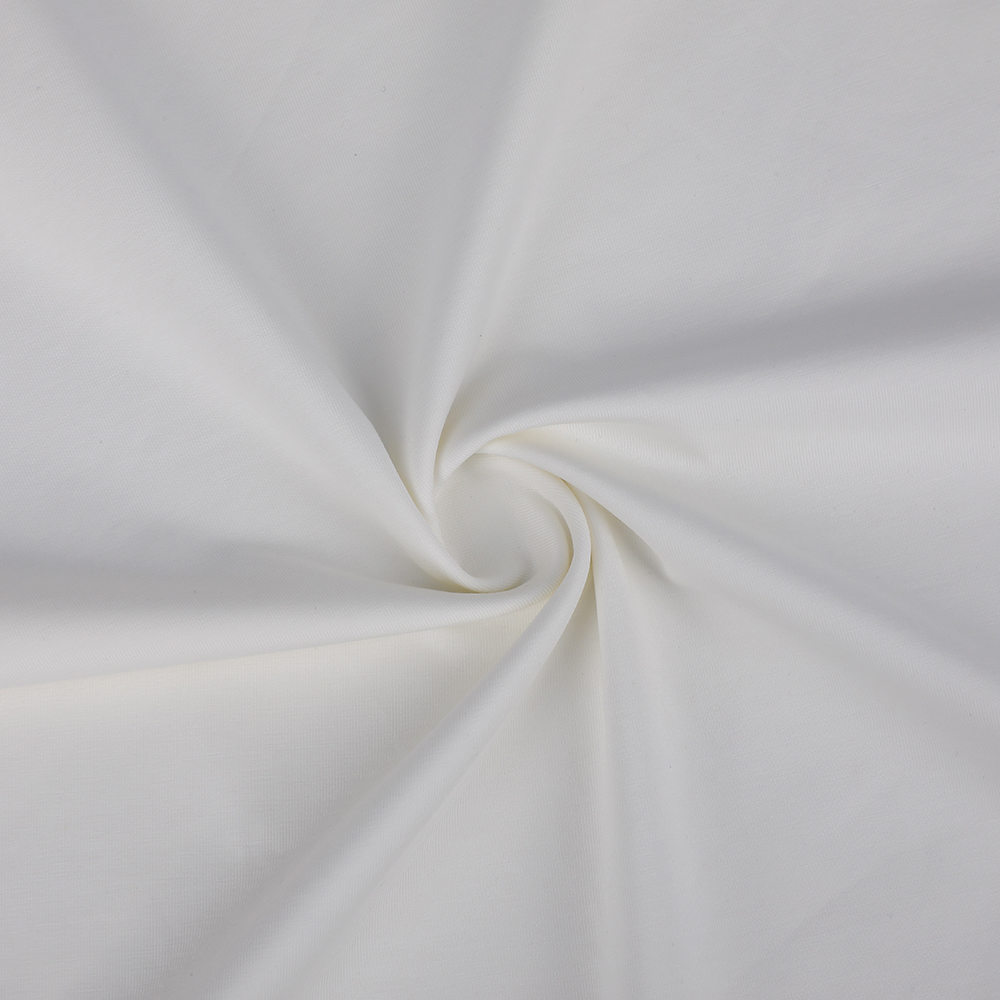
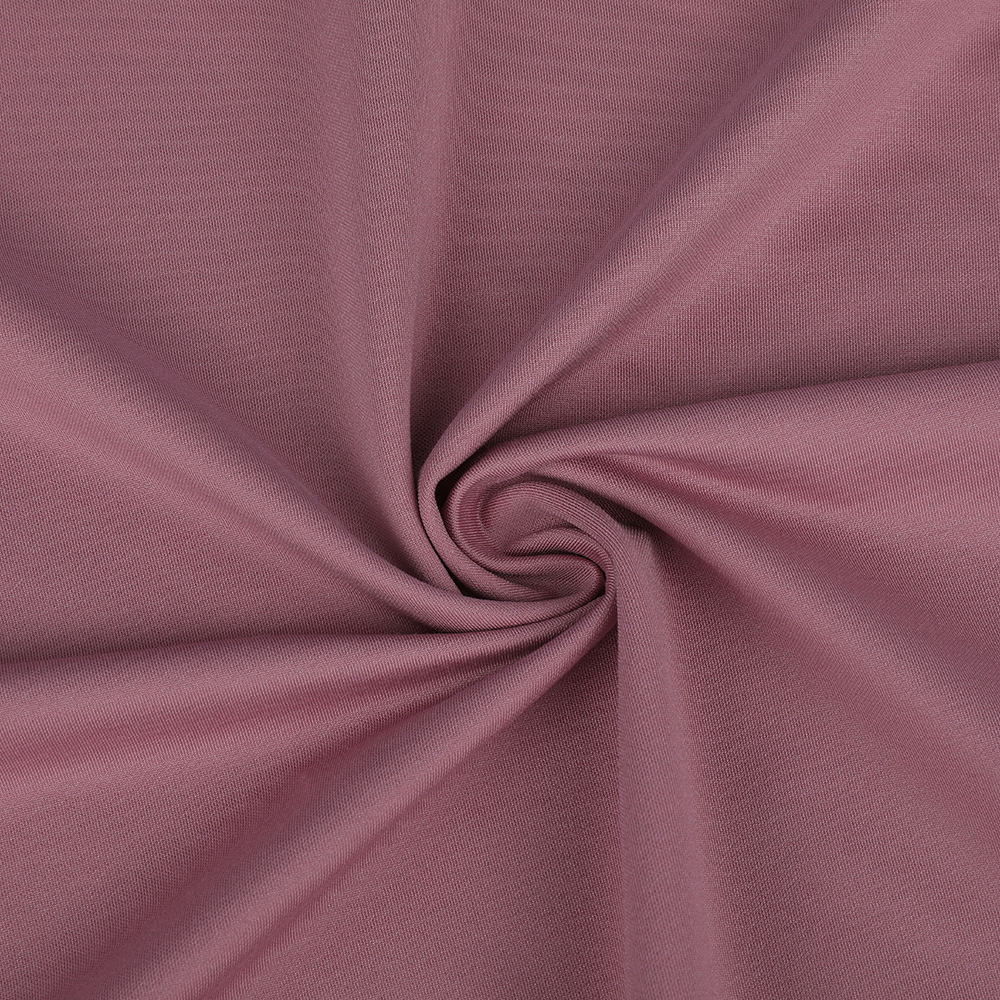
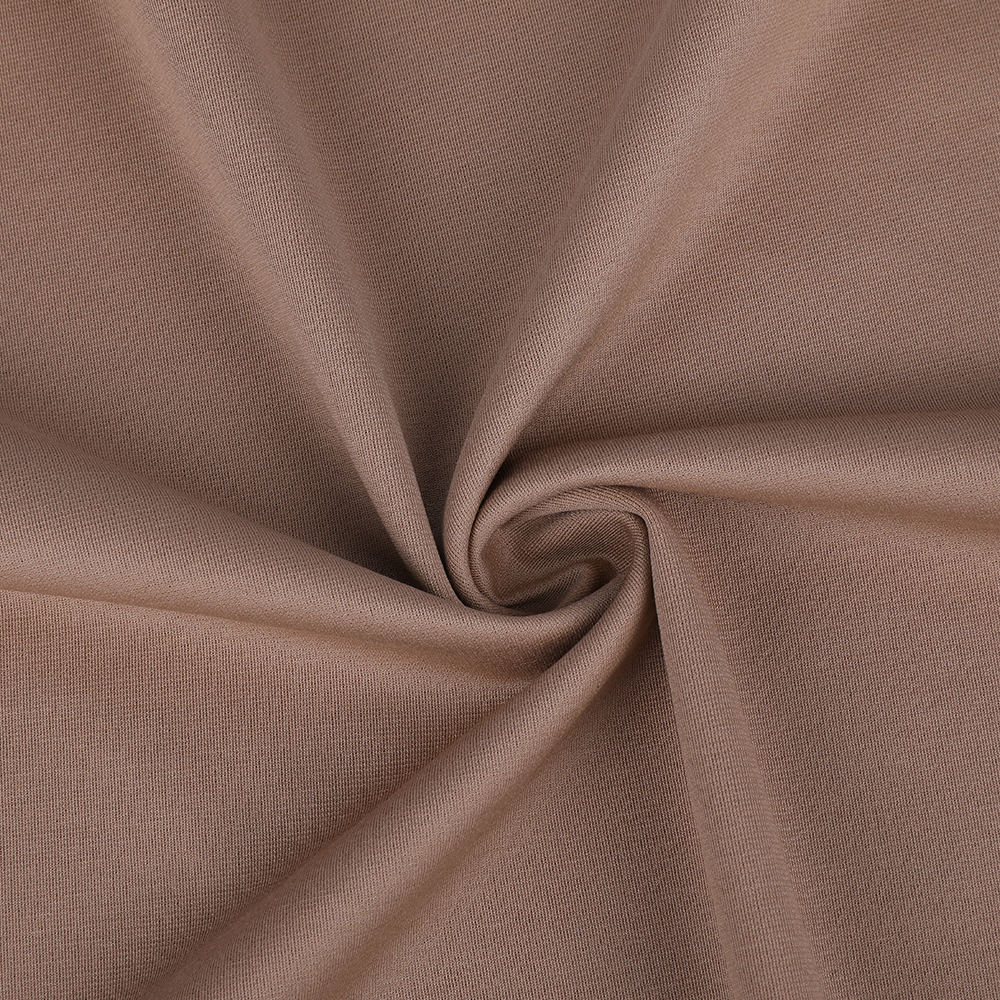
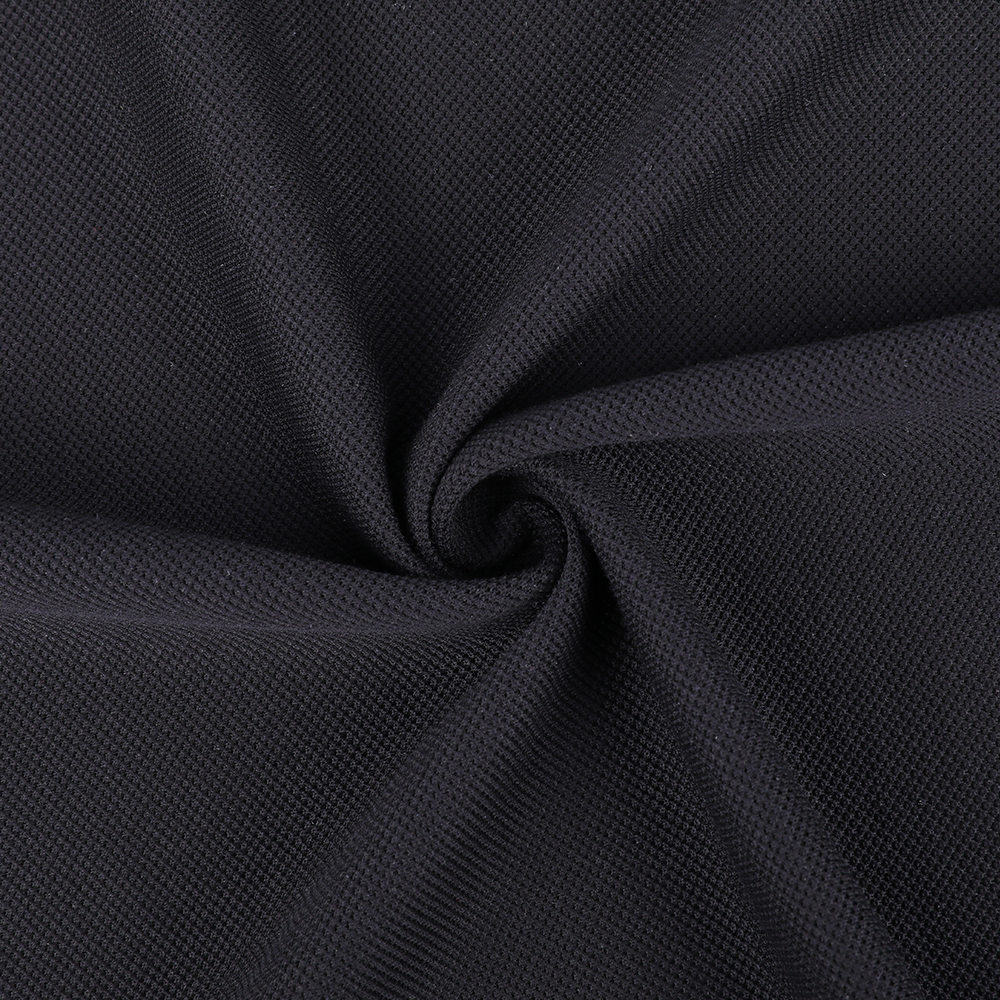
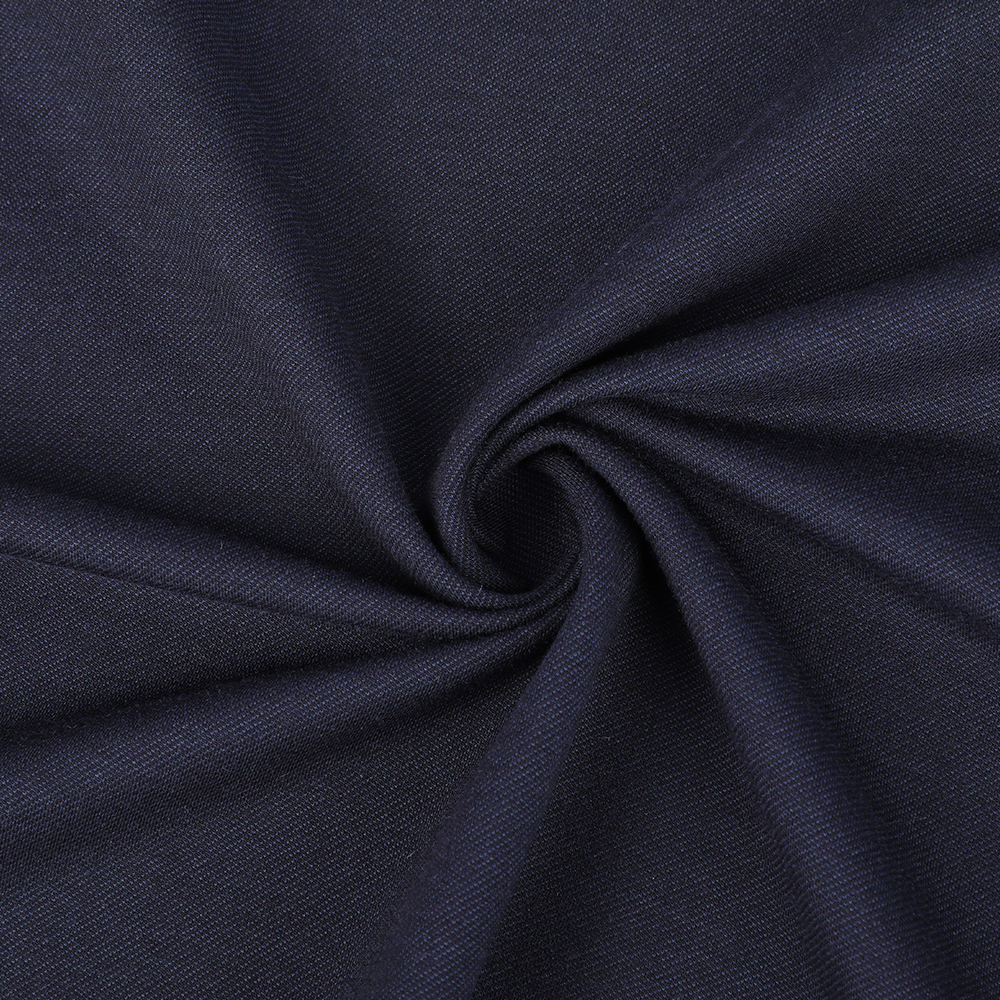
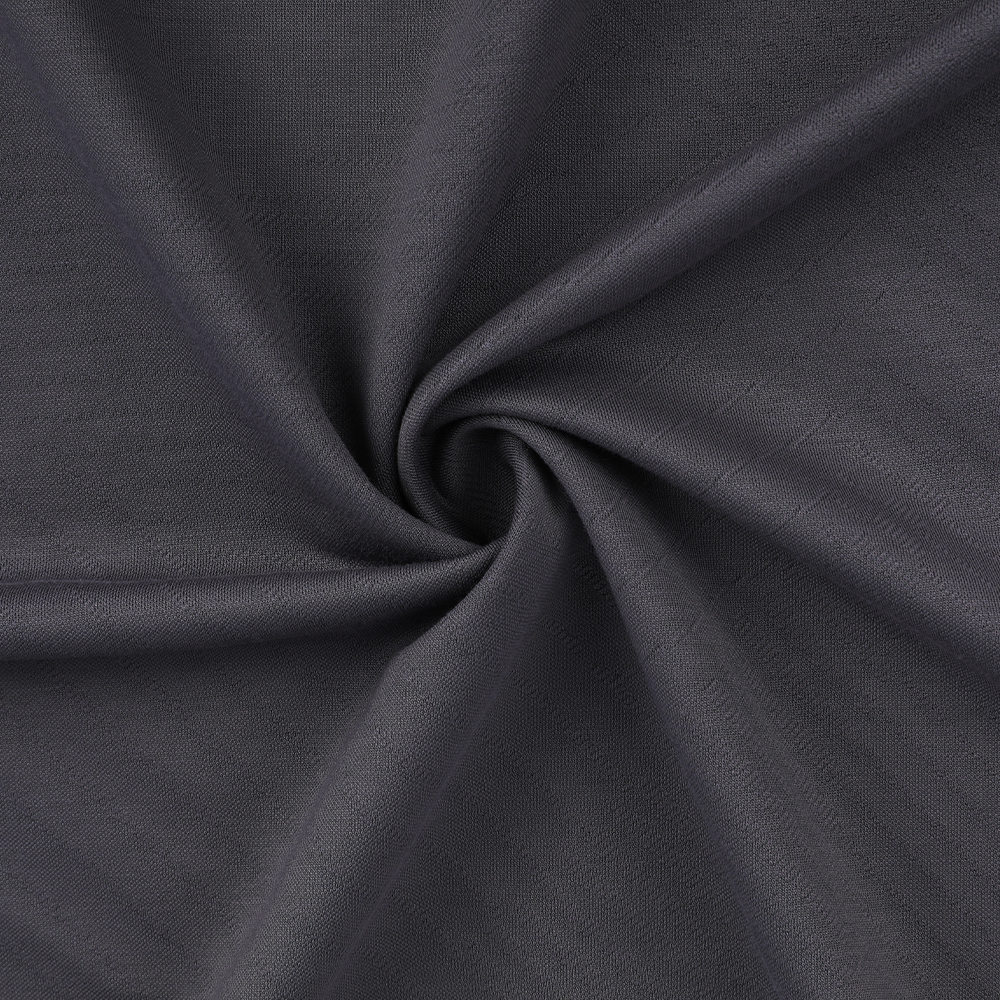
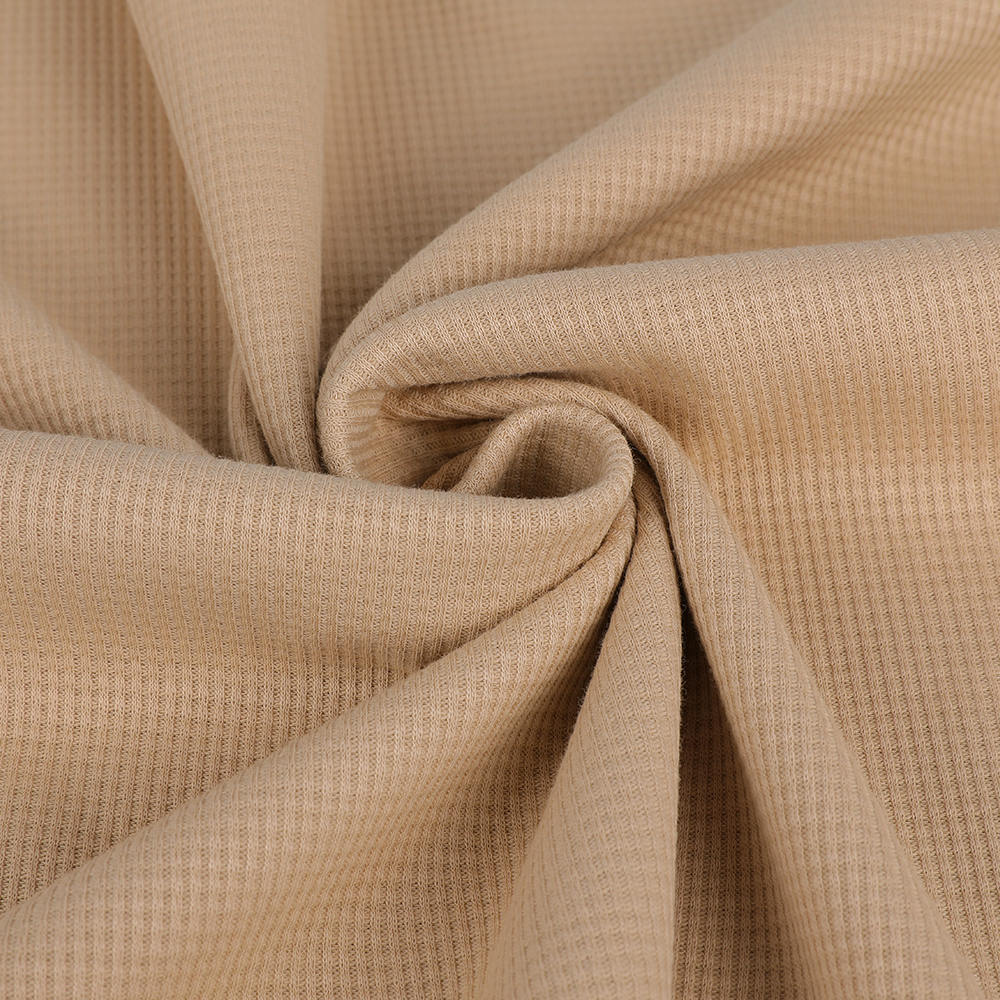
The fibers in buttercloth and icy cotton are finely combed and tightly woven using advanced weaving techniques. This results in a smooth surface and exceptional drape. The weaving process enhances breathability while maintaining structural integrity, making it suitable for both lightweight and medium-weight fabrics.
Key Material Properties
- Softness: The fabric feels smooth against the skin, providing comfort for prolonged wear.
- Breathability: High air permeability ensures garments remain cool in warm conditions.
- Tensile Strength: Strong fiber bonds improve durability for bulk production.
- Moisture Wicking: Efficient absorption and quick drying reduce sweat accumulation.
Below is a comparison of moisture-wicking performance between buttercloth, icy cotton, and standard cotton:
| Property | Buttercloth Icy Cotton | Regular Cotton |
| Moisture Absorption | High | Moderate |
| Drying Time | Fast | Slow |
| Comfort Level | Superior | Good |
Applications of Buttercloth Icy Cotton
Seasonal Garment Manufacturing
This fabric excels in summer wear due to its breathability and light texture. It is used in shirts, blouses, and dresses designed to provide cooling comfort while maintaining a refined appearance.

Industrial and Functional Textile Uses
Beyond fashion, butterclot,h icy cotton, is used in technical textiles that require moisture management, such as athletic uniforms and hospital textiles. Its engineered properties make it suitable for performance-focused applications.
Advantages in Large-Scale Production
- Uniform quality ensures consistent bulk production.
- Easy to dye and finish for customized orders.
- Reduces defect rates due to its robust fiber structure.
Comparison with Other Cotton Types
Performance Comparison
To assist B2B buyers, the table below contrasts buttercloth icy cotton with regular cotton in key performance metrics:
| Feature | Buttercloth Icy Cotton | Regular Cotton |
| Softness | High | Moderate |
| Durability | Superior | Standard |
| Breathability | Excellent | Good |
| Moisture Wicking | Efficient | Limited |
| Cost | Higher | Lower |
Cost-effectiveness and ROI for Wholesalers
Although buttercloth icy cotton has a higher initial cost, its longevity, reduced defect rates, and superior performance create better long-term value for wholesale buyers. Efficient moisture management also minimizes returns from customer complaints.
Purchasing Considerations for B2B Buyers
Supplier Selection
Wholesalers should prioritize suppliers with verified production capabilities and consistent quality control. Bulk purchase reliability is crucial to maintain supply chain stability.
Quality Assurance and Certifications
- Check for fiber origin and certifications such as OEKO-TEX or ISO standards.
- Request lab reports for tensile strength, shrinkage, and moisture wicking performance.
- Evaluate pre-production samples for texture and consistency.
Bulk Order Logistics
Consider shipping options, storage conditions, and lead times. Butterclotand h icy cotton maintains its properties when stored in controlled environments, preventing degradation during transit.
Maintenance and Longevity
Care Instructions
- Wash in cold water with mild detergent.
- Avoid bleach and harsh chemicals to preserve fiber integrity.
- Air dry or use low-heat settings for drying.
Durability Under Repeated Washes
Compared to regular cotton, buttercloth icy cotton retains softness and structural stability after multiple washes, making it ideal for high-turnover commercial garments.
Conclusion
Buttercloth and icy cotton combine softness, breathability, and technical performance suitable for both summer garments and functional textiles. Its superior properties and consistent quality provide wholesalers with reliable ROI, making it a strategic choice for bulk procurement.
FAQ
1. What is the difference between buttercloth, icy cotton,n and regular cotton?
Buttercloth icy cotton offers higher softness, enhanced moisture wicking, and greater durability compared to regular cotton. Its engineered fiber structure allows for better comfort and performance in garments.
2. How does buttercloth icy cotton perform in moisture wicking?
This fabric efficiently absorbs and evaporates moisture, keeping the wearer dry. Its advanced weaving ensures quick drying, which is essential for summer apparel and performance textiles.
3. Where can wholesalers source quality buttercloth icy cotton?
Wholesalers should target suppliers with verified production facilities, quality certifications, and a history of reliable bulk shipments. Pre-order samples and lab tests are recommended for verification.
4. Is buttercloth icy cotton suitable for summer garments?
Yes. Its light texture, breathability, and moisture management make it ideal for summer wear, ensuring comfort without compromising durability or appearance.
References
- Textile Research Journal, 2022. “Advanced Cotton Fabrics and Moisture Management.”
- International Journal of Clothing Science, 2021. “Comparative Analysis of Specialty Cotton Textiles.”
- OEKO-TEX Standards, 2023. Certification Guidelines for Cotton Fabrics.
- Journal of Industrial Textiles, 2020. “Fiber Structure and Weaving Techniques in High-Performance Cotton.”
- Textile World, 2021. “Bulk Procurement Strategies for Specialty Fabrics.”