
 English
 日本語
日本語 中文简体
中文简体
Content
Introduction to Cost-Effective Textile Sourcing
In the textile industry, sourcing the right materials is crucial for maintaining profit margins. Many buyers look for cheap knit fabric to reduce production costs. However, a low price often comes with hidden risks. Engineers and procurement specialists must understand the technical properties of these fabrics to ensure they meet product standards. This article explores the technical aspects, types, and sourcing strategies for affordable knit textiles.
Knit fabrics are popular because of their stretch and comfort. When buying them at lower price points, professionals need to check quality parameters carefully. This ensures that the final garment performs well in the market.
Understanding Fabric Construction and Gauge
The Importance of Yarn Count
One of the main factors affecting the cost of cheap knit fabric is the yarn count. Manufacturers often use coarser yarns or blended yarns to lower the price. For instance, a 30s or 40s yarn count is standard for basic T-shirts. Cheaper options might use lower-grade cotton or a higher percentage of polyester. Engineers should check the evenness of the yarn. Uneven yarn leads to fabric defects like thick and thin places.
Knit Structures and Their Impact on Cost
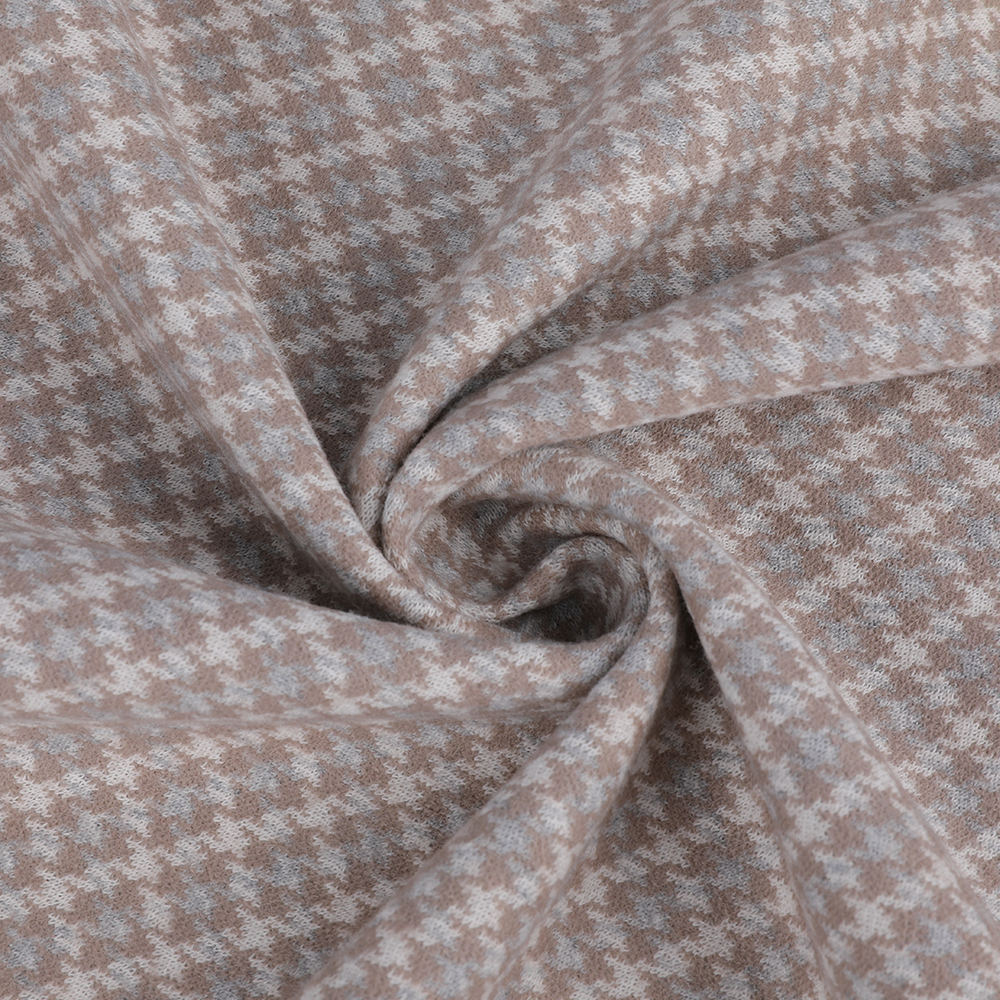
The structure of the knit also determines the price. Single jersey is the most common and usually the most affordable structure. It is simple to produce and fast to knit. Interlock and rib structures require more yarn and complex machinery. Therefore, they are generally more expensive. When sourcing affordable materials, buyers often stick to basic single jersey or fleece structures.
Material Composition Analysis
Composition plays a vital role in fabric performance. Most affordable knit fabrics are blends. Here are common compositions found in the market:
- 100% Cotton (Carded vs. Combed)
- 65% Polyester / 35% Cotton (PC Blend)
- 95% Polyester / 5% Spandex
- Tri-blends (Cotton/Poly/Rayon)
Polyester Cotton Blend Fabric Properties
Polyester cotton blend fabric is a staple in the budget textile market. Polyester adds strength and durability, while cotton provides comfort. This blend is cheaper than 100% combed cotton. It is also easier to care for, which appeals to consumers. However, the blend ratio matters. A 50/50 blend offers a balance of comfort and durability, whereas a 65/35 blend leans more towards durability. Engineers must check the pilling resistance of these blends. Low-quality polyester can cause significant pilling after washing.
Viscose and Rayon Alternatives
Some buyers seek viscose rayon knit fabric as a cheaper alternative to silk or high-end cotton. Viscose has a soft drape and a luxurious feel. It is generally less expensive than modal or lyocell. However, viscose has weaknesses. It loses strength when wet and can shrink easily. Sourcing teams must verify the shrinkage rates with suppliers before placing orders.
Key Quality Control Parameters
Weight and Density Standards
Fabric weight is measured in grams per square meter (GSM). Suppliers might claim a certain GSM, but the actual weight can vary. A variance of +/- 5% is standard in the industry. For cheap knit fabric, this variance can be higher. Buyers should use a precision balance to check the GSM upon delivery. Lower GSM fabrics use less yarn, which reduces cost but also reduces opacity and durability.
The following table compares standard GSM ranges for different budget fabric types:
| Fabric Type | Standard GSM Range | Typical Use Case |
| Single Jersey (Light) | 120 - 150 | Summer T-shirts, Linings |
| Single Jersey (Medium) | 160 - 180 | Promotional T-shirts |
| Fleece | 240 - 280 | Hoodies, Sweatshirts |
| Poly/Cotton Blend | 150 - 200 | Uniforms, Workwear |
Shrinkage and Dimensional Stability
Dimensional stability is a major concern for knit fabrics. Cheap fabrics often skip crucial finishing steps like compaction or heat setting. This leads to high shrinkage. A standard shrinkage rate for knits should be below 5%. For wholesale cotton knit fabric, buyers should request a test report. If the fabric shrinks too much, the final garment will not fit after washing. Engineers can conduct a simple wash test in the lab to verify supplier claims.
Comparing Affordable Options
When selecting materials, buyers often compare different substrates. Each has pros and cons regarding cost and performance. We compare two popular affordable options below:
| Feature | 100% Carded Cotton | PC Blend (65/35) |
| Cost | Low to Medium | Low |
| Breathability | High | Medium |
| Durability | Medium | High |
| Pilling Tendency | Low | Medium to High |
The table shows that while PC blends are cheaper, they may compromise on breathability. Carded cotton is a good entry-level natural fiber option.
Best Practices for Bulk Knit Fabric Suppliers
Evaluating Supplier Capabilities
Finding reliable bulk knit fabric suppliers is essential for B2B success. Price is not the only factor. Suppliers must have quality control measures in place. Engineers should audit the factory. They need to check if the knitting machines are well-maintained. Old machines can produce fabrics with vertical defects. The supplier should also have in-house lab testing facilities.
Negotiating Terms and Minimum Order Quantities (MOQ)
Suppliers offer better prices for higher volumes. However, buyers must balance inventory costs with material costs. It is important to discuss Greige fabric availability. Buying Greige (unfinished) fabric is often cheaper. Buyers can then arrange dyeing locally. This requires strong coordination but offers more control over color fastness.
Sustainability Concerns in Low-Cost Sourcing
Even when sourcing cheap knit fabric, sustainability matters. The textile industry faces pressure to reduce waste. Buyers should ask suppliers about their dyeing processes. Are they using eco-friendly dyes? Do they treat wastewater? Sustainable practices can add value to the final product. It helps brands build trust with environmentally conscious consumers.
Conclusion
Sourcing affordable knit fabric requires a balance of cost and quality. Buyers must analyze yarn count, composition, and construction. They need to test for shrinkage and weight consistency. By working with reputable bulk knit fabric suppliers, businesses can secure materials that meet their technical needs. This approach ensures that "cheap" does not mean "low quality." It means smart sourcing.
Frequently Asked Questions
How can I test the quality of cheap knit fabric?
You can perform a stretch and recovery test. Stretch the fabric and see if it returns to its original shape. Also, check the GSM and inspect the surface for holes or uneven knitting.
Why does cheap knit fabric sometimes twist after washing?
Torquing or twisting happens when the fabric is not balanced during the knitting process. It also occurs if the skew is not corrected during finishing. This is common in low-cost single jerseys.
Is polyester cotton blend fabric good for printing?
Yes, it is suitable for printing. However, the polyester content can cause dye migration. You must use proper under-base printing techniques to prevent colors from bleeding.
What is the difference between carded and combed cotton in terms of price?
Carded cotton is cheaper because it undergoes less processing. It still contains short fibers, making the fabric feel slightly rougher. Combed cotton removes short fibers, making it smoother and more expensive.
References
- Textile Institute. (2023). Properties of Knitted Structures. Manchester: Textile Institute Press.
- Kadolph, S. J. (2021). Textiles (12th ed.). Boston: Pearson Education.
- Spencer, D. J. (2020). Knitting Technology: A Comprehensive Handbook and Practical Guide. Cambridge: Woodhead Publishing.
- International Trade Centre. (2024). Market Analysis for Cotton Textiles. Geneva: ITC Publications.
- Hatch, K. L. (2022). Textile Science. New York: Fairchild Publications.