
 English
 日本語
日本語 中文简体
中文简体
Content
- 1 Understanding Key Properties of High-Quality Knitted Fabrics
- 2 Exploring the 5 Most Sought-After Knitted Shirt Fabric Types
- 3 Comparative Analysis: Key Fabrics for Bulk Sourcing
- 4 Critical Quality Control Metrics for Bulk Purchases
- 5 Conclusion: Strategic Sourcing for Knitted Shirt Fabrics
- 6 Frequently Asked Questions (FAQ)
- 6.1 1. What is the best knitted shirt fabric to minimize pilling?
- 6.2 2. How does fabric weight (GSM) affect the final product for wholesale buyers?
- 6.3 3. What are the key certifications to look for when sourcing sustainable knitted shirt fabric?
- 6.4 4. Can a cotton spandex knit fabric be used for industrial uniforms?
- 7 References
Choosing the right Knitted Shirt Fabric is a critical decision for buyers and procurement professionals. The material directly impacts production efficiency, final product quality, and customer satisfaction. This guide provides a deep, technical analysis to help you make an informed choice for your next bulk purchase.
Understanding Key Properties of High-Quality Knitted Fabrics
Before evaluating specific options, it is essential to understand the core technical parameters that define performance. For B2B buyers, focusing on these metrics ensures consistency across large-scale orders.
- GSM (Grams per Square Meter): This measures fabric weight. A range of 150-180 GSM is typical for lightweight summer shirts, while 180-220 GSM offers better structure and durability for year-round wear.
- Fabric Construction: The knit structure (e.g., single jersey, interlock, pique) dictates the fabric's drape, stretch, and breathability. Interlock knits, for instance, offer superior stability and a smooth surface, making them a popular choice for premium shirts.
- Shrinkage Rate: A critical quality control metric. Professional buyers should demand pre-shrunk or compacted fabrics with a shrinkage rate of less than 3% to ensure garment consistency after washing.
- Colorfastness: Rated on a scale of 1 to 5, a minimum rating of 4 for both washing and light exposure is the industry standard for commercial apparel.
Exploring the 5 Most Sought-After Knitted Shirt Fabric Types
Based on market demand, five specific material categories consistently rank high in search volume. Each offers distinct advantages for different end-use applications.
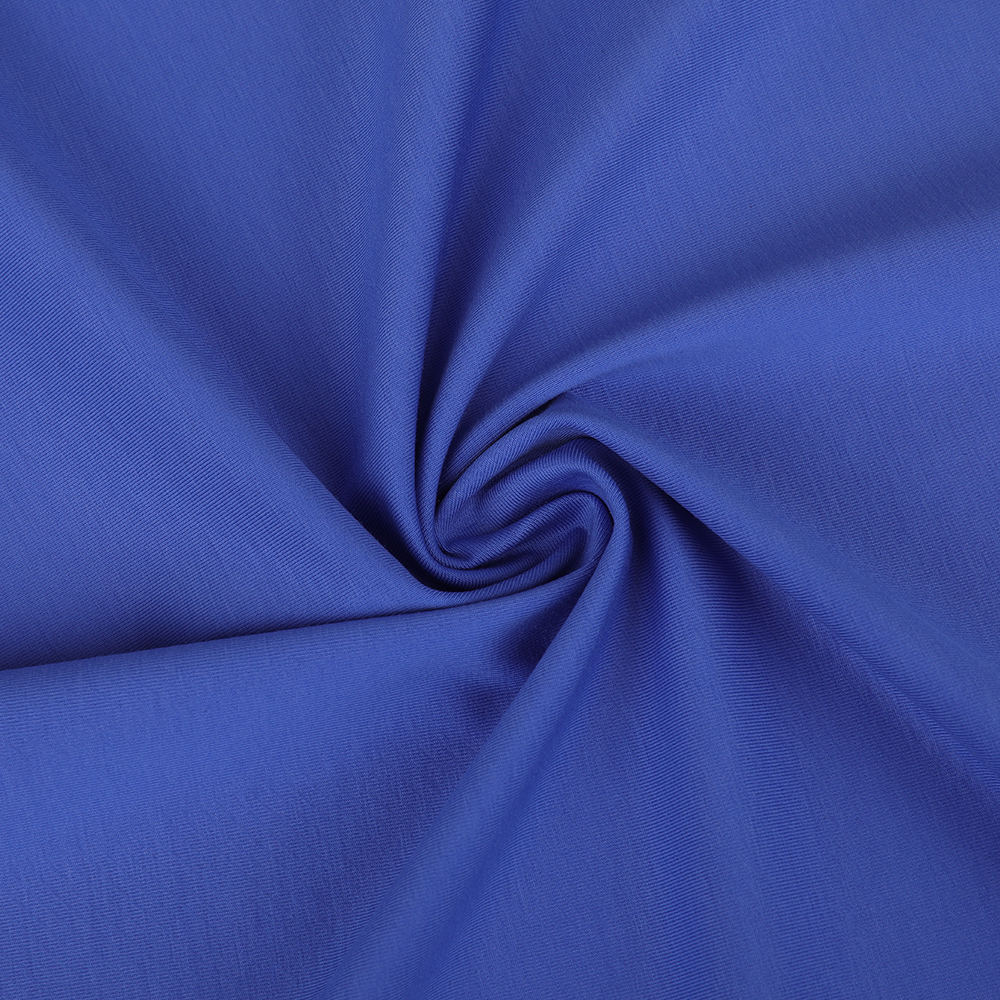
1. Cotton Spandex Knit Fabric for Shirts
This is the industry standard for comfort and fit. The blend typically consists of 95% cotton and 5% spandex. The spandex provides essential elasticity (stretch and recovery), allowing the shirt to maintain its shape. This fabric is ideal for polo shirts, casual button-downs, and everyday T-shirts where movement and a tailored look are required.
2. Polyester Cotton Blend Knit Fabric for Wholesale
A workhorse in the apparel industry, this blend combines the softness of cotton with the durability and moisture-wicking properties of polyester. Common ratios include 65% polyester and 35% cotton. For wholesale buyers, this fabric offers the best balance of cost-effectiveness and performance, particularly for workwear, team uniforms, and performance shirts that need to withstand frequent industrial laundering.
3. Sustainable Knitted Shirt Fabric Options
With growing demand for eco-friendly products, sustainable options have become a key category. These include fabrics made from organic cotton, recycled polyester, or TENCEL™ Lyocell. For B2B buyers, sourcing these materials can help meet corporate sustainability goals (ESG). They often command a premium but offer a distinct market advantage for brands targeting environmentally conscious consumers.
4. Moisture Wicking Knitted Shirt Materials
Engineered for high-performance applications, these fabrics are typically 100% polyester or specialized nylon blends. They utilize hydrophobic fibers and advanced knit structures to pull moisture away from the skin to the fabric's surface for rapid evaporation. This is the primary fabric for activewear, sports jerseys, and base layers.
5. High Durability Knit Fabric for Uniforms
For corporate uniforms and heavy-duty workwear, durability is paramount. These fabrics often feature high-tenacity fibers, such as a cotton-polyester blend with a reinforced ripstop knit or a high-density interlock. They are designed to resist pilling, abrasion, and color fading, ensuring a professional appearance over a long lifecycle.
Comparative Analysis: Key Fabrics for Bulk Sourcing
To assist in the decision-making process for large-scale procurement, the following comparison highlights the critical technical and commercial differences between the most common Knitted Shirt Fabric types. Each fabric type aligns with one of the high-search-volume long-tail keywords identified earlier.
Below is a direct comparison of key attributes, including fiber composition, durability, and primary applications.
| Fabric Type | Key Composition | Key Attribute | Primary Application |
|---|---|---|---|
| Cotton Spandex Knit Fabric for Shirts | 95% Cotton, 5% Spandex | Excellent stretch & recovery (20-30% elongation) | Fashion polos, fitted casual wear |
| Polyester Cotton Blend Knit Fabric for Wholesale | 65% Polyester, 35% Cotton | Durable, low-shrink, cost-effective | Uniforms, workwear, promotional T-shirts |
| Moisture Wicking Knitted Shirt Materials | 100% Polyester (with textured yarns) | High breathability, quick-dry | Activewear, sports jerseys |
| High Durability Knit Fabric for Uniforms | Cotton/Polyester with reinforced weave | High abrasion resistance, low pilling | Industrial uniforms, corporate workwear |
| Sustainable Knitted Shirt Fabric Options | Organic Cotton, Recycled Polyester | Eco-certified (GOTS, Oeko-Tex), soft hand-feel | Eco-conscious brands, premium retail |
Critical Quality Control Metrics for Bulk Purchases
For B2B buyers and engineers, a visual inspection is never sufficient. Implementing a technical quality control (QC) protocol is essential to ensure that the bulk order meets specifications. The following parameters should be verified from the supplier's test reports or through a third-party inspection.
Fabric Weight Tolerance
The actual GSM should be within +/- 5% of the specified weight. A deviation beyond this can affect garment fit and production yield.
Spirality or Torque
This refers to the twisting of a fabric tube after washing. For single jersey knits, a torque of less than 5% is the benchmark for a high-quality, stable fabric that will not twist around the garment's side seams.
Pilling Resistance
Rated via a Martindale test. A minimum rating of 3-4 on a scale of 5 is required for garments intended for prolonged use to ensure the fabric surface remains smooth and professional.
Conclusion: Strategic Sourcing for Knitted Shirt Fabrics
Selecting the correct Knitted Shirt Fabric goes beyond just picking a color or a soft texture. It requires a detailed analysis of fiber composition, knit structure, and performance metrics. Whether the goal is to source Cotton Spandex Knit Fabric for Shirts for a premium line, Polyester Cotton Blend Knit Fabric for Wholesale for cost-efficiency, or Moisture Wicking Knitted Shirt Materials for a sports collection, understanding these technical details is paramount. By prioritizing factors like shrinkage control, durability, and compliance with sustainability standards, procurement professionals can ensure product excellence and supply chain reliability.
Frequently Asked Questions (FAQ)
1. What is the best knitted shirt fabric to minimize pilling?
To minimize pilling, you should select fabrics with longer staple fibers, such as combed cotton or a cotton-polyester blend with a tight interlock or compact knit structure. These constructions hold fibers more securely, reducing surface friction that causes pills. Fabrics with a high percentage of synthetic fiber,s like polyest, er are also more resistant to pilling than 100% short-staple cotton.
2. How does fabric weight (GSM) affect the final product for wholesale buyers?
Fabric weight, measured in GSM, directly determines the shirt's end-use. For wholesale buyers, a lower GSM (150-170) is ideal for lightweight, summer-focused garments with a soft drape. A higher GSM (180-220) indicates a heavier, more structured fabric that is more durable and suitable for year-round uniforms or high-end polo shirts. Choosing the correct GSM is essential for aligning the final product with its target market and price point.
3. What are the key certifications to look for when sourcing sustainable knitted shirt fabric?
When sourcing sustainable fabrics, the most reputable certifications include the Global Organic Textile Standard (GOTS) for organic fibers, the Recycled Claim Standard (RCS) or Global Recycled Standard (GRS) for recycled materials, and Oeko-Tex Standard 100, which ensures that the fabric is free from harmful substances at all stages of production. These certifications provide verifiable proof of sustainability claims for your own marketing and compliance needs.
4. Can a cotton spandex knit fabric be used for industrial uniforms?
While Cotton Spandex Knit Fabric for Shirts offers excellent comfort and fit for corporate casual wear, it is generally not recommended for heavy-duty industrial uniforms. The spandex can degrade under high heat or industrial laundering conditions. For such applications, a High Durability Knit Fabric for Uniforms, typically a cotton-polyester blend with robust construction, is a more suitable and durable option.
References
- Textile Exchange. (2023). Preferred Fiber and Materials Market Report.
- ASTM International. (2022). Standard Test Methods for Textile Fabrics (D3776/D3776M-20).
- Hohenstein Institute. (2021). Physical Testing of Knitted Fabrics: Pilling and Abrasion Resistance.
- International Trade Centre. (2023). Buyer's Guide to Sustainable Textiles and Garments.
- AATCC Technical Manual. (2022). Colorfastness to Washing and Light Test Methods.