
 English
 日本語
日本語 中文简体
中文简体
Content
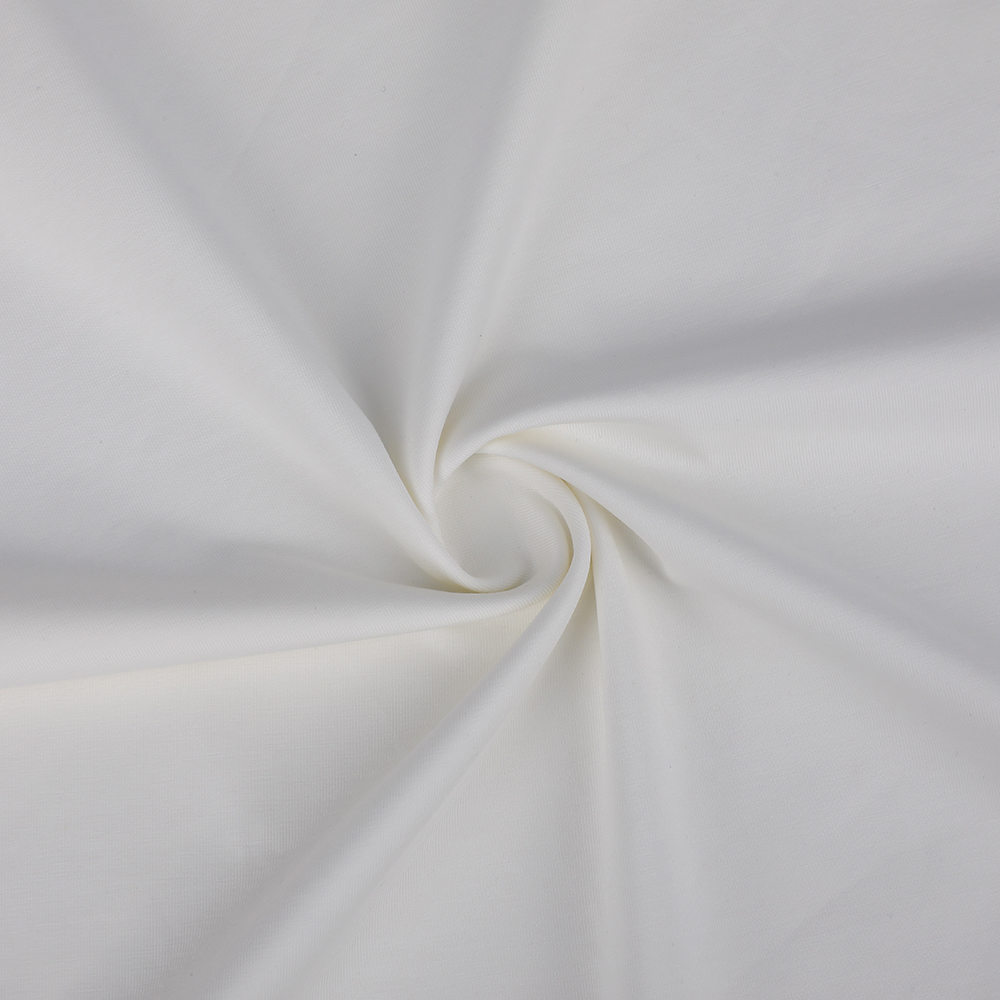
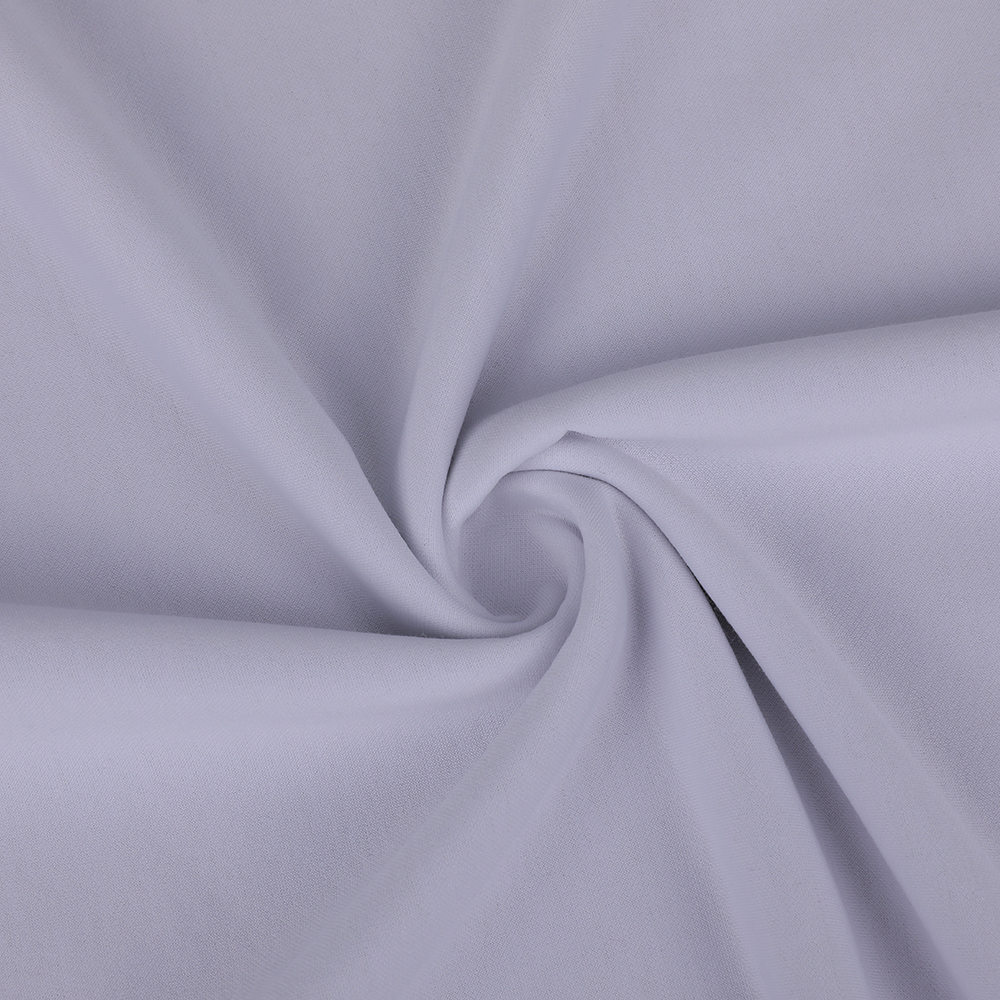
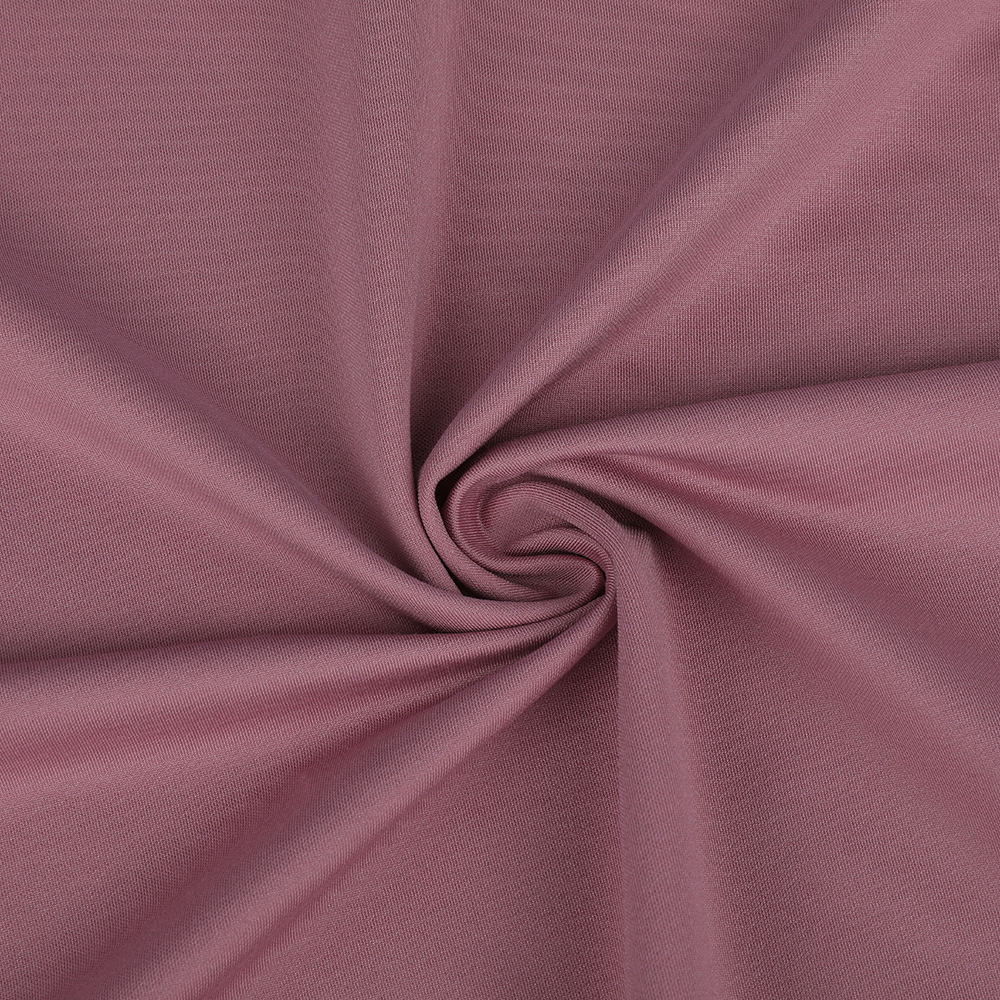
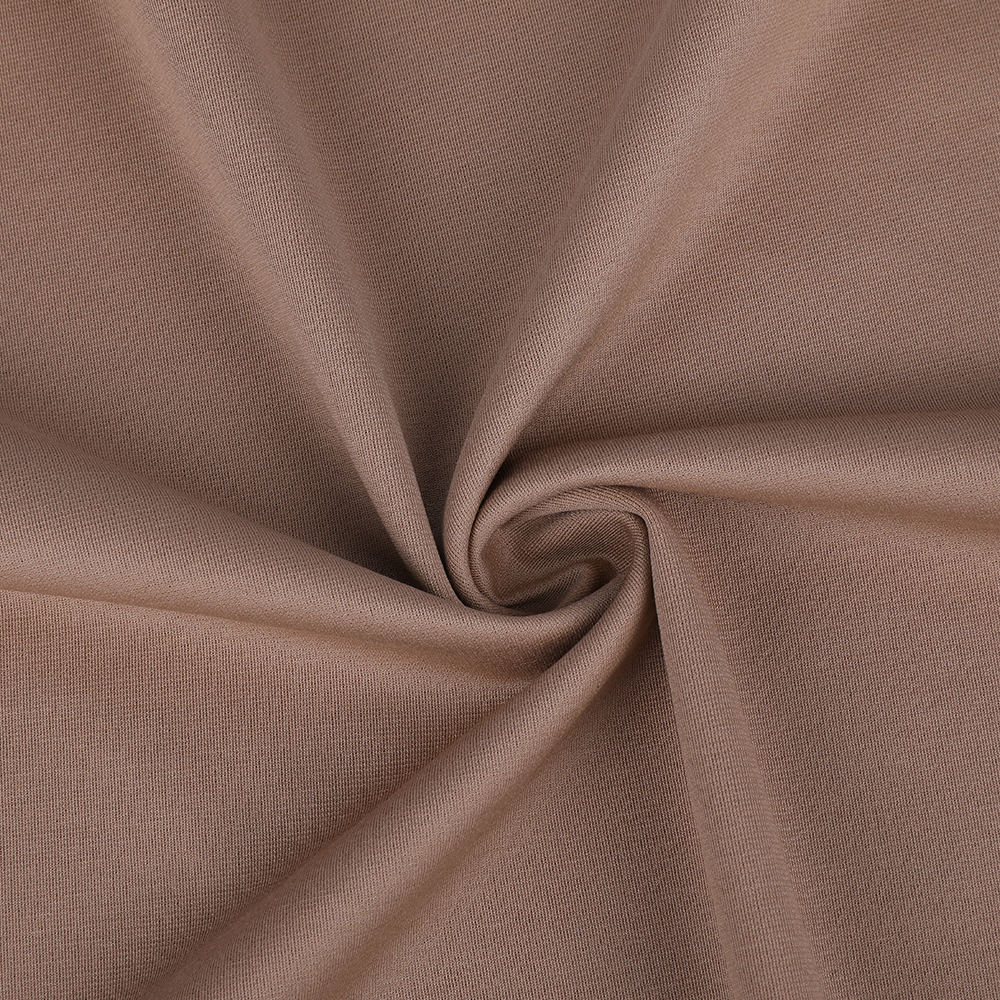
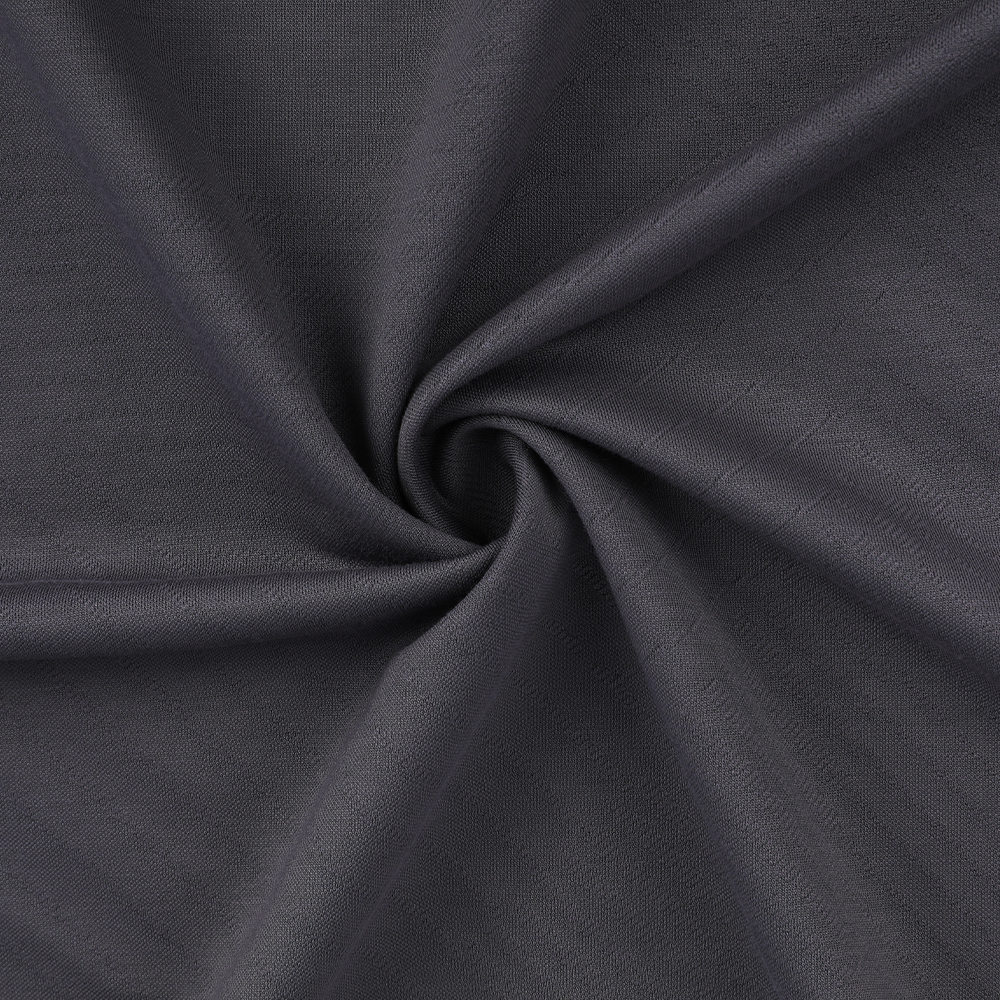
In the dynamic and fast-paced world of textile manufacturing, fashion design, and home sewing, the choice of material is a pivotal decision that influences both the cost and quality of the final product. While high-end luxury fabrics have their place, the market demand for affordable yet reliable textiles is immense, driving the success of businesses ranging from mass-market apparel brands to independent DIY enthusiasts. Cheap knit fabric has emerged as a cornerstone material in this sector, offering an exceptional balance between cost-effectiveness and performance. Unlike woven textiles, knitted fabrics are produced by interlocking loops of yarn, which grants them inherent elasticity, breathability, and comfort. This makes them the preferred choice for a vast array of garments, particularly activewear, casual wear, and undergarments. However, the term "cheap" does not have to imply poor quality; rather, it signifies smart procurement and efficient manufacturing processes that allow producers to offer competitive prices without sacrificing the structural integrity of the textile. By understanding the nuances of knit fabrics, businesses can optimize their supply chains, reduce waste, and deliver comfortable products that meet consumer expectations for value and utility.
Understanding the Versatility of cheap knit fabric
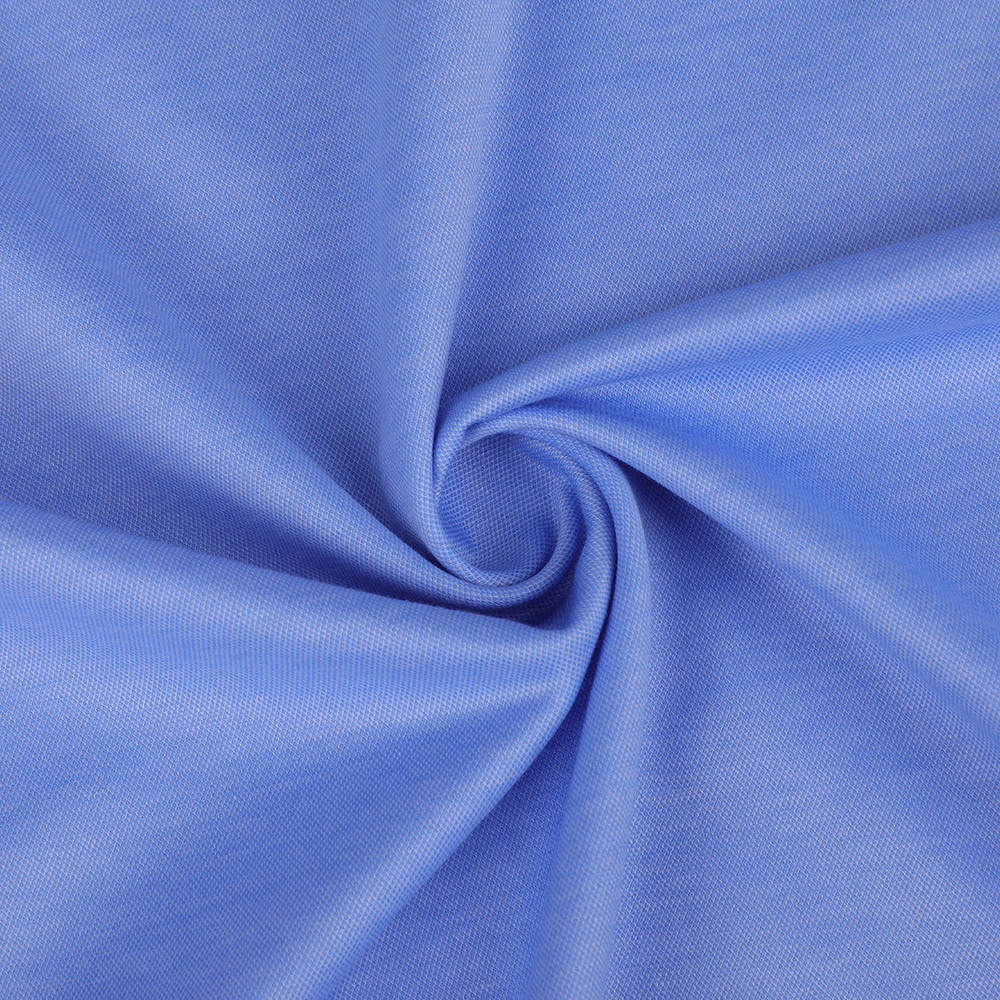
The versatility of cheap knit fabric is one of its most compelling attributes, making it indispensable in the textile industry. Due to the looped structure of the fabric, knits possess a natural drape that conforms to the body's movements, providing a level of comfort that stiff woven fabrics simply cannot match. This adaptability allows manufacturers to utilize these materials for everything from lightweight summer t-shirts to heavier winter hoodies. The economic advantage of sourcing affordable knits enables designers to experiment with silhouettes and produce larger quantities without exhausting their budgets. Furthermore, advancements in synthetic fiber blending have revolutionized the durability and maintenance of these fabrics. Modern cheap knits are often blends of cotton, polyester, and spandex, offering the softness of natural fibers with the resilience and shape retention of synthetics. This synergy ensures that the final garments are not only affordable to produce but also long-lasting and easy to care for, which adds significant value for the end consumer.
Benefits of Cost-Effective Materials
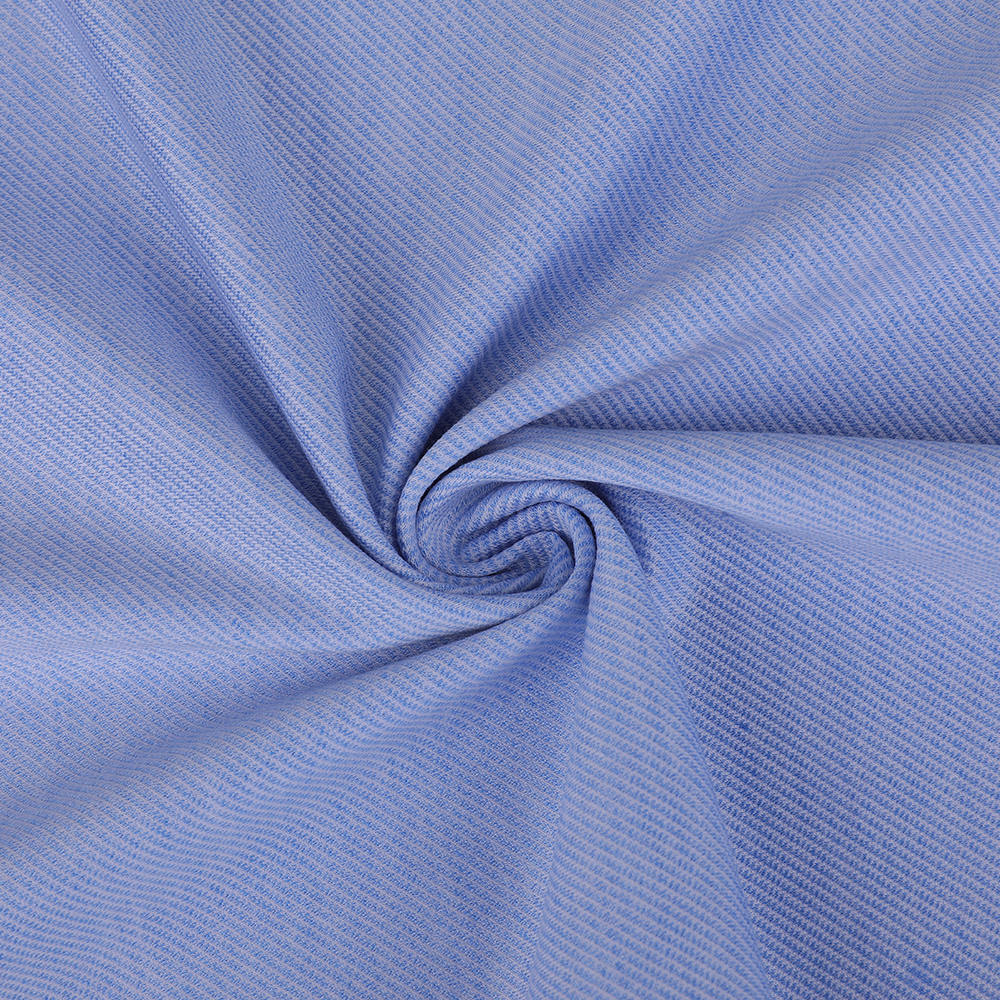
Utilizing cost-effective materials like discount cotton knit fabric provides a competitive edge in the marketplace. For small businesses and startups, minimizing the initial cost of goods sold (COGS) is critical for maintaining healthy profit margins. By opting for affordable knits, these businesses can allocate more resources to marketing, branding, and design innovation. Additionally, because these fabrics are often produced in high volumes, they are readily available, reducing lead times and ensuring a steady supply chain flow. The predictability of supply and cost helps in precise financial planning and inventory management. Moreover, the tactile comfort of knits often leads to higher customer satisfaction and repeat purchases, as consumers value the feel and fit of the clothing over the prestige of expensive raw materials.
- Cost Efficiency: Lower production costs allow for higher profit margins or competitive retail pricing.
- High Availability: Readily available stock ensures quick turnaround times for production.
- Consumer Comfort: Softness and stretch increase user satisfaction and loyalty.
- Design Flexibility: Suitable for a wide range of garment types and styles.
Common Applications for bulk jersey knit fabric
When manufacturers purchase bulk jersey knit fabric, they are investing in a textile that is ubiquitous in the fashion industry. Jersey is a lightweight, single-knit fabric that is smooth on one side and piled on the other. It is the standard material for t-shirts, leggings, and dresses. Buying in bulk is standard practice for apparel manufacturers who need to ensure color consistency across large production runs. The uniformity of bulk orders reduces the likelihood of shade variations between different dye lots, which can be a major issue in retail. Furthermore, jersey knits are easy to cut and sew, which increases the speed of production in factories. This efficiency translates to lower labor costs, further reinforcing the economic benefits of using this versatile material.
- Apparel Production: T-shirts, sleepwear, and casual dresses.
- Activewear: Leggings and performance tops due to moisture-wicking properties.
- Children's Clothing: Softness is essential for comfort against sensitive skin.
- Uniforms: Cost-effective solution for staff uniforms in service industries.
Types and Textures Available
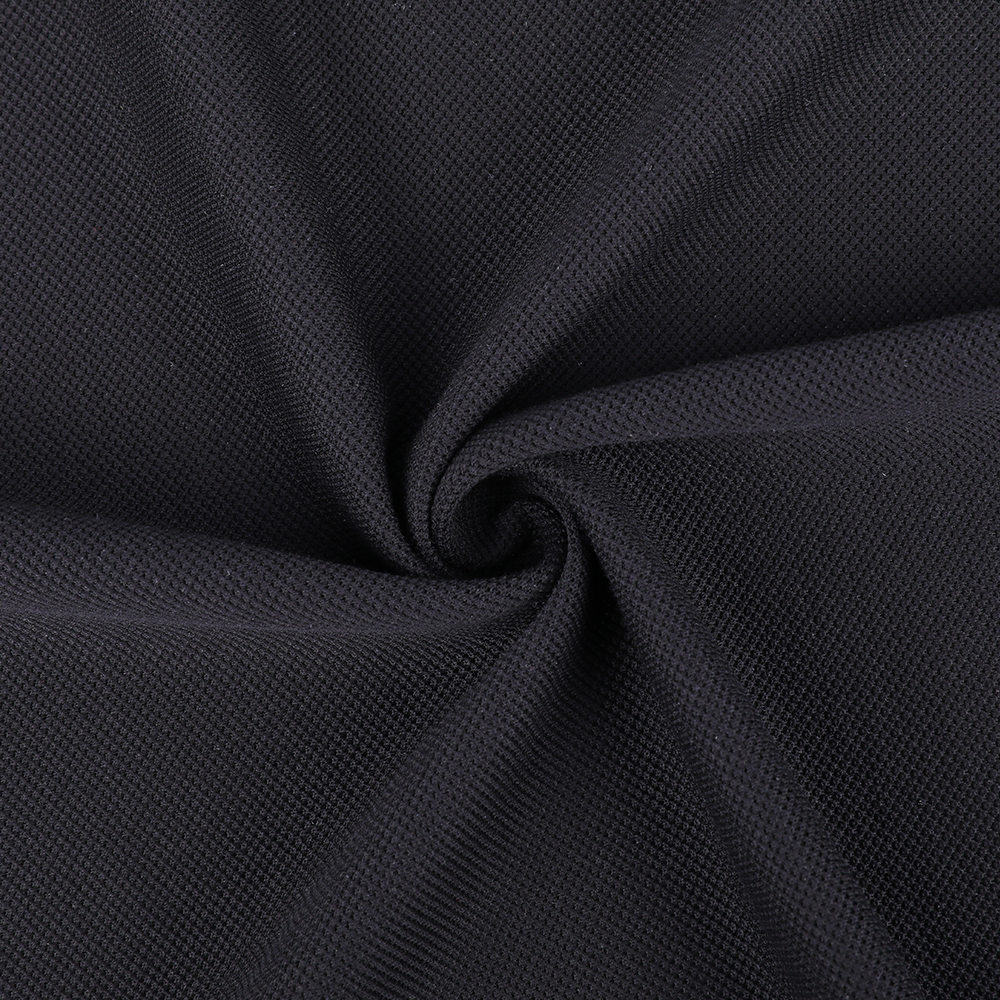
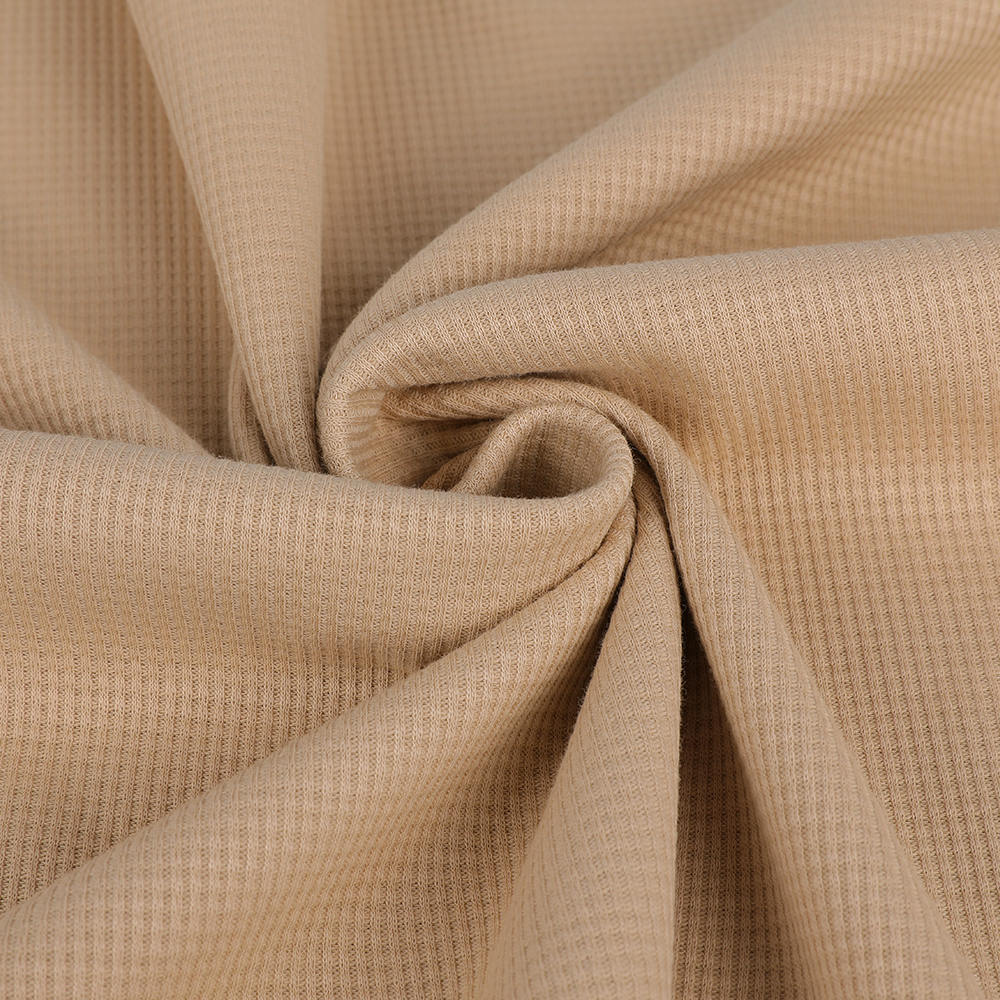
The market for affordable textiles is not monolithic; there is a vast array of textures, weights, and compositions available to suit specific needs. While the price point is low, the variety of textures allows designers to create distinct visual and tactile effects without incurring premium costs. From the smooth, flat surface of a jersey knit to the textured, waffle-like appearance of a pique, the options are extensive. Understanding these variations is key to selecting the right fabric for the right application. For instance, a lightweight knit is ideal for summer garments, while a heavier, structured knit is better suited for outerwear or jackets. The inclusion of fibers like linen or wool blends can also introduce aesthetic qualities like sheen or fuzziness, elevating the perceived value of the finished product.
Exploring discount cotton knit fabric
Cotton is the most widely used natural fiber in the world, prized for its breathability and hypoallergenic properties. Discount cotton knit fabric brings these premium qualities to a wider market by optimizing production processes. Sourcing cotton knits at a discount does not mean accepting inferior quality; it often means buying efficiently sourced or mill-end fabrics that offer the same performance as first-quality textiles. These fabrics are particularly favored for underwear, baby clothes, and casual wear, where skin contact is frequent. The natural absorbency of cotton makes it comfortable in hot climates, as it wicks moisture away from the skin. When purchasing discount options, it is important to verify the weight and weave density to ensure durability, as high-quality cotton knits should withstand frequent washing and wearing.
Breathability and Comfort
The primary reason for the enduring popularity of cotton is its superior breathability. Discount cotton knit fabric retains this characteristic, allowing air to circulate freely through the fabric loops. This ventilation helps regulate body temperature, keeping the wearer cool in hot weather. Furthermore, the natural softness of cotton minimizes skin irritation, making it an excellent choice for people with sensitive skin or allergies. The comfort factor is the single biggest driver of consumer loyalty in the basics market.
| Feature | Cotton Knit | Synthetic Knit |
| Breathability | High (Natural ventilation) | Medium (Depends on weave) |
| Texture | Soft and Natural | Can be silky or sleek |
| Moisture Absorption | Absorbent | Wicking |
| Static | Low static buildup | Prone to static |
Durability and Care
While cotton is soft, it is also robust when knit correctly. High-quality cheap knit fabric made from cotton fibers can withstand the rigors of daily wear and repeated laundering. However, care must be taken with heat, as cotton can shrink. The durability of these fabrics makes them ideal for everyday items that require frequent washing. Manufacturers often pre-shrink the fabric or blend it with a small percentage of polyester to enhance dimensional stability and reduce maintenance requirements for the consumer.
| Maintenance Factor | 100% Cotton | Poly/Cotton Blend |
| Shrinkage | High tendency to shrink | Low shrinkage |
| Wrinkling | Prone to wrinkles | Wrinkle resistant |
| Drying Time | Slower drying | Fast drying |
| Color Fastness | Good | Excellent |
The Appeal of affordable double knit fabric
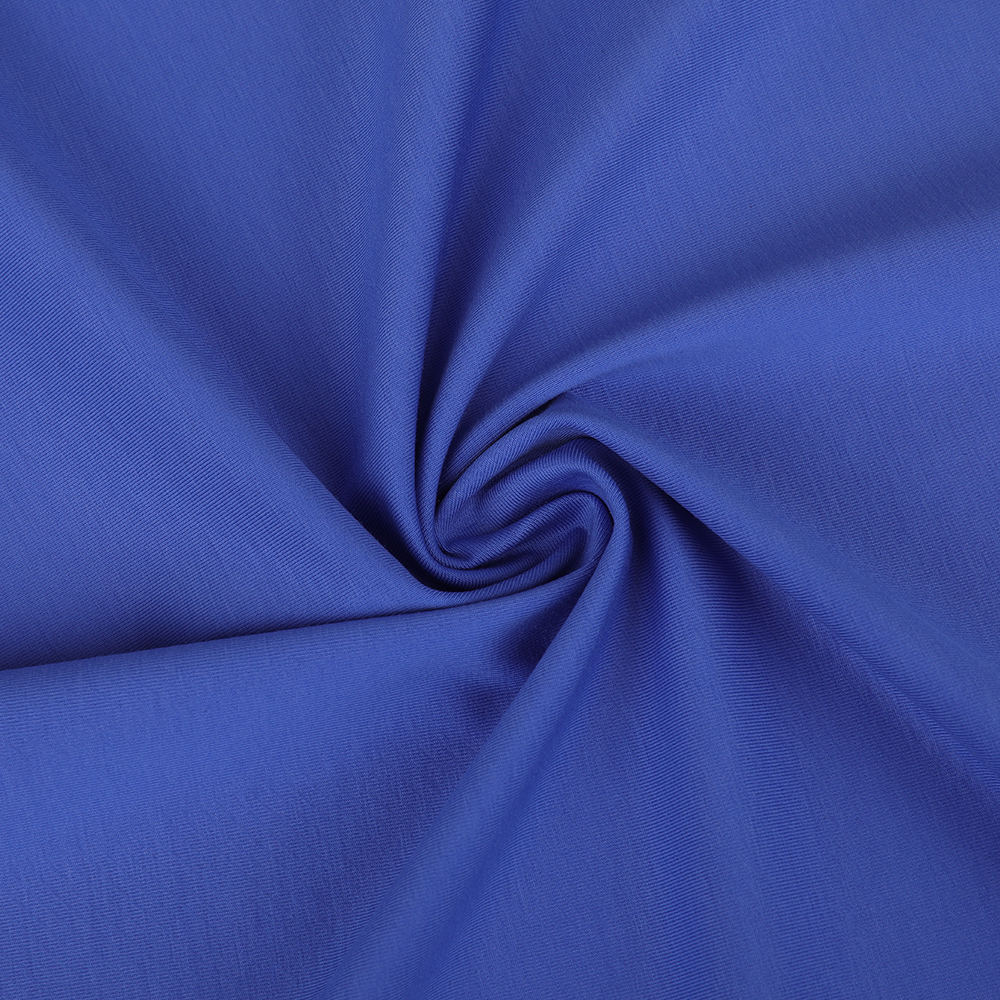
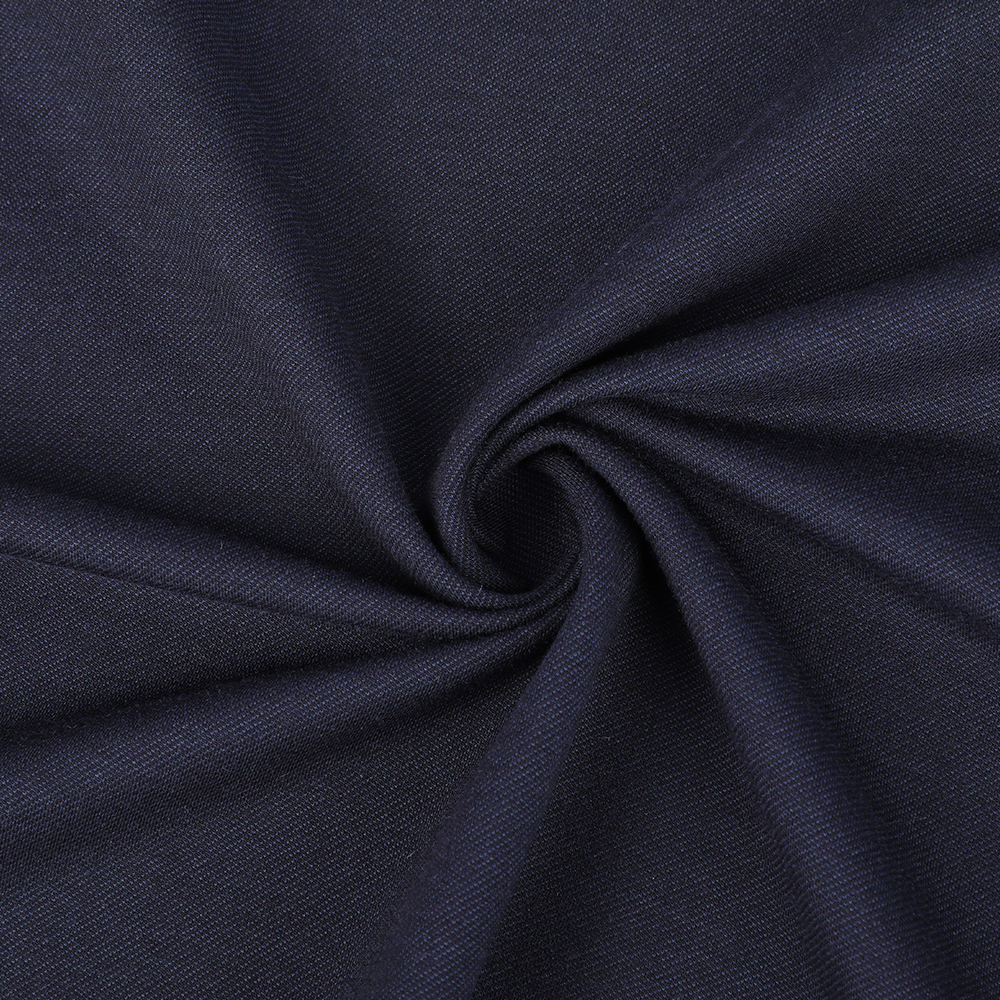
For garments that require more structure and stability than a single knit can offer, affordable double knit fabric is the go-to solution. Double knits are created using two sets of needles, resulting in two layers of fabric knitted together. This construction makes the fabric heavier, more durable, and less likely to curl at the edges. It is often used for pants, jackets, skirts, and dresses that need to hold their shape. The affordability of double knits allows for the creation of structured, tailored looks without the expense of woven fabrics. Additionally, because both sides of the fabric are usually knitted similarly, double knits are often reversible, offering greater design flexibility.
- Structure: Offers stability and does not stretch out of shape easily.
- Warmth: The double layer provides excellent insulation.
- Reversibility: Often looks good on both sides.
- Edge Stability: Does not curl, making sewing easier.
Procurement Strategies
For businesses and large-scale crafters, how fabric is purchased is just as important as the fabric itself. The procurement strategy can make or break a budget, especially in a low-margin industry like fashion. Sourcing wholesale knit fabric by the yard is the standard method for accessing the best prices. Wholesale purchasing bypasses the retail markup, allowing buyers to pay closer to the manufacturing cost. This section of the market is driven by volume, clear communication, and an understanding of fabric specifications. Developing relationships with reliable suppliers ensures consistency in quality and delivery, which is vital for maintaining production schedules. Whether sourcing domestically or internationally, understanding the terminology and logistics of wholesale buying is essential for success.
Buying wholesale knit fabric by the yard
Purchasing wholesale knit fabric by the yard offers the ultimate flexibility for buyers. Unlike buying full rolls or "bolts" which can be expensive and require significant storage space, buying by the yard allows for smaller test runs and diverse variety within a single order. This is particularly beneficial for small boutique owners who carry a range of styles rather than mass-producing a single item. When buying wholesale, buyers have direct access to a wider selection of goods, including mill ends and overruns that are significantly discounted but perfectly usable. This method empowers designers to curate a unique collection of textures and colors that stand out in the market.
Cost Analysis
Performing a thorough cost analysis is crucial when sourcing wholesale knit fabric by the yard. Buyers must consider not just the base price per yard, but also shipping costs, tariffs (if importing), and any applicable taxes. Sometimes, a slightly higher price per yard from a local supplier can be more cost-effective than a lower price from a distant supplier once shipping is factored in. Furthermore, buyers should calculate the yield—how many garments can be produced from a yard of fabric—to determine the true cost per garment.
| Cost Factor | Domestic Supplier | International Supplier |
| Base Price | Higher | Lower |
| Shipping Time | Days | Weeks/Months |
| Shipping Cost | Low | High (Freight) |
| Communication | Easier (Same language) | Potential barriers |
Tips for Ordering
To ensure a successful transaction when buying bulk jersey knit fabric or other wholesale textiles, follow these professional tips. First, always order a sample or "swatch" before committing to a large order to verify the hand-feel, color accuracy, and shrinkage rate. Second, clarify the cutting tolerance; know if the yardage is exact or if it can vary by a percentage. Third, understand the minimum order quantity (MOQ). Suppliers often have tiered pricing, where larger quantities unlock lower prices. Finally, check the return policy; wholesale fabric is often non-returnable, so accuracy in ordering is critical.
| Step | Action | Purpose |
| 1. Sampling | Order physical swatches | Verify texture and color |
| 2. Verification | Check specs and width | Ensure pattern fit |
| 3. Negotiation | 4. Inspection |
Ensuring Quality at Low Prices
A common misconception is that cheap knit fabric must be low quality. However, quality control is largely dependent on the manufacturer's standards. Companies that invest in advanced machinery and rigorous testing can produce superior textiles at competitive rates. Quality in knit fabric refers to the consistency of the stitch, the fastness of the dye, and the strength of the yarn. Even within the discount market, there are "Grade A" options that rival expensive name-brand fabrics. Buyers should look for certifications, ask about the origin of the yarn, and request fabric test reports to ensure that the material meets specific performance standards.
- Yarn Origin: High-quality raw fibers lead to a better end product.
- Dye Fastness: Ensures colors do not bleed or fade quickly.
- Stitch Consistency: Even loops prevent defects in the final garment.
- Supplier Reputation: Established suppliers are more likely to guarantee quality.
Excellence in Manufacturing at Jinkaiyue
Founded in 2000, Jiaxing Jinkaiyue Knitted Fabric Co., Ltd. has established itself as a premier manufacturer dedicated to producing high-end knitting fabrics that combine luxury with value. With over two decades of experience, the company understands that affordability does not have to come at the expense of quality. Jinkaiyue specializes in a wide range of materials, including sumptuous mulberry silk, durable long-staple cotton, breathable linen, warm wool, and luxurious cashmere, as well as various high-performance blends of fibers. This diverse portfolio allows them to cater to a wide spectrum of market needs, providing cheap knit fabric options that feel and perform like expensive textiles. Their commitment to excellence is rooted in a deep understanding of textile engineering and a dedication to customer satisfaction, making them a trusted partner for businesses seeking reliable fabric solutions.
Advanced Technology and Machinery
To maintain the highest standards of quality, Jiaxing Jinkaiyue Knitted Fabric Co., Ltd. invests heavily in cutting-edge machinery from global leaders in textile technology, including equipment from Italy, Germany, Switzerland, Japan, and Taiwan. This investment ensures that their production capabilities are state-of-the-art, allowing for precise control over fabric tension, stitch formation, and consistency. The use of advanced circular knitting machines is central to their operations. These machines are capable of creating diverse stitch types for both single jersey and double knitting, enabling the company to produce everything from lightweight bulk jersey knit fabric to complex, structured textiles. By automating and modernizing their production lines, Jinkaiyue achieves high efficiency, which directly translates to cost savings that they can pass on to their clients without compromising on the integrity of the fabric.
- Global Sourcing: Machinery imported from Italy, Germany, and Japan.
- Precision: Advanced controls ensure uniform stitch density.
- Efficiency: High-speed production reduces lead times.
- Versatility: Equipment handles various fiber types and gauges.
Expertise in High-End Stitching
The true artistry of Jinkaiyue lies in their mastery of complex knitting techniques. Their offerings go far beyond basic plain stitches. They are adept at producing intricate textures such as rib stitch, jacquard stitch, and highly specialized techniques like high-pile stitch, single-blister stitch, loop transfer stitch, and pelerine stitch. Furthermore, they manufacture sophisticated fabrics like eyelet stitch, Swiss pique stitch, and six-course Punto di Roma. This capability to produce complex, high-end stitches means that affordable double knit fabric from Jinkaiyue can feature unique textures and visual depths that are typically found only in luxury markets. Their technical expertise allows them to meet the exacting specifications of high-fashion clients while maintaining the efficiency required for volume production.
Diverse Stitch Capabilities
The variety of stitches offered by Jiaxing Jinkaiyue Knitted Fabric Co., Ltd. provides designers with an expansive toolkit for creativity. The ability to produce Swiss pique and Punto di Roma, for instance, allows for the creation of sportswear and polo shirts with a classic, premium texture. Meanwhile, their capacity for jacquard knitting enables intricate patterns to be woven directly into the fabric rather than printed, offering greater durability and color richness. This diversity ensures that clients can source unique fabrics that stand out in a crowded marketplace.
| Stitch Type | Characteristics | Common Use |
| Jacquard | Intricate patterns woven in | High-fashion apparel |
| Swiss Pique | ||
| Punto di Roma | Double knit, distinct ribs | Skirts, dresses, jackets |
| Eyelet Stitch |
Specialized Techniques
Beyond standard knitting, Jinkaiyue employs specialized techniques such as loop transfer and blister stitches to add three-dimensional elements to the fabric. The loop transfer stitch creates loops on the fabric surface, giving it a terry-like or fluffy texture ideal for towels and cozy loungewear. The single-blister stitch creates a puckered, blistered effect that adds visual interest. These advanced capabilities demonstrate why Jinkaiyue is a leader in cheap knit fabric manufacturing; they provide high-end aesthetics at competitive prices, supported by a robust R&D team that comprises 20% of their 300 staff members. This focus on research and technology ensures they remain at the forefront of textile innovation.
| Technique | Visual Effect | Functional Benefit |
| High-Pile Stitch | Fluffy, fuzzy surface | Warmth, softness |
| Loop Transfer | ||
| Pelerine Stitch | Single-Blister |
FAQ
What is the best use for cheap knit fabric?
Cheap knit fabric is best used for high-volume garments where comfort and cost-efficiency are priorities, such as t-shirts, casual wear, leggings, and uniforms. Due to its stretch and breathability, it is particularly suitable for activewear and children's clothing, which require frequent washing and durability.
How do I care for discount cotton knit fabric?
Caring for discount cotton knit fabric typically involves machine washing in cold or warm water to prevent shrinkage and color fading. It is best to use a gentle cycle and mild detergent. Tumble drying on low heat or air drying is recommended to maintain the fabric's shape and elasticity. Avoid high heat ironing directly on the print to prevent damage.
Can I get samples before buying wholesale knit fabric by the yard?
Yes, reputable suppliers like Jiaxing Jinkaiyue Knitted Fabric Co., Ltd. encourage ordering samples before making a bulk purchase of wholesale knit fabric by the yard. Sampling allows you to inspect the fabric's hand-feel, color accuracy, and stretch properties, ensuring it meets your specific design requirements before committing to a large order.
Is affordable double knit fabric good for winter clothing?
Absolutely. Affordable double knit fabric is an excellent choice for winter clothing. Its double-layer construction provides more insulation and warmth compared to single knits, while also being heavier and more wind-resistant. It is ideal for making cardigans, sweatshirts, winter dresses, and jackets that need to retain shape and keep the wearer warm.