
 English
 日本語
日本語 中文简体
中文简体
Content
- 1 Introduction: The Foundation of a Perfect Tee
- 2 Decoding Knit Fabrics: Stitches, Weights, and Feels
- 3 Top Contenders: The Best Knit Fabrics for T-Shirts
- 4 How to Choose: A Practical Decision Guide
- 5 FAQ
- 5.1 What is the difference between combed cotton and regular cotton for t-shirts?
- 5.2 Is a heavier GSM always better for a t-shirt?
- 5.3 What knit fabric is best for avoiding pit stains and sweat marks?
- 5.4 How do I care for delicate knit fabrics like fine cotton or blends to keep them soft?
- 5.5 Are there any knit fabrics that are both durable and exceptionally soft?
Introduction: The Foundation of a Perfect Tee
The humble t-shirt is a global wardrobe staple, but not all tees are created equal. The profound difference between an average shirt and one that feels like a second skin lies in its fundamental building block: the knit fabric. Choosing the best knit fabric for t shirts is a nuanced decision that balances sensory pleasure, functional performance, and ethical values. It involves understanding fiber origins, yarn construction, knitting techniques, and finishing processes. A fabric that is ideal for humid summer days prioritizes breathability, while a lounge-focused tee might seek ultimate softness. Durability is key for a workhorse garment, and a growing number of consumers actively seek out sustainable options. This complexity is where expertise in textile manufacturing becomes invaluable. Specialized producers utilize advanced circular knitting machines and source premium fibers—from extra-long staple cottons to luxurious natural blends—to engineer fabrics with specific characteristics. This article will serve as your comprehensive guide, dissecting the key attributes of top-tier t-shirt knits, from the quest for the softest knit fabric for t shirts to the need for a durable knit fabric for t shirts, empowering you to make an informed choice for your next perfect tee.
- The fabric determines over 80% of a t-shirt's comfort, durability, and overall performance.
- Selection is not one-size-fits-all; it depends on climate, activity, desired feel, and personal values.
- Advanced knitting technology allows for the engineering of specific textures, weights, and functional properties beyond basic jersey.
Decoding Knit Fabrics: Stitches, Weights, and Feels
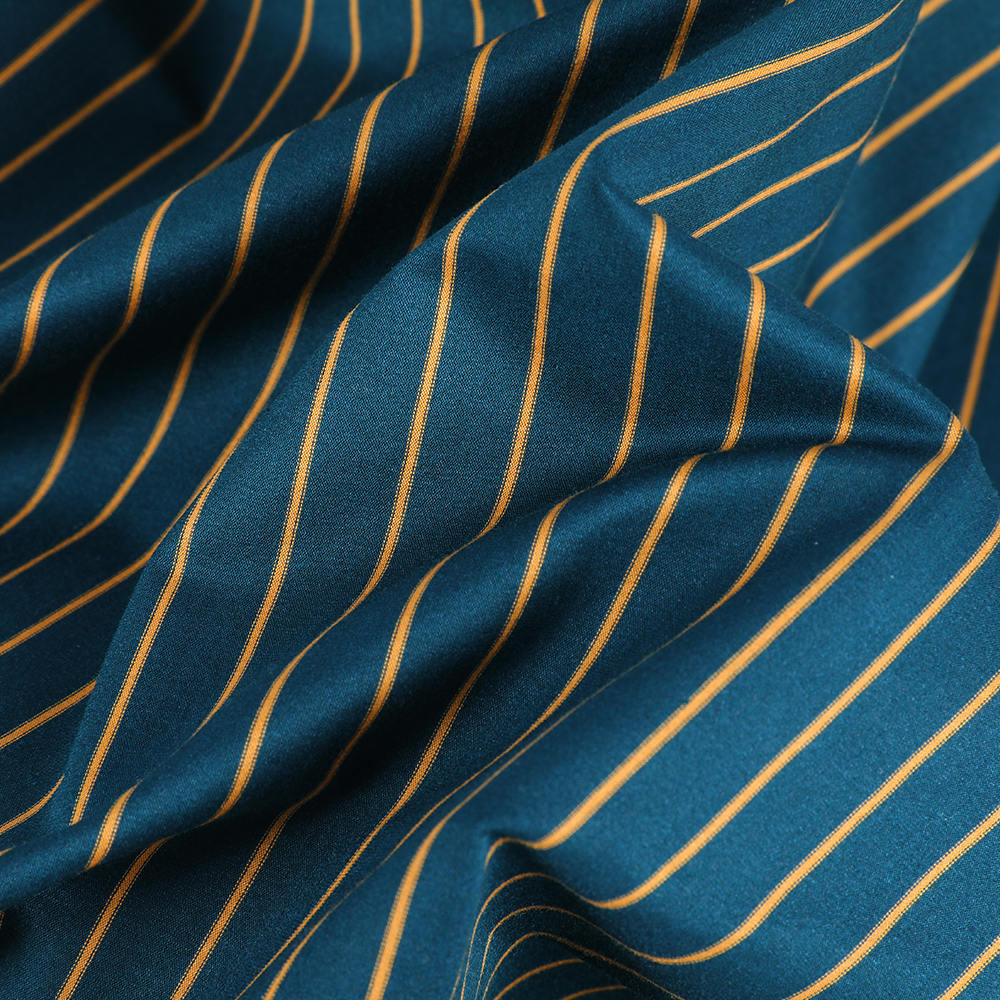
Before diving into specific materials, it's essential to grasp the basic vocabulary of knit fabrics. Knits are constructed from interlocking loops of yarn, which give them inherent stretch and flexibility. The most common structure for t-shirts is single jersey (or plain knit), recognizable by a smooth face and a slightly nubbly back; it's lightweight and drapes well but can curl at the edges. Rib knit, with its vertical ridges, is often used for cuffs and collars for its excellent crosswise stretch. For a heavier, more stable fabric that doesn't curl, interlock (a double-knit variant) is a premium choice, often feeling thicker and softer. Beyond structure, the weight of the fabric, measured in grams per square meter (GSM), is critical. A lightweight tee may range from 130-150 GSM, offering superior drape and breathability, while a mid-weight fabric of 180-220 GSM provides more opacity, structure, and often a perceived higher quality. The combination of stitch type and GSM forms the foundational hand-feel and performance of the shirt.
- Single Jersey: The classic t-shirt fabric; lightweight, flexible, but can curl at raw edges.
- Interlock: A double-knit structure; smoother, more stable, and typically softer and heavier than jersey.
- GSM (Grams per Square Meter): The objective measure of fabric weight. Lower GSM (130-160) = lighter, more breathable. Higher GSM (180-220+) = more substantial, durable, and less transparent.
Top Contenders: The Best Knit Fabrics for T-Shirts
The ideal t-shirt fabric is a harmony of fiber, yarn, and knit. Different priorities lead to different champions in the category. Whether you value cloud-like softness, cool ventilation, long-term resilience, or environmental stewardship, there is a specialized knit designed to meet that need.
Supreme Softness and Everyday Comfort
The pursuit of the softest knit fabric for t shirts often leads to specific cotton varieties and finishing processes. The journey begins with the fiber: extra-long staple (ELS) cottons like Pima, Supima, or Egyptian cotton have longer, smoother fibers that, when spun into yarn, produce fewer protruding ends, resulting in a finer, stronger, and noticeably softer thread. Combed cotton takes this further by removing shorter fibers and impurities, creating an even neater, loftier yarn. The final touch is mercerization—a chemical treatment that swells the cotton fiber, increasing its lustre, strength, and affinity for dye, while also yielding a supremely smooth hand feel. A high-quality, combed, and mercerized cotton in an interlock knit often represents the pinnacle of everyday luxury in softness.
- Fiber Length is Key: Extra-long staple cotton fibers are the foundation of luxury softness and durability.
- The Combing Process: Removes short fibers and neps, creating a cleaner, stronger, and softer yarn.
- Mercerization Magic: Enhances sheen, color vibrancy, and delivers a characteristically silky-smooth surface feel.
Championing Breathability for Warm Weather
When the temperature rises, the best knit fabric for t shirts summer is one that maximizes air circulation and moisture management. Breathability is a function of both fiber and structure. Natural fibers like cotton and linen are inherently breathable knit fabric for t shirts, as they absorb moisture vapor. Linen-cotton blends are exceptional for hot weather, with linen's quick-drying and highly porous nature enhancing coolness. From a structural perspective, lighter GSM jerseys (140-160) are ideal. Furthermore, knitted structures like mesh, pique, or honeycomb incorporate tiny air pockets or open spaces within the fabric architecture, dramatically increasing ventilation and making them superior choices for active summer wear or humid climates.
- Fiber Choice: Cotton, linen, and their blends excel at absorbing and releasing body moisture, aiding natural cooling.
- Lightweight Construction: A lower GSM (e.g., 140-160) means less fabric mass, allowing for easier air passage.
- Engineered Knits: Pique, mesh, and other textured stitches are specifically designed to trap air and enhance airflow against the skin.
Built to Last: Prioritizing Durability
A truly durable knit fabric for t shirts resists pilling, stretching out, thinning at stress points (like shoulders), and general wear from washing. Durability is engineered through multiple layers. First, fiber strength: long-staple cottons or synthetic blends (like a cotton-polyester mix) increase tensile strength. Second, yarn construction: using twisted or ring-spun yarns can improve abrasion resistance compared to weaker open-end yarns. Third, knit structure: a tightly knitted interlock or a double-knit will generally hold its shape better over time than a loose, single jersey. Finally, fabric weight: a 220 GSM fabric will naturally withstand more physical stress than a 150 GSM one. For a workhorse tee that maintains its look through countless washes, prioritizing these elements is crucial.
- Fiber Blends: A small percentage of synthetic fiber (e.g., 5-15% polyester) can significantly enhance tear strength and reduce shrinkage without drastically altering the cotton hand-feel.
- Fabric Density: A higher stitch density (more loops per inch) creates a tighter, more resistant fabric surface less prone to snagging and pilling.
- Weight as an Indicator: While not absolute, a higher GSM often correlates with a longer-lasting garment due to more material per unit area.
The Eco-Conscious Choice: Organic and Natural
For the environmentally and ethically minded consumer, organic cotton knit fabric for t shirts is the clear frontrunner. Certified organic cotton is grown without synthetic pesticides or genetically modified seeds, using methods that promote soil health and biodiversity. The resulting fiber is often praised for being purer and, in some cases, softer for those with sensitive skin. Beyond organic cotton, other sustainable fibers are gaining traction. Lyocell (often under the brand name Tencel™), made from wood pulp in a closed-loop process, offers incredible softness, a beautiful drape, and exceptional moisture-wicking properties. Choosing these materials supports a more responsible textile industry and provides a high-performance, natural alternative.
- Certification Matters: Look for GOTS (Global Organic Textile Standard) or OCS (Organic Content Standard) certifications to ensure integrity in the organic supply chain.
- Beyond Cotton: Fibers like Lyocell and recycled polyester offer sustainable performance with unique benefits like superior moisture management or waste reduction.
- Skin-Friendly: The absence of chemical residues in organic fibers makes them an excellent choice for allergy-prone or sensitive skin.
How to Choose: A Practical Decision Guide
With so many excellent options, making a final choice depends on ranking your personal priorities. The following comparison table synthesizes the key attributes of the most popular t-shirt fabric categories to guide your decision. Consider what matters most: Is it the feel against your skin, keeping cool in summer, ensuring the tee lasts for years, aligning with your values, or managing your budget?
| Fabric Type | Softness | Summer/Breathability | Durability | Eco-Profile | Typical Cost |
| Combed Ring-Spun Cotton | Excellent | Very Good | Good | Standard | Mid-Range |
| Organic Cotton (GOTS) | Excellent | Very Good | Good | Excellent | Higher |
| Cotton-Polyester Blend | Good | Good | Excellent | Lower | Lower |
| Pima/Supima Cotton Interlock | Superior | Good (can be heavier) | Very Good | Standard | Higher |
| Linen-Cotton Blend | Good (textured) | Superior | Very Good | Very Good | Higher |
Once you've consulted the table, match the leading candidates to your specific use case. For daily casual wear where softness is king, prioritize combed or Pima cotton. If you're designing for a hot climate, a lightweight jersey or a linen-blend is the best knit fabric for t shirts summer. For a uniform or heavy-use garment, a cotton-polyester blend offers the best longevity. Your perfect tee is the one that best aligns fabric properties with your lifestyle needs.
FAQ
What is the difference between combed cotton and regular cotton for t-shirts?
Regular (or carded) cotton yarn contains a mix of fiber lengths, including short staples, which can create a slightly fuzzier, less consistent surface that is more prone to pilling. Combed cotton undergoes an additional process where fine brushes (combs) remove these shorter fibers and any remaining impurities. This results in a stronger, smoother, more lustrous, and higher-quality yarn. T-shirts made from combed cotton are noticeably softer, more durable, and retain their shape and color better over time, making them a superior choice for a premium feel.
Is a heavier GSM always better for a t-shirt?
Not necessarily. While a heavier GSM (e.g., 220+) often indicates a more substantial, opaque, and potentially more durable fabric, it is not universally "better." A heavy GSM fabric may be less breathable and too warm for summer or active wear. It might also have a stiffer drape initially. A lighter GSM fabric (150-180) offers superior breathability, a softer drape, and is ideal for layering or hot weather. The "best" GSM depends entirely on the intended use and desired characteristics of the final garment.
What knit fabric is best for avoiding pit stains and sweat marks?
Fabrics with strong moisture-wicking properties are key. While cotton absorbs moisture well, it can hold it, leading to damp patches. For active use, consider blends with a percentage of synthetic fibers like polyester or specialized natural fibers like Lyocell, which actively pull moisture away from the skin to the fabric's surface for evaporation. From a structural standpoint, open-knit constructions like pique or mesh allow for faster evaporation. Darker colors and patterned fabrics will also naturally camouflage sweat marks more effectively than solid light colors.
How do I care for delicate knit fabrics like fine cotton or blends to keep them soft?
To preserve the softness and integrity of high-quality knits: 1) Wash in cold water on a gentle cycle to minimize fiber stress and fading. 2) Use a mild, liquid detergent; avoid harsh powders or bleach. 3) Turn the shirt inside out to protect the outer surface from abrasion. 4) Avoid over-drying; tumble dry on low heat or, ideally, air-dry. The heat from dryers is a primary cause of fiber damage and stiffness over time. 5) Skip fabric softeners, as they can coat fibers and reduce breathability; white vinegar in the rinse cycle can be a natural alternative.
Are there any knit fabrics that are both durable and exceptionally soft?
Yes, this is the hallmark of a well-engineered premium fabric. The combination is achieved by starting with strong, long-staple cotton fibers (like Pima or Supima), spinning them into a fine, combed yarn for softness, and then knitting them into a dense, stable structure like a tight interlock or a double-knit. This process creates a fabric that resists pilling and stretching (durability) while maintaining a luxuriously soft hand-feel. It demonstrates that with the right raw materials and advanced manufacturing techniques, you do not have to sacrifice one desirable attribute for the other.