
 English
 日本語
日本語 中文简体
中文简体
Content
- 1 What Defines High-end Knitted Fabrics for Women’s Fashion?
- 2 Where to Source Reliable Wholesale Knitted Fabrics?
- 3 How Do Manufacturers Use High-end Knitted Fabrics in Women's Apparel?
- 4 Can Designers Customize High-end Knitted Fabrics?
- 5 Why Eco-friendly Knitted Fabrics Are Rising in High-end Womenswear?
- 6 How to Choose the Best Wholesale Knitted High-end Women’s Clothing Fabrics?
- 7 FAQ
- 7.1 What is the difference between regular knitted fabrics and high-end knitted fabrics?
- 7.2 Which knitted fabrics are best for high-end women's apparel brands?
- 7.3 Are eco-friendly knitted fabrics suitable for luxury collections?
- 7.4 How do I evaluate a supplier before purchasing wholesale knitted fabrics?
What Defines High-end Knitted Fabrics for Women’s Fashion?
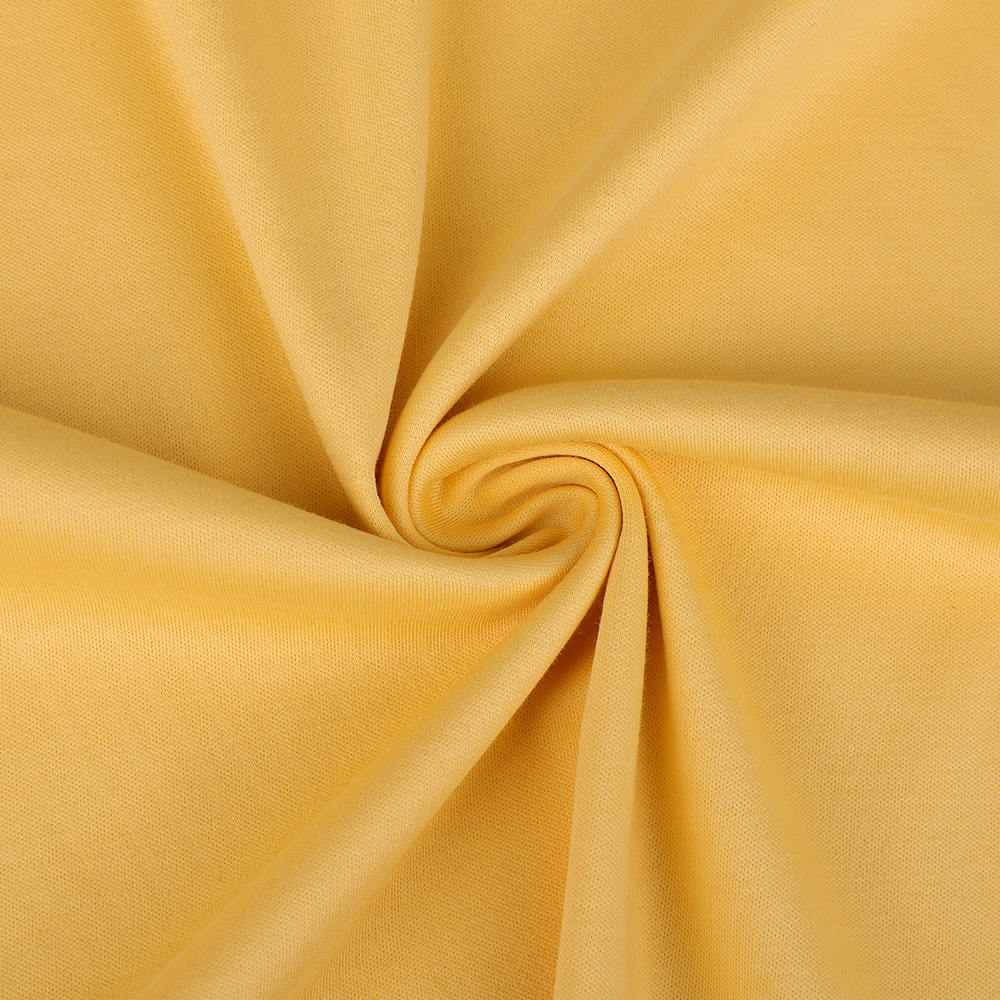
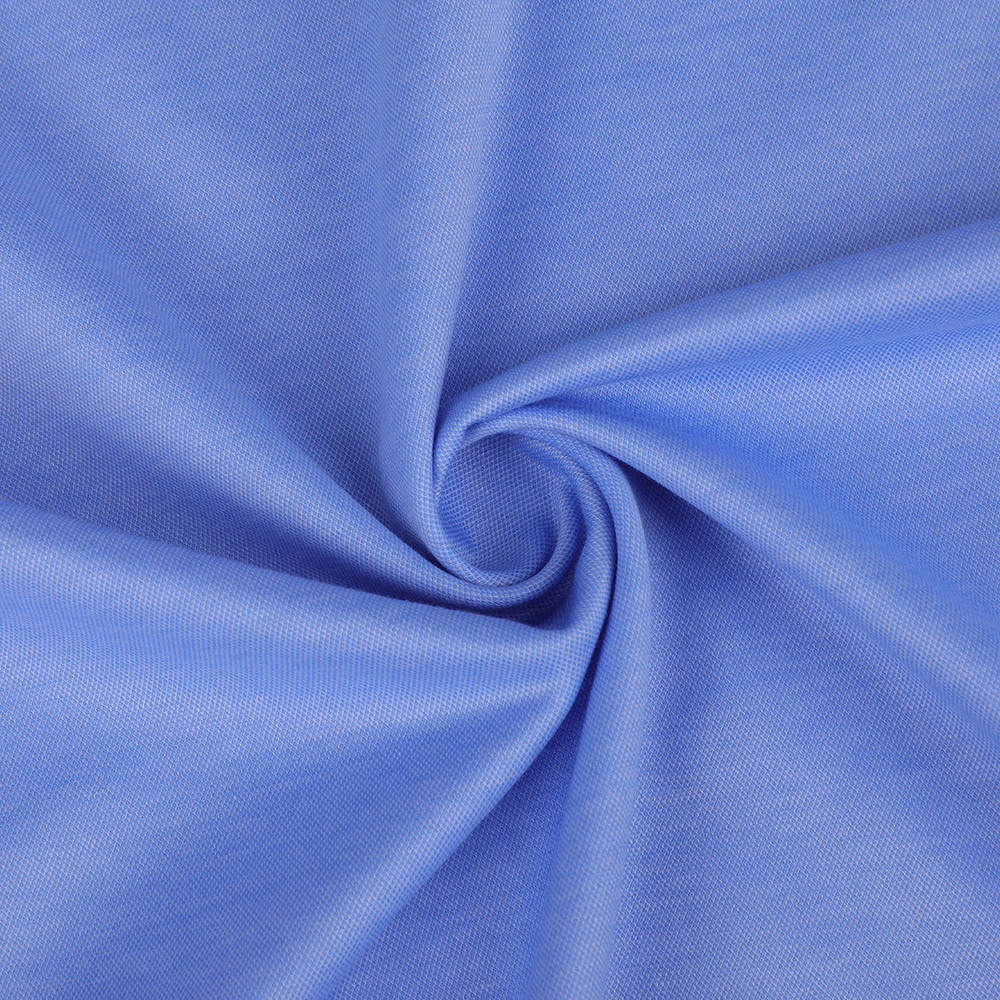
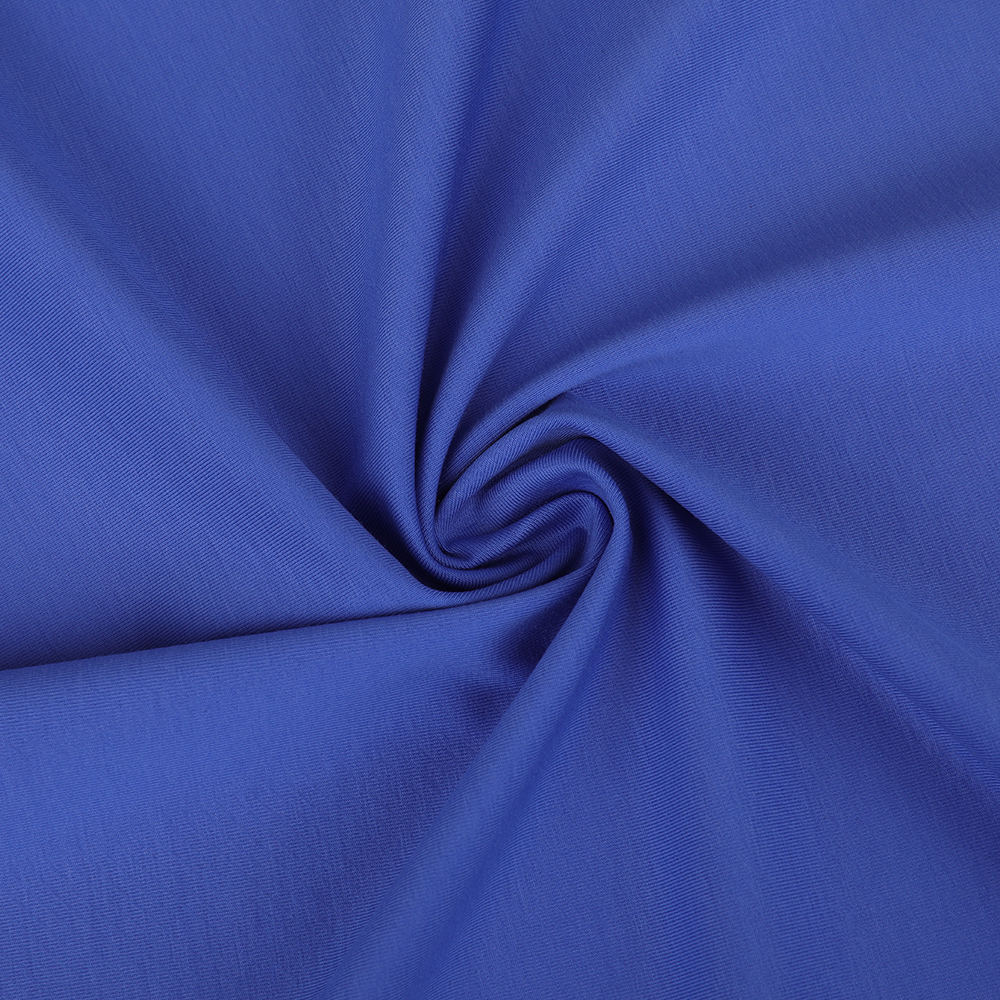
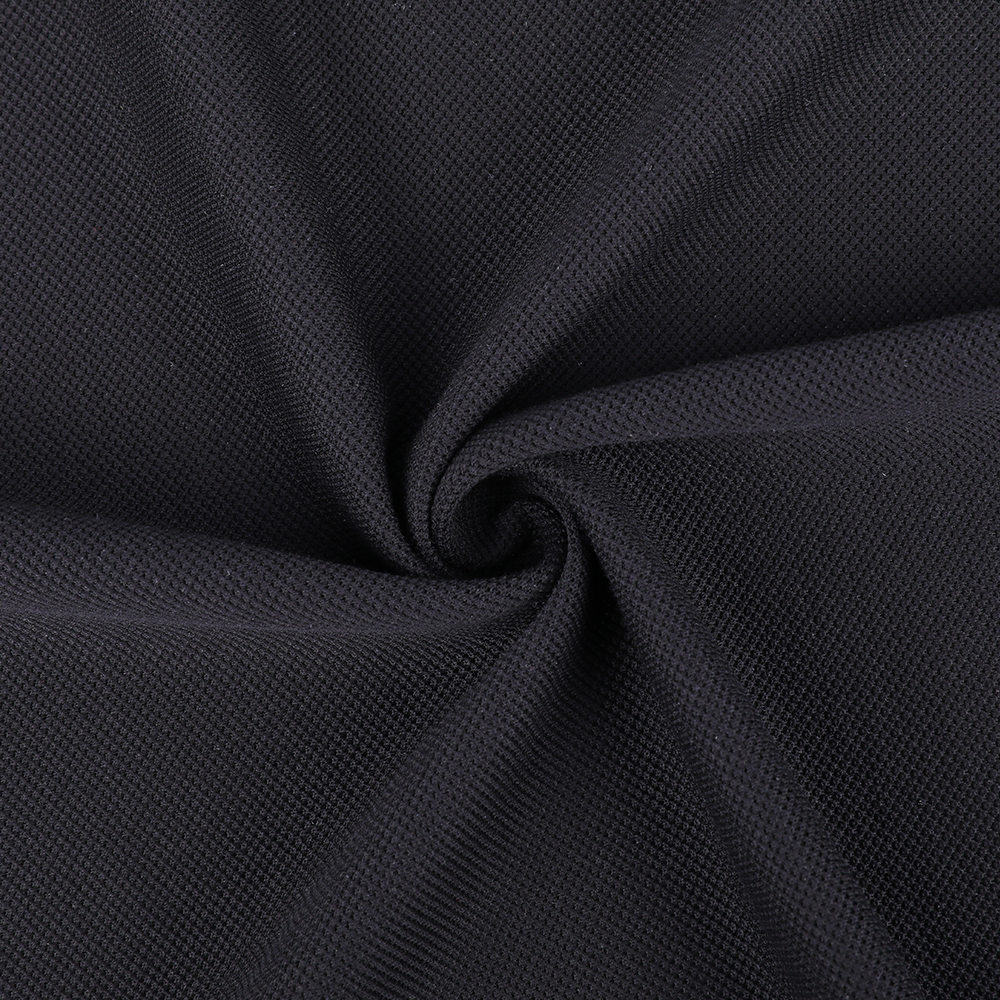
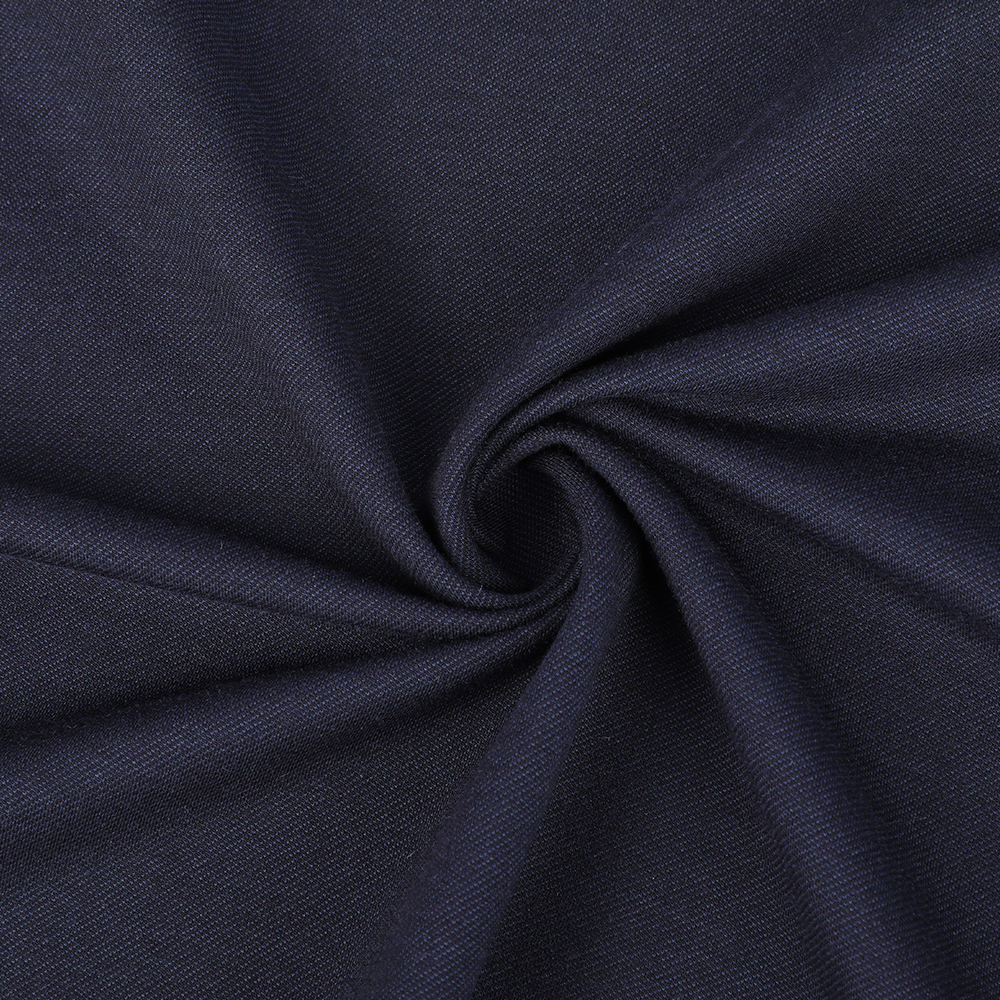
Understanding the essence of truly elevated knitted textiles is essential for any brand sourcing Wholesale Knitted High-end Women's Clothing Fabrics. High-end knitted materials combine refined yarn composition, engineering precision, and consistent performance across design, sampling, and production. These fabrics serve as the backbone of premium womenswear, bridging comfort, drape, and luxury. When buyers search for solutions such as luxury knitted fabrics wholesale for women's apparel brands, the intent reflects clear expectations: longevity, tactile refinement, and a stable supply suitable for upscale collections. Fashion houses, designers, and manufacturers rely on these textiles due to their adaptability, supporting a wide range of silhouettes including dresses, skirts, knit tops, and tailor-inspired pieces. As demand rises, especially in digitally driven fashion markets, understanding how quality is defined becomes an advantage. The following visual summary illustrates the primary factors governing high-end knitted fabric performance.
- Advanced yarn selection such as modal, viscose, cashmere blends, and recycled fibers
- Enhanced knitting engineering for stability and wrinkle resistance
- Superior colorfastness, pilling resistance, and long-term texture retention
| Quality Factor | Impact on Womenswear |
| Yarn Grade | Determines softness, sheen, durability |
| Knit Density | Influences drape, elasticity, shape retention |
| Finishing Process | Affects handfeel and visual sophistication |
Where to Source Reliable Wholesale Knitted Fabrics?
Global buyers seeking dependable suppliers of high-end knitted fabric suppliers for women's fashion wholesale must evaluate sourcing channels with a structured approach. Reliability in wholesale knitted textiles depends on technical capabilities, compliance certifications, production capacity, and the supplier’s consistency in meeting deadlines. Many procurement teams also assess vendor transparency, ensuring that fiber origins and finishing processes align with brand requirements. While selecting suppliers, it is crucial to review their sampling accuracy, color-lab matching, wash test results, and documented quality control methods. Leading manufacturers, including internationally recognized companies such as Yintex, emphasize controlled production environments and structured inspection protocols. Reliable sourcing reduces the risk of collection delays, improves forecasting, and ensures design continuity. The comparison matrix below highlights the decisive elements influencing supplier selection.
- Evaluate certifications including OEKO-TEX and recycled material compliance
- Confirm MOQ flexibility for sampling and seasonal development
- Assess delivery accuracy and replenishment capabilities
| Sourcing Criterion | Advantage for Buyers |
| Technical Capability | Ensures complex knitted structures and consistency |
| Certifications | Supports sustainability and global compliance |
| MOQ Flexibility | Accommodates both small and large production runs |
How Do Manufacturers Use High-end Knitted Fabrics in Women's Apparel?
Apparel manufacturers depend heavily on stable, high-quality knitted textiles when turning concepts into commercial collections. Professional sourcing teams searching for premium knitted textile wholesale for women's clothing manufacturers seek materials that support prototyping efficiency and scale-up feasibility. These fabrics must behave consistently across cutting, stitching, pressing, and washing. High-end knitted textiles also determine the precision of pattern adaptation, drape integrity, and long-term performance. Manufacturers integrate them into diverse product categories, such as bodycon dresses, rib-knit basics, luxury athleisure, and formal knitted suiting. To optimize production, factories adopt detailed material testing routines, ensuring dimensional stability and color consistency under industrial conditions. The visual comparison below outlines how premium materials affect each step of the manufacturing cycle.
- Improved ease of handling during cutting and sewing
- Reduced shrinkage discrepancies in bulk production
- Better alignment between sample quality and mass output
| Manufacturing Stage | Role of High-end Knit Fabrics |
| Pattern Development | Predictable stretch and recovery simplify adjustments |
| Bulk Production | Stable texture reduces defect rates |
| Finishing | High-grade fibers maintain appearance after washing |
Can Designers Customize High-end Knitted Fabrics?
Customization is increasingly important to brands aiming to differentiate their collections. Buyers seeking custom high-end knitted fabric wholesale for women's wear designers prioritize flexibility in yarn blending, stitch structure, surface patterns, dyeing capabilities, and small-batch production options. Designers often require exclusive textures and controlled color palettes to align with seasonal narratives. Advanced mills enable custom jacquard development, engineered rib patterns, gradient dye techniques, and specialty finishes that enhance tactile identity. For emerging designers, customization serves as a competitive advantage, allowing fabric selection to reflect brand DNA without requiring excessive MOQ commitments. The following comparison highlights typical customization tiers and their implications.
- Small-batch custom dyeing for capsule collections
- Bespoke pattern engineering using digital knitting programs
- Exclusive yarn combinations for premium sensory appeal
| Customization Type | Design Benefit |
| Dye Customization | Precise brand color matching |
| Texture Engineering | Unique tactile identity |
| Yarn Blending | Enhanced softness and durability |
Why Eco-friendly Knitted Fabrics Are Rising in High-end Womenswear?
Sustainability has become a defining characteristic of modern luxury womenswear. Searches for eco-friendly high-end knitted fabrics wholesale for women's fashion reflect the growing expectation that premium apparel should align with responsible production. Eco-friendly knitted textiles rely on fibers such as organic cotton, recycled polyester, Tencel, and plant-based viscose that offer high performance with minimal environmental impact. These materials enable brands to create refined, comfortable garments while reducing carbon footprint. Additionally, regulatory frameworks and consumer sentiment have shifted purchasing behavior toward transparency and verifiable sustainability standards. Below is a functional comparison of common eco-friendly knitted fiber categories.
- Supports ethical sourcing and reduced environmental impact
- Meets the expectations of eco-conscious customers
- Strengthens long-term brand reputation
| Eco-friendly Fiber | Key Advantage |
| Organic Cotton | Chemical-free and soft on skin |
| Tencel/Lyocell | High moisture management |
| Recycled Polyester | Reduced resource consumption |
How to Choose the Best Wholesale Knitted High-end Women’s Clothing Fabrics?
Choosing the right materials requires a structured decision-making framework that balances technical requirements, aesthetic goals, and production needs. When selecting Wholesale Knitted High-end Women's Clothing Fabrics, brands must weigh factors such as fiber composition, seasonal suitability, testing results, supplier reliability, and long-term inventory planning. Proper fabric selection minimizes delays, reduces sampling errors, and ensures the final product aligns with quality expectations. It is advantageous to build a matrix comparing different fabric categories according to garment type, as shown below.
- Assess fit between fabric behavior and garment design
- Review test reports verifying colorfastness and shrinkage control
- Match supplier capabilities with production scale
| Fabric Type | Best Use Case |
| Rib Knit | Body-hugging tops, dresses |
| Ponte Knit | Structured skirts, jackets |
| Interlock | Smooth dresses and premium basics |
FAQ
What is the difference between regular knitted fabrics and high-end knitted fabrics?
High-end knitted fabrics use premium yarns, advanced knitting structures, and specialized finishing that improve durability, drape, and comfort. They outperform standard fabrics in elasticity control, surface stability, and long-term wearability, making them ideal for luxury womenswear.
Which knitted fabrics are best for high-end women's apparel brands?
Premium materials such as fine-gauge viscose blends, modal, Tencel, cashmere mix knits, and engineered rib structures remain top choices. They offer superior softness, elegant drape, and strong resilience across repeated wear and washing.
Are eco-friendly knitted fabrics suitable for luxury collections?
Yes. Modern eco-friendly fibers meet luxury standards, offering silk-like softness, enhanced moisture control, and rich color performance. This aligns with the rising demand for sustainable high-end womenswear without compromising on tactile refinement.
How do I evaluate a supplier before purchasing wholesale knitted fabrics?
Review their test reports, certification compliance, production capabilities, color-matching accuracy, and track record with international buyers. Reliable suppliers provide consistent sampling and transparent communication throughout the order cycle.