
 English
 日本語
日本語 中文简体
中文简体
Content
- 1 Introduction
- 2 What Is Knitted Liquid Ammonia Fabric?
- 3 Manufacturing Process
- 4 Properties and Benefits of Knitted Liquid Ammonia Fabric
- 5 Comparison with Traditional Knitted Fabrics
- 6 Applications of Knitted Liquid Ammonia Fabric
- 7 Sustainability of the Liquid Ammonia Process
- 8 Challenges and Future Trends
- 9 Conclusion
Introduction
Textile innovation has always been about enhancing comfort, durability, and sustainability. In the pursuit of fabrics that combine softness with strength, researchers and manufacturers have turned to advanced finishing processes. One of the most remarkable outcomes of these efforts is the creation of Knitted Liquid Ammonia Fabric.
Unlike traditional finishing methods, liquid ammonia treatment penetrates deep into the fibers of knitted textiles, transforming their structure and performance. The result is a fabric that feels luxuriously smooth, resists wrinkles, holds vibrant colors, and maintains durability even after prolonged use. Beyond comfort and aesthetics, this process also carries environmental advantages because the ammonia used can be recovered and reused in a closed system.
In this article, we will explore the science, manufacturing process, properties, applications, challenges, and future prospects of Knitted Liquid Ammonia Fabric. Along the way, we will compare it with untreated knitted textiles, present scientific data in tables, and examine why it is increasingly recognized as a game-changer in fashion, home textiles, and technical applications.
What Is Knitted Liquid Ammonia Fabric?
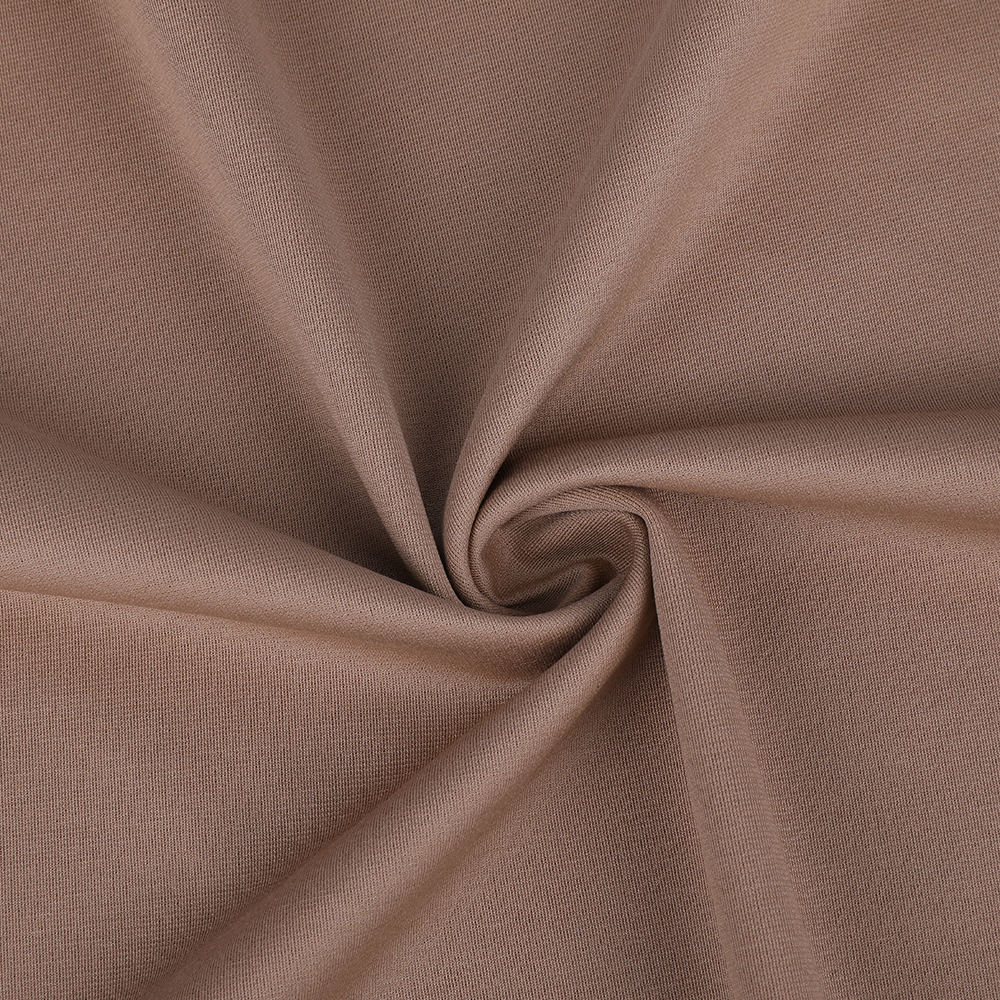
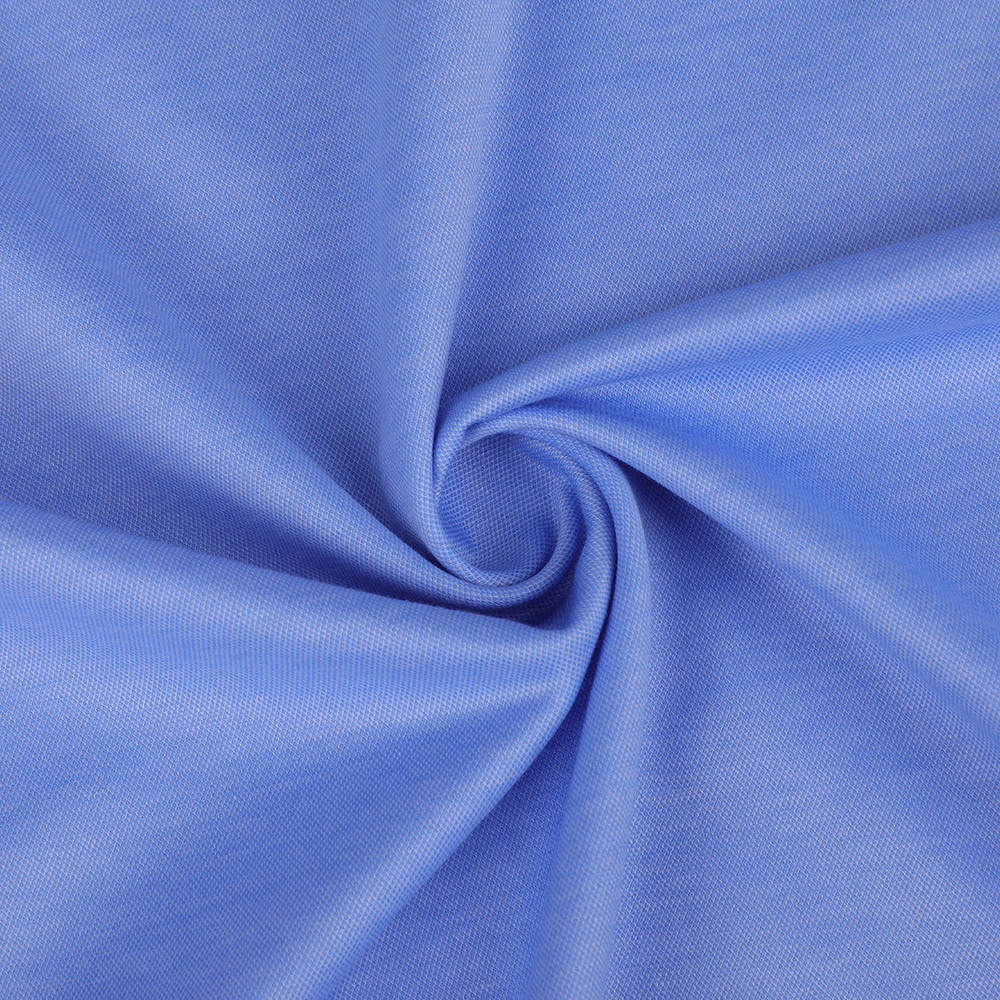
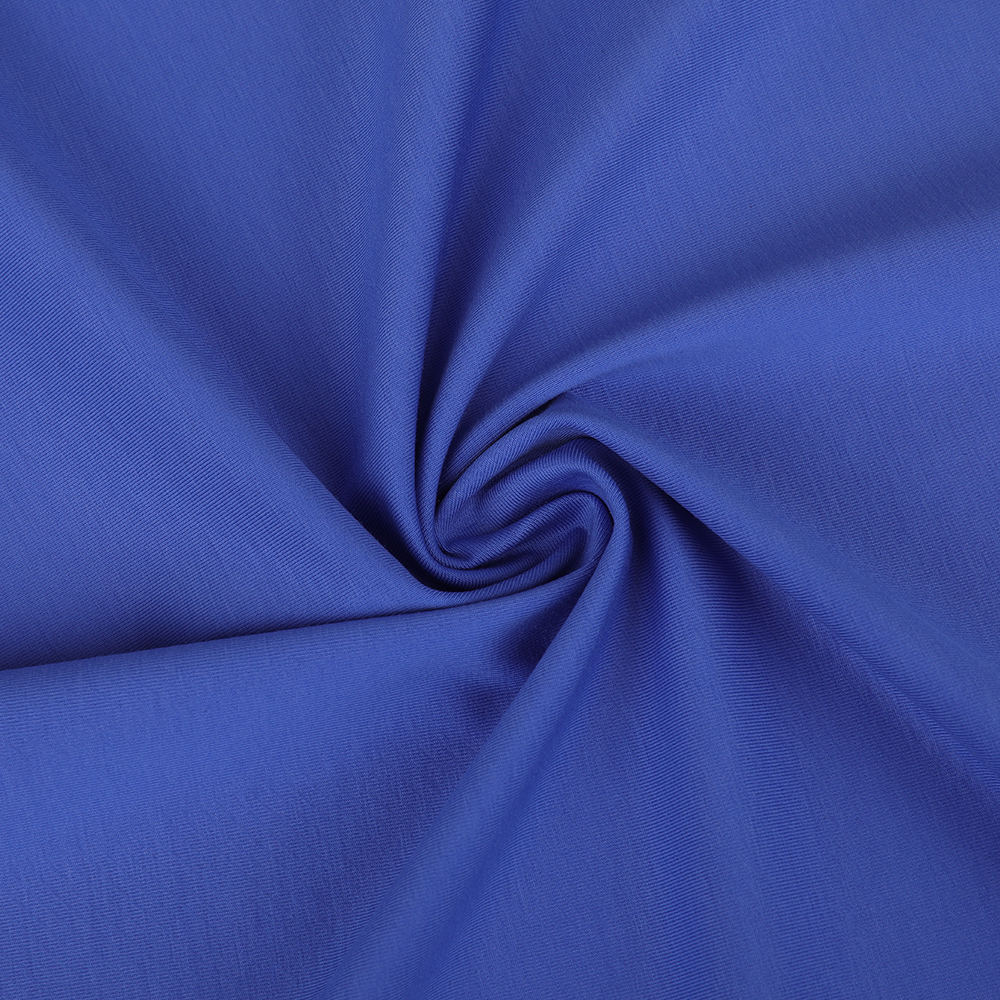
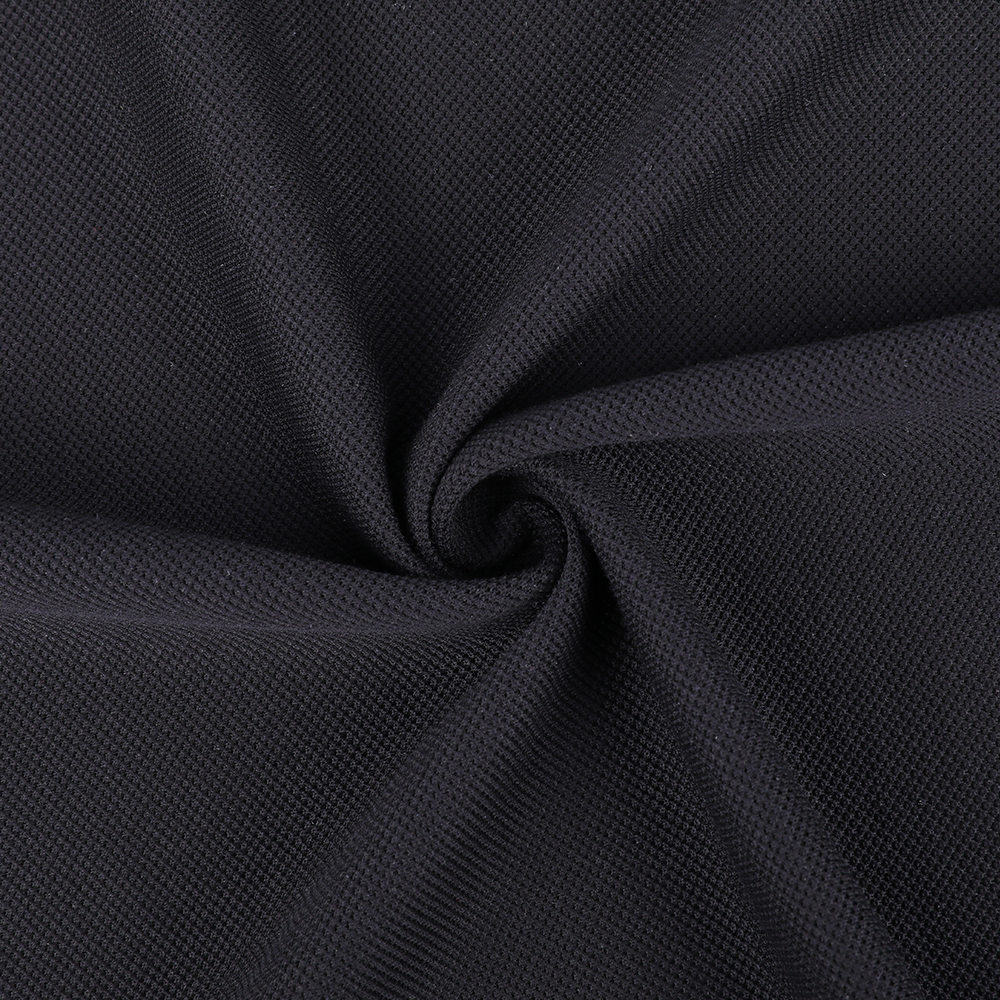
At its core, Knitted Liquid Ammonia Fabric is a textile produced by combining advanced knitting techniques with a chemical finishing process involving liquid ammonia. Knitting creates elasticity and comfort, while the ammonia treatment modifies fiber structure at the molecular level.
Liquid ammonia penetrates deeply into fibers, causing them to swell and rearrange their molecular chains. When the ammonia is later removed under controlled conditions, the fibers retain improved smoothness, stability, and durability. Unlike harsher chemical treatments, this method is gentle, sustainable, and allows for nearly complete recovery of the ammonia used.
This combination of structural innovation and environmental responsibility positions Knitted Liquid Ammonia Fabric as one of the most advanced textile materials available today.
Manufacturing Process
The production of Knitted Liquid Ammonia Fabric involves several carefully monitored steps, combining knitting with advanced finishing science.
Knitting the Base Fabric
The process begins with creating the knitted fabric, which may be produced using cotton, wool, or synthetic fibers depending on the desired outcome. Knitting ensures stretch, flexibility, and breathability, making it an excellent base for further enhancement.
Liquid Ammonia Treatment
The knitted fabric is placed in a sealed chamber where it is exposed to liquid ammonia under controlled temperature and pressure. The ammonia penetrates the fibers, altering their internal arrangement and enhancing their physical properties.
Removal and Recovery of Ammonia
After the treatment, the ammonia is evaporated and carefully captured. It is neutralized, purified, and reused in subsequent production cycles, ensuring minimal waste and high sustainability.
Additional Finishing
The treated fabric is then dyed, softened, or coated depending on the intended application. This ensures not only improved performance but also enhanced aesthetics, such as richer colors and smoother textures.
Properties and Benefits of Knitted Liquid Ammonia Fabric
Improved Strength and Durability
The molecular restructuring of fibers results in a stronger, more resilient textile. Fabrics resist fraying, abrasion, and wear even after repeated washing and long-term use.
Enhanced Softness and Comfort
The treatment makes knitted fabrics incredibly smooth to the touch. The elasticity of the knit, combined with the softness of the treated fibers, delivers superior comfort.
Better Wrinkle Resistance
The improved dimensional stability prevents creasing and wrinkling. Garments made from this fabric maintain a crisp appearance with minimal ironing.
Superior Dye Uptake and Color Retention
The smoother fiber surface allows dye to penetrate more evenly, producing vibrant colors that resist fading even after prolonged exposure to washing and sunlight.
Dimensional Stability
Shrinkage and stretching are reduced significantly, ensuring that garments maintain their original shape and size throughout their lifespan.
Increased Luster and Visual Appeal
The subtle sheen of treated fabrics enhances their visual sophistication, making them look more premium compared to untreated knits.
Comparison with Traditional Knitted Fabrics
When comparing Knitted Liquid Ammonia Fabric to untreated knitted fabrics, the differences are striking.
Table 1: Performance Comparison
| Property | Traditional Knitted Fabric | Knitted Liquid Ammonia Fabric |
|---|---|---|
| Strength & Durability | Moderate, prone to wear | High, resistant to abrasion |
| Softness | Soft but variable | Exceptionally smooth |
| Wrinkle Resistance | Low, creases easily | Excellent, resists wrinkling |
| Dye Uptake | Uneven, fades faster | Uniform, vibrant, long-lasting |
| Dimensional Stability | Prone to shrinking | Maintains shape reliably |
| Luster | Matte or dull | Subtle sheen, premium look |
The advantages are clear: Knitted Liquid Ammonia Fabric outperforms traditional knits in nearly every category, particularly in softness, resilience, and color retention.
Applications of Knitted Liquid Ammonia Fabric
Fashion and Apparel
Its wrinkle resistance, softness, and vibrant colors make this fabric a top choice for shirts, dresses, skirts, and luxury casualwear. Designers appreciate the way it drapes elegantly and retains shape over time.
Home Textiles
In bedding and upholstery, the durability and smoothness provide a luxurious sleeping and living experience. Curtains, sheets, and cushions made from this fabric combine comfort with longevity.
Technical Textiles
Industrial and medical applications also benefit from this fabric’s strength. It can be used in protective garments, linings, and medical textiles that require durability and dimensional stability.
Sustainability of the Liquid Ammonia Process
One of the most important advantages of Knitted Liquid Ammonia Fabric is its sustainability.
Environmental Benefits
Unlike traditional mercerization (which uses caustic soda), liquid ammonia can be fully recovered and reused, resulting in a closed-loop system with minimal waste.
Sustainable Ammonia Sources
Research is exploring renewable methods of producing ammonia, further reducing the carbon footprint of this process.
Table 2: Environmental Impact Comparison
| Factor | Traditional Mercerization | Liquid Ammonia Treatment |
|---|---|---|
| Chemical Used | Caustic soda (corrosive) | Ammonia (recoverable) |
| Waste Production | High | Minimal (closed loop) |
| Energy Demand | High | Moderate |
| Environmental Safety | Potentially hazardous | Safer with recovery system |
The liquid ammonia method demonstrates clear advantages in sustainability and environmental responsibility.
Challenges and Future Trends
Despite its many benefits, Knitted Liquid Ammonia Fabric faces challenges in widespread adoption.
Current Challenges
- High Production Costs: Specialized equipment and controlled conditions increase expenses.
- Limited Availability: Few facilities currently produce this fabric, limiting market supply.
- Initial Investment: The capital required for setting up liquid ammonia systems is substantial.
Future Trends
- Process Optimization: Research aims to lower costs and make production more scalable.
- Smart Textiles: Integration with conductive fibers and sensors may make this fabric central to wearable technology.
- Eco-Friendly Innovations: The push for bio-based fibers combined with liquid ammonia finishing could create sustainable, high-performance textiles for the future.
Conclusion
Knitted Liquid Ammonia Fabric represents a remarkable leap forward in textile technology. By combining the flexibility of knitting with the transformative effects of liquid ammonia treatment, this fabric offers unmatched softness, durability, wrinkle resistance, and vibrant color retention.
It is not just a fabric of luxury but also one of sustainability, thanks to its closed-loop treatment process. While challenges such as production cost and limited availability remain, ongoing research and technological innovation are paving the way for broader adoption.
From fashion to technical textiles, Knitted Liquid Ammonia Fabric has the potential to redefine the standards of performance, comfort, and eco-responsibility in the textile industry.