
 English
 日本語
日本語 中文简体
中文简体
Content
- 1 What Is Wool Polyester Fabric?
- 2 How Wool Polyester Fabric Is Made
- 3 Key Properties and Characteristics
- 4 Technical Specifications Explained
- 5 Wool Polyester vs. Pure Wool
- 6 Wool Polyester vs. Pure Polyester
- 7 Common Applications and Uses
- 8 Interesting Facts and Misconceptions
- 9 Care and Maintenance Guide
- 10 Why Wool Polyester Fabrics Matter
- 11 Key Takeaway
- 12 Frequently Asked Questions
Imagine a fabric that offers the natural warmth and softness of wool, yet resists wrinkles and holds its shape like a synthetic. That is precisely the promise of wool polyester fabrics. By blending two very different fibers, textile engineers have created materials that balance the best qualities of both worlds. This guide explores what these fabrics are, how they are made, their key characteristics, and why they have become a staple in everything from tailored suits to cozy blankets.
What Is Wool Polyester Fabric?
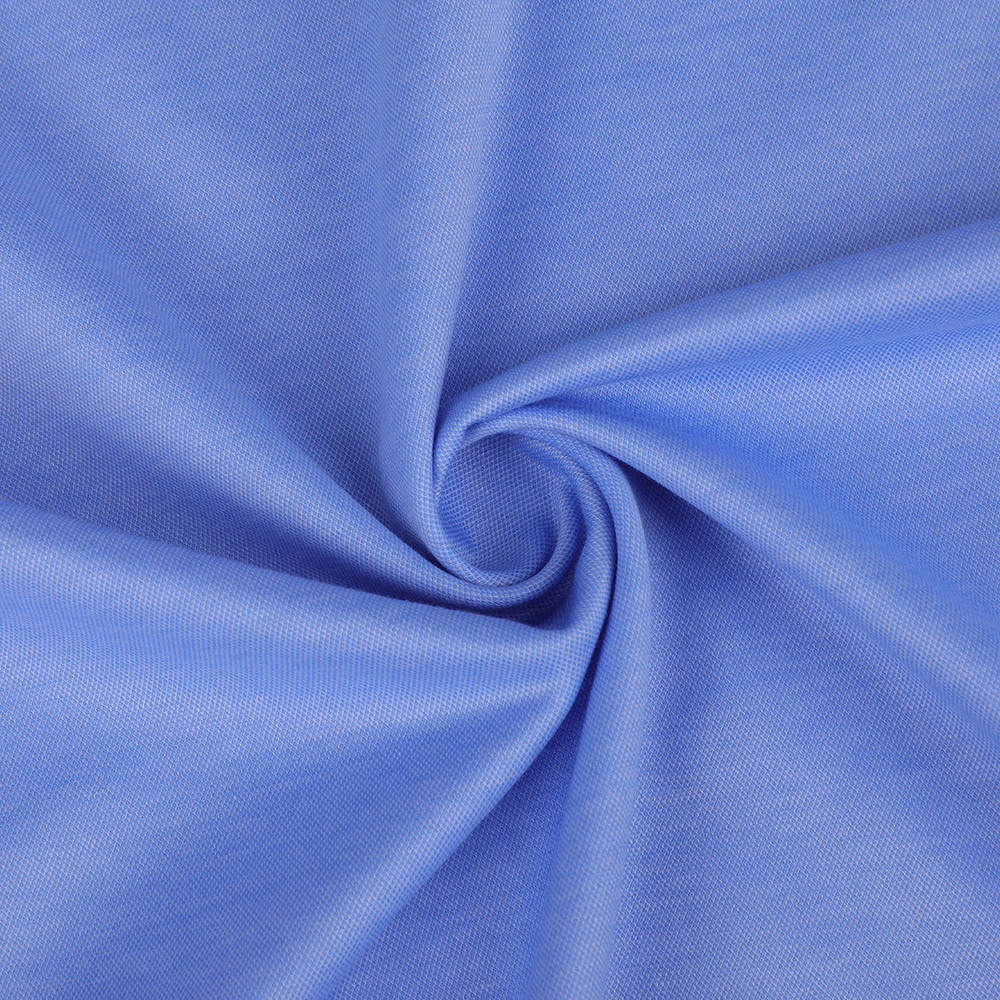
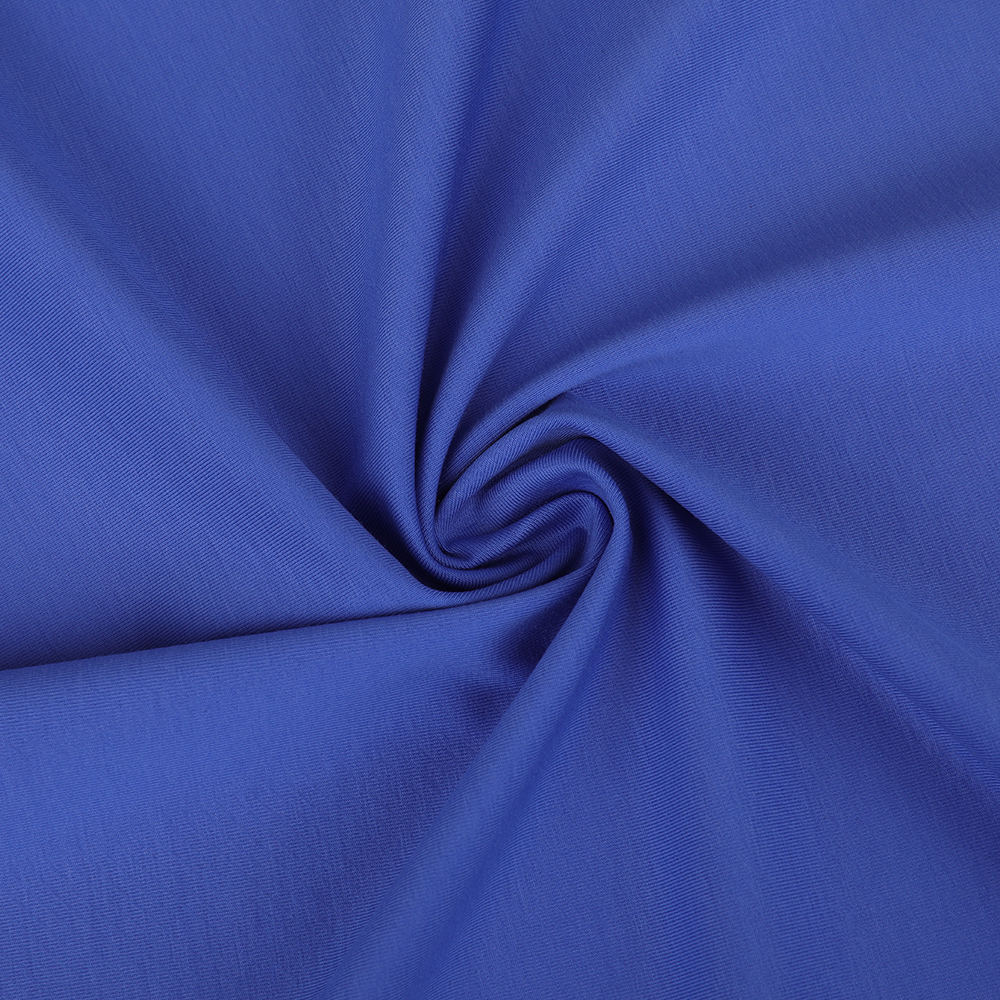
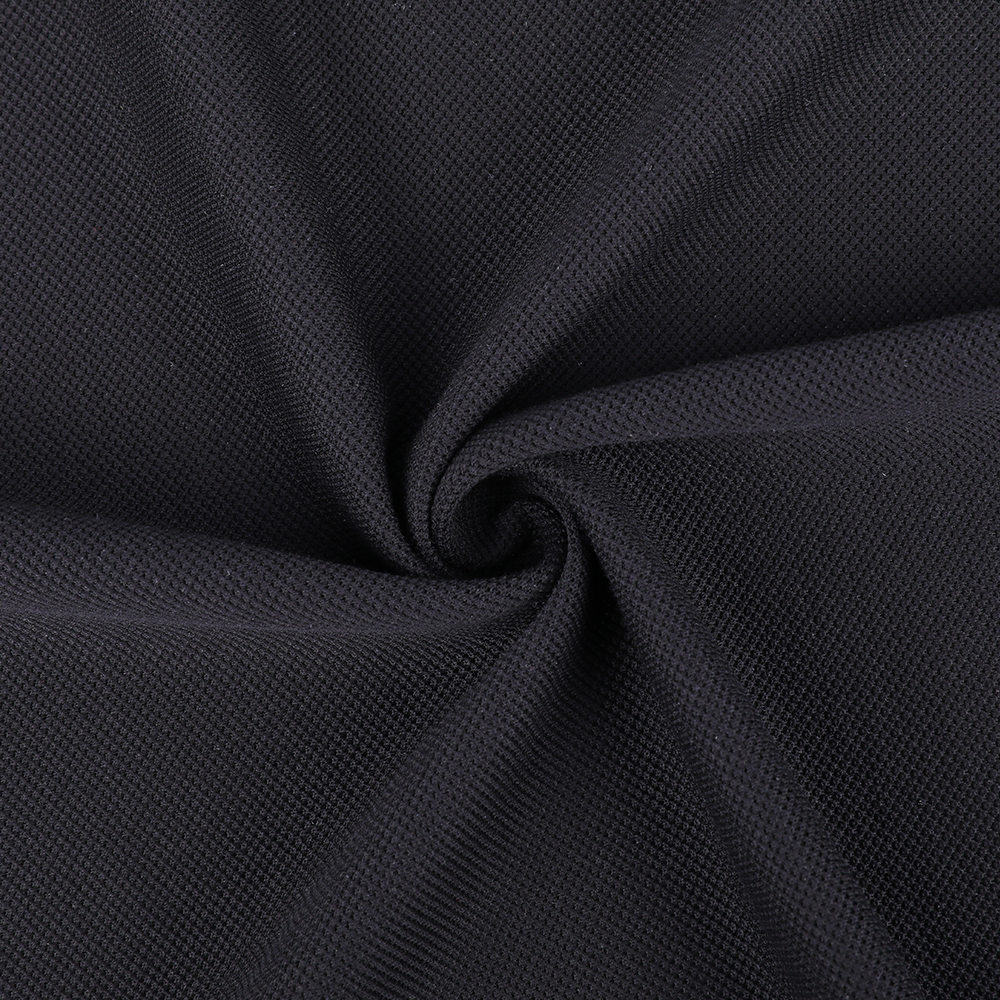
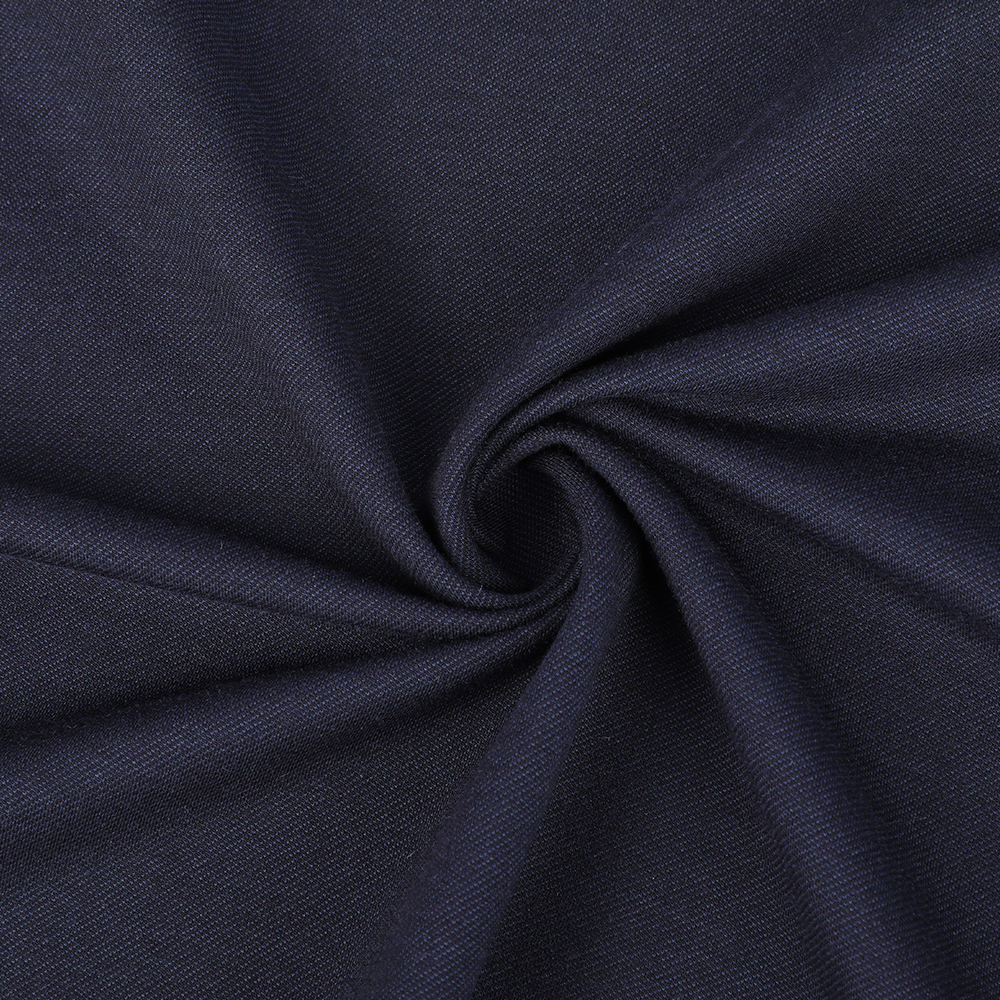
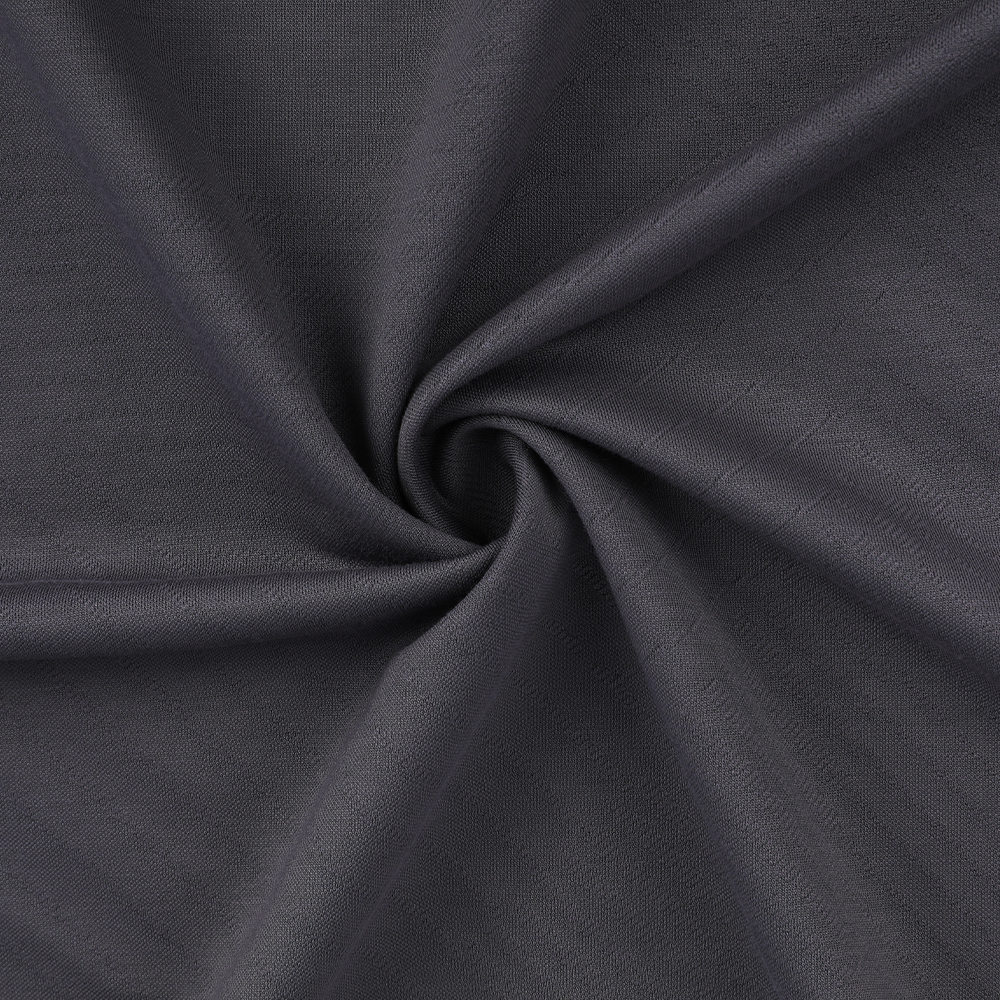
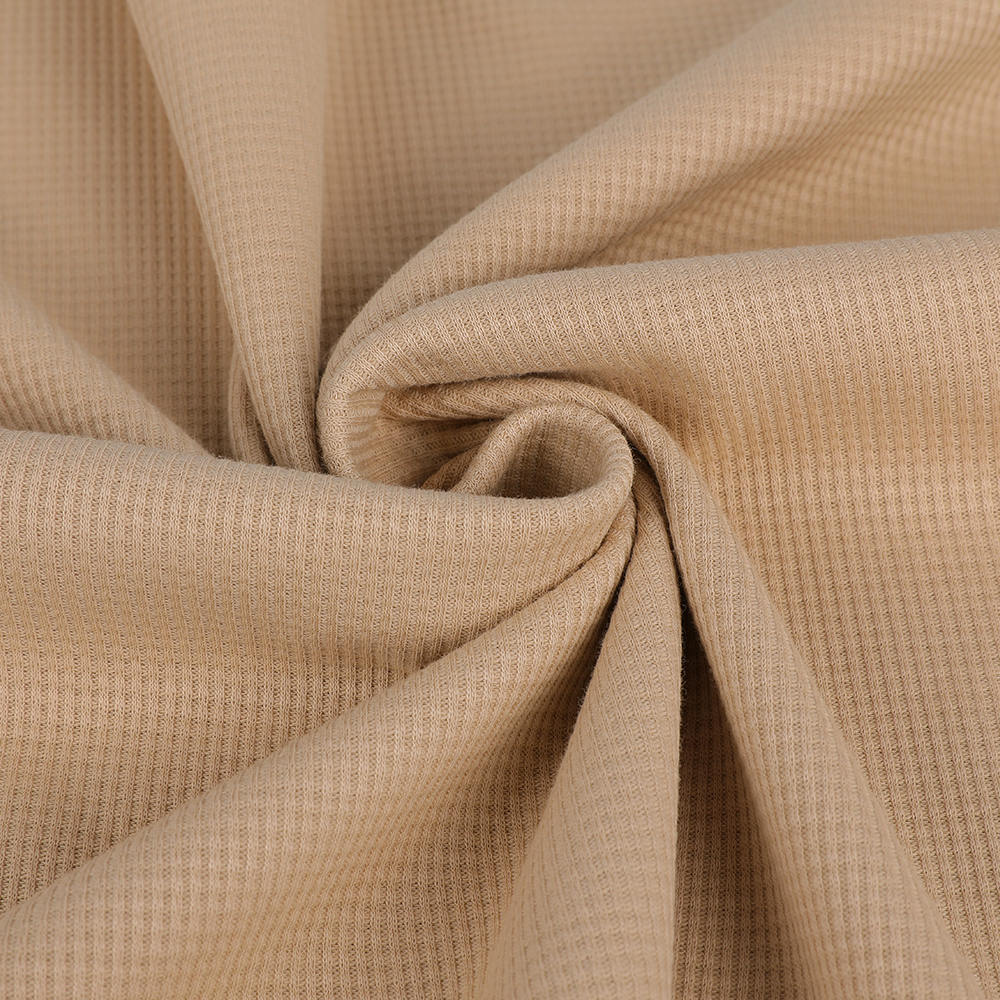
Wool polyester fabrics are textile materials created by combining natural wool fibers with synthetic polyester fibers. The blend typically ranges from 10% to 80% wool, with the remainder being polyester. The exact ratio depends on the intended application: a higher wool content offers more warmth and softness, while a higher polyester content enhances durability, wrinkle resistance, and affordability wool polyester fabrics.
This combination allows manufacturers to produce fabrics that are more versatile than pure wool or pure polyester alone. The wool provides natural insulation, moisture absorption, and a luxurious hand feel, while the polyester contributes strength, resilience, and resistance to stretching and shrinking.
How Wool Polyester Fabric Is Made
The production of wool polyester fabric involves several key steps:
- Fiber Preparation: Raw wool is scoured (washed) to remove grease and impurities, then carded to align the fibers. Polyester fibers are produced from petroleum-based polymers through a spinning process that creates continuous filaments, which are then cut into staple lengths similar to wool.
- Blending: The wool and polyester staple fibers are thoroughly mixed in the desired proportion. This is typically done using blending machines that ensure even distribution of both fiber types throughout the batch.
- Spinning: The blended fibers are drawn, twisted, and spun into yarn. The spinning process determines the yarn's thickness, twist level, and ultimately the fabric's texture and strength.
- Weaving or Knitting: The yarn is woven or knitted into fabric. Woven constructions (like twill or plain weave) create crisp, structured fabrics often used for suits and trousers. Knitted constructions produce softer, more flexible fabrics for sweaters and activewear.
- Finishing: The fabric undergoes various finishing processes, including scouring, fulling (for wool shrinkage), setting (to stabilize the polyester), and sometimes brushing or pressing to achieve the desired hand feel and appearance wool polyester fabrics.
Key Properties and Characteristics
Wool polyester fabrics offer a compelling set of properties that make them popular across many sectors:
| Property | What It Means in Practice |
|---|---|
| Warmth | Wool provides excellent insulation, trapping air to retain body heat. Even with polyester added, the fabric remains warm. |
| Durability | Polyester adds strength and abrasion resistance, making the fabric last longer than pure wool in high-wear areas. |
| Wrinkle Resistance | Polyester fibers have excellent recovery properties, meaning the fabric springs back to shape after creasing. |
| Moisture Management | Wool absorbs moisture vapor (like sweat) and releases it, while polyester wicks liquid moisture away from the skin. |
| Breathability | The natural crimp of wool fibers creates tiny air pockets, allowing airflow and preventing overheating. |
| Drape and Hand Feel | Wool imparts a soft, luxurious touch; polyester adds body and structure without sacrificing comfort. |
Technical Specifications Explained
When evaluating wool polyester fabrics, these technical parameters matter:
| Specification | Plain-Language Meaning |
|---|---|
| Blend Ratio (e.g., 70/30 Wool/Polyester) | Indicates the percentage of each fiber. Higher wool content = softer, warmer; higher polyester = more durable, wrinkle-resistant. |
| Fabric Weight (GSM) | Weight per square meter. Lightweight (150-200 GSM) is for shirts and blouses; medium (200-300 GSM) is for suits and trousers; heavy (300+ GSM) is for outerwear and coats. |
| Yarn Count | Indicates yarn fineness. Higher count means finer, smoother yarns, producing a more luxurious fabric. |
| Weave Structure | Twill creates diagonal ribs and is durable; plain weave is crisp and lightweight; satin weave offers a smooth, lustrous surface. |
| Finish Type | Unfinished (loom state), brushed (for softness), or pressed (for a crisp look). Each affects the final hand feel and appearance. |
Wool Polyester vs. Pure Wool
Both fabrics have their place, but they serve different needs:
| Aspect | Wool Polyester Fabric | Pure Wool Fabric |
|---|---|---|
| Warmth | Good, but slightly less than pure wool at the same weight | Superior natural insulation |
| Durability | Better — polyester adds strength and abrasion resistance | Good, but can wear in high-friction areas |
| Wrinkle Resistance | Excellent; recovers well from creasing | Moderate; requires careful handling |
| Shrinkage | Low; polyester stabilizes the fabric | Higher; can shrink significantly if washed incorrectly |
| Cost | Generally more affordable | Premium pricing |
| Care | Easier; often machine-washable | Often dry-clean only or requires delicate washing |
| Feel | Soft but slightly less "natural" than pure wool | Luxuriously soft and natural |
Wool Polyester vs. Pure Polyester
Here is how the blend compares to 100% polyester:
| Aspect | Wool Polyester Fabric | Pure Polyester Fabric |
|---|---|---|
| Breathability | Better — wool allows air circulation | Poor; can trap heat and moisture |
| Moisture Absorption | Wool absorbs vapor; fabric feels less clammy | Does not absorb moisture; can feel sticky when sweating |
| Warmth | Superior — wool provides insulation | Limited; relies on fabric structure |
| Static | Less prone to static cling due to wool's natural properties | Prone to static electricity |
| Hand Feel | Softer and more natural | Can feel synthetic or plasticky |
| Environmental Impact | Wool is renewable and biodegradable; polyester is not | Made from non-renewable petroleum; not biodegradable |
Common Applications and Uses
Wool polyester fabrics are remarkably versatile. Here are some of their most frequent applications:
Tailored Clothing and Suits
Perhaps the most iconic use, wool polyester blends are a staple in men's and women's suiting. The fabric holds a sharp crease, resists wrinkles during commutes, and drapes elegantly. A 55/45 or 70/30 blend is common, offering a balance of luxury and practicality.
School and Work Uniforms
Durability and easy care make wool polyester fabrics ideal for uniforms that must withstand daily wear and frequent washing. The blend maintains a professional appearance while resisting pilling and fading.
Outerwear and Coats
Heavier wool polyester blends (over 300 GSM) are used for coats and jackets. The combination of warmth, wind resistance, and water resistance (from the wool's natural lanolin) makes them practical for cold-weather wear.
Upholstery and Home Textiles
In furniture upholstery and curtains, wool polyester blends offer durability, stain resistance, and a premium look. The polyester helps the fabric resist fading from sunlight and abrasion from daily use.
Blankets and Throws
Soft, warm, and easy to launder, wool polyester blends are popular for blankets. The blend reduces the itchiness sometimes associated with pure wool while maintaining excellent heat retention.
Interesting Facts and Misconceptions
Misconception 1: Blended fabrics are "cheap" or low quality.
Reality: Many high-end designer brands use wool polyester blends strategically. Blending is a deliberate design choice to enhance performance, not a cost-cutting measure. The quality depends on the fiber quality and manufacturing process, not just the blend.
Misconception 2: Wool polyester fabrics are not breathable.
Reality: While polyester on its own is less breathable, wool naturally allows air circulation. The blend retains much of wool's breathability, especially when the wool content is above 40%.
Interesting Fact: The blend dates back decades.
Polyester-wool blends gained popularity in the 1950s and 1960s as wash-and-wear fabrics became fashionable. They offered a modern alternative to pure wool, which required careful dry cleaning.
Interesting Fact: Not all blends are the same.
The performance of a wool polyester fabric depends on more than just the ratio. Factors like fiber length (staple vs. filament), yarn twist, and finishing treatments dramatically affect the final fabric's hand feel and durability wool polyester fabrics.
Care and Maintenance Guide
Proper care extends the life of wool polyester fabrics. Follow these general guidelines:
- Washing: Many wool polyester blends are machine-washable on a gentle cycle with cold or lukewarm water. Use a mild detergent and avoid bleach or fabric softeners, which can damage wool fibers.
- Drying: Air drying is safest. Tumble drying on low heat may be acceptable, but high heat can cause shrinkage or damage the polyester component.
- Ironing: Use a medium heat setting (wool/polyester setting) with steam. Avoid high heat, which can melt polyester or scorch wool.
- Storage: Store garments in a cool, dry place. Use padded hangers for suits to maintain shape, and consider garment bags to protect from dust and moths.
- Pilling: While polyester reduces pilling, some surface fuzz may appear over time. Use a fabric shaver to remove pills gently.
Why Wool Polyester Fabrics Matter
The significance of wool polyester fabrics extends beyond their practical benefits. They represent a thoughtful approach to textile design — one that acknowledges the limitations of individual fibers and intelligently combines them to create something greater than the sum of its parts.
In a world increasingly concerned with sustainability, these blends also offer an interesting perspective. While polyester is not biodegradable, blending it with wool can extend the life of garments, reducing the frequency of replacement. This durability, combined with wool's renewable nature, positions wool polyester blends as a pragmatic choice for conscious consumers.
Furthermore, the versatility of these fabrics supports a wide range of industries, from fashion to interior design. They allow designers to achieve specific aesthetics and performance criteria that pure materials alone cannot deliver.
Key Takeaway
Wool polyester fabrics are a testament to the power of blending natural and synthetic fibers. They combine the warmth, softness, and breathability of wool with the strength, wrinkle resistance, and affordability of polyester. Whether you are wearing a tailored suit, wrapping up in a cozy blanket, or choosing upholstery for your home, these fabrics offer a practical and versatile option.
Understanding the blend ratio, care requirements, and application scenarios allows you to appreciate the craftsmanship behind these materials — and make informed choices that balance performance, comfort, and longevity.
Frequently Asked Questions
What is the best wool polyester blend ratio?
It depends on the use. For suits, 70/30 wool/polyester offers a luxurious feel with good durability. For uniforms or upholstery, 55/45 or 50/50 provides excellent strength and wrinkle resistance. Higher wool content (80/20) feels more natural but requires more careful care.
Is wool polyester fabric warm enough for winter?
Yes, especially with a higher wool content. Wool provides natural insulation, and the fabric traps heat effectively. For very cold climates, look for heavier weights (300+ GSM) and blends with 60% or more wool.
Can you wash wool polyester fabric in a washing machine?
Many modern wool polyester blends are machine-washable. Use a gentle cycle, cold or lukewarm water, and a mild detergent. Always check the care label, as some high-end suiting fabrics may still recommend dry cleaning.
Does wool polyester fabric shrink?
Polyester significantly reduces shrinkage. While pure wool can shrink dramatically, wool polyester blends are much more dimensionally stable. Still, avoid hot water and high heat drying to be safe.
Is wool polyester fabric itchy?
Less so than pure wool, especially if the wool used is fine merino. The polyester component also adds smoothness. However, individuals with sensitive skin may still find some blends slightly scratchy. Look for fabrics labeled "soft" or "fine wool" for greater comfort.
Is wool polyester fabric sustainable?
It has both pros and cons. The wool is renewable and biodegradable, but the polyester is petroleum-based and not biodegradable. The durability of the blend can extend garment life, reducing overall environmental impact compared to fast-fashion alternatives.
What does wool polyester fabric feel like?
It feels soft, smooth, and substantial. It has a natural warmth without being heavy, and the fabric drapes nicely. The feel varies depending on the blend ratio and finish, but good-quality wool polyester is comfortable against the skin.