
 English
 日本語
日本語 中文简体
中文简体
Content
Spec sheets reduce circular knit fabric to a weight number, but experienced garment buyers know that GSM is only a starting point. The same 180 gsm single jersey and 180 gsm interlock drape and recover differently, and the finishing route can change how the fabric washes, breathes, and wears. Understanding what the structure and finish actually do saves you from approving samples that look right in the lab and then fail in production.
What Circular Knit Fabric Actually Means
Circular knit fabric is a weft-knitted material produced on a circular knitting machine. The machine uses a continuous yarn feed and rotating needles arranged in a cylinder to create loops that interlock into a fabric tube. Unlike warp knitting or woven construction, circular knitting produces a fabric with natural stretch and an open structure, which is why it is widely used in T-shirts, polos, dresses, and sportswear.
The key variable in circular knitting is the needle arrangement. Whether a fabric is single jersey, interlock, rib, pique, or jacquard depends on which needles are active at each feed. That arrangement controls the fabric's face and back, how much it stretches, and what happens after washing.
Structures You Will Encounter: Single Jersey, Interlock, Rib, Pique, and Jacquard
When you compare circular knit fabrics, structure matters more than most spec sheets suggest. A single jersey fabric is lightweight and good for soft drape, but the same yarn knitted as interlock will produce a denser, smoother surface and better dimensional stability. The table below summarizes what each structure is likely to deliver.
| Structure | Typical GSM Range | Key Behavior | Common Apparel Use |
|---|---|---|---|
| Single Jersey | 120-180 gsm | Lightweight, good drape, snagging risk | T-shirts, light layers |
| Interlock | 160-220 gsm | Smooth, stable, no visible ribs | T-shirts, dresses, shirting |
| Rib | 150-250 gsm | High stretch and recovery | Inner wear, hem-cuff finishing |
| Pique | 150-220 gsm | Mesh-like texture, structured | Polo shirts, summer tops |
| Jacquard | 180-350 gsm | Patterned surface, versatile | Dresses, blouses, outerwear |
Single Jersey
Single jersey is the simplest structure. It has a smooth face and a rougher back, drapes softly, and works well for lightweight pieces. However, if the yarn twist is low, the fabric may pill or snag during wearing.
Interlock
Interlock is a double structure that locks the yarn loops together. The result is a fabric with a smooth face on both sides, no visible vertical rib, and better recovery. Interlock is a common choice for T-shirt and shirting programs where dimensional stability is a priority.
Rib
Rib fabrics have vertical lines formed by alternating knit and purl stitches. This structure is extremely stretchy and has excellent recovery, making it a go-to for inner wear, cuffs, and fitted garments.
Pique
Pique has a raised mesh effect that creates air pockets. It breathes well and has a structured hand, which matters for polo shirts and summer tops that need to hold their shape.
Jacquard
Jacquard circular knitting allows colors and patterns to be knitted directly into the fabric. It removes the need for printing and gives a richer, three-dimensional look. A jacquard fabric can range from soft and fluid to substantial and structured, so sampling is essential before committing to bulk production.
Performance Properties and How They Drive Apparel Decisions
The real value of a circular knit fabric appears not on a spec sheet but when you wash it, stretch it, and wear it. Here are the performance areas that should drive your sourcing decisions.
- Breathability: The structure and density of the fabric determine how easily air passes through. Pique and single jersey are more breathable than tighter interlock constructions.
- Moisture management: For activewear, moisture-wicking yarn blends and open structures are essential. Functional polyester and cotton-polyester blends can move sweat away from the skin and dry faster.
- Drape and recovery: Drape matters for dresses and skirts, while recovery matters for garments that need to keep their shape after wear. Adding spandex improves recovery but also increases production complexity.
- Durability: Low-twist yarns and open structures can pill or snag more easily. Double-sided structures such as interlock and double jacquard tend to be more durable than single-side fabrics.
- Easy care and shrinkage: Liquid ammonia finishing improves wrinkle resistance and dimensional stability, making the fabric easier to maintain. This is especially relevant for shirt and T-shirt programs.
Liquid ammonia treated circular knit fabrics have a smoother hand and better dimensional stability than conventional cotton knits. This is why our guide to knitted liquid ammonia fabric explains the effects in detail.
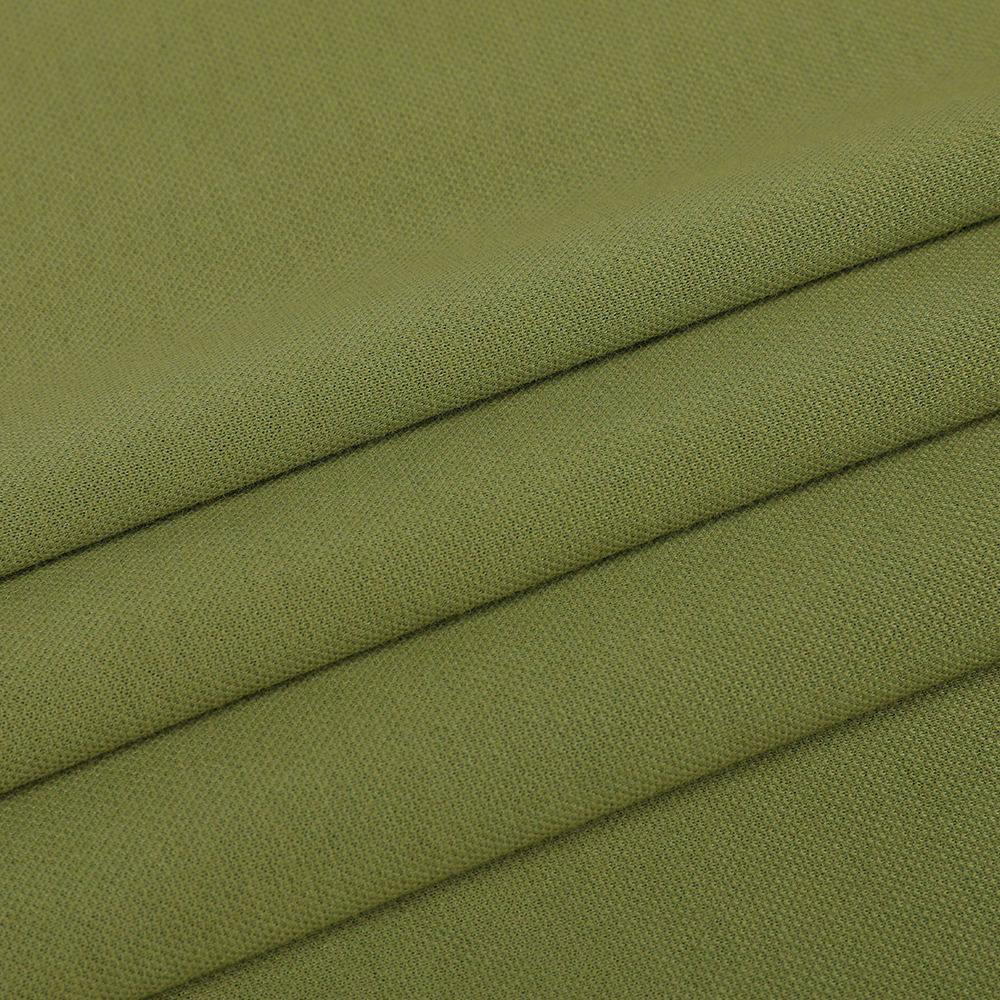 Breathable Skin-friendly Supima Cotton Pique Mesh Liquid Ammonia POLO LA FabricBreathable skin-friendly Supima Cotton pique mesh liquid ammonia POLO fabric selects Supima cotton as raw material, and combines pique mesh weaving and liquid ammonia ...View Product →
For sportswear and outdoor lines, you need a fabric that survives repeated washing and keeps its moisture-wicking function. A double pique with quick-dry polyester is a reliable option, especially when UV resistance and light weight matter.
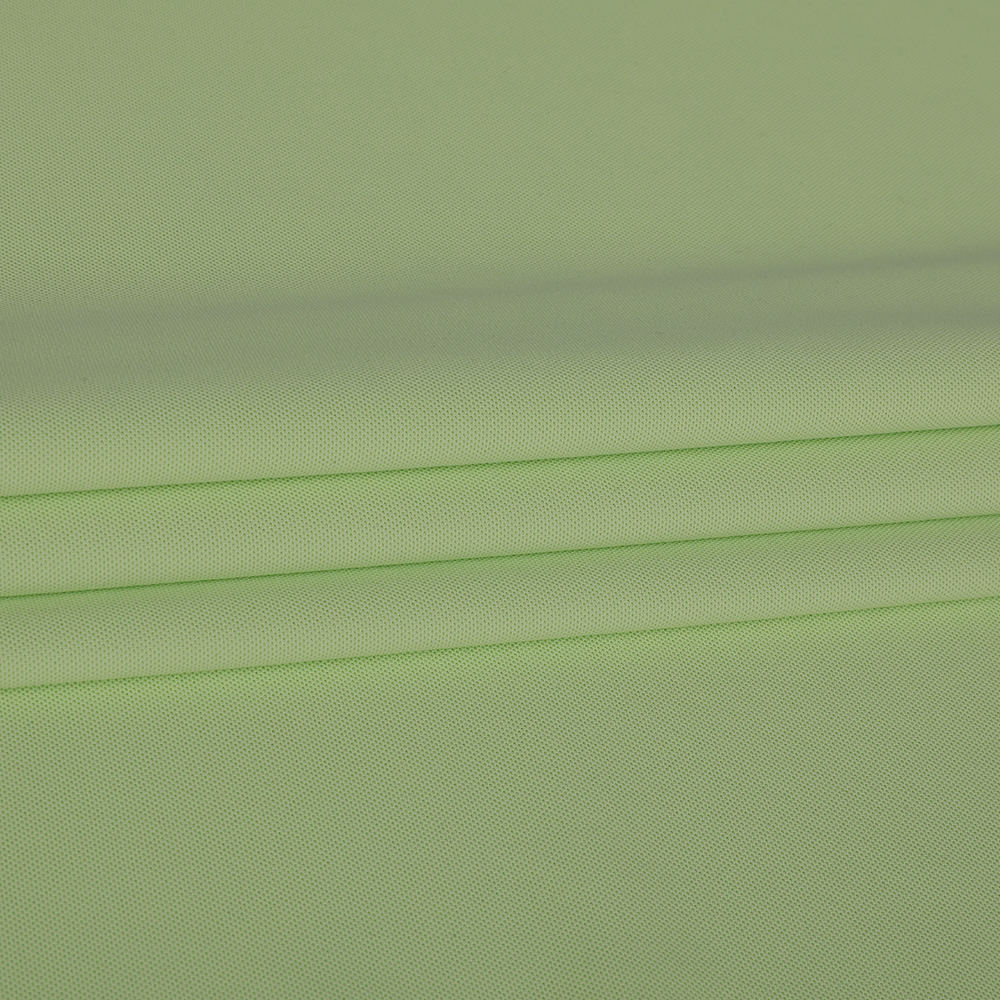 Double Pique Outdoor Moisture Absorption and Quick Drying Leisure Sports Anti-Ultraviolet Double pique outdoor leisure sports anti-ultraviolet polyester fabric uses high-quality polyester fiber and is specially designed for outdoor leisure sports through a ...View Product →
For high-end womenswear, the tactile quality of silk blends adds a premium feel. A 10/90 mulberry silk-cotton jacquard can be used in dresses and blouses where drape and visual depth are essential.
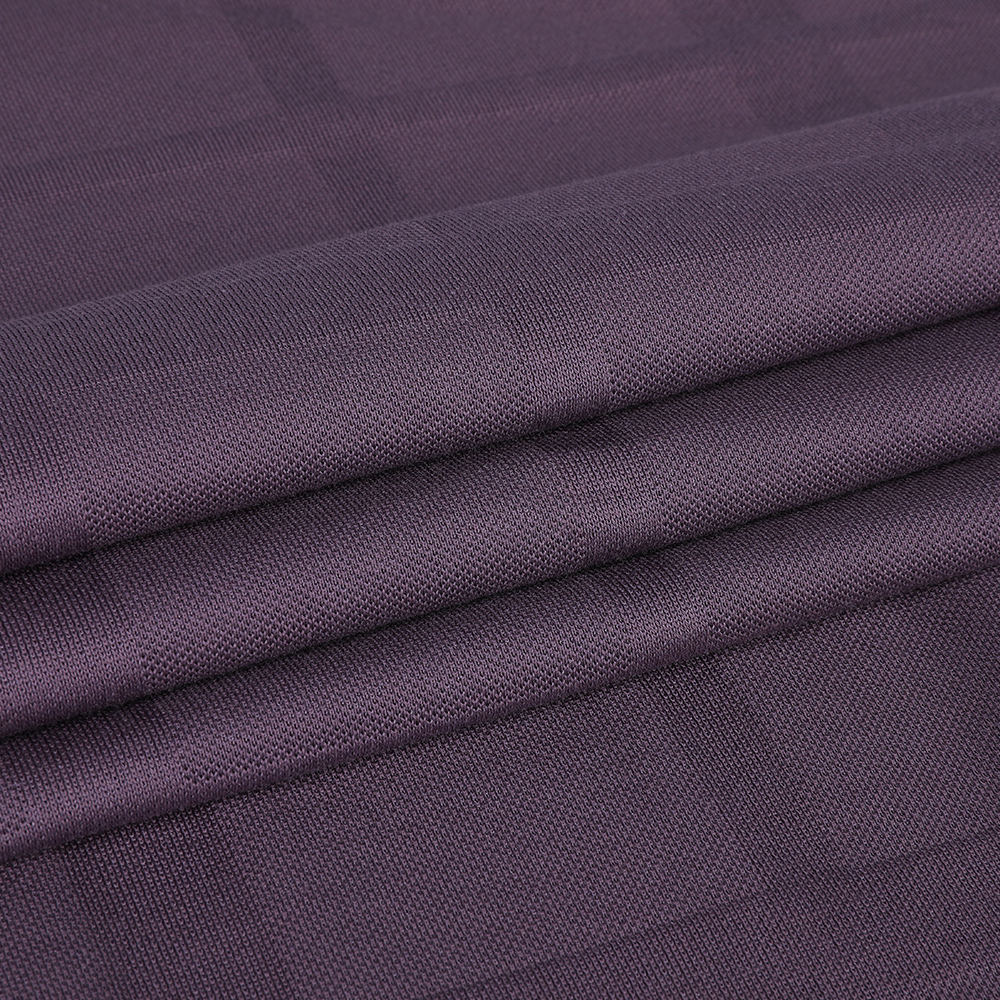 Breathable Jacquard Eco-friendly Soft 10/90 Mulberry Silk Cotton FabricDuring the weaving process, the breathable jacquard environmentally friendly soft mulberry silk fabric adopts a unique weaving structure to give the fabric good breath...View Product →
What to Look for in a Circular Knit Fabric Manufacturer
Sourcing circular knit fabric from a supplier involves more than matching a target GSM. You need to verify that the manufacturer can handle the structure you want, the fiber blends you require, and the finishing that makes the garment retail-ready.
- Knitting capability: Does the factory run single, double, rib, pique, and jacquard machines? A narrower machine range limits your ability to shift production as your line evolves.
- Finishing options: Look for suppliers that can handle liquid ammonia, anti-shrink, dyeing, and digital printing. These finishing steps often determine how the fabric performs after washing.
- Fiber blending experience: Circular knit fabric is often a blend. A supplier with proven experience in cotton, silk, wool, cashmere, and functional polyester blends can offer more development flexibility.
- Sampling and R&D support: A reliable manufacturer will test yarn twist, weight tolerance, and shrinkage before bulk production. Ask for sample swatches and technical data early.
Jiaxing Jinkaiyue Knitted Fabric Co., Ltd. structures its product range around these practical considerations. The company develops knitted shirt fabrics, liquid ammonia finished fabrics, high-end womenswear fabrics, sports and leisure fabrics, mulberry silk fabrics, and wool knit fabrics. With an in-house R&D service and a focus on fabric finishing, it can support buyers who need circular knit solutions with specific performance targets.
Choosing a circular knit fabric is not about picking a generic label. It is about matching structure, finish, and function to your garment line. Ask for sampling, check yarn twist, and evaluate shrinkage after washing. The supplier that explains these details is the one worth working with.