
 English
 日本語
日本語 中文简体
中文简体
Content
When a womenswear product developer spreads three "silk blend" swatches across a meeting table, only one of them is likely to survive the full journey: production sampling, wash tests, a season of retail wear, and the occasional customer complaint. All three may feel acceptable in the hand. All three may carry similar price tags. But the fabric that performs is the one whose fiber ratio, yarn quality, knitting structure, and finishing were specified with care. These are exactly the variables that separate knitted high-end women's clothing fabrics from ordinary jersey wearing a premium label.
What Defines High-End in a Knitted Fabric?
High-end is not a decorative word. In knitted fabrics for premium women's clothing, it translates into a set of measurable qualities that a buyer can verify on a swatch, on a technical data sheet, and on a bulk roll.
- Hand feel. The fabric feels smooth and supple against the skin, without the rough surface that signals low-grade yarn. Premium knits have a soft, almost warm touch.
- Drape and body. The fabric follows the garment's silhouette without clinging too tightly or collapsing into limp folds. The balance between drape and structure is controlled by yarn count, knit structure, and finishing.
- Dimensional stability. Shrinkage after washing stays within a tight tolerance, and the fabric resists bagging at the elbows, knees, and seat.
- Recovery. After stretching, the fabric returns to its original shape. This matters most in fitted dresses and tops that must keep their lines through a full day of wear.
- Surface consistency. No streaks, slubs, or uneven shade across the roll. Inconsistent surface quality is the first giveaway of shortcuts in yarn selection or dyeing.
Fiber composition is the foundation of all these properties. Mulberry silk, long-staple cotton, merino wool, cashmere, and fine spandex appear in most premium knitted women's fabrics. The blend ratio is a technical decision, not a marketing one. A 10/90 silk-to-cotton fabric offers a quiet sheen at a moderate price point, while a 55/45 ratio increases luster, softness, and drape. A small percentage of spandex adds recovery but must be balanced carefully so the fabric does not lose its natural hand feel. For a deeper look at these trade-offs, see how knitted high-end women's clothing fabrics balance texture and performance in practice.
Core Fabric Categories for Premium Women's Knitwear
Within a typical luxury womenswear range, most knitted fabrics fall into a handful of well-defined categories. Each one serves a different silhouette and season, and each has its own quality thresholds.
Silk-Blend Knits: Luster With Practicality
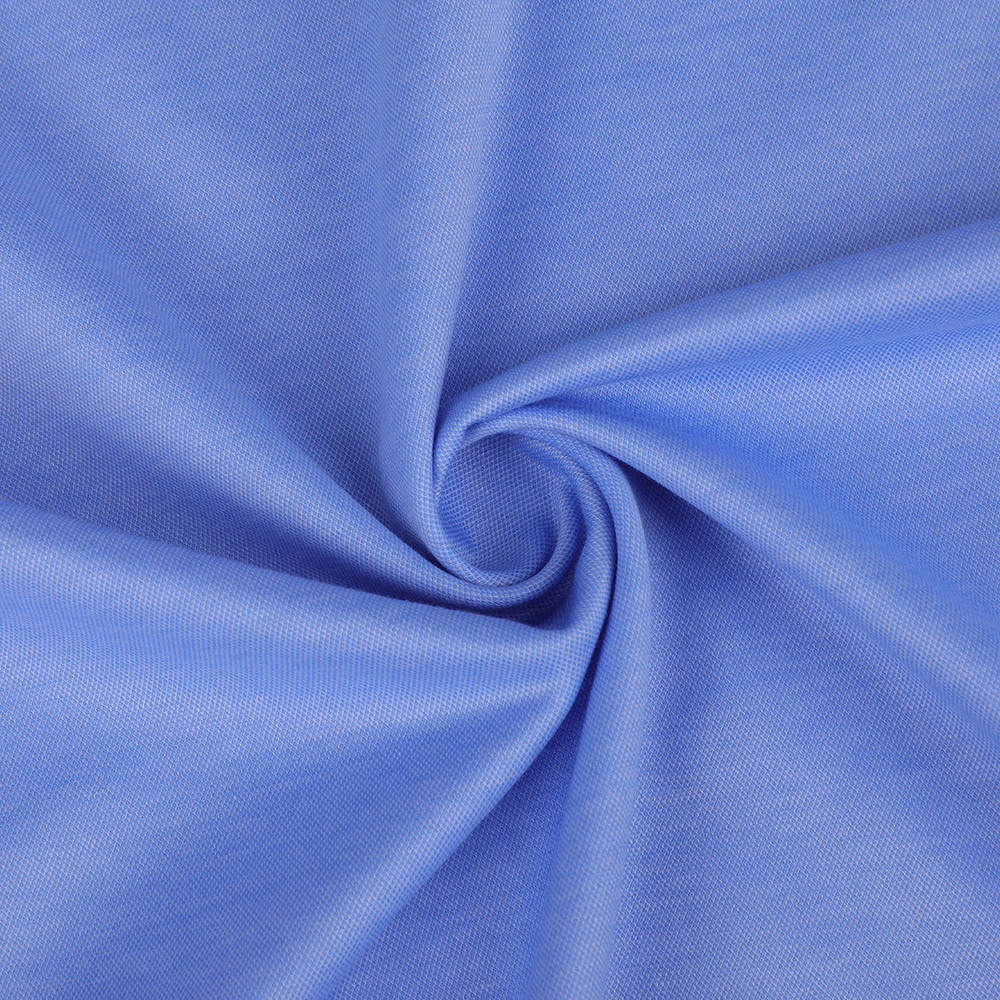
Silk brings luster, breathability, and natural temperature regulation to knitted fabric. Its weakness has always been care: untreated silk wrinkles easily and demands gentle handling. That is why finishing matters as much as fiber content. Machine-washable silk treatments, sericin removal, and liquid ammonia processing all improve dimensional stability while retaining the characteristic silk hand feel. Silk-cotton interlock and single jacquard fabrics are the workhorses of this category, supporting blouses, dresses, and lightweight knit tops. A luxury interlock jacquard silk knitted fabric, for example, combines silk's refined surface with the body of a double-knit construction, making it suitable for garments that need to keep a clean shape.
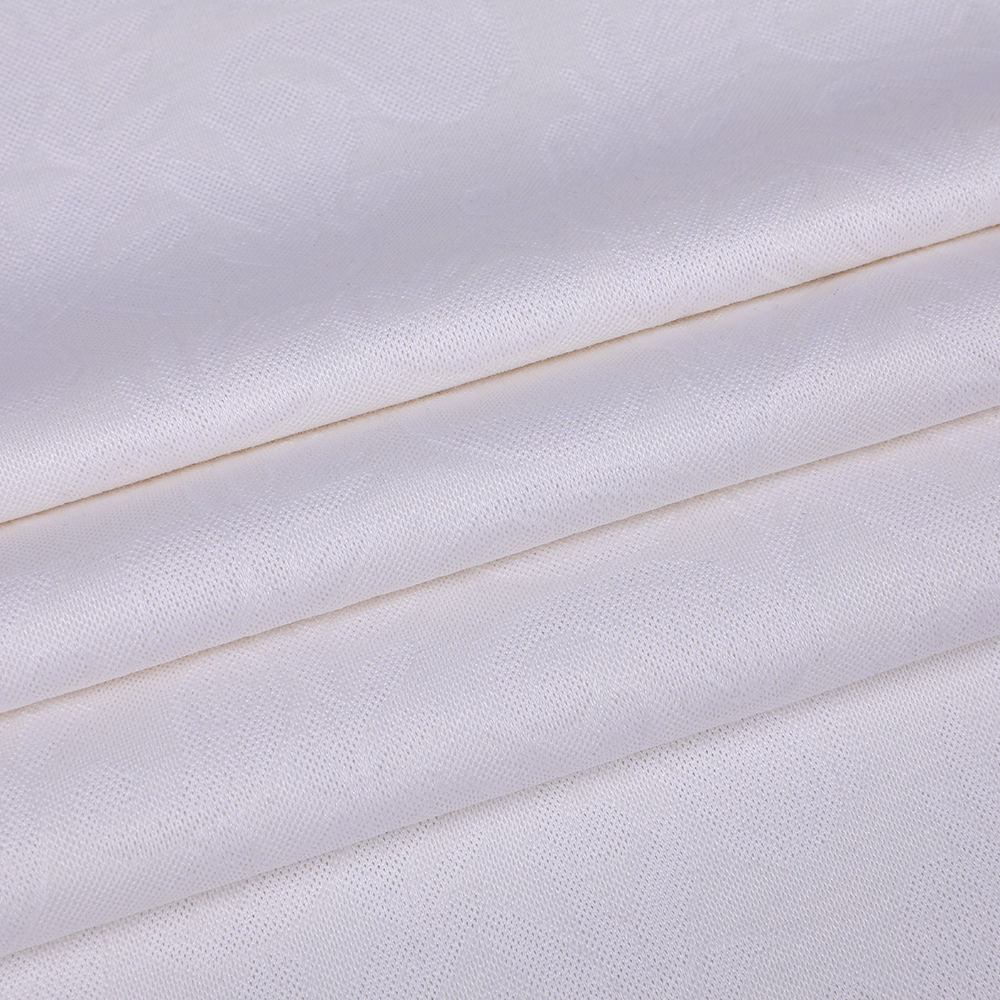 Wholesale Luxury Interlock Jacquard Skin-friendly Silk Knitted Fabric Suitable fJiaxing Jinkaiyue Knitted Fabric Co., Ltd is China Wholesale Luxury Interlock Jacquard Skin-friendly Silk Knitted Fabric Suitable for Wom...View Product →
Double-Sided Jacquard: Texture With Structure
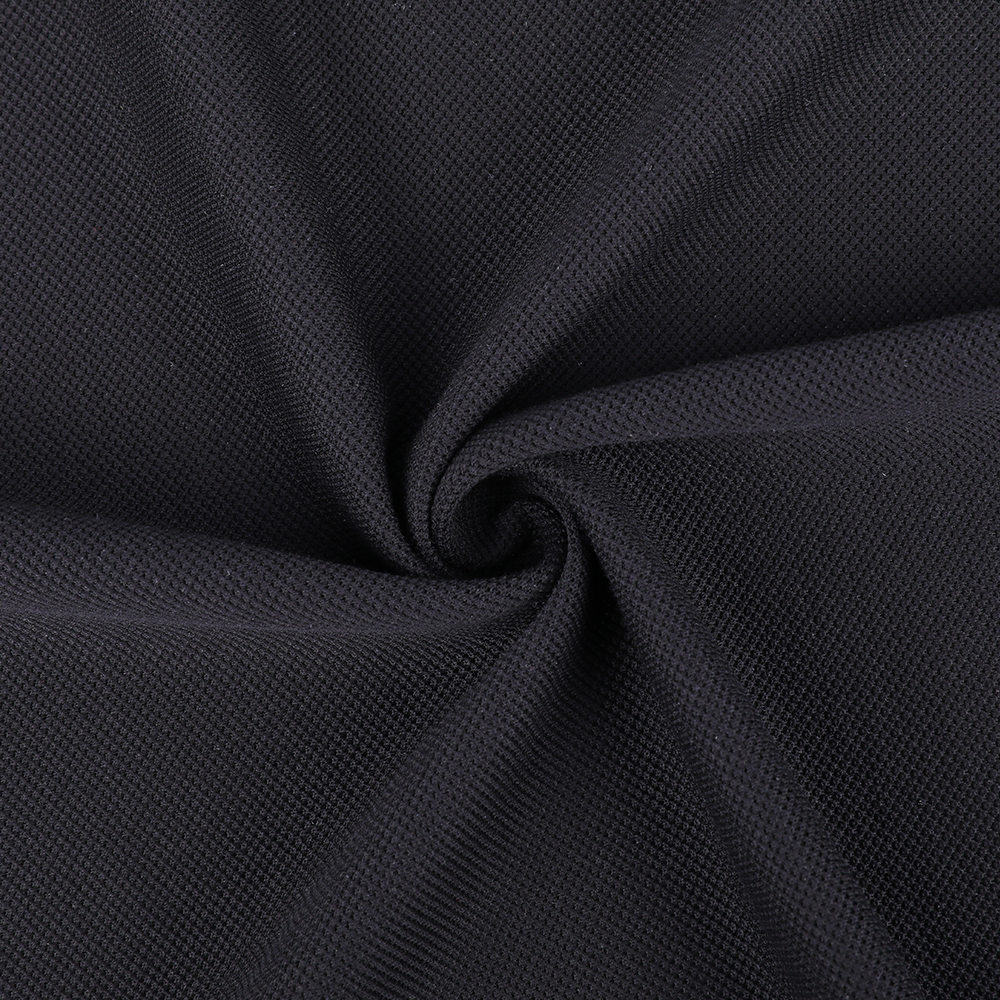
Double-sided jacquard is the category designers turn to when they want pattern and texture without printing. The design is knitted into the structure, so it will not fade, crack, or peel. Double-faced constructions also give garments real body, which is why they appear so often in dresses, skirts, and cardigans that need to hold a silhouette. In the high-end segment, wool-silk and wool-cotton jacquard blends are especially valued: they show a clean reverse side and a three-dimensional surface that changes character as the wearer moves.
Ponte Roma: The Shape-Holding Workhorse
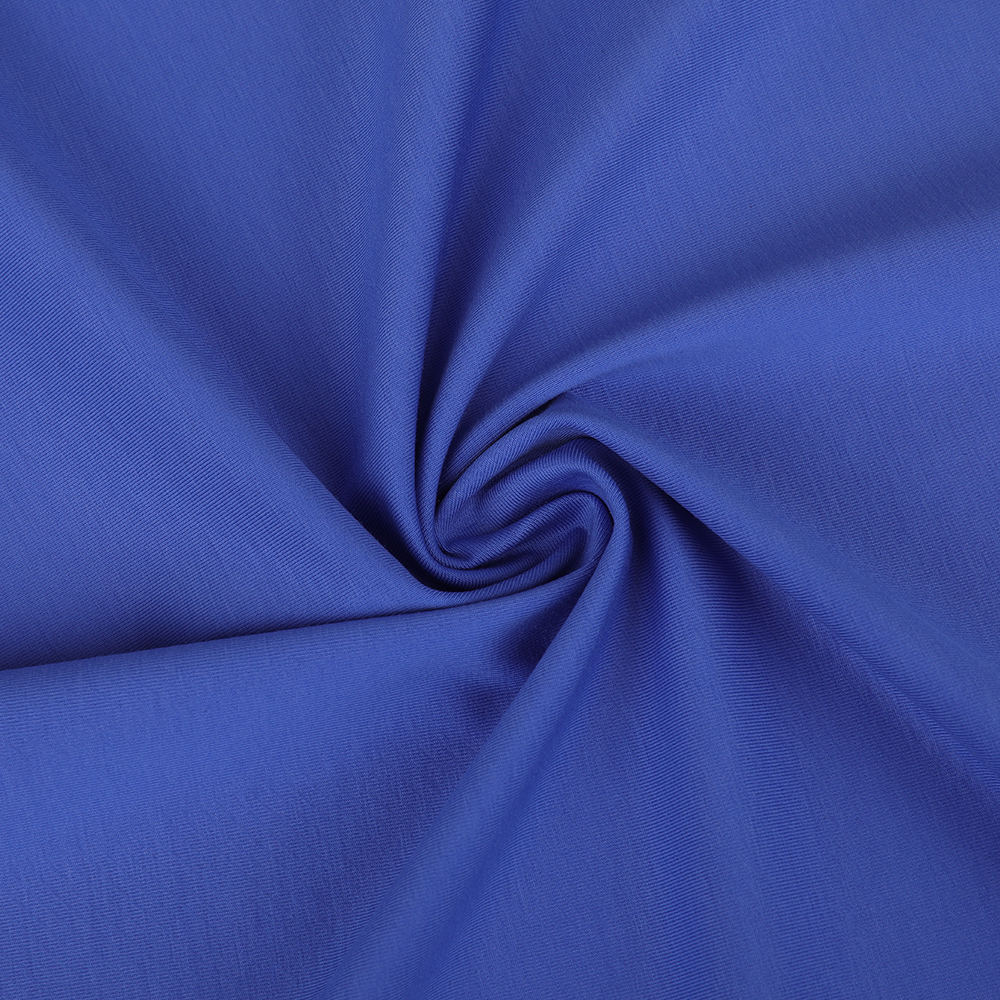
Ponte roma is a double-knit fabric with a smooth surface, firm hand, and excellent recovery. It is the default choice for sheath dresses, tailored trousers, and travel-friendly blazers because it resists creasing and holds its shape through a long day. In premium versions, wool is blended with a small amount of nylon or spandex to add warmth and strength, and machine-washable finishing makes garment care significantly easier. A machine-washable wool ponte roma fabric for women is a practical example of how this category has evolved beyond its basic black-trouser reputation.
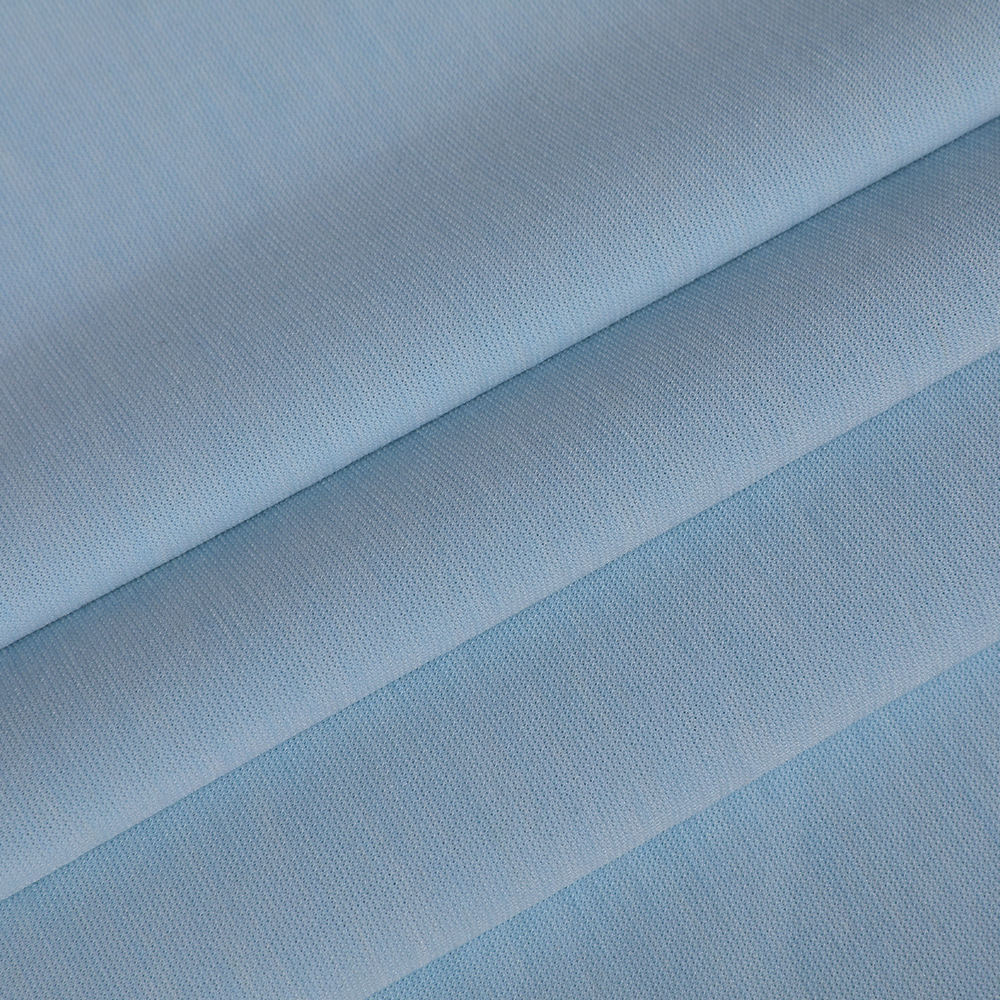 Wholesale PONTE Machine Washable Wool Skin-friendly Knitted Roman Women's ClothJiaxing Jinkaiyue Knitted Fabric Co., Ltd is China Wholesale PONTE Machine Washable Wool Skin-friendly Knitted Roman Women's Clothing Fa...View Product →
Wool and Cashmere Blends: Warmth Without Weight
Wool and cashmere bring natural warmth and a distinctive dry hand feel to knitted women's clothing. The main engineering challenge is shrinkage. A premium wool knit must be constructed to survive washing: shrink-resistant finishing, careful selection of yarn twist, and controlled knitting tension all play a part. Cashmere blends soften the hand feel and add a quiet halo of warmth, while wool-nylon blends add durability where garments face the most abrasion. These fabrics form the core of autumn and winter collections, from pullovers to long cardigans.
Jersey and Sweat Fabrics: Elevated Casual
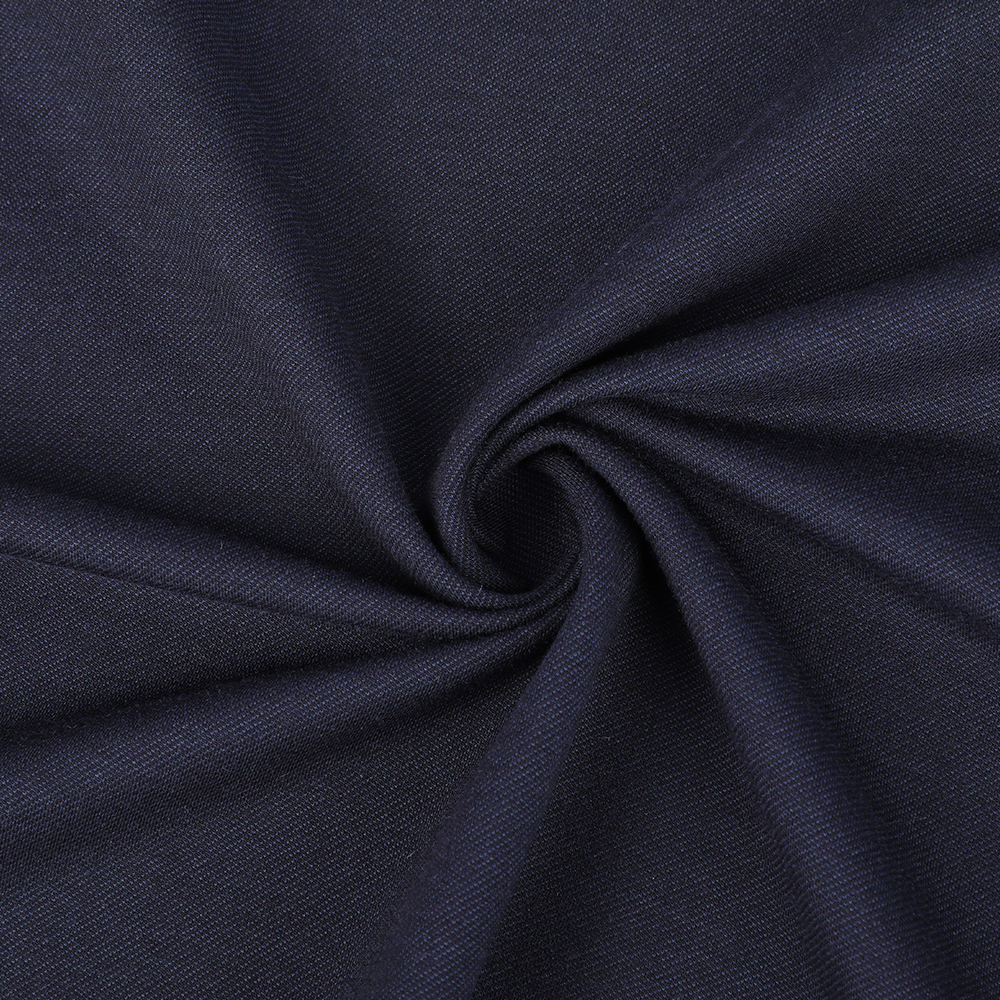
Jersey and sweat fabrics are often underestimated in high-end collections, but they carry a significant share of contemporary womenswear. A compact single jersey in spun silk, or a sweat fabric with a smooth face and brushed back, can support relaxed dresses, cardigans, and two-piece sets that sit comfortably between loungewear and tailored dressing. The key is density and finish. A cheap sweat fabric pills quickly and loses its surface after a few washes; a well-constructed one feels soft, drapes cleanly, and keeps its appearance. A machine-washable spun silk jersey sweat fabric gives relaxed styles the refined surface that reads as truly premium.
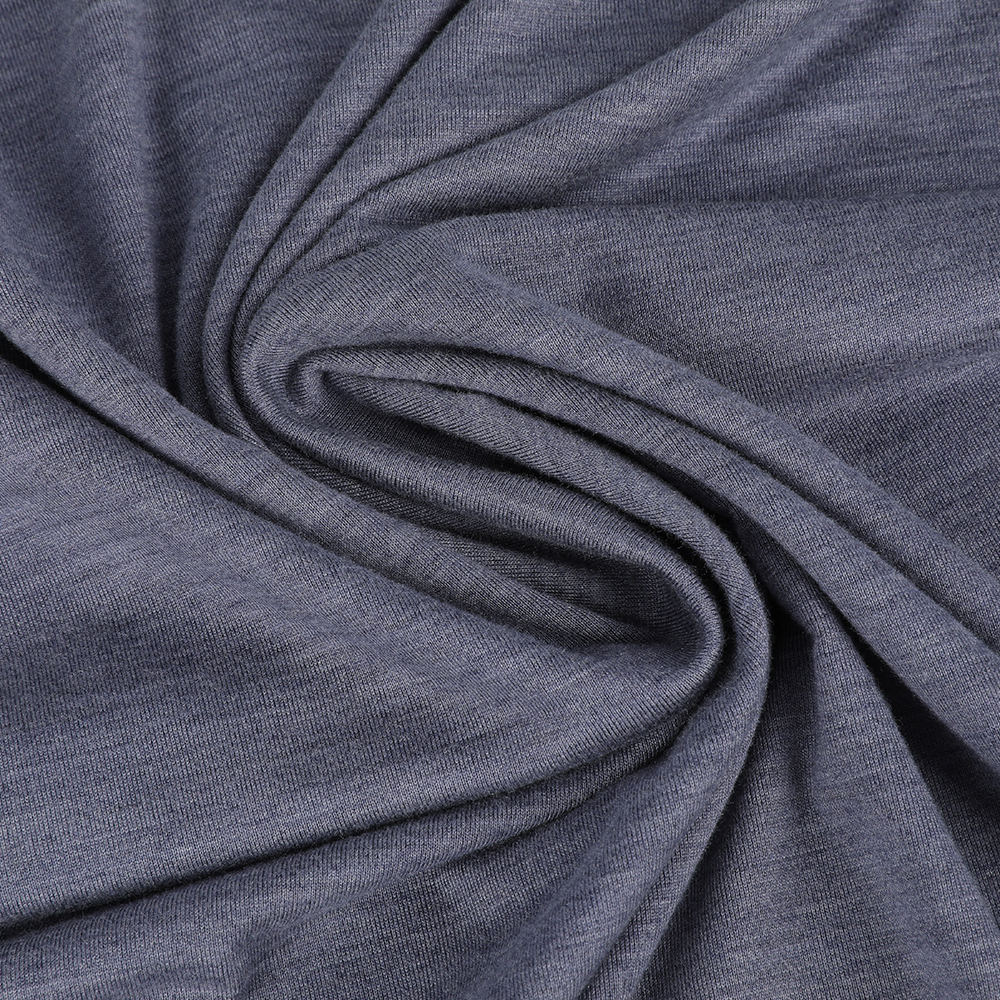 Wholesale Eco-friendly Luxury Jersey Breathable Machine Washable Spun Silk Lady Jiaxing Jinkaiyue Knitted Fabric Co., Ltd is China Wholesale Eco-friendly Luxury Jersey Breathable Machine Washable Spun Silk Lady Sweat ...View Product →
Fabric Weight and Gauge: Matching the Fabric to the Garment
Weight is usually the first technical specification a buyer should confirm. GSM (grams per square meter) determines how a fabric behaves in a specific garment, and the ideal range varies by category and silhouette.
| Fabric category | Typical weight range (GSM) | Common garment uses |
|---|---|---|
| Lightweight jersey and silk-cotton interlock | 140-180 | Blouses, summer dresses, lightweight knit tops |
| Mid-weight interlock and single jacquard | 180-240 | Dresses, skirts, cardigans, fitted tops |
| Ponte roma and dense double knits | 240-320 | Trousers, blazers, sheath dresses |
| Brushed-back sweat and winter wool knits | 260-380 | Coats, heavy cardigans, relaxed tailoring |
These ranges are only a starting point. The same knit structure can behave very differently at different weights, so it is essential to specify weight, width, and shrinkage requirements before sampling. A dedicated women's knitted fabric selection and weight guide can help you define your own parameters and communicate them clearly to a mill.
Finishing Technology: Where High-End Fabric Is Made or Lost
Fiber and knitting determine what a fabric can be; finishing determines what it actually becomes. Liquid ammonia treatment is one of the most important finishing technologies in high-end knitted fabrics. It changes the internal structure of cotton and cotton-blend yarns, producing a smooth, lustrous surface with improved strength, reduced shrinkage, and a softness that does not depend on chemical softeners. Liquid-ammonia-treated knits resist wrinkling better than untreated equivalents and hold their surface quality longer across repeated wash cycles.
Other finishing steps matter as well: sericin removal for silk, anti-shrink treatment for wool, anti-pilling finishing for sweater knits, and machine-washable treatments for silk blends. Each of these steps adds cost, which is exactly why low-priced fabrics rarely carry them. When comparing supplier quotes, always ask which finishing steps are included in the stated price.
A Practical Sourcing Checklist
Working directly with a fabric manufacturer, rather than through a trading intermediary, gives you clearer control over specifications, finishing, and quality consistency. Before committing to a bulk order, verify the following:
- Confirm weight, width, shrinkage, and colorfastness values in writing, and request a technical data sheet for every fabric you plan to order.
- Test hand feel against your own benchmark swatch, and ask whether the same finishing formula can be reproduced exactly on re-orders.
- Check the reverse side of the fabric. In high-end knitwear, the interior of the garment matters as much as the exterior.
- Ask about lead times, minimum order quantities, and how the mill handles shade variation or quality differences between production lots.
- If you intend to develop exclusive fabrics, confirm that the supplier offers R&D support for custom blend ratios, yarn counts, or jacquard patterns.
Buyers who want to understand how the commercial relationship differs from standard jersey procurement should read about wholesale sourcing of knitted high-end women's clothing fabrics. The technical communication, quality control expectations, and specification management all demand more from both sides.
The Takeaway
A high-end knitted fabric is not a lucky accident. It is the result of deliberate decisions at every stage: fiber selection, yarn quality, knit structure, and finishing. The fabrics that survive product development and perform through a season of wear are the ones that were specified with care from the beginning. Define your performance requirements, confirm your weight and care parameters, and work with a supplier that controls the entire production chain. The fabric you choose during development will determine whether your collection feels premium on the hanger and still feels premium after the first wash.