
 English
 日本語
日本語 中文简体
中文简体
Content
- 1 What Exactly Is Interlock Knit Fabric?
- 2 Why Interlock Fabric Works for So Many Garments
- 3 Interlock vs. Single Jersey vs. Rib Knit
- 4 Applications: From T-Shirts to Tailored Dresses
- 5 How Liquid Ammonia Finishing Improves Interlock Fabric
- 6 What to Check When Sourcing Interlock Knit Fabric
- 7 Working with an Interlock Fabric Manufacturer
When a fabric feels smooth on both sides, resists curling at the edges, and still breathes like a lightweight knit, it is very likely an interlock knit. This double-knitted structure uses two sets of needles to create a fabric that looks identical on the face and the reverse, which solves one of the most common complaints with single jersey: the tendency to curl at cut edges. The result is a stable, clean, and versatile material that works across dress shirts, casual tops, activewear, and tailored women's dresses. This guide explains what interlock knit fabric is, how it behaves, and what to check before ordering from a fabric supplier.
What Exactly Is Interlock Knit Fabric?
Interlock is a double-knit construction. Two sets of needles knit alternating loops in such a way that the two sides of the fabric support each other, making the structure thicker and more balanced than a standard single jersey. The loops interlock with each other, which is where the name comes from.
On a circular knitting machine, the needles are arranged in two cylinder beds that work together. This setup allows the fabric to be produced with fewer structural defects and greater width consistency. For garment factories, evenness matters because it leads to more uniform dyeing and less fabric waste during cutting.
Because both sides are identical, interlock fabric has no distinct wrong side. This has practical benefits: garments can be cut and sewn without worrying about which side is the face, and hemmed openings do not curl inward the way single jersey does. The fabric is also more opaque than single jersey at the same weight, which makes it useful for white or light-colored garments where see-through is a concern.
The interlock structure can be knitted from many fibers. Cotton is the most common base, but polyester, silk, wool, and blended yarns all work well in this construction. The choice of fiber has a greater impact on hand feel, moisture management, and durability than the interlock structure itself.
Why Interlock Fabric Works for So Many Garments
The interlock structure offers several practical benefits that garment brands look for when choosing a knit base.
- No edge curl: cut edges stay flat, which makes sewing, hemming, and finishing simpler and cleaner.
- Balanced stretch: the fabric is flexible but not overly elastic, so garments hold their shape wear after wear.
- Smooth surface on both sides: suitable for printed designs and clean, minimal looks.
- Higher opacity: better coverage than single jersey at comparable weight, especially helpful for light colors.
- Good breathability and moisture management when the right fiber blend is used.
These properties make interlock fabric a safe but capable choice for a wide range of garments. It is not a novelty fabric. It is a workhorse, but a high-quality one. For a brand that is sampling a new product line, these characteristics reduce the number of revisions needed. The fabric behaves predictably on the sewing line, which means fewer returns and better cost control.
Interlock vs. Single Jersey vs. Rib Knit
Understanding how interlock compares to other knit structures helps designers and sourcing teams make an informed decision.
| Structure | Edge Curl | Thickness | Stretch | Typical Use |
|---|---|---|---|---|
| Interlock | No curl | Medium to heavy | Balanced | T-shirts, polos, dresses, activewear |
| Single Jersey | Curls | Light to medium | Stretchy | Casual tees, underwear |
| Rib Knit | No curl | Medium | High stretch | Cuffs, collars, fitted tops |
Single jersey is lighter and cheaper but has the curl problem. Rib knit has excellent stretch and recovery but a pronounced vertical line that reads differently in garments. Interlock sits in the middle: stable, smooth, and adaptable, which is why it appears in so many product categories.
Applications: From T-Shirts to Tailored Dresses
T-Shirts and Polo Shirts
For everyday T-shirts and polo shirts, interlock cotton provides a clean, structured hand feel. It drapes well, does not cling, and avoids the curled hem that single jersey produces. When the fabric is treated with liquid ammonia, the surface becomes smoother and more resistant to wrinkles, making it an excellent choice for premium basic tees.
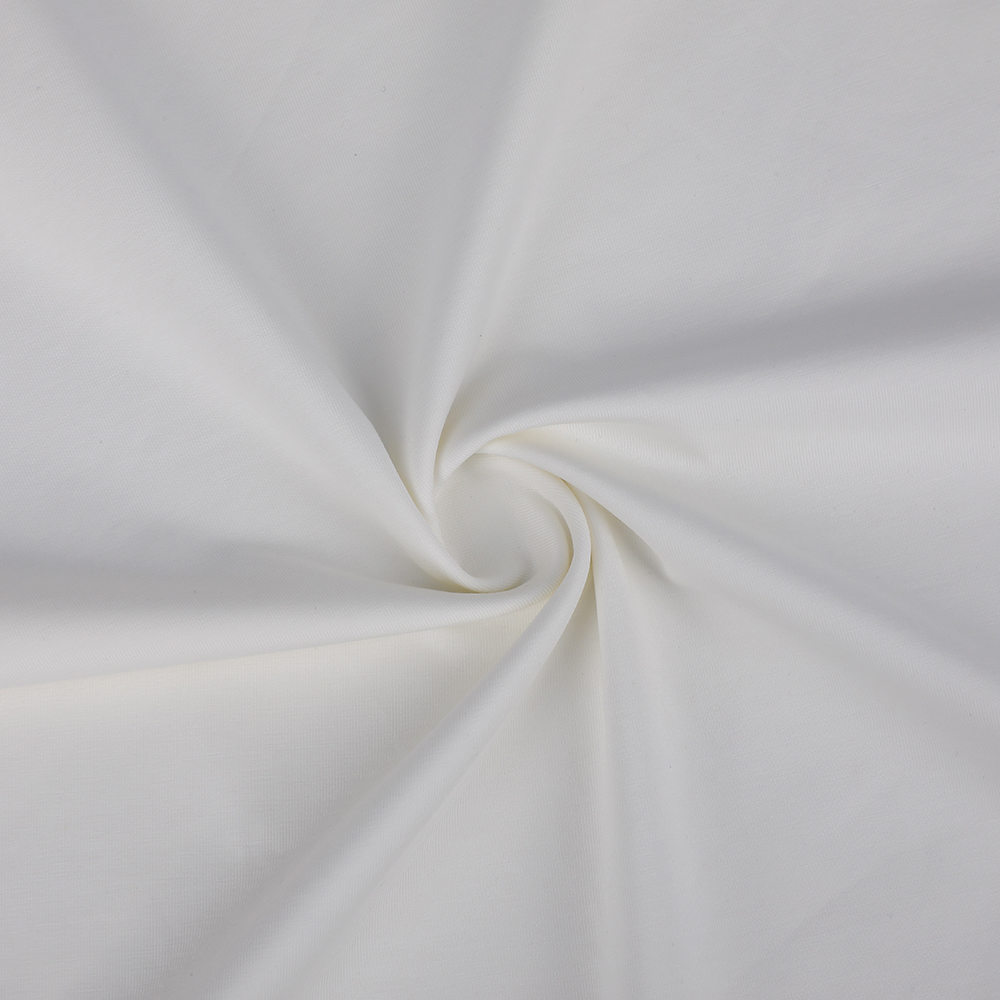
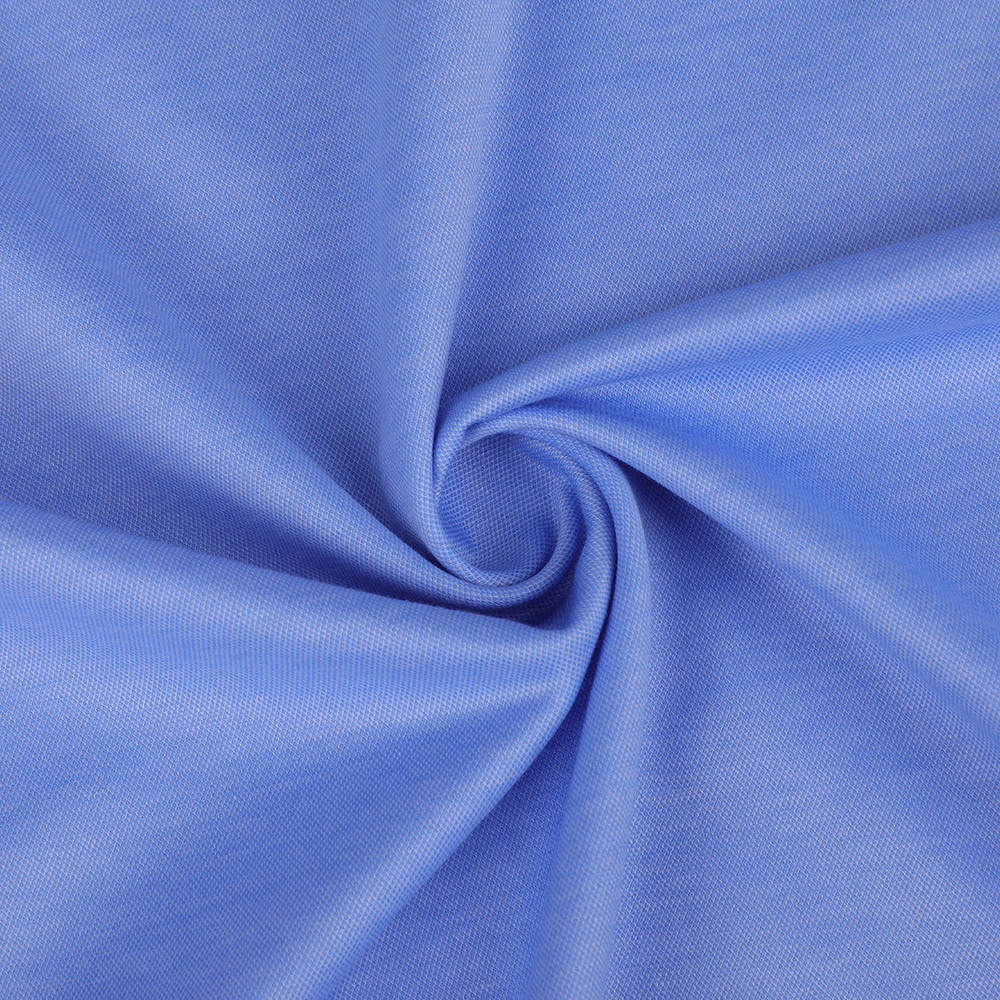
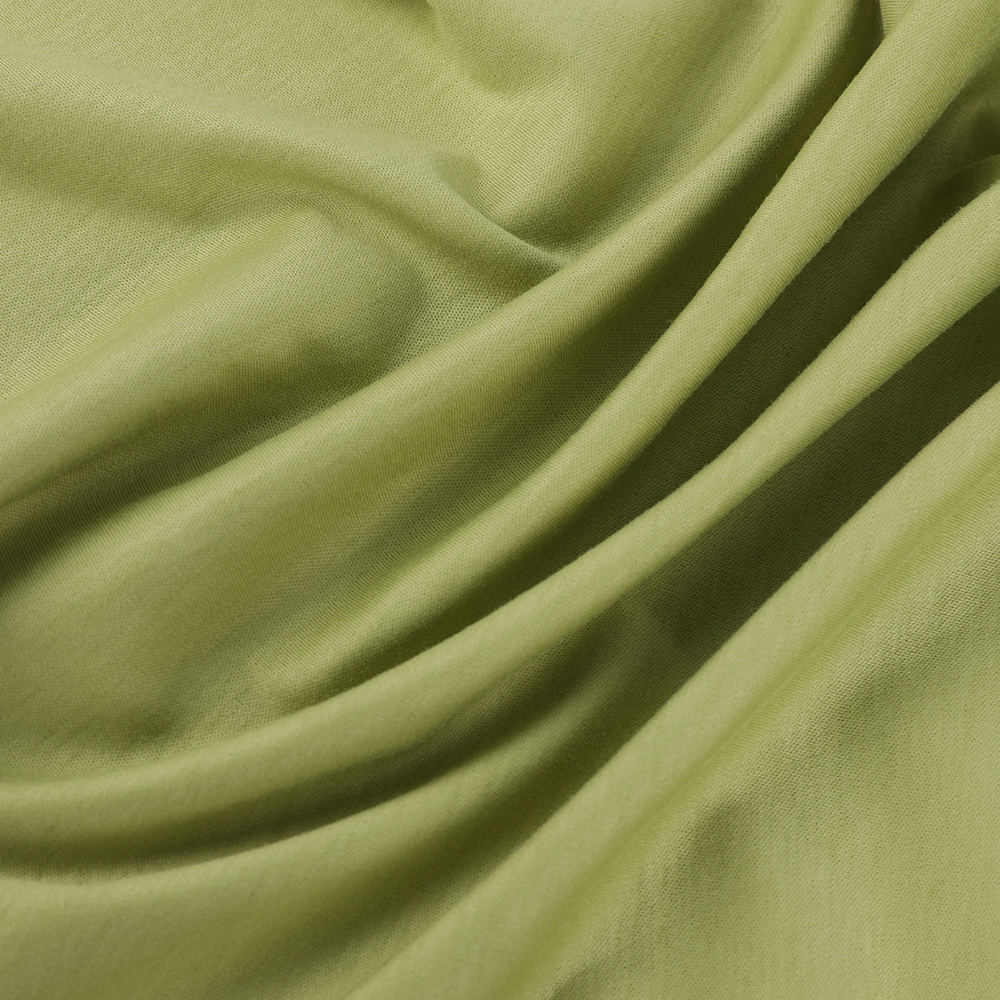 Interlock Cotton Liquid Ammonia T-Shirt FabricThis double-knit cotton fabric uses liquid ammonia finishing to enhance smoothness and wrinkle resistance, ideal for premium basic tees and polo shirts that require a structured drape.View Product →
Women's Dresses and Skirts
Interlock is a favorite for women's dresses because it offers enough body to hold a silhouette while remaining comfortable to wear. The smooth, identical surface on both sides makes it easy to cut panels accurately. Blends that include spandex add subtle recovery, while mulberry silk blends elevate the hand feel and add a soft sheen.
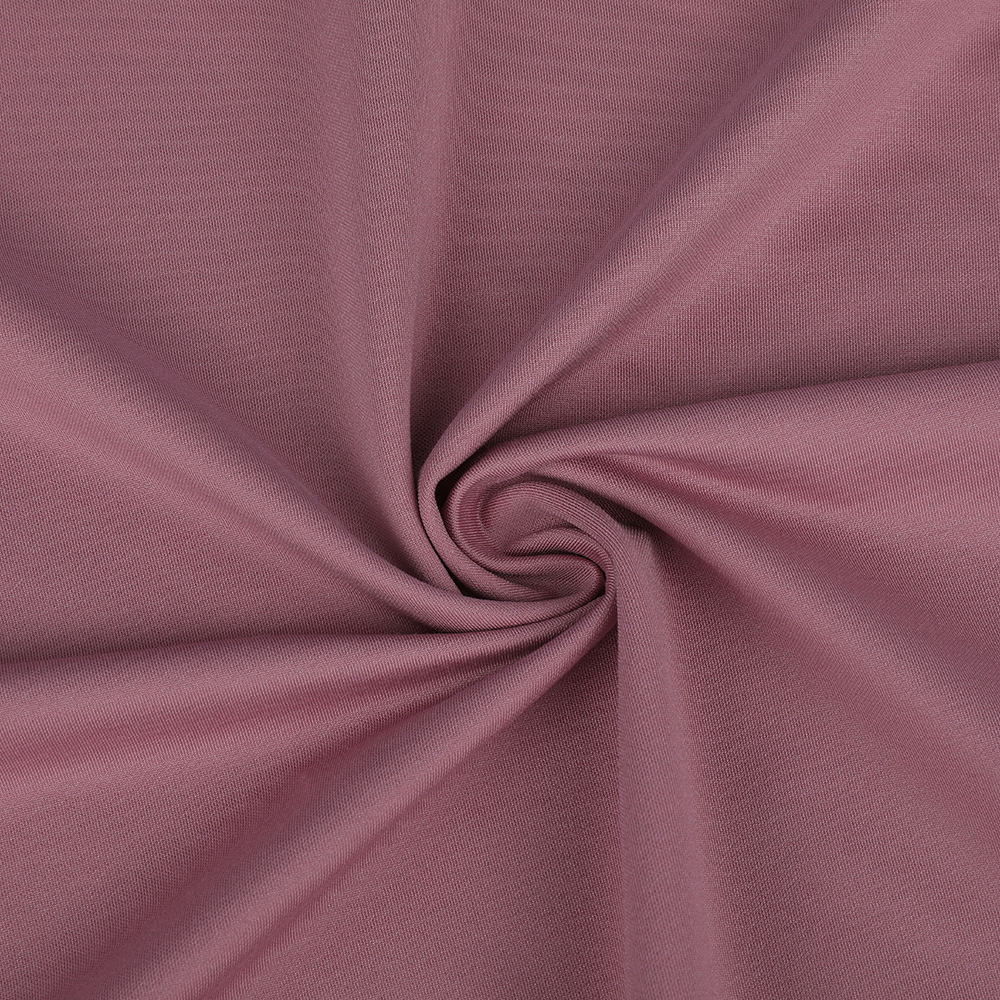
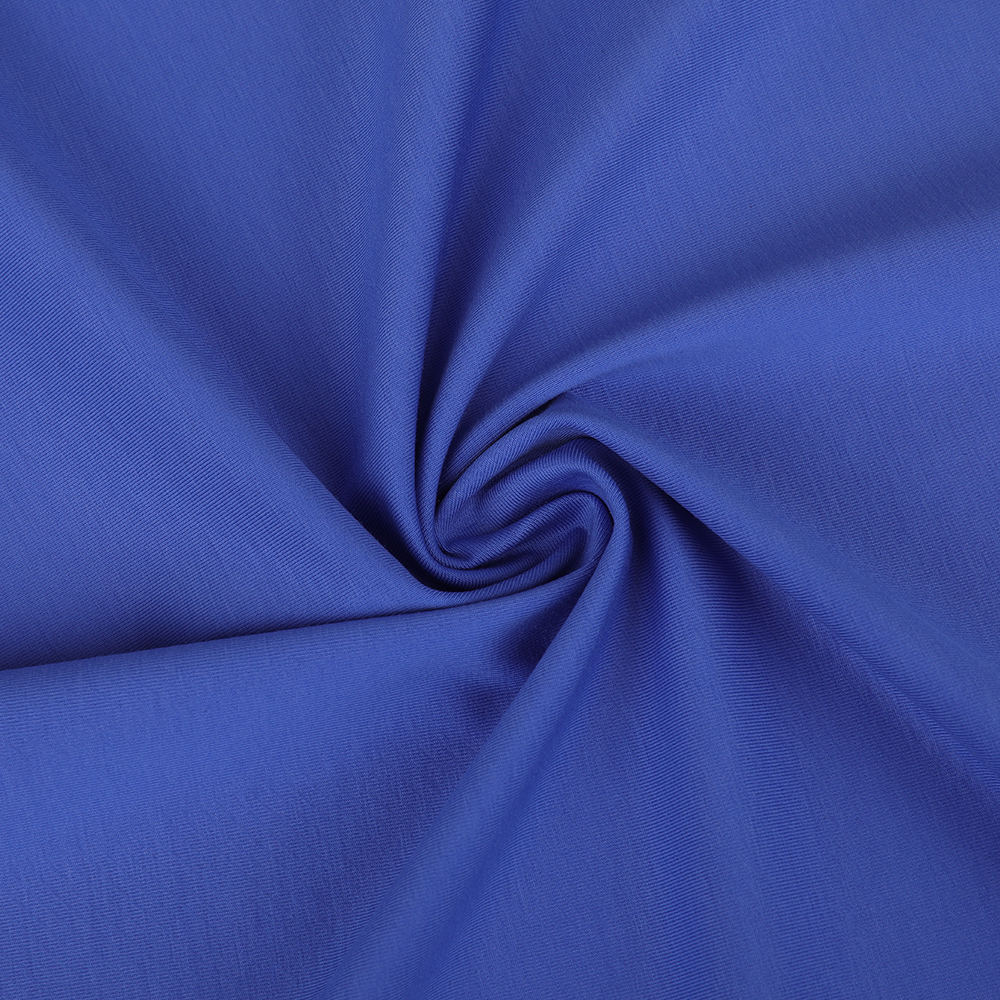
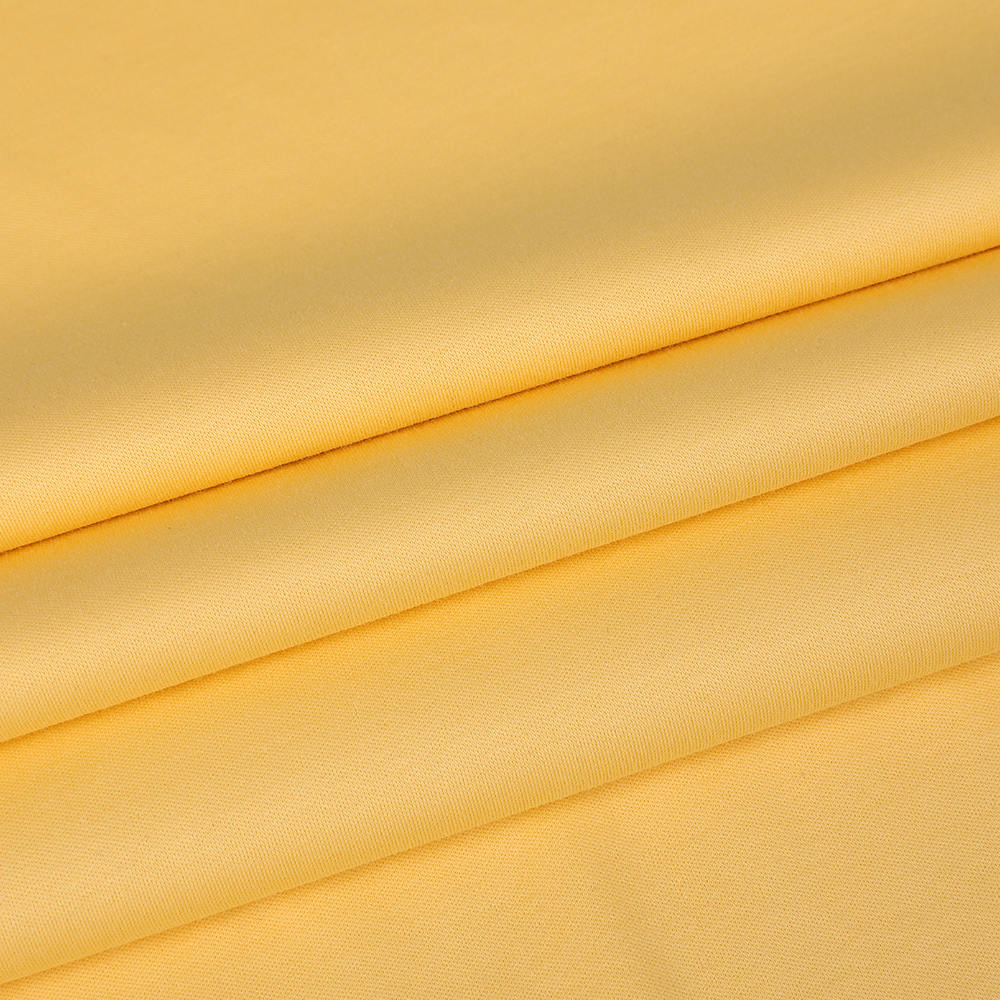 Eco-Friendly Cotton Interlock Fabric for Women's DressesA sustainable double-sided cotton interlock designed for dresses, offering moisture absorption, breathability, and good wrinkle resistance with a comfortable, natural feel.View Product →
Sports and Leisure Wear
Functional polyester interlock fabrics are designed for moisture management. Because the double-knit structure keeps the fabric stable, performance yarns can be used without sacrificing drape or comfort. Lightweight interlock polyester with quick-dry, anti-ultraviolet, and anti-snagging properties is a strong choice for activewear and outdoor garments.
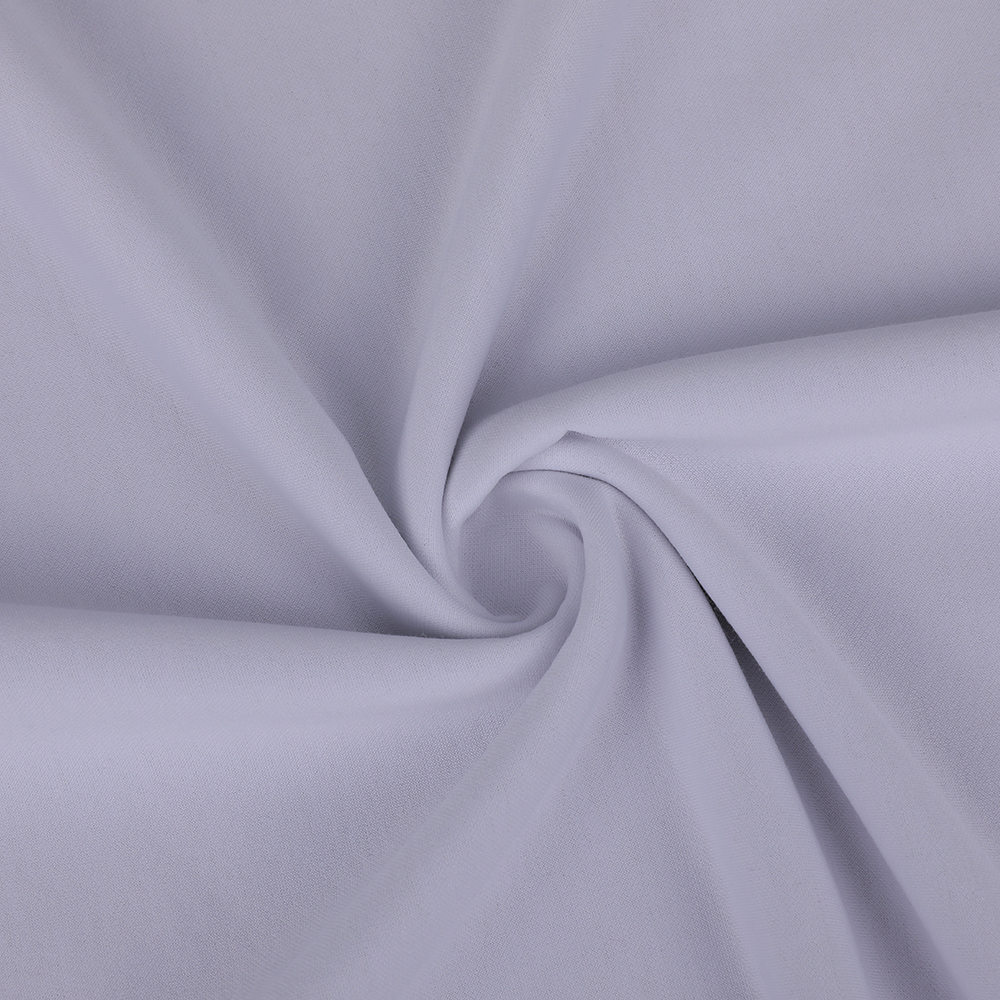
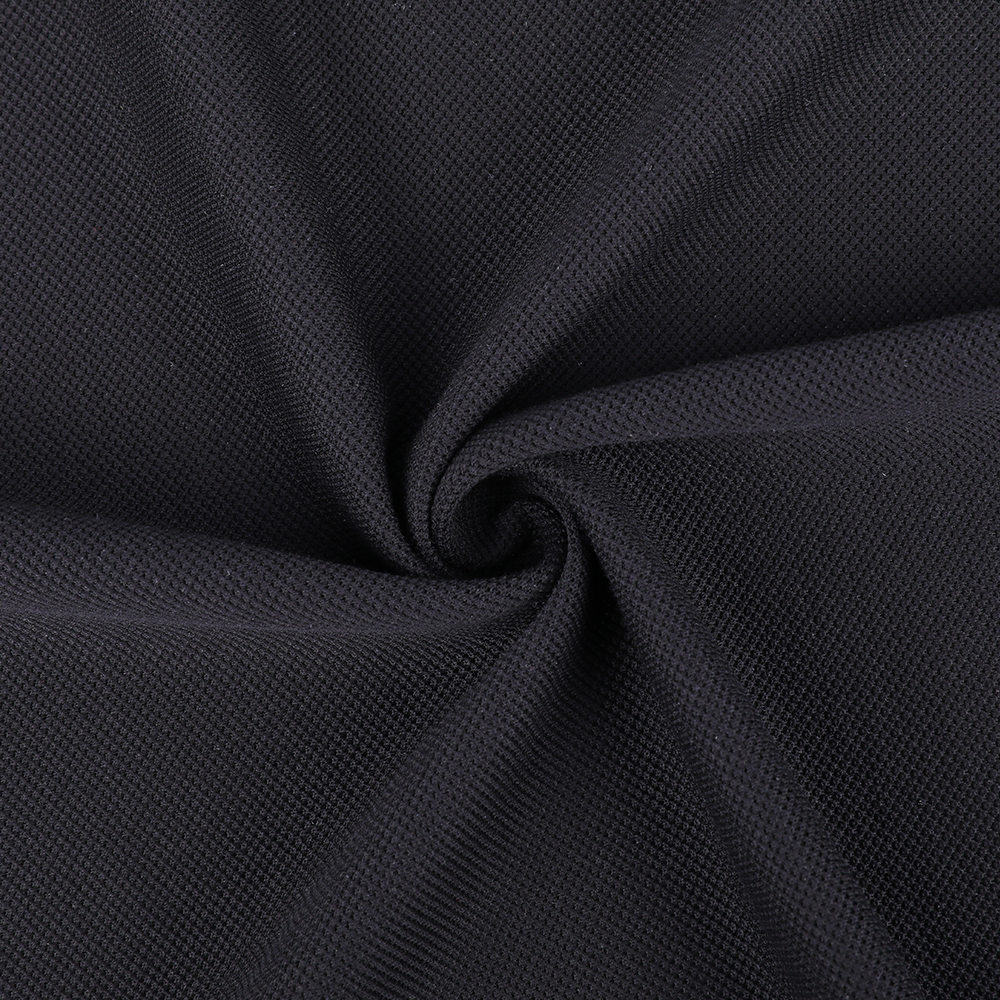
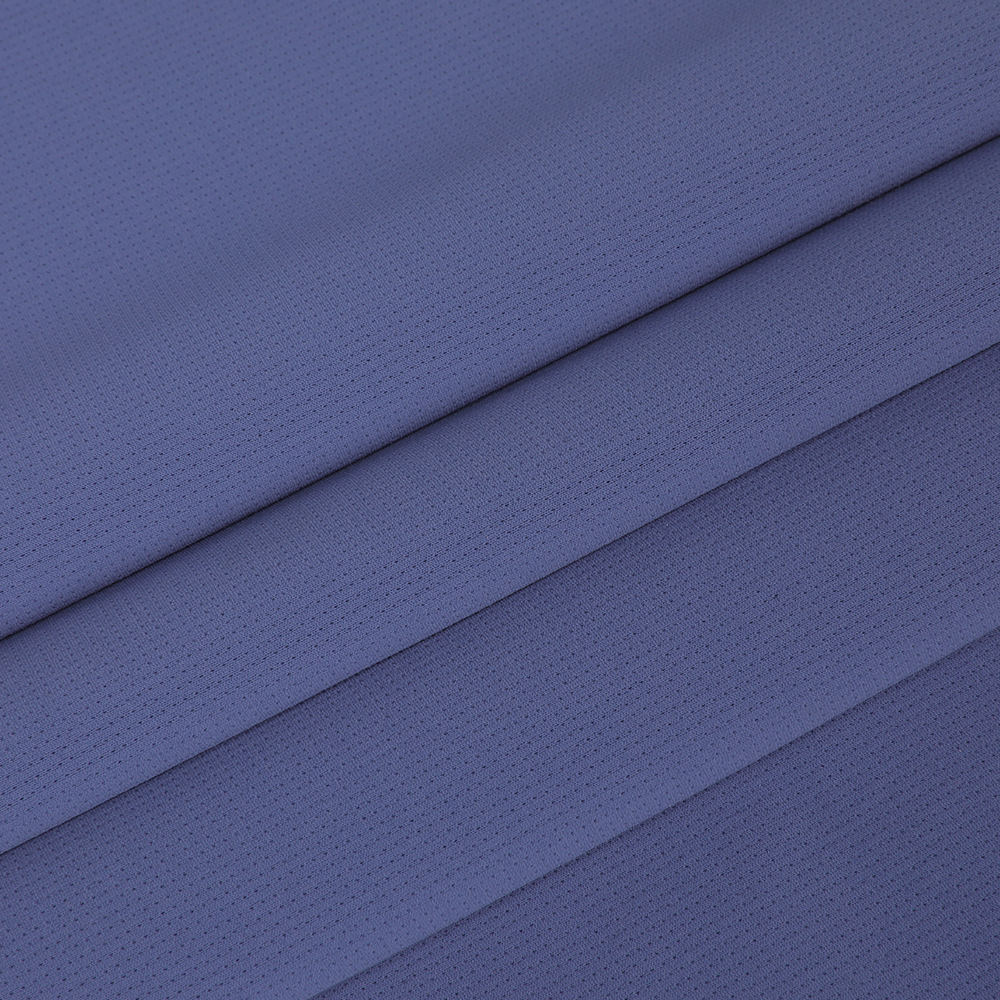 Breathable Quick-Dry Interlock Polyester Sports FabricThis polyester interlock features moisture-wicking and quick-drying properties, making it suitable for activewear and outdoor garments while maintaining durability and easy care.View Product →
Silk and Wool Blend Interlock
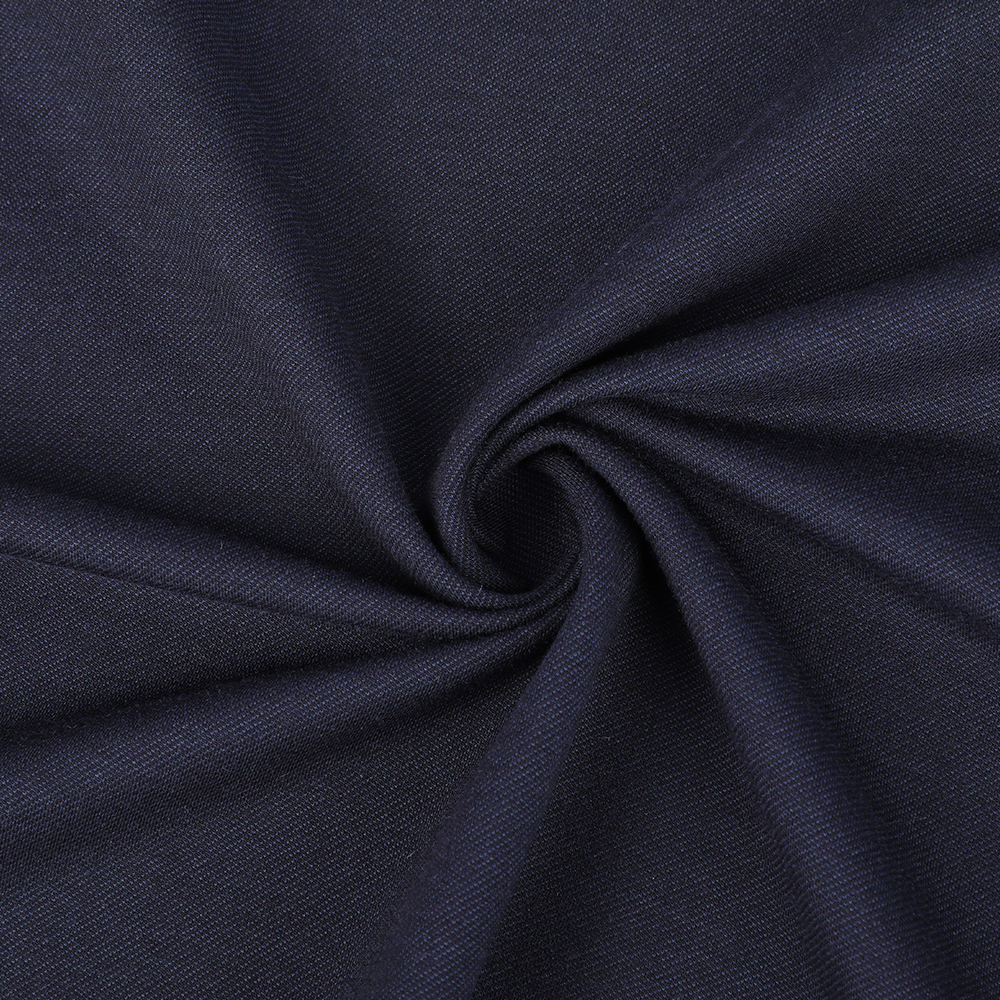
Silk and wool blends in interlock construction are growing in demand. Silk adds sheen and natural temperature regulation, while wool brings warmth without adding bulk. A machine-washable silk interlock can be used in business clothing, making a traditionally delicate fiber much easier to maintain. Wool blends with a stable interlock base offer thermal comfort and a soft touch for autumn and winter pieces. Combinations like silk-cotton and cotton-wool show that the interlock structure is not limited to basic cotton; it can also serve as a platform for premium fibers.
How Liquid Ammonia Finishing Improves Interlock Fabric
Liquid ammonia treatment modifies the cellulose structure in cotton and other natural fibers. For interlock knit fabric, this finishing process enhances smoothness, reduces wrinkling, and improves dimensional stability. It is a critical step when a shirt fabric needs to look crisp after repeated washing.
The effect on interlock fabric is especially noticeable: the fabric feels denser, the surface has a subtle sheen, and shrinkage is reduced. This is why many of the premium interlock fabrics in the market today are described as liquid ammonia interlock. A supplier that can offer this finish is worth prioritizing when the final garment needs a more premium hand.
You can learn more about liquid ammonia knitted fabric benefits and uses in this detailed guide.
What to Check When Sourcing Interlock Knit Fabric
Sourcing is not only about picking a fabric from a catalog. Interlock knit fabric can vary significantly in weight, stability, and finish, even when the structure is the same.
- GSM range: 160-220 GSM is common for polo shirts, 180-250 for T-shirts, and 220-320 for dresses and skirts.
- Shrinkage: stabilized cotton should stay within 5% after washing. Liquid ammonia treated fabric typically performs better.
- Colorfastness: verify wash fastness and light fastness for the shade you plan to use.
- Fade and pilling: especially important for blends with synthetic fibers.
- Weight and drape consistency: ask for continuous rolls from the same dye lot.
For women's garments, a knitted fabric weight and selection guide can help you narrow down the right base before sampling.
Working with an Interlock Fabric Manufacturer
A reliable supplier should be able to discuss structure, fiber blend, and finishing in practical terms. When sourcing interlock knit fabric, share your target garment, weight range, and hand feel. These three inputs narrow down the options quickly.
As a knitted fabric manufacturer, Jin Kai Yue produces interlock fabrics across cotton, silk, wool, and functional polyester categories. From basic cotton interlock for T-shirts to machine-washable mulberry silk blends for dresses, the company works at the fabric supply stage of the garment supply chain. That means you can discuss the actual construction, the finish, and the specifications before production begins, rather than choosing blindly from a sample book.