
 English
 日本語
日本語 中文简体
中文简体
Content
A design team signs off on the sketch. The color is selected. Then the pattern maker asks the question that decides how the dress will actually look on a body: what fabric are we using? For dresses that need stretch, a knit fabric for dresses is often the answer. But knits come in different structures, blends, and finishing treatments, and each choice carries consequences you will only see after the first production run. The goal here is to walk through those choices with a practical eye, so you can specify a fabric that performs in bulk, not just on a sample hanger.
Why Knit Fabric Works for Dresses
Knits have two built-in advantages over wovens: stretch and recovery. A dress built from a knit fabric for dresses moves with the wearer, which is why fitted sheath dresses, wrap dresses, and bodycon styles depend on knitted structures. The same fabric can also work against you if recovery is weak. A common complaint from consumers is a dress that grows after wearing or bags at the elbow and knee. What solves that is not "more spandex" but "controlled spandex." Good dress knit fabrics typically use 3 to 8 percent spandex, combined with the right structure, so the fabric snaps back instead of stretching out.
Consider the practical difference in a fitted dress: with good recovery, the garment returns to its original length and width after the wearer moves, sits, and walks. With poor recovery, the dress begins to look loose by the end of the day. That is not a design problem; it is a fabric specification problem. Because recovery is the critical performance metric, a fabric supplier should be able to tell you stretch and recovery percentages for each development. If the supplier cannot measure these numbers, you are carrying the risk. That is why experienced buyers ask for recovery data on every new sample.
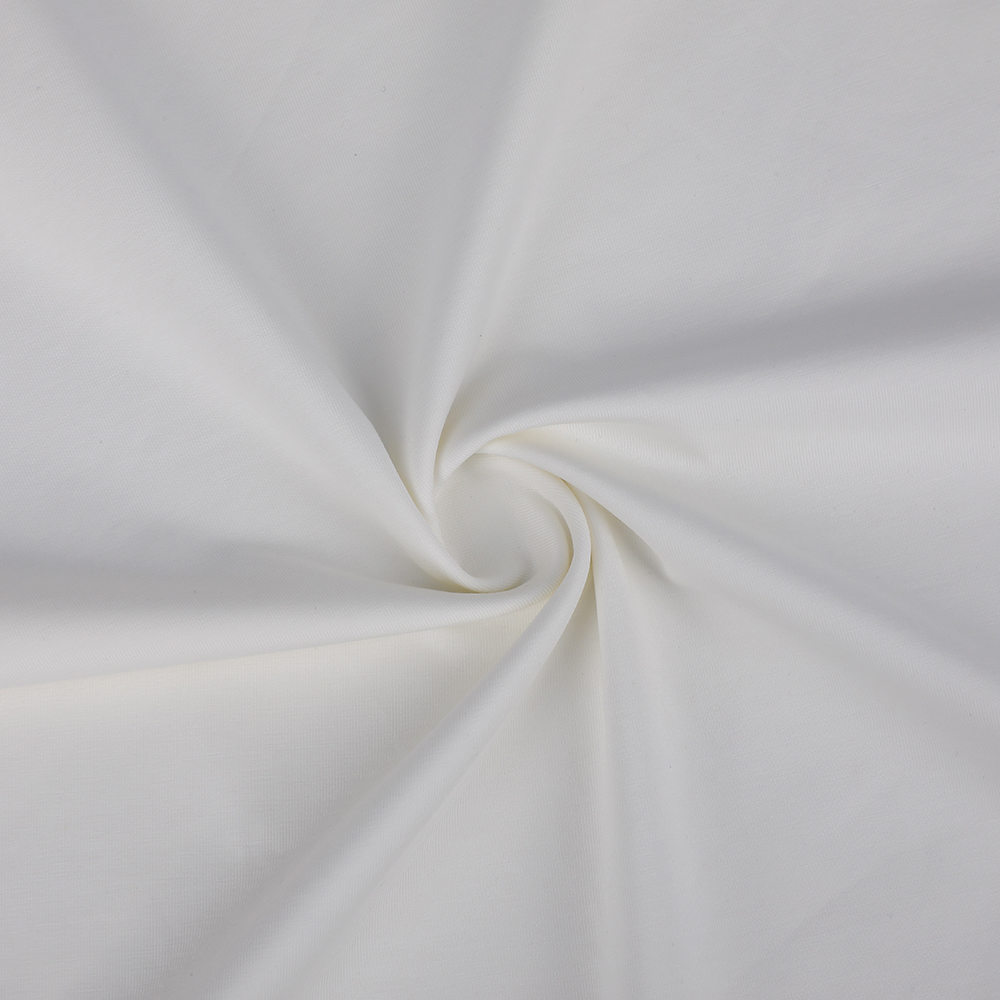
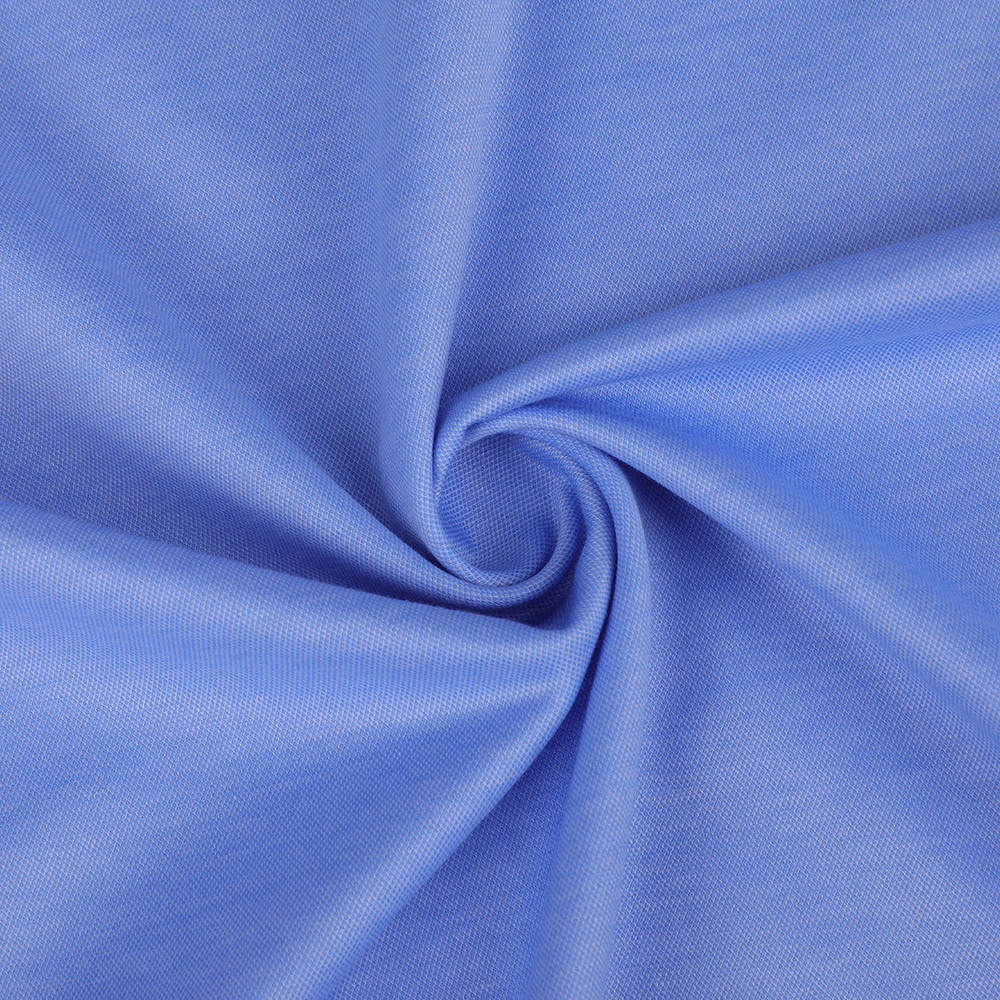
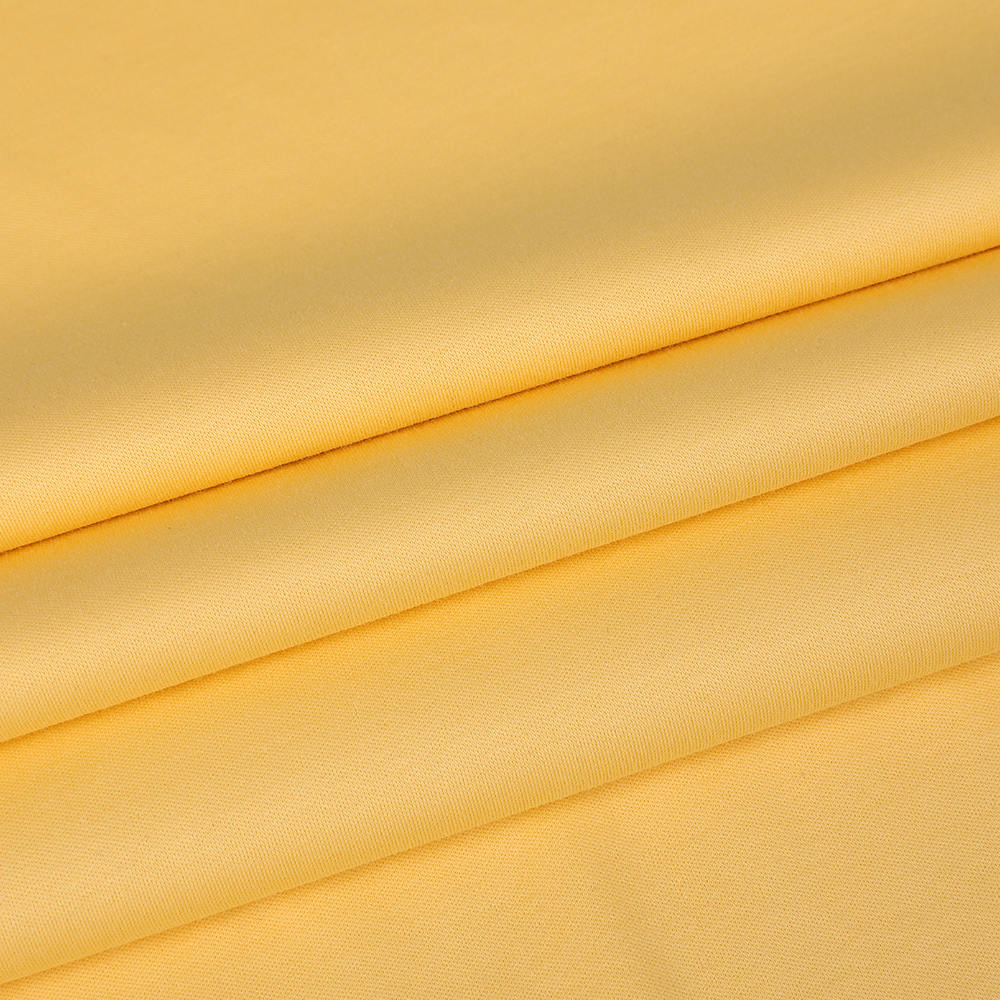 Cotton Interlock Fabric for Women's DressesThis double-sided cotton knit offers breathability and eco-friendly production. Its interlock structure supports recovery, making it suitable for fitted dress designs.View Product →
Critical specification: For a fitted dress, demand a recovery rate of at least 92% after 30 minutes of stretch. This is the threshold that separates a dress that fits all day from one that sags by lunch.
Knit Structures and What They Mean for a Dress
The structure of the knit changes the way a dress behaves. Here is how the main knitted structures used in dresses compare.
| Structure | Key Characteristics | Best Used For | Typical Weight Range |
| Jersey | Single knit, soft drape, moderate stretch | Loose casual dresses, wrap styles | 120-180 gsm |
| Interlock | Double knit, smooth surface, good recovery | Fitted sheath and bodycon styles | 150-220 gsm |
| Rib | Vertical stretch lines, high elasticity | Body-hugging dress styles | 140-200 gsm |
| Ponte / Roma | Double knit, firm, no edge curl | Tailored and structured dresses | 200-300 gsm |
| Jacquard | Patterned structure, added body | Statement, cocoon and shift dresses | 180-280 gsm |
These ranges are a starting point. What they tell you is that the weight and structure must match the design. A 250 gsm ponte will give a clean, structured line, while a 140 gsm jersey will fall loosely and need a different cut. If you are working with a new silhouette, the most efficient path is to pick two or three structures that match the shape, and sample them side by side before committing.
For a detailed breakdown of how to match weight to women's knit clothing, see our weight selection guide for women's clothing knit fabric.
Single Knit (Jersey)
- Lighter drape, more fluid
- Lower recovery, can grow with wear
- Better for relaxed, unlined styles
- Typically more breathable
Double Knit (Interlock / Ponte)
- Firmer hand, holds shape
- Higher recovery, resists bagging
- Better for fitted, structured styles
- No curl at cut edges
Fiber Blends and How They Affect Dress Performance
The fiber blend is where you decide how the dress feels, how it hangs, and how it survives washing. Pure cotton knits are breathable and soft, but they can crease and lose shape over time. Cotton and spandex blends improve recovery but can feel synthetic if the spandex share is too high. Silk and cotton blends bring luster and a cooler touch, and when treated with the right finish, can be machine washed. Wool blends give warmth without the bulk and are suitable for autumn and winter dresses.
Key blend insight: A cotton-modal-wool blend gives you the softness of cotton, the drape of modal, and the warmth of wool—all in a single knit. This combination is increasingly used for transition-season dresses that sell across multiple markets.
| Blend | Main Advantages | Watch Out For | Good Dress Types |
| 100% cotton | Breathable, soft, natural hand | Creases, moderate recovery | Summer sundresses |
| Cotton + spandex | Better fit recovery, body-hugging | Too much spandex can feel synthetic | Bodycon, fitted styles |
| Silk + cotton | Luster, drape, cooler touch | Higher cost, needs careful care | Evening, summer dresses |
| Cotton + modal + wool | Warm, soft, good drape | Gentle machine care needed | Autumn / winter dresses |
| Wool + nylon | Warm, durable, easy care | Temperature and wash sensitivity | Winter knit dresses |
A supplier that carries multiple blends can help you move the design from one season to the next without starting from scratch. That is a practical advantage when you already have a proven silhouette and simply need a different hand or weight.
Specifications to Give Your Fabric Supplier
Three numbers matter most when you source a knit fabric for dresses: weight, spandex percentage, and shrinkage tolerance. Weight determines drape. A 140 gsm jersey is light and fluid; a 280 gsm ponte holds a tailored line. Spandex percentage drives fit. Shrinkage tolerance should be no more than 3 percent after standard wash cycles; finishing treatments like liquid ammonia keep shrinkage inside that window.
When you send a brief to a supplier, include these three numbers plus a description of the intended dress style. Also mention the color fastness requirement. If the fabric will be washed at 30°C, put that in the brief. If the finish should be anti-pilling for the inner face of the dress, put that in the brief. Every detail you give at the start reduces the chance of a later dispute about who did not say what.
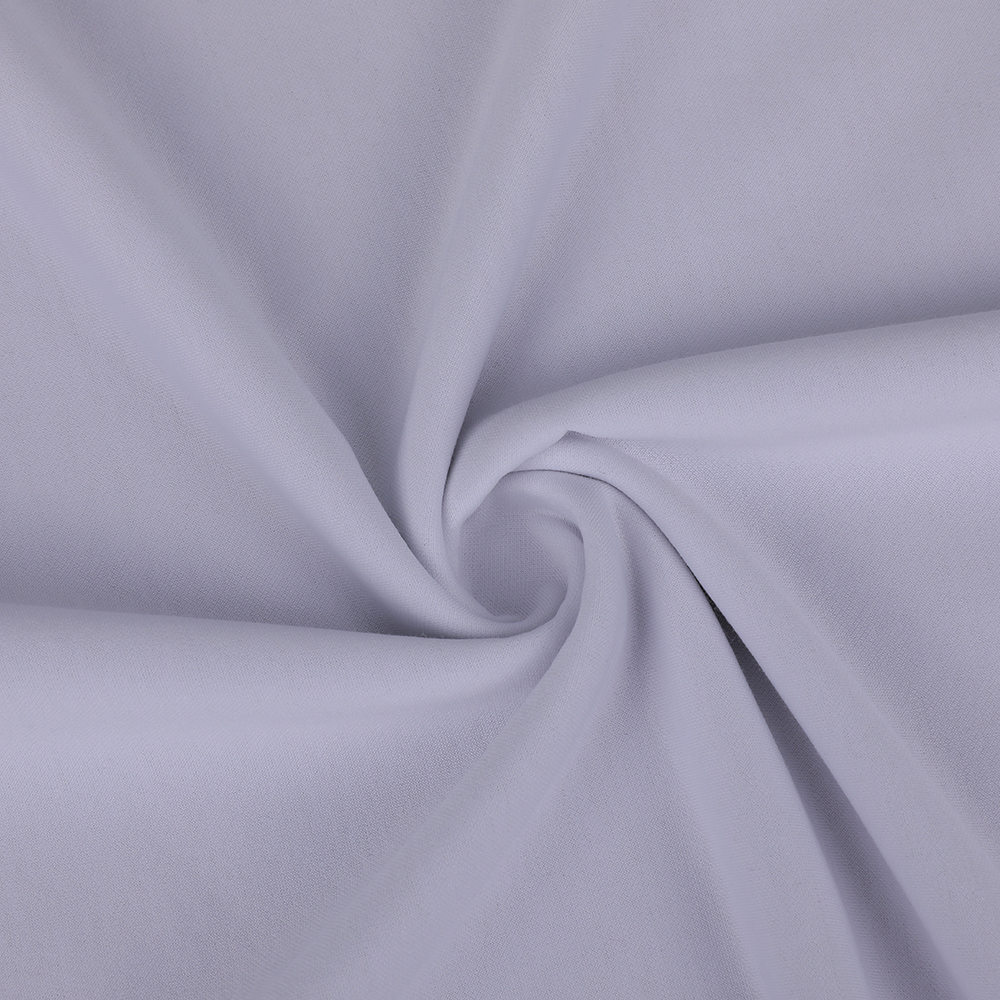
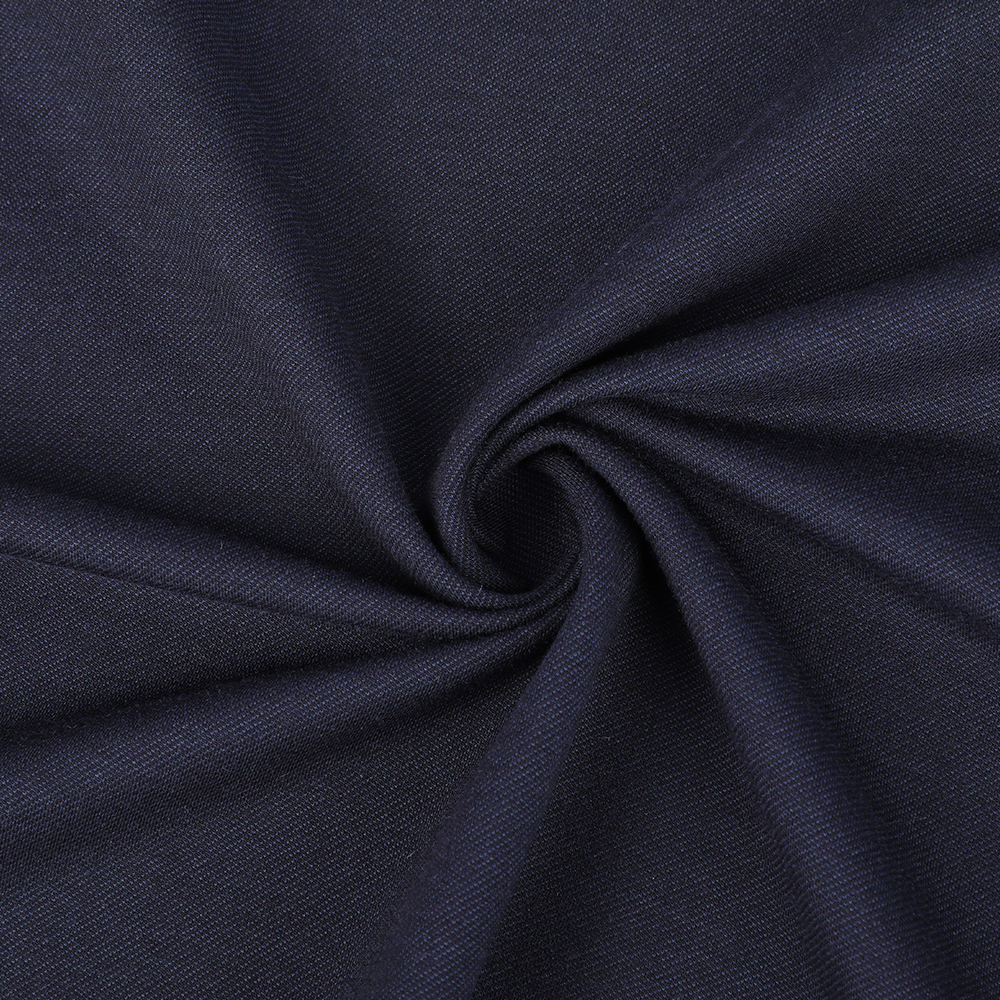
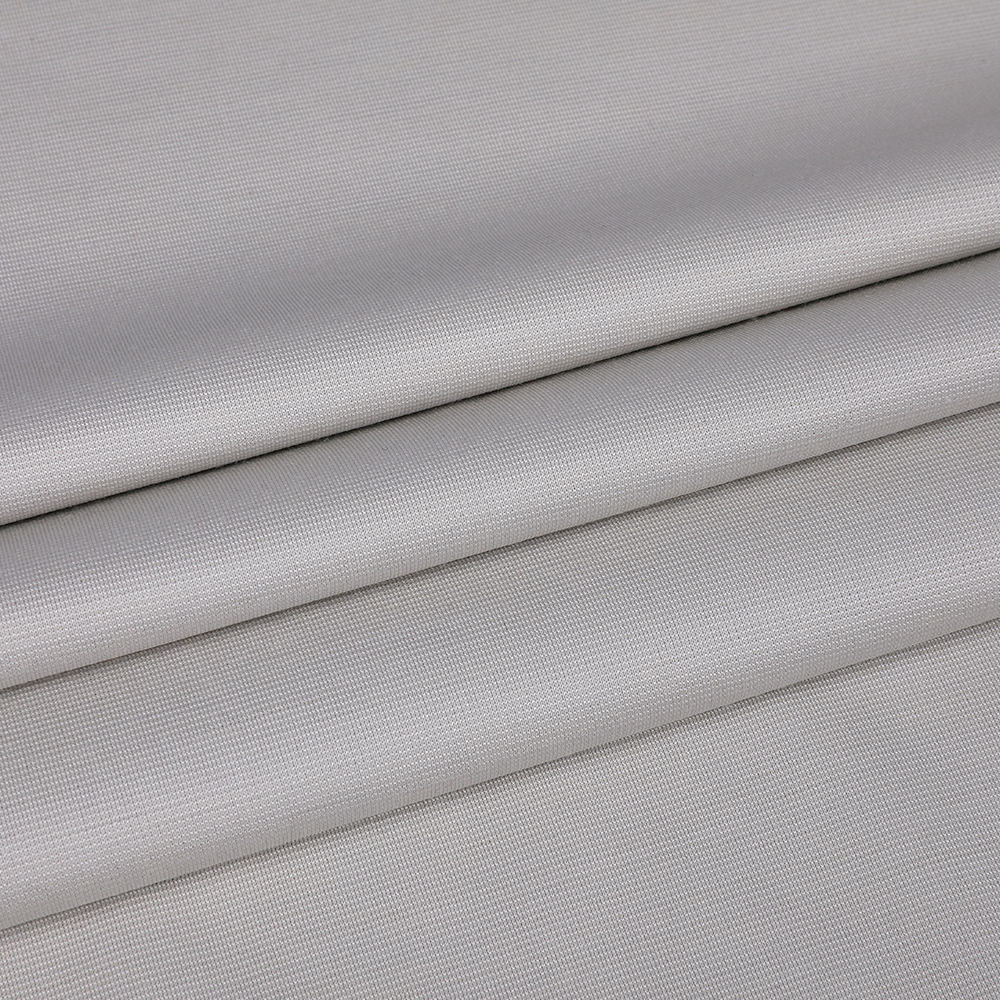 Silk-Wool Ponte Knit Fabric with RecoveryA blend of silk and shrink-proof wool with Ponte knitting provides elasticity and durability. Ideal for dresses requiring shape retention and comfort.View Product →
Finishing Treatments and What They Change
Finishing is the part of fabric development that is easiest to overlook and hardest to fix later. Liquid ammonia treatment, for example, modifies the fiber structure so that cotton becomes smoother, more wrinkle-resistant, and more dimensionally stable. For dress production, this means a wearer can sit for an hour and stand up without the dress looking crumpled. Easy-care finishing also simplifies the care label, which consumers appreciate.
Shrinkage control is the other finishing benefit worth specifying. If your dress is a size 40 chest in the bulk run, you want it to stay around a size 40 after the customer washes it. The best way to confirm this is to request shrinkage test data from the supplied fabric, not to assume the finish will hold. Beyond shrinkage, consider pilling, which happens when knitted fibers rub against each other and create small balls on the surface. A smooth interlock with a tight gauge generally pills less than a loose single jersey. If the dress is a fitted style with a lot of movement, ask the supplier which pilling rating their fabric achieves under the standard Martindale test.
Finish checklist for dress knits: Liquid ammonia for wrinkle resistance | Shrinkage control to ≤3% | Anti-pilling (Martindale ≥3) | Color fastness to washing ≥4 | Softener for hand feel (optional depending on blend)
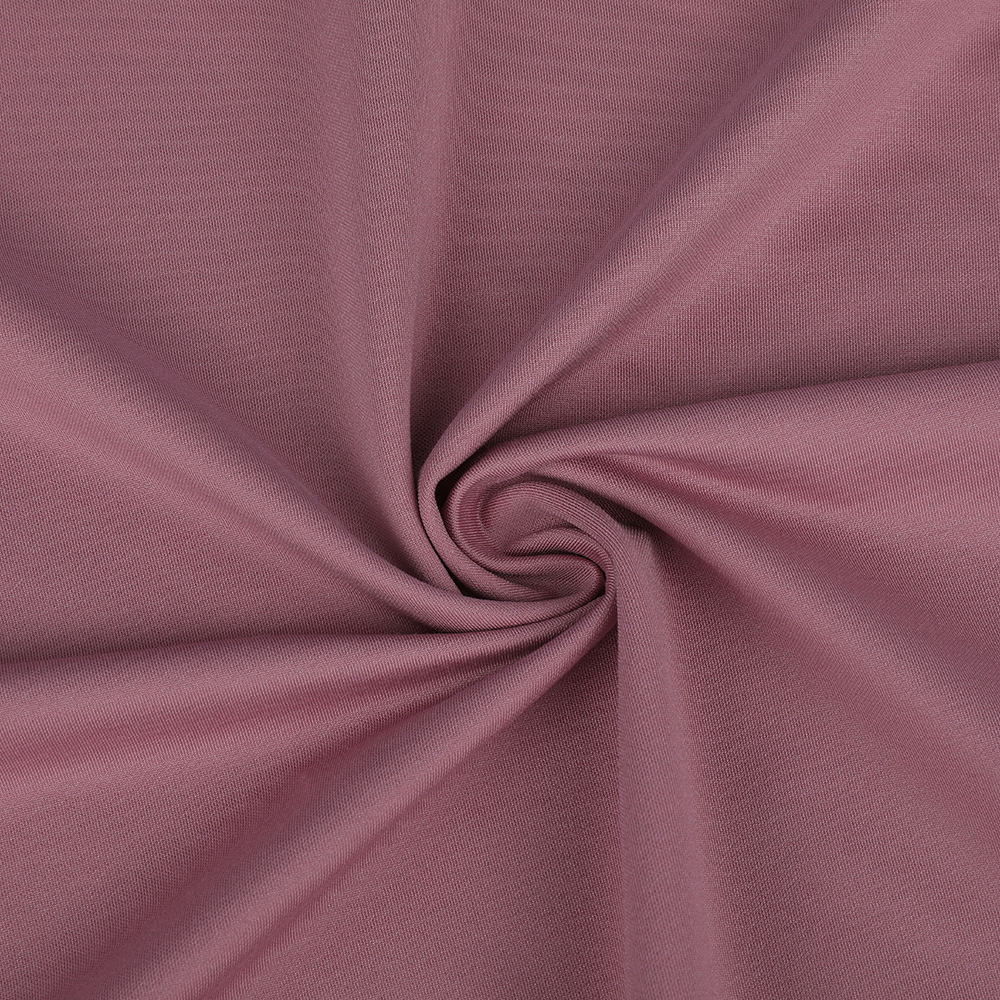
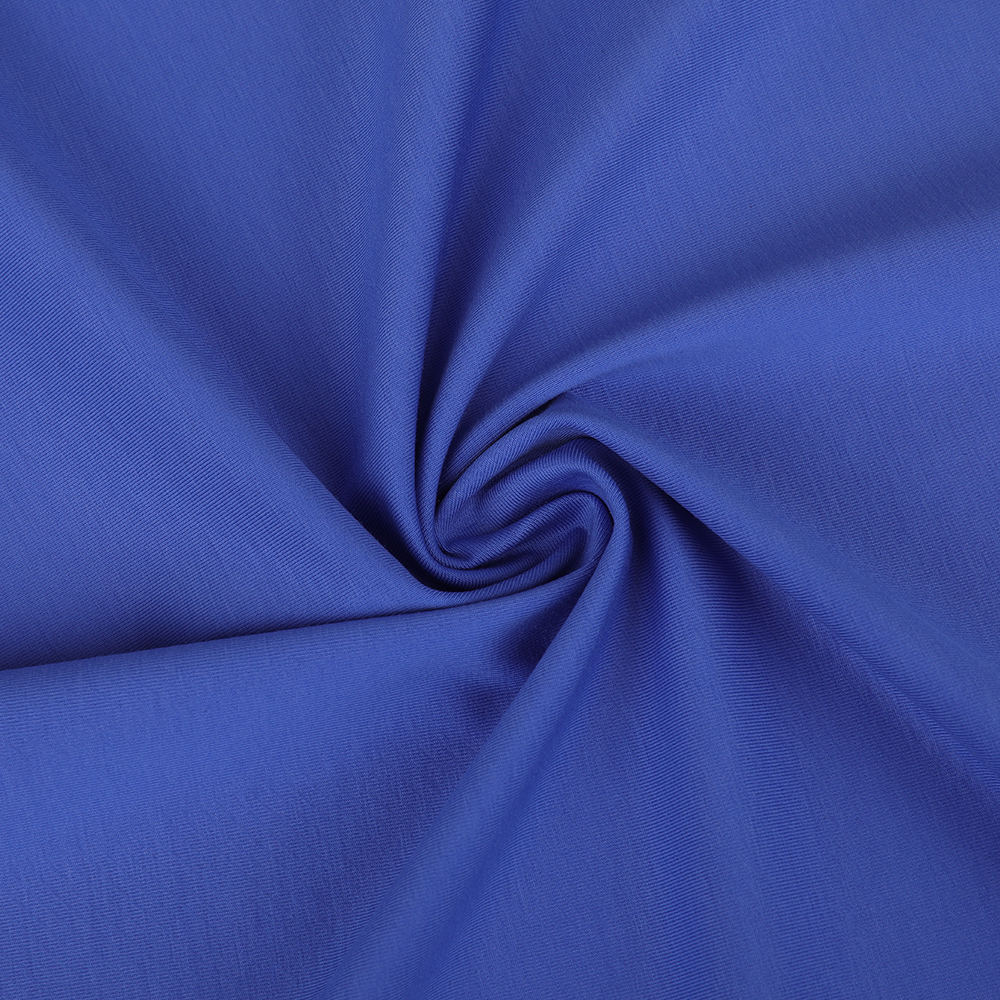
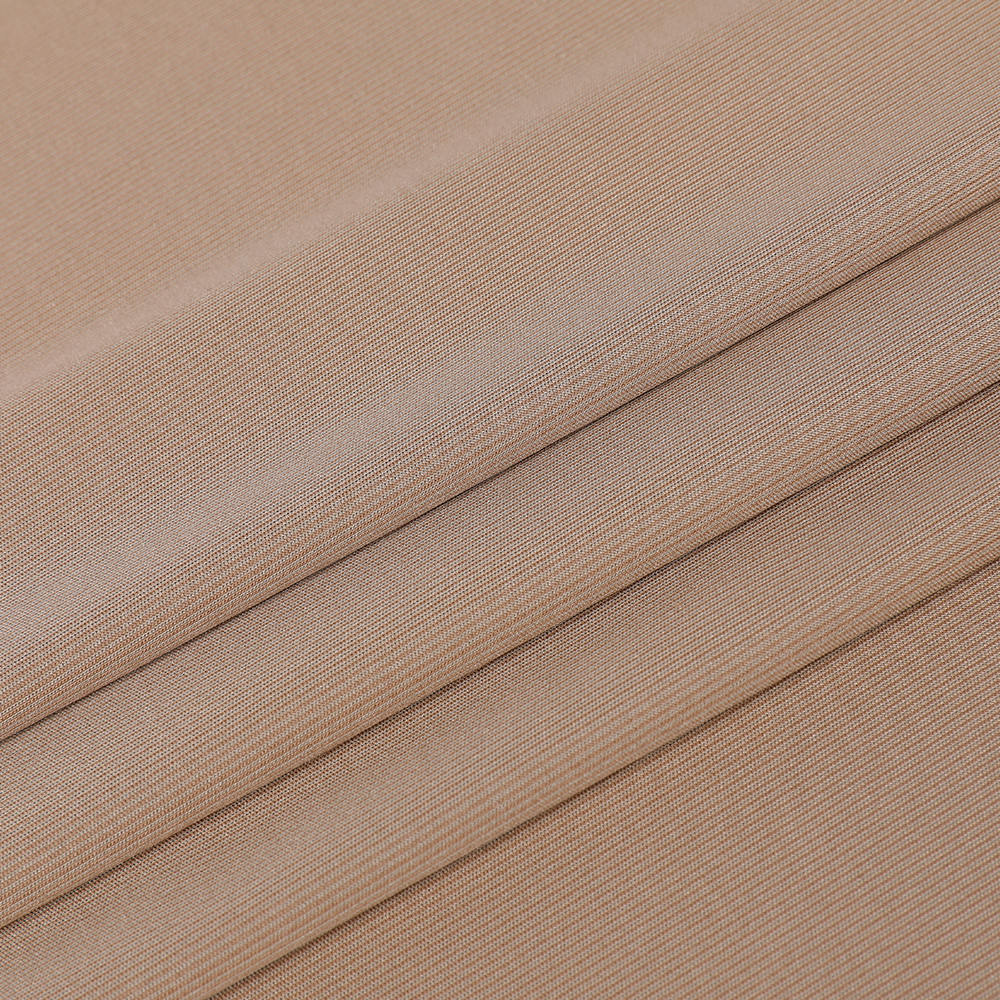 Silk-Spandex Interlock for Washable DressesThis double-knit fabric combines silk and spandex for stretch, breathability, and machine-washability. Its tight structure minimizes pilling, supporting dress fit.View Product →
Sampling and Validation Before Bulk Orders
Sampling is the cheapest insurance you can buy in dress manufacturing. Ask for a color strike-off of every planned shade, a wash test for shrinkage and color fastness, and stretch-recovery measurements after washing. Request the supplier's third-party certificates if available. A few weeks spent in sampling saves you from a bulk run that fails fit or finish after the first wash.
By the time you move to bulk, you should have data on every fabric you planned to cut. The supplier who can share that data easily is the supplier worth keeping in your sourcing shortlist. Once you have that data, you can move into bulk with confidence. The dress may change seasons, colors, or silhouettes, but the sourcing decision becomes repeatable.
Choosing a knit fabric for dresses is ultimately about matching the structure, blend, weight, and finish to the design. When those four factors are clear, the fabric supports the dress from the first sample to the final production run.