
 English
 日本語
日本語 中文简体
中文简体
Content
- 1 What Defines Merino Wool Knit Fabric
- 2 Key Performance Specifications to Evaluate
- 3 Applications Across Apparel Categories
- 4 Evaluating Supplier Quality and Sourcing Risk
- 5 Cost and Production Considerations
- 6 Care and Maintenance of Merino Wool Knit Garments
- 7 Integrating Merino Wool Knit Fabric Into Your Product Development
Merino wool knit fabric delivers the softness, breathability, and thermal regulation that premium apparel brands need, but only when the right micron count, weight, and finishing are specified. The mistake most garment buyers make is treating merino wool knit as a standard wool product. It is not. The fiber diameter, the yarn structure, and the knit construction all have to be selected together to achieve the desired garment performance. This guide explains what those specifications mean, where the sourcing risks are, and how to evaluate a supplier that can produce merino wool knit fabric at consistent quality.
What Defines Merino Wool Knit Fabric
Merino wool comes from Merino sheep, a breed that produces some of the finest wool fibers in the world. The average fiber diameter for merino wool typically falls between 15 and 24 microns, while standard wool can reach 30 microns or higher. Finer fibers bend more easily against the skin, which is why merino feels soft rather than itchy.
When this fiber is knitted rather than woven, other properties come into play. A knitted structure loops yarns together, which gives the fabric natural stretch and recovery. A merino wool knit fabric can stretch with the wearer and return to its original shape, making it a strong choice for garments that need to move. This is one of the main reasons merino wool knit fabric is used in performance apparel, sportswear, and base layers.
The crimp of the merino fiber also creates air pockets in the fabric. These air pockets trap warmth without adding much weight, which allows a merino wool knit fabric to provide insulation while remaining lightweight and breathable. For a garment designer, this means you do not need a thick, bulky knit to create a warm product.
Critical definition: Merino wool knit fabric is a knitted textile made from wool fibers with a diameter of 24 microns or less. The combination of fine fiber diameter and looped knit construction is what separates it from standard wool fabrics in both hand feel and garment performance.
Key Performance Specifications to Evaluate
When you receive a merino wool knit fabric sample, the first thing to check is the spec sheet. You need to understand how the fiber diameter, fabric weight, composition, shrinkage control, and stretch recovery interact with one another.
| Specification | Typical Range | Impact on the Finished Garment |
| Fiber diameter (micron) | 17-23 microns | Lower micron means softer hand feel and fewer irritation issues |
| Fabric weight (GSM) | 180-400 gsm | Lightweight for base layers and T-shirts; heavy weight for sweaters |
| Fiber composition | 100% merino or merino blends | Blends with nylon or polyester improve durability and reduce cost |
| Shrinkage after wash | 0-3% | Higher shrinkage alters garment fit and increases return rates |
| Stretch and recovery | 15-30% stretch, high recovery | Essential for performance styles and form-fitting silhouettes |
One of the most important but often overlooked factors is the shrinkproofing treatment. Merino wool that is not treated to resist felting can shrink significantly when washed. For garments that are labeled machine washable, the supplier must apply a finishing process or use a merino blend that controls shrinkage. A credible supplier should be able to provide a laboratory test report showing shrinkage values after multiple wash cycles.
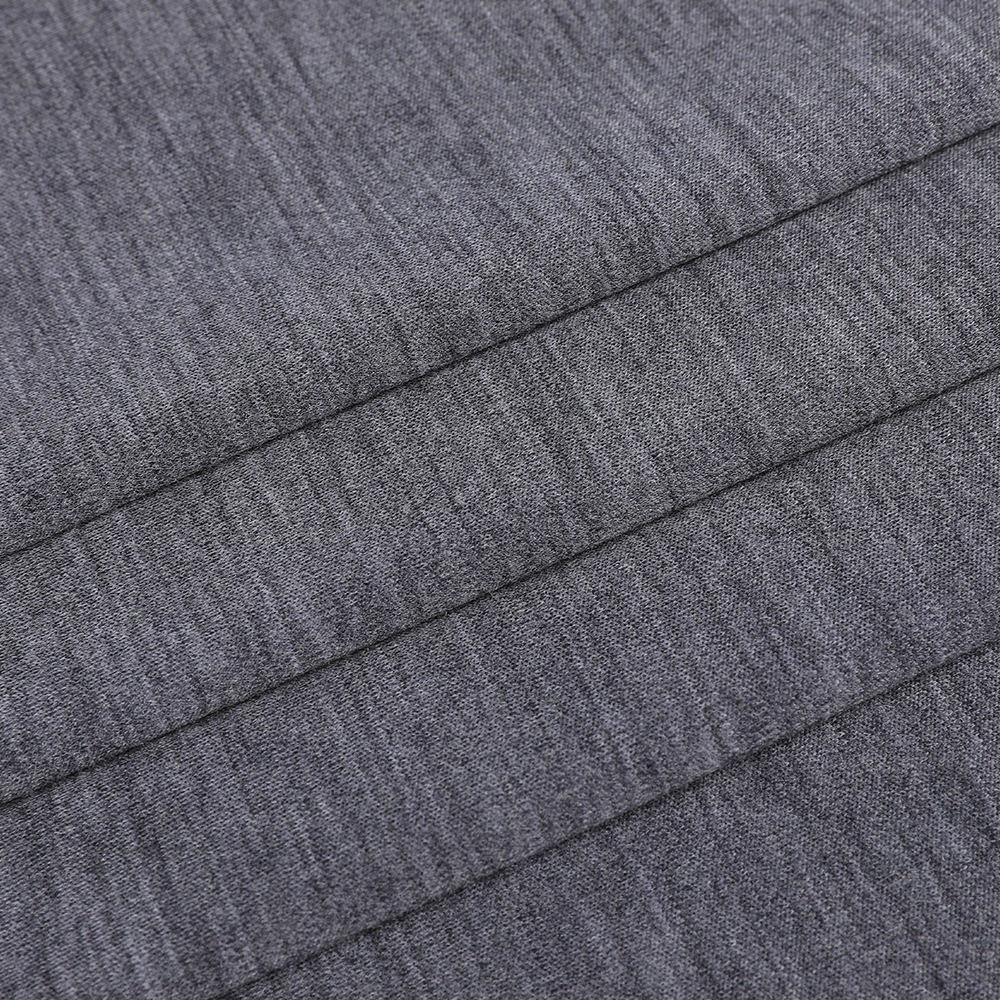 Shrink-proof Double-sided Wool Knit Fabric for Machine Washable GarmentsThis eco-friendly interlock wool fabric features a double-sided design with special finishing to prevent shrinkage, ensuring garments retain shape and size through repeated washing while offering warmth and comfort.View Product →
Applications Across Apparel Categories
The versatility of merino wool knit fabric has made it a fixture in many clothing categories, from activewear to premium casual wear.
Base Layers and Performance Wear
- Outdoor brands rely on merino for moisture vapor absorption
- Lightweight knits at 180-220 gsm are standard
- Natural antimicrobial properties reduce odor
- Used for hiking, running, and ski base layers
Mid-Layer and Outdoor Apparel
- Heavier knits at 350-400 gsm
- Used for cardigans, sweaters, casual outer layers
- Blends with polyester or nylon improve abrasion resistance
- Retains softness and warmth while adding durability
Men's and Women's Fashion Knits
In the fashion market, merino wool knit fabric is valued for its refined appearance and comfortable drape. Interlock and jacquard knit structures can be produced with fine merino yarn to create smooth, polished surfaces suitable for dresses, knit shirts, and elevated knitwear. An interlock knit has a compact structure that resists snagging, making it a reliable choice for garments that receive regular wear.
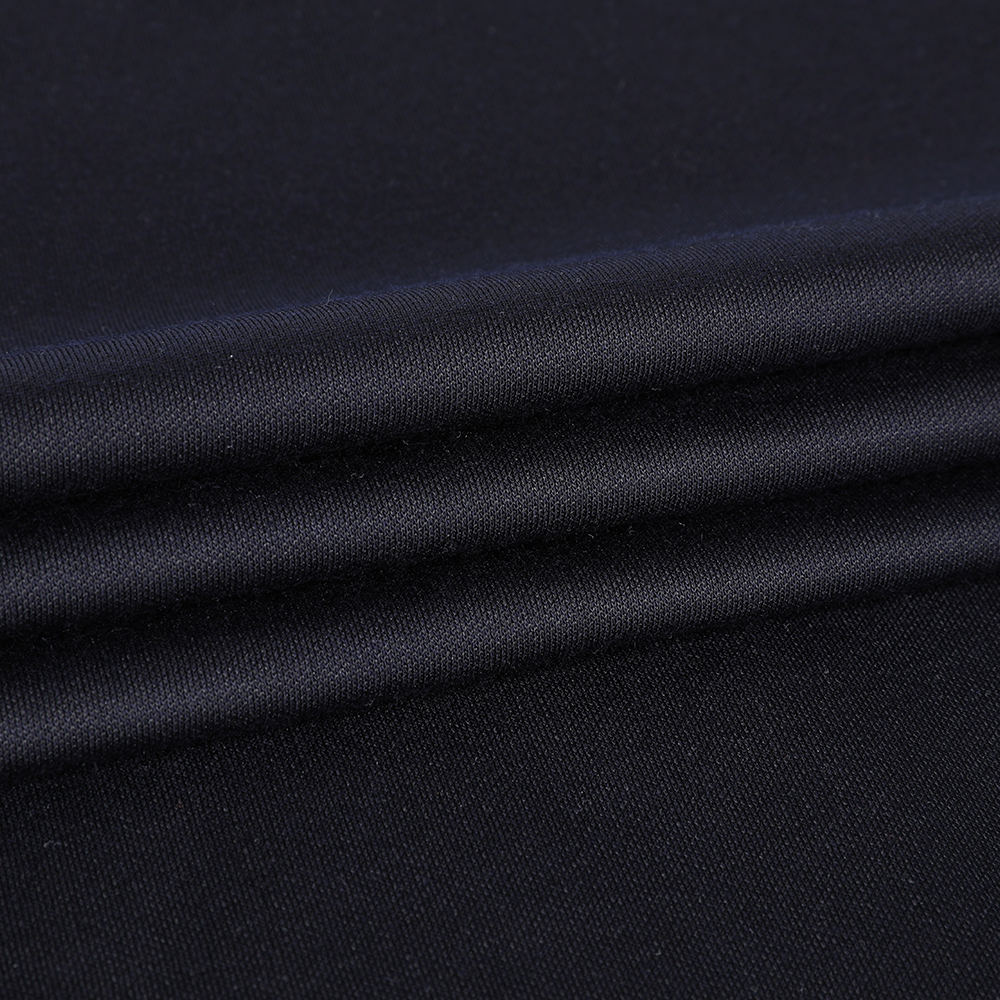 Jacquard Wool Blend Fabric with Polyester for Enhanced DurabilityCombining wool with polyester and Tencel, this jacquard knit offers visual texture, anti-wrinkle performance, and durability, making it suitable for comfortable, long-lasting garments that resist deformation.View Product →
Evaluating Supplier Quality and Sourcing Risk
Not all merino wool knit fabric is the same. The quality of the final garment depends heavily on the raw fiber quality and the supplier's knitting and finishing capabilities. Before selecting a supplier, verify these three things:
- Fiber sourcing: Does the supplier know the micron of the merino used? Coarser merino will feel scratchier.
- Finishing capability: Can the supplier apply shrinkproofing and other treatments in a controlled way?
- Testing and transparency: Can the supplier provide test data for shrinkage, pilling, and tensile strength?
Supplier red flag: A supplier that cannot tell you the micron count of their merino or does not have shrinkage test data is asking you to carry the risk. Walk away and find one that can show you the numbers.
Pilling is a common failure point for merino wool knit fabric. Pilling happens when short fibers migrate to the surface and form small balls. Longer fibers pill less, but you cannot see fiber length on a sample. Ask the supplier directly about their fiber selection process and any anti-pilling treatments they apply.
Another important risk is the contribution of the blending partner. A wool and cashmere blended knitted fabric offers a different cost-performance balance than a pure merino product. Understanding these material differences helps in making a more informed purchasing decision.
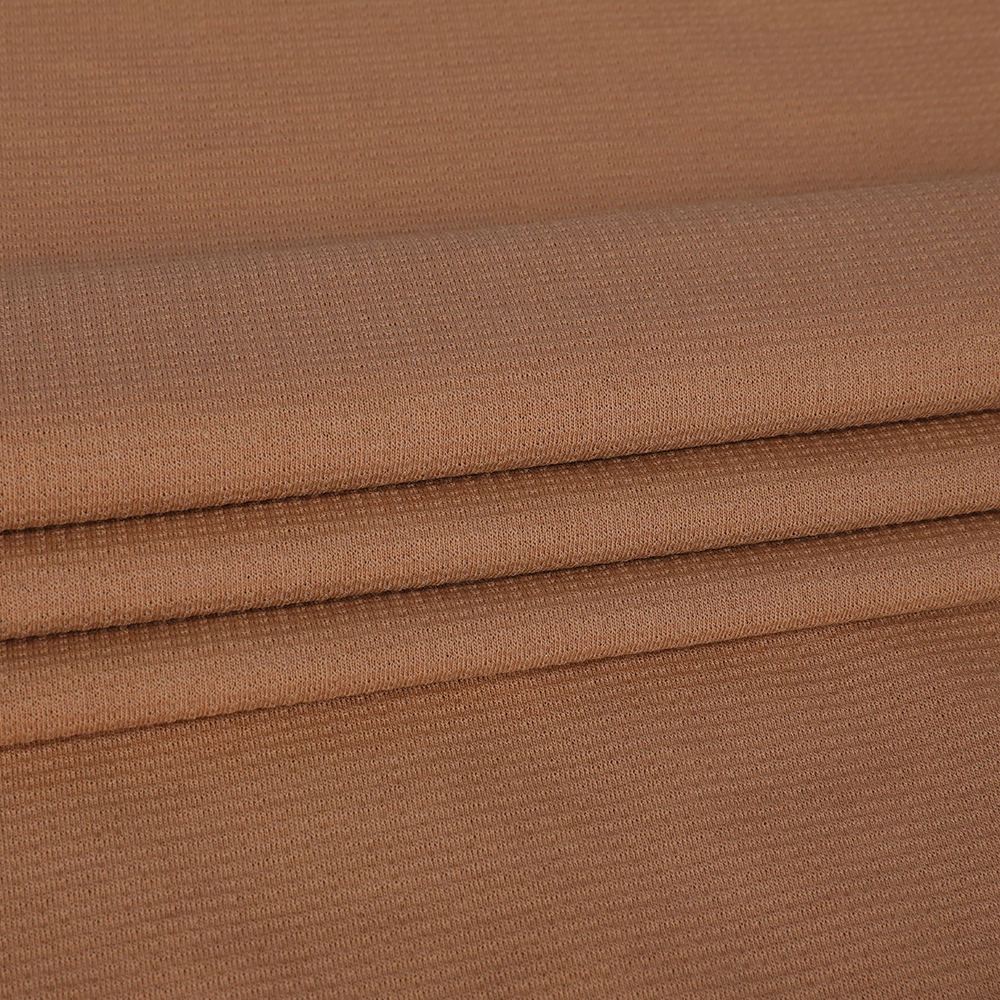 Single-sided Jacquard Wool Fabric for Fashionable Temperature RegulationThis lightweight jacquard wool fabric regulates body temperature, provides warmth without stuffiness, and features diverse patterns. Its elasticity and recovery ensure garments maintain shape and comfort, ideal for high-end apparel.View Product →
Cost and Production Considerations
Merino wool knit fabric is more expensive than cotton or polyester knits. Fine merino fiber commands a premium at the raw material level, and the knitting process demands tighter quality control. However, cost per meter is not the only metric that matters. Merino wool knit fabric can support a higher retail price because of its natural performance properties, and it can reduce the need for synthetic layers that add production complexity and material cost.
When comparing quotations, ask each supplier for a full specification breakdown. Include the yarn count, knit structure, fabric weight, finish type, and expected shrinkage tolerance. This will allow you to compare prices on a like-for-like basis. A fabric that looks cheaper on the quote might have a higher micron count or a less durable knit structure, which will create problems downstream.
Minimum order quantity is another consideration. Many merino wool knit suppliers have a higher MOQ for fine yarns because of the production setup required. If you need a small initial trial, discuss the sampling options with the supplier. A good supplier will provide a fabric swatch and a small run for testing before you commit to a full production order.
Cost checklist for merino wool knit sourcing: Micron count (lower = more expensive) | Weight in GSM | Shrinkproofing treatment | Anti-pilling finish | Blend ratio if applicable | MOQ and lead time
Care and Maintenance of Merino Wool Knit Garments
Even with shrinkproofing, proper care extends the life of merino wool knit garments. Use cold water and a gentle cycle when machine washing. A mild detergent designed for wool will help preserve the fiber structure. Never use bleach or fabric softeners, which can damage the fiber and reduce its moisture-wicking ability.
After washing, lay the garment flat to dry. Hanging a wet merino knit stretches the fabric under its own weight and can permanently alter the garment's shape. With proper care, a well-made merino wool knit garment can last for many seasons without noticeable pilling, shrinkage, or loss of shape.
Integrating Merino Wool Knit Fabric Into Your Product Development
Merino wool knit fabric works best when you define the end-use first. A base layer for winter sports requires a different composition and weight than a merino knit dress for the office. Once you have the performance objectives, work with a supplier who can show both fiber-level quality and knitting expertise. A fabric mill that understands merino wool from raw fiber to finished knit can help you avoid common quality issues and bring a better garment to market.
Choosing a merino wool knit fabric is ultimately about matching the micron count, weight, knit structure, and finish to your specific garment application. When those four factors are aligned, the fabric performs consistently from the first sample to the final bulk order.