
 English
 日本語
日本語 中文简体
中文简体
Content
- 1 What Is Pique Knit Fabric?
- 2 Pique Knit Fabric Variants and What Each One Does
- 3 Pique Knit Fabric for Polo Shirts and Business Casual
- 4 Pique Knit Fabric for Sportswear and Outdoor Wear
- 5 Pique Knit Fabric for Premium Women's Dresses
- 6 What to Check Before Sourcing Pique Knit Fabric
- 7 How Finishing Improves Pique Knit Fabric
- 8 Final Sourcing Advice
Pique knit fabric earns its place in a production line for a simple reason: it balances structure with ventilation. A polo collar needs a fabric that holds a crisp edge. An activewear shell needs a lightweight knit that will not cling after sweat. A tailored dress needs a surface that looks clean and does not snag. Pique delivers these qualities without the heaviness of a jersey or the stiffness of a woven.
What Is Pique Knit Fabric?
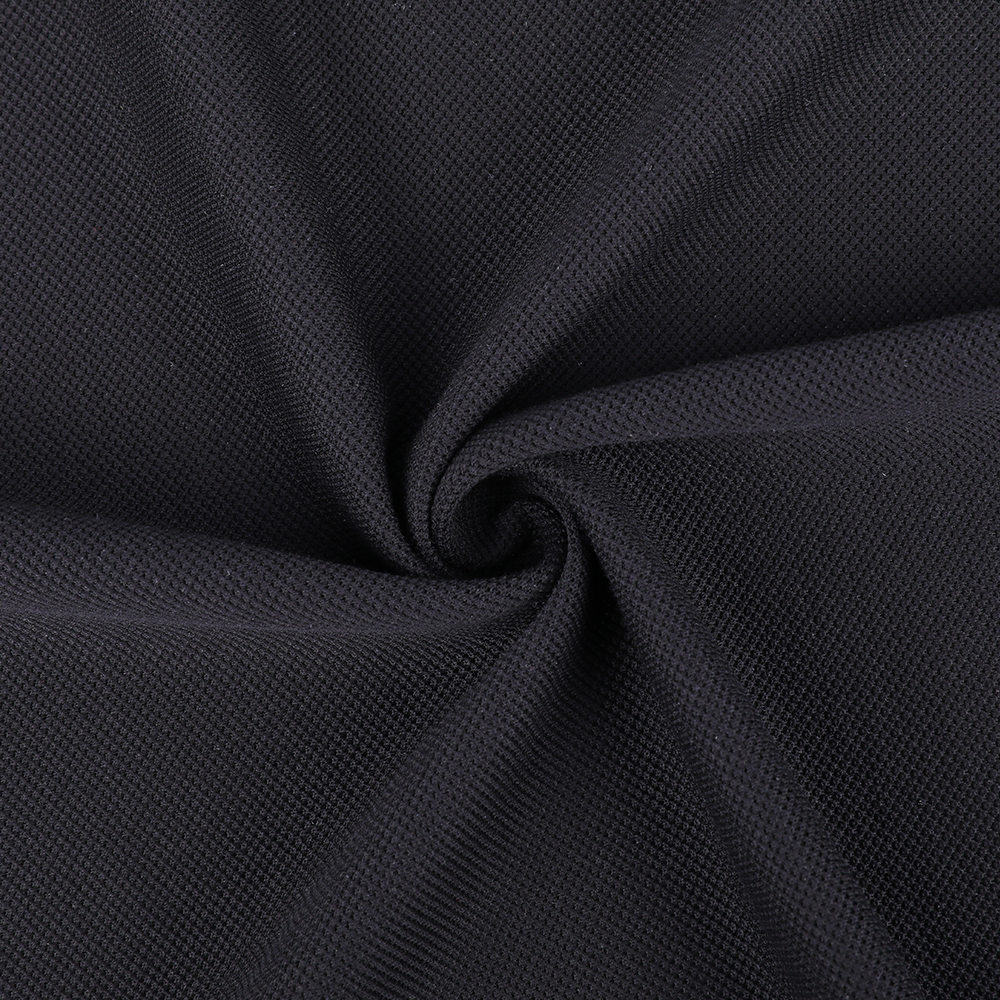
Pique is a knitted construction, not a fiber blend. It is made by transferring loops during knitting to create a raised, textured surface. The raised surface reduces direct skin contact, which helps air move through the garment. Because the fabric is knitted, it has some natural stretch, but unlike a standard jersey, pique holds its shape better.
Most pique fabrics are built on circular knitting machines. The same construction can be used for cotton, polyester, silk-cotton, wool blends, or a combination with spandex. This is why pique is a structure, not a single product.
Critical definition: Pique knit fabric is a knitted textile with a raised, textured surface created by loop transfer during the knitting process. The texture reduces skin contact, improves airflow, and gives the fabric a structured hand that holds its shape better than a standard jersey.
Pique Knit Fabric Variants and What Each One Does
The construction alone does not decide performance. The yarn, weight, and finishing step do. A lightweight silk-cotton pique behaves differently from a dense polyester double pique, even if they share the same basic texture.
| Structure | Typical Composition | Common Weight | End Use |
| Single pique | Cotton, cotton-spandex | 170-220 gsm | Polo shirts, T-shirts |
| Double pique | Polyester, cotton-polyester | 190-260 gsm | Sportswear, outdoor activewear |
| Liquid ammonia pique mesh | Supima cotton, sea island cotton | 160-210 gsm | Premium polo, business casual |
| Silk-cotton pique | Mulberry silk, cotton | 140-190 gsm | Luxury dresses, blouses |
Cotton pique
Cotton pique is the classic choice for polo shirts and casual business wear. It has a dry hand, and the texture prevents the fabric from sticking to the skin. Add spandex and you get better recovery after movement. A liquid ammonia finish brings the fabric closer to a compact, smooth surface while keeping the pique pattern sharp.
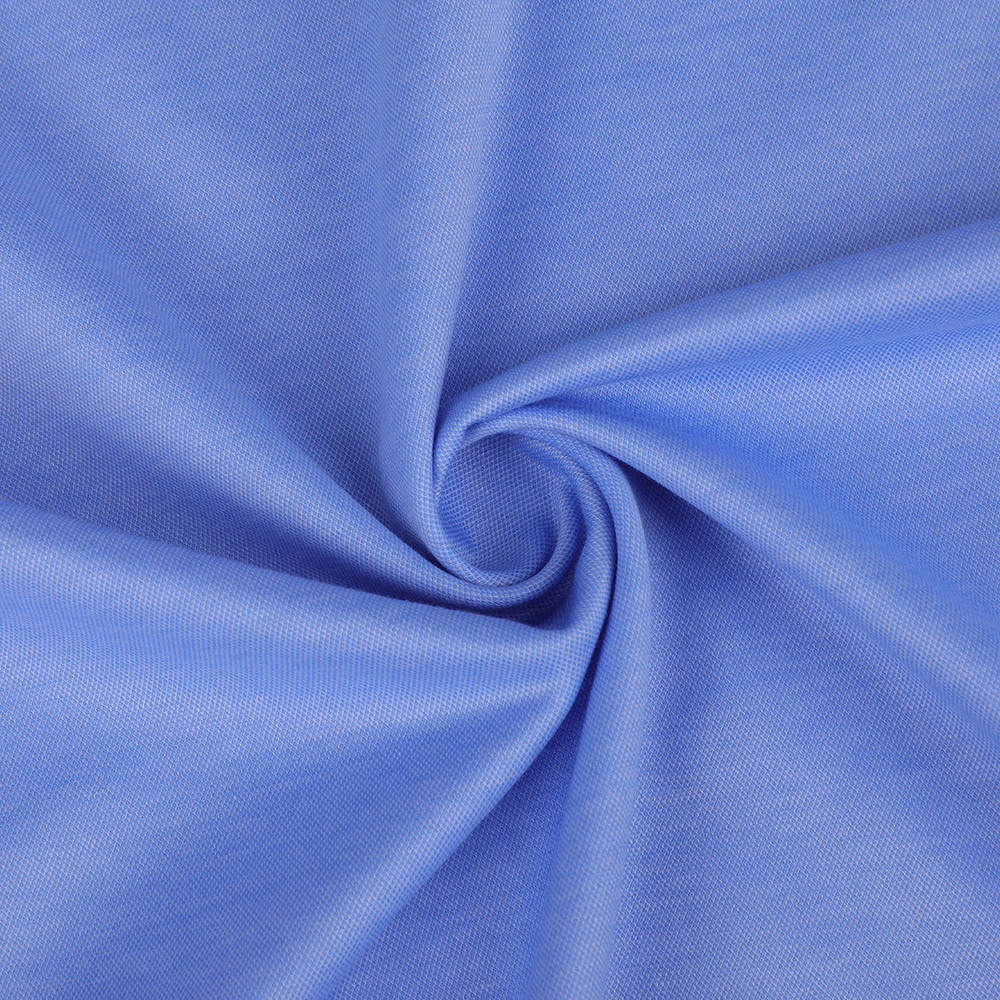
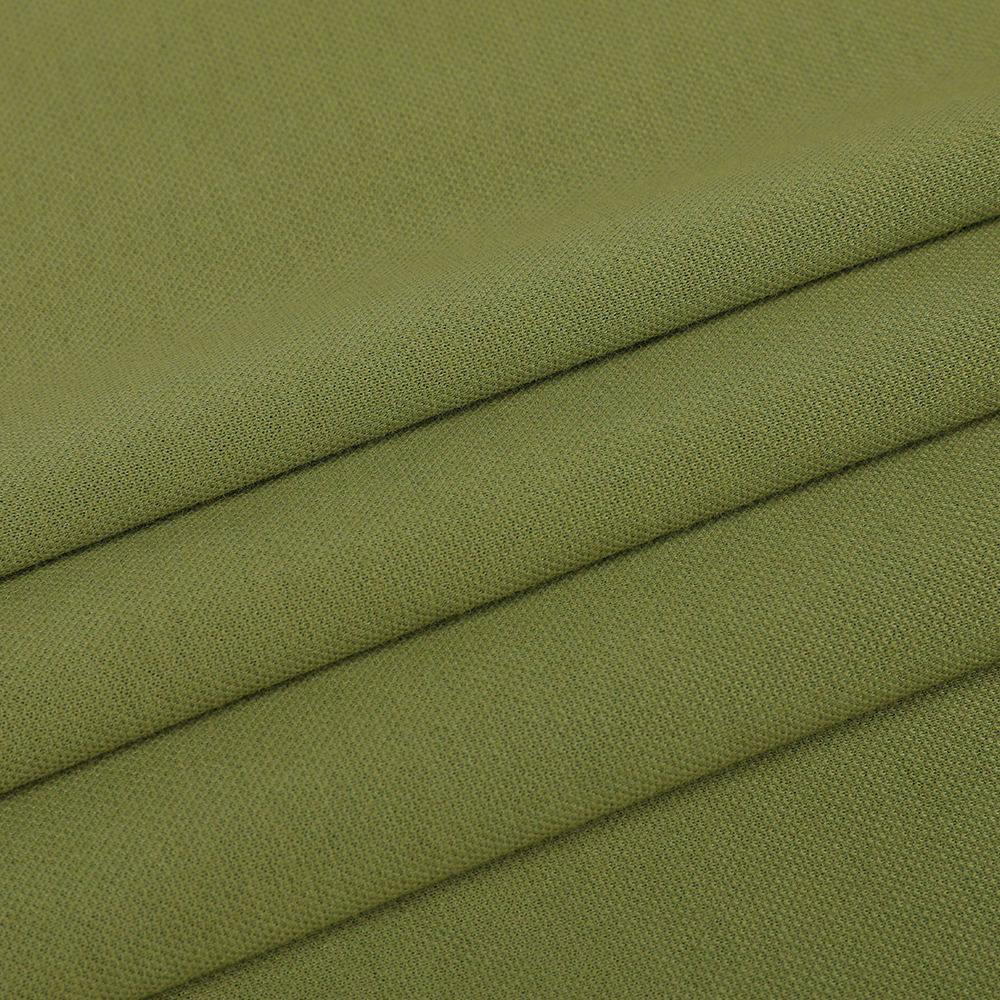 Breathable Supima Cotton Pique Mesh with Liquid Ammonia Finish for Polo ShirtsThis Supima cotton pique mesh fabric offers superior breathability and a smooth, skin-friendly hand. The liquid ammonia treatment enhances elasticity and recovery, making it ideal for high-end polo shirts and casual business wear.View Product →
Single Pique
- Lighter weight, more breathable
- Softer hand, better drape
- Preferred for polos and casual tops
- Often blended with spandex for recovery
Double Pique
- Denser structure, more durable
- Better for outdoor and sportswear
- Higher resistance to snagging
- Can carry functional finishes (moisture-wicking, UV)
Functional polyester pique
Functional polyester pique is built for outdoor leisure sports. The double pique construction balances strength and airflow. The yarn can carry moisture-wicking, quick-drying, anti-UV, and anti-snagging properties. This makes it practical for weather conditions where a cotton pique would stay damp and heavy.
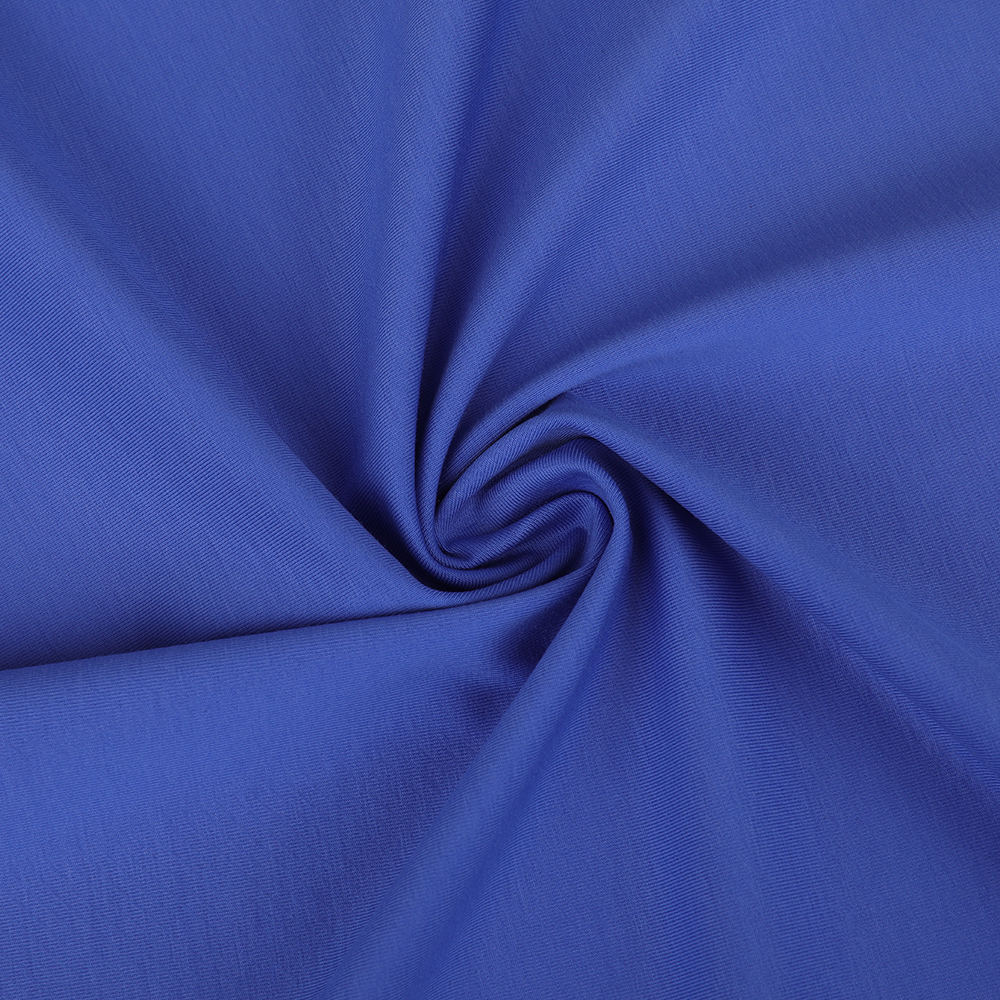
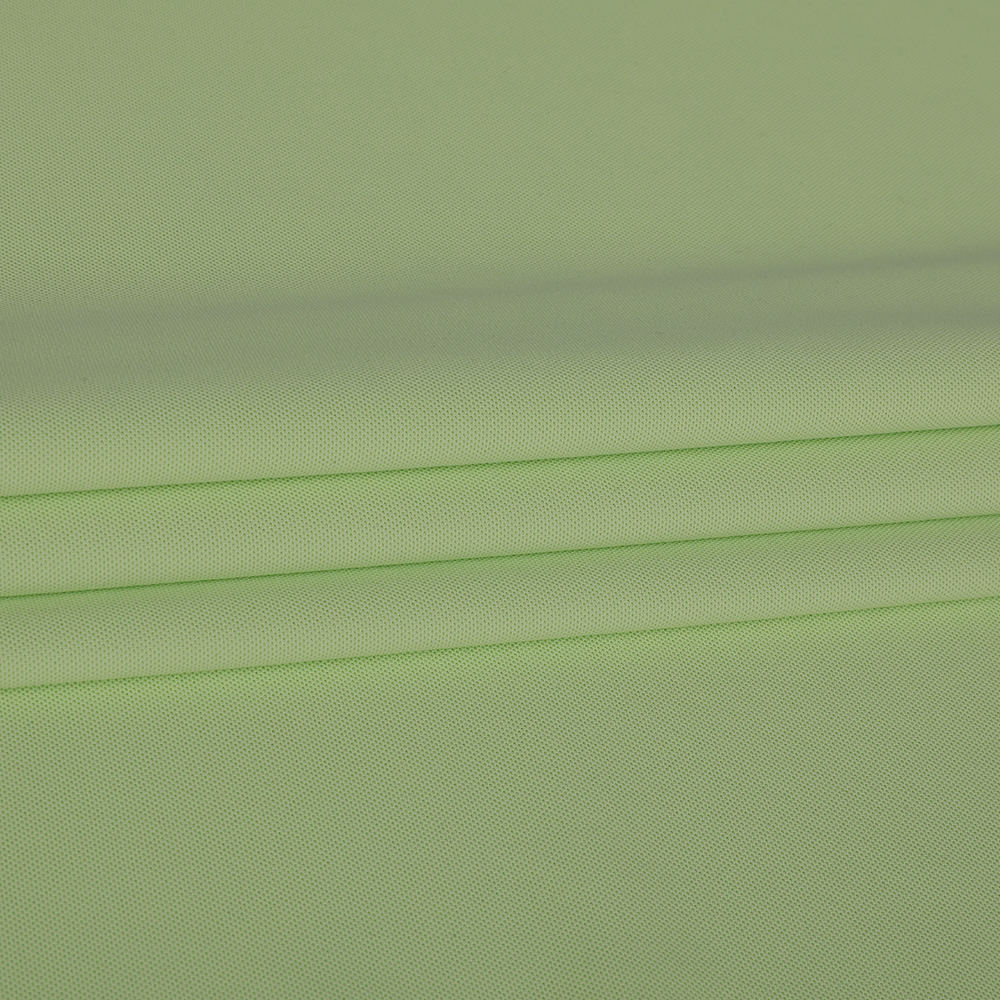 Double Pique Polyester Fabric for Outdoor Sports with Moisture Wicking and UV ProtectionDesigned for outdoor leisure activities, this double pique polyester fabric features moisture-wicking, quick-drying, and anti-UV properties. Its durable construction keeps you dry and comfortable during extended wear.View Product →
Silk-cotton pique
For premium women's dresses, silk-cotton pique uses the texture to add a subtle matte-lustre effect. The fabric drapes with body rather than clinging to the body. In a lightweight construction, it works for blouses, dress skirts, and inner-wear styles. A machine-washable mulberry silk blend can give the same fabric a modern easy-care advantage.
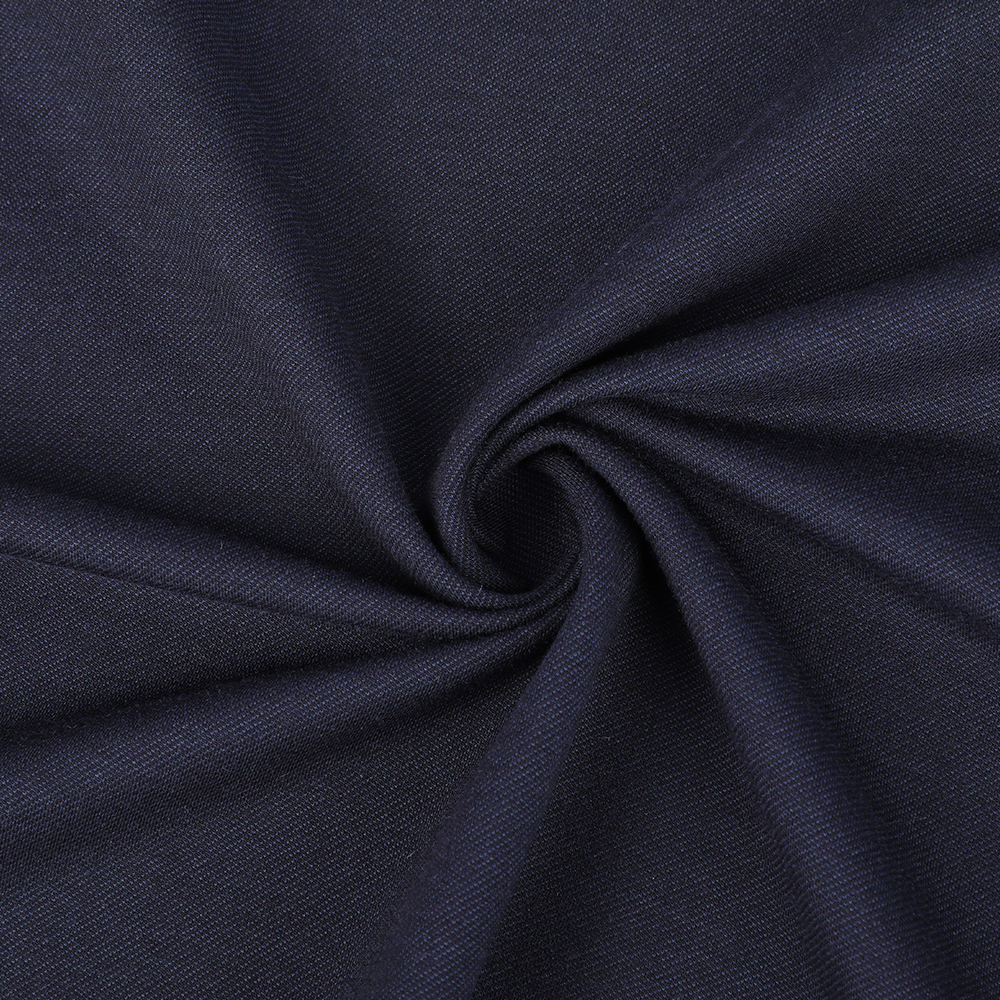
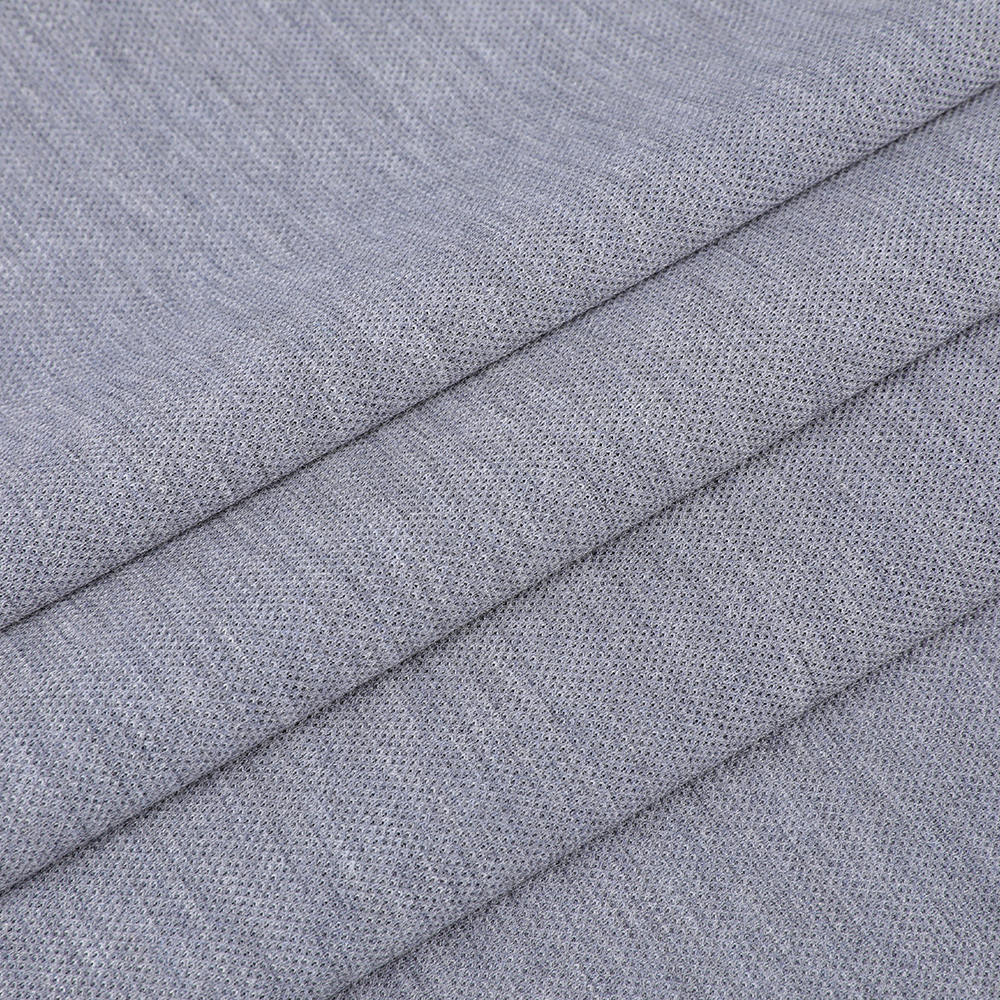 Luxurious Silk-Cotton Pique Fabric with Eco-Friendly Comfort and BreathabilityThis silk-cotton pique fabric blends natural mulberry silk with cotton, offering a soft, breathable texture with a subtle lustre. It suits premium garments like polo shirts and dresses, providing comfort and easy care.View Product →
Pique Knit Fabric for Polo Shirts and Business Casual
Polo is not the only use for pique, but the two are closely tied. The textured surface holds a collar point after repeated washing, which is a practical requirement for a polo shirt. The openness of the construction helps in warm weather, and the fabric's dryness keeps the garment from feeling clammy against the skin.
In a business-casual setting, a liquid ammonia pique mesh can look more polished than a standard jersey polo. The liquid ammonia treatment makes the surface smoother and more compact, while the pique texture remains visible. This helps the fabric read as a dressier option without losing the comfort of a knit.
Key insight: A liquid ammonia finish on cotton pique reduces shrinkage to under 3% and gives the fabric a smoother, more compact surface. This is the treatment that separates a premium polo from a standard one.
Pique Knit Fabric for Sportswear and Outdoor Wear
For activewear, the decision usually starts with moisture management and durability. A double pique made from functional polyester can handle frequent washing and exposure to sun. It resists snagging better when treated with an anti-snag finish, which is important for garments that are worn outdoors or packed into sports bags.
The lightweight nature of double pique also makes it easier to layer. You do not need a heavy fleece back to get warmth. You get a fabric that stays breathable during movement and dries quickly after exercise. That is why pique is used both in polo shirts and in training tops.
Pique Knit Fabric for Premium Women's Dresses
A dress fabric can fail in two ways: it can cling too much or collapse into wrinkles. Pique solves part of this problem with its raised loops. The loops break up the surface and create a little air space between the fabric and the wearer. In a silk-cotton blend, this gives the fabric a soft hand plus enough body to hold a skirt shape.
If the garment will be marketed as a premium product, the buyer should check the composition and the finishing together. A 10/90 spun silk-sea island cotton pique, for example, can offer the drape of silk with the stability of cotton. The result is a fabric that feels luxurious on the skin and still behaves well in production.
What to Check Before Sourcing Pique Knit Fabric
Before you place a bulk order, narrow the specification down to the garment end use. The wrong weight or finish can turn a good idea into a return rate problem.
- Define your weight range. A polo shirt often needs 180-220 gsm. Outdoor activewear may need 200-260 gsm. A dress or blouse can work at 140-190 gsm.
- Specify composition. Cotton pique gives softness, polyester pique gives durability, and silk-cotton pique gives a premium drape. Spandex is usually added for recovery, but it changes the shrink profile.
- Ask for shrinkage data. A quality pique with a liquid ammonia treatment should hold shrinkage within a tight tolerance after washing. Always test the actual garment in your own laundry conditions before approving production.
- Check colourfastness. Request grade 4 or above for wet and dry rubbing, especially when the design uses dark or saturated colours.
- Look for anti-snagging performance. The raised pique texture can catch on zippers and rough surfaces. Outdoor pique needs a snag-resistant finish to pass a real use test.
- Review production consistency. Ask how the supplier controls yarn lot changes and dyeing quality. A fabric can look right in one sample and fail in the next batch if the supplier does not have a stable process.
For a manufacturer like Jiaxing Jinkaiyue Knitted Fabric Co., Ltd., the R&D service and factory tour support let a buyer see the knitting and finishing process before committing to a production run.
Sourcing checklist for pique knit fabric: Weight range by end use | Composition (cotton, polyester, or blend) | Shrinkage data (≤3% target) | Colourfastness grade ≥4 | Anti-snagging performance | Supplier's production consistency and process control
How Finishing Improves Pique Knit Fabric
Finishing can decide whether pique remains a workday fabric or becomes a premium one. Liquid ammonia is a key example. It changes the fiber structure inside the yarn, making the surface smoother and the fabric more compact. The result is better wrinkle recovery, a softer hand, and less shrinkage after washing.
At Jinkaiyue, the liquid ammonia process is applied across several pique mesh products. If you are comparing treatments, read about why Supima cotton pique mesh is treated with liquid ammonia. It shows how an industrial finish changes the final performance of the fabric.
Final Sourcing Advice
The safest path is to narrow down the end use first. A pique fabric that works for a polo shirt may not be right for an outdoor jersey. Define target weight, composition, and finish. Then ask the supplier for a physical sample, test it in your own washing conditions, and confirm shrinkage and colourfastness values. If the fabric passes your wash tests and your sewing line handles it well, the transition to bulk production becomes much easier. The right pique knit fabric will make your garment feel intentional rather than generic.