
 English
 日本語
 中文简体

Content
A buyer approving a ponte de roma double knit for a fall dress programme usually meets the same problem. The swatch feels right, the bulk feels a little heavier, and the finished garment hangs differently from the approved sample. That gap rarely comes from the fiber content printed on the label. It comes from the knit structure, the tightness of the two interlocked surfaces, and how much the fabric was relaxed before finishing.
The short answer: ponte de roma is a double knit with two face-like surfaces, produced on interlock or eight-lock machines, and its commercial behaviour is governed by three numbers, weight per square metre, stretch and recovery measured at a defined load, and residual shrinkage after a specified wash. Control those three and the fiber blend becomes a secondary conversation. Ignore them and even a premium wool-nylon blend will fail on the cutting table.
What Ponte de Roma Double Knit Actually Is
The name comes from the Ponte di Roma in Italy, and the textile trade borrowed it to describe a fabric whose two sides look almost identical. The construction is a true double knit: two sets of needles work on two needle beds, and the loops interlock so that neither face pulls forward the way a single jersey does.
The interlock base
On a 1x1 interlock, needles alternate between the two beds in a staggered pattern. Each stitch is locked by a loop from the opposite bed, which is why the surface stays flat, the edges do not curl, and the fabric holds a clean cut without overlocking. Some mills run an eight-lock variation, where additional yarn paths create a slightly heavier, more structured handle. Both fall under the ponte de roma label, but they behave differently on a cutting table, so the machine type belongs in the specification rather than in a casual conversation.
How to separate it from its neighbours
- Single jersey: one face, one technical back, curls at the cut edge, generally 30 to 40 percent lighter at the same yarn count.
- Rib: vertical wales that stretch strongly across the width, usually chosen where recovery and grip matter more than drape.
- Scuba knit: a bonded or spacer construction with visible thickness, spongier and less drapey.
- French terry: loops on one side, smooth on the other, warmer and more casual in appearance.
- Ponte de roma: two similar faces, firm body, moderate four-way stretch, clean cut edge.
Why the Structure Drives Cost and Behaviour
A ponte de roma consumes roughly 20 to 35 percent more yarn per square metre than a single jersey of the same yarn count, because both beds produce fabric rather than one bed producing fabric and the other producing backing. That is the single largest reason the price per kilo sits above a plain jersey, and it is also why a supplier quoting an unusually low price is usually doing one of three things: running a lighter weight than agreed, blending in a higher proportion of a cheaper fiber than the label suggests, or skipping the relaxation step that stabilises the finished goods.
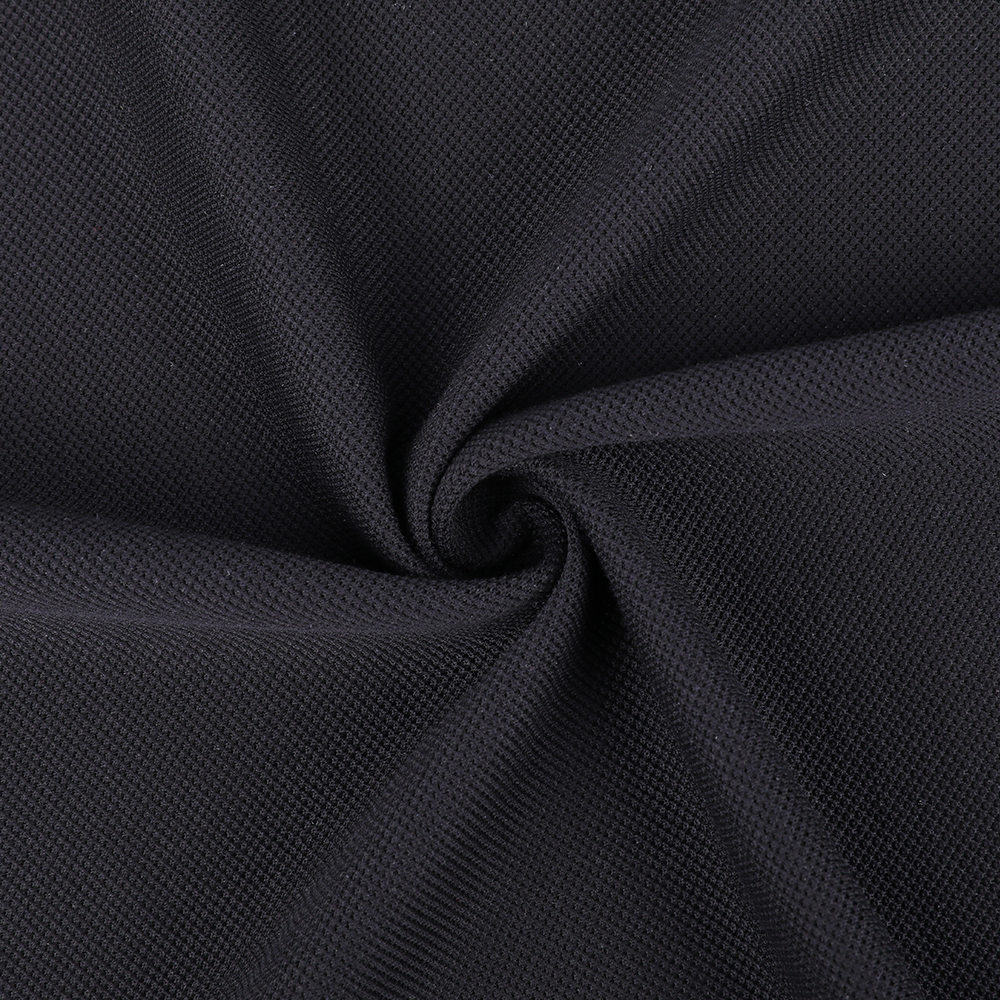
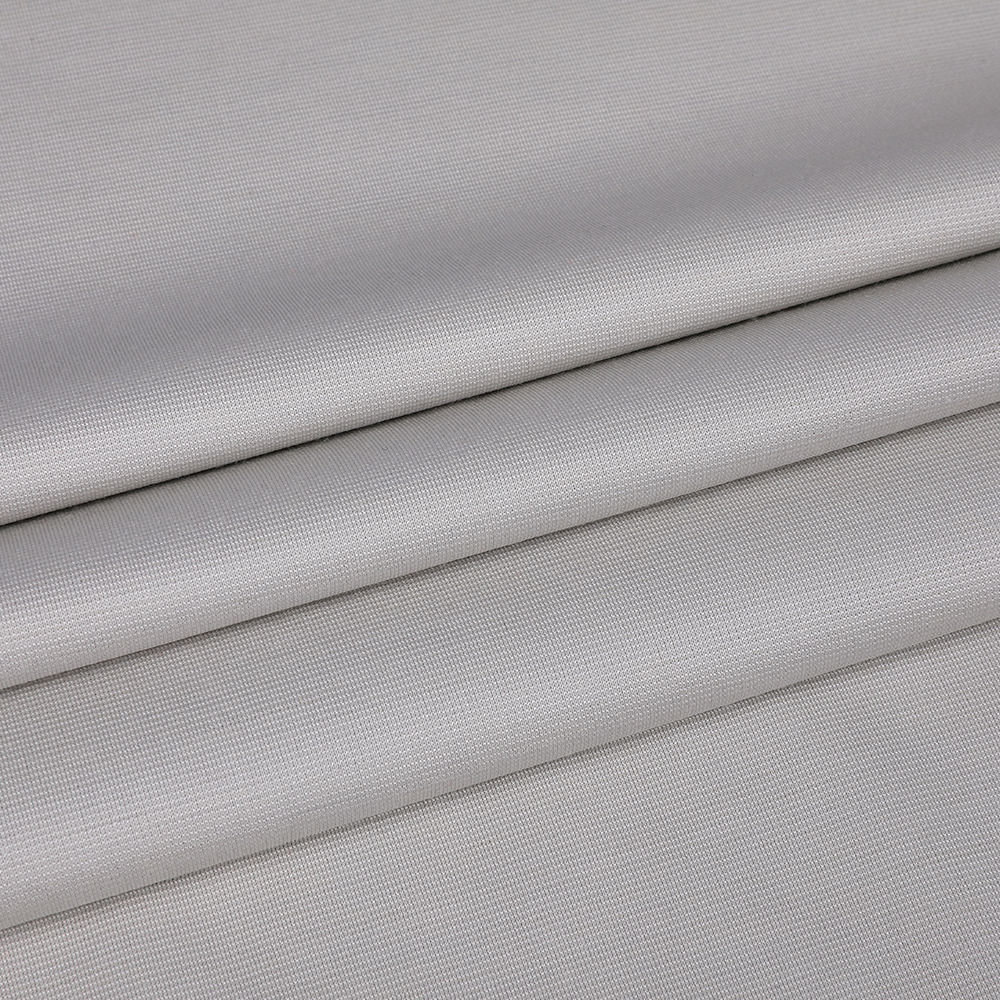 Silk Shrink-Proof Wool Ponte Roman Knit147gsm silk and shrink-proof wool ponte at 185cm wide, suited to slim dresses, loose jumpers and trousers; check relaxation and measured weight.View Product →
None of that is visible on a swatch card. The remedy is to buy against measured values rather than descriptors, and to ask for the relaxation route in writing. A fabric that has been relaxed under tension control will behave predictably after the first garment wash; a fabric that has not will keep relaxing in the finished garment, and a dress that measured correctly at the cutting table can grow half a size by the time it reaches the shop floor.
Reading a Ponte de Roma Specification Sheet
Most quality disputes on this fabric come down to how a number was defined, not to whether the number was met. Three definitions are worth agreeing before the order is placed.
Weight, stated two ways
Ask for both the greige weight and the finished weight. Finishing, dyeing and any surface treatment change the count, and a quality that measures 280 gsm in the greige state can arrive at 300 gsm or at 265 gsm depending on the route. State the tolerance you will accept, with plus or minus 5 percent a common working figure, and state whether it applies to the roll average or to every roll shipped.
Stretch and recovery
A typical women's ponte de roma with 4 to 8 percent elastane stretches around 25 to 40 percent in the width at a 5 kg load and returns to within 3 to 6 percent of its original length after a defined recovery period. The recovery figure matters more than the stretch figure. A fabric that stretches 40 percent and recovers to 90 percent will bag at the elbow and the seat; a fabric that stretches 30 percent and recovers to 97 percent holds its shape through a season of wear.
Residual shrinkage
Specify the wash method, the number of cycles and the drying method, because the same fabric can show minus 3 percent after one flat-dry cycle and minus 9 percent after three tumble-dry cycles. For knit dresses and trousers, minus 5 percent or better after three home-laundry cycles is a reasonable commercial target.
Fiber Blends and What Each One Changes
The fiber list sets the hand, the price and the care story. It does not set the structural behaviour, which is why two qualities with the same blend can perform quite differently on the same pattern. The table below summarises the blends most often requested for pontes aimed at womenswear.
| Blend | Typical finished weight | Hand and drape | Recovery at 30% width stretch | Main risk in bulk |
|---|---|---|---|---|
| Viscose / nylon / elastane | 260-320 gsm | Fluid, soft, slightly cool | Good | Weight drift between dye lots |
| Polyester / elastane | 240-300 gsm | Crisp, dry, firm | Very good | Pilling on low-twist yarn |
| Cotton / polyester / elastane | 250-300 gsm | Matt, dry, structured | Moderate | Higher residual shrinkage |
| Wool / nylon / elastane | 280-340 gsm | Warm, full, dry touch | Good | Shrinkage if relaxation is skipped |
| Silk / cotton / elastane | 180-240 gsm | Smooth, cool, light | Moderate | Edge behaviour on light weights |
Finishing, Shrinkage, and Dimensional Stability
Two finishing decisions separate a ponte that survives a retail season from one that comes back as a complaint. The first is relaxation: the fabric needs time and controlled conditions to release spinning and knitting tension before it is cut. The second is the drying route after dyeing. Open-width relaxation dryers and tensionless drying hold the width and the loop geometry, while stenter frames run at high overfeed can deliver a flat, appealing hand that begins to relax the moment the garment is worn.
Where wool sits in the blend, the risk profile changes again, and shrink resistance becomes part of the specification rather than an afterthought. Mills that have worked through this problem on wool-rich pontes normally publish the treatment route and the tested shrink figures, and shrink-resistant wool pontes show how wash performance can be stabilised without losing the dry hand that makes the quality worth buying in the first place.
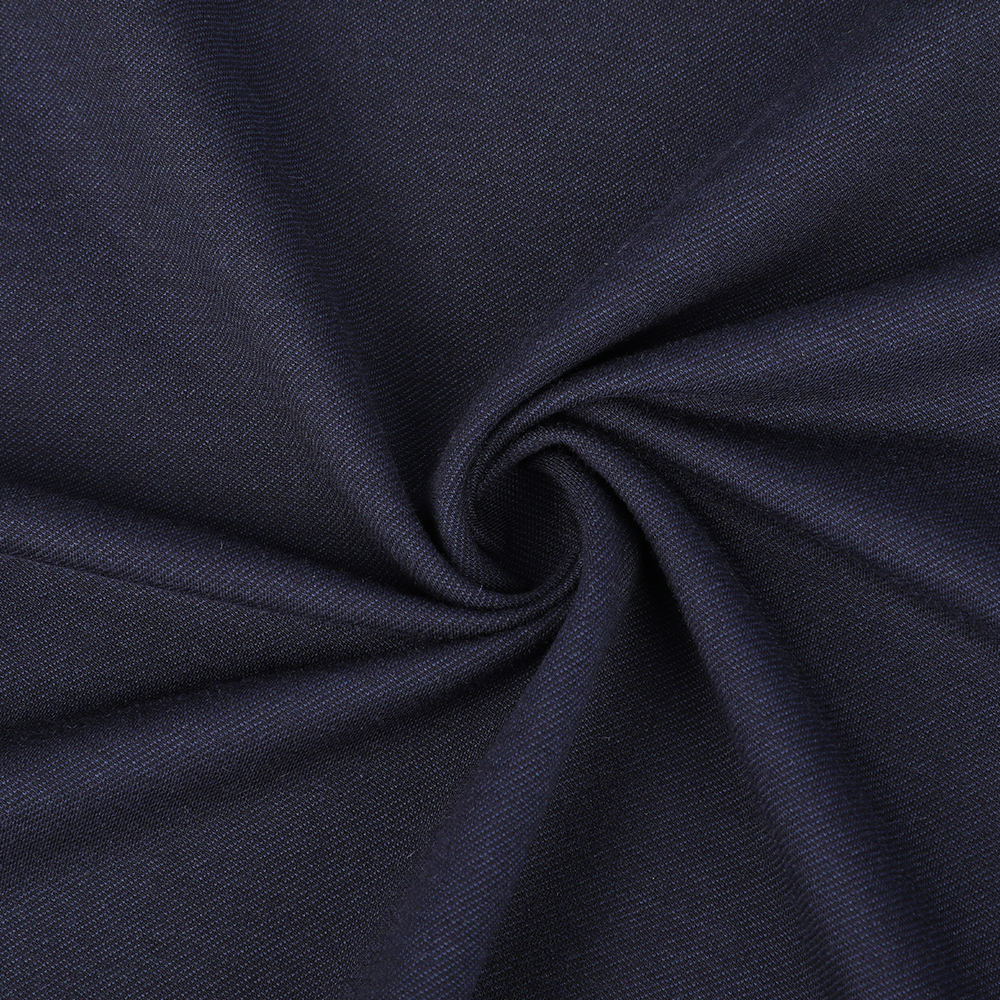
 Machine Washable Wool Nylon Ponte Roman Knit217gsm machine-washable wool, nylon and spandex ponte at 175cm; worth viewing for warmth, wrinkle resistance and Roman texture, with shrink and heat-setting checks.View Product →
A third point deserves attention when elastane is present. Heat setting temperature and dwell time determine how much of the elastane's recovery the finished fabric retains. A quality that tests well at the mill can still lose recovery if a converter presses it too hot during garment finishing, so the care label and the pressing instruction belong in the same conversation as the fabric specification.
Matching the Fabric to End Use
Weight and recovery decide which garment the fabric can carry. At 180 to 240 gsm, a silk-cotton ponte suits a fitted top or a light dress where drape does the work. Between 250 and 300 gsm, the fabric has enough body for pencil skirts, shift dresses and soft tailoring. Above 300 gsm, ponte moves into structured trousers, jackets and outerwear-adjacent pieces where the fabric is expected to hold a line rather than follow one. Getting this mapping right during development avoids the most expensive kind of correction, the one that happens after the pattern has been graded and the markers have been laid. It also helps to review the knitted fabric range alongside the pattern brief, since the same structural family can be delivered at different weights and blends for different garment categories.
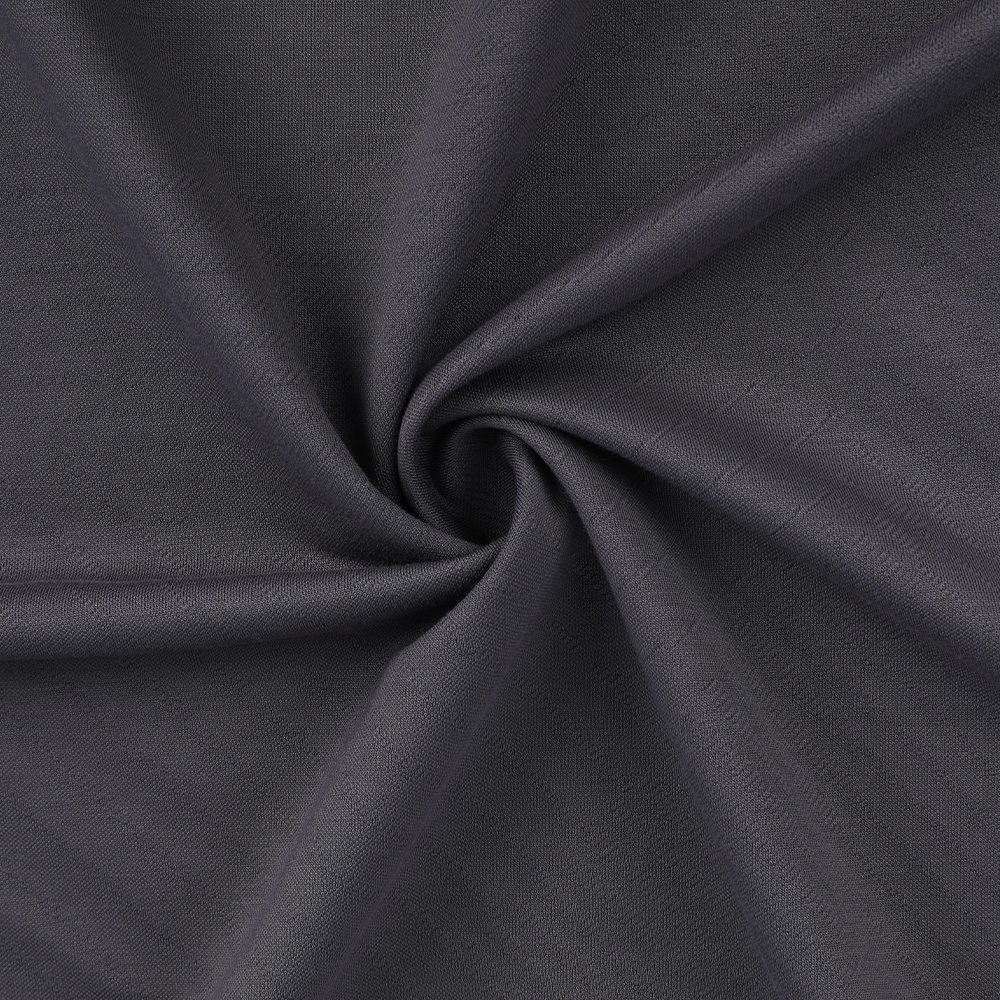
 Heavyweight Shrink-Proof Wool Spandex Ponte Roman Fabric357gsm shrink-proof wool and spandex ponte at 171cm, suited to structured trousers, jackets and outerwear-adjacent pieces; confirm weight, recovery and shrinkage test methods.View Product →
A Sourcing Checklist Before You Commit
- Confirm the construction as 1x1 interlock or eight-lock, and record the machine gauge.
- Fix the weight in writing, name the state (greige or finished) and set the tolerance.
- Agree the stretch and recovery test method, including the applied load and the recovery period.
- Agree the shrinkage protocol: cycle count, wash temperature and drying method.
- Request bulk roll testing on at least three rolls rather than relying on a single swatch result.
- Confirm colour fastness to washing, perspiration and light, since dark shades on viscose and wool blends are the hardest to hold.
- Clarify the relaxation route and the storage conditions before shipment leaves the mill.
- Inspect the cut edge on a full-width sample, because light pontes and high-elastane qualities can behave differently near the selvedge.
Ponte de roma double knit earns its place in a womenswear range because it solves two problems at once: it gives structure without weight, and it takes a cut edge without fraying or curling. Neither advantage survives a specification written in adjectives. Write the weight, the recovery and the shrinkage into the order, name the test methods, and the quality will behave the same way on the fifth roll as it did on the first swatch.