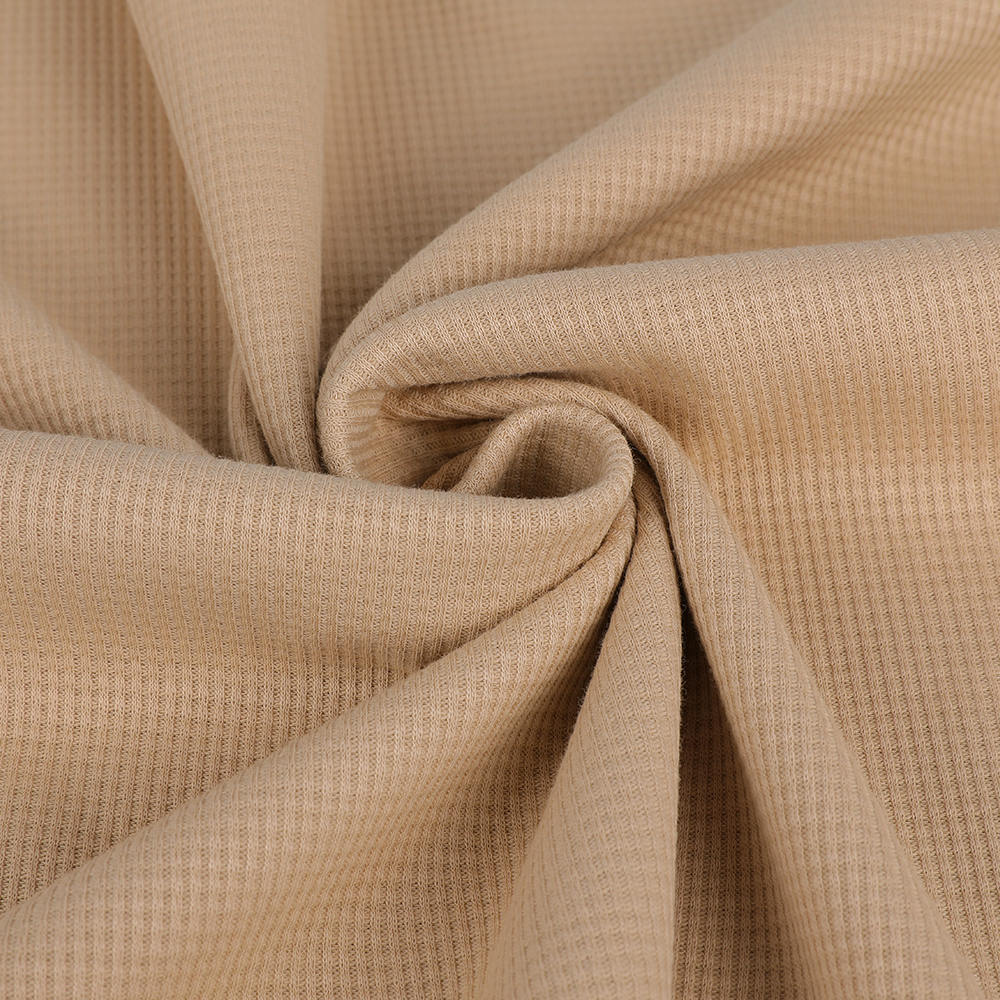

 English
 日本語
日本語 中文简体
中文简体
Content
- 1 Understanding the Value of Affordable Knit Textiles
- 2 Material Composition and Selection Guide
- 3 Sourcing Strategies for Bulk Buyers
- 4 About Jiaxing Jinkaiyue Knitted Fabric Co., Ltd.
- 5 Conclusion
- 6 Frequently Asked Questions (FAQ)
- 6.1 1. What is the typical GSM range for cheap knit fabric by the yard?
- 6.2 2. Can cheap cotton spandex knit fabric be used for sportswear?
- 6.3 3. How does wholesale purchasing affect lead times?
- 6.4 4. What certifications should I look for in fabric for baby clothes?
- 6.5 5. How should knit fabric rolls be stored?
- 7 References
Understanding the Value of Affordable Knit Textiles
In the competitive landscape of textile manufacturing, sourcing materials that balance cost-efficiency with technical performance is a critical engineering challenge. Cheap knit fabric does not necessarily imply low quality; rather, it often refers to optimized production processes, bulk raw material sourcing, and efficient supply chain management. For procurement officers, understanding the technical specifications—such as GSM (grams per square meter), yarn count, and stitch density—is essential to ensuring that affordable textiles meet the rigorous demands of end-use applications.
Defining Quality in Cheap Knit Fabric by the Yard
When sourcing cheap knit fabric by the yard, B2B buyers must prioritize consistency in the knitting structure. Variations in tension during the circular knitting process can lead to course defects or width variations. High-quality affordable fabrics maintain uniform loop formation, which is crucial for downstream processes like dyeing and printing. A technically sound fabric should exhibit minimal skewing and consistent shrinkage rates, typically below 5%, even at lower price points.
| Parameter | Standard Quality Fabric | Low-Quality Alternative |
| Shrinkage Rate | Controlled (3-5%) | Unpredictable (>7%) |
| Color Fastness | Grade 4 or higher | Grade 3 or lower |
| Surface Uniformity | Consistent loop formation | Visible course defects |
Material Composition and Selection Guide
The choice of fiber composition directly dictates the fabric's hand feel, drape, and durability. Blending synthetic fibers with natural ones is a common engineering strategy to reduce costs while enhancing performance attributes like elasticity and wrinkle resistance.
Why Choose Cheap Cotton Spandex Knit Fabric?
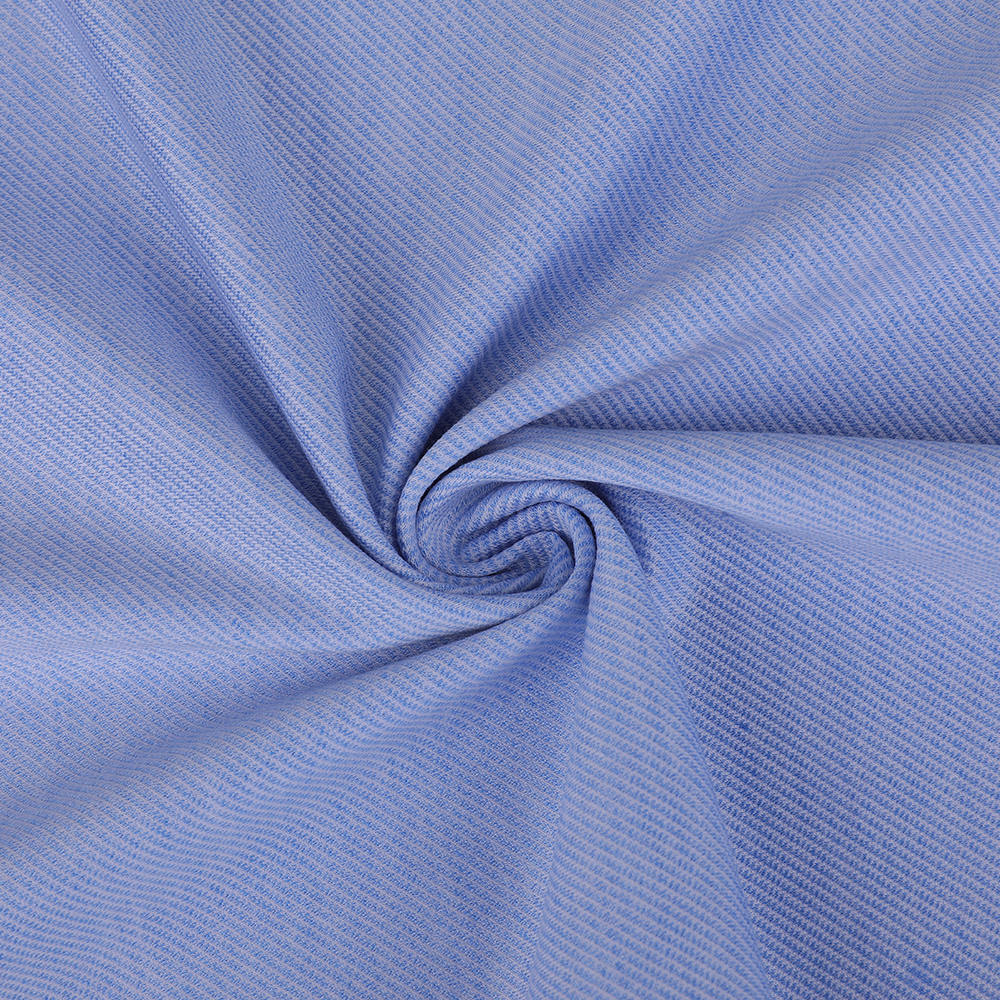
Cheap cotton spandex knit fabric is a staple in the apparel industry due to its superior elongation and recovery properties. The addition of spandex (elastane) to cotton provides the necessary stretch for form-fitting garments. From a technical perspective, the spandex content typically ranges from 2% to 8%. Higher spandex content increases fabric weight and cost but significantly improves shape retention. This material is ideal for t-shirts, leggings, and casual wear where comfort and fit are paramount.
Best Options for Cheap Knit Fabric for Baby Clothes
Safety and skin sensitivity are the primary concerns when selecting cheap knit fabric for baby clothes. Engineers must ensure that the fabric is free from harmful chemicals such as formaldehyde and heavy metals. Single jersey knits made from combed ring-spun cotton offer a soft hand feel and high breathability, making them the preferred choice. The fabric must also withstand frequent washing at high temperatures without degrading.
Sourcing Strategies for Bulk Buyers
Optimizing the supply chain is vital for manufacturers looking to maintain margins. Purchasing in bulk allows for better negotiation on raw material costs and ensures color consistency across large production runs.
Benefits of Purchasing Wholesale Cheap Knit Fabric
Procuring wholesale cheap knit fabric directly from manufacturers eliminates intermediate markups. For large-scale garment factories, wholesale purchasing guarantees a steady supply of base fabrics, reducing downtime caused by material shortages. Additionally, direct communication with the mill allows for custom dyeing and finishing specifications, ensuring the final product aligns with specific design requirements.
Managing Inventory with Cheap Knit Fabric Rolls
Handling logistics efficiently is as important as the fabric quality itself. Sourcing cheap knit fabric rolls in standardized lengths and weights facilitates warehouse automation and inventory management. Larger rolls reduce the frequency of machine stops for roll changes during cutting, thereby increasing operational efficiency on the production floor. Proper storage conditions—specifically humidity control—are necessary to prevent mildew and maintain fabric integrity.
About Jiaxing Jinkaiyue Knitted Fabric Co., Ltd.
A Legacy of High-End Knitting Since 2000
Founded in 2000, Jiaxing Jinkaiyue Knitted Fabric Co., Ltd. is dedicated to producing high-end knitting fabrics. The company specializes in a wide range of materials, including mulberry silk, long-stable cotton, linen, wool, cashmere, and various blends of fibers. Our diverse material portfolio ensures that we can meet the varying needs of clients seeking both premium and cost-effective solutions.
Advanced Machinery and Technical Expertise
Jinkaiyue utilizes advanced circular knitting machines capable of creating diverse stitch types for both single jersey and double knitting. Our offerings include plain stitch, rib stitch, jacquard stitch, as well as more complex techniques such as high-pile stitch, single-blister stitch, loop transfer stitch, pelerine stitch, eyelet stitch, Swiss pique stitch, and six-course Punto di Roma. The company employs approximately 300 staff members, with 20% involved in research, technology, and design. To ensure the better quality, Jinkaiyue invests in cutting-edge machinery from Italy, Germany, Switzerland, Japan, and Taiwan.
Conclusion
Finding the right cheap knit fabric requires a deep understanding of textile engineering and supply chain dynamics. Whether sourcing cotton spandex blends for activewear or soft jerseys for infants, prioritizing technical specifications ensures value. Partnering with experienced manufacturers like Jiaxing Jinkaiyue Knitted Fabric Co., Ltd. guarantees access to advanced manufacturing capabilities and high-quality materials at competitive prices.
Frequently Asked Questions (FAQ)
1. What is the typical GSM range for cheap knit fabric by the yard?
The GSM typically ranges from 120 to 200 for lightweight apparel, while heavier fabrics for sweaters or outerwear may range from 250 to 300. It is crucial to specify GSM tolerance when ordering.
2. Can cheap cotton spandex knit fabric be used for sportswear?
Yes, it is highly suitable. The spandex provides stretch, while the cotton offers breathability. However, for high-intensity sports, moisture-wicking synthetic blends are often preferred over pure cotton blends.
3. How does wholesale purchasing affect lead times?
Purchasing wholesale usually involves booking production capacity in advance. While the initial lead time might be longer to manufacture the bulk order, it ensures uninterrupted supply for subsequent production cycles.
4. What certifications should I look for in fabric for baby clothes?
Buyers should look for OEKO-TEX Standard 100 certification, which ensures the fabric is free from harmful substances. Certifications like GOTS (Global Organic Textile Standard) are also valuable for organic materials.
5. How should knit fabric rolls be stored?
Fabric rolls should be stored in a cool, dry environment with a relative humidity of approximately 65%. They should be kept upright or on racks to prevent deformation or compression marks.
References
- Kadolph, S. J. (2014). "Textiles." Pearson Education Limited.
- Spencer, D. J. (2001). "Knitting Technology: A Comprehensive Handbook and Practical Guide." Woodhead Publishing.
- American Association of Textile Chemists and Colorists (AATCC). "Standard Test Methods."