

 English
 日本語
日本語 中文简体
中文简体
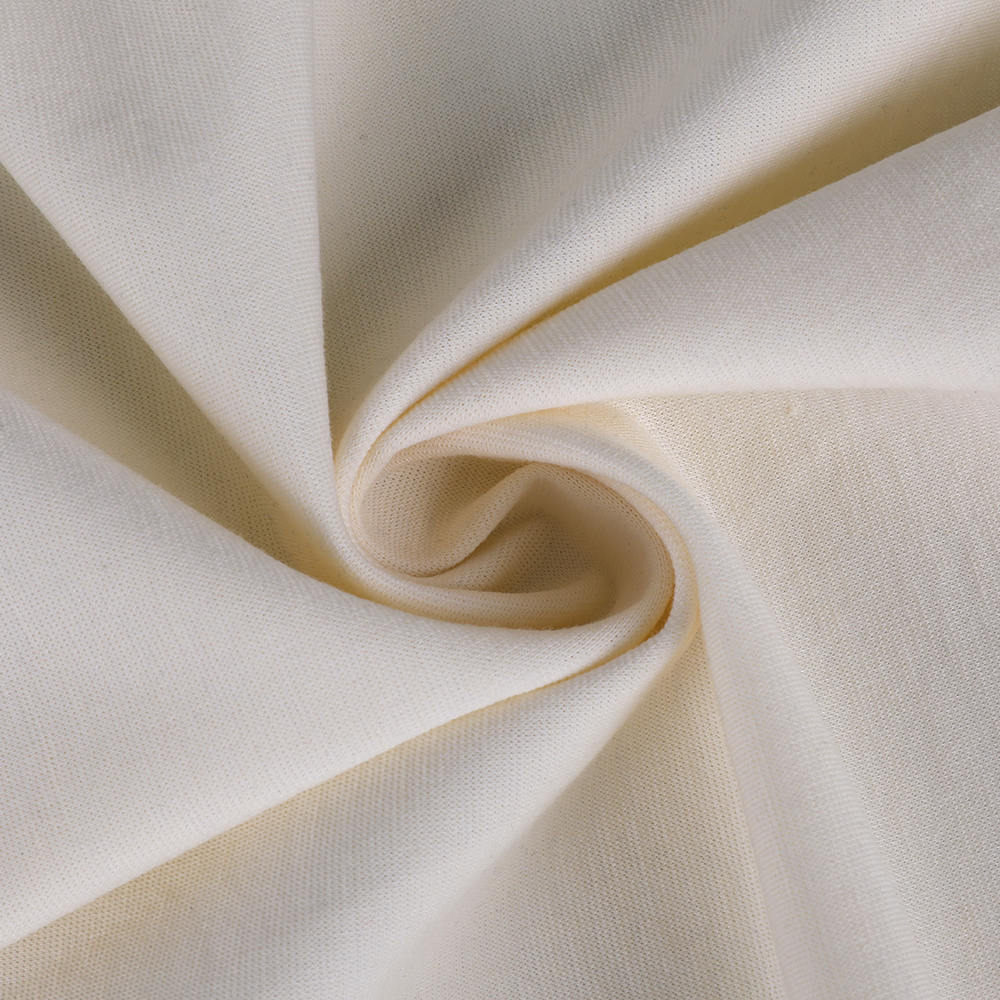
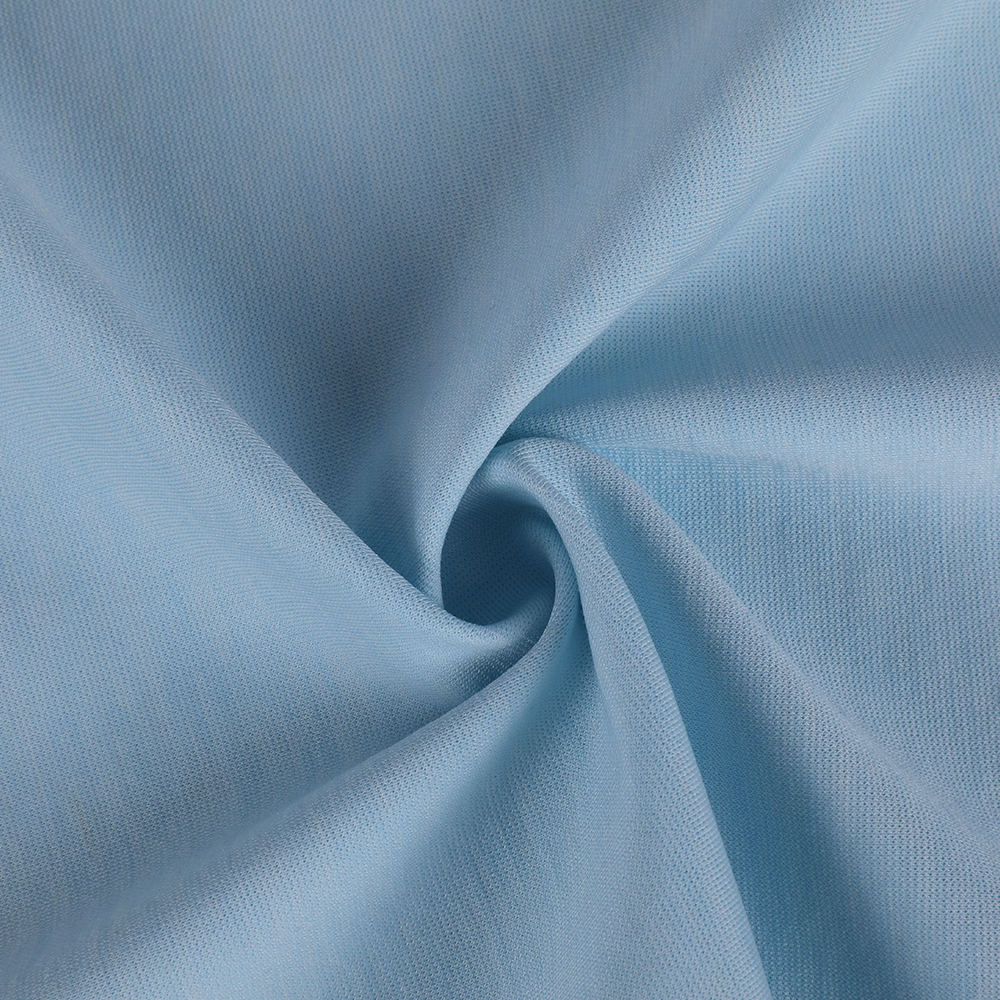
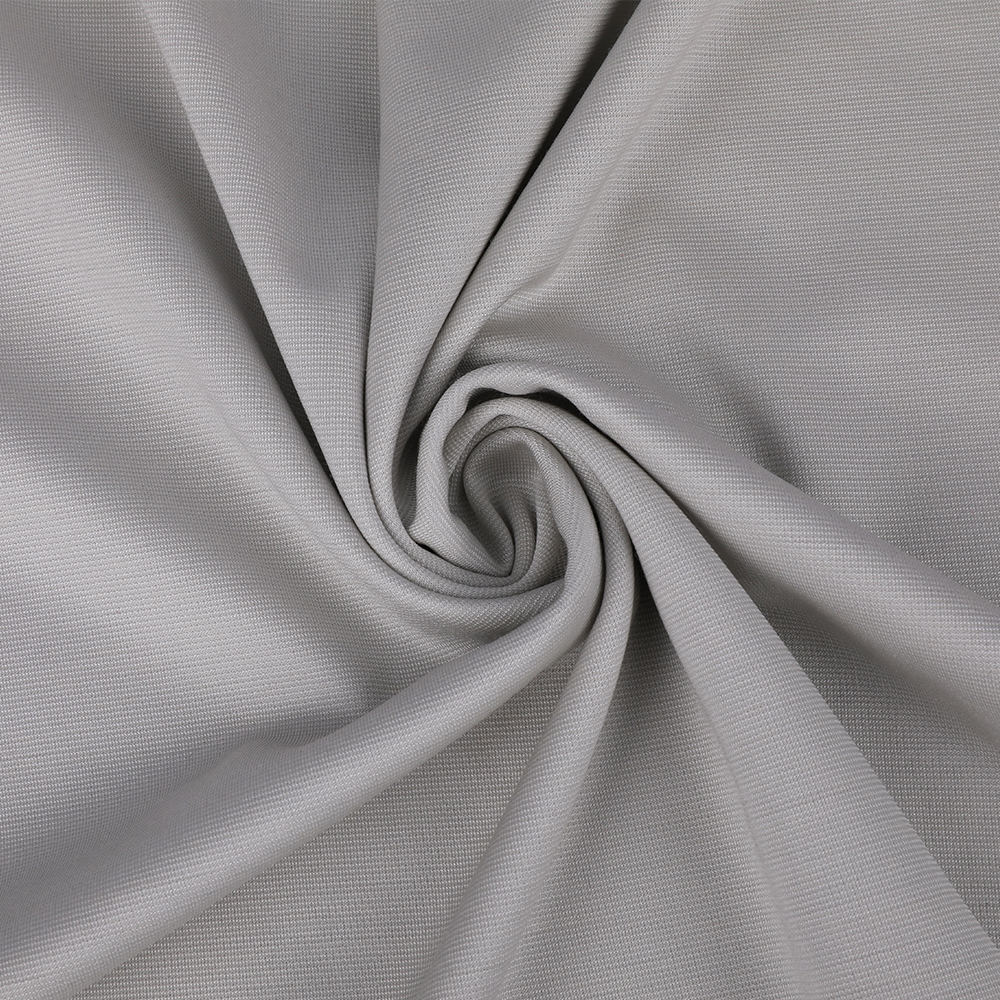
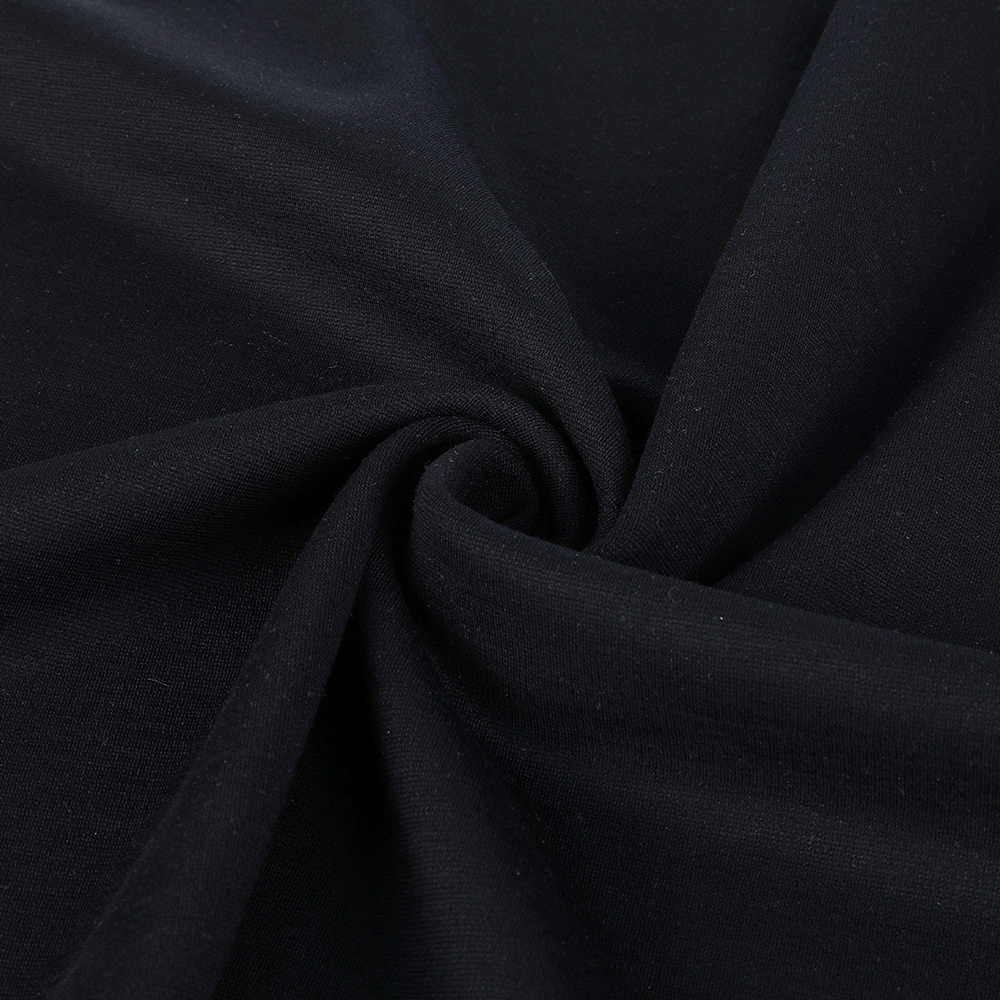
Understanding the Value of Affordable Knit Textiles In the competitive landscape of textile manufacturing, sourcing materials that balance cost-efficiency with technical performance is a critical engineering challenge. C...
READ MORECustom Knitted Roman Fabric For Women
Knitted Roman fabric for women, with its precision knitting technology and high-quality fiber interweaving, shows a unique three-dimensional texture and good performance. Its slightly convex surface design not only enriches the visual level but also presents a charming effect under light and shadow, enhancing the overall beauty of the clothing. The fabric has good breathability and elastic recovery, ensuring a comfortable fit all day long, perfectly shaping the female figure, while effectively absorbing moisture and perspiration to keep the skin dry. The high color saturation and strong color fastness ensure that the color of the clothes is long-lasting and bright, and not easy to fade. With its good wearing experience and wide applicability, knitted Roman fabric meets the diverse dressing needs from casual to formal occasions, and has become the preferred fabric to show women's style and elegant taste. Whether it is style design or functional performance, knitted Roman fabric for women shows a high degree of professionalism and practicality and is an indispensable classic choice in the modern female wardrobe.
About
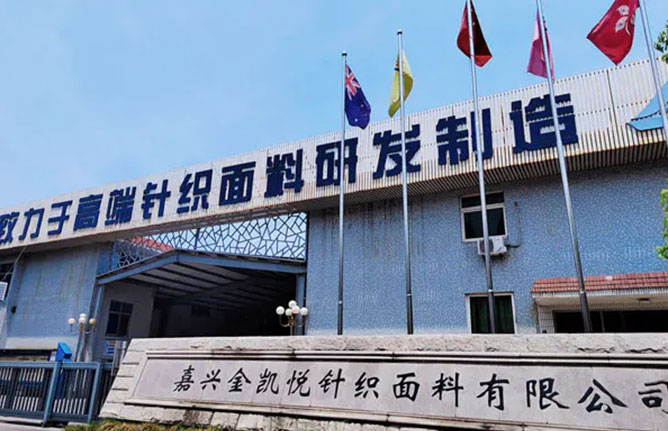
Jiaxing Jinkaiyue Knitted Fabric Co., Ltd.
Founded in 2000, Jiaxing Jinkaiyue Knitted Fabric Co., Ltd. is dedicated to producing high-end knitting fabrics. The company specializes in a wide range of materials, including mulberry silk, long-stable cotton, linen, wool, cashmere, and various blends of fibers.
As a
China Custom Knitted Roman Fabric For Women Manufacturers and
Knitted Roman Fabric For Women Factory, Suppliers, Jinkaiyue utilizes advanced circular knitting machines capable of creating diverse stitch types for both single jersey and double knitting. Our offerings include plain stitch, rib stitch, jacquard stitch, as well as more complex techniques such as high-pile stitch, single-blister stitch, loop transfer stitch, pelerine stitch, eyelet stitch, Swiss pique stitch, and six-course Punto di Roma. We Offer
Knitted Roman Fabric For Women for sale.
The company employs approximately 300 staff members, with 20% involved in research, technology, and design. To ensure the better quality, Jinkaiyue invests in cutting-edge machinery from Italy, Germany, Switzerland, Japan, and Taiwan.
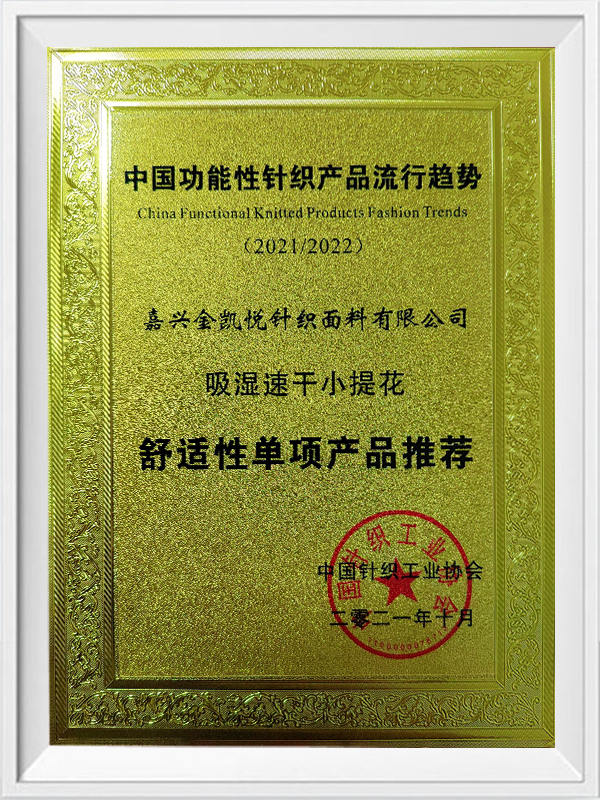
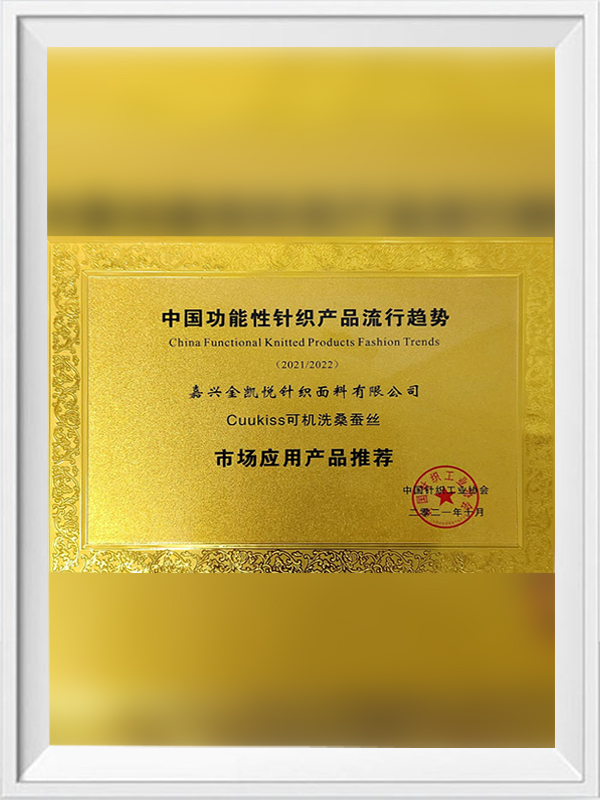
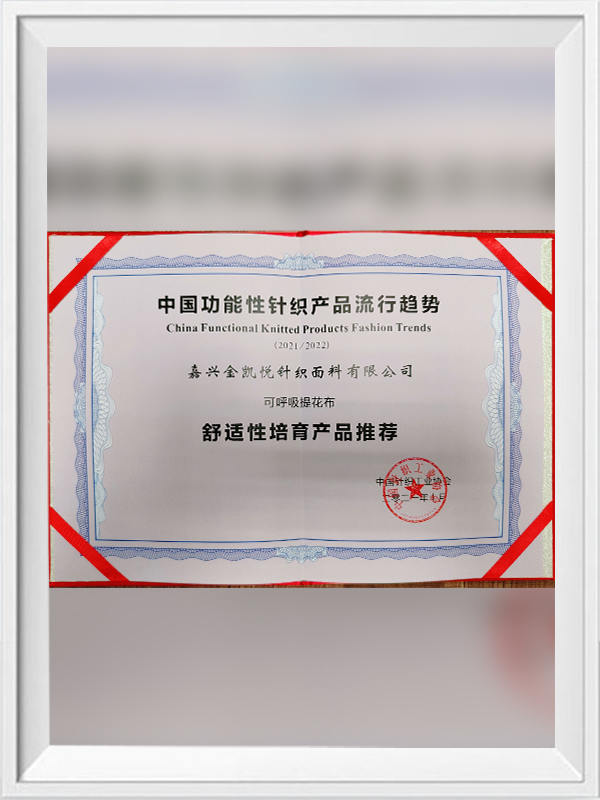
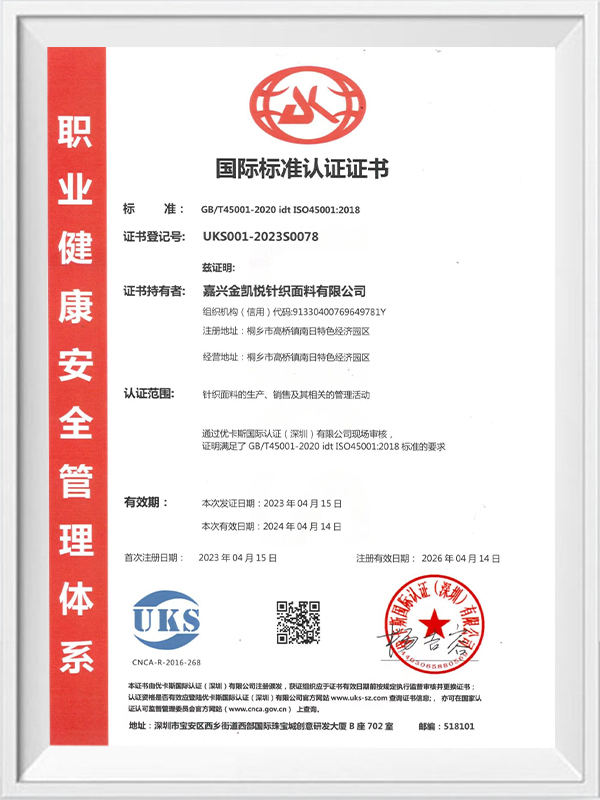
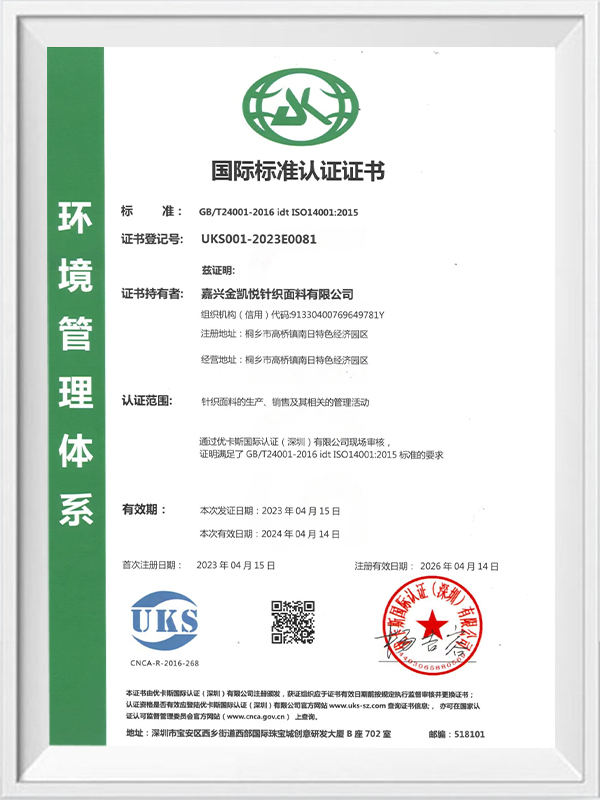
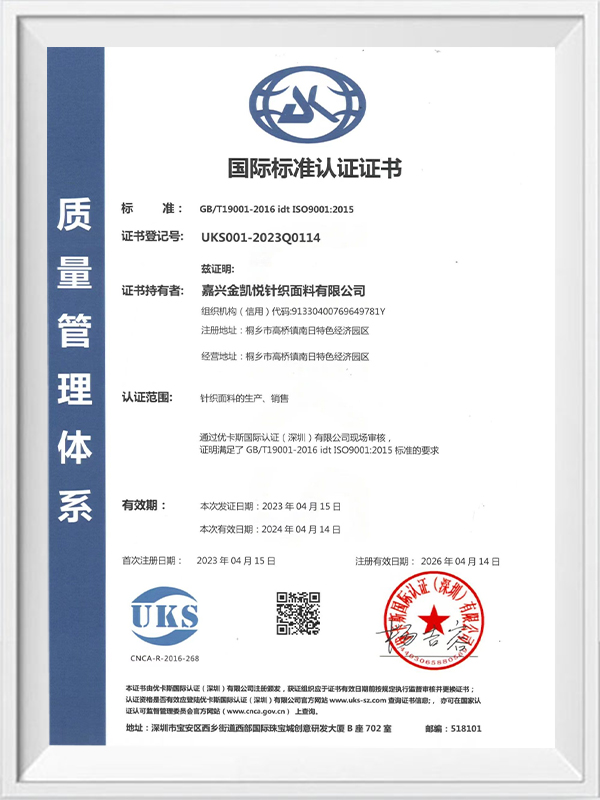
Certificate Of Honor
News
-
-
In textile engineering, knitted shirt fabric refers to a class of weft-knitted structures engineered for comfort, drape, and dimensional stability in upper garments. This article provides an in-depth technical analysis t...
READ MORE -
What Makes Cotton Shirt Fabric Ideal for Wholesale Buyers? The global demand for cotton shirt fabric wholesale continues to grow as apparel manufacturers, private labels, and garment factories seek reliable materials tha...
READ MORE
Knitted Roman Fabric For Women Industry knowledge
What advanced knitting technologies and equipment are usually used in the production of Knitted Roman fabric for women? What are the key steps in the production process of this fabric?
At Jinkaiyue Knitted Fabric Co., Ltd., we specialize in producing high-quality knitted fabrics for women, including Knitted Roman fabric. Our offerings cover a wide range of techniques, such as plain stitch, rib stitch, jacquard stitch, and more complex methods like high-pile stitch, single-blister stitch, loop transfer stitch, pelerine stitch, eyelet stitch, Swiss pique stitch, and six-course Punto di Roma.The production of Knitted Roman fabric for women involves a combination of advanced knitting technologies and specialized equipment to achieve its unique characteristics, such as durability, comfort, and a distinctive textured appearance. Here are the key steps and technologies involved in the production process:
Advanced Knitting Technologies and Equipment
Circular Knitting Machines:
Knitted Roman fabric is typically produced using circular knitting machines, which allow for seamless, continuous production of fabric tubes. These machines are capable of creating complex stitch patterns, such as the six-course Punto di Roma stitch, which is essential for the fabric's textured appearance.
High-speed circular knitting machines from leading manufacturers ensure precision and efficiency in fabric production.
Stitch Formation Techniques:
Six-Course Punto di Roma Stitch: This stitch is a key feature of Knitted Roman fabric, creating a textured, ribbed surface with a combination of plain and purl stitches. The six-course pattern provides a balanced structure that enhances the fabric's durability and stretch.
Jacquard Stitch Capability: For more intricate designs, jacquard knitting technology is employed. This allows for the creation of detailed patterns and logos directly into the fabric, enhancing its aesthetic appeal.
Advanced Yarn Feeding Systems:
Modern knitting machines are equipped with advanced yarn-feeding systems that ensure consistent tension and precise yarn placement. This is crucial for maintaining the fabric's texture and thickness throughout the production process.
Quality Control Systems:
State-of-the-art quality control systems, including automated defect detection and real-time monitoring, ensure that the fabric meets the highest standards of quality. These systems help identify and correct issues during production, minimizing waste and improving efficiency.
Key Steps in the Production Process
Material Selection:
High-quality yarns, such as cotton, polyester, or blended fibers, are chosen based on the desired characteristics of the fabric, including softness, durability, and stretchability.
Yarn Preparation:
Yarns are pre-treated and dyed to achieve the desired colors and properties. This step ensures that the yarns are ready for knitting and that the final fabric meets colorfastness and durability requirements.
Knitting:
The yarns are fed into the circular knitting machines, which create the fabric using the six-course Punto di Roma stitch or other complex techniques. The machines are programmed to produce the desired stitch patterns and fabric thickness.
Post-Knitting Finishing:
After knitting, the fabric undergoes various finishing processes, such as washing, drying, and heat setting, to stabilize its dimensions and enhance its texture.
Additional treatments, such as brushing or softening, may be applied to improve the fabric's handfeel and appearance.
Quality Inspection:
The finished fabric is thoroughly inspected for defects, consistency in texture, and adherence to quality standards. Any issues are addressed before the fabric is released for sale.
Copyright © Jiaxing Jinkaiyue Knitted Fabric Co., Ltd.
