

 English
 日本語
日本語 中文简体
中文简体
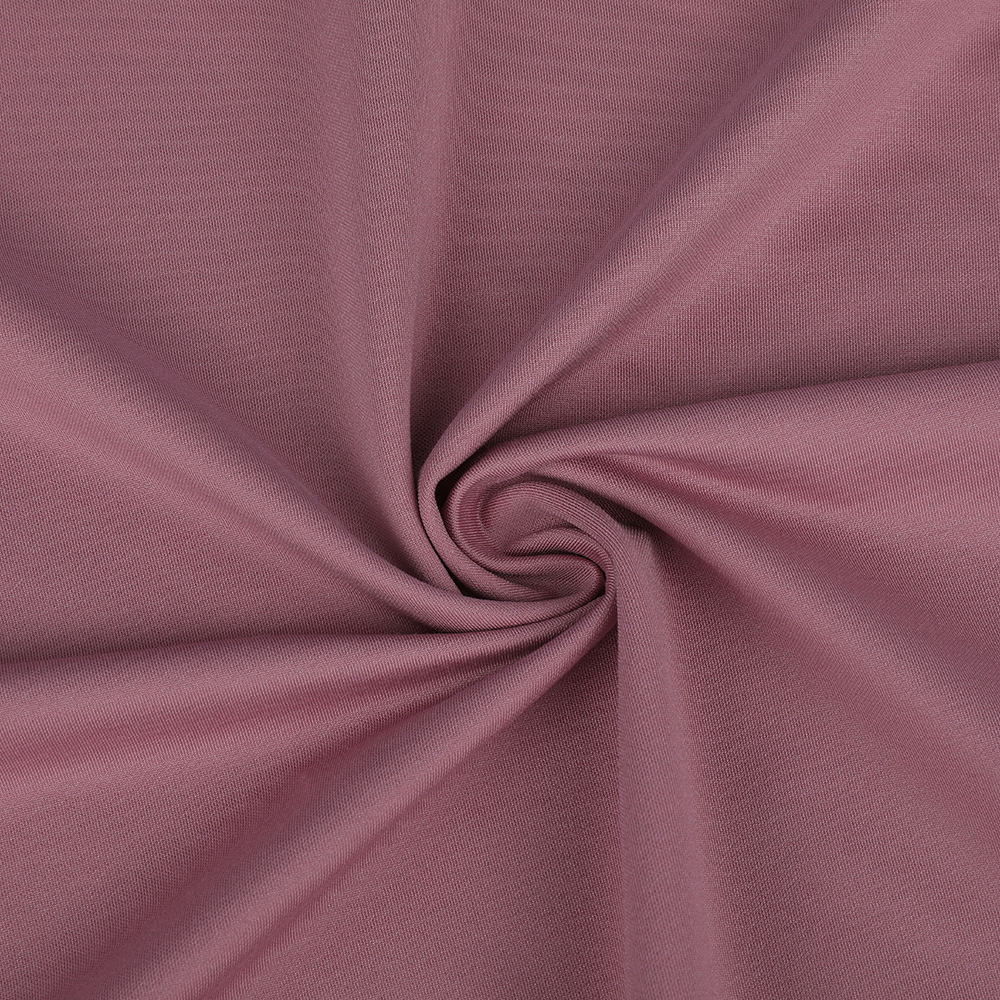
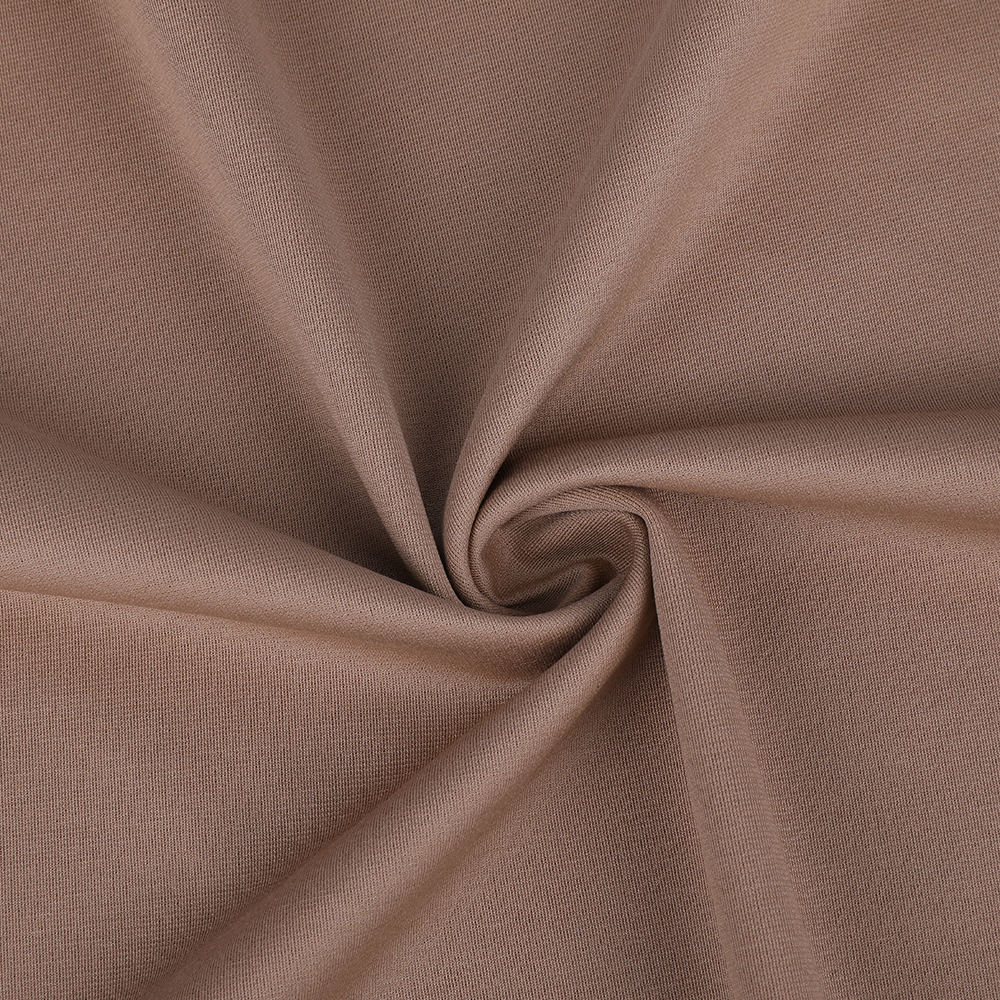
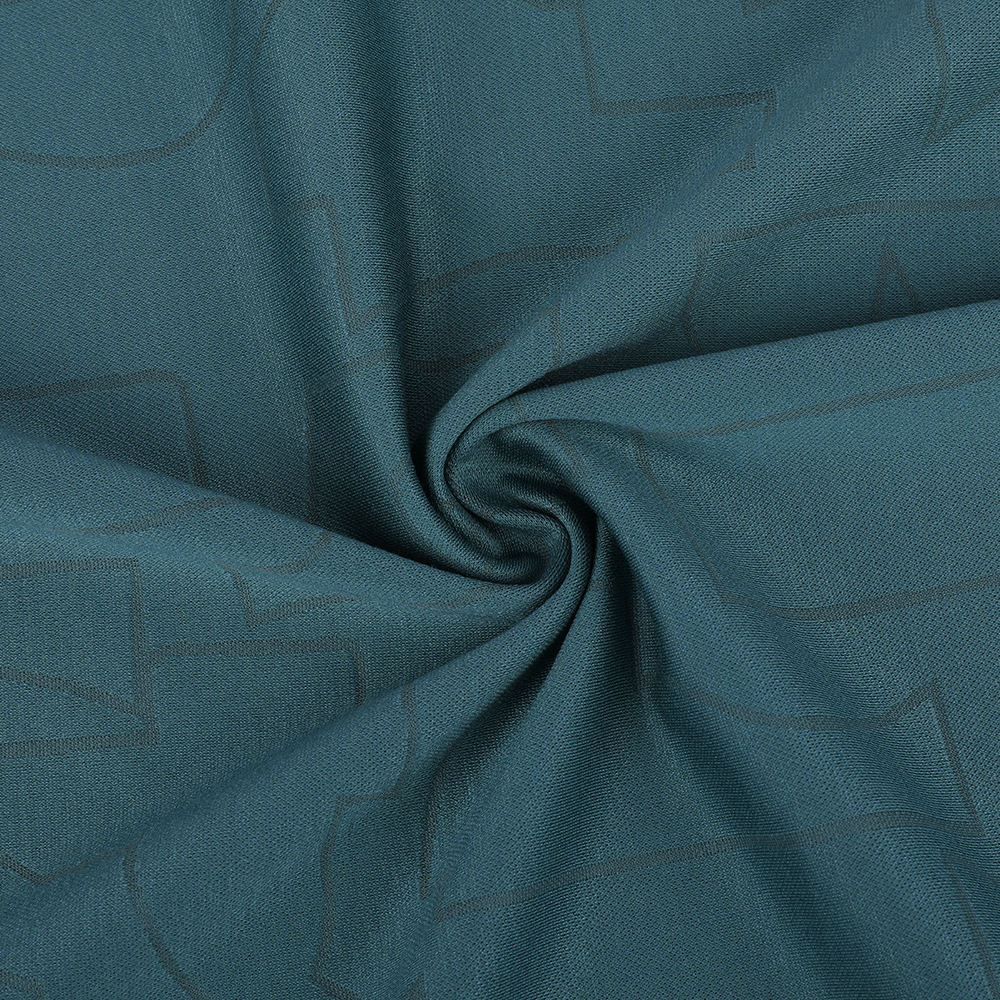
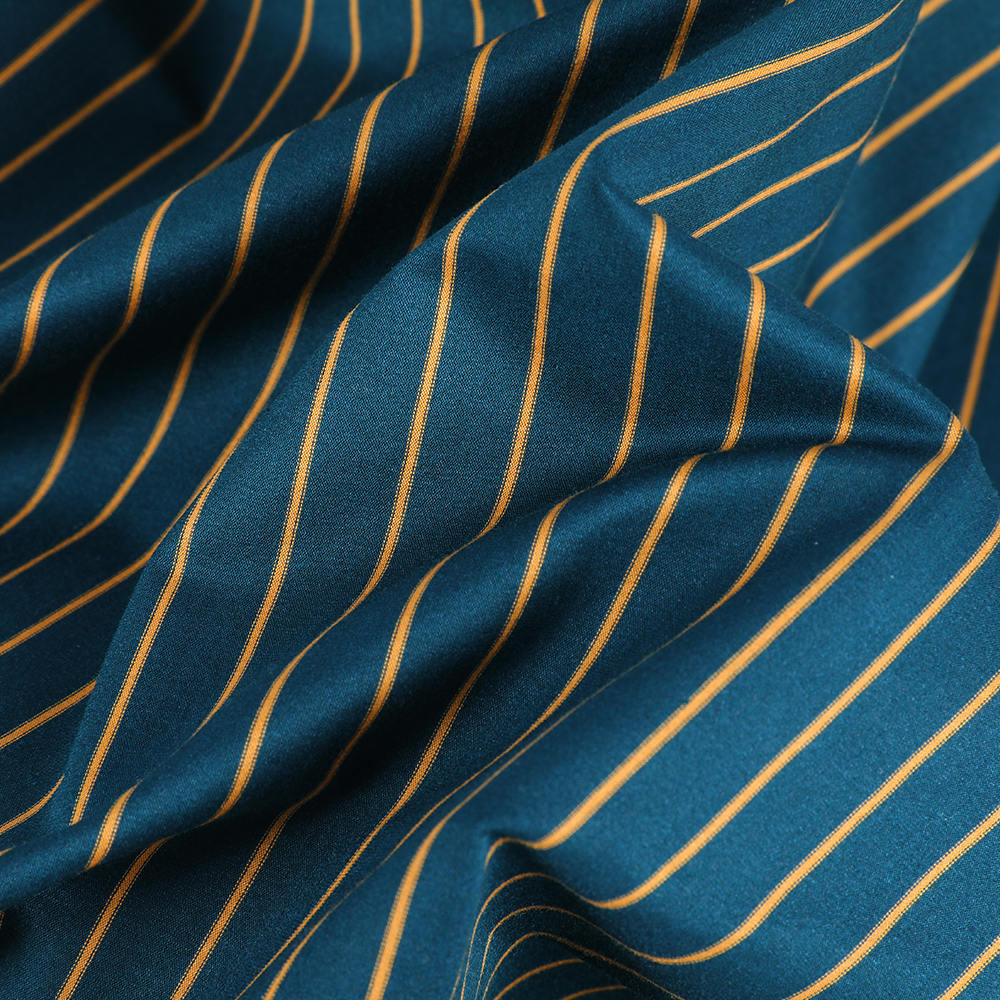
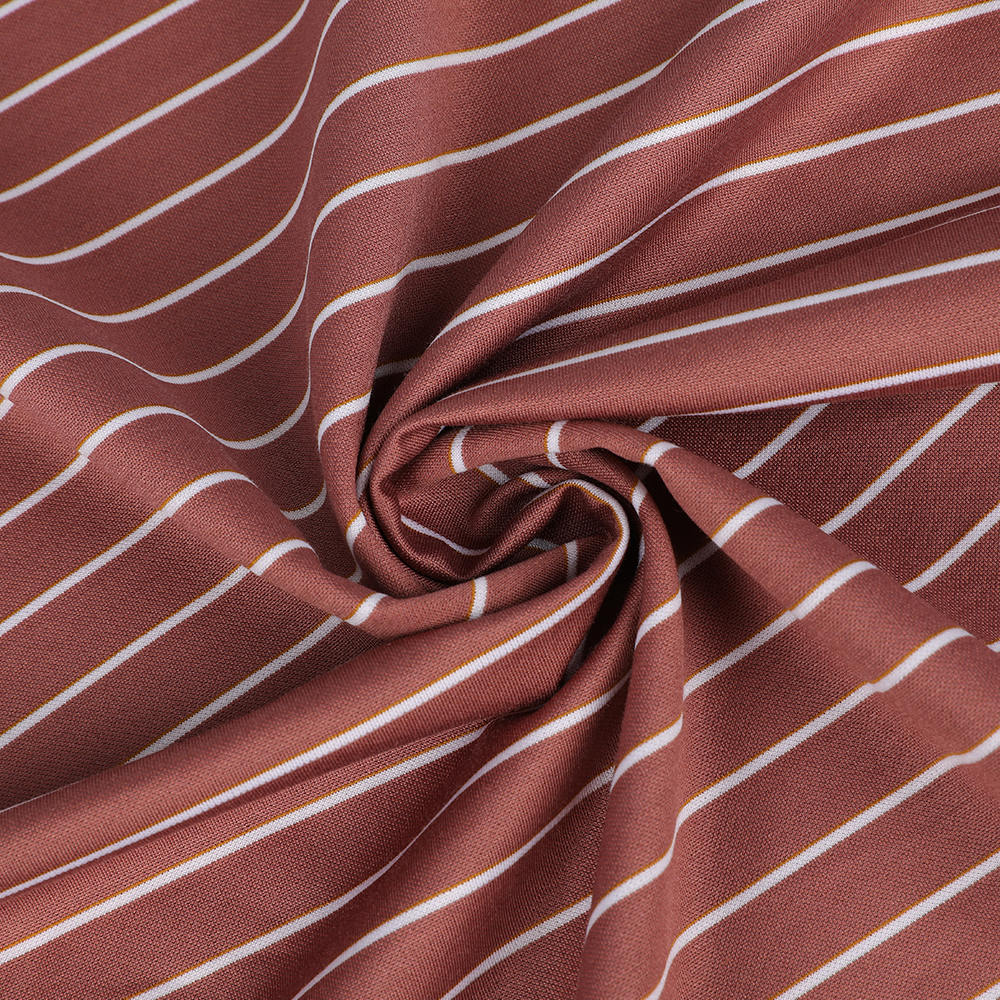
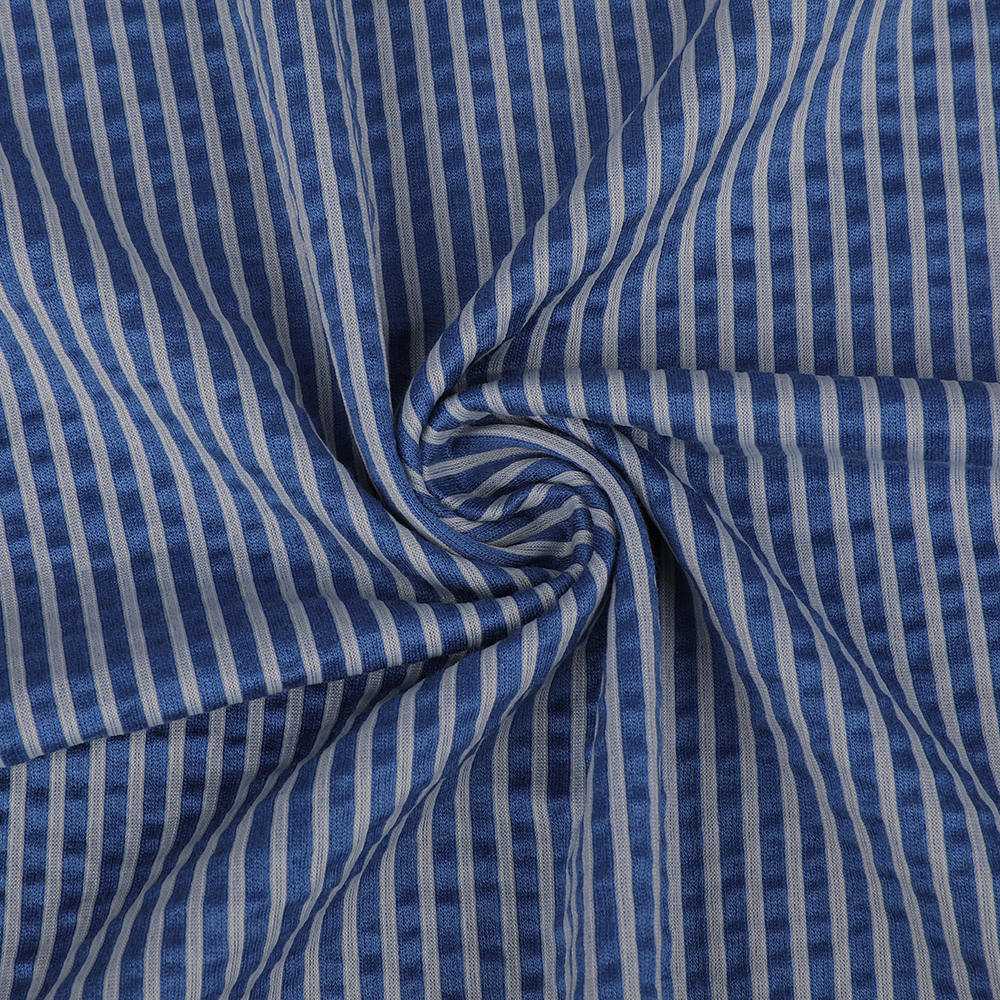
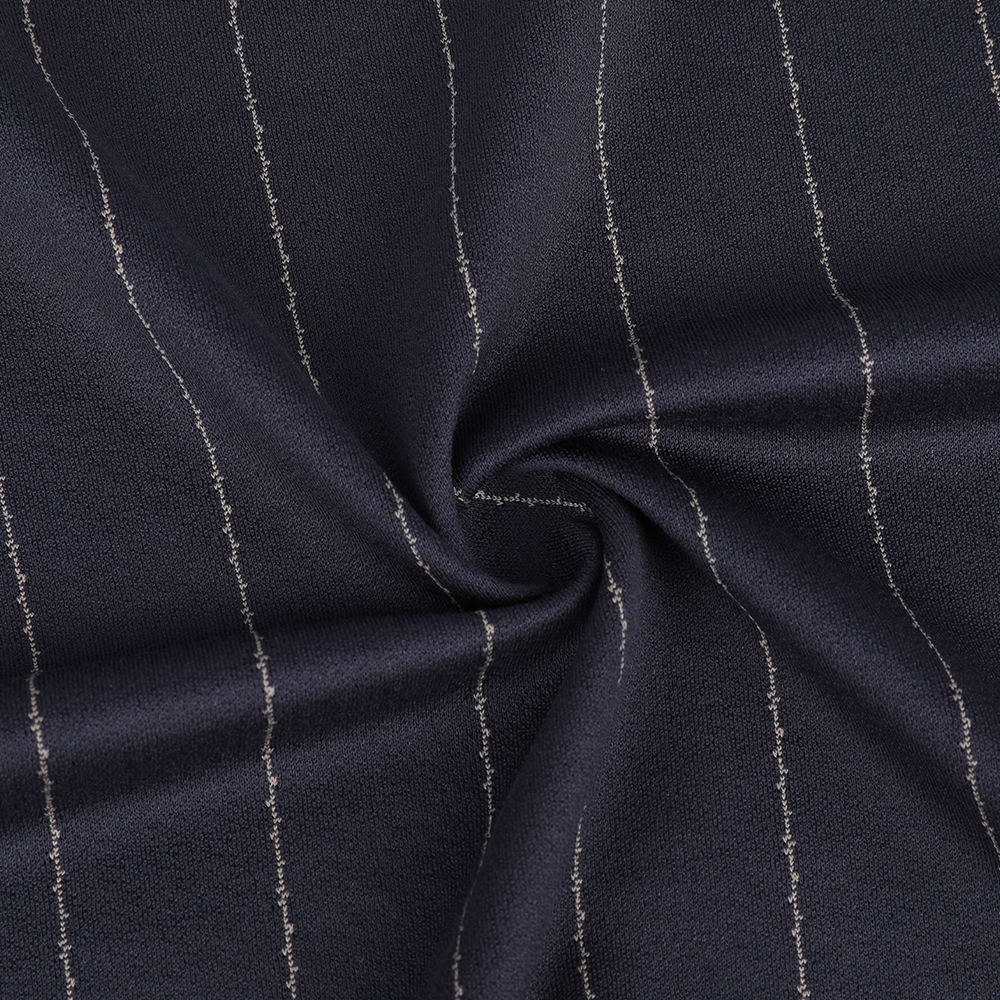
Understanding the Value of Affordable Knit Textiles In the competitive landscape of textile manufacturing, sourcing materials that balance cost-efficiency with technical performance is a critical engineering challenge. C...
READ MORECustom Silk Cotton Shirt Fabric
Silk cotton shirt fabric is a blended material that combines the characteristics of silk and cotton. It is made of natural mulberry silk and high-quality cotton fibers. It not only maintains the smooth touch, good breathability and moisture absorption, and perspiration function of silk but also has the durability and wrinkle resistance of cotton fabric. This fabric is soft to the touch, comfortable to wear, and suitable for wearing in various climate conditions.
Silk cotton shirts usually have delicate textures and soft colors. Its color is warm and its luster is natural, which can show a low-key and restrained beauty. Its good breathability and moisture conduction can effectively regulate body temperature and keep the skin dry so that you can stay relaxed even if you wear it for a long time. Silk cotton fabric has been specially processed and has good wrinkle resistance and wear resistance. It is easy to take care of and is not easy to deform even if it is machine washed, ensuring the durability of the clothes.
-
Comfortable Breathable Luxurious Silk Cotton Shirt Fabric
-
PONTE Comfortable Silk Cotton Shirt Fabric
-
Double Jacquard Soft Skin-friendly Silk Cotton Shirt Fabric
-
Spandex Jersey Skin-friendly Soft Silk Cotton Striped LA Shirt Fabric
-
Striped Comfortable Silk Cotton Shirt Fabric
-
Breathable Eco-friendly Comfortable Silk Cotton LA Jacquard Shirt Fabric
-
Adjusted Jacquard Comfortable Breathable Eco-friendly Silk Cotton LA Shirt Fabric
About
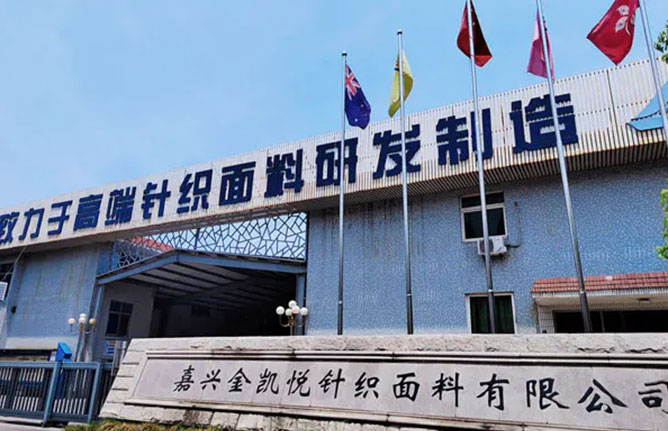
Jiaxing Jinkaiyue Knitted Fabric Co., Ltd.
Founded in 2000, Jiaxing Jinkaiyue Knitted Fabric Co., Ltd. is dedicated to producing high-end knitting fabrics. The company specializes in a wide range of materials, including mulberry silk, long-stable cotton, linen, wool, cashmere, and various blends of fibers.
As a
China Custom Silk Cotton Shirt Fabric Manufacturers and
Silk Cotton Shirt Fabric Factory, Suppliers, Jinkaiyue utilizes advanced circular knitting machines capable of creating diverse stitch types for both single jersey and double knitting. Our offerings include plain stitch, rib stitch, jacquard stitch, as well as more complex techniques such as high-pile stitch, single-blister stitch, loop transfer stitch, pelerine stitch, eyelet stitch, Swiss pique stitch, and six-course Punto di Roma. We Offer
Silk Cotton Shirt Fabric for sale.
The company employs approximately 300 staff members, with 20% involved in research, technology, and design. To ensure the better quality, Jinkaiyue invests in cutting-edge machinery from Italy, Germany, Switzerland, Japan, and Taiwan.
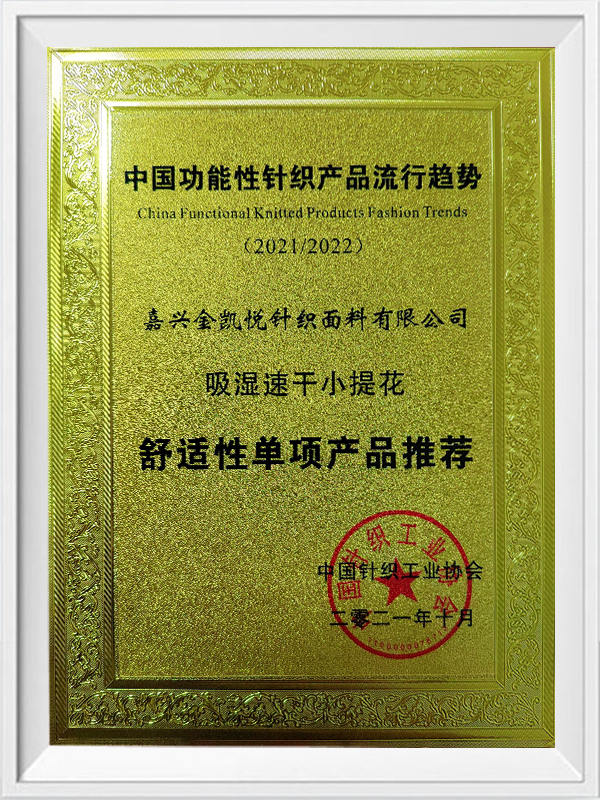
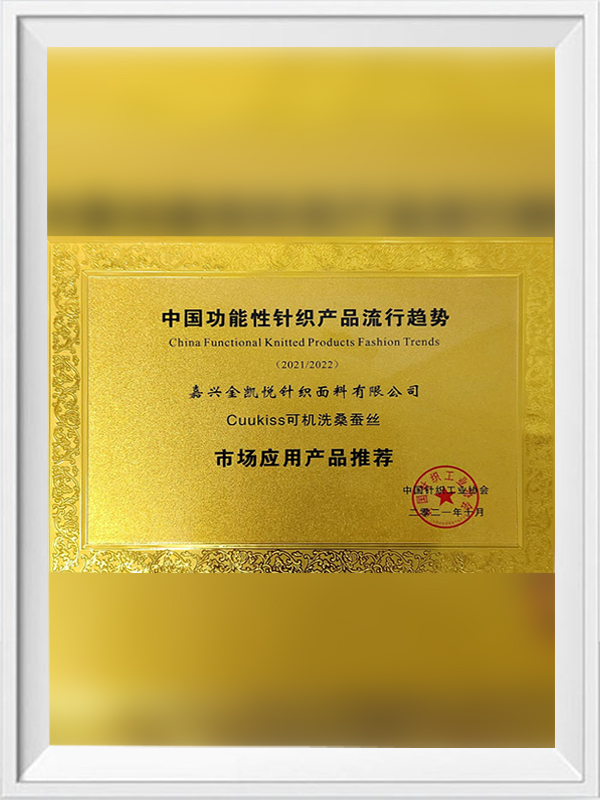
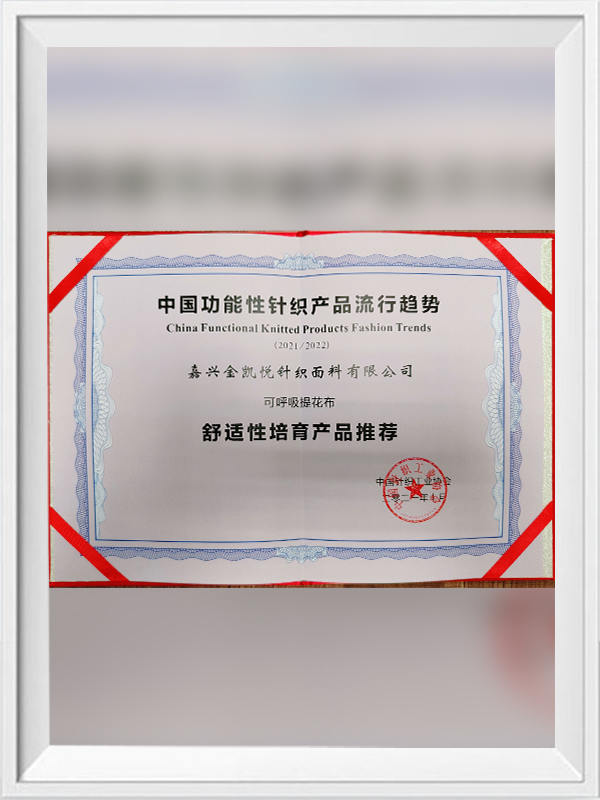
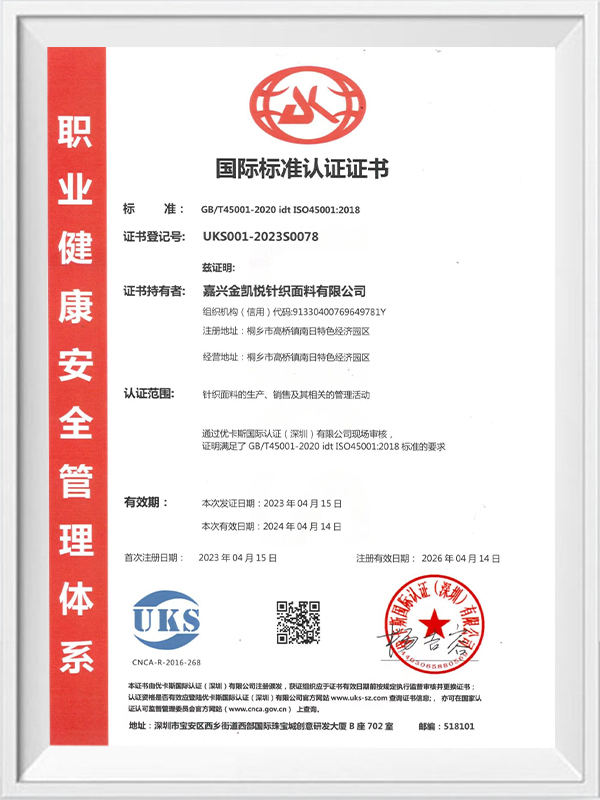
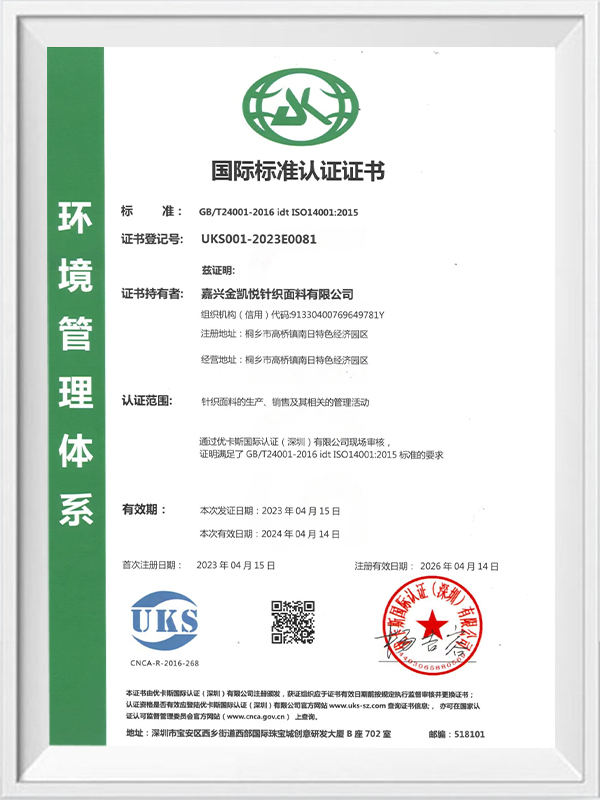
Certificate Of Honor
News
-
-
In textile engineering, knitted shirt fabric refers to a class of weft-knitted structures engineered for comfort, drape, and dimensional stability in upper garments. This article provides an in-depth technical analysis t...
READ MORE -
What Makes Cotton Shirt Fabric Ideal for Wholesale Buyers? The global demand for cotton shirt fabric wholesale continues to grow as apparel manufacturers, private labels, and garment factories seek reliable materials tha...
READ MORE
Silk Cotton Shirt Fabric Industry knowledge
How to determine the optimal silk and cotton fiber blend ratio for silk-cotton shirt fabrics to achieve ideal softness, breathability and durability?
In the textile industry, the development and production of blended fabrics has always been a combination of technology and art. As the preferred material for high-end shirts, the balance of softness, breathability and durability of silk cotton shirt fabrics is a common focus of consumers and manufacturers. Jiaxing Jinkaiyue Knitted Fabric Co., Ltd., as a leader in the textile industry, is well aware of the importance of efficient management and integrated production processes, and also deeply understands the decisive influence of raw material selection and blending ratio on the performance of the final product.
Advantages and Challenges of Silk-Cotton Blending
Silk-cotton blended fabrics combine the dual advantages of silk and cotton fibers. Silk is known for its good gloss, softness, smoothness and good breathability, while cotton fibers are known for their strong moisture absorption, good wear resistance and good warmth retention. The combination of the two can theoretically create an ideal fabric that is both soft and breathable, and has a certain degree of durability. However, how to find the best blending ratio to maximize these properties is a major challenge in the production process.
Considerations for determining the optimal blending ratio
Softness: Silk is significantly softer than cotton, so increasing the proportion of silk can improve the softness of the fabric. However, too high a silk ratio may increase the fabric cost and may affect durability.
Breathability: Both silk and cotton fibers have good breathability, but silk is more breathable. However, breathability is also affected by the fabric structure and post-processing process.
Durability: Cotton fibers have high abrasion resistance and strength, so increasing the proportion of cotton fibers can improve the durability of the fabric. However, too much cotton fiber may reduce the softness and glossiness of the fabric.
Experimentation and optimization
In order to find the best silk-cotton blending ratio, manufacturers usually conduct a lot of experiments. The following is a possible experimental procedure:
Set the blending ratio range: Based on preliminary market research and production cost considerations, set a reasonable blending ratio range, such as 20% silk to 80% silk.
Make samples: Make fabric samples according to different blending ratios.
Performance testing: Test the samples for softness, breathability, and durability. The test methods include but are not limited to hand feel evaluation, air permeability tester and abrasion resistance test.
Data analysis: According to the test results, analyze the impact of different blending ratios on fabric performance.
Optimization and selection: According to the analysis results, select the best blending ratio. This is usually a balance point, that is, finding the best balance between softness, air permeability and durability.
Actual cases and recommended ratios
In actual production, the optimal ratio of silk-cotton blends often varies depending on product positioning, market demand and production costs. But in general, for shirt fabrics that pursue high-end texture and comfort, it is recommended to use a higher silk ratio, such as a blending ratio of 50% silk and 50% cotton fiber, or a higher blending ratio of 70% silk and 30% cotton fiber. Such a ratio can provide sufficient air permeability and a certain degree of durability while ensuring the softness and glossiness of the fabric.
In the development and production of silk-cotton shirt fabrics, Jiaxing Jinkaiyue Knitted Fabric Co., Ltd. has fully utilized its advantages in efficient management of raw materials and finished product storage and integration of production processes. The company strictly screens raw materials to ensure the high quality of silk and cotton fibers. At the same time, by optimizing the production process, improving production efficiency and reducing costs, it provides consumers with more cost-effective silk-cotton shirt fabrics.
Determining the optimal silk-cotton fiber blending ratio for silk-cotton shirt fabrics is a complex and meticulous process that requires comprehensive consideration of multiple factors such as softness, breathability and durability. Through scientific experiments and optimization steps, the best balance can be found to provide consumers with high-quality, cost-effective silk-cotton shirt fabrics.
Copyright © Jiaxing Jinkaiyue Knitted Fabric Co., Ltd.
