

 English
 日本語
日本語 中文简体
中文简体
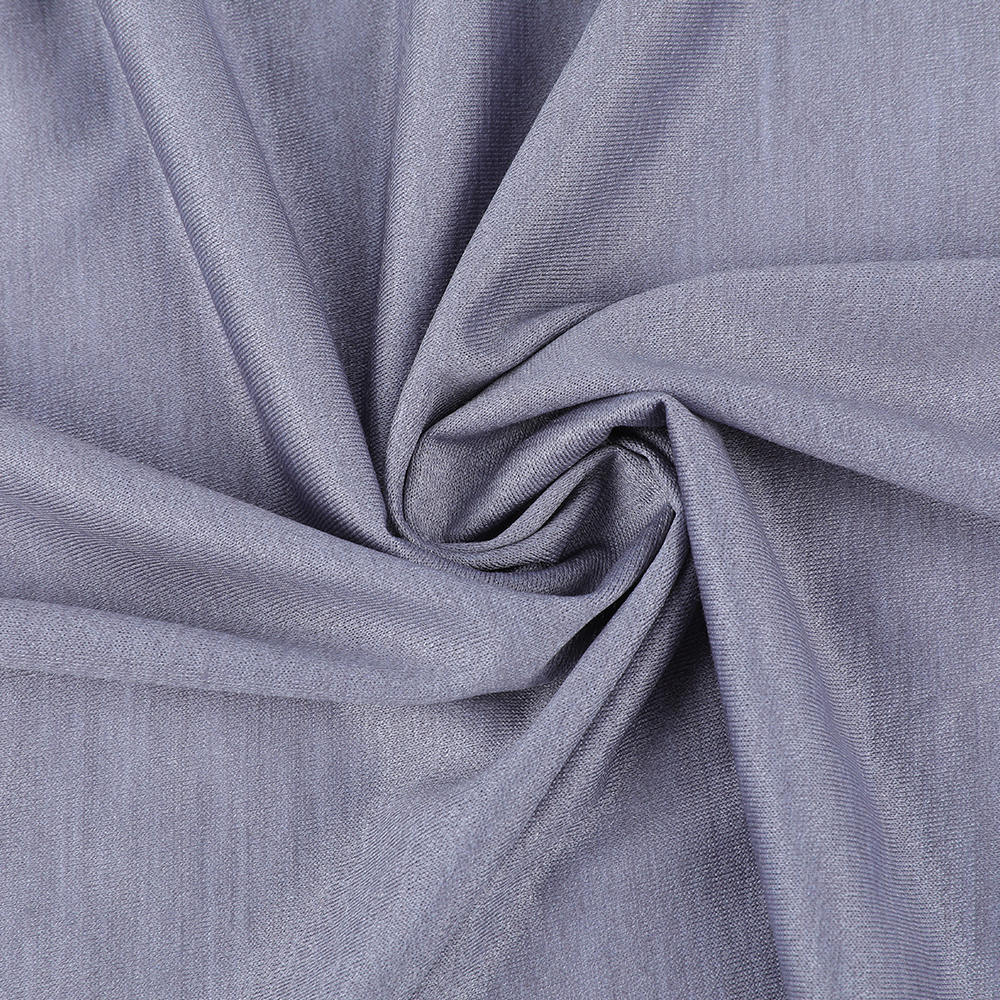
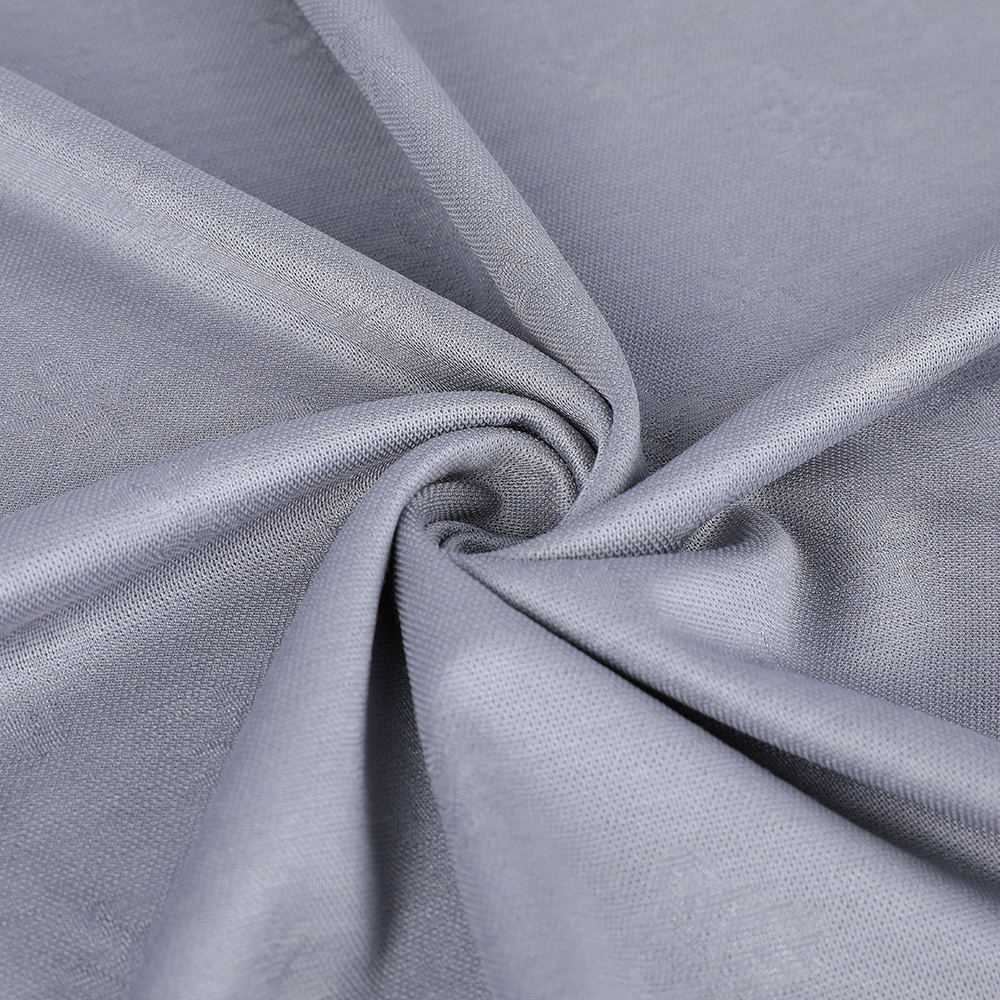
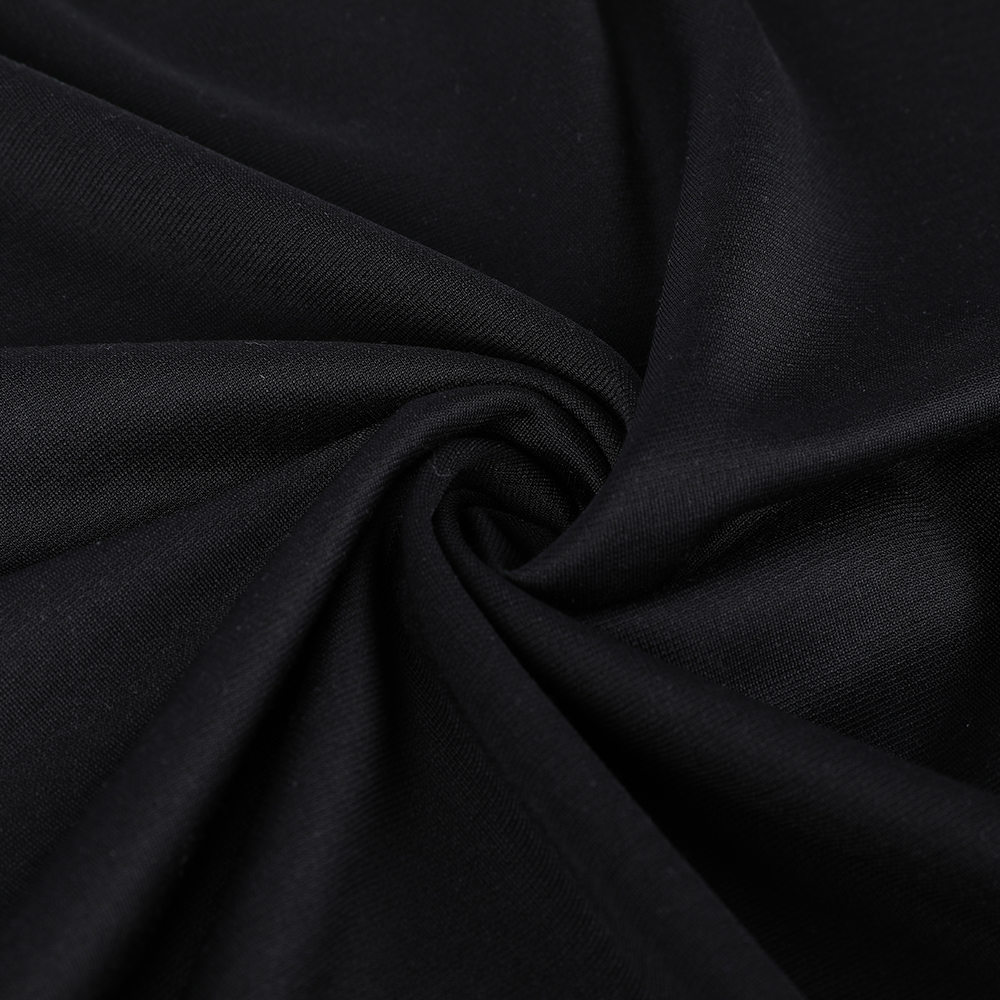
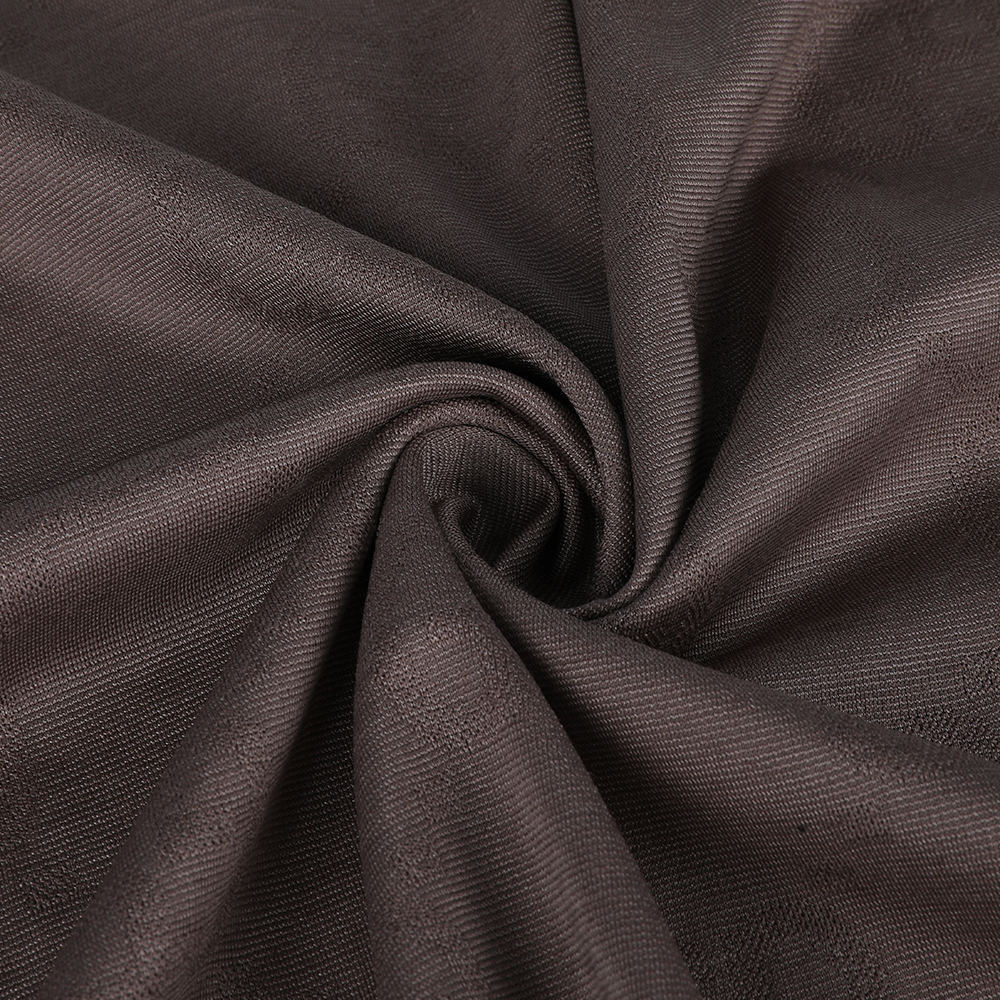
Understanding the Value of Affordable Knit Textiles In the competitive landscape of textile manufacturing, sourcing materials that balance cost-efficiency with technical performance is a critical engineering challenge. C...
READ MORECustom Silk Wool Fabrics
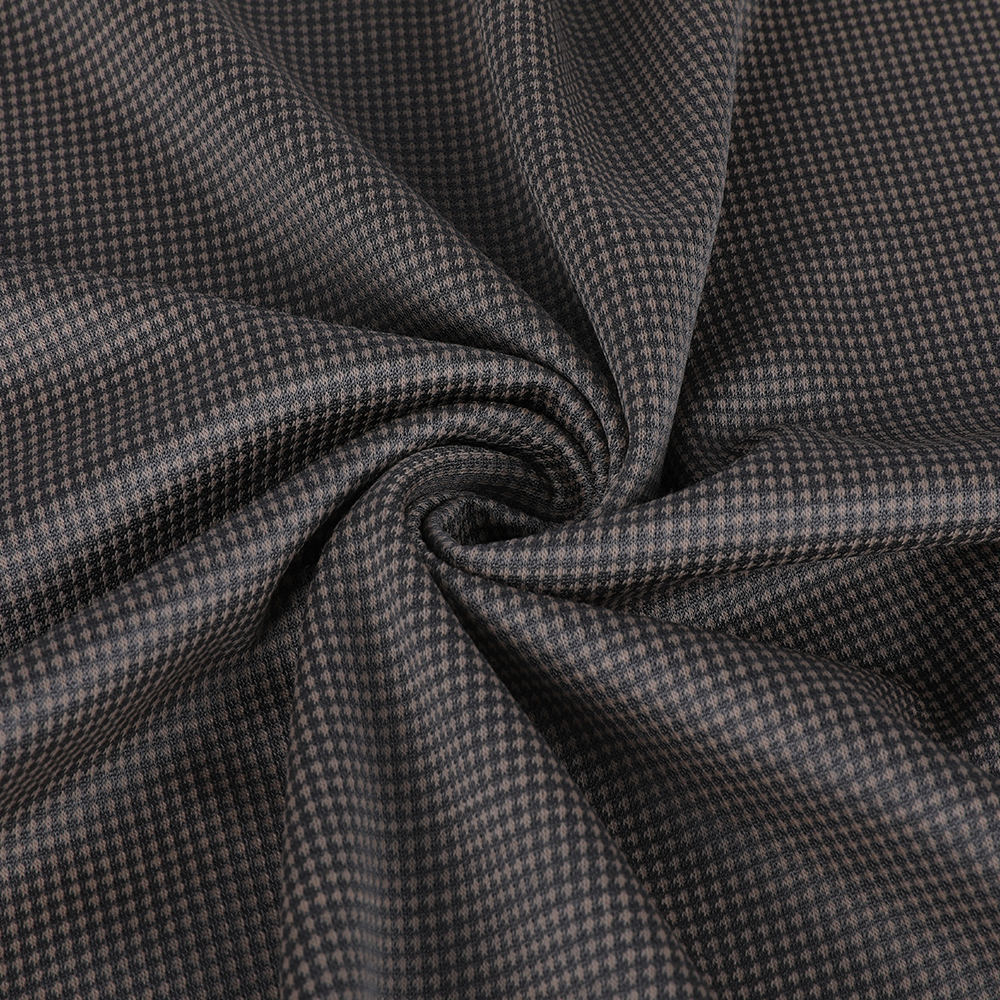
Silk wool fabric, a model of high-end textiles, perfectly combines the advantages of silk and wool through exquisite blending technology. Silk is known for its softness, breathability, and moisture-absorbing and regulating properties, giving the fabric a delicate and smooth texture; wool, with its good warmth retention and elasticity, provides warmth, comfort, and good wrinkle resistance. The fabric feels silky and soft, has a warm and lustrous color, and displays an extraordinary high-end texture. Its breathability, sweat-wicking function, wear resistance, and anti-pilling properties are all specially treated to ensure that the fabric remains dry, comfortable, and durable in changing environments. Silk wool fabric is suitable for making suits, coats, sweaters, and other high-end clothing and home textiles. It is an ideal choice for those who pursue quality life and fashion trends. It not only demonstrates the wearer's extraordinary taste but also reflects the unremitting pursuit of quality of life and fashion trends. It is a high-quality fabric with both functionality and aesthetics in the textile field.
About
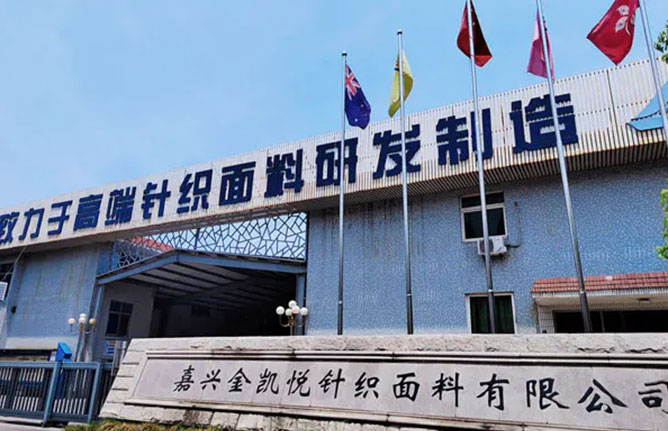
Jiaxing Jinkaiyue Knitted Fabric Co., Ltd.
Founded in 2000, Jiaxing Jinkaiyue Knitted Fabric Co., Ltd. is dedicated to producing high-end knitting fabrics. The company specializes in a wide range of materials, including mulberry silk, long-stable cotton, linen, wool, cashmere, and various blends of fibers.
As a
China Custom Silk Wool Fabrics Manufacturers and
Silk Wool Fabrics Factory, Suppliers, Jinkaiyue utilizes advanced circular knitting machines capable of creating diverse stitch types for both single jersey and double knitting. Our offerings include plain stitch, rib stitch, jacquard stitch, as well as more complex techniques such as high-pile stitch, single-blister stitch, loop transfer stitch, pelerine stitch, eyelet stitch, Swiss pique stitch, and six-course Punto di Roma. We Offer
Silk Wool Fabrics for sale.
The company employs approximately 300 staff members, with 20% involved in research, technology, and design. To ensure the better quality, Jinkaiyue invests in cutting-edge machinery from Italy, Germany, Switzerland, Japan, and Taiwan.
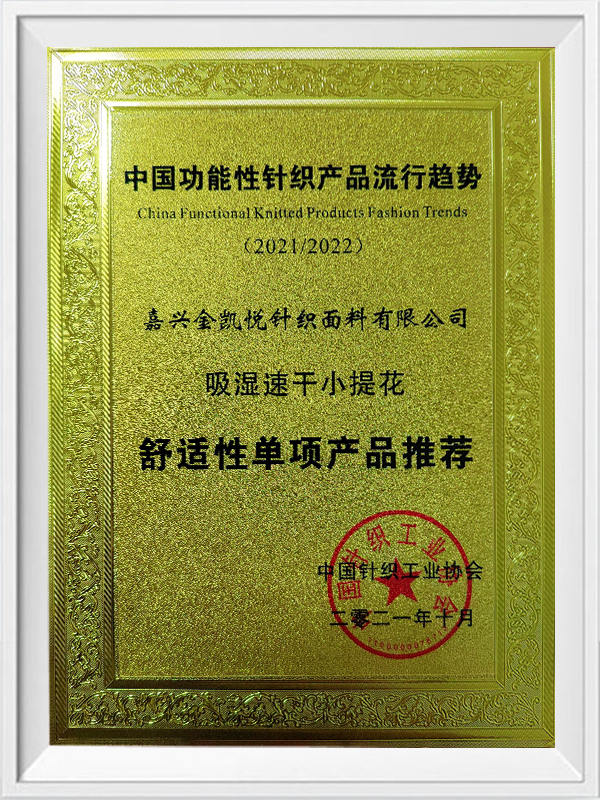
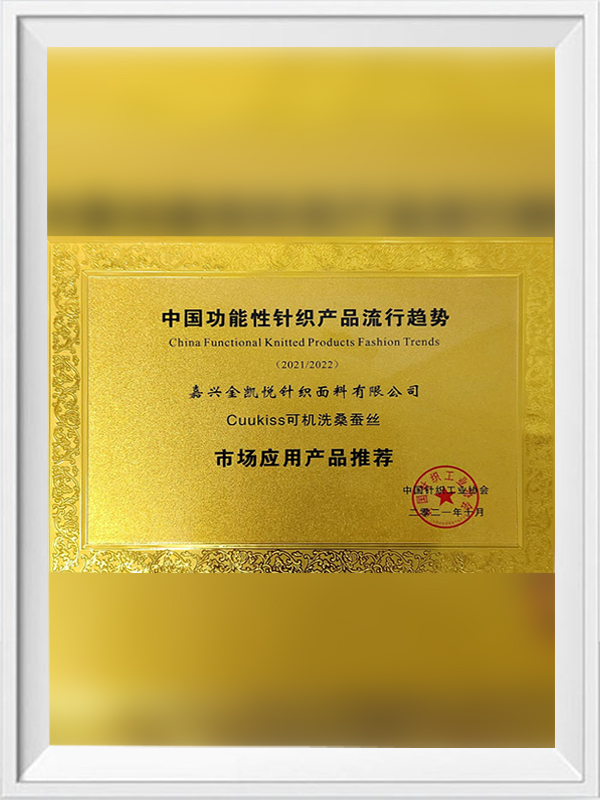
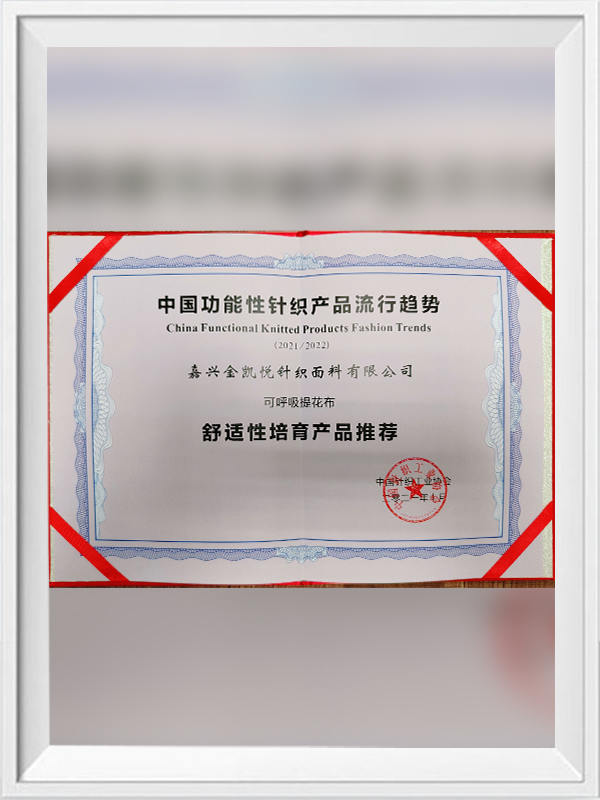
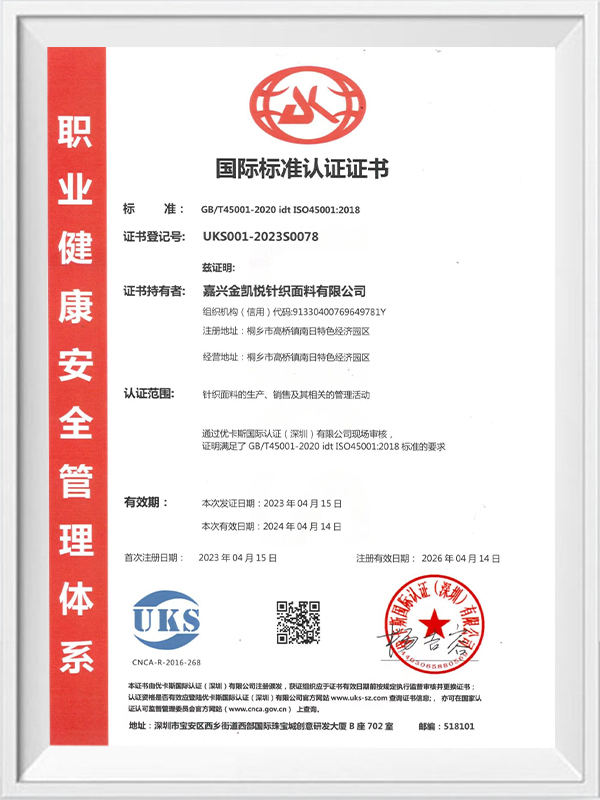
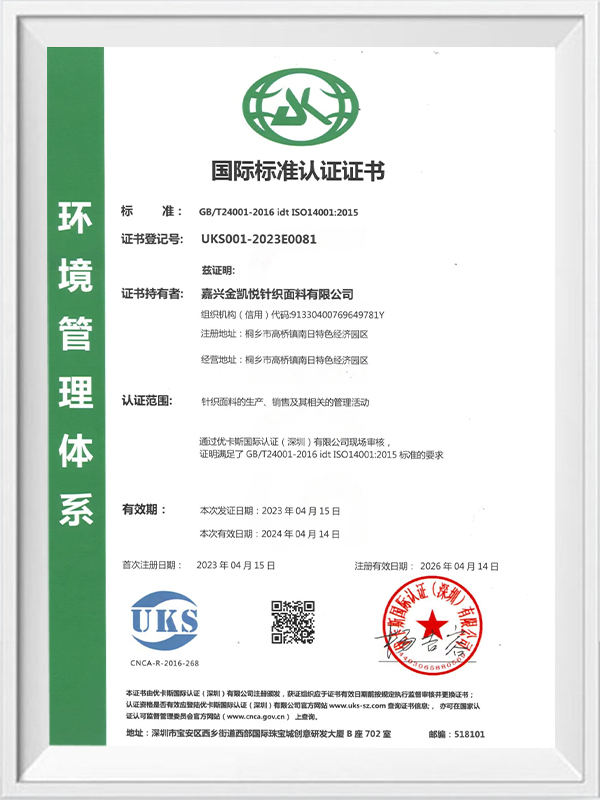
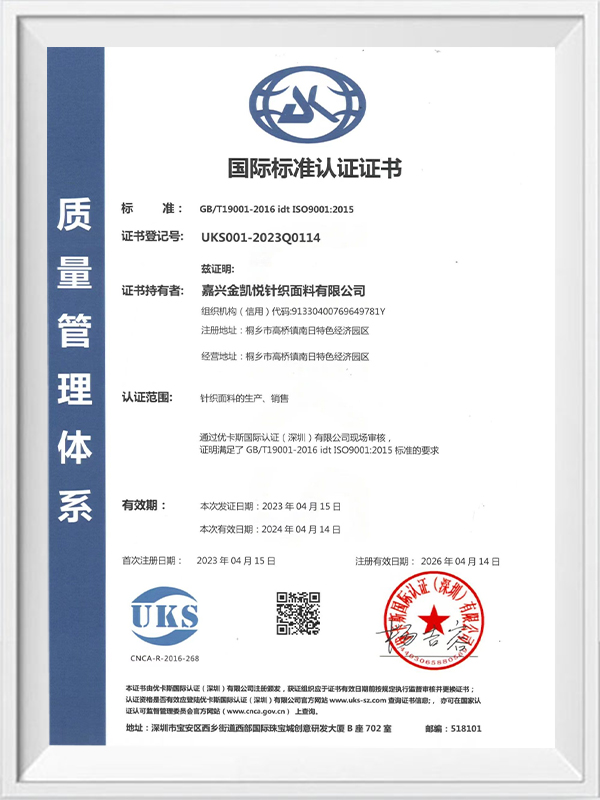
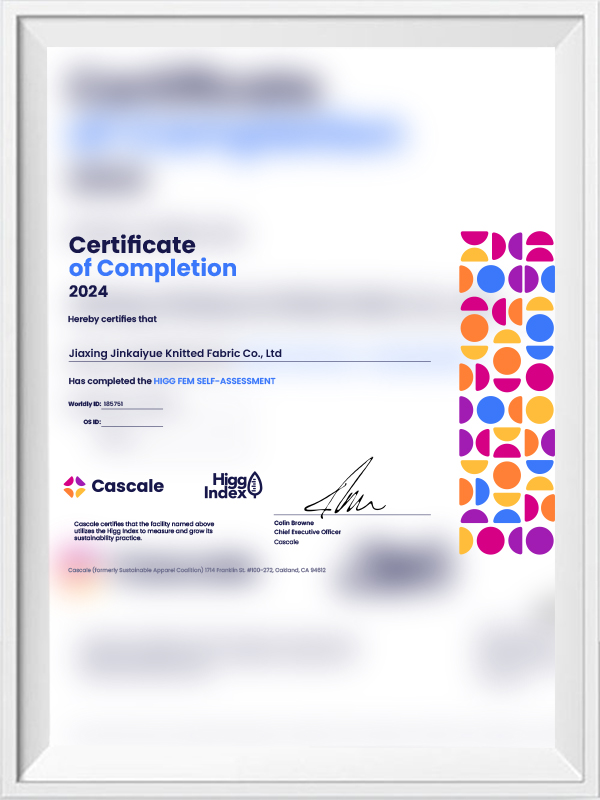
Certificate Of Honor
News
-
-
In textile engineering, knitted shirt fabric refers to a class of weft-knitted structures engineered for comfort, drape, and dimensional stability in upper garments. This article provides an in-depth technical analysis t...
READ MORE -
What Makes Cotton Shirt Fabric Ideal for Wholesale Buyers? The global demand for cotton shirt fabric wholesale continues to grow as apparel manufacturers, private labels, and garment factories seek reliable materials tha...
READ MORE
Silk Wool Fabrics Industry knowledge
What post-processing processes are performed after the silk wool fabric is dyed? For example, washing, ironing and finishing. What impact do these processes have on the final texture of the fabric?
The washing process is the first important treatment link after silk and wool fabrics are dyed. The main purpose of this process is to remove the residual dyes, auxiliaries and impurities generated during the production process on the fabric to ensure that the fabric is clean and tidy. Washing can also adjust the shrinkage of the fabric to make it more stable and reduce the risk of deformation in subsequent processing and use.
For silk and wool fabrics, the washing process is particularly important. Because silk and wool are natural fibers, they have unique physical and chemical properties and are sensitive to washing conditions. Therefore, during the washing process, it is necessary to strictly control parameters such as water temperature, detergent type and dosage, and washing time to avoid damage to the fabric.
The impact of the washing process on the final texture of the fabric is mainly reflected in the following aspects:
Cleanliness: Washing can completely remove stains and impurities on the fabric, making the fabric cleaner and fresher.
Feel: Proper washing treatment can make the fabric feel softer and more comfortable, and improve the wearing experience.
Stability: Through washing treatment, the shrinkage of the fabric is adjusted, the stability is enhanced, and the risk of deformation in subsequent processing and use is reduced.
Jiaxing Jinkaiyue Knitted Fabric Co., Ltd. strictly controls and manages the washing process when producing silk and wool fabrics. The company is equipped with advanced washing equipment and technicians to ensure that each batch of fabrics can get the best washing treatment effect. The company also pays attention to the procurement and quality control of raw materials to ensure the quality and stability of fabrics from the source.
The ironing process is an important finishing link for silk and wool fabrics after dyeing. Through ironing, the fabric can be made smoother and crisper, and the overall appearance quality of the fabric can be improved. Ironing can also improve the feel and gloss of the fabric to a certain extent.
For silk wool fabrics, special attention should be paid to temperature control when ironing. Because silk and wool are heat-sensitive fibers, excessively high temperatures can easily damage the fabric, causing deformation, discoloration and other problems. Therefore, during the ironing process, it is necessary to select appropriate ironing equipment and temperature parameters to ensure that the fabric gets the best ironing effect.
The impact of the ironing process on the final texture of the fabric is mainly reflected in the following aspects:
Flatness: Ironing can make the fabric smoother and crisper, and improve the overall appearance quality of the fabric.
Glossiness: Proper ironing can improve the glossiness of the fabric, making it brighter and more textured.
Feel: Ironing can also improve the feel of the fabric to a certain extent, making it softer and more comfortable.
Jiaxing Jinkaiyue Knitted Fabric Co., Ltd. also strictly controls and manages the ironing process. The company is equipped with advanced ironing equipment and professional technicians to ensure that each batch of fabrics can get the best ironing effect. The company also pays attention to temperature control and time management during the ironing process to avoid unnecessary damage to the fabric.
The finishing process is the last processing link after silk and wool fabrics are dyed. The main purpose of this process is to further modify and beautify the fabric and improve the overall quality and added value of the fabric. The finishing process includes a variety of treatment methods, such as softening, anti-wrinkle, waterproofing, etc.
For silk wool fabrics, the choice of finishing process needs to be determined according to the specific use of the fabric and customer needs. For example, fabrics used to make high-end clothing such as suits and coats need to be softened and anti-wrinkle treated to improve the wearing comfort and stiffness of the fabrics; fabrics used to make outdoor sportswear need to be waterproofed to enhance the waterproof performance of the fabrics.
The impact of the finishing process on the final texture of the fabric is mainly reflected in the following aspects:
Functionality: Through the finishing process, the fabric can have more functional characteristics, such as waterproof, anti-wrinkle, softness, etc.
Aesthetics: The finishing process can also further modify and beautify the fabric to enhance the overall aesthetics and added value of the fabric.
Durability: Appropriate finishing can enhance the durability of the fabric and extend the service life of the fabric.
Jiaxing Jinkaiyue Knitted Fabric Co., Ltd. has also conducted in-depth research and exploration on the finishing process. The company has a professional R&D team and technicians dedicated to developing new finishing technologies and products to meet the needs of different customers. The company also pays attention to communication and cooperation with customers, and adjusts and optimizes products according to the specific needs and feedback of customers.
As the main post-processing processes for silk wool fabrics after dyeing, washing, ironing and finishing processes have a profound impact on the final texture of the fabrics. These processes not only affect the appearance, color and overall quality of the fabrics, but also determine the wearing comfort and service life of the fabrics to a certain extent.
The washing process ensures the cleanliness and stability of the fabrics; the ironing process improves the flatness and glossiness of the fabrics; the finishing process gives the fabrics more functional characteristics and aesthetics. These processes cooperate with each other and work together to enable silk and wool fabrics to show extraordinary high-end texture when they are finally presented.
The post-processing processes after silk and wool fabrics are dyed have a profound impact on the final texture of the fabrics. These processes not only improve the overall quality and added value of the fabrics, but also determine the wearing comfort and service life of the fabrics to a certain extent. Therefore, the quality and effect of these processes need to be strictly controlled and managed during the production process to ensure the quality and quality of the final product.
Copyright © Jiaxing Jinkaiyue Knitted Fabric Co., Ltd.
